

Introduction
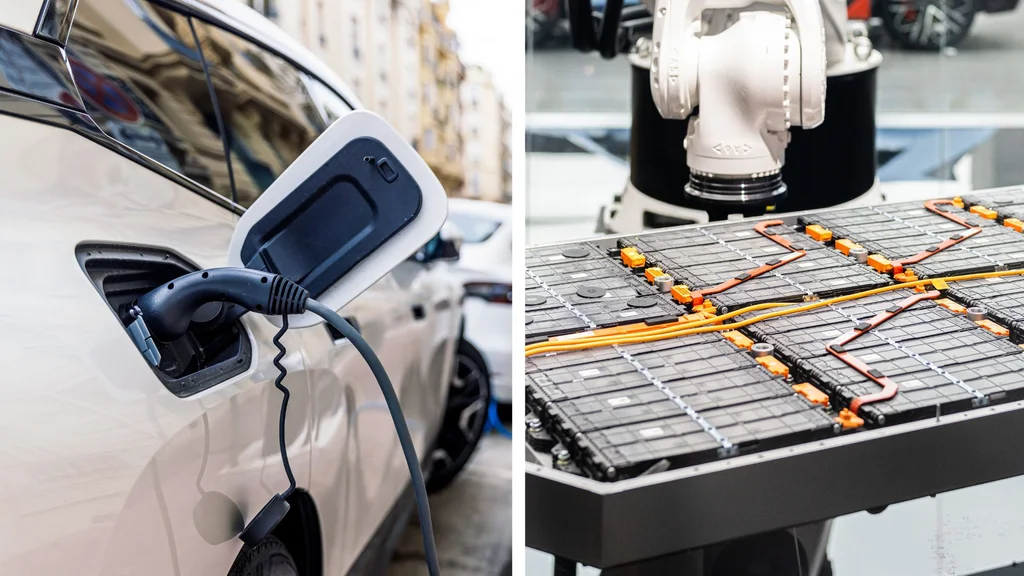
The widespread adoption of electric vehicles necessitates revolutionary developments in battery technology. Traditional lithium-ion batteries have reached certain limits in terms of energy density, charging time, and safety. Solid-state batteries (SSB) have emerged as the most promising technology to overcome these limitations.
The fundamental difference of solid-state batteries is that the electrolyte facilitating lithium ion movement consists of a solid material rather than liquid. This seemingly simple change enables groundbreaking improvements in battery performance.
Working Principle
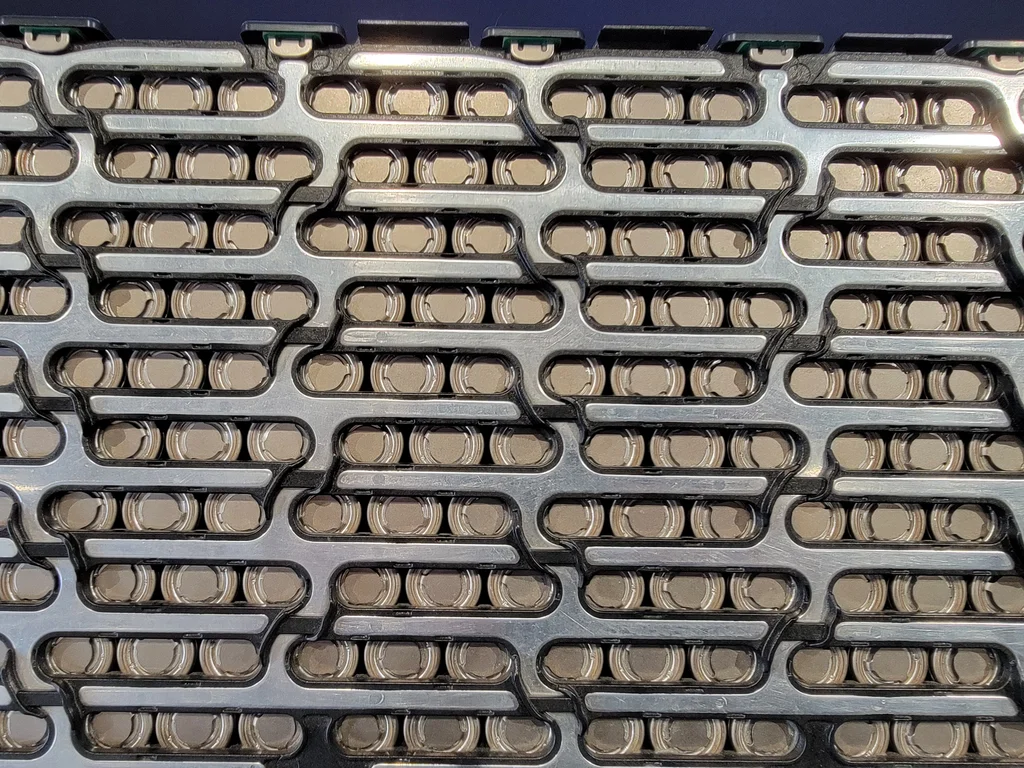
In traditional lithium-ion batteries, lithium ions move between anode and cathode through a liquid electrolyte. In solid-state batteries, this movement occurs through solid materials such as ceramics, glass, or solid polymers.
During Charging
- ⚡ Lithium ions move from cathode to anode through solid electrolyte
- 🔋 Lithium accumulates as metal at the anode
- ⚡ Electrons flow through the external circuit
During Discharging
- ⚡ Lithium ions return from anode to cathode through solid electrolyte
- 🔋 Chemical energy converts to electrical energy
- ⚡ Motor or device operates
Solid Electrolyte Materials
The main electrolyte materials used in solid-state batteries:
| Material Type | Examples | Advantages |
|---|---|---|
| Oxides | LLZO (Li₇La₃Zr₂O₁₂), LAGP, LATP | High thermal stability |
| Sulfides | LGPS (Li₁₀GeP₂S₁₂) | High ionic conductivity |
| Chlorides | Li₃InCl₆, Li₂ZrCl₆ | Low cost, high durability |
| Polymers | PEO-based | Flexibility, easy manufacturing |
Anode and Cathode Technologies
Anode
- Pure lithium metal anode (increases energy density)
- Silicon-based anodes
- "Anode-free" designs (lithium metal forms during first charge)
Cathode
- NMC (Nickel Manganese Cobalt)
- LFP (Lithium Iron Phosphate)
- Lithium-Sulfur combinations
Energy Density Comparison
| Battery Type | Volumetric Energy Density | Gravimetric Energy Density |
|---|---|---|
| Traditional Li-ion | ~700 Wh/L | ~250-300 Wh/kg |
| Solid-State (Thin Film) | 800-1000+ Wh/L | 300-900 Wh/kg |
| Solid-State (Bulk) | 700-900 Wh/L | 250-500 Wh/kg |
Performance Characteristics
<15 min
%10-%80 Charge
(Solid-State)30-40 min
%10-%80 Charge
(Traditional)3 min
Panasonic Prototype
%10-%80 Charge10,000-100,000
Cycle Life
(Technical Potential)-50°C / +125°C
Operating Temperature Range
Dendrite Problem and Solutions
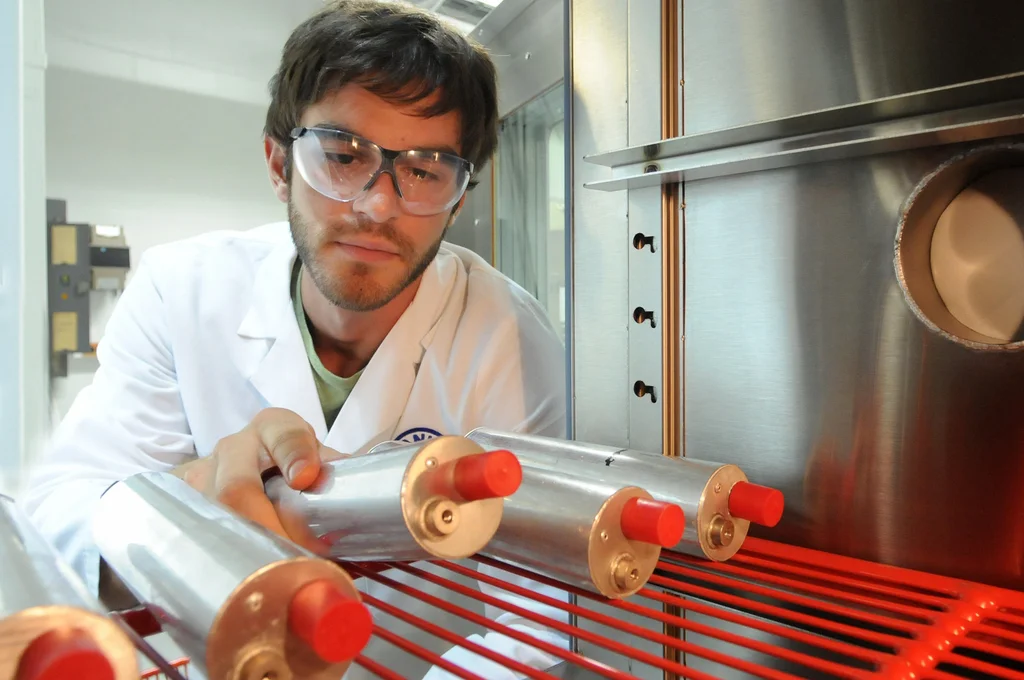
The biggest challenge with lithium metal anodes is dendrite formation. Dendrites are irregular lithium accumulations during charging that can penetrate the electrolyte and cause short circuits.
- High-pressure operation (1-7 MPa)
- Special ceramic separators (QuantumScape)
- Using alloy anodes
- Interfacial engineering
Production Challenges
Conclusion
Solid-state batteries have the potential to be game-changing technology for the electric vehicle industry. Offering higher energy density, faster charging, enhanced safety, and longer lifespan, they can eliminate range anxiety for electric vehicles.
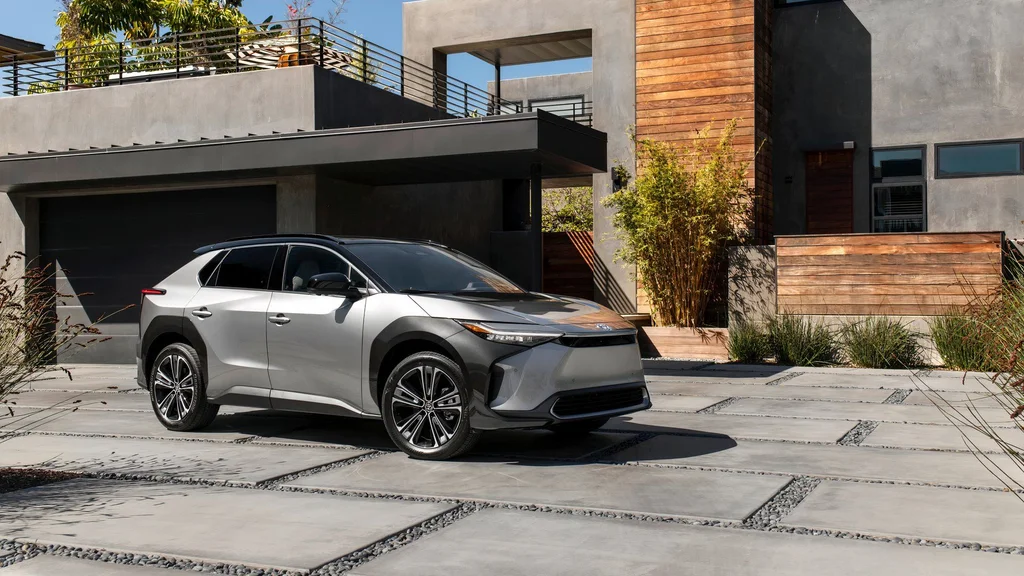
- Toyota: Aiming for commercial production by 2027
- QuantumScape: Planning to enter market with QSE-5 product
- Honda, Nissan, BMW, Mercedes-Benz: Investing heavily
Widespread adoption of solid-state batteries in electric vehicles is expected within the next 5-10 years. This development will usher in an era where electric vehicles can fully compete with gasoline vehicles.
Sources
Comprehensive technical information, history, materials science, applications QuantumScape - Solid State Battery Technology
QSE-5 product information, energy density data, technology details Honda - All-solid-state battery technology
Demonstration line plans (August 2022) Nissan - High-quality battery technology
Launch of own-developed solid-state battery vehicle in FY2028