Battery and Charging
Share This Page
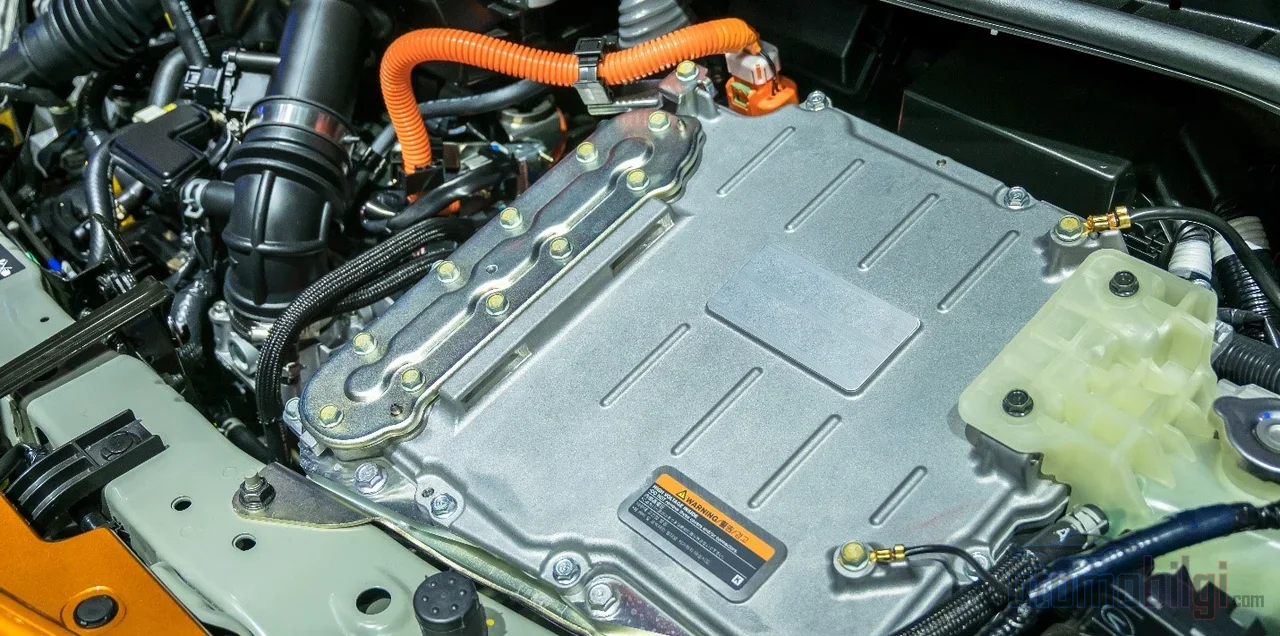
Does Heat or Cold Wear Out a Hybrid Battery Faster?
Heat is the factor that permanently degrades a hybrid battery faster; high heat irreversibly accelerates the chemical breakdown inside the cells. Cold works through a different mechanism: it temporarily reduces performance, but on its own it does not…
Read More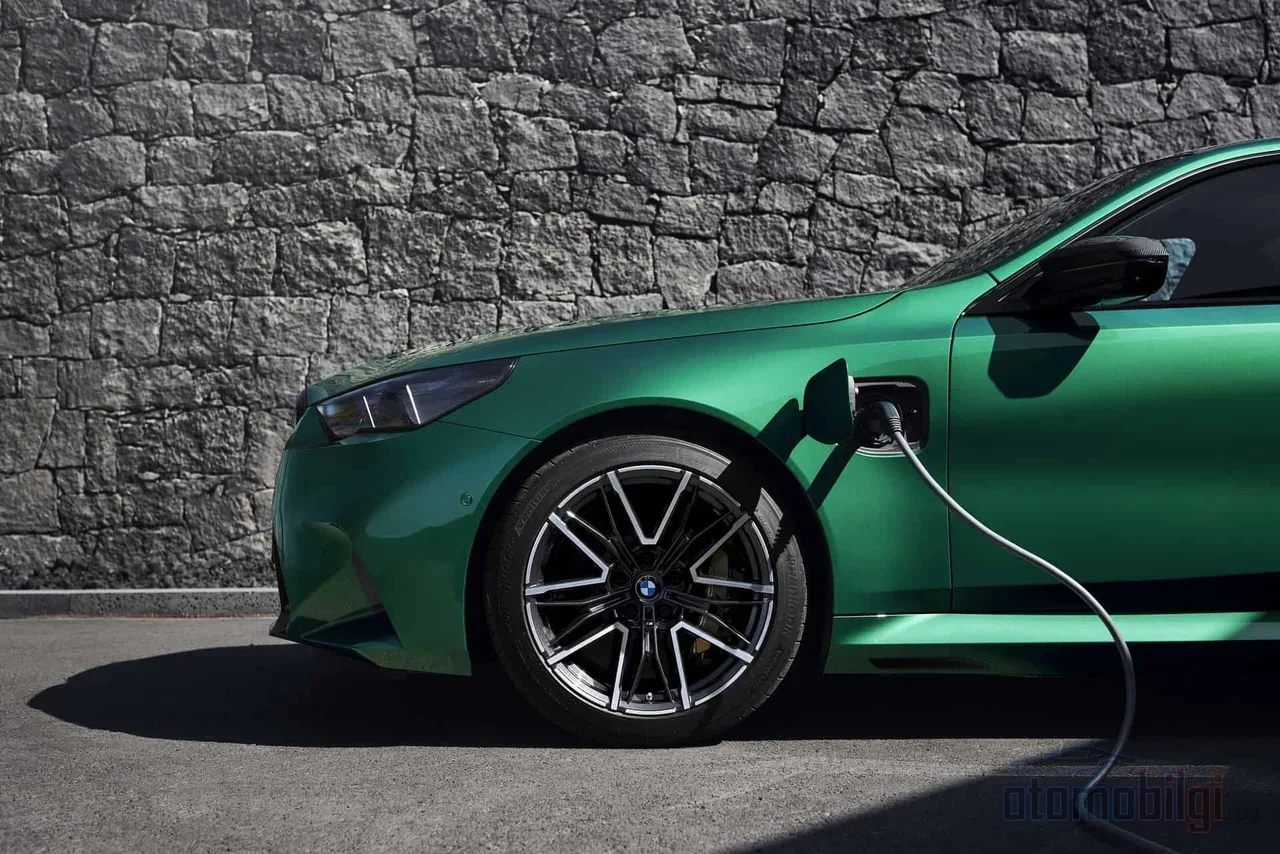
What Happens to Plug-in Hybrid Owners Who Never Plug In?
Nothing bad happens to a plug-in hybrid that never gets plugged in: the vehicle keeps working like an ordinary hybrid, with the battery's reserved portion fed by regenerative braking. The damage is not to the vehicle but to your wallet; because a unp…
Read More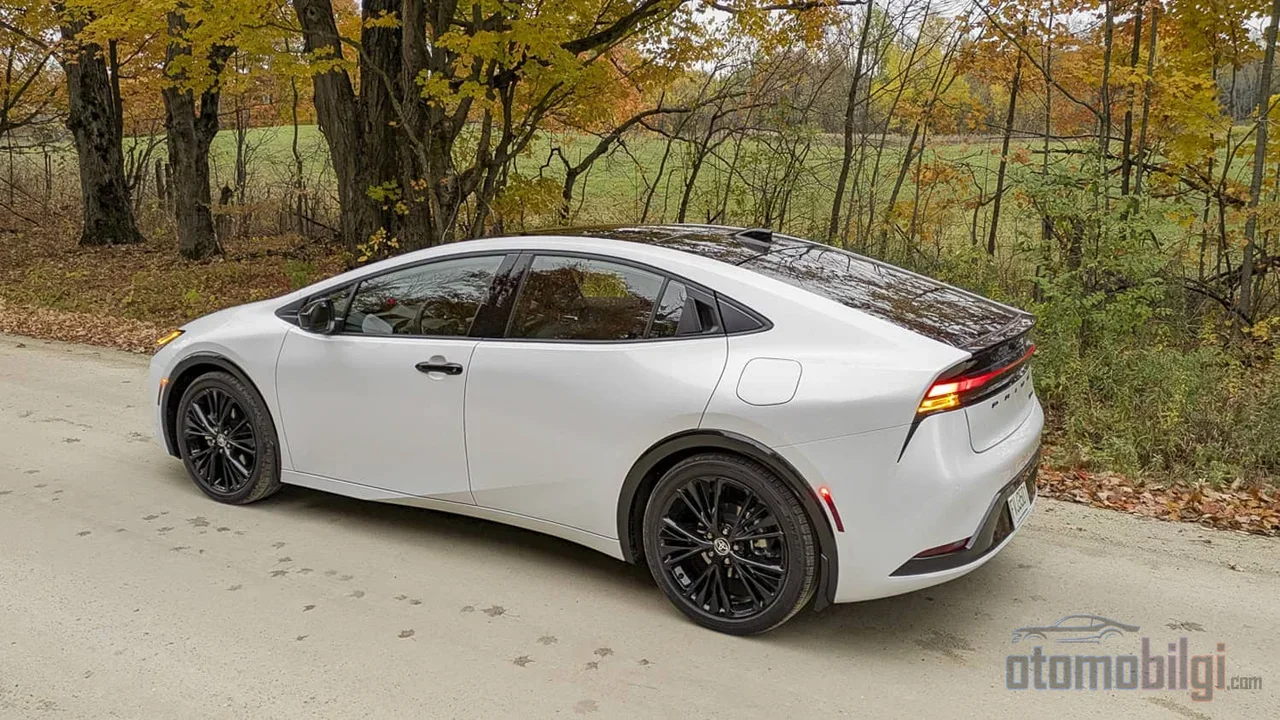
NiMH or Lithium-Ion? The Difference Between Hybrid Battery Chemistries
Hybrid cars use two main battery chemistries: nickel-metal hydride (NiMH) stands out for its durability, wide temperature tolerance and low cost, while lithium-ion offers more energy with less weight thanks to its higher energy density and extends th…
Read More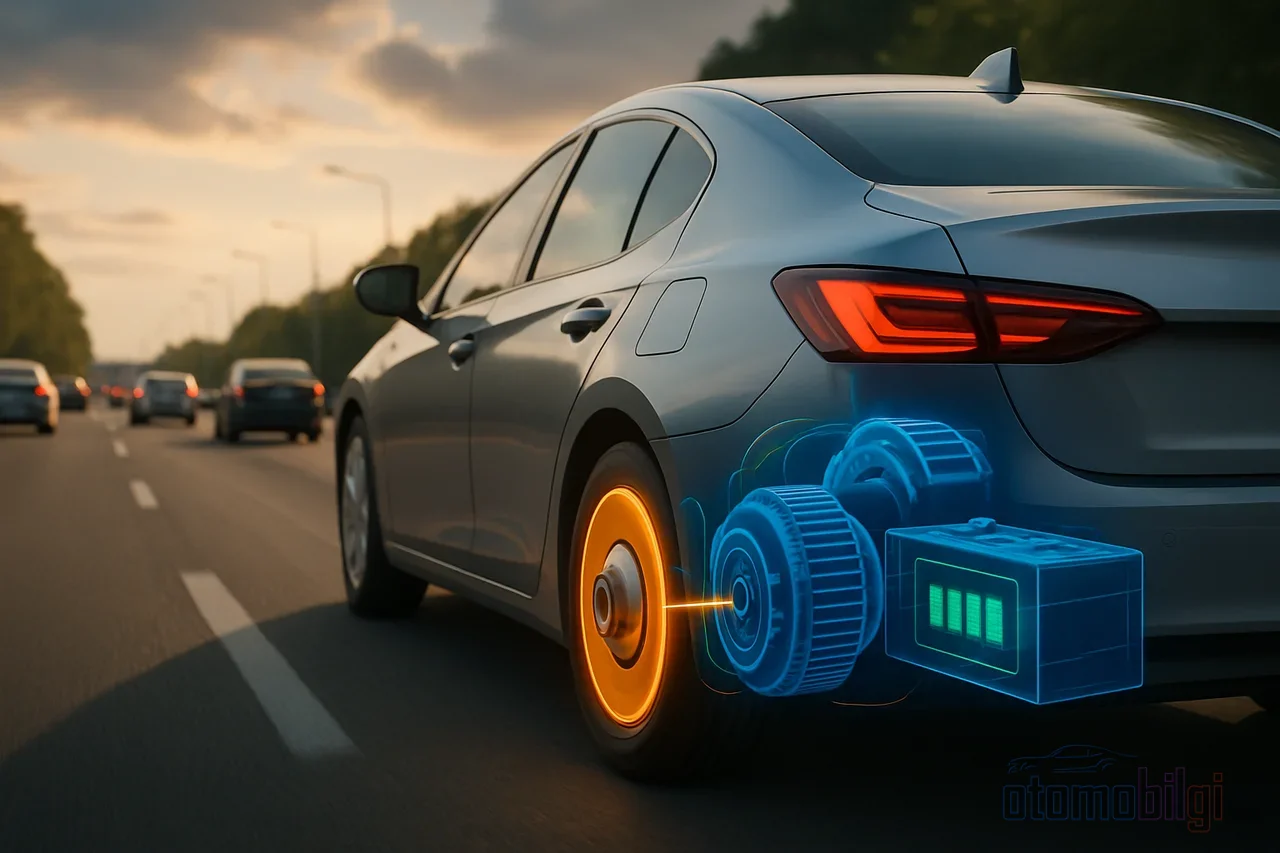
Regenerative Braking: The Art of a Hybrid Charging Itself
Regenerative braking is an energy recovery system used in hybrid and electric vehicles that converts the kinetic energy that would otherwise be lost while slowing down into electricity by temporarily turning the electric motor into a generator and st…
Read More
How Long Does a Hybrid Battery Last? Health, Warranty, and Replacement Cost
Hybrid batteries last on average at least 10 years or 100,000-150,000 miles (approximately 160,000-240,000 km); many estimates push this range up to 200,000 miles. The battery is designed to last the lifetime of the vehicle, and major manufacturers p…
Read More