Future Technologies
Share This Page
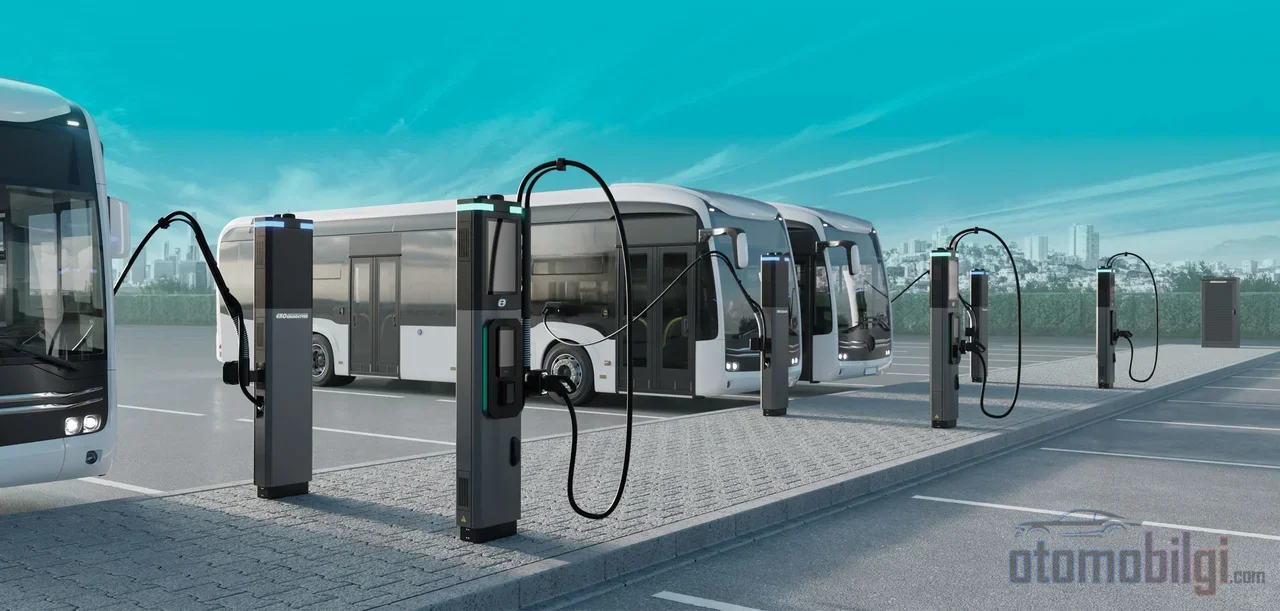
Why Are City Buses Ahead of Cars in Electrification?
City buses are leading the way in battery electrification, ahead of cars; because they have fixed routes, predictable daily distances, and centralized charging depots. Let me explain with an analogy: A car sets off on a completely different road ever…
Read More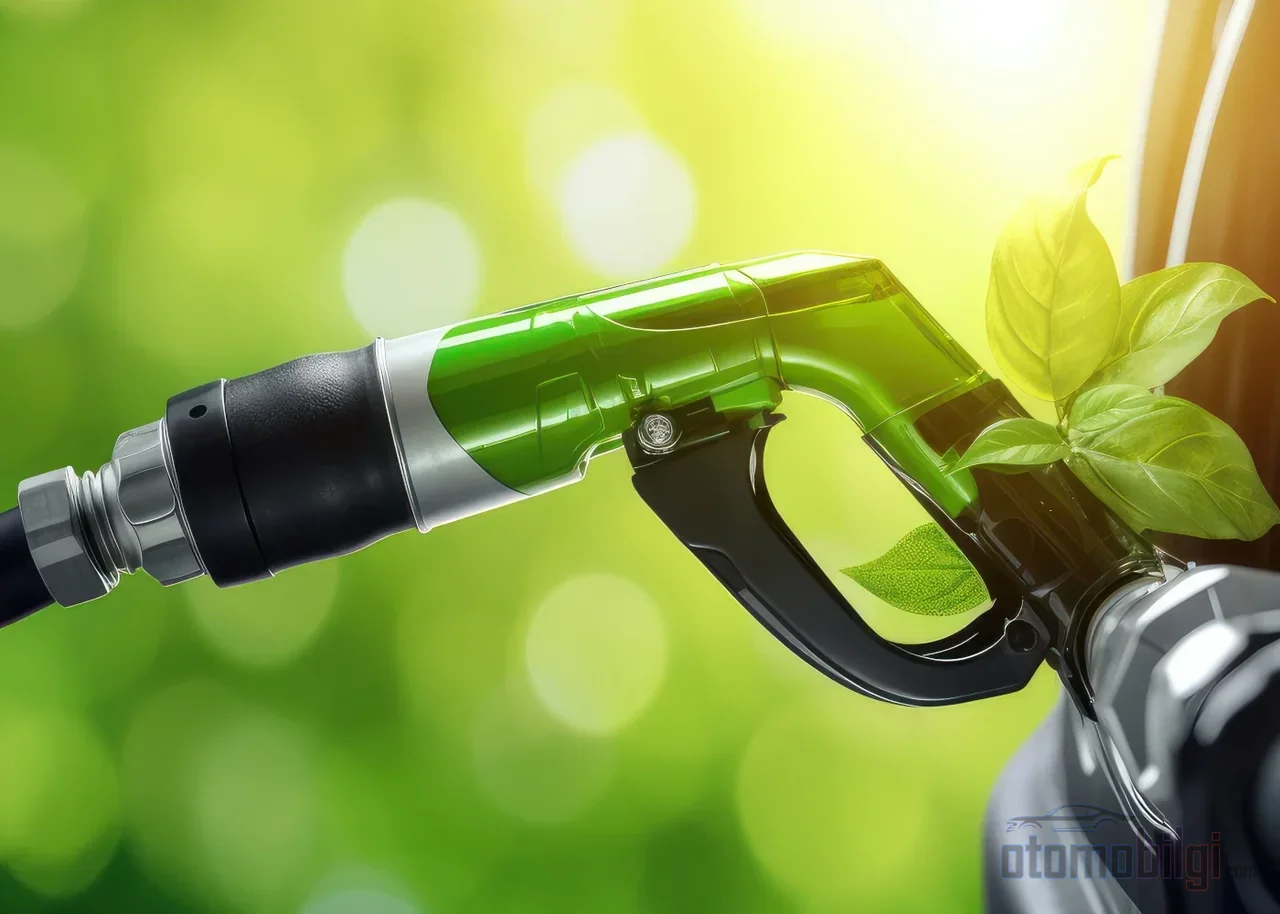
Can Synthetic Fuel Really Be Used in Today's Gasoline Cars?
Yes, synthetic fuel (e-fuel) can theoretically be used in today's gasoline cars without any engine modifications; because synthetic gasoline produced to specification is a "drop-in" fuel that mimics the same chemical structure as fossil gasoline. But…
Read More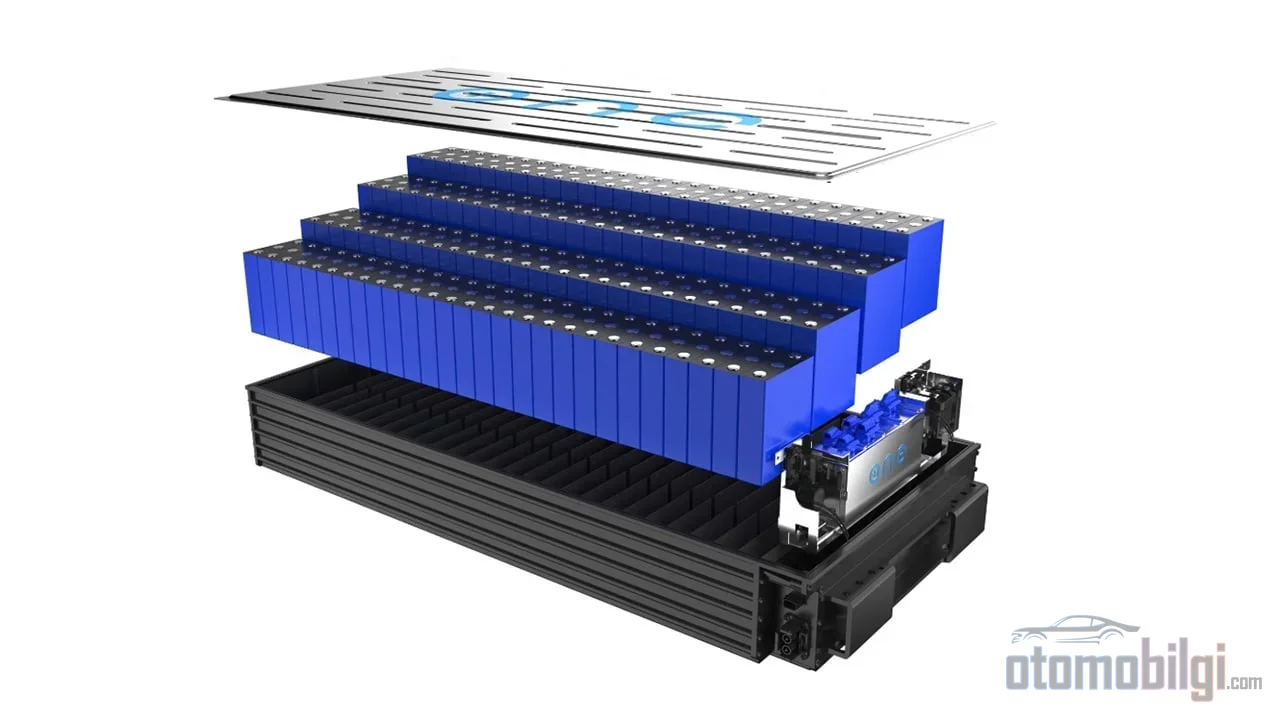
How Are LFP Batteries Transforming the Affordable Electric Car?
LFP batteries (lithium-iron-phosphate), thanks to their low cost, long cycle life, and high thermal safety, today make up more than half of the global electric vehicle market - a battery chemistry that has effectively become established in mass produ…
Read More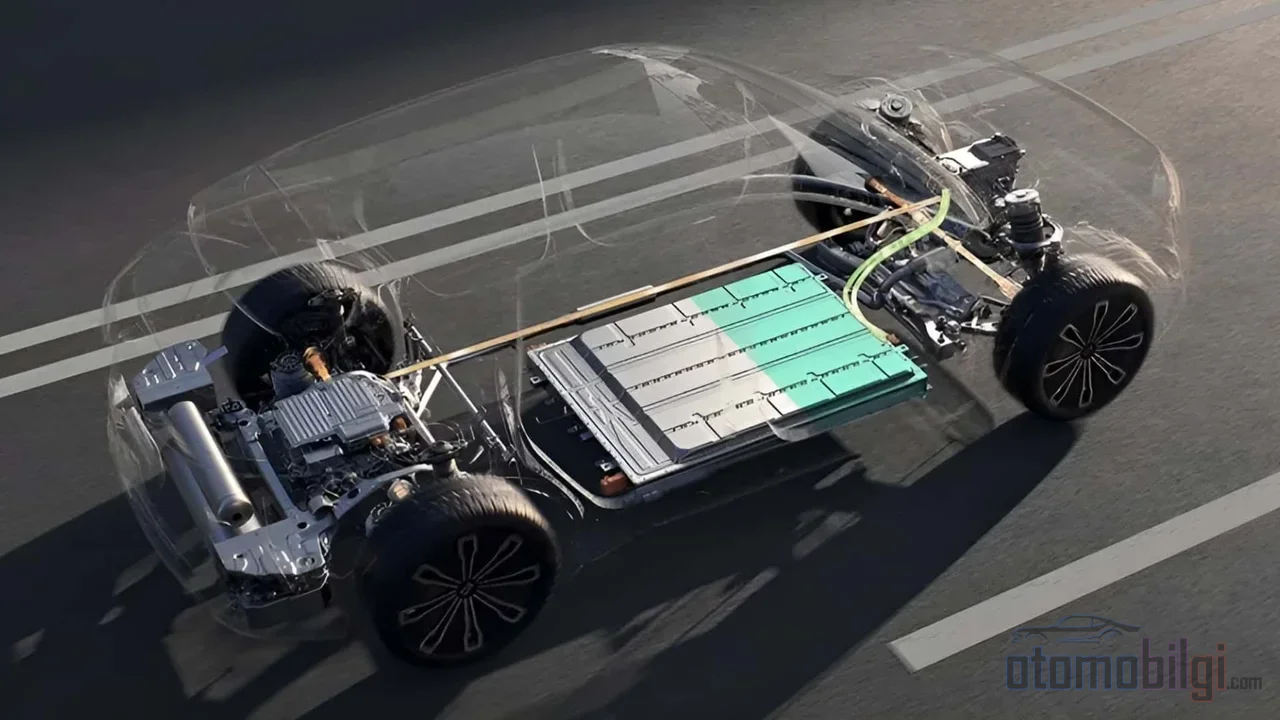
Are Range-Extender EVs a Truly Viable Middle Ground?
An extended-range electric vehicle (EREV) is a hybrid architecture in which the wheels are turned solely by the electric motor, while a small gasoline engine works only as a generator, charging the battery. In other words, the gasoline engine can nev…
Read More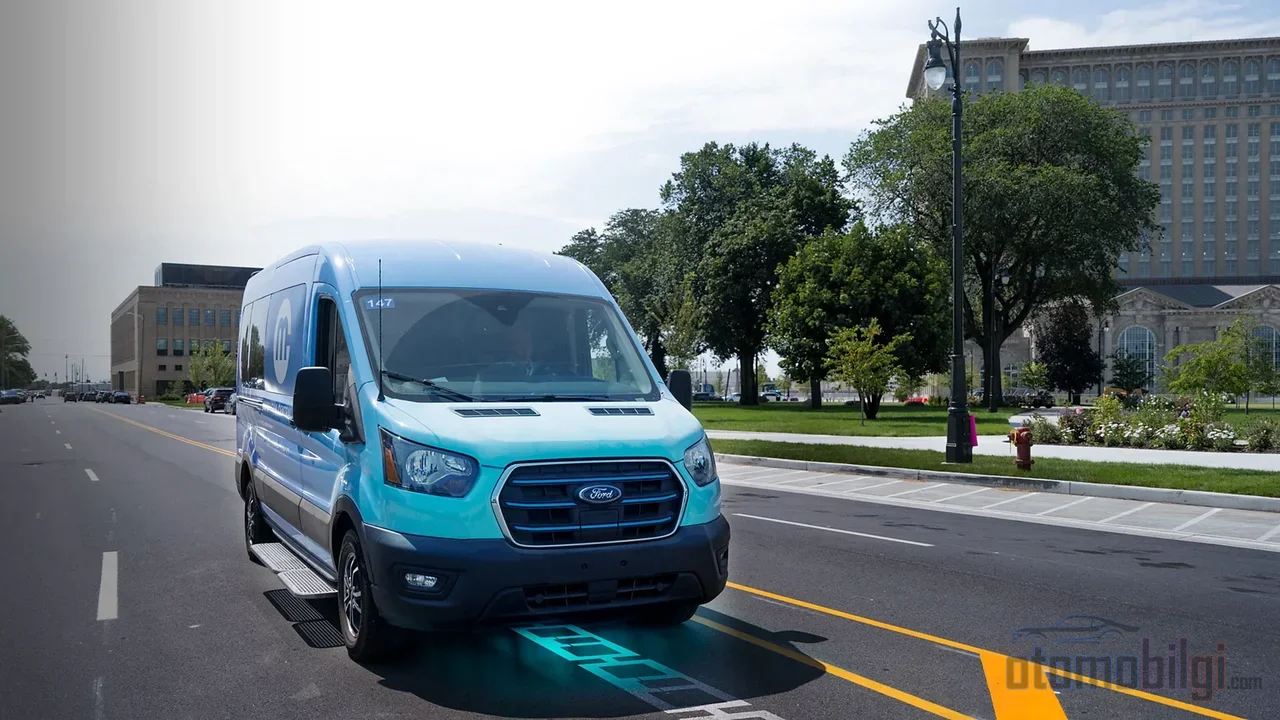
Can Electric Roads Solve Vehicle Charging on the Go?
Electric roads are charging infrastructure embedded in roads that charges the vehicle's battery while driving, and the short answer is this: the technology really works, but as of today, its permanent, large-scale implementation worldwide is still ve…
Read More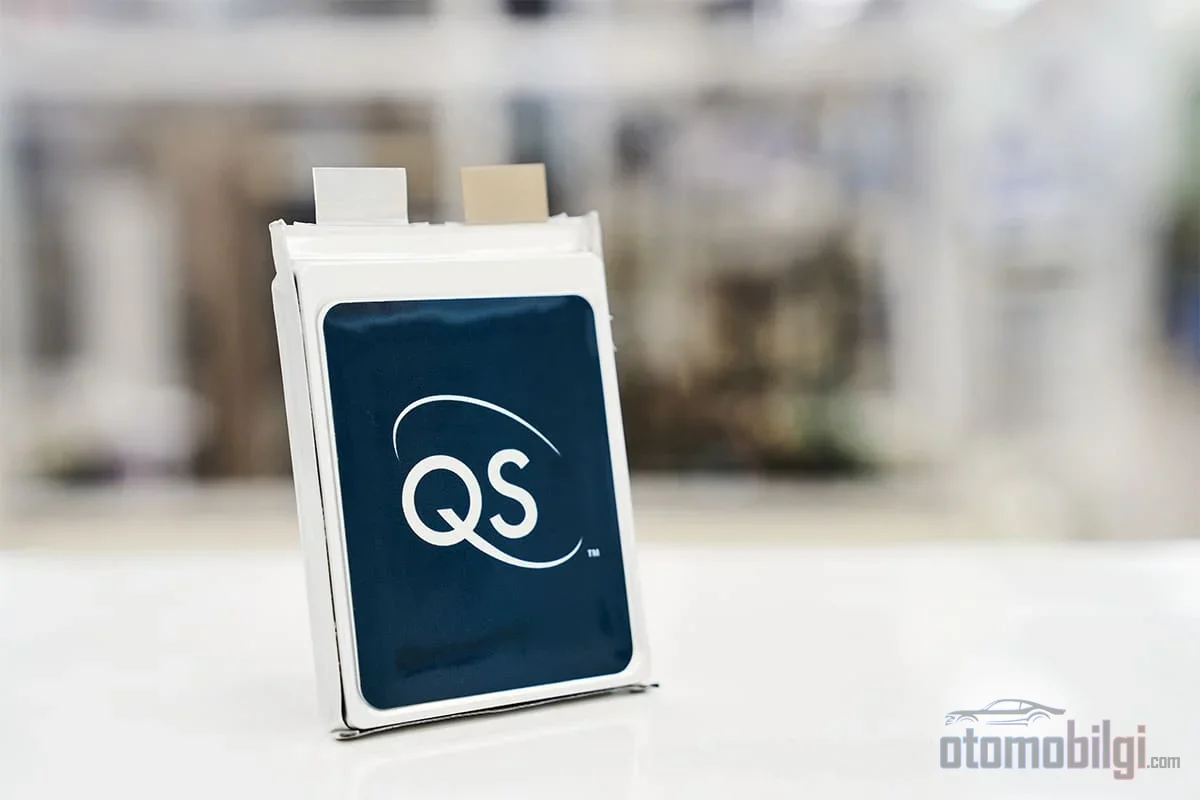
Are Manganese Batteries the Key to Cheap Electric Cars?
LMFP batteries aren't the key to a cheap electric car on their own, but they could be the missing piece: lithium manganese iron phosphate, or LMFP, is a cathode chemistry that promises to increase energy density by roughly 15-20% while retaining the …
Read More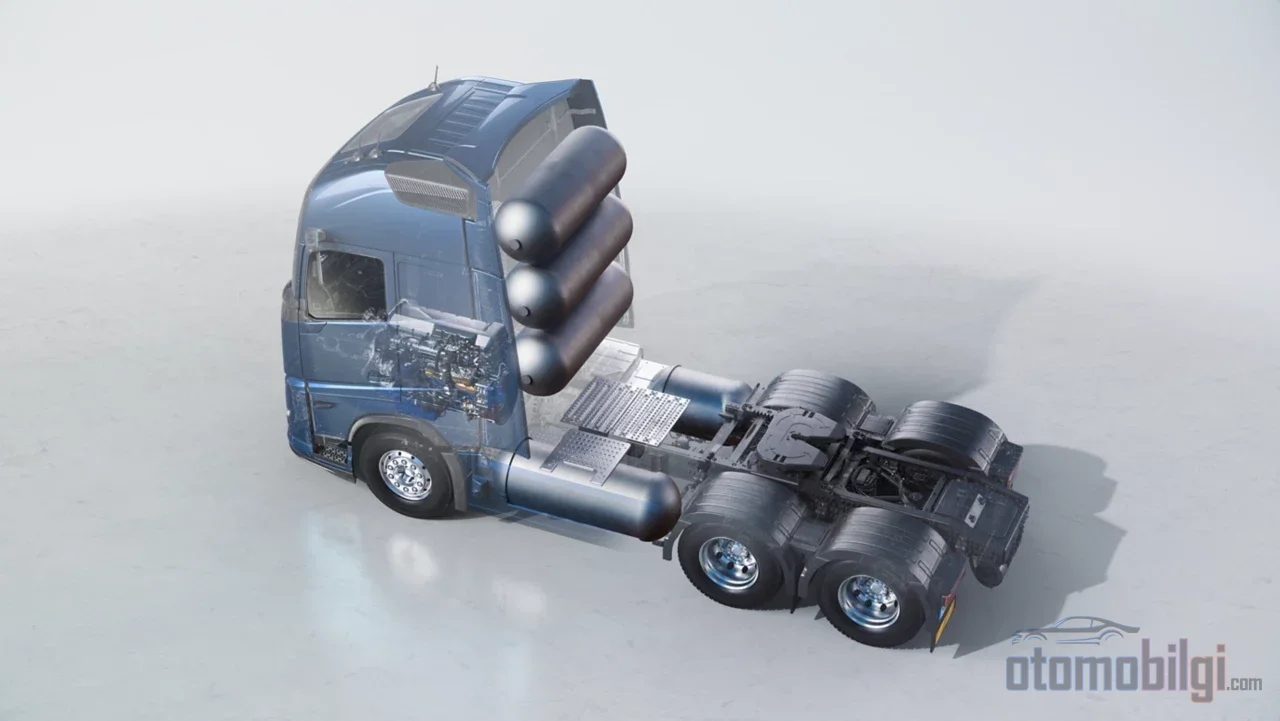
Could Hydrogen Engines Be an Alternative to Fuel Cells?
Hydrogen engines are internal combustion engines that burn the fuel directly instead of using it to generate electricity in a fuel cell; because they can leverage existing engine manufacturing knowledge and supply chains, they are seen as a serious a…
Read More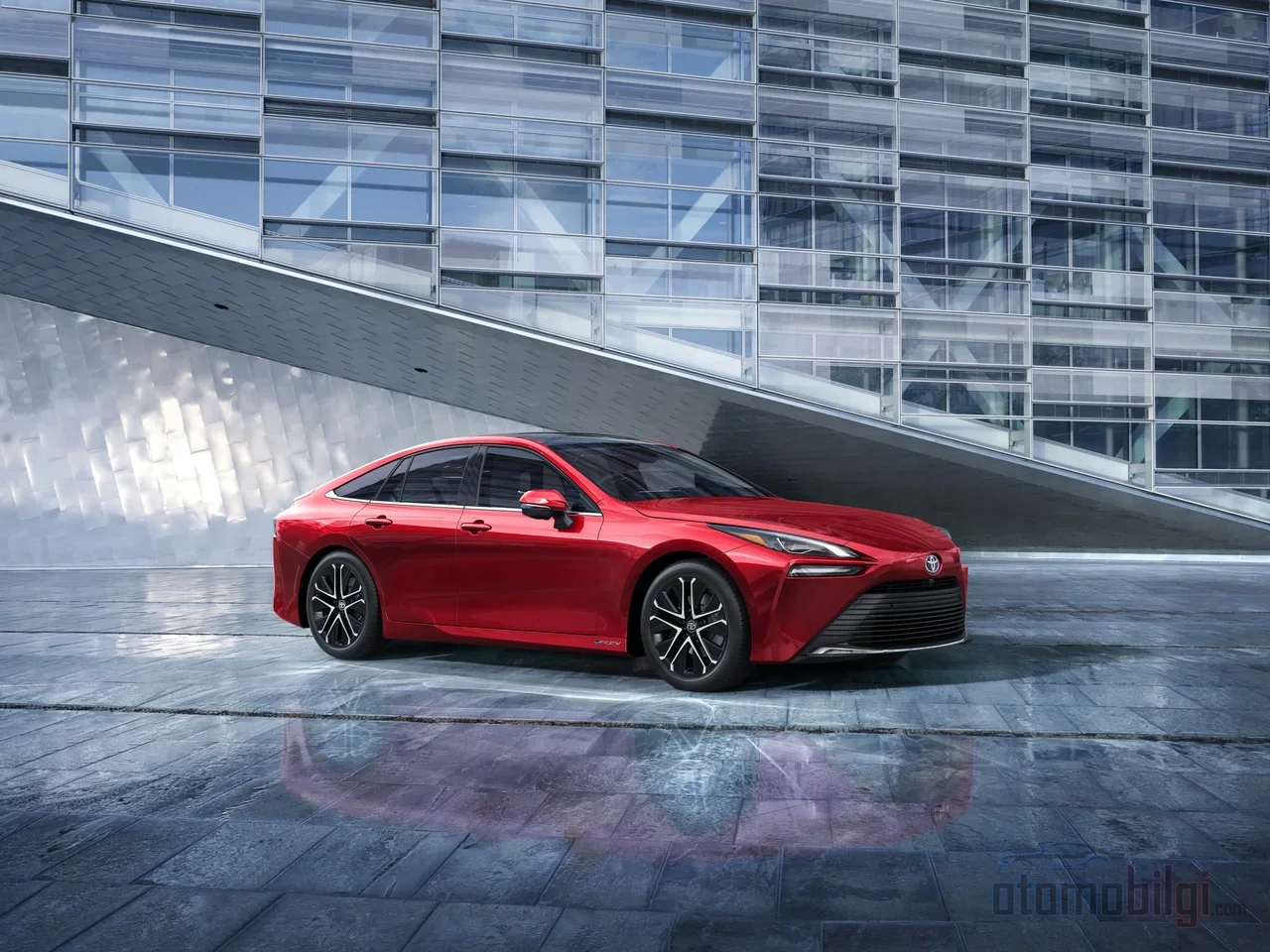
What Are Automakers Refusing to Give Up on Hydrogen Waiting For?
Car manufacturers are not giving up on hydrogen, because behind this persistence lies a strategy far bigger than sales figures: building patent pools, preparing for the heavy-duty vehicle market, and holding on to the technology even though the infra…
Read More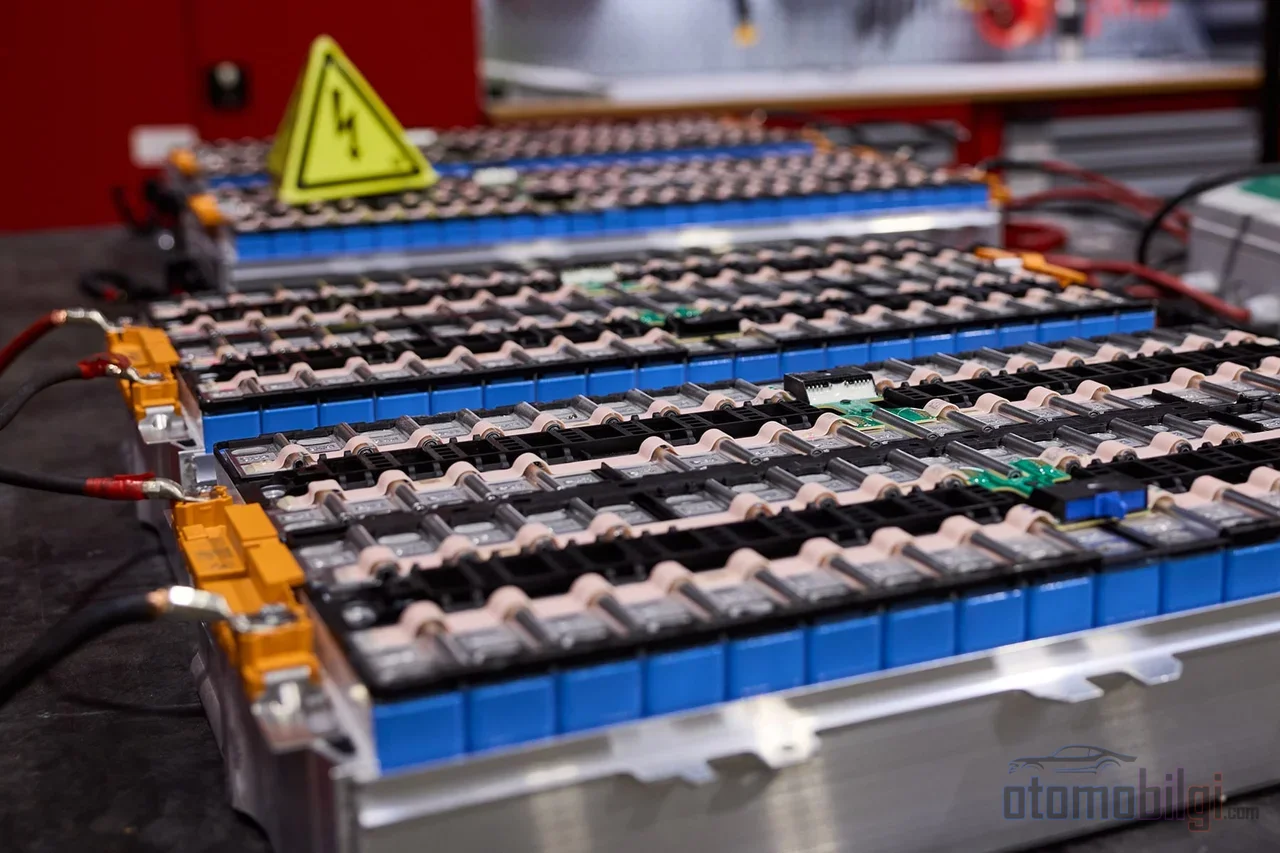
Where Do Electric Car Batteries Go When They Reach the End of Their Lifespan?
Electric car batteries don't end up in the trash when a vehicle's life is over: Those whose capacity is still sufficient start a second life in stationary energy storage, while the rest are converted back into raw materials with lithium, nickel, and …
Read More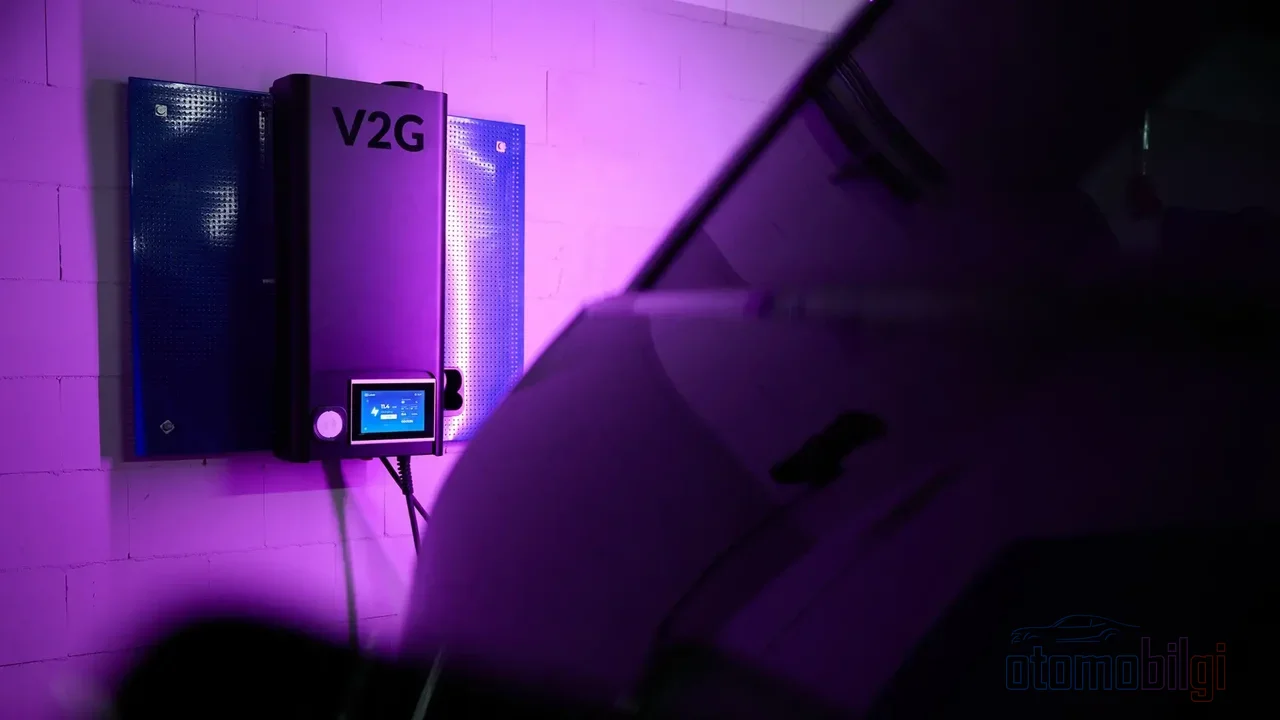
Vehicle-to-Grid Energy: Can an Electric Car Really Turn Into a Home Appliance?
Yes, an electric car can turn into a home appliance - even today there are models that power your home during an outage and even sell energy back to the grid. However, the revolution promised by Vehicle-to-Grid (V2G) energy remains a pipe dream in mo…
Read More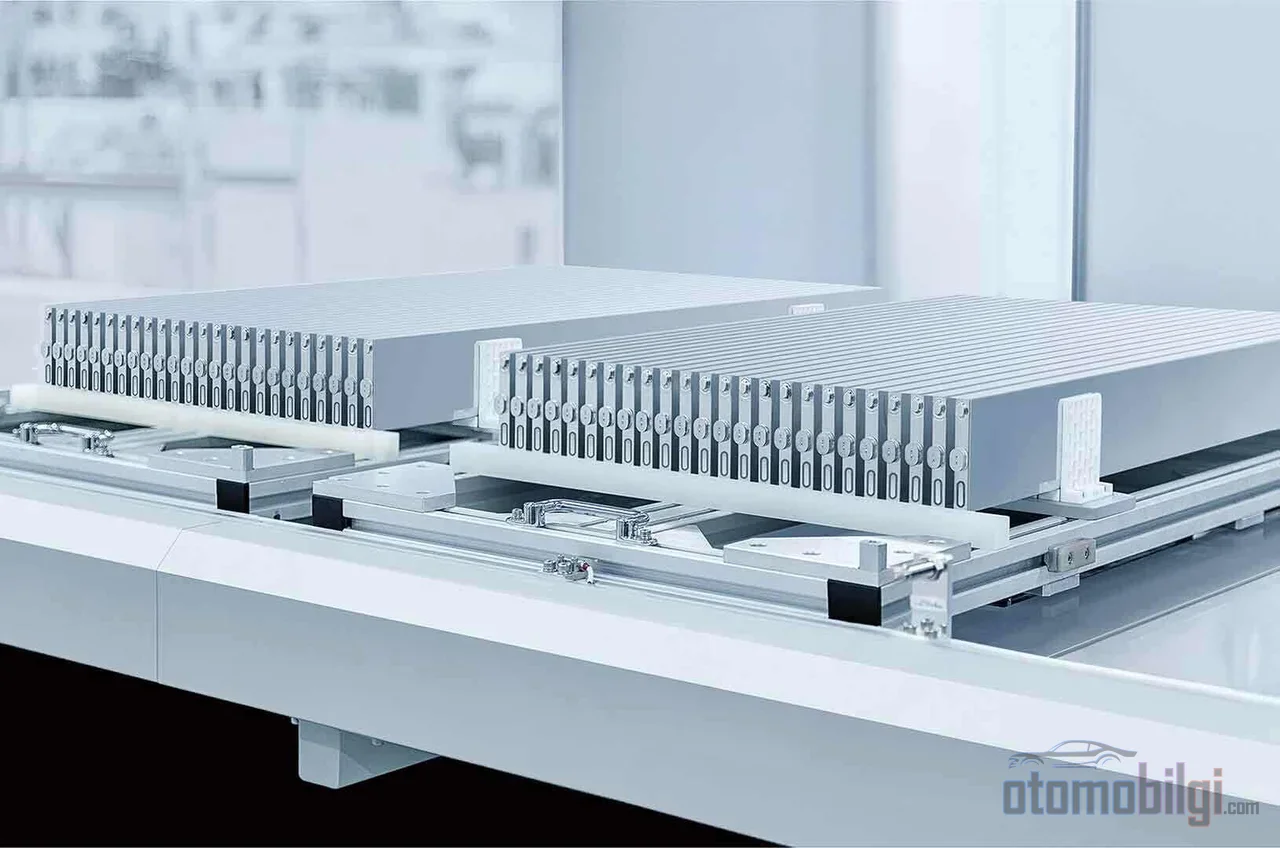
When Will Cars With Body-Integrated Batteries Hit the Road?
Battery-body cars are electric vehicles that use a cell-to-pack, cell-to-chassis, or cell-to-body integration approach, meaning the battery cells are mounted directly into the vehicle's load-bearing structure rather than into a separate pack. This ar…
Read More
Do Silicon-Anode Batteries Really Reduce Charging Time?
Short answer: Yes, but only under laboratory conditions and not yet in every cell. A silicon anode is a battery architecture that uses silicon instead of graphite; it has the potential to multiply capacity and shorten charging time. Today, with fast-…
Read More