Otomobilgi.comOtomobilgi.com
  • Türkçe
  • English
  • Deutsch
  • Français
  • Italiano
  • Español
  • Português
  • Polski
  • Magyar
  • Azərbaycanca
  • Bahasa Indonesia
  • Русский
  • 中文
  • 日本語
  • 한국어
  • हिन्दी
  • বাংলা
  • العربية
  • فارسی
  • Türkçe
  • English
  • Deutsch
  • Français
  • Italiano
  • Español
  • Português
  • Polski
  • Magyar
  • Azərbaycanca
  • Bahasa Indonesia
  • Русский
  • 中文
  • 日本語
  • 한국어
  • हिन्दी
  • বাংলা
  • العربية
  • فارسی
  • HOME PAGE
  • NEWS
    Turkish Automotive Industry News
    Global Automotive Industry News
    Turkish Motorsports News
    Global Motorsports News
  • INTERNAL COMBUSTION
    Internal Combustion Models
    Internal Combustion Engine Technologies
    Fuel and Consumption
    Emission and Environment
    Internal Combustion Ownership
    History of the Internal Combustion Automobile
  • ELECTRIC
    Electric Models
    Electric Car Technologies
    Charging and Infrastructure
    Battery Technology
    Range and Consumption
    Electric Vehicle Ownership
    History of the Electric Car
  • HYBRID
    Hybrid Models
    Hybrid Systems
    Battery and Charging
    Consumption and Efficiency
    Hybrid Ownership
    History of Hybrid Cars
  • TECHNOLOGY
    Driver Assistance Systems
    Safety Technologies
    Lighting and Visibility Technologies
    Infotainment and Connectivity
    Autonomous Driving and Artificial Intelligence
    Future Technologies
  • GUIDES
    Buying Guides
    Sales Guides
    Maintenance and Use
    Ownership and Costs
    Tires and Wheels
    Insurance and Inspection
  • HISTORY & CULTURE
    Automobile History
    Iconic Models
    Classics and Collections
    Türkiye's Automobile Journey
    Automobile Design
    Cars and Popular Culture
  • MOTORSPORT
    Formula 1
    Rallying (WRC)
    Rallycross
    MotoGP
    Formula 2 & Formula 3
    Karting
    24 Hours of Le Mans
    WEC
    NASCAR
    IndyCar
    DTM
    GT Races
    Drift
    Drag Races
  • Türkçe
  • English
  • Deutsch
  • Français
  • Italiano
  • Español
  • Português
  • Polski
  • Magyar
  • Azərbaycanca
  • Bahasa Indonesia
  • Русский
  • 中文
  • 日本語
  • 한국어
  • हिन्दी
  • বাংলা
  • العربية
  • فارسی
  • Türkçe
  • English
  • Deutsch
  • Français
  • Italiano
  • Español
  • Português
  • Polski
  • Magyar
  • Azərbaycanca
  • Bahasa Indonesia
  • Русский
  • 中文
  • 日本語
  • 한국어
  • हिन्दी
  • বাংলা
  • العربية
  • فارسی
  1. HOME PAGE
  2. HYBRID
  3. History of Hybrid Cars

Hybrid Car History

Share This Page
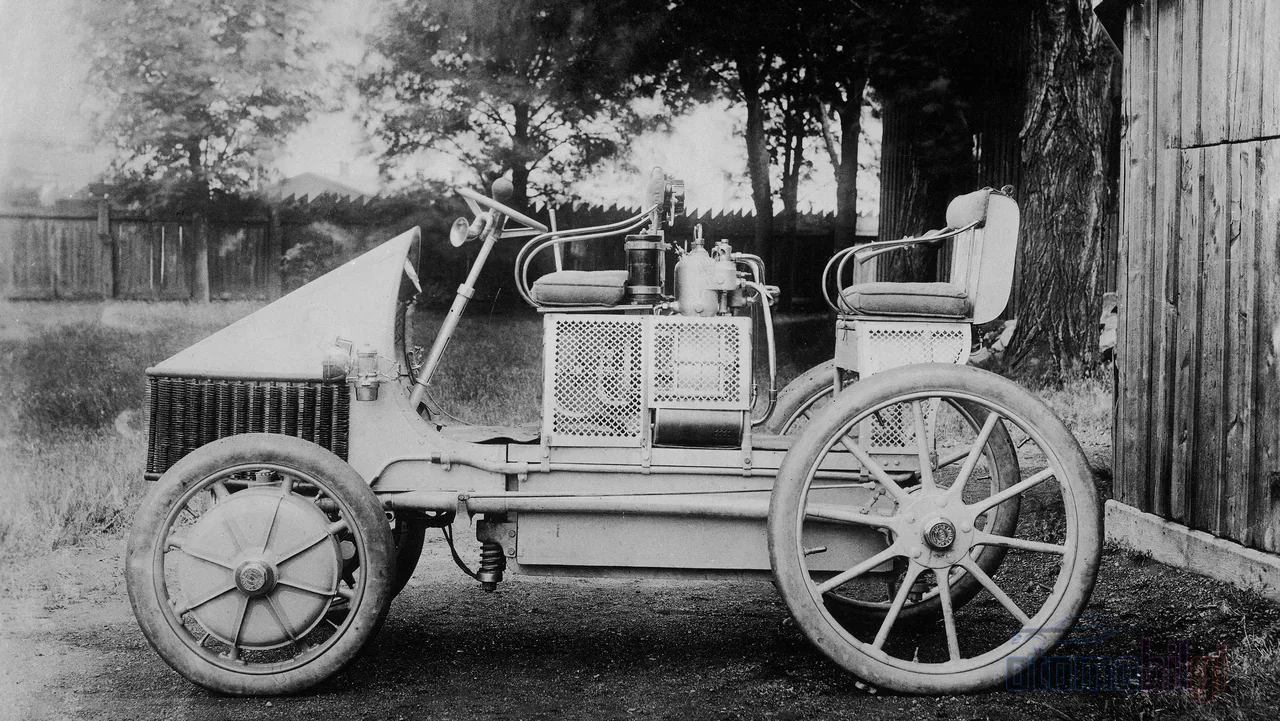
The history of the hybrid car begins not with Toyota, but with Ferdinand Porsche's Lohner-Porsche Mixte, which went on sale in 1901.
Was the World's First Mass-Produced Hybrid a Porsche?
Deniz Erkan22 October 2026

Yes: the world's first mass-produced hybrid car was the Lohner-Porsche Mixte designed by Ferdinand Porsche. Semper Vivus, a working prototype in 1900, became production-ready within a year and was sold to customers from 1901 onward. So the history of…

Read More
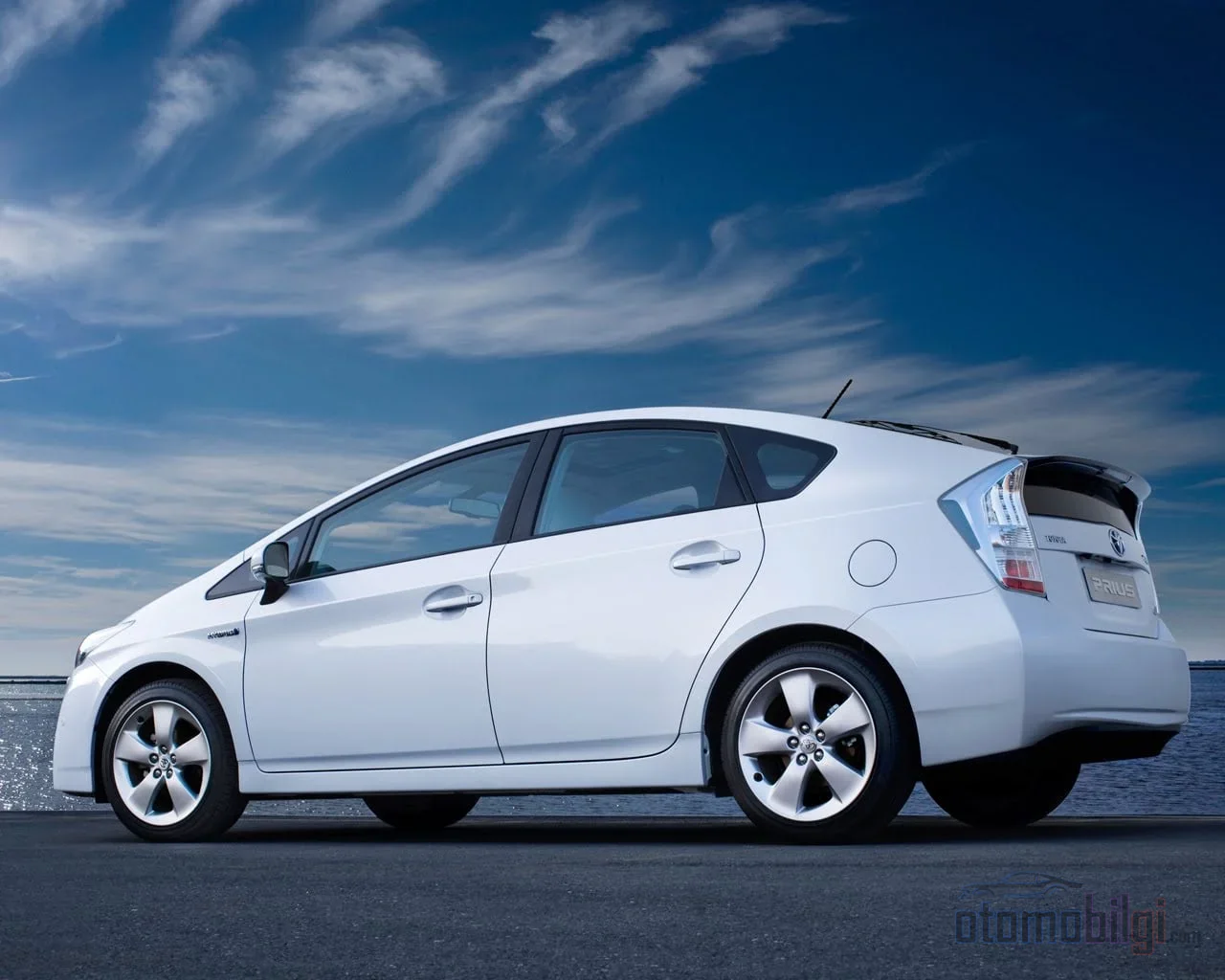
Toyota's strength comes not from the battery, but from that brilliant mechanism that splits and combines the power of two motors using a single planetary gear set.
Why Has the Power Split System Made the Toyota Hybrid Unrivaled?
Deniz Erkan21 October 2026

What makes Toyota's hybrid unrivaled is not the electric motor or the battery alone, but the power-split drivetrain that divides and combines power from two motors through a single planetary gear set. This architecture compensates for the weaknesses …

Read More
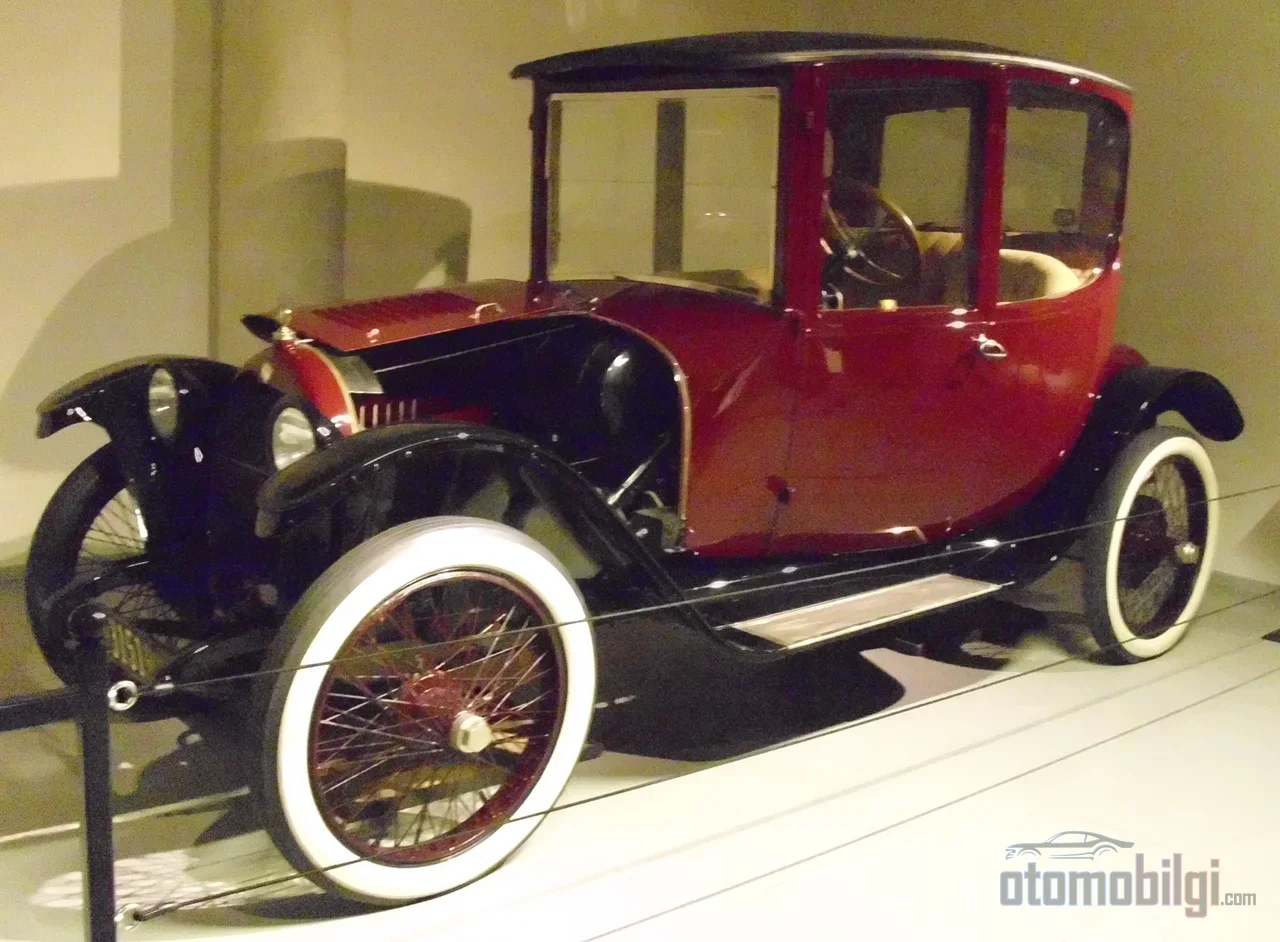
The world's first mass-produced hybrid car failed to find buyers in the era of cheap gasoline because of its $2,650 price tag, equivalent to the cost of two Buicks.
Woods Dual Power: Why Did the Series-Production Hybrid Attempt Go Wrong?
Deniz Erkan21 October 2026

Woods Dual Power is the world's first mass-produced hybrid car, announced in 1916 and produced until 1918 by the Chicago-based Woods Motor Vehicle Company, combining a gasoline engine and an electric motor in the same drivetrain. Going fully electric…

Read More
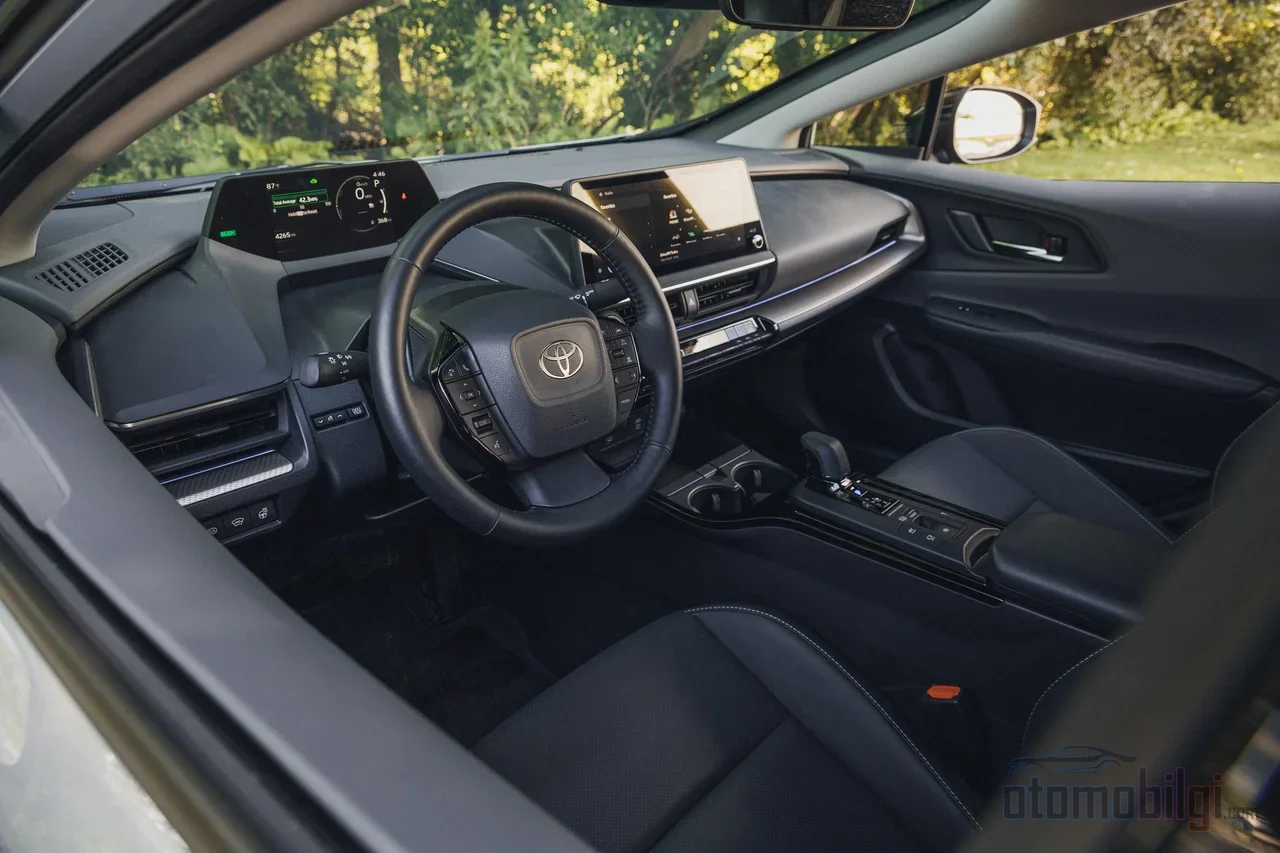
The birth of the hybrid car was not the product of engineering genius, but of a compromise made with California's 1990 mandatory emissions rule.
Why Did California's Mandatory Emissions Rule Give Birth to Hybrids?
Deniz Erkan21 October 2026

While the hybrid car's dominance today may look like an engineering triumph, the real turning point of the story lies not in the engine block but in an air quality regulation. California's in 1990 Zero-Emission Vehicle (ZEV) mandate caught automakers…

Read More
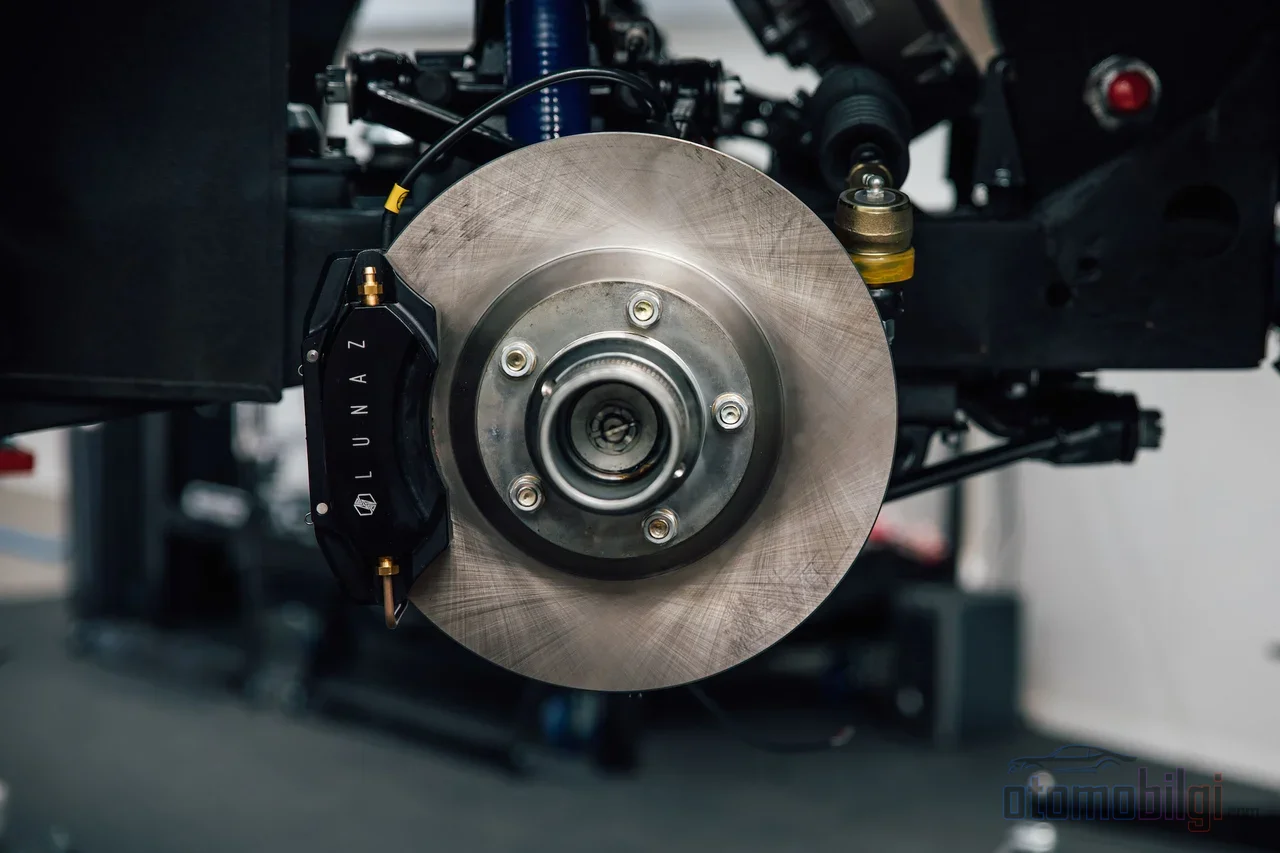
Regenerative braking recovers roughly half of the energy that would otherwise be lost as heat through friction, providing a 10-25% efficiency gain.
The Heart of the Hybrid: The Centuries-Old Story of Regenerative Braking
Deniz Erkan20 October 2026

Regenerative braking is an energy recovery mechanism that converts kinetic energy into electricity and stores it while slowing a moving vehicle. At the moment of braking, the electric motor acts like a generator; energy that would otherwise be lost a…

Read More
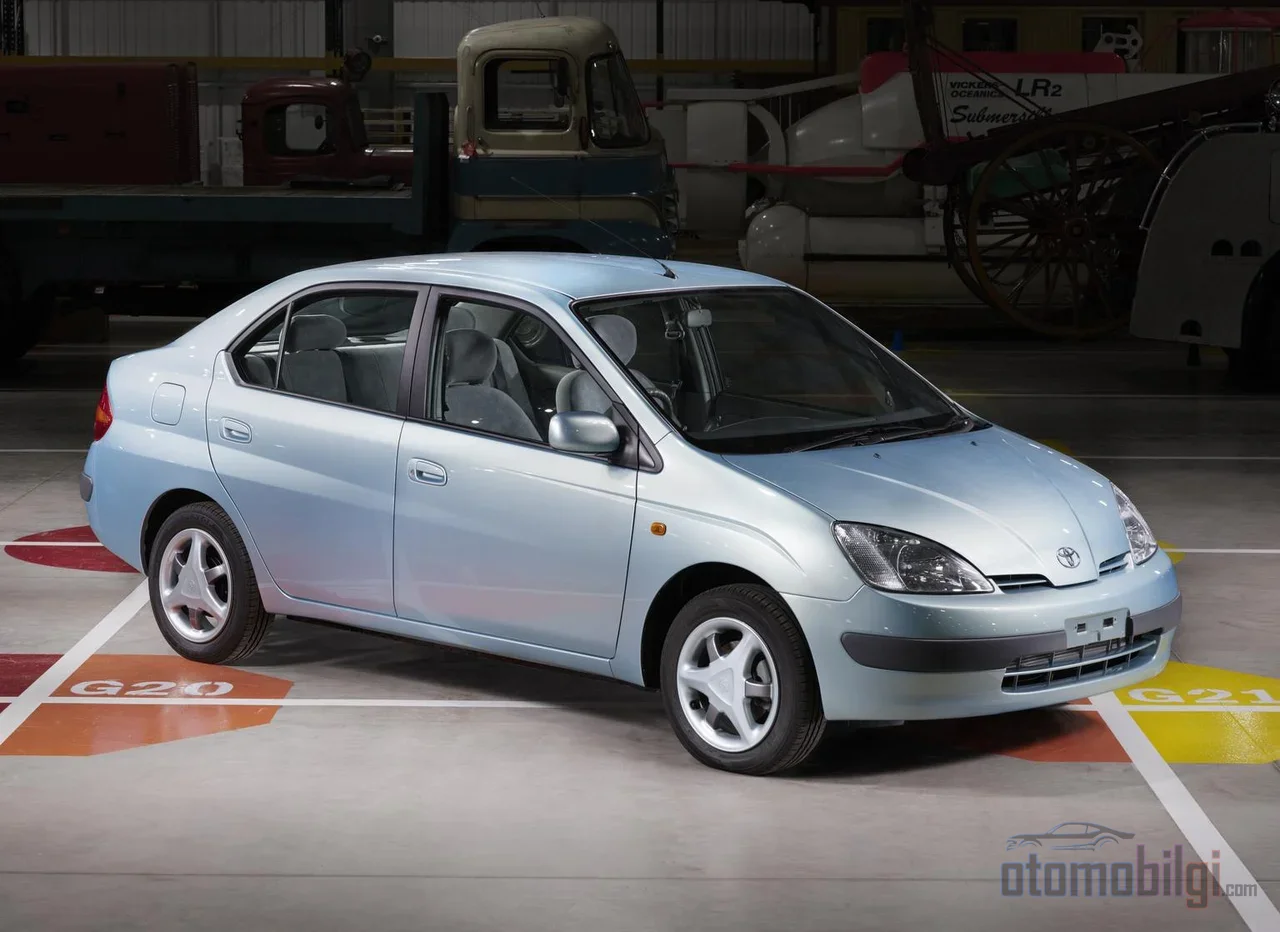
The Prius journey, which began quietly in Japan, turned a niche experiment into a global market of tens of millions of cars within a decade.
How a Toyota Conquered the World: How Hybrids Spread in the 2000s?
Deniz Erkan19 October 2026

The global spread of hybrid cars after 1997 is the name of a process that began when Toyota Prius started selling it only in Japan in December 1997: within three years, exports to North America and Europe, the technology duel with Honda's Insight , E…

Read More
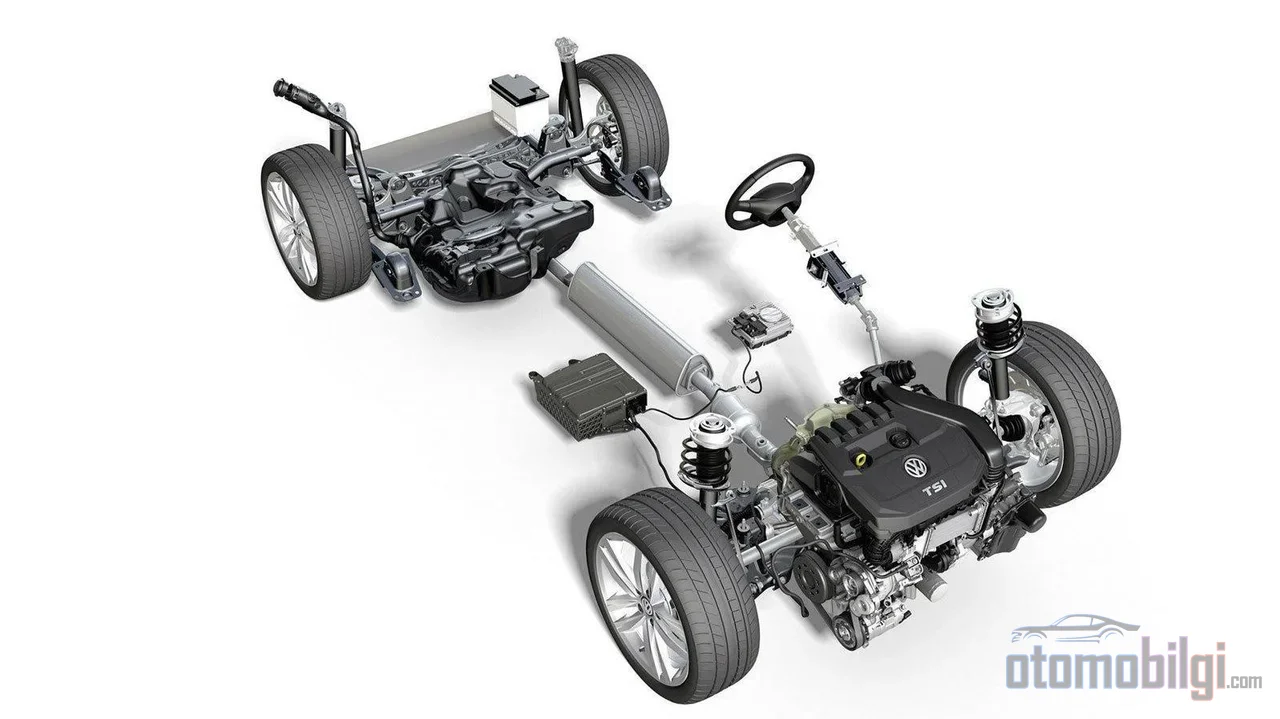
48 volts does not take over from the engine; with only the energy it recovers at every braking, it has become the silent conqueror of fuel.
The Quiet Rise of 48 Volts: How Did Mild Hybrid Seep Into Everything?
Deniz Erkan19 October 2026

A mild hybrid is a hybrid system consisting of a small electric motor and battery that supports the internal combustion engine but cannot move the vehicle on its own; today it typically 48-volt runs on a lithium-ion battery, which is why it is known …

Read More
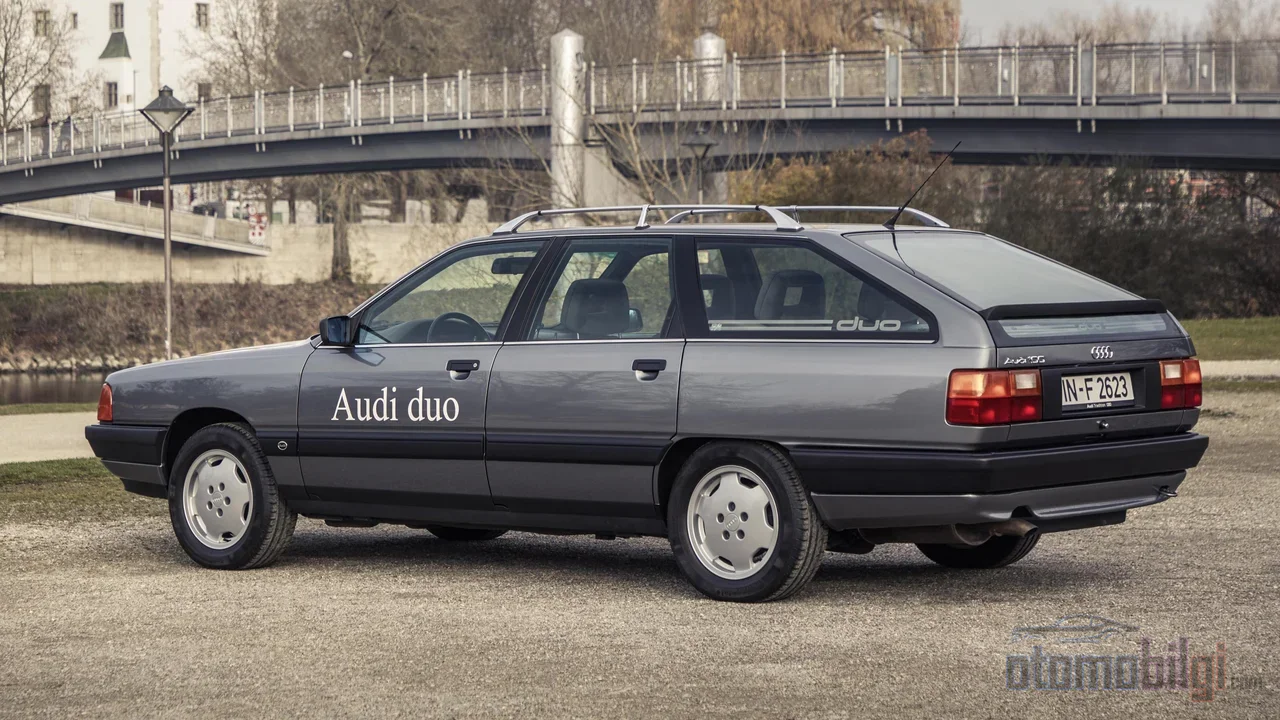
Seven years before the Toyota Prius, Audi put Europe's first production hybrid on sale with the Duo, based on the A4 Avant, but the market left it in the shadows.
Audi Duo and the Forgotten European Hybrid Experiments of the 1990s
Deniz Erkan18 October 2026

When the history of hybrid cars comes up, the Toyota Prius and Honda Insight come to mind; yet Europe's first entry into this stage happened much earlier and with a far less talked-about name: the Audi Duo. Audi seriously explored hybrid propulsion w…

Read More
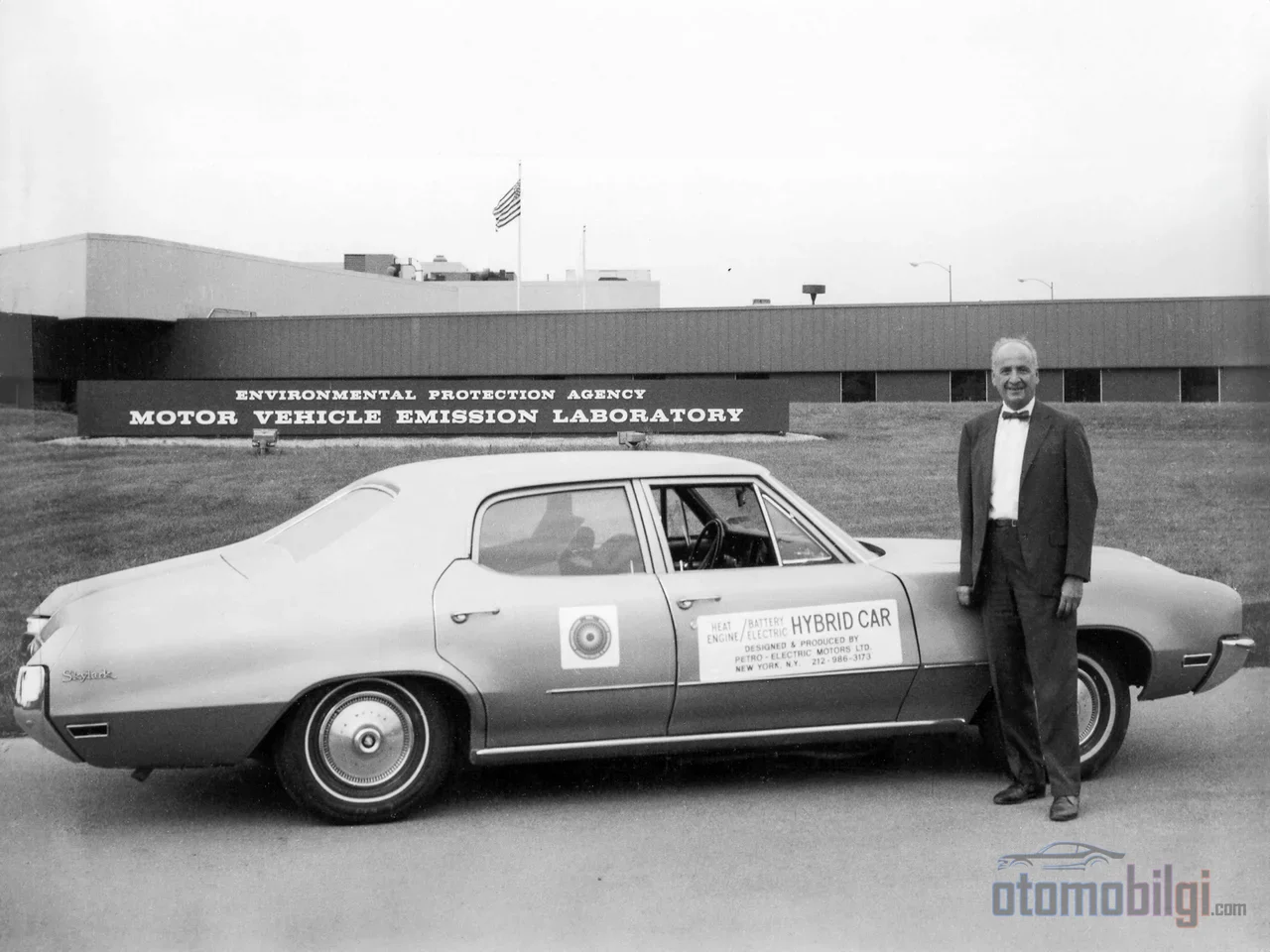
Victor Wouk built a working hybrid car in 1972 that reduced emissions by 91 percent, but bureaucracy shelved the idea for thirty years.
Victor Wouk's Rejected Hybrid Dream of the 1970s
Deniz Erkan17 October 2026

Victor Wouk produced a working prototype carrying all the fundamental principles of the modern hybrid automobile for a contract issued under the US government's Clean Air Act in the early 1970s. Based on a 1972 Buick Skylark, this vehicle achieved em…

Read More
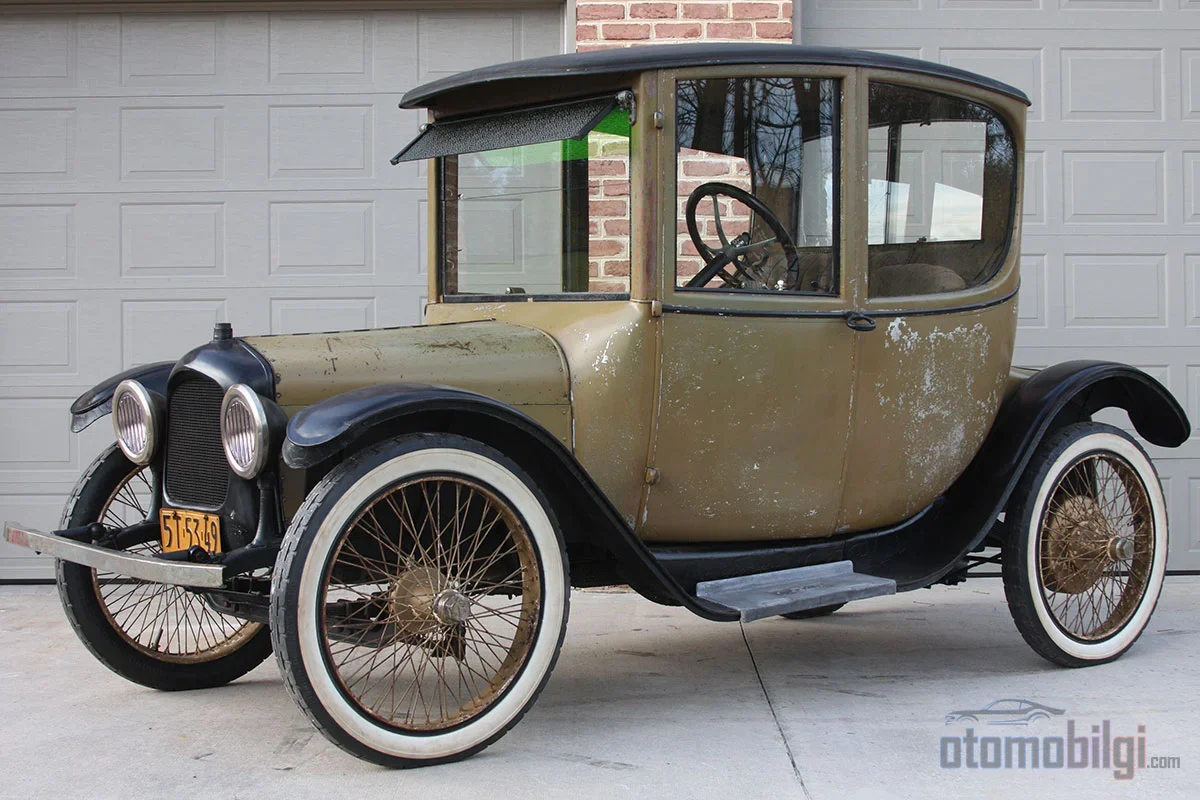
Half a century before the Prius, there were serious hybrid experiments like the Woods Dual Power, which brought gasoline and electricity together in the same body in Detroit and Chicago.
Detroit's Forgotten Early American Hybrid Experiments
Deniz Erkan17 October 2026

When the story of the hybrid automobile is told, almost everyone starts from the same place: Ferdinand Porsche's Lohner-Porsche work around 1900-1901, followed by the Toyota Prius arriving in 1997. Most of the period in between passes as an empty box…

Read More
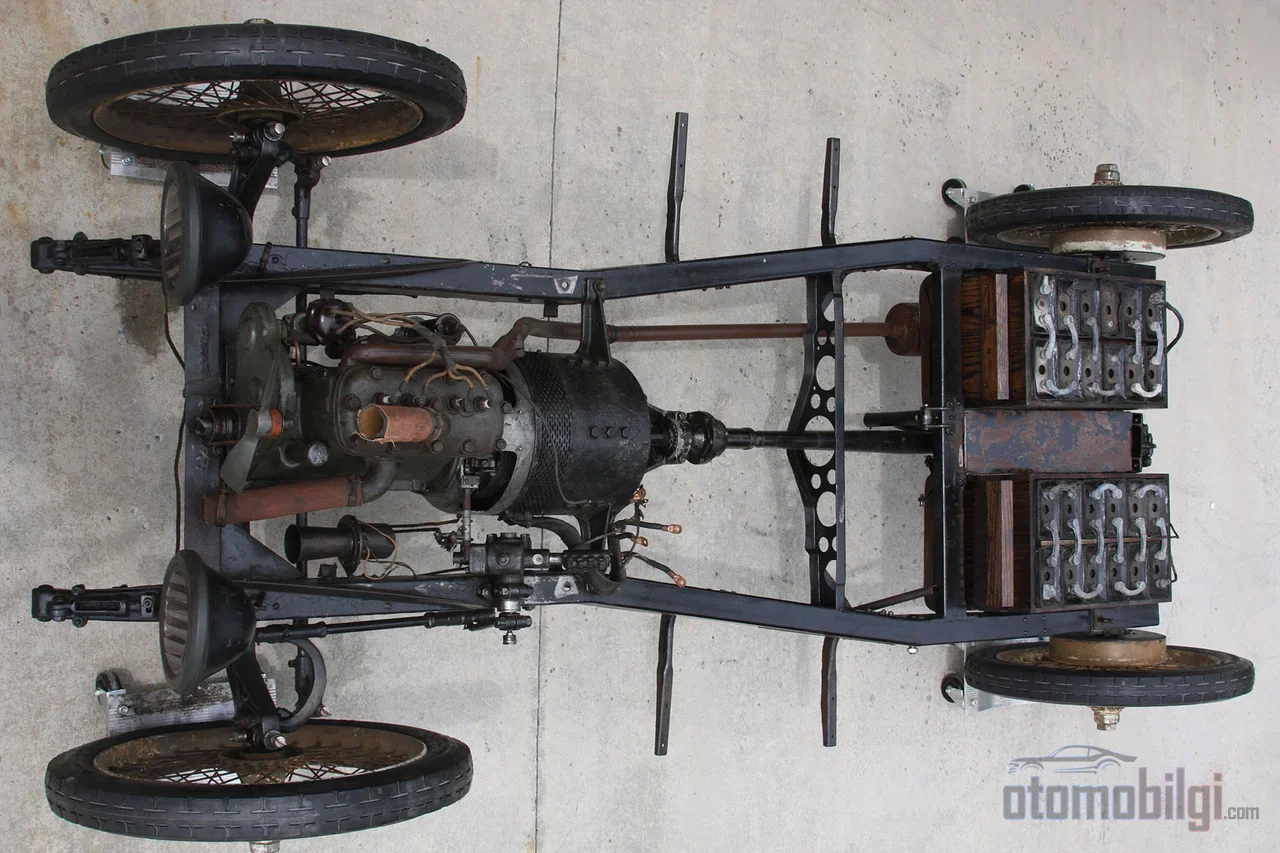
Ferdinand Porsche's 1901 Lohner-Porsche Mixte was the first serious hybrid attempt, combining gasoline and electricity in a single body, but the idea of cheap gasoline shelved it for eighty years.
Before the Prius: The Forgotten Hybrid Prototypes of the Early 1900s
Deniz Erkan16 October 2026

The hybrid idea was already alive before the Prius: in the early 1900s, Ferdinand Porsche's Lohner-Porsche Mixte and the 1916 Woods Dual Power were among the prototypes that represented the first serious engineering attempts to combine a gasoline eng…

Read More
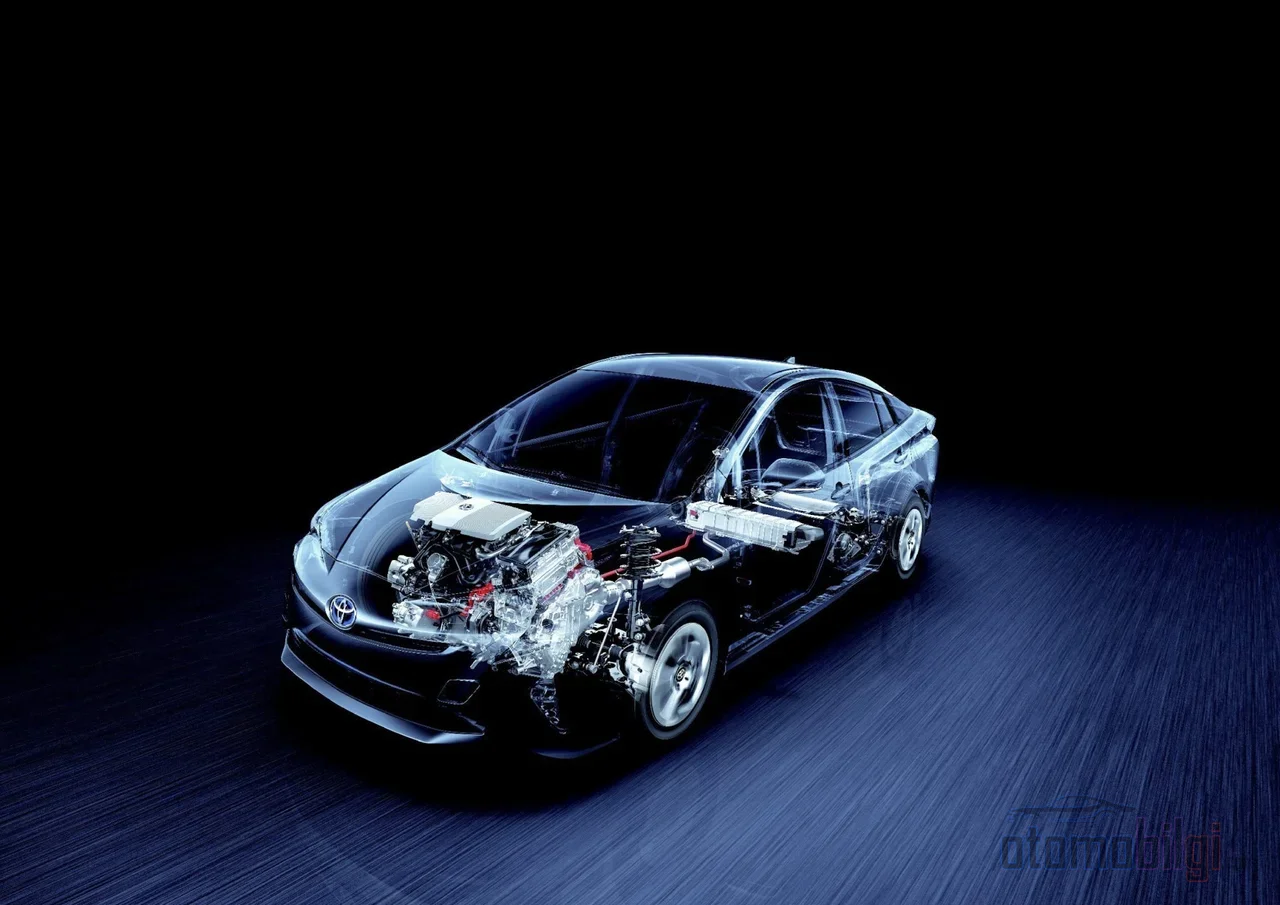
Toyota transformed its hybrid system from a niche solution into the common architecture of the entire industry by licensing it to its competitors.
Why Did Toyota License Its Hybrid Technology?
Deniz Erkan14 October 2026

Toyota licensed its hybrid system to its competitors because the vehicles it sold on its own could not cover the development cost of this technology; making the technology an industry standard both grew demand and increased the return on investment. …

Read More
  • 1
  • 2
  • Next

Category Editor

Deniz Erkan

Deniz Erkan

One of the most important habits my profession as a mechanical engineer has given me is looking not only at a system's outcome, but also at how and why it works. My interest in automobiles is also fueled by this perspective. For me, a car is not just design, performance, or comfort; it is a holistic system where mechanics, electronics, software, and engineering come together.

Over time, I combined my engineering background with software development. The intersection of these two fields has allowed me to look at modern automobiles from a more integrated perspective. I follow the world of automobiles, from engines and suspension to driver assistance systems and software technologies, through the eyes of both an engineer and a car enthusiast.

My aim at Otomobilgi.com is to explain technical subjects in a language that preserves engineering accuracy and keeps curiosity about cars alive, without drowning them in unnecessary complexity. Because for me, a good car is not merely beautiful or fast; it is a special work that conveys design, technology, and driving character as a whole.

Follow Us on Social Media

Share This Page

Follow Us on Social Media

  • About Us
  • KVKK Disclosure Statement
  • Privacy Policy
  • Contact
Otomobilgi.com
INDEPENDENT AUTOMOBILE CULTURE PLATFORM
Powered by Virgo CMS