Otomobilgi.comOtomobilgi.com
  • Türkçe
  • English
  • Deutsch
  • Français
  • Italiano
  • Español
  • Português
  • Polski
  • Magyar
  • Azərbaycanca
  • Bahasa Indonesia
  • Русский
  • 中文
  • 日本語
  • 한국어
  • हिन्दी
  • বাংলা
  • العربية
  • فارسی
  • Türkçe
  • English
  • Deutsch
  • Français
  • Italiano
  • Español
  • Português
  • Polski
  • Magyar
  • Azərbaycanca
  • Bahasa Indonesia
  • Русский
  • 中文
  • 日本語
  • 한국어
  • हिन्दी
  • বাংলা
  • العربية
  • فارسی
  • HOME PAGE
  • NEWS
    Turkish Automotive Industry News
    Global Automotive Industry News
    Turkish Motorsports News
    Global Motorsports News
  • INTERNAL COMBUSTION
    Internal Combustion Models
    Internal Combustion Engine Technologies
    Fuel and Consumption
    Emission and Environment
    Internal Combustion Ownership
    History of the Internal Combustion Automobile
  • ELECTRIC
    Electric Models
    Electric Car Technologies
    Charging and Infrastructure
    Battery Technology
    Range and Consumption
    Electric Vehicle Ownership
    History of the Electric Car
  • HYBRID
    Hybrid Models
    Hybrid Systems
    Battery and Charging
    Consumption and Efficiency
    Hybrid Ownership
    History of Hybrid Cars
  • TECHNOLOGY
    Driver Assistance Systems
    Safety Technologies
    Lighting and Visibility Technologies
    Infotainment and Connectivity
    Autonomous Driving and Artificial Intelligence
    Future Technologies
  • GUIDES
    Buying Guides
    Sales Guides
    Maintenance and Use
    Ownership and Costs
    Tires and Wheels
    Insurance and Inspection
  • HISTORY & CULTURE
    Automobile History
    Iconic Models
    Classics and Collections
    Türkiye's Automobile Journey
    Automobile Design
    Cars and Popular Culture
  • MOTORSPORT
    Formula 1
    Rallying (WRC)
    Rallycross
    MotoGP
    Formula 2 & Formula 3
    Karting
    24 Hours of Le Mans
    WEC
    NASCAR
    IndyCar
    DTM
    GT Races
    Drift
    Drag Races
  • Türkçe
  • English
  • Deutsch
  • Français
  • Italiano
  • Español
  • Português
  • Polski
  • Magyar
  • Azərbaycanca
  • Bahasa Indonesia
  • Русский
  • 中文
  • 日本語
  • 한국어
  • हिन्दी
  • বাংলা
  • العربية
  • فارسی
  • Türkçe
  • English
  • Deutsch
  • Français
  • Italiano
  • Español
  • Português
  • Polski
  • Magyar
  • Azərbaycanca
  • Bahasa Indonesia
  • Русский
  • 中文
  • 日本語
  • 한국어
  • हिन्दी
  • বাংলা
  • العربية
  • فارسی
  1. HOME PAGE
  2. TECHNOLOGY
  3. Lighting and Visibility Technologies

Lighting and Visibility Technologies

Share This Page
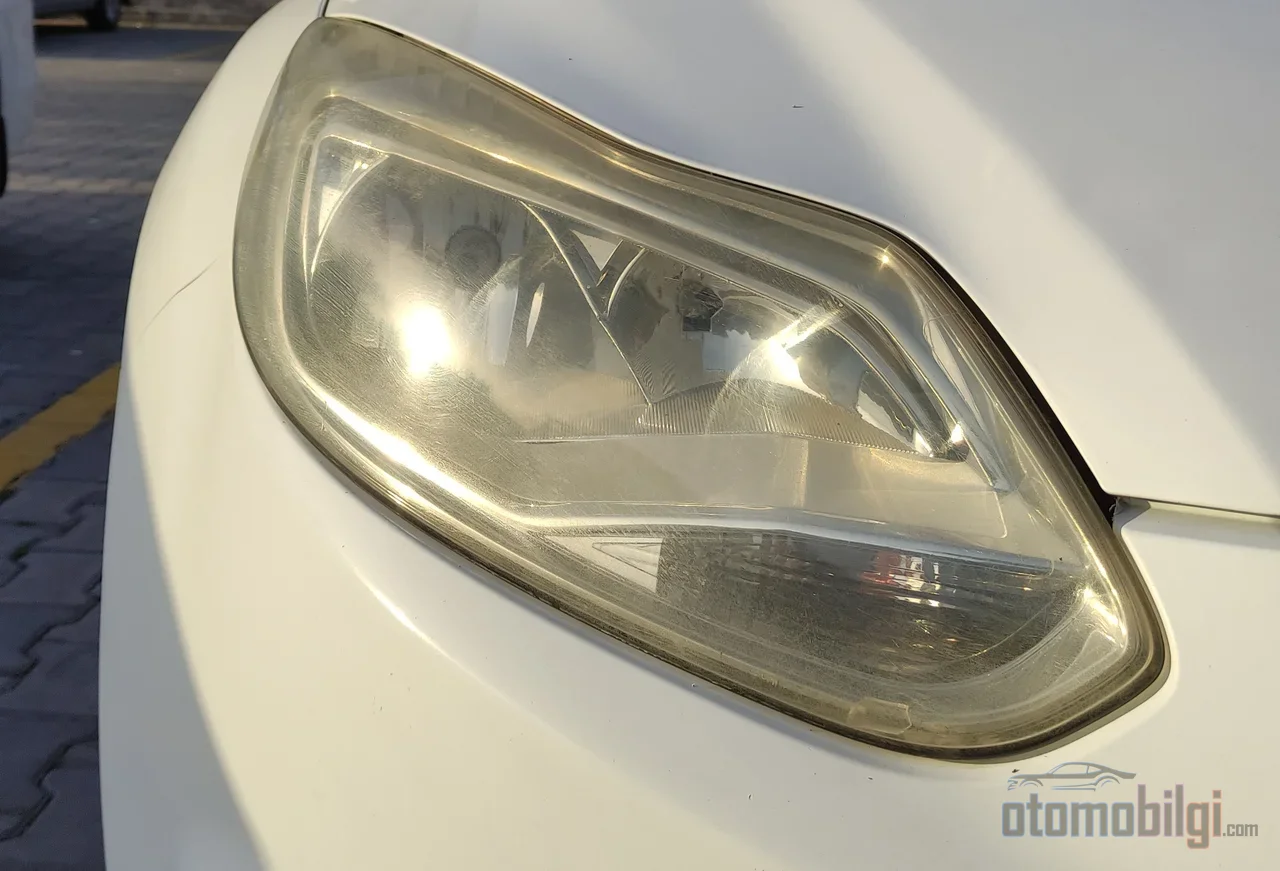
A yellowed headlight lens absorbs up to seventy percent of the light compared to a new one, silently weakening your night vision.
Why Do Polycarbonate Headlights Turn Yellow?
Lütfi Mete Odabaşı23 October 2026

Polycarbonate headlights yellow because plastic lenses are naturally vulnerable to UV light; when the protective hard coating applied at the factory breaks down over time, the polycarbonate oxidizes, yellows, and turns hazy. This process significantl…

Read More
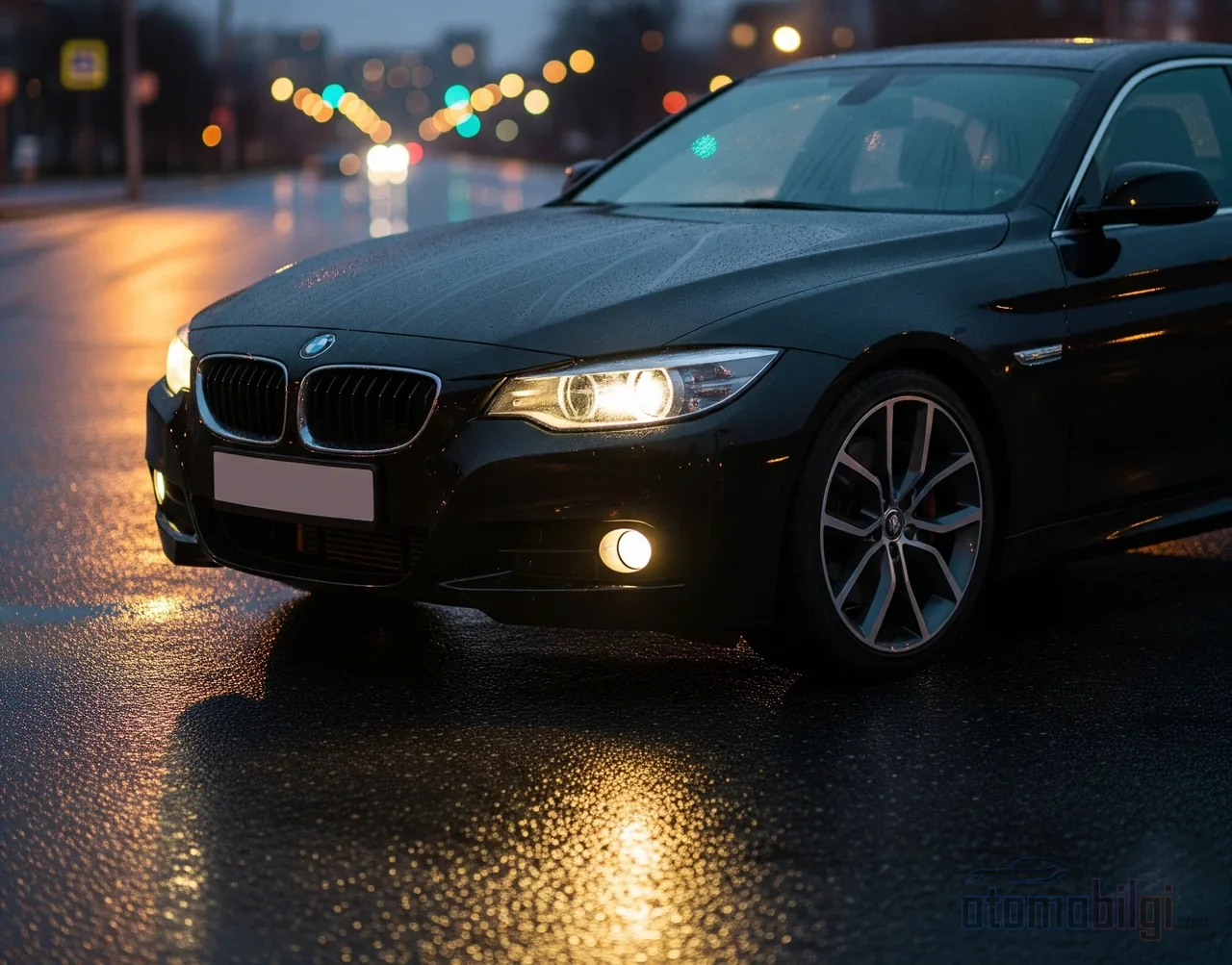
The light color of headlights is not an aesthetic preference; it is an engineering decision that determines road safety, from visibility distance to glare.
Why Aren't Headlights Icy White Anymore? The Color Temperature Debate
Lütfi Mete Odabaşı23 October 2026

Headlight color is no longer ice-cold white, because the Kelvin value that measures whiteness is not an aesthetic choice; it is an engineering parameter directly connected to visibility distance, eye fatigue, the glare it creates for oncoming drivers…

Read More
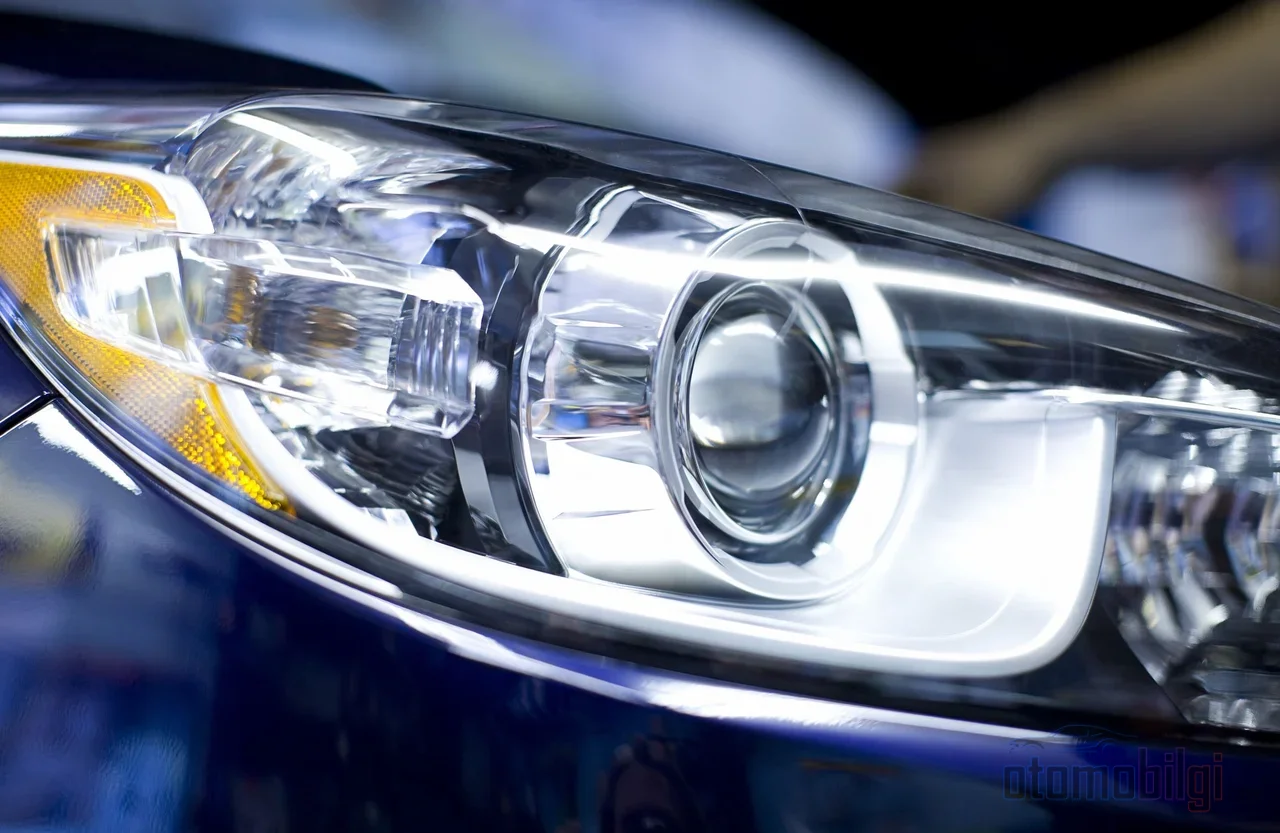
What makes a projector a projector is not the bulb, but the optical architecture that emits light onto the road with a sharp line.
The Lens Inside the Headlight: How Does a Projector Lens Work?
Lütfi Mete Odabaşı22 October 2026

The projector lens is the optical assembly in which the aspheric lens, the elliptical reflector, and the cutoff shield inside the headlight work together to project light onto the road with a sharp cutoff line. What turns a low beam into oncoming lig…

Read More
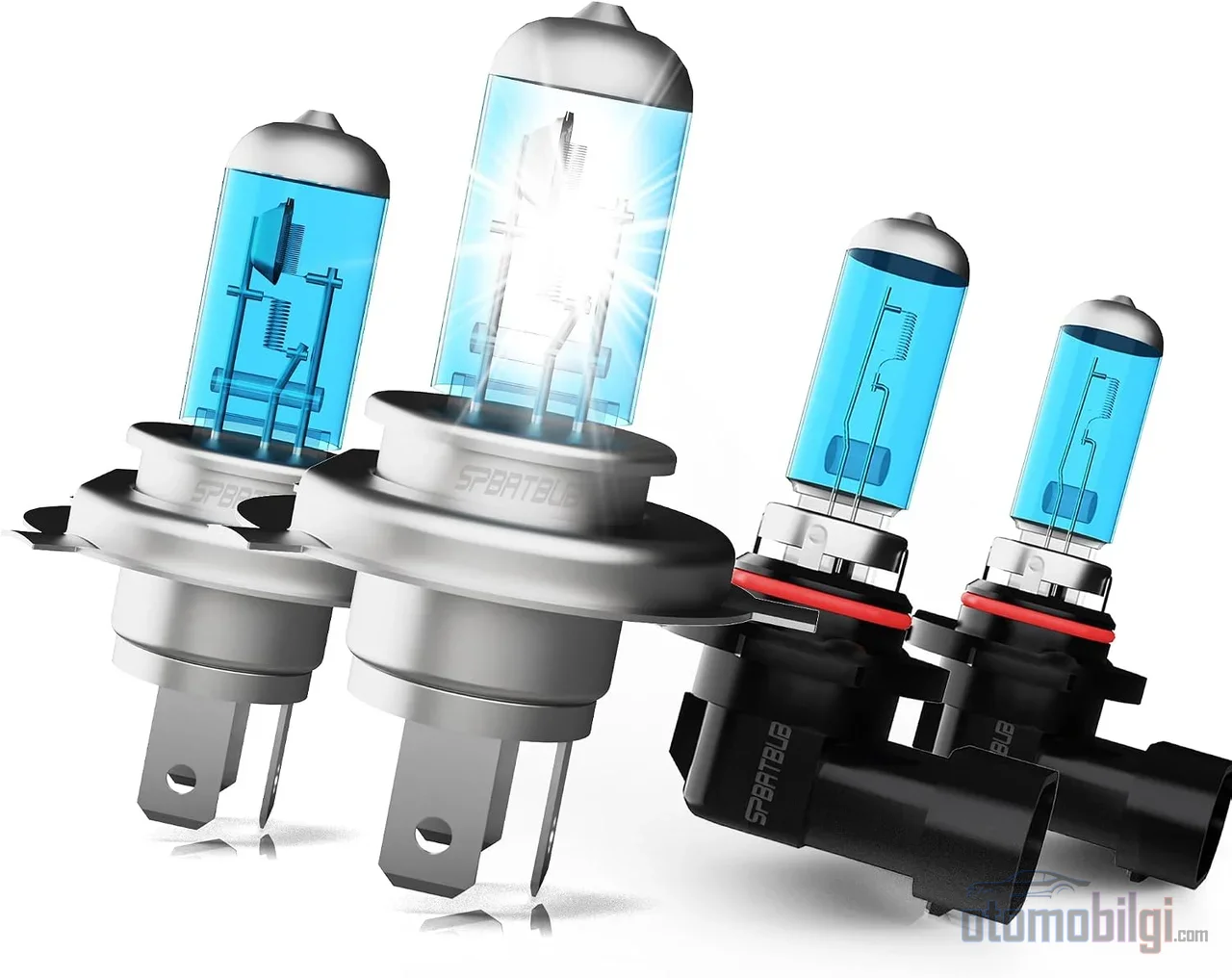
The halogen cycle, which carries evaporated tungsten back to the filament, keeps this technology cheap, durable, and easy to service alive even in the LED era.
Why Haven't Halogen Headlights Died Yet? The Filament and Halogen Cycle
Lütfi Mete Odabaşı21 October 2026

The halogen headlight is a technology whose tungsten filament flows but never dies, because the halogen gas inside works through a regeneration cycle that carries vaporized tungsten back to the filament, and thanks to its cost, thermal durability, an…

Read More
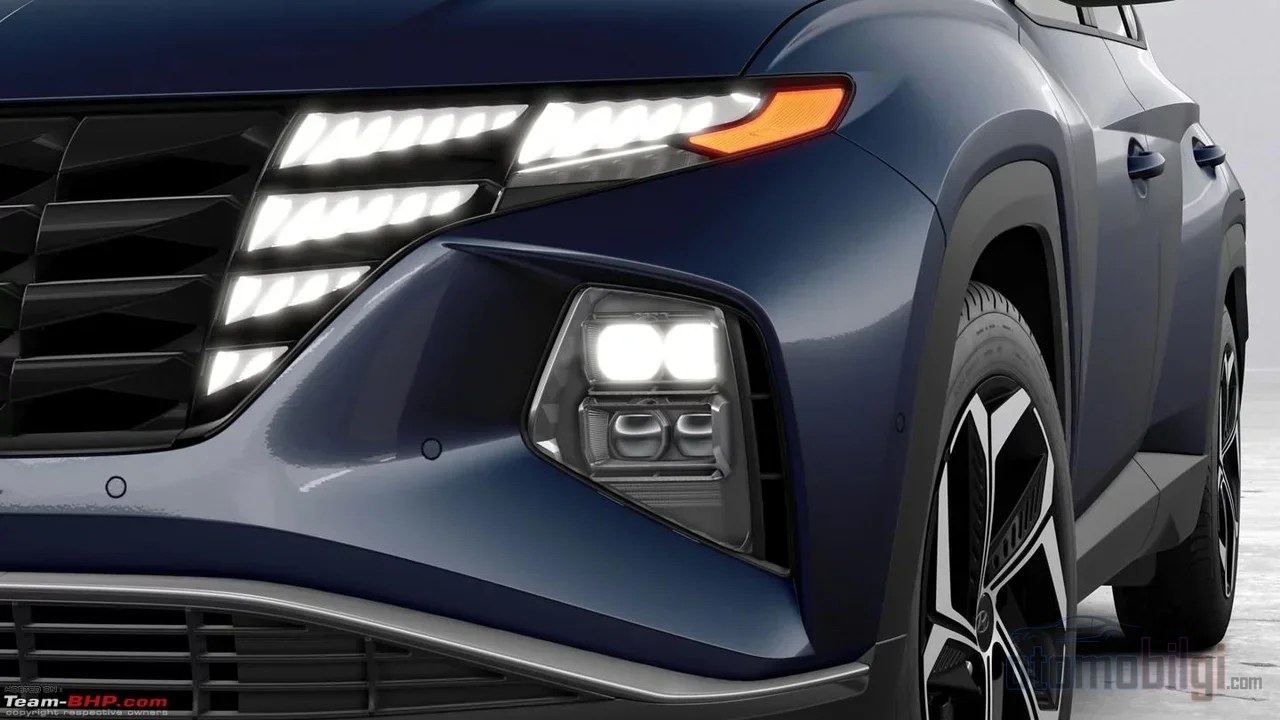
Daytime Running Lights are a safety feature designed to make you visible rather than to see; their brightness is deliberately limited to around 200-800 lumens because the goal is not to illuminate the road, but to be seen.
Daytime Running Light: A Safety Feature or a Design Element?
Lütfi Mete Odabaşı21 October 2026

A daytime running light, or DRL, is a safety feature that burns during daylight hours not to illuminate the road for the vehicle, but to ensure the vehicle is seen by other road users, deliberately operating at low brightness. So the answer is clear:…

Read More
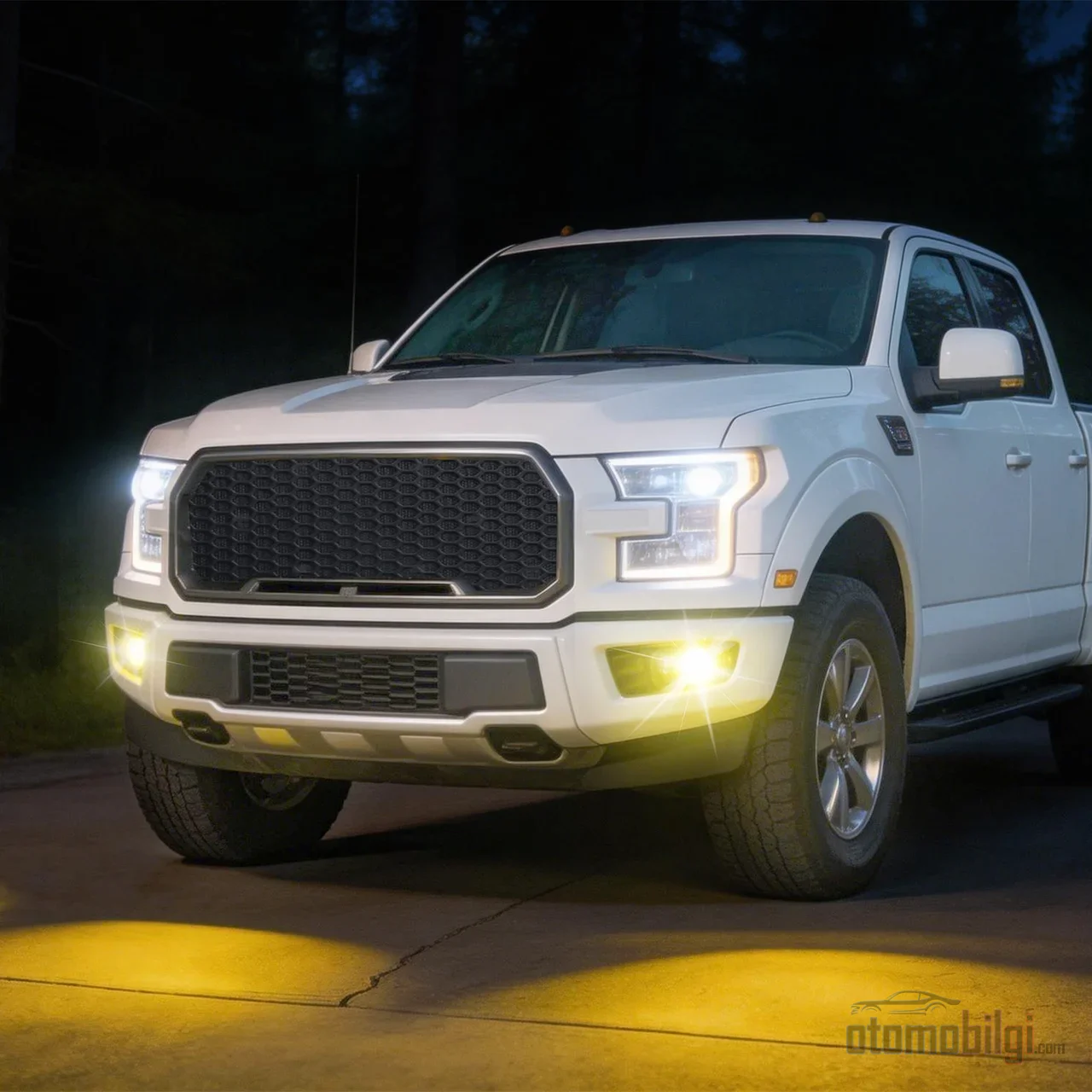
The yellow light of a fog lamp does not pierce through fog; by filtering out blue-violet wavelengths, it reduces glare and increases contrast on the road.
Why Do Fog Lights Glow Yellow? The Wavelength of Light and the Engineering of Visibility
Lütfi Mete Odabaşı21 October 2026

The yellow glow of fog lights is an engineering choice related to how light interacts with fog: the yellow filter filters out the short-wavelength blue-violet light, trimming the wall of glare scattered back into the driver's eyes. The real aim is no…

Read More
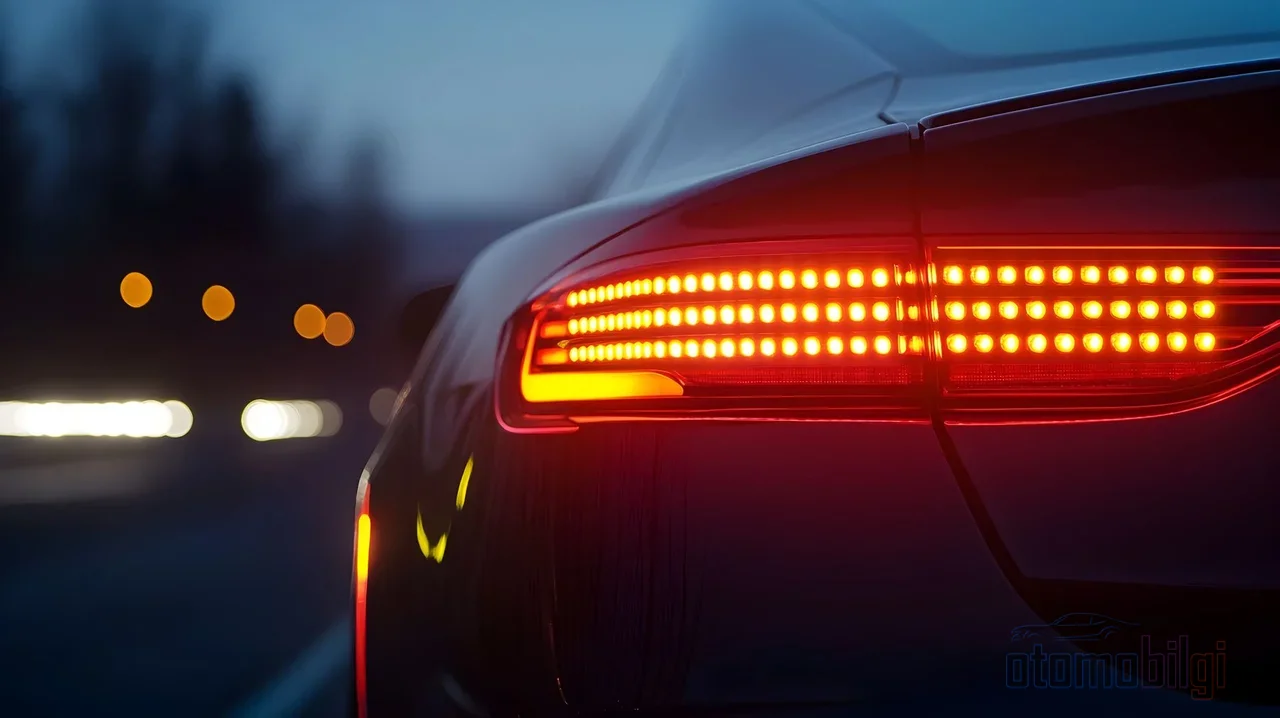
What tells you it's turning is not a blink, but a directional flow of light created by the LEDs lighting up in sequence under microcontroller command.
How Does the Dynamic Turn Signal Light Flow in a Sweeping Motion?
Lütfi Mete Odabaşı20 October 2026

A dynamic turn signal, instead of a single bulb flashing at a constant rhythm, is a row of individually controllable LEDs that light up in sequence with slight delays under a microcontroller's command; this sequential illumination makes the light app…

Read More
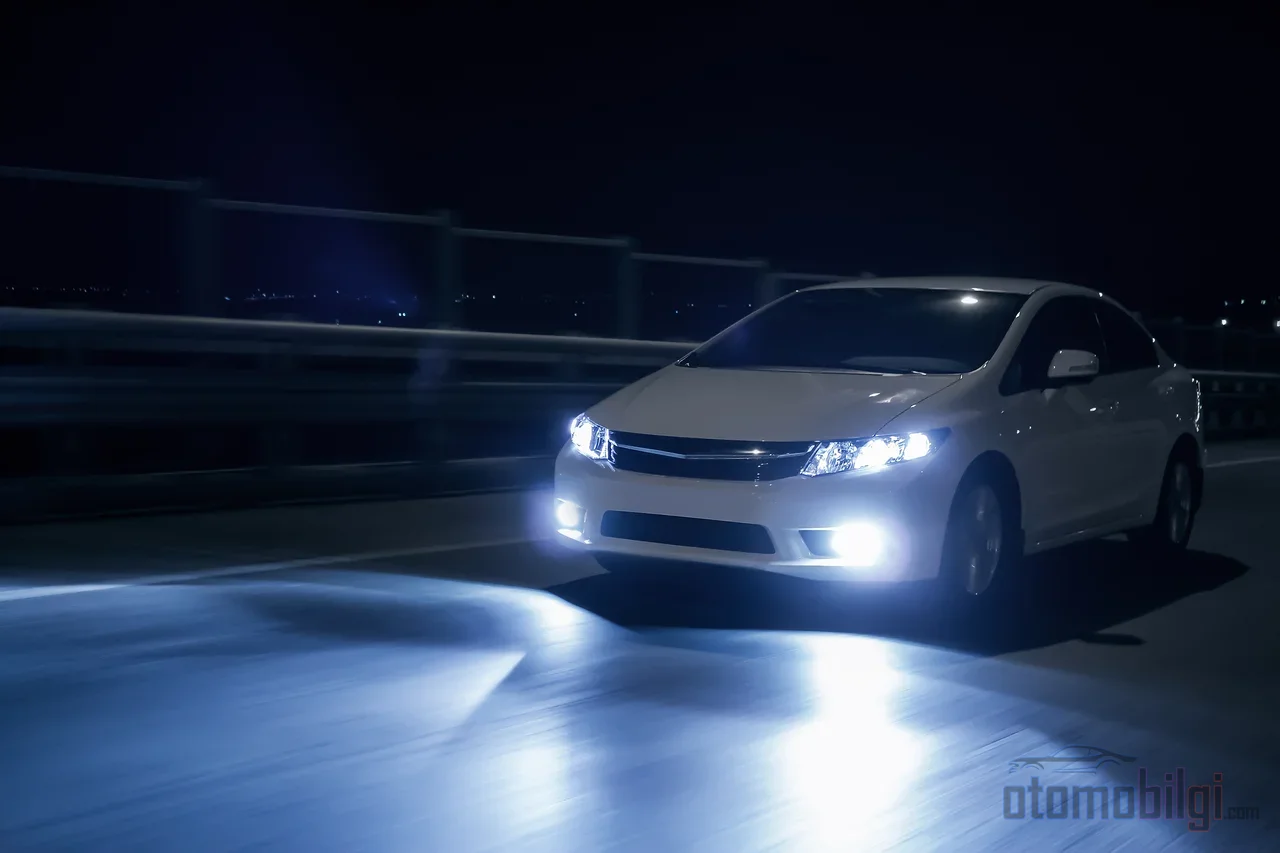
A small camera at the top of the windshield switches off the high beams for you the moment it detects an oncoming headlight.
How Does the Automatic High Beam Assistant Make the Decision by Looking at the Camera?
Lütfi Mete Odabaşı19 October 2026

The automatic high beam assistant works with a camera mounted on the upper part of the windshield and a control unit that processes data from light sensors: the moment it detects the headlights of an oncoming vehicle or the taillights of the vehicle …

Read More
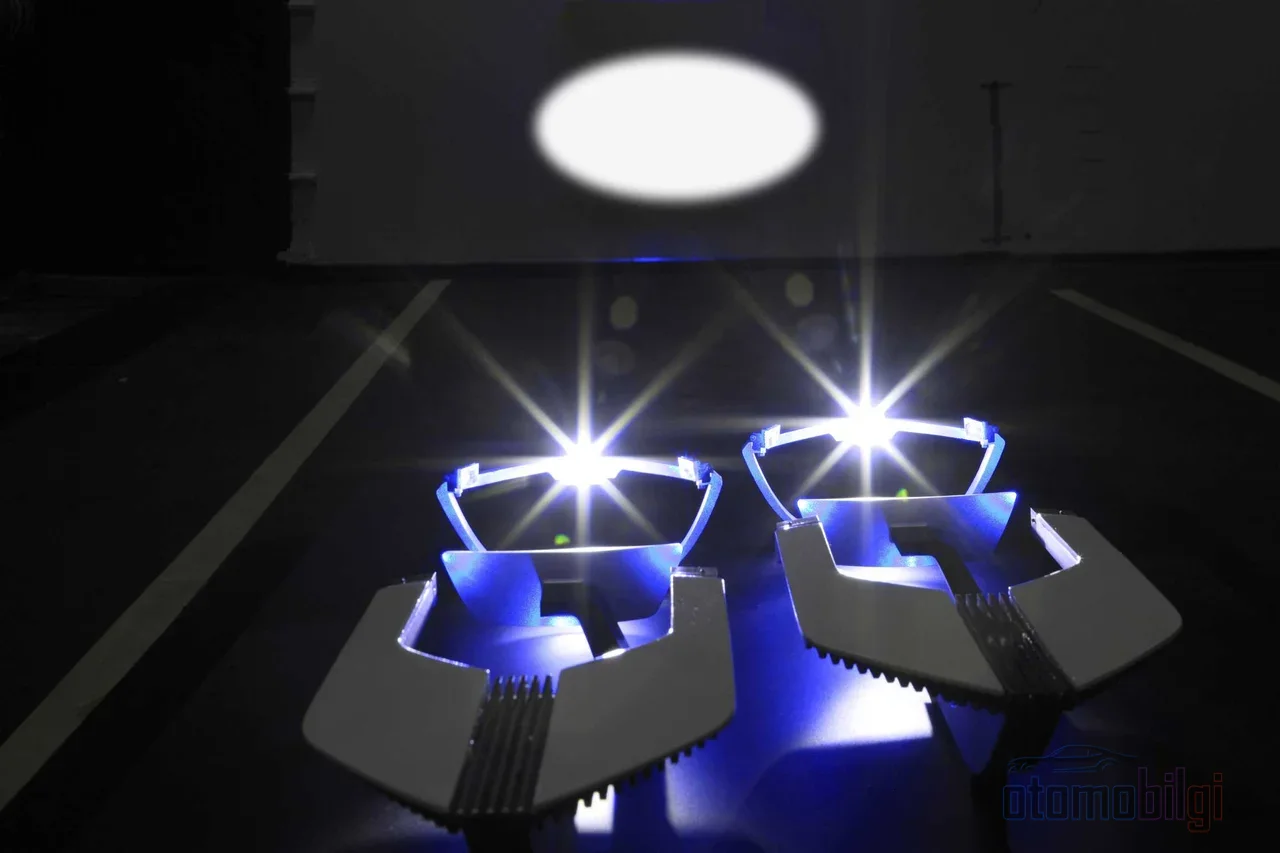
Laser headlights never send raw laser onto the road; the real magic lies in a tiny phosphor layer that converts the blue diode light into yellow-white.
Are Laser Headlights Really Lasers? The Ground and Key Fob Secret
Lütfi Mete Odabaşı19 October 2026

Let's answer briefly: No, laser headlights don't send laser directly onto the road. The small blue laser diodes inside the headlight strike the light onto a phosphorescent surface; this surface converts the light to yellow, and only then is the resul…

Read More
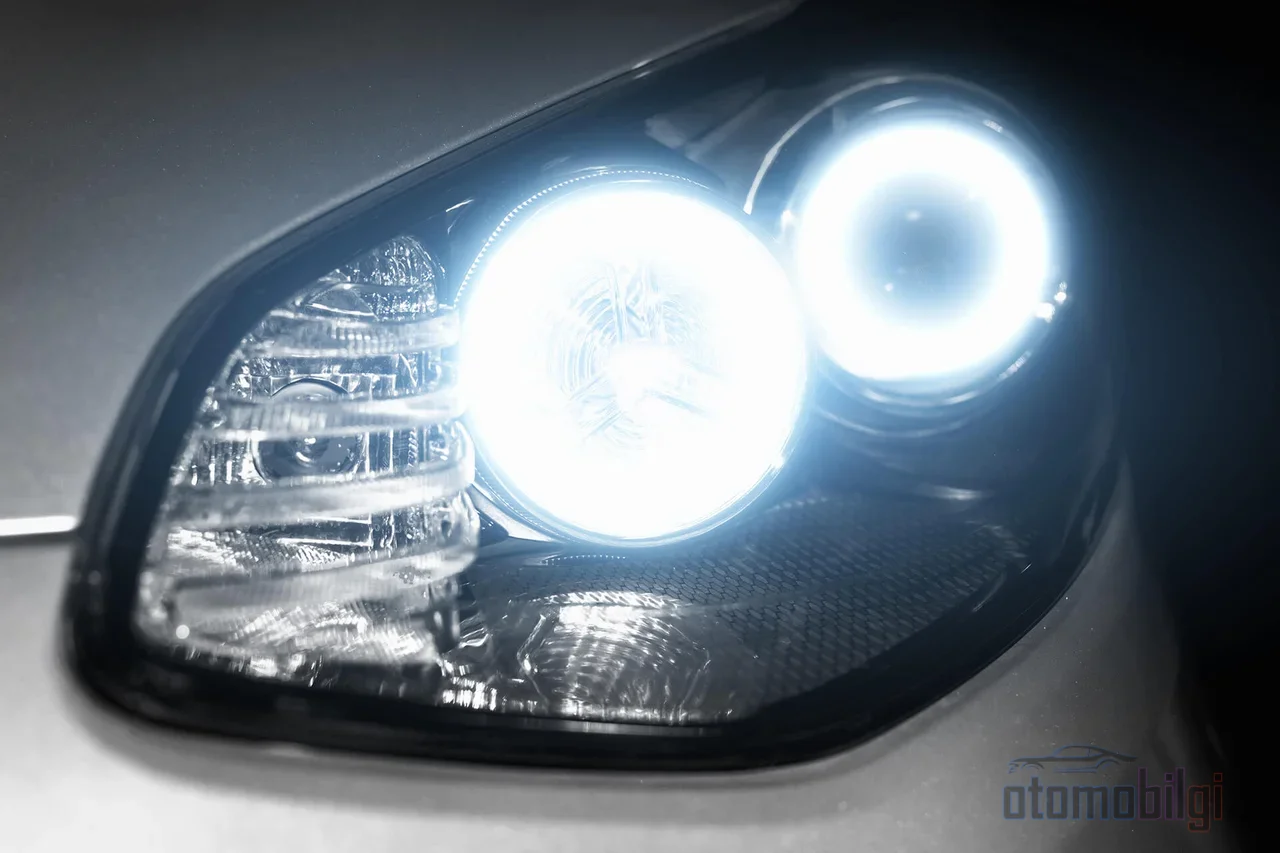
There is no tungsten filament inside a xenon headlight; what ignites the light is the electric arc itself, generated by a voltage of up to 23,000 volts.
What's Inside a Xenon Headlight? The Engineering of the Arc Bulb and Ballast
Lütfi Mete Odabaşı18 October 2026

A xenon (HID) headlight has no tungsten filament inside; the light comes from an electric arc between two electrodes. To ignite this arc, the igniter sends an instant voltage of up to about 23,000 volts, then the ballast feeds the arc with a continuo…

Read More
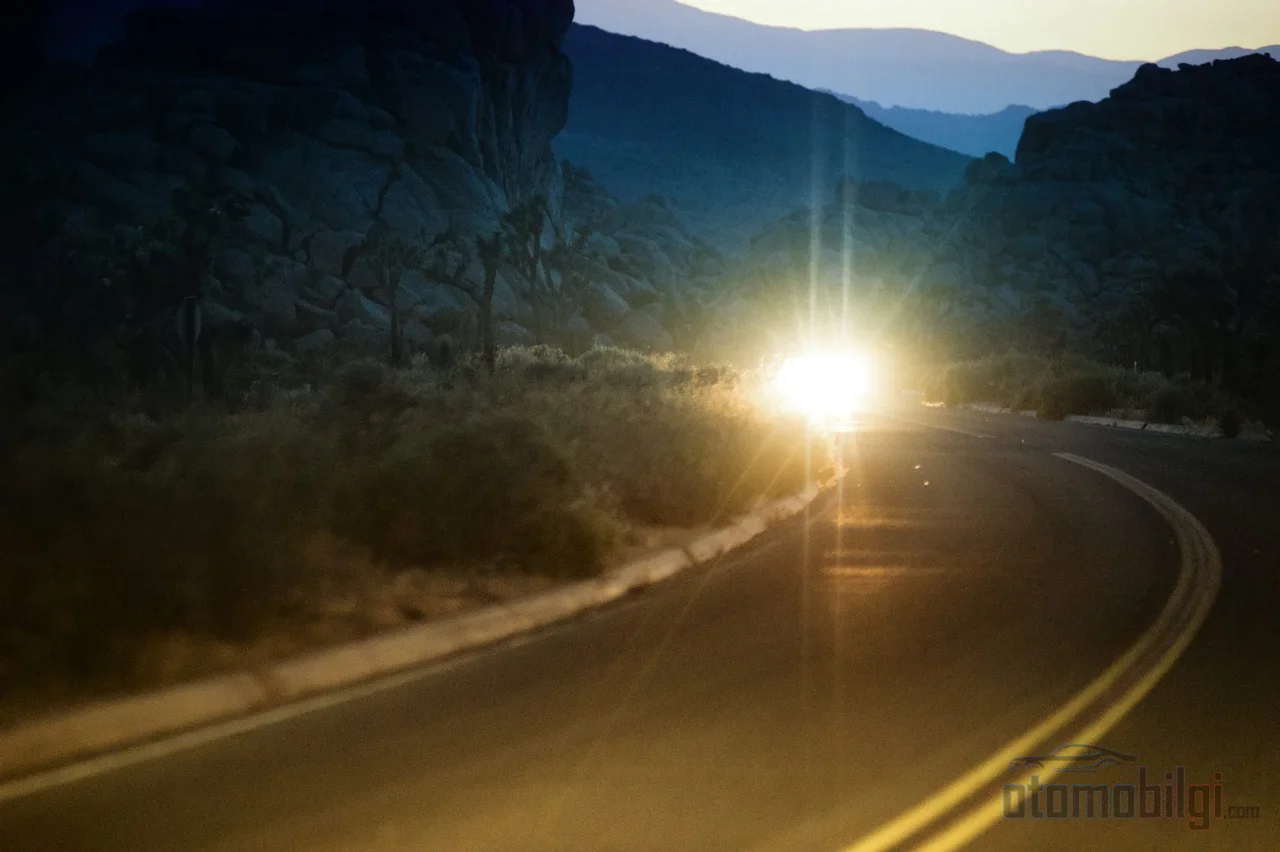
Even today's cars whisper their brand through their headlights even in the darkness of night; light now tells identity before it shows the way.
Hat Design as a Brand Language: The Communicative Power of Light
Lütfi Mete Odabaşı17 October 2026

In the darkness of night, as you come out of a corner, can you recognize the oncoming car without looking at its badge? Most of the time you can; because today's vehicle headlights don't just illuminate the road, they tell the car's identity. The day…

Read More
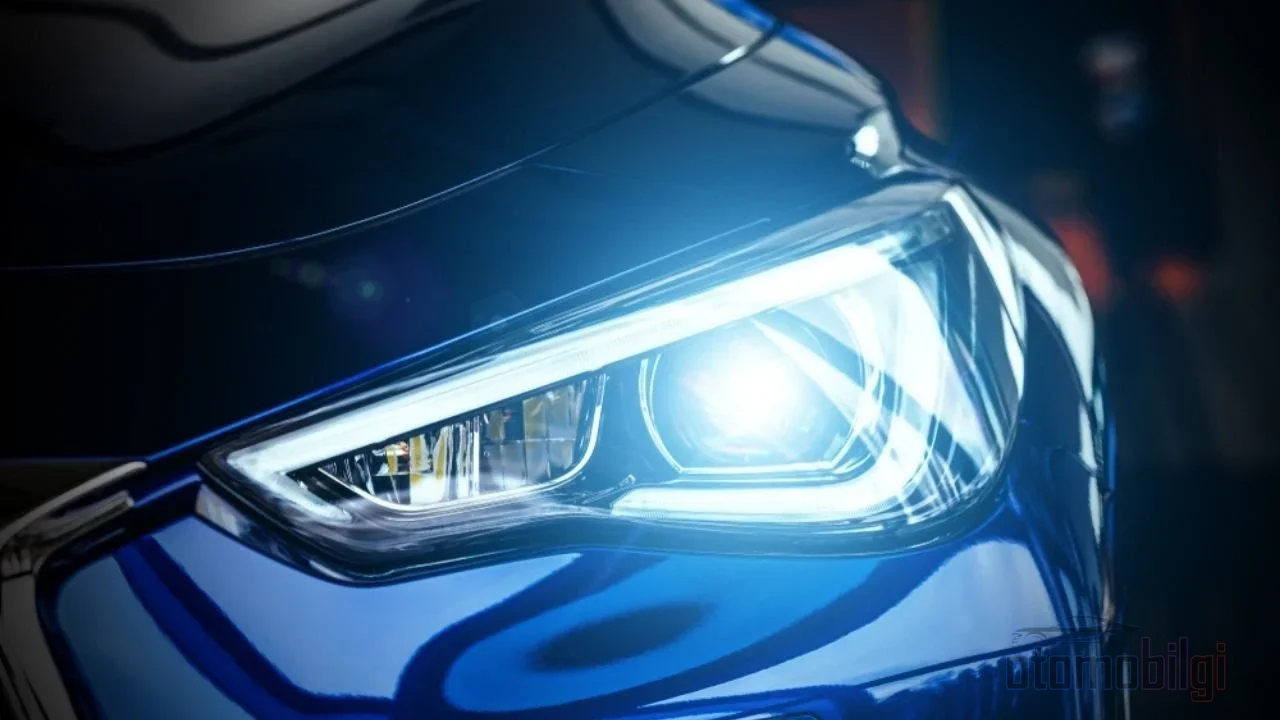
LED does not have the luxury of trapping heat inside the light the way halogen does; every watt emitted is a guest that must be driven out through the heatsink.
Thermal Engineering in LED Headlights: How Heat Kills an LED
Lütfi Mete Odabaşı16 October 2026

The heat in LED headlights is wasted energy trapped inside the chip that must absolutely be carried out; if left unmanaged, brightness drops first, then the LED permanently ages and dies. While a halogen bulb comfortably expels its heat within the li…

Read More
  • 1
  • 2
  • Next

Category Editor

Lütfi Mete Odabaşı

Lütfi Mete Odabaşı

A young, dynamic automotive and motorsport enthusiast who loves researching and learning. Mete adds value to our automotive news, information, and culture platform with a young person's perspective. He closely follows innovations in automotive technologies and developments in motorsport, turning what he learns into rich, useful content for otomobilgi.com.

Follow Us on Social Media

Share This Page

Follow Us on Social Media

  • About Us
  • KVKK Disclosure Statement
  • Privacy Policy
  • Contact
Otomobilgi.com
INDEPENDENT AUTOMOBILE CULTURE PLATFORM
Powered by Virgo CMS