Formula 2 & Formula 3
Share This Page
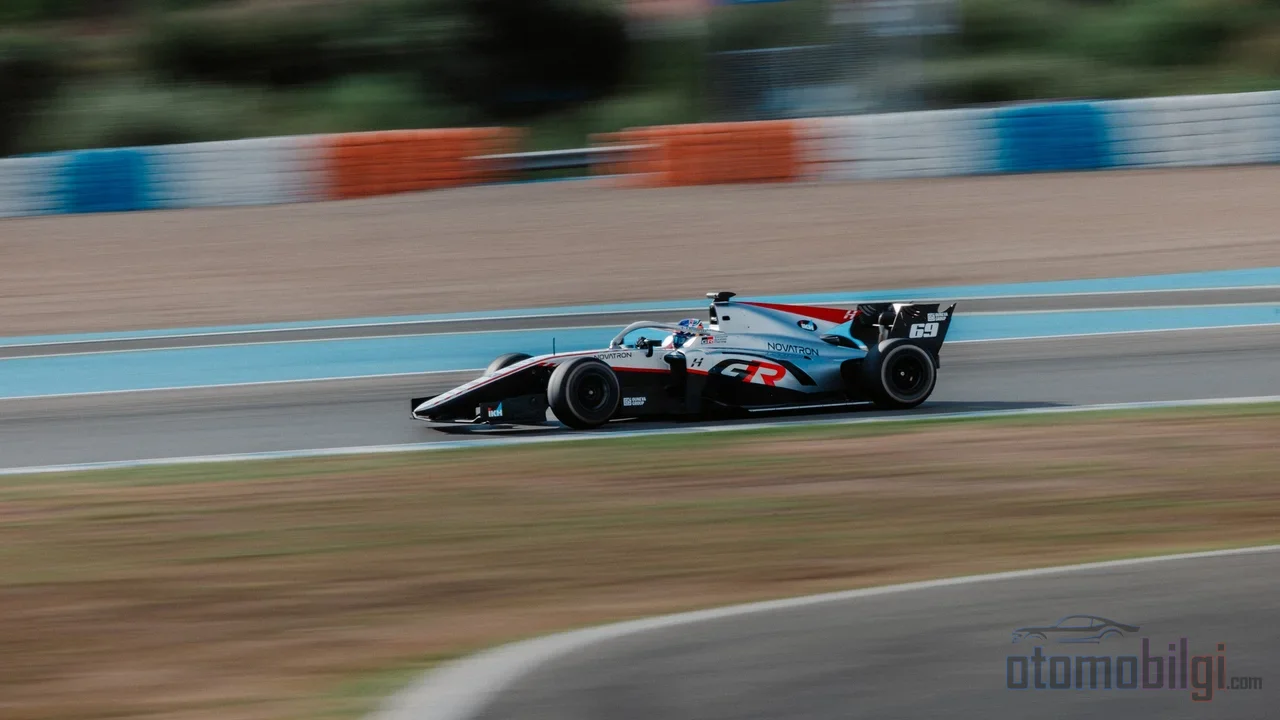
Winter Tests in F2 and F3
Winter testing in F2 and F3 is the quiet yet most critical part of the championship battle: In the days stretching from January to March, teams rebuild their cars, rookies complete their first laps, and the year's true balance of power begins to emer…
Read More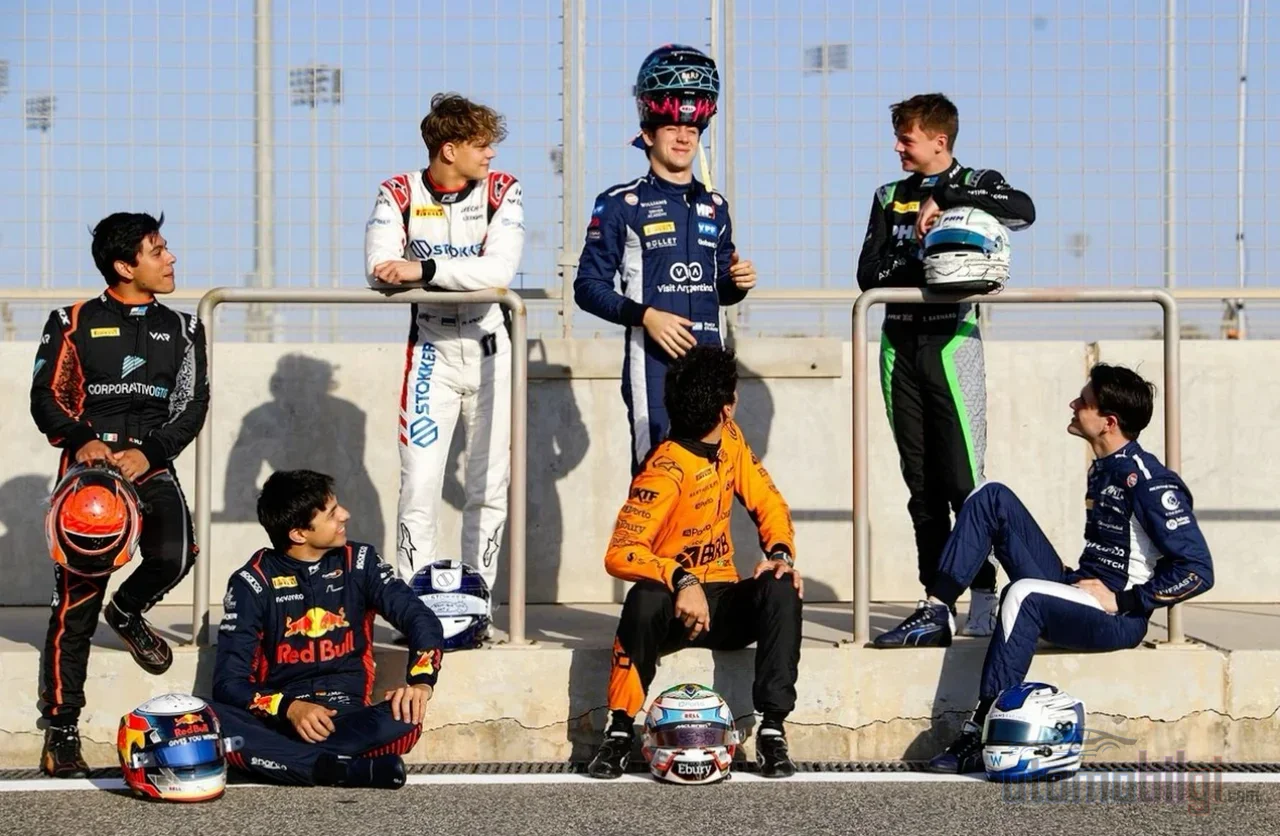
How Old Is Too Old to Race in F2 and F3?
In F2 and F3, there is no black-and-white age of "too late": F1's real allergy is not old age, but its sensitivity to the loss of the years needed for development. Although academies typically focus on drivers in the 16-20 age band, there are those w…
Read More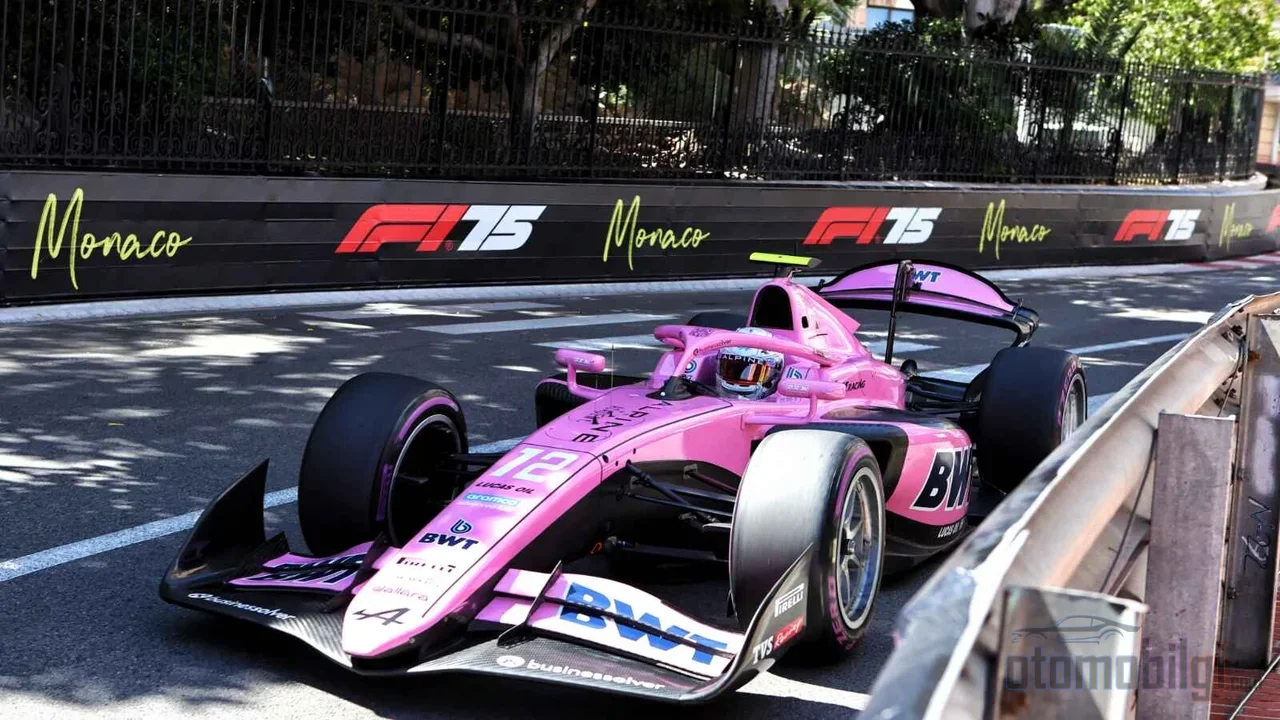
What Is the Reverse Grid Rule in F2 and What Is It Used For
The reversed grid rule in F2 means that the top 10 results from Friday's Qualifying are reversed for Saturday's Sprint race: the fastest driver starts from P10, the driver who qualified 10th starts from P1. The aim is to add excitement to the Sprint …
Read More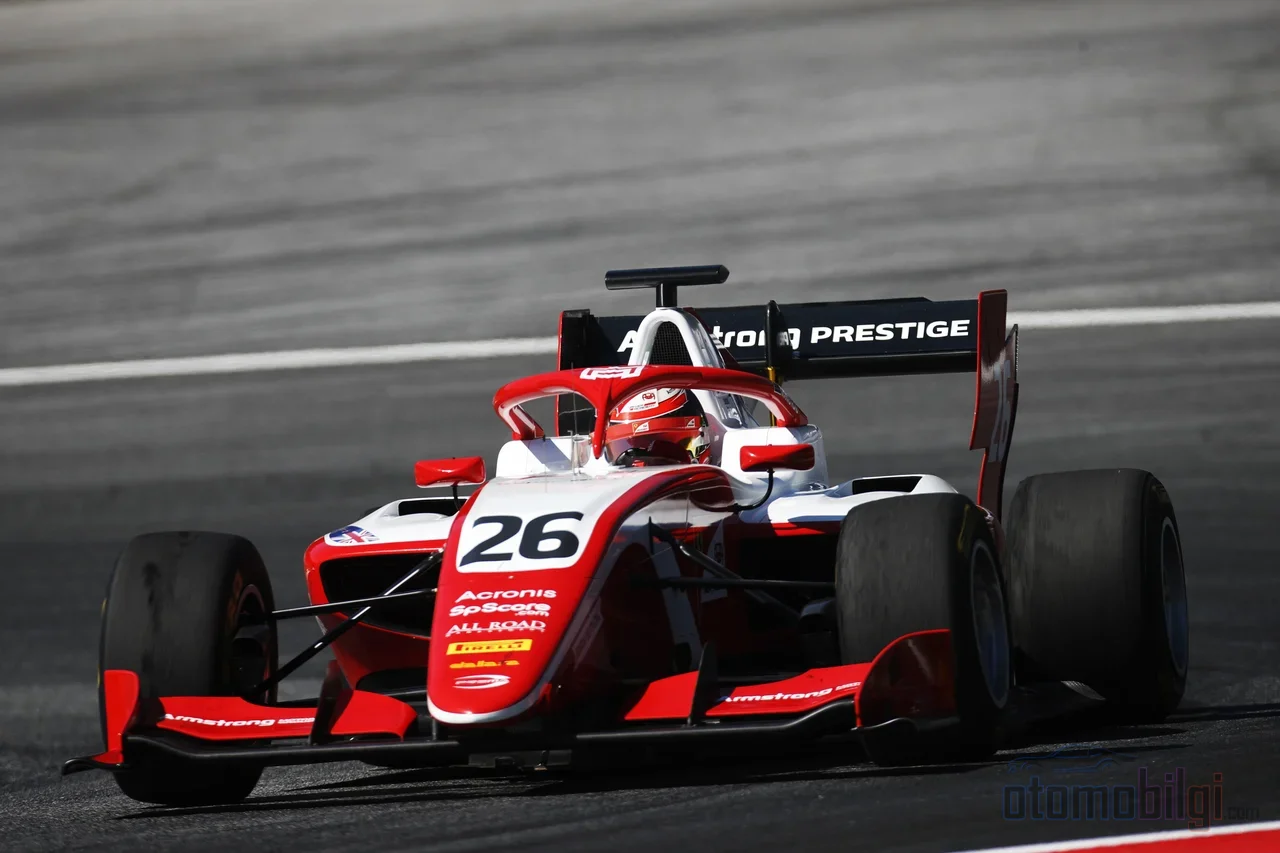
What Awaits Drivers Moving Up from F3 to F2?
Drivers moving up from F3 to F2 can struggle to adapt, because the two are completely different jobs: The F2 car is more powerful, faster, and puts F1-specific skills like tire management and pit stop strategy to a serious test for the first time. Mo…
Read More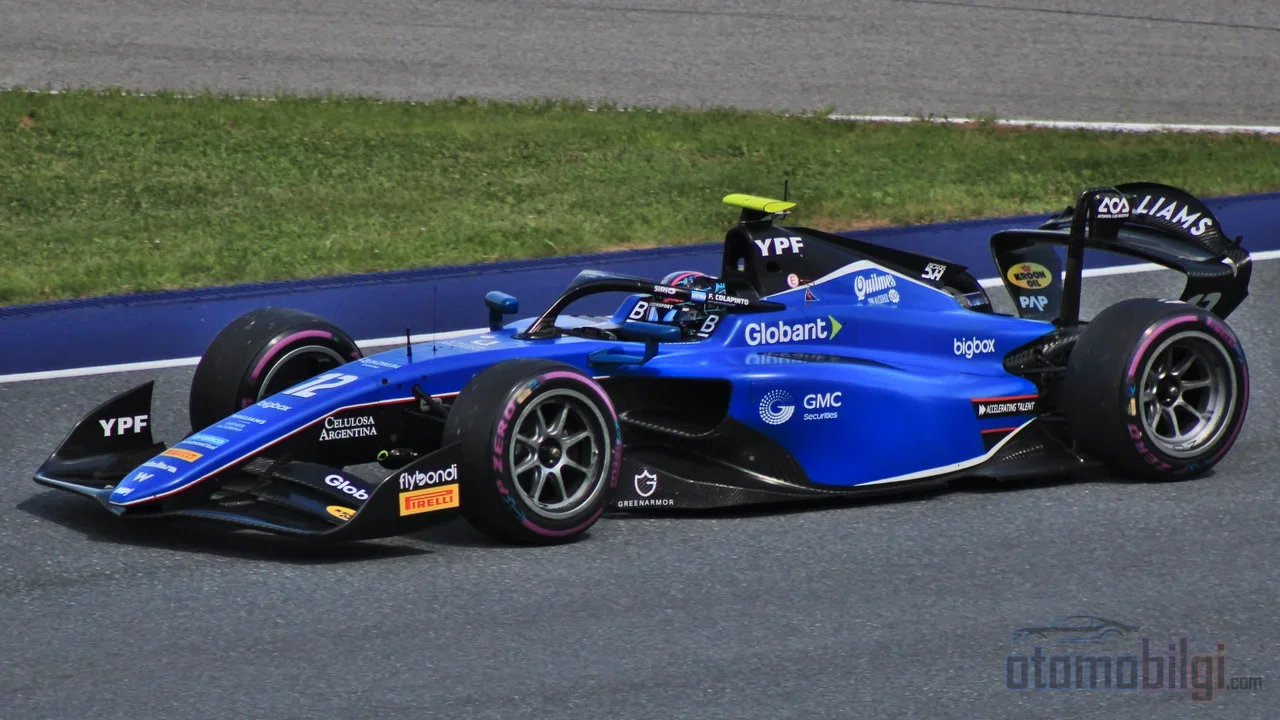
The Battle at the F2 Wheel: A Test of the Drivers' Physical Endurance
Why is the F2 steering wheel so hard? Because there is no hydraulic assistance: the driver counters cornering resistance entirely with his own neck, shoulder and arm strength. Although steering and brake assistance are also banned in F1, F2 cars race…
Read More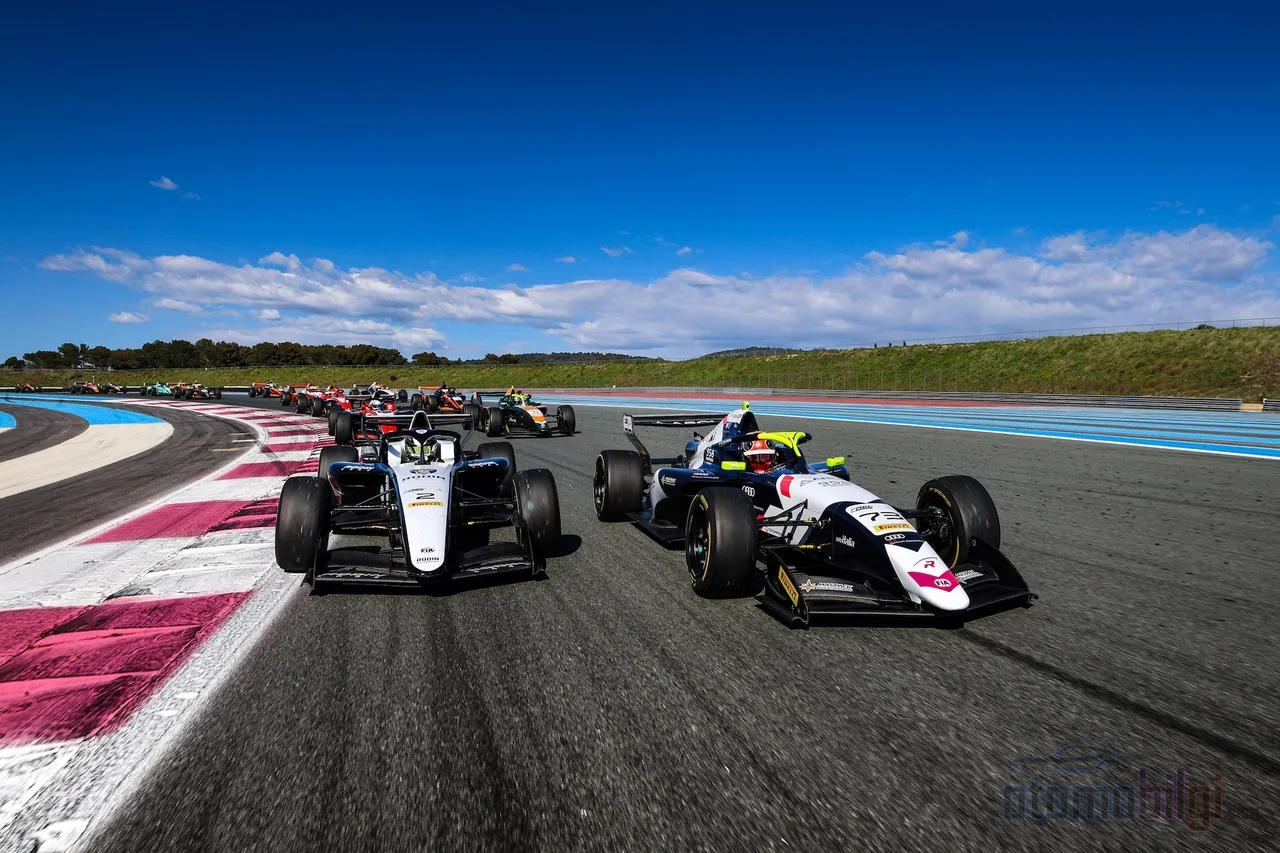
How Did Formula Regional Transform F3?
Formula Regional is the formula series that sits just below FIA Formula 3 and has in recent years become the first major rung of the ladder for young drivers on their way to F1. In the new order, drivers coming out of F4 no longer go straight to F3 b…
Read More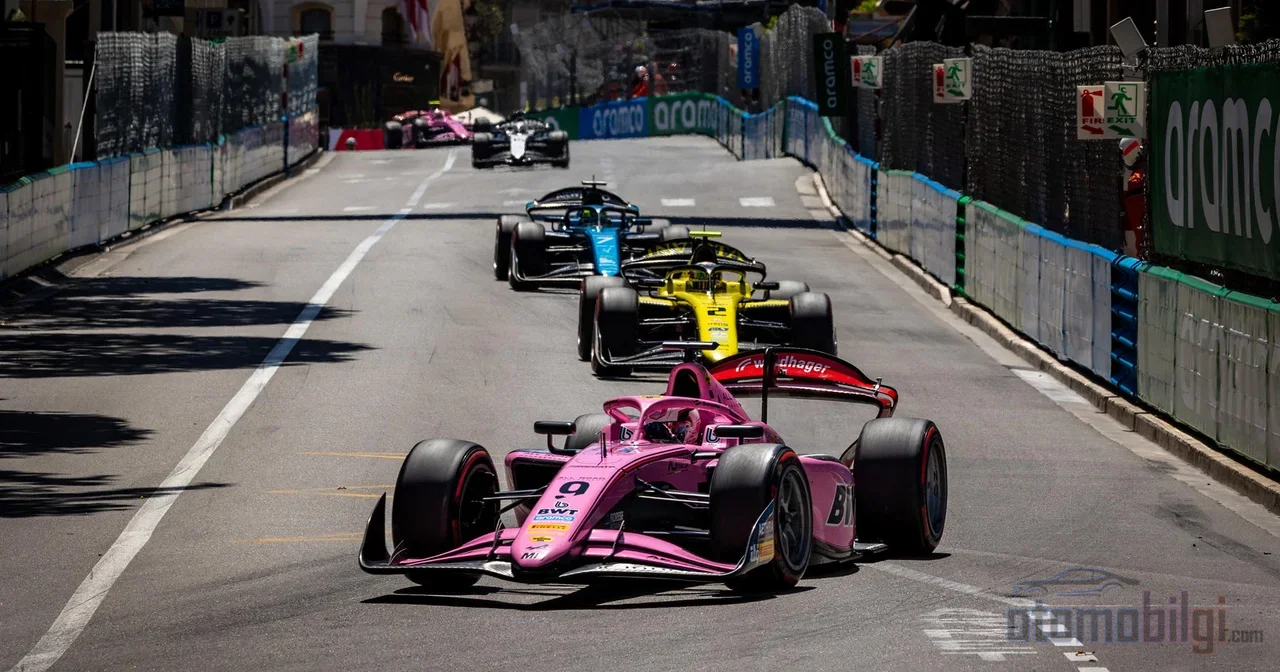
Why Does Everyone Use the Same Engine in F2?
Everyone in Formula 2 uses the same engine because the series operates on a single-supplier philosophy: all 22 cars race with the same Mecachrome-built 3.4-liter V6 turbo engine, the same Dallara chassis, and the same Pirelli tires. The goal is to ke…
Read More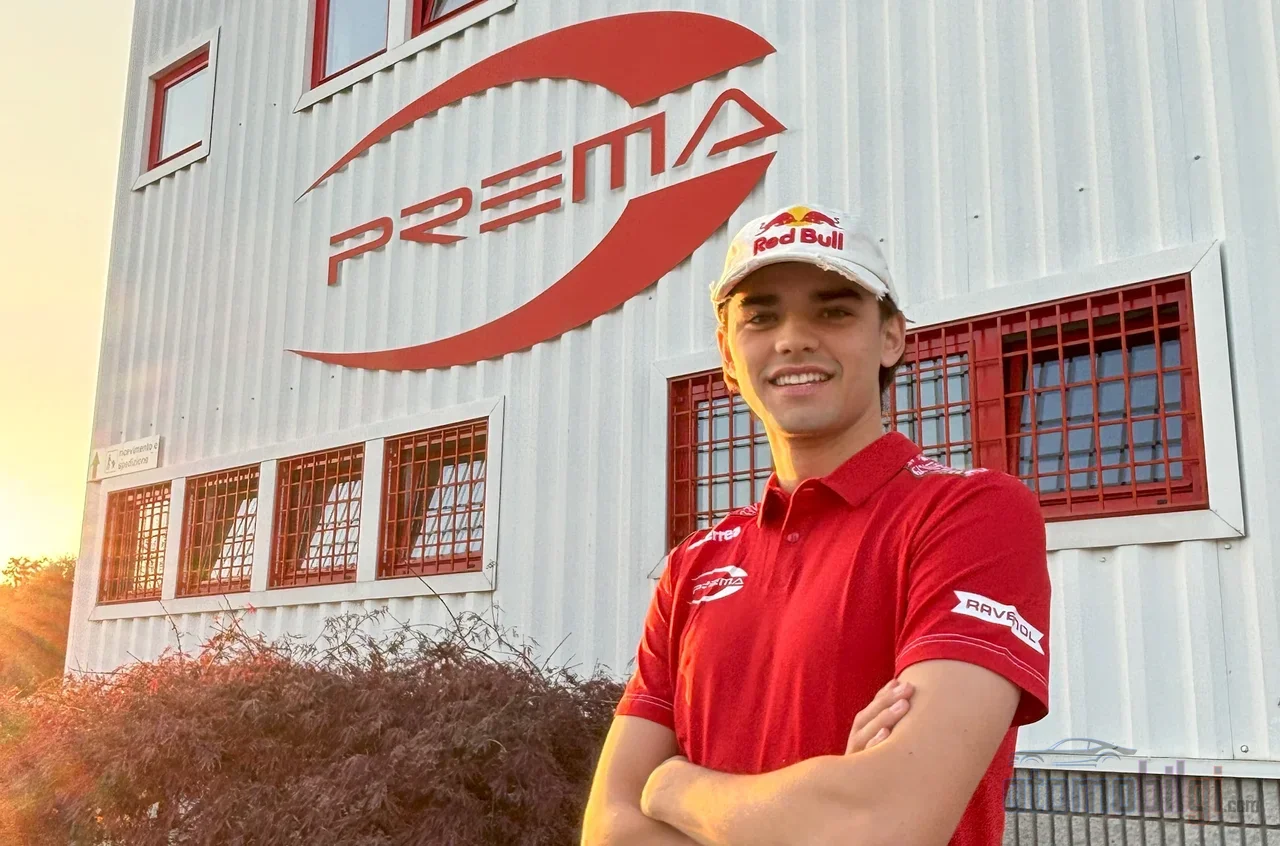
The Prema Legend: How a Team Shapes the Drivers It Raises?
If all the cars are the same in Formula 2 and Formula 3, where does the difference between teams come from? Here is the most brilliant example of the answer: Prema. Founded in 1983, this Italian team has carried more than ten of its drivers to Formul…
Read More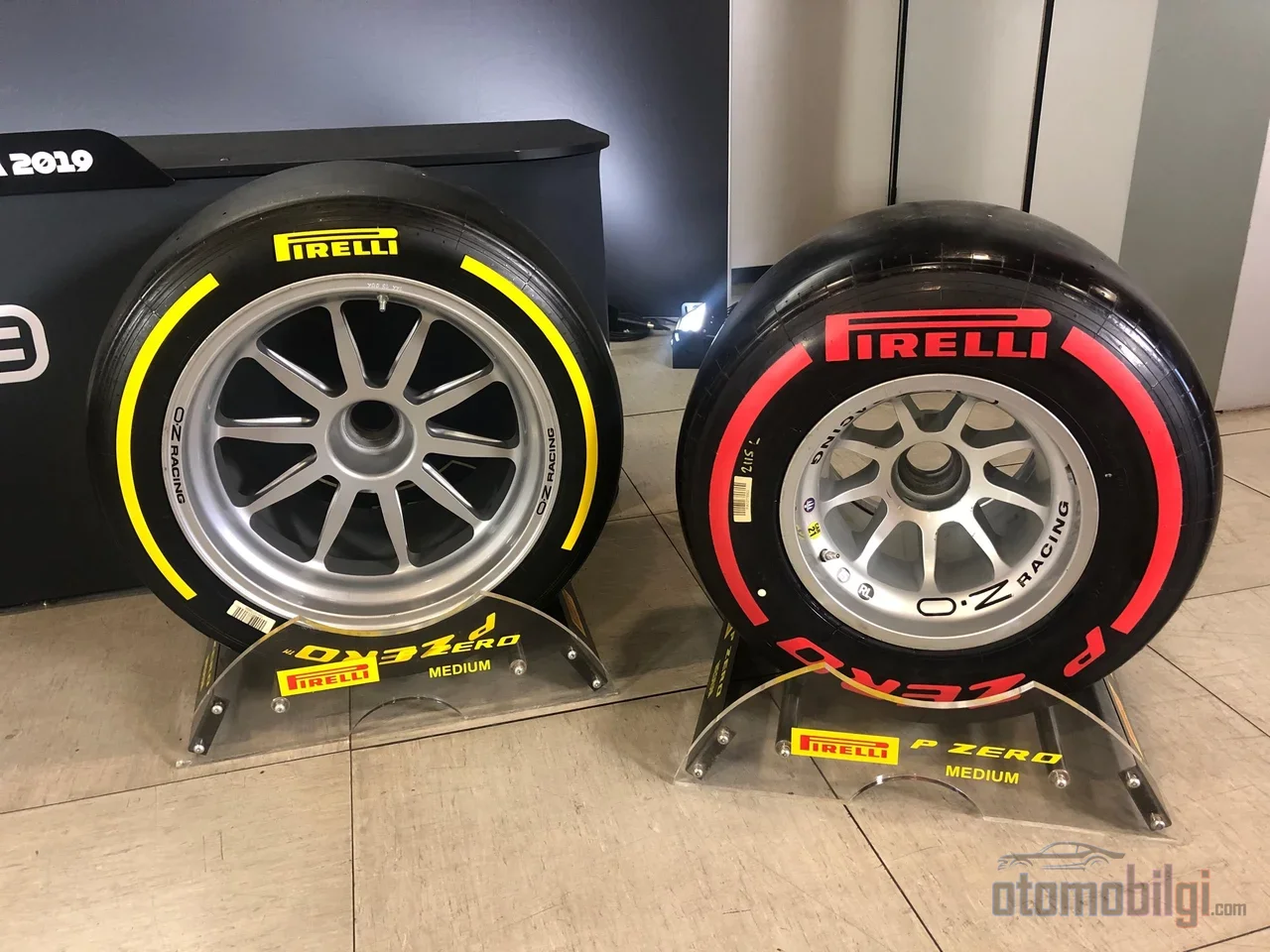
How Is Pirelli Determining the Fate of F2 Racing?
Pirelli is the sole tire supplier for Formula 2 and deliberately designs its tires to be prone to wear, so that race strategy, pit stop decisions, and tire management skills become the real deciding factors of the championship. In short, in F2 it is …
Read More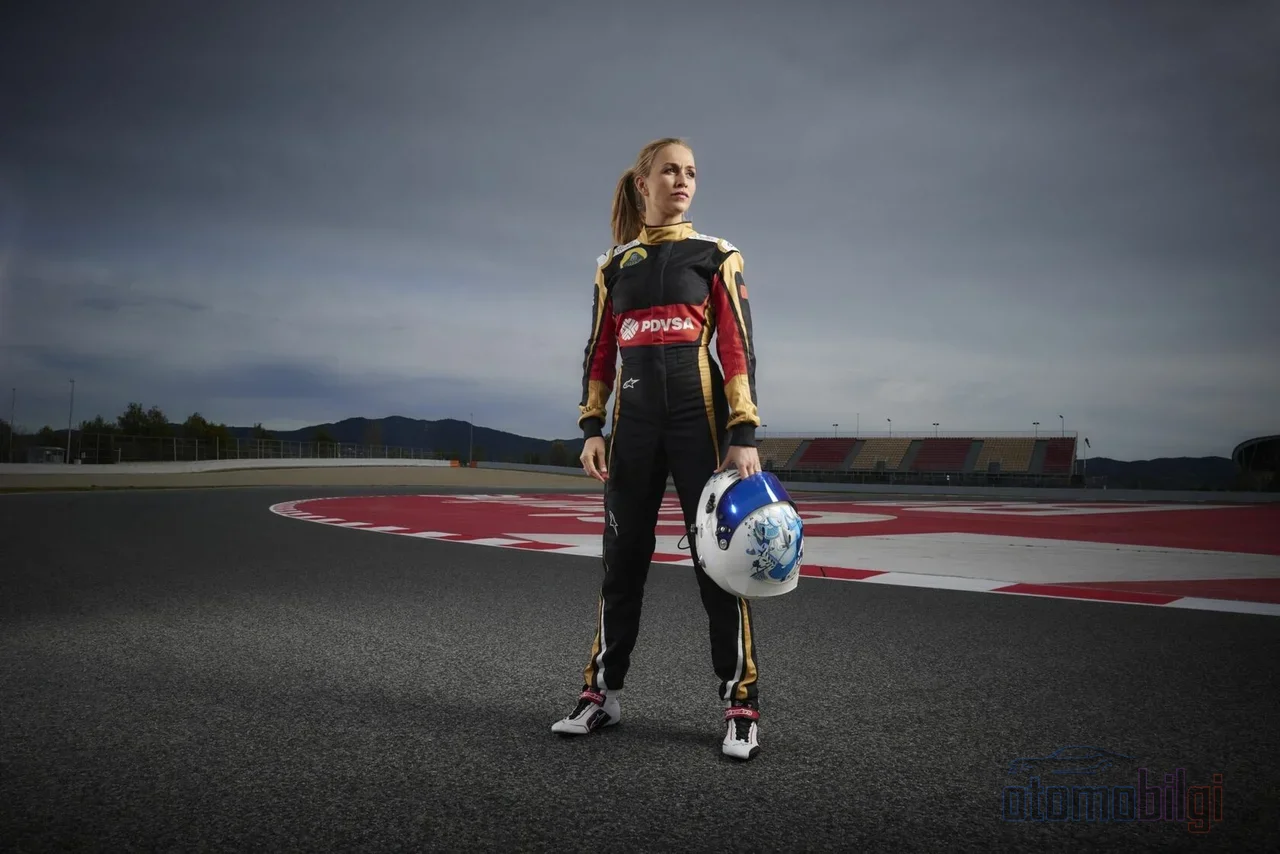
How Are Female Drivers Paving the Way to F2 and F3?
For female drivers, the biggest obstacles on the road to F2 and F3 are not seats, but money, testing kilometers, and cars not designed with them in mind. F1 Academy, with its super license points and the rungs of the higher series, is truly opening t…
Read More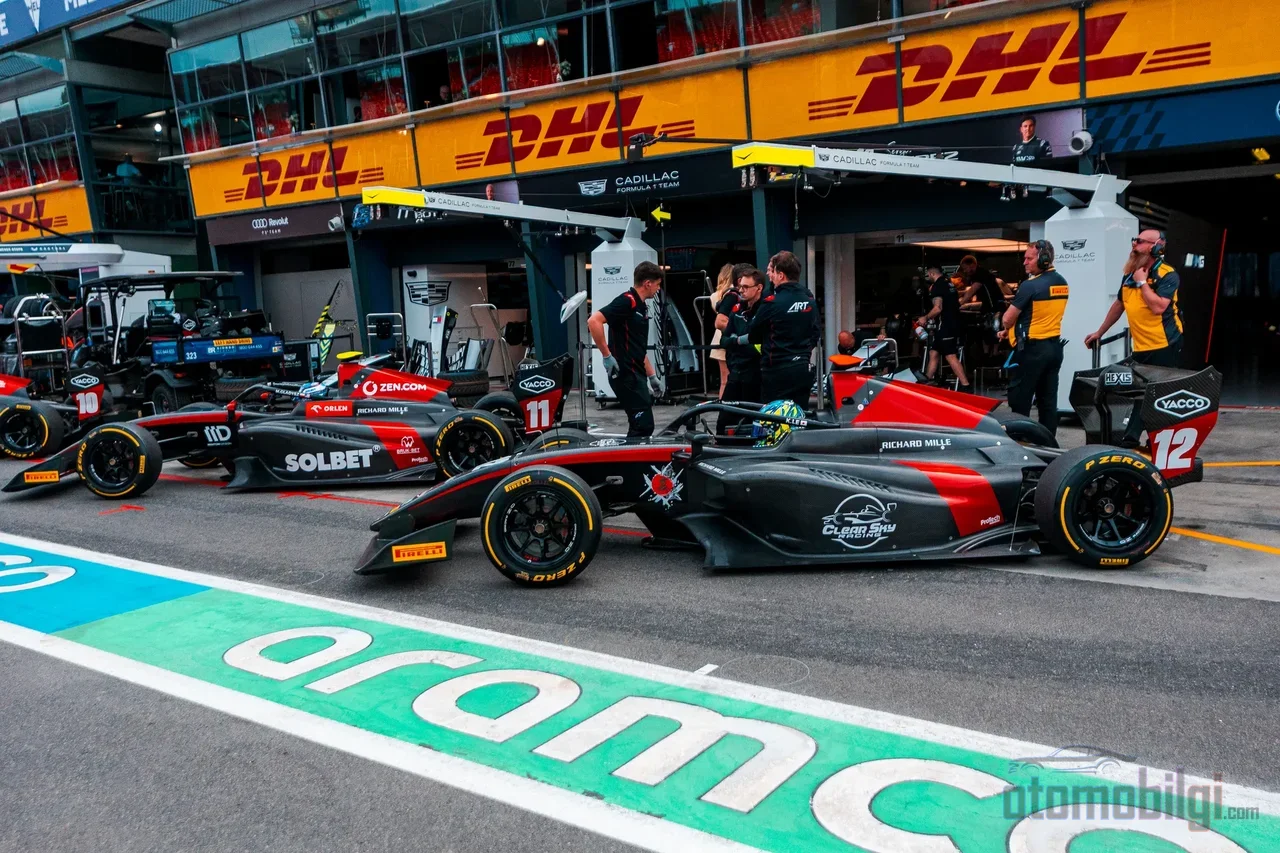
How Does a Race Weekend in Formula 3 Work Differently from F2?
A Formula 3 race weekend flows much faster than Formula 2: a single 45-minute practice session, a single 30-minute qualifying, a Saturday Sprint, and a Sunday Feature. As in F2, there are no pit stops, three cars run per team, and the Sprint grid is …
Read More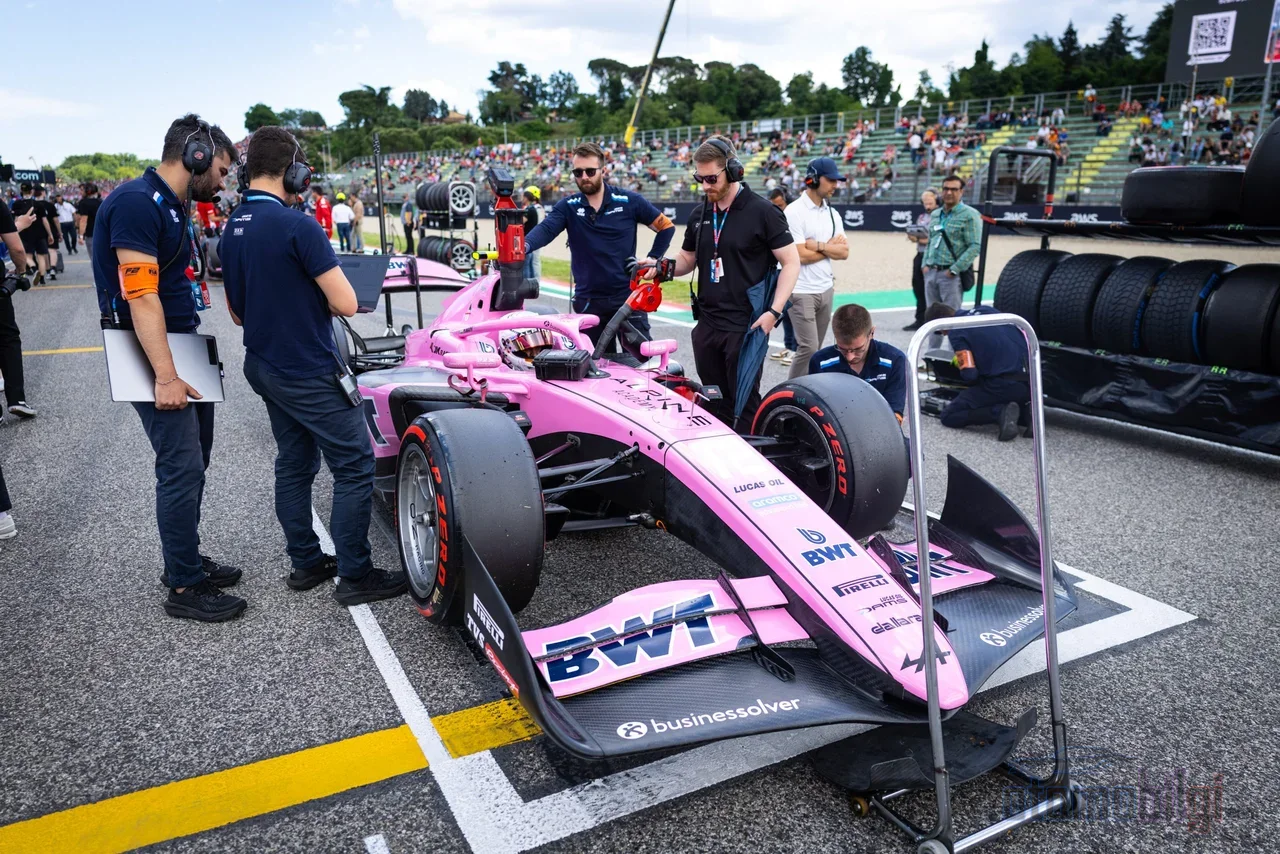
From GP2 to Formula 2: How Did the Series Transform?
GP2 continued on its way, taking the name FIA Formula 2 Championship in 2017; in other words, the F2 we watch today is actually the new name of the same series founded in 2005, the closest stepping stone to Formula 1. This change came with Liberty Me…
Read More