Drag Races
Share This Page
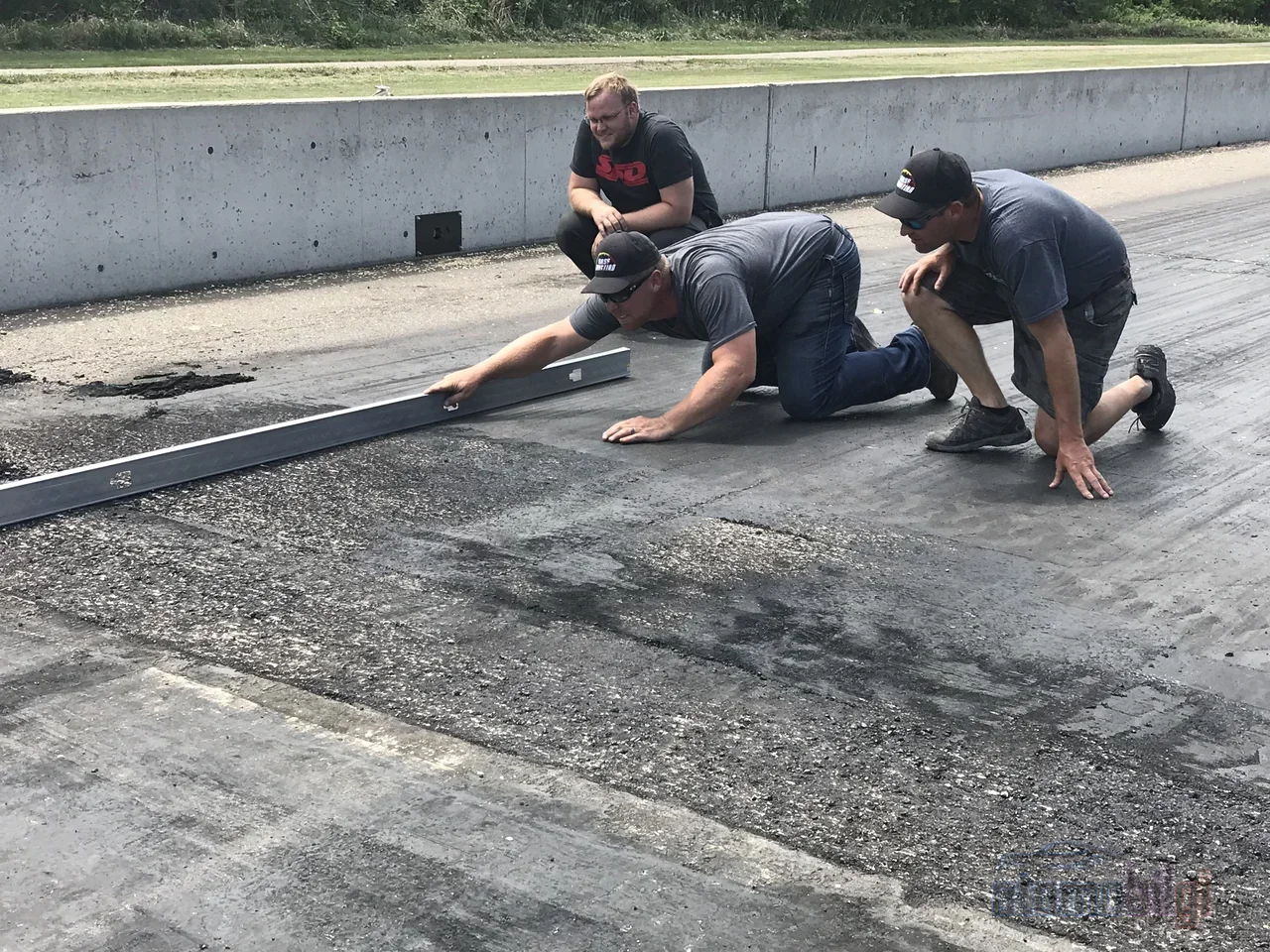
Why Is the Track Sticky? The Art of Preparing a Drag Strip
The reason tracks become sticky is special synthetic resins sprayed onto the surface to ensure tire grip at launch, in other words traction compounds; this stickiness reduces wheel spin, allowing the car to transfer its power to the asphalt and launc…
Read More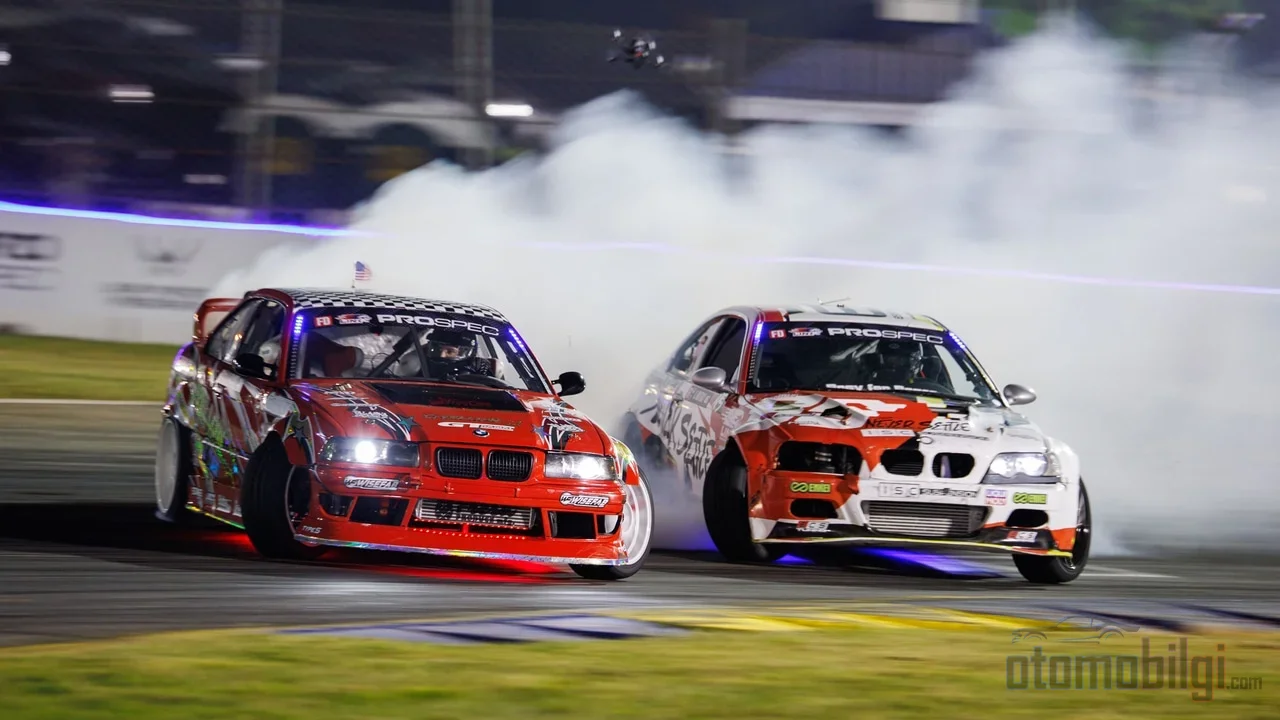
Why Do Slick Tires Wrinkle on Launch? The hidden engineering of drag tires
A slick tire wrinkles and squirms at launch, because in drag racing the enormous torque at launch must be absorbed by a soft sidewall: the instant the throttle is fully opened, the tire's flexing sidewalls collapse, a wrinkled image forms, and during…
Read More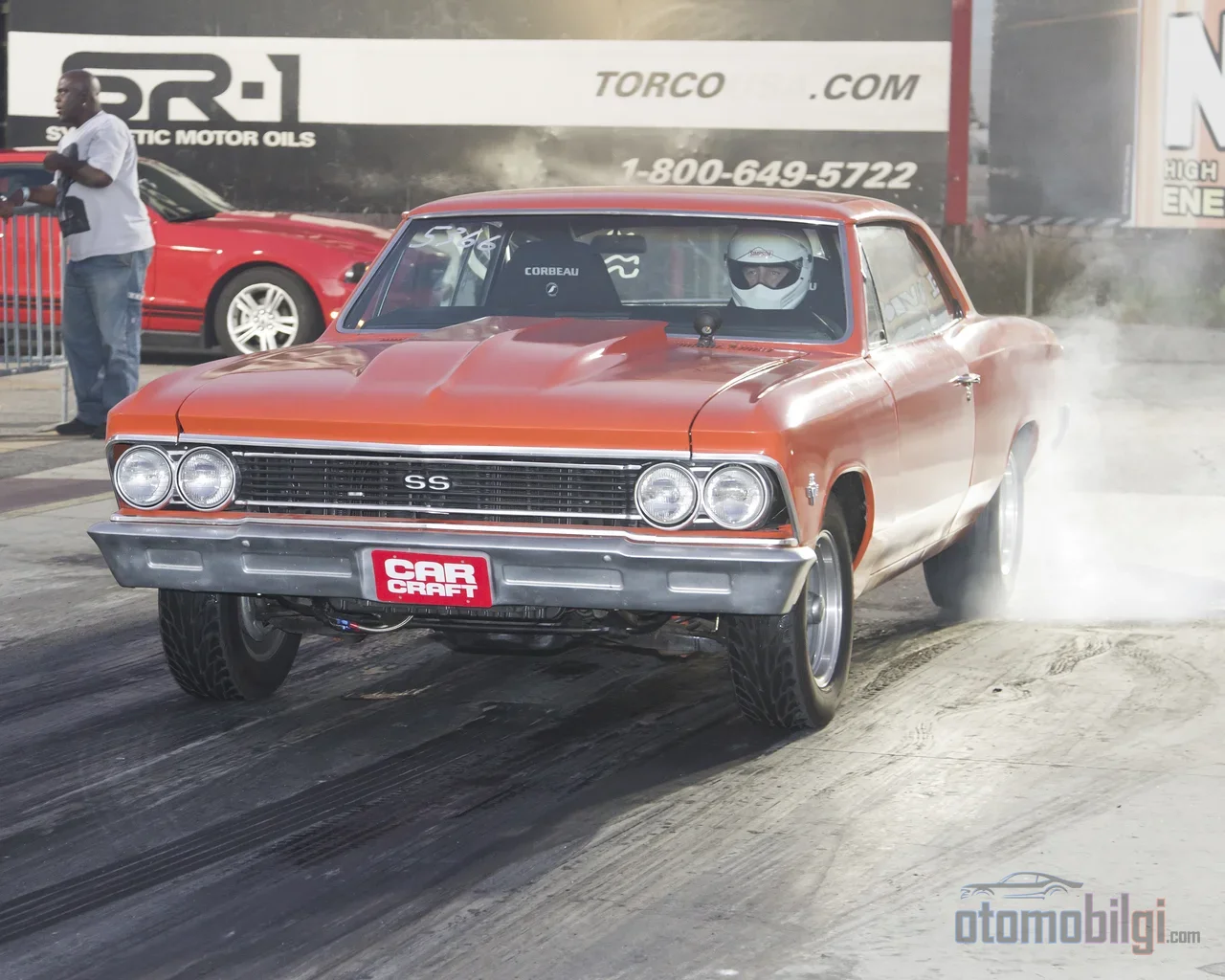
The First 60 Feet: Launch Physics That Wins Drag Races
In drag racing, the first 60 feet, roughly 18 meters after the starting line, is the section that most determines the quarter-mile result: the engine's power is transferred to the tires over this distance, suspension weight is loaded onto the rear wh…
Read More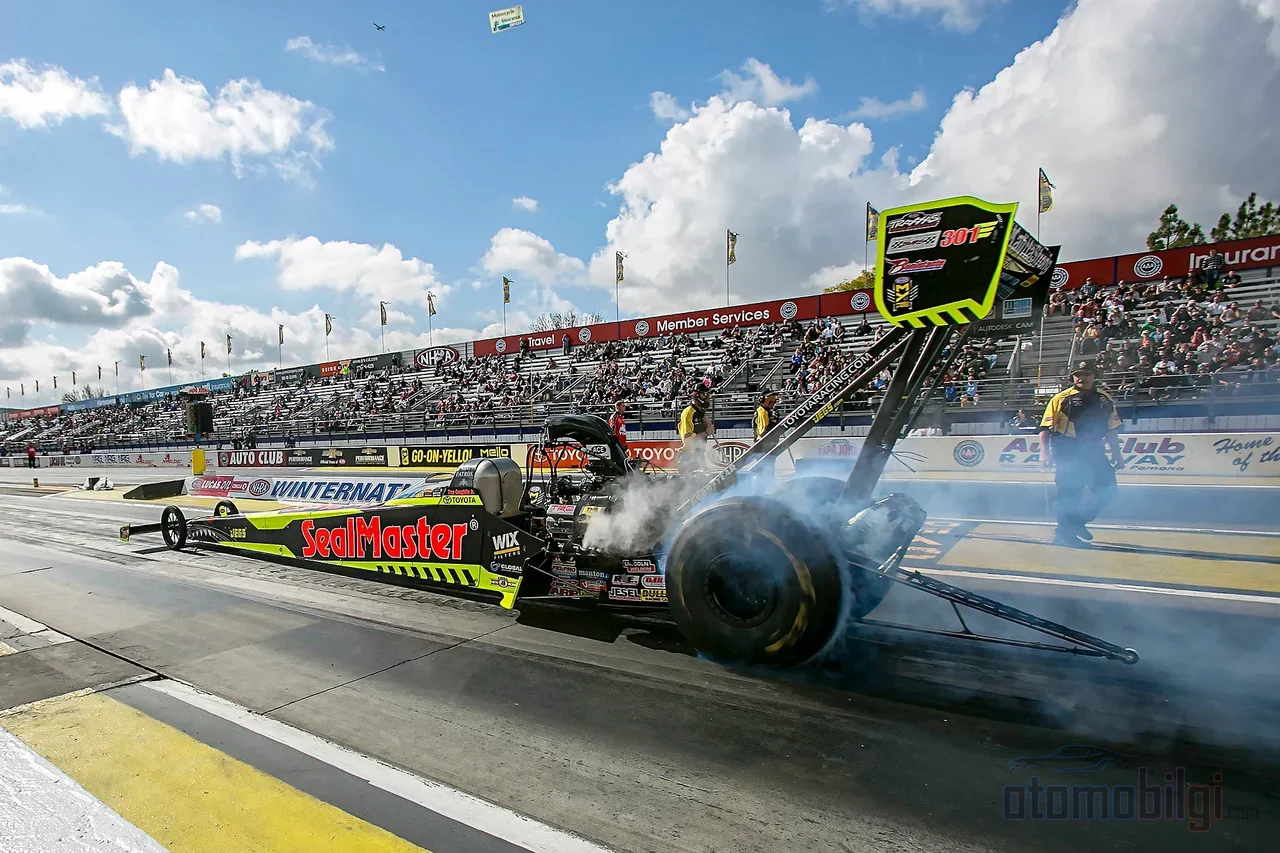
How Does an 11,000-Horsepower Clutch Survive?
The power locked into a Top Fuel dragster's clutch would shred a conventional transmission in a fraction of a second; that is why the roughly 10,000-horsepower nitro engine works through a massive multi-plate clutch that connects to the asphalt with …
Read More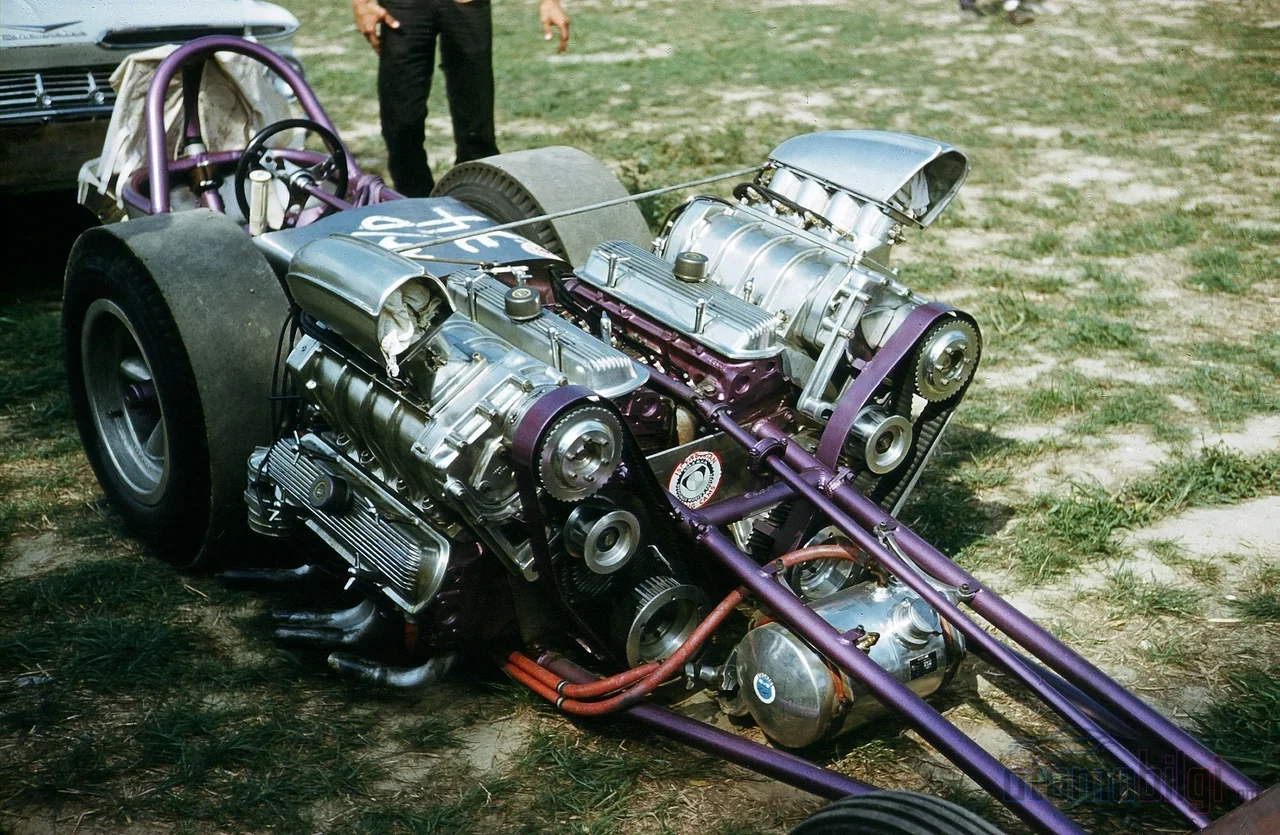
How Does Air Density Affect a Drag Engine?
On the drag strip, it's the same car, same tires, same fuel... but you just can't match the time you ran in the morning come the afternoon. The secret's name is air density: your engine's power depends directly on the amount of oxygen in the air it d…
Read More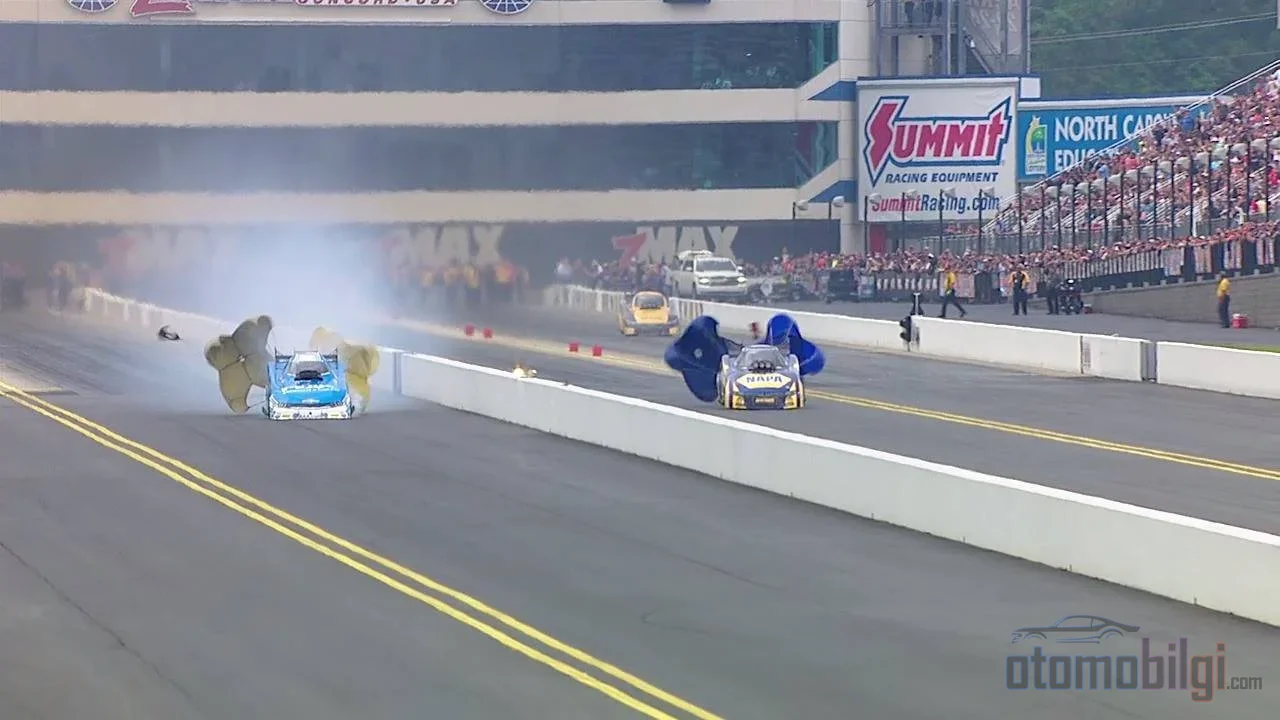
Parachute and Engine-Cooling Details: What Happens When the Run Ends?
Crossing the finish line is not the end of a drag race; it is actually the beginning of the most critical part. A Top Fuel or Funny Car arriving at over 320 km/s cannot stop by braking; what slows it down is often a single giant parachute. And once t…
Read More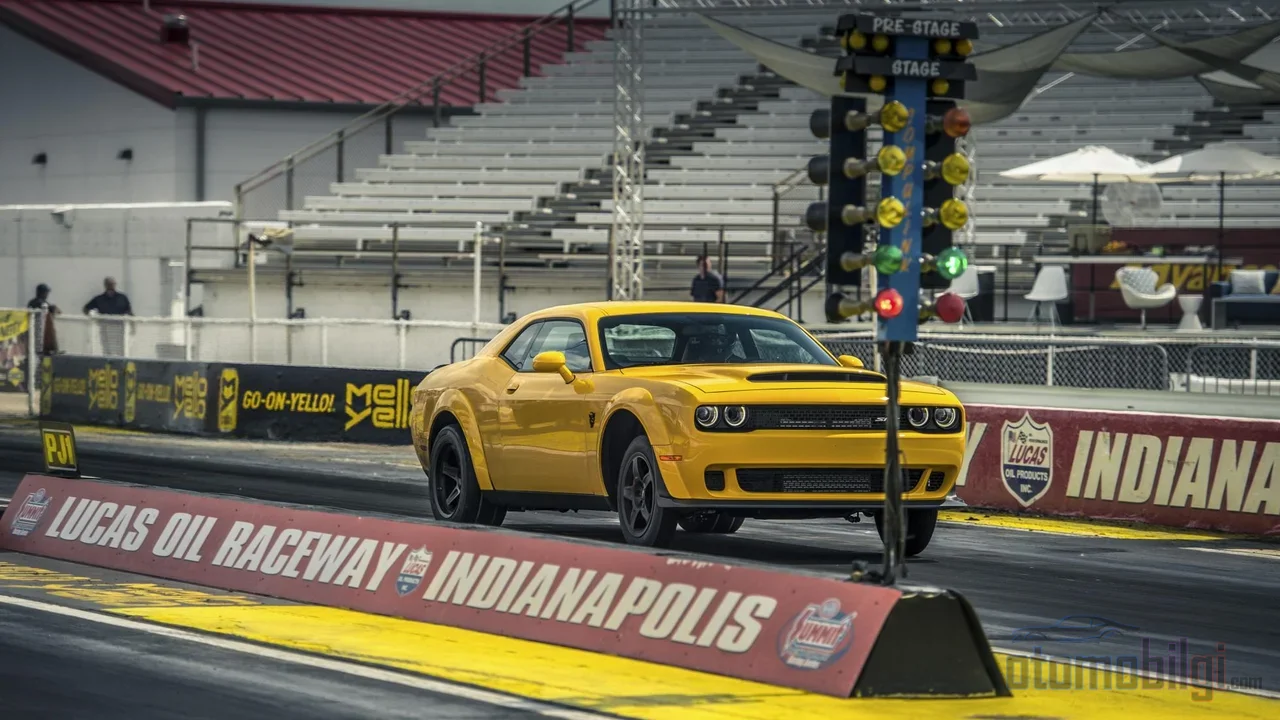
Can a Driver Who Red-Lights in Drag Racing Not Win? The Logic Behind Christmas Tree Lights
The light tower standing at the head of the drag strip, the Christmas Tree, is the race's official start button: two cars launch toward the quarter mile, accompanied by a light rhythm measured in thousandths of a second. Ambers, green and red are the…
Read More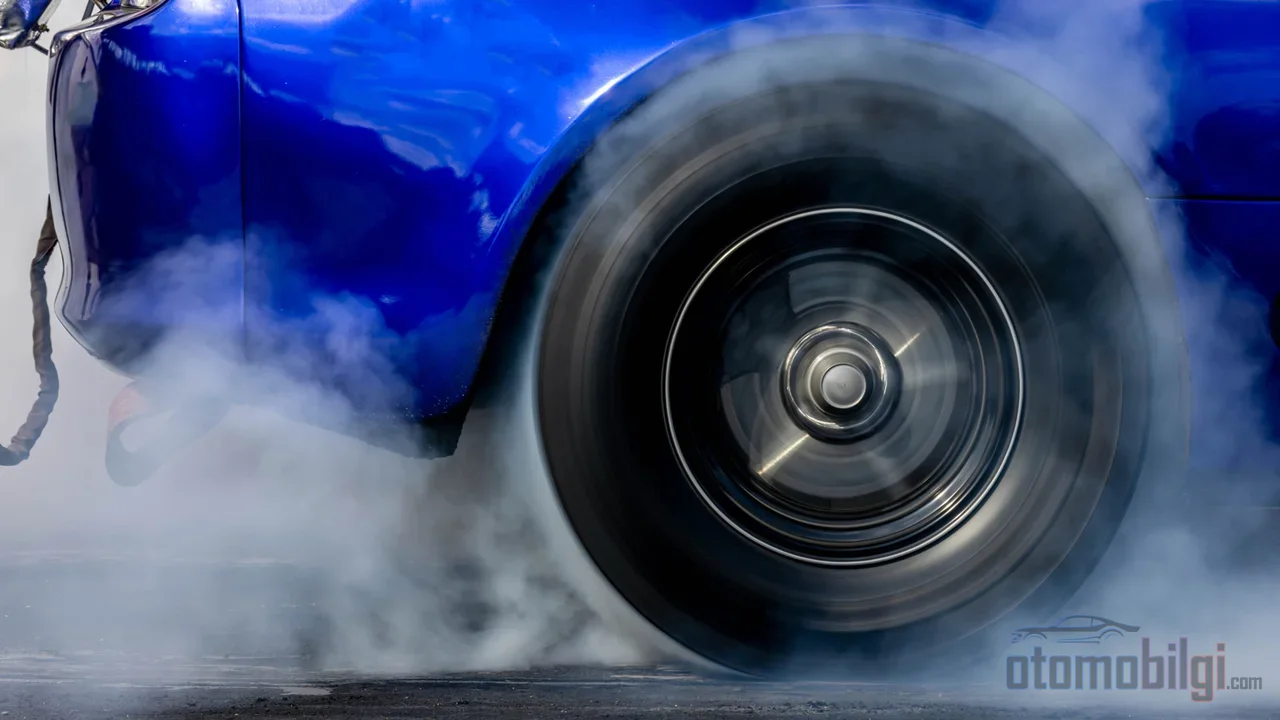
Why Do Drivers Do Burnouts? The Secret of Sticky Tires and the Warm-Up Ritual
In drag racing, a burnout is a technical preparation ritual performed while the car sits at the starting line, spinning the rear tires to heat and soften them and to achieve the grip that will penetrate the track's micro-texture; at the same time, it…
Read More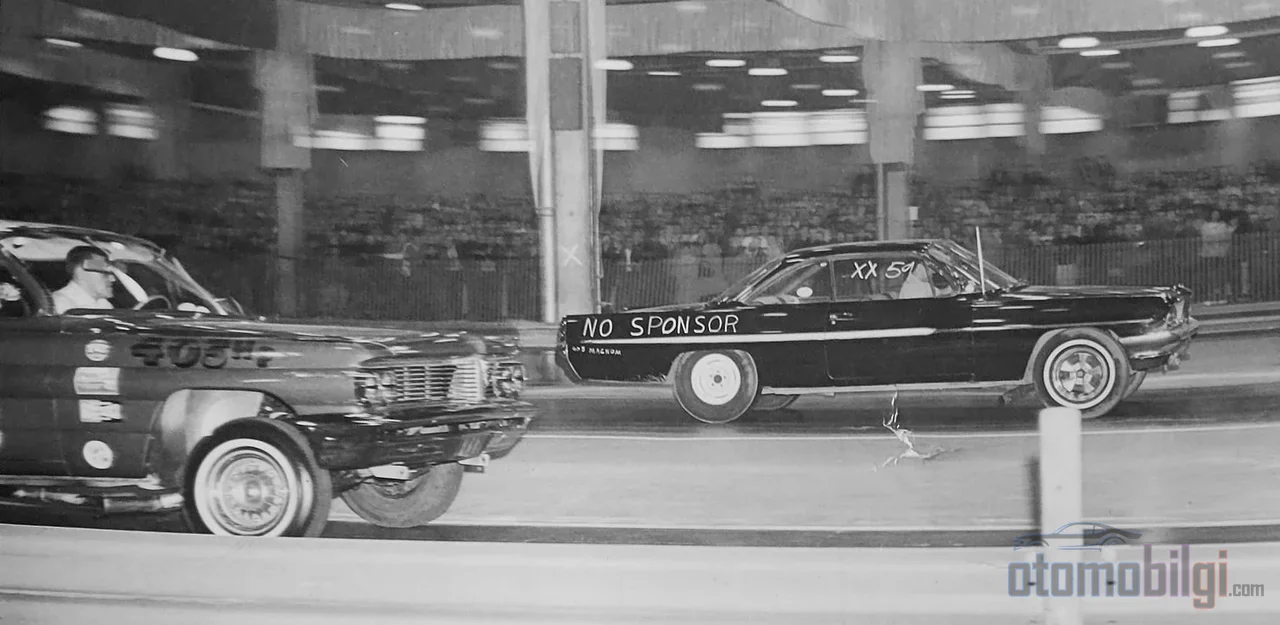
How Did Drag Racing Originate and How Has It Evolved to Today?
Drag racing was born out of informal gatherings in the dry lake beds of 1930s California, where speed enthusiasts tested their engines, and took shape in America's abandoned air bases after World War II, becoming a legal, rule-based sport with the fo…
Read More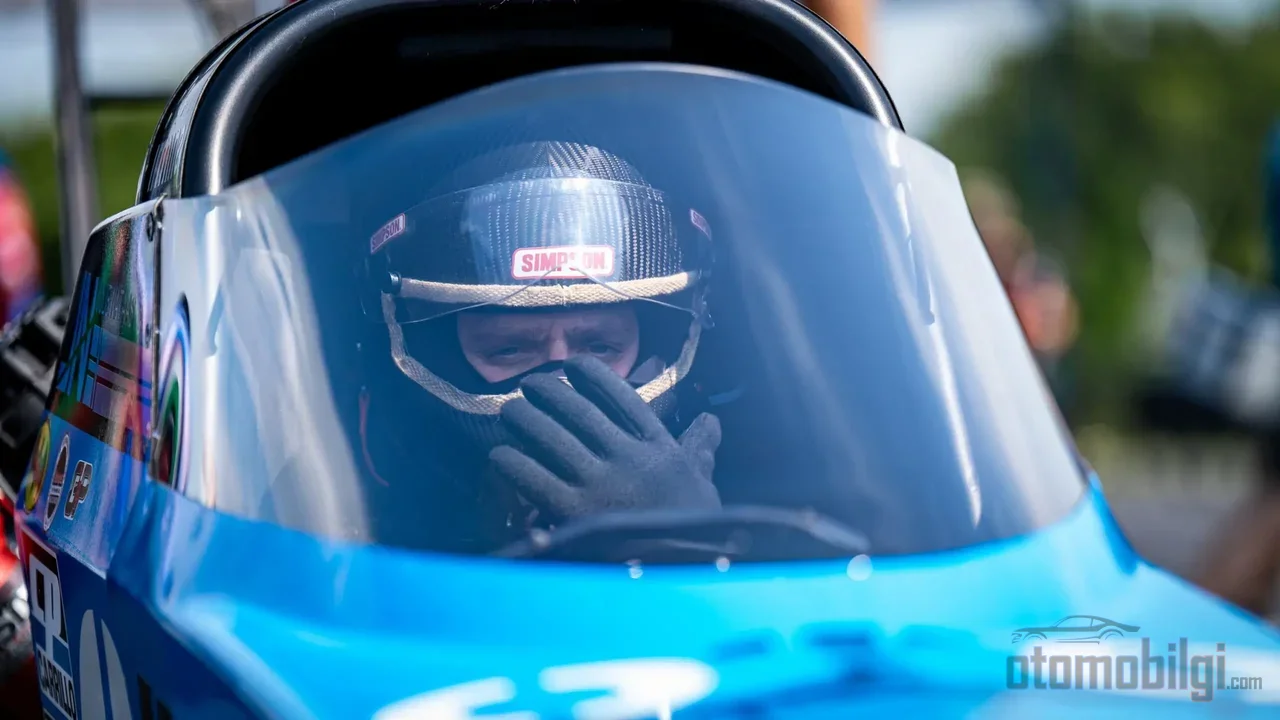
Climbing to the Top from the NHRA Class Ladder
The NHRA class ladder is an official career path stretching from the amateur street driver at the starting light to an 11,000-horsepower Top Fuel dragster: a tiered system that begins with unlicensed E.T. bracket classes, climbs into Sportsman catego…
Read More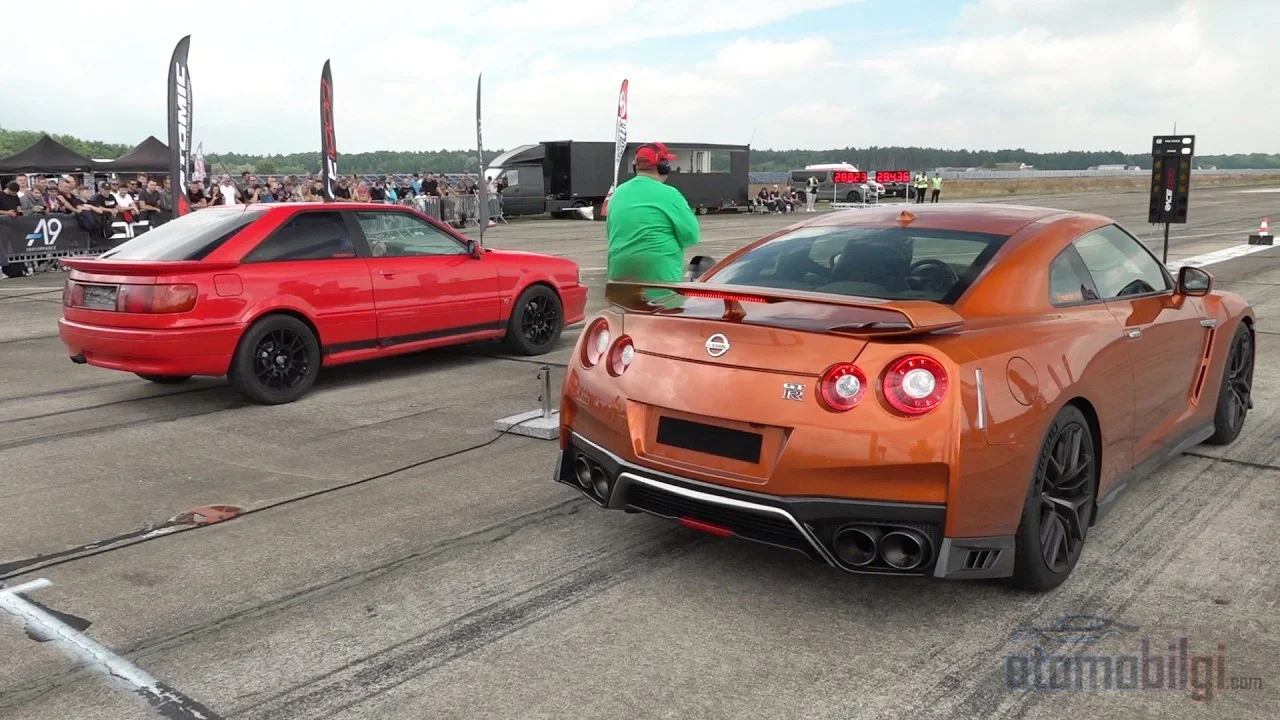
Dial-In and Handicap System: Racing Against Yourself in Amateur Drag
The dial-in and handicap system is a racing format in drag racing where each car declares its own estimated pass time (dial-in) before the race, and the slower car gets a head start equal to the difference between the two times. In other words, the d…
Read More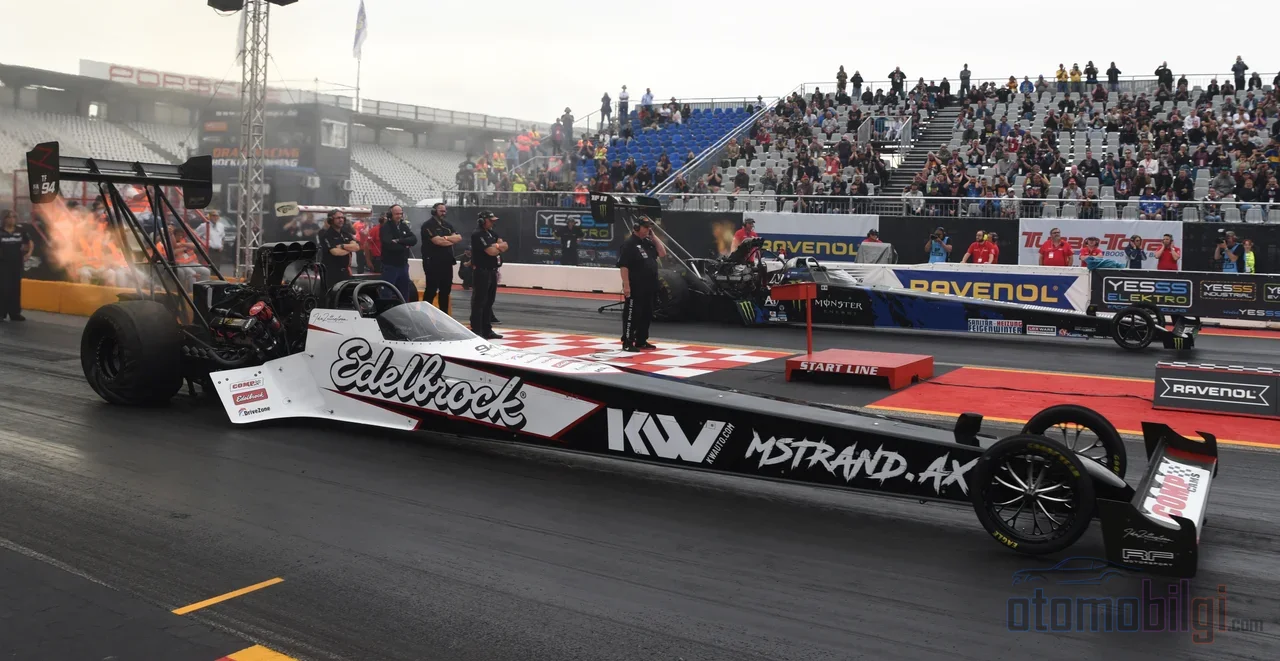
What Does a Season in the FIA European Drag Racing Championship Look Like?
The FIA European Drag Racing Championship is a championship series sanctioned by the FIA that has stood at the pinnacle of European drag racing since 1997; the season progresses through a points race across events held at a handful of legendary track…
Read More