Battery Technology
Share This Page
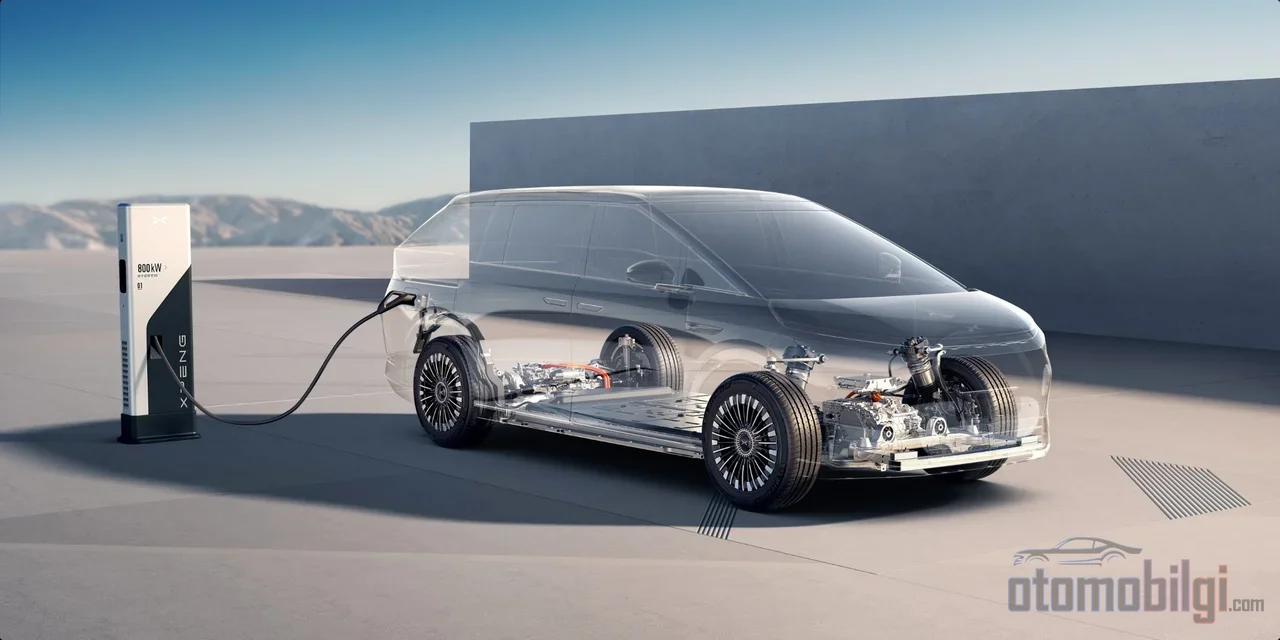
What Does 800-Volt Architecture Change in Electric Cars?
An 800-volt architecture doubles the electric vehicle's battery system above the 400-volt level, allowing the same power to be carried at roughly half the current. The result is faster charging, thinner wiring, lower heat build-up and reduced vehicle…
Read More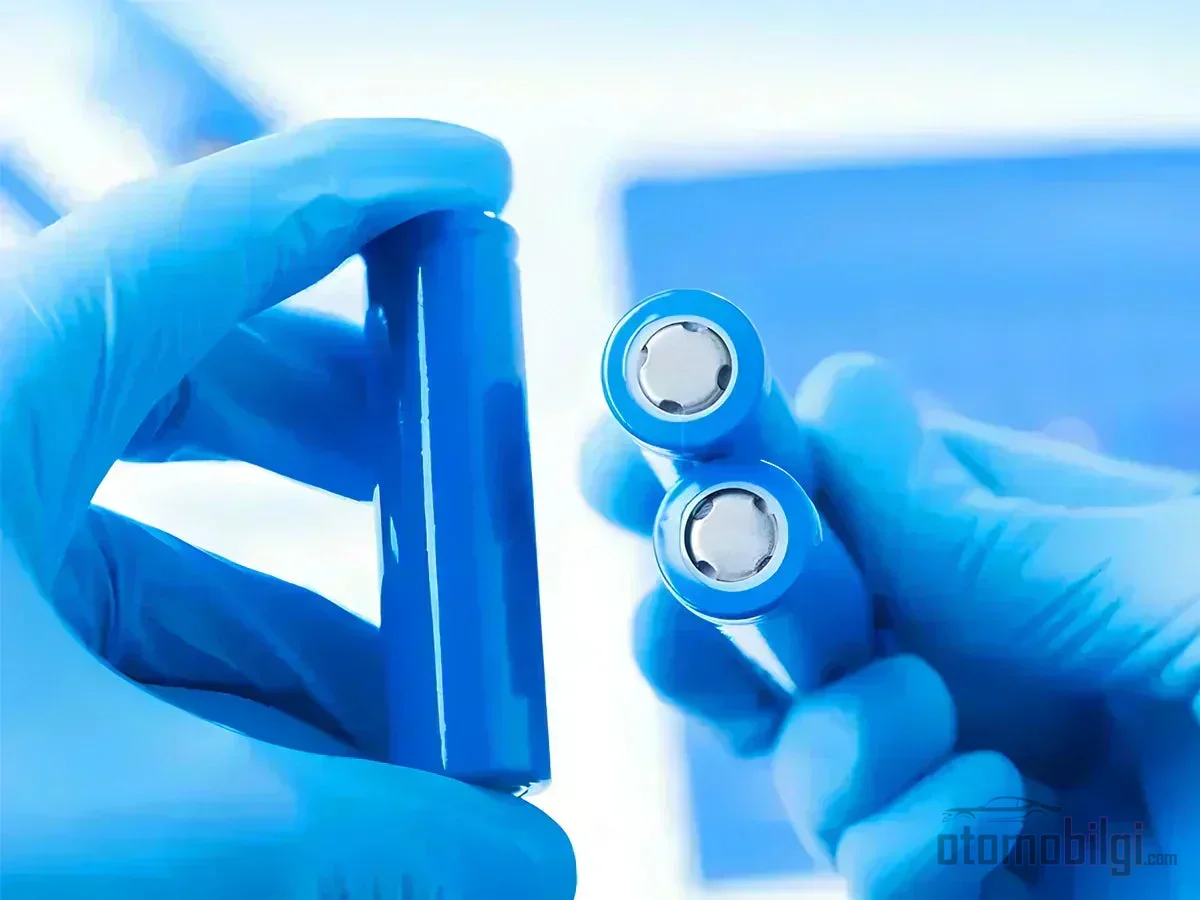
Cylindrical, Prismatic and Pouch Cells: What Do Battery Form Factor Differences Change?
Cell format selection in electric vehicle batteries; is an engineering decision that directly determines manufacturing cost, mechanical durability, cooling strategy and pack architecture. Cylindrical cells offer mature automation and thermal manageme…
Read More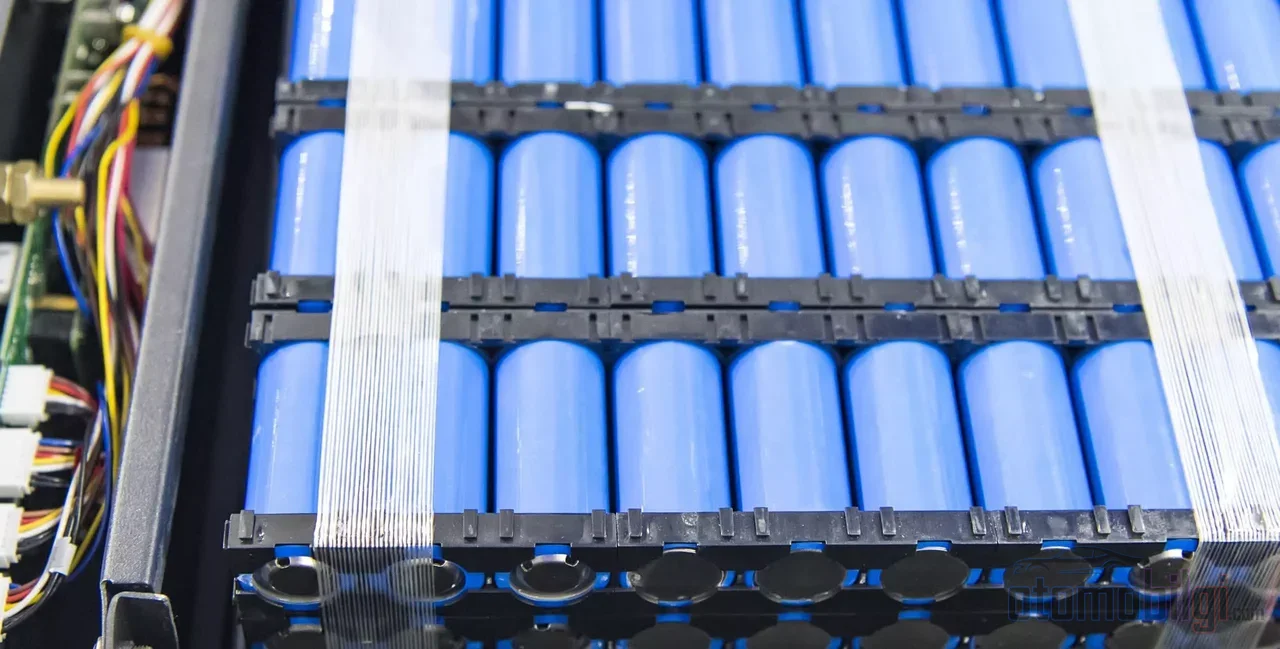
What Does Energy Density Mean in a Battery
Energy density is the measure of how many watt-hours of energy a battery can store per kilogram or per liter: Wh/kg expresses energy stored per unit of mass, Wh/L per unit of volume. The higher this value, the lighter and more compact the battery nee…
Read More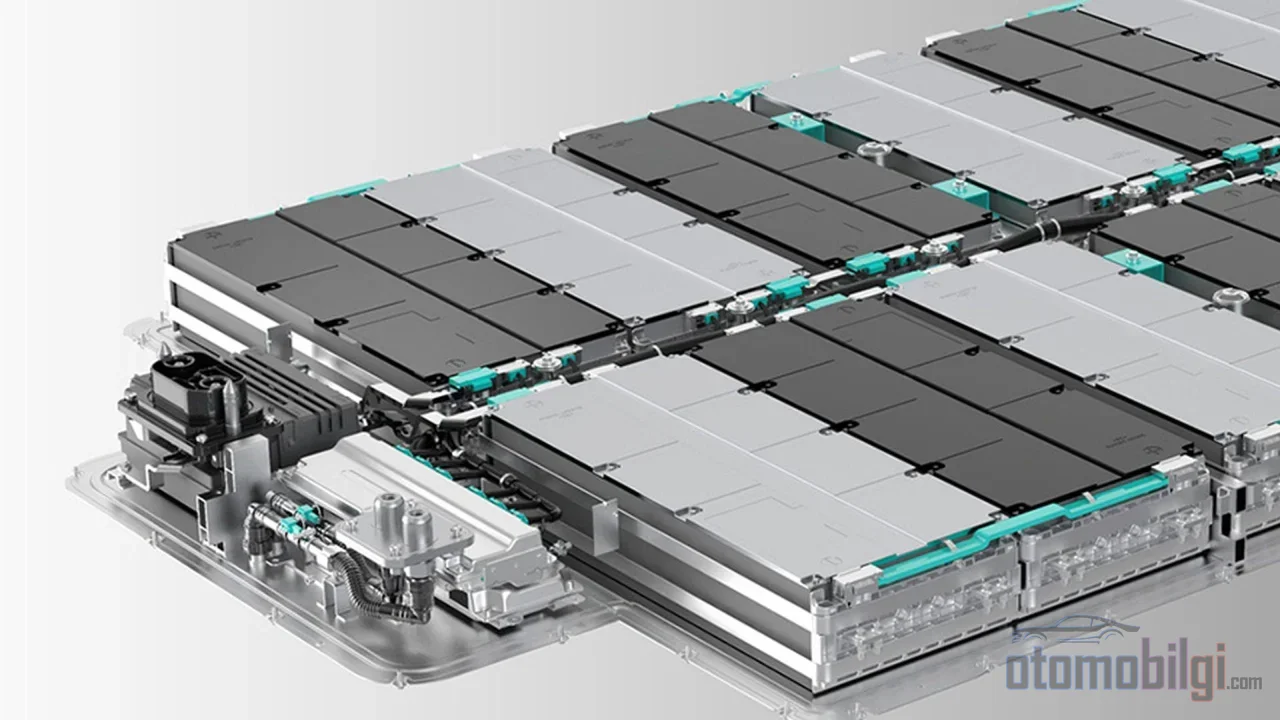
What Exactly Is Happening Inside While a Battery Is Charging?
When an electric vehicle battery is plugged into the grid, lithium ions migrate inside the cell from the positive electrode to the negative electrode and settle between the layers of graphite; since electrons cannot pass through the electrolyte, they…
Read More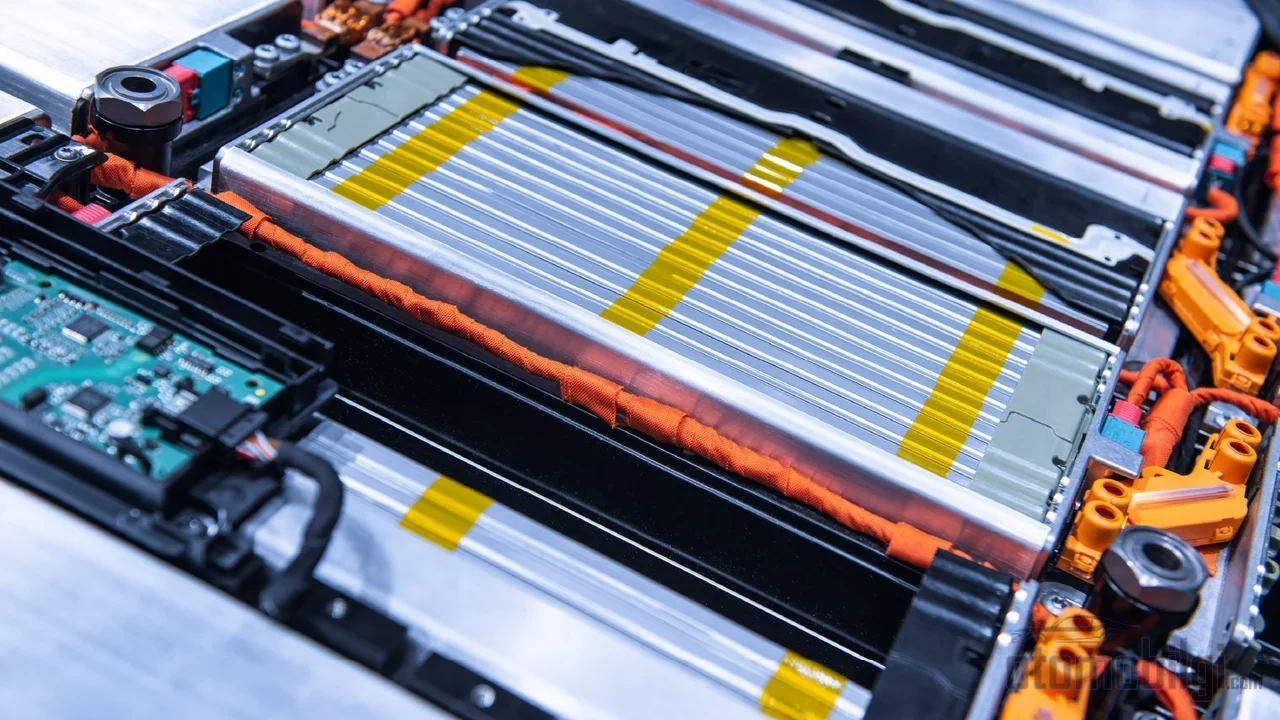
What Does an Electrolyte Actually Do in an EV Battery?
The electrolyte is the medium that allows lithium ions to shuttle between the cathode and the anode in a lithium-ion cell; it blocks electrons and opens the way only to ions. No matter how much the cathode chemistry is discussed, this is the silent w…
Read More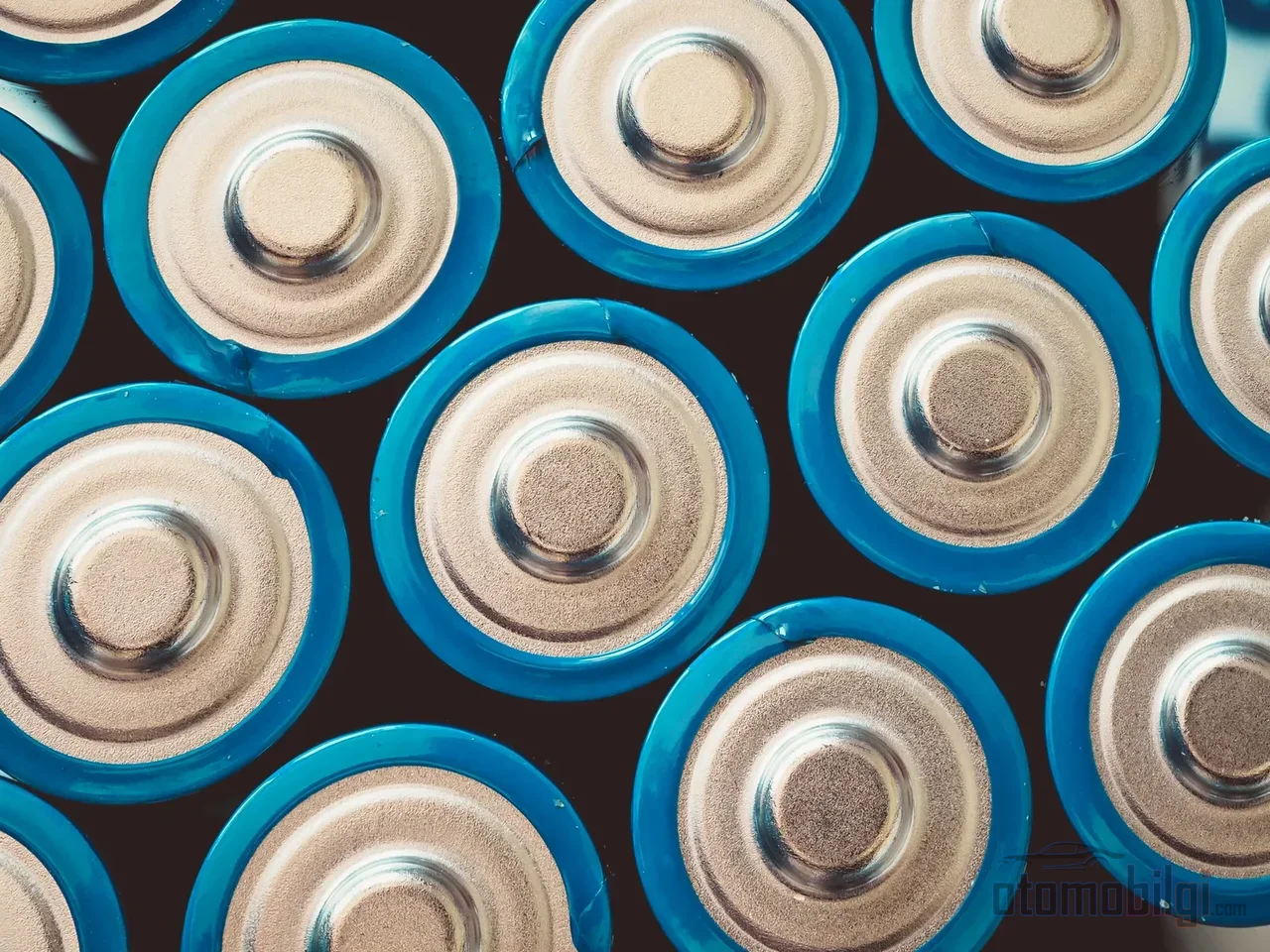
LMFP, the New Rival to LFP: What Do Manganese-Based Batteries Promise?
LMFP is a modified version of lithium iron phosphate (LFP) cathode chemistry with manganese: obtained by replacing some iron atoms with manganese, it is a lithium-ion battery chemistry that offers a higher operating voltage and energy density while p…
Read More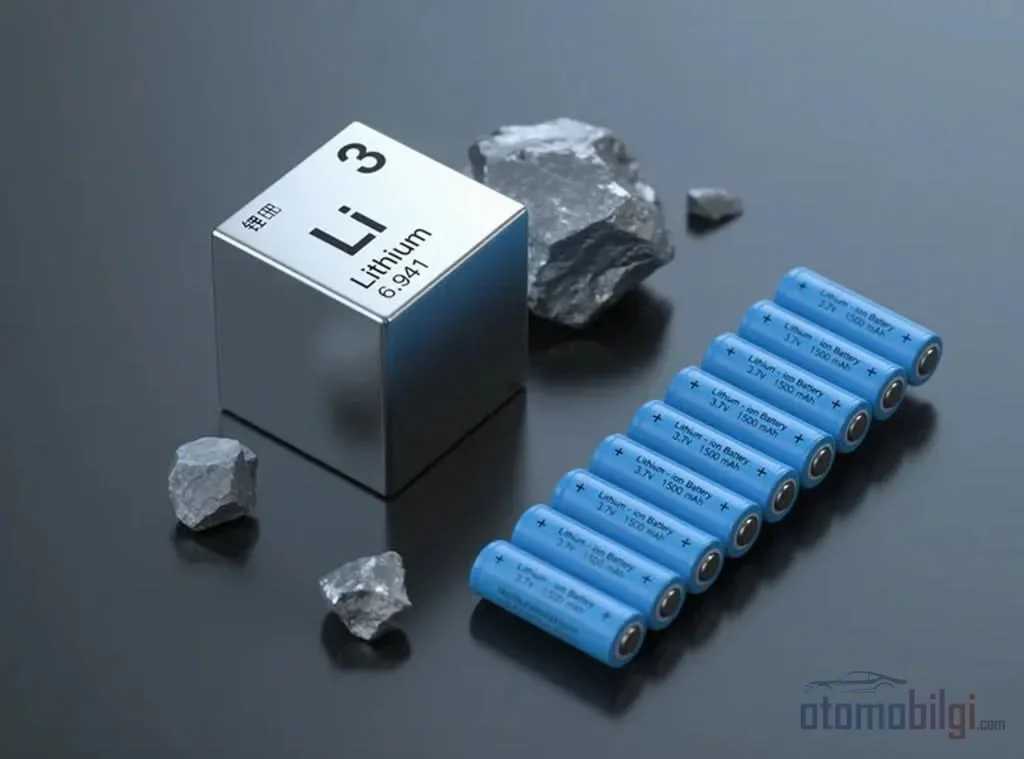
Can the Silicon Anode Revolution Double the Capacity of Electric Vehicle Batteries?
A silicon anode is an anode material that replaces graphite in a lithium-ion battery (or is blended into it), and its theoretical capacity is roughly 10 times that of graphite; this carries the potential to nearly double the energy density of electri…
Read More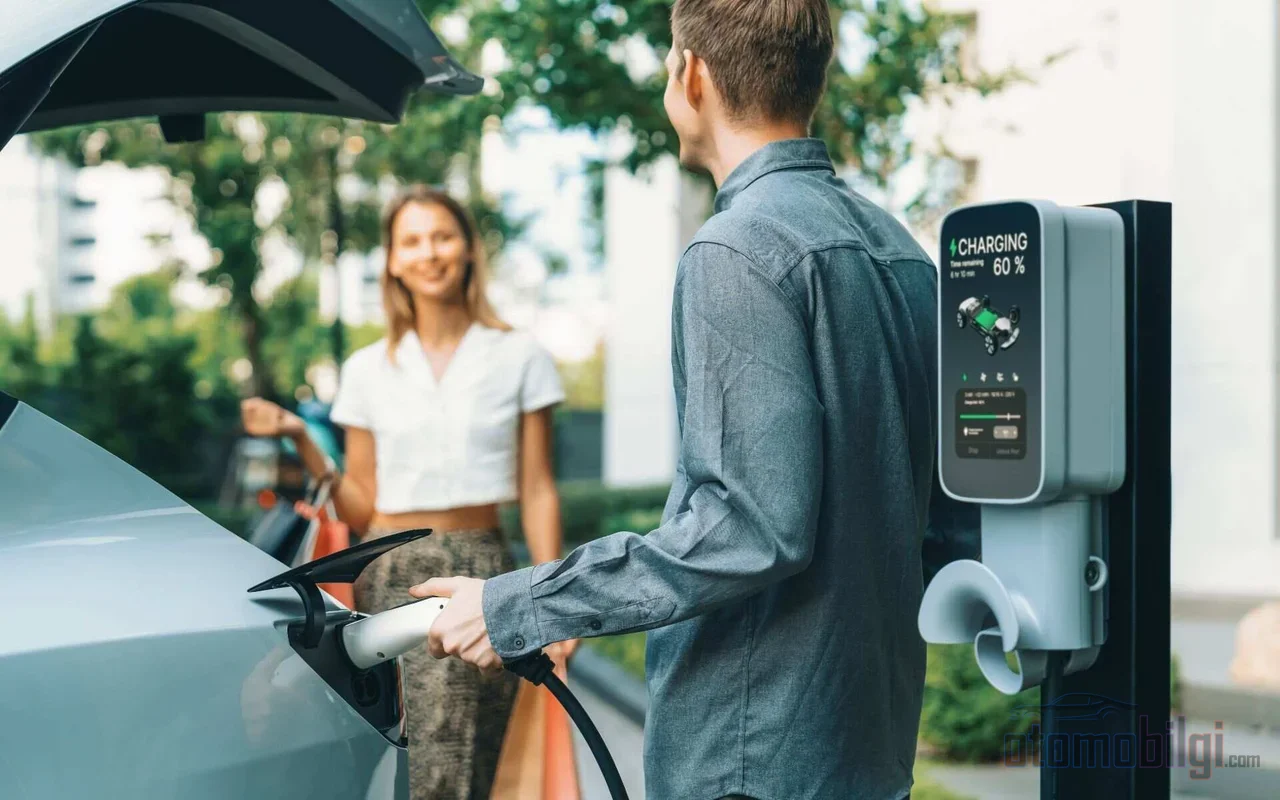
Charging Habits to Make Your EV Battery Last Longer
The most effective way to extend the life of an electric vehicle battery is not to change the technology, but to change your daily charging habits. For NMC chemistry batteries, keeping the charge between 20% and 80% during the day, and for LFP batter…
Read More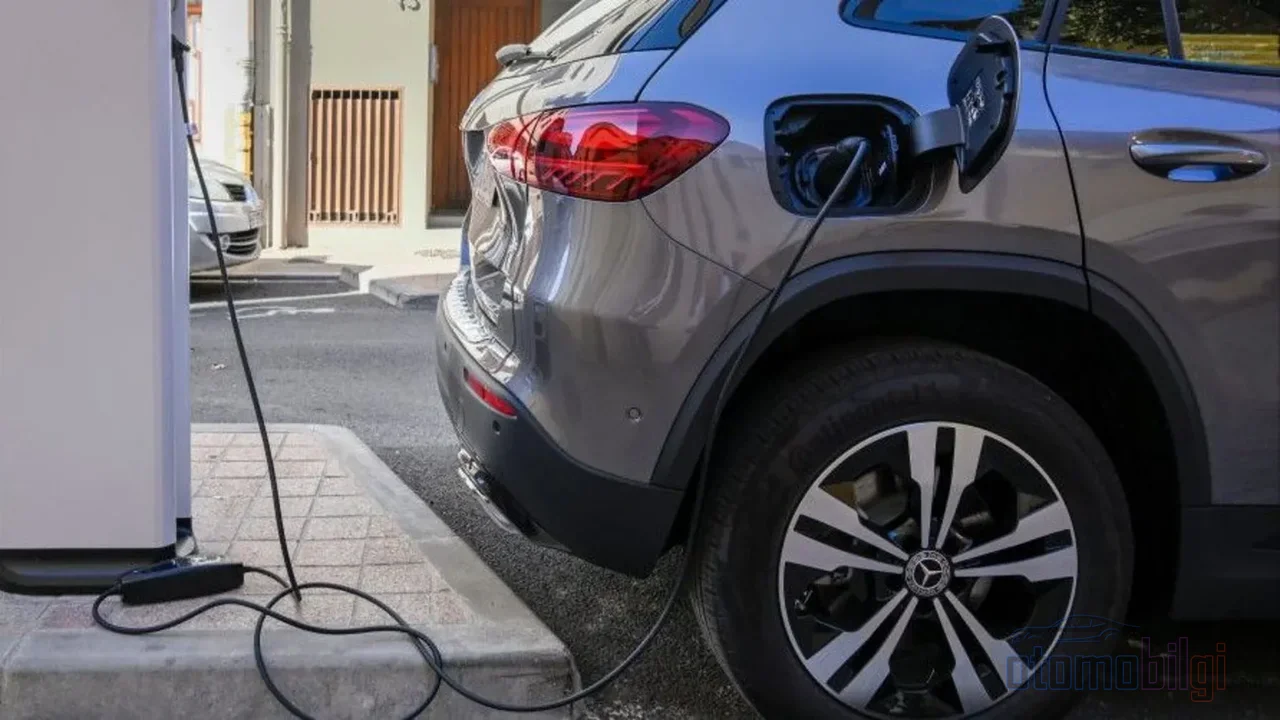
How to Read Battery Health When Buying a Used EV?
The battery health of a used electric car is measured by the SoH (State of Health) value, which shows the percentage of energy the battery can still hold compared to its capacity when new. You can read this value from the vehicle's own menu, with an …
Read More
Do EV Battery Warranties Actually Protect You?
Electric vehicle battery warranty, in most manufacturers, 8 years or 160,000 km is a form of insurance lasting up to that provides for repair or replacement when capacity falls below a certain threshold of the original value (usually 70%). However, t…
Read More
Why Do EV Batteries Catch Fire and How Do Systems Prevent It?
Electric vehicle batteries catch fire due to thermal runaway, a self-sustaining chemical chain reaction that occurs when heat generation exceeds heat dissipation in lithium-ion cells; modern battery packs try to prevent this with layered measures suc…
Read More
The Invisible Brain of the Battery: What Does the BMS Do?
BMS, or battery management system, is the electronic control layer that monitors, protects, and estimates the condition of each individual cell in an electric vehicle battery; it measures cell voltages and temperatures, balances cells against each ot…
Read More