Iconic Models
Share This Page
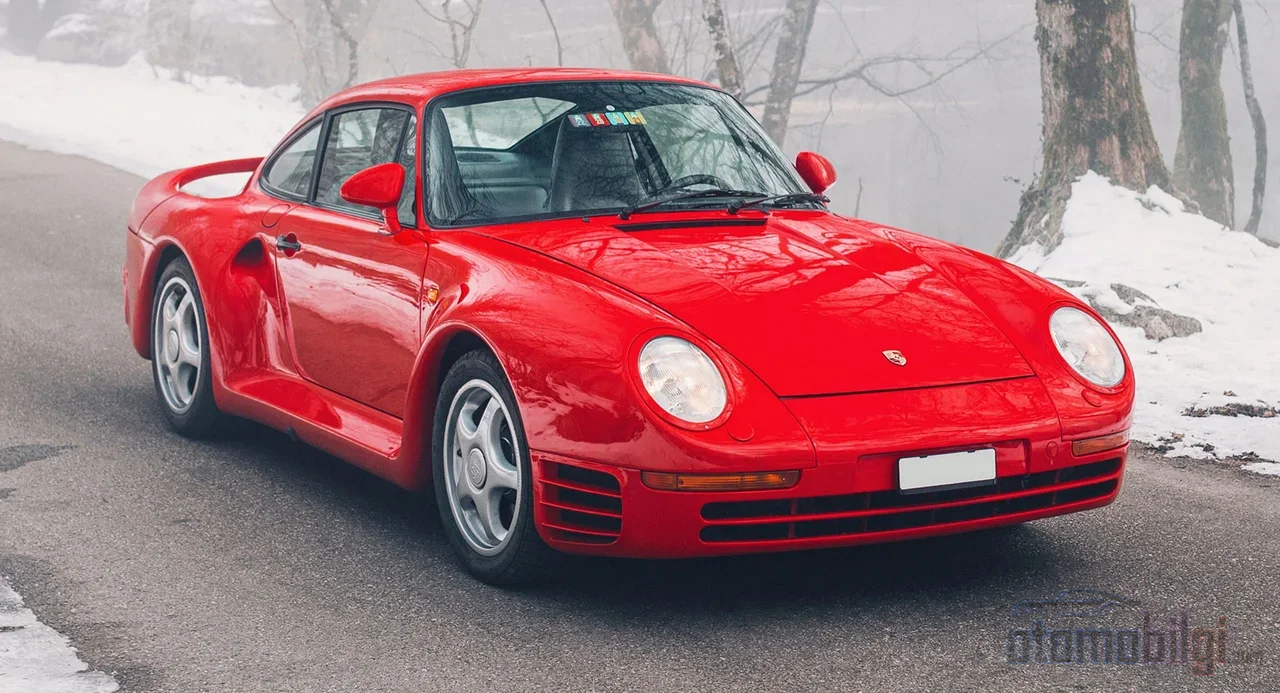
How Did the Porsche 959 Redefine the Supercar Concept?
The Porsche 959 is a technical masterpiece born from Porsche's Group B rally program, produced between 1986 and 1993, and at the moment of its introduction the world's fastest road-legal production car (317 km/h) - it effectively redefined the concep…
Read More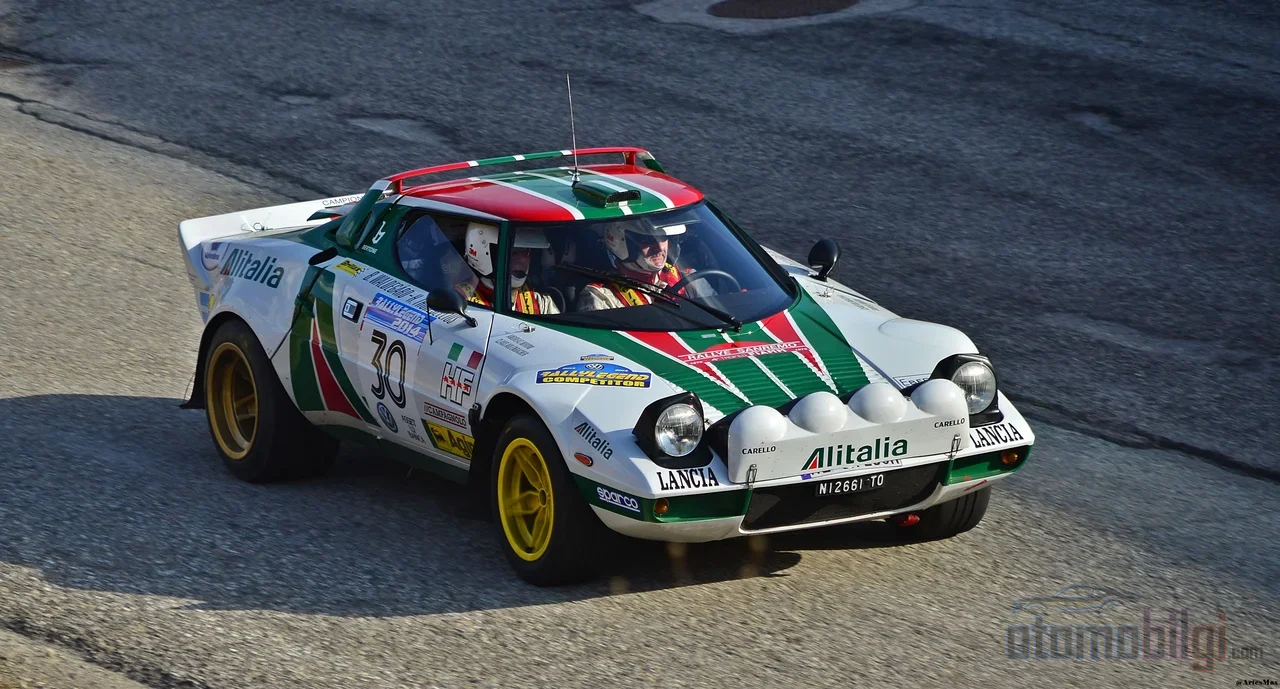
Why Is the Lancia Stratos Considered a Revolution in Rally History?
The Lancia Stratos is the first automobile designed and built from scratch for the rally world; by winning three consecutive WRC manufacturers' championships in 1974, 1975 and 1976, it completely redefined how racing cars should be built. With Berton…
Read More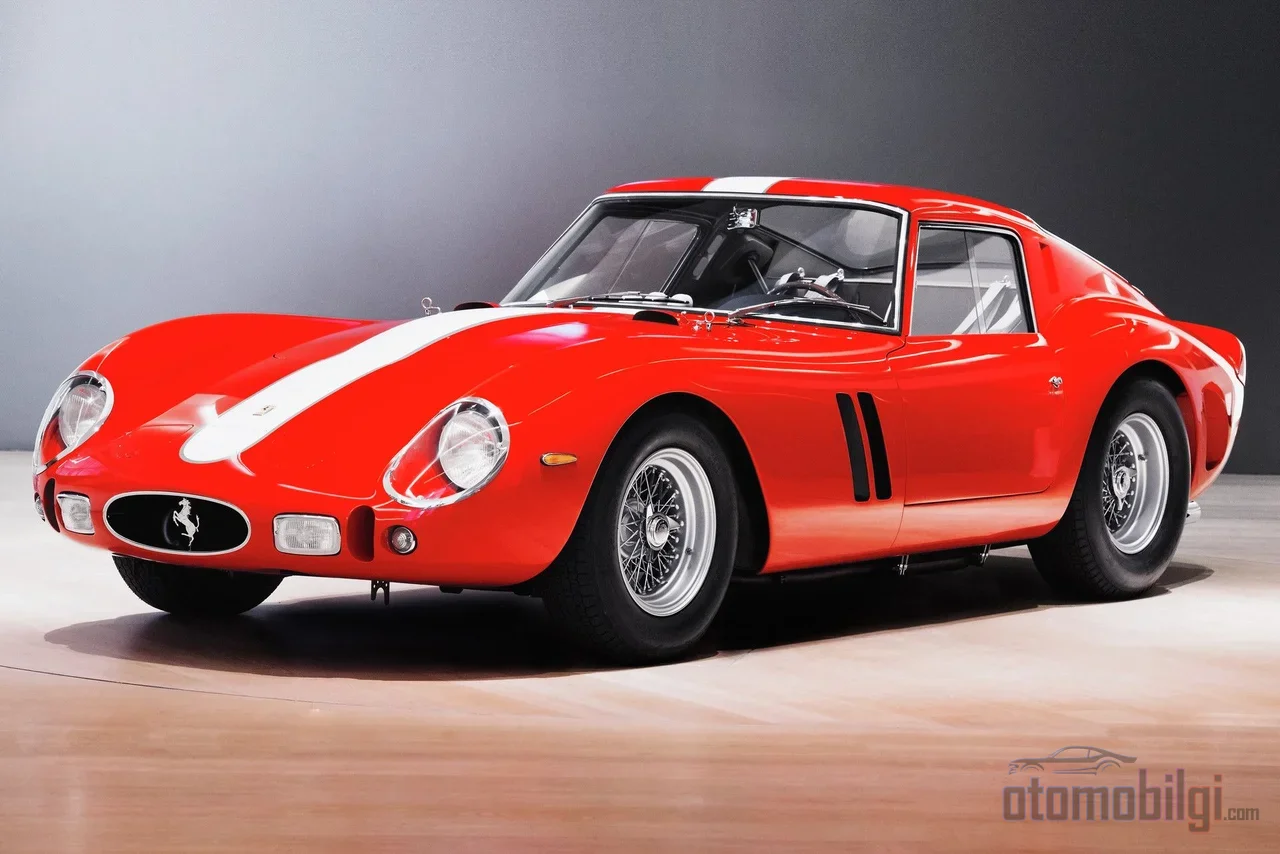
Why Is the Ferrari 250 GTO Still the World's Most Expensive Car?
The Ferrari 250 GTO, of which only 36 units were produced between 1962 and 1964, which won consecutive class victories at Le Mans, and which today reaches 40-70 million dollars at auctions; that is, the blue chip of the automotive world, still standi…
Read More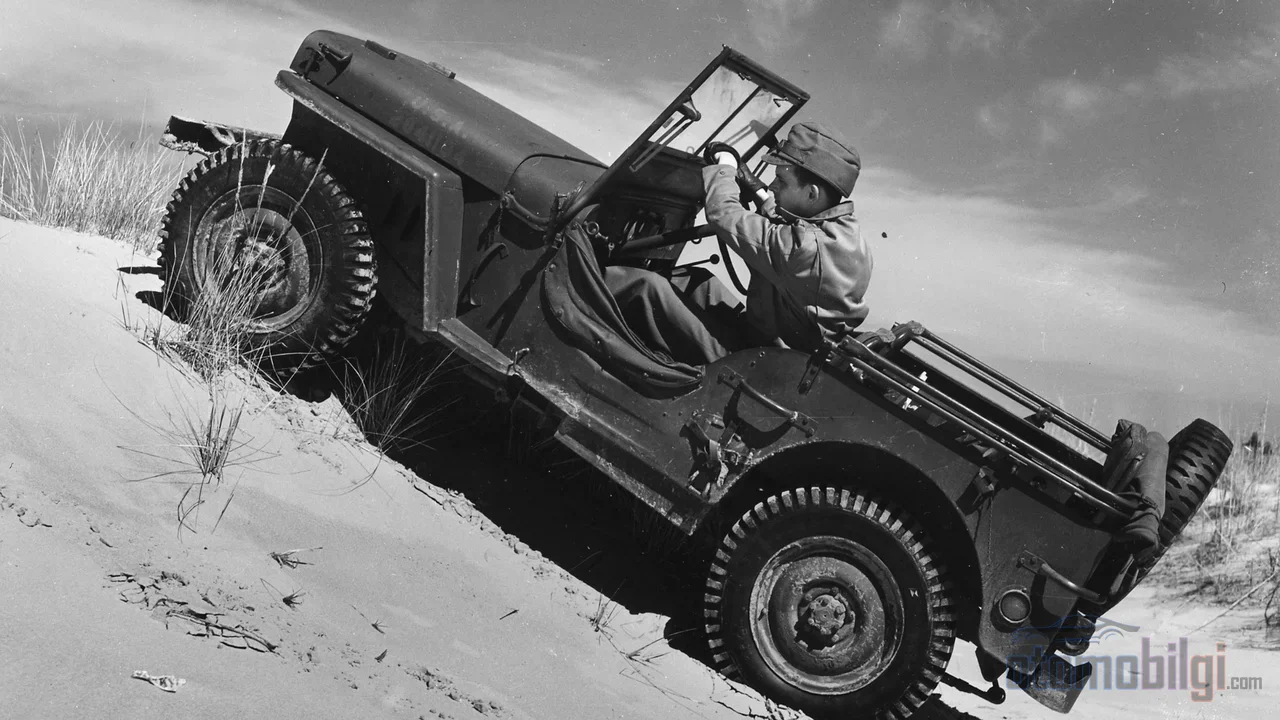
How Did the Willys Jeep Transform from the Battlefront to the People's Vehicle?
The Willys Jeep is a legendary vehicle designed as a ¼-ton military 4x4 during World War II, with over 600,000 units produced between 1941 and 1945, which after the war Civilian Jeep was transformed into models, becoming the world's first mass-produc…
Read More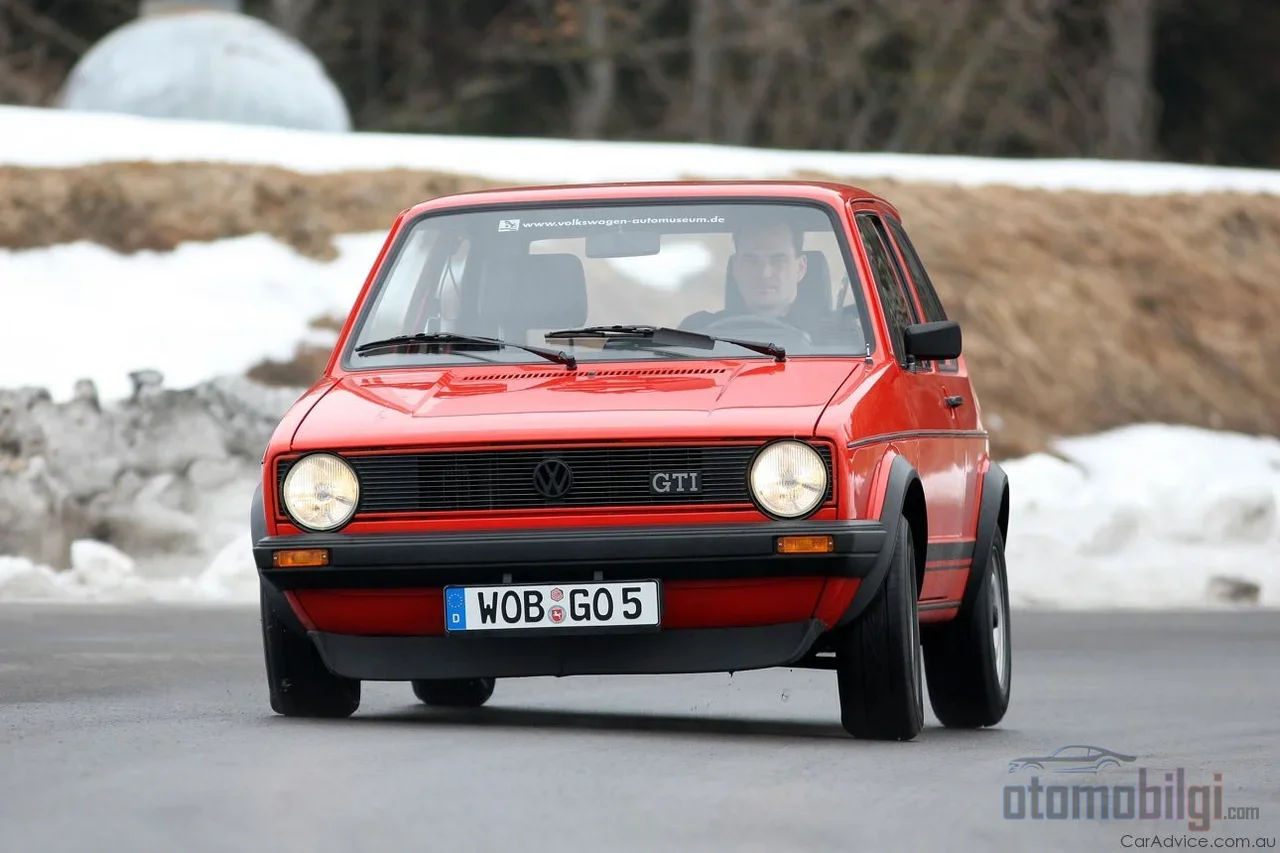
How the VW Golf GTI Gave Birth to Hot Hatch Culture?
The Volkswagen Golf GTI, launched for sale in 1976 with a 110-horsepower engine fitted to an ordinary family hatchback, is the car that gave birth to the modern performance automobile and the entire hot hatch category. What began as an unofficial pro…
Read More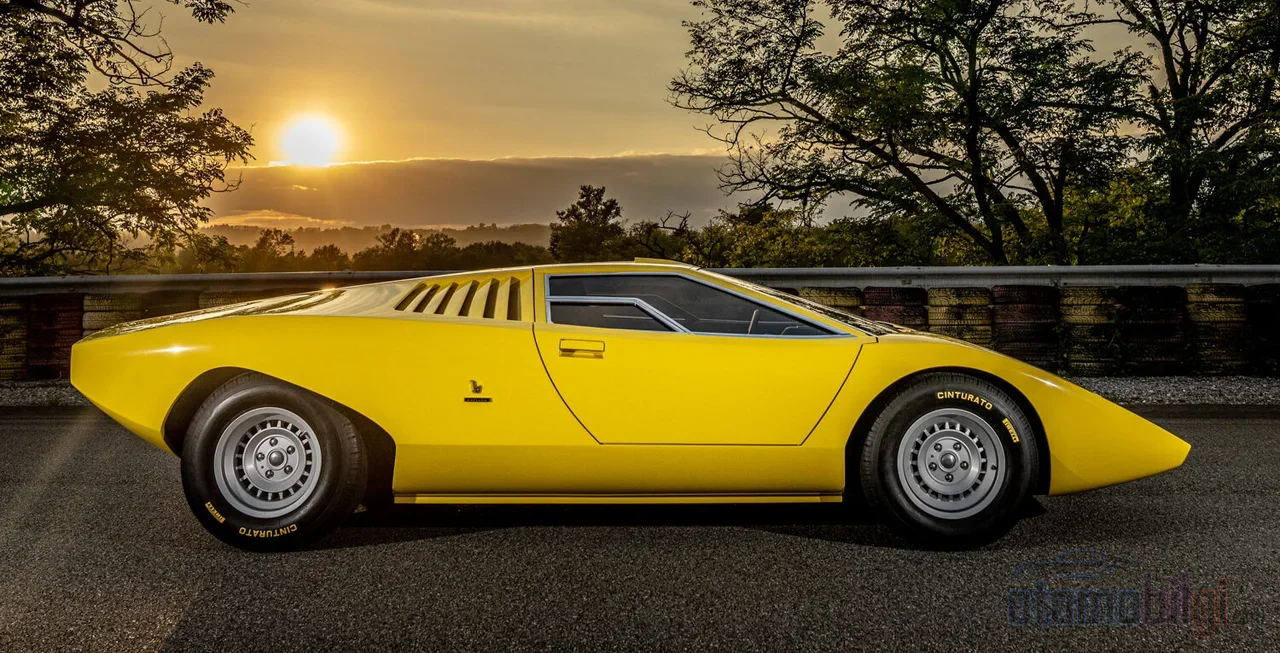
How Did the Lamborghini Countach Become a Legend?
The Lamborghini Countach is the best answer to how a car poster hung on a wall can create a legend: starting from a radical prototype unveiled in Geneva in 1971, with around 2,000 units produced between 1974 and 1990, it became the defining supercar …
Read More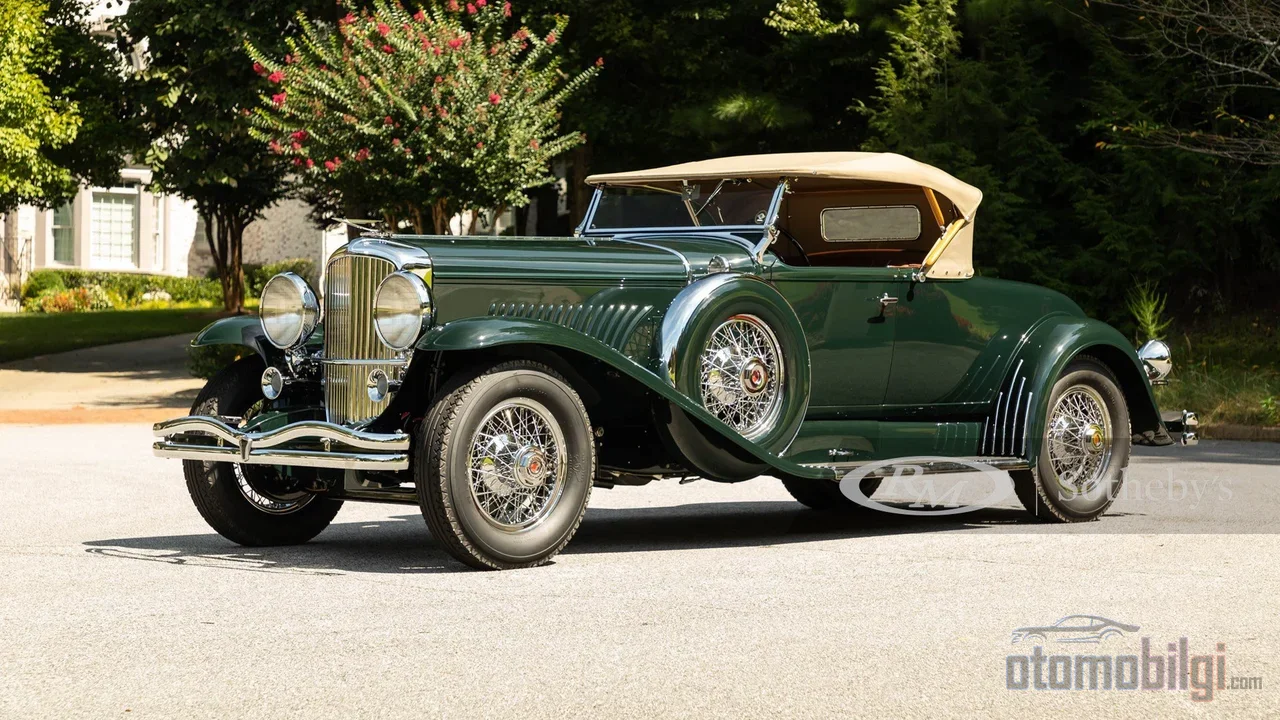
Duesenberg Model J: The Story of How a Monument of Beauty Became an Icon
Introduced in 1928, the Duesenberg Model J, with its 265 horsepower, was the fastest and most expensive American automobile of its era; sold as a rolling chassis, it allowed each owner to commission custom bodies from the world's finest coachbuilders…
Read More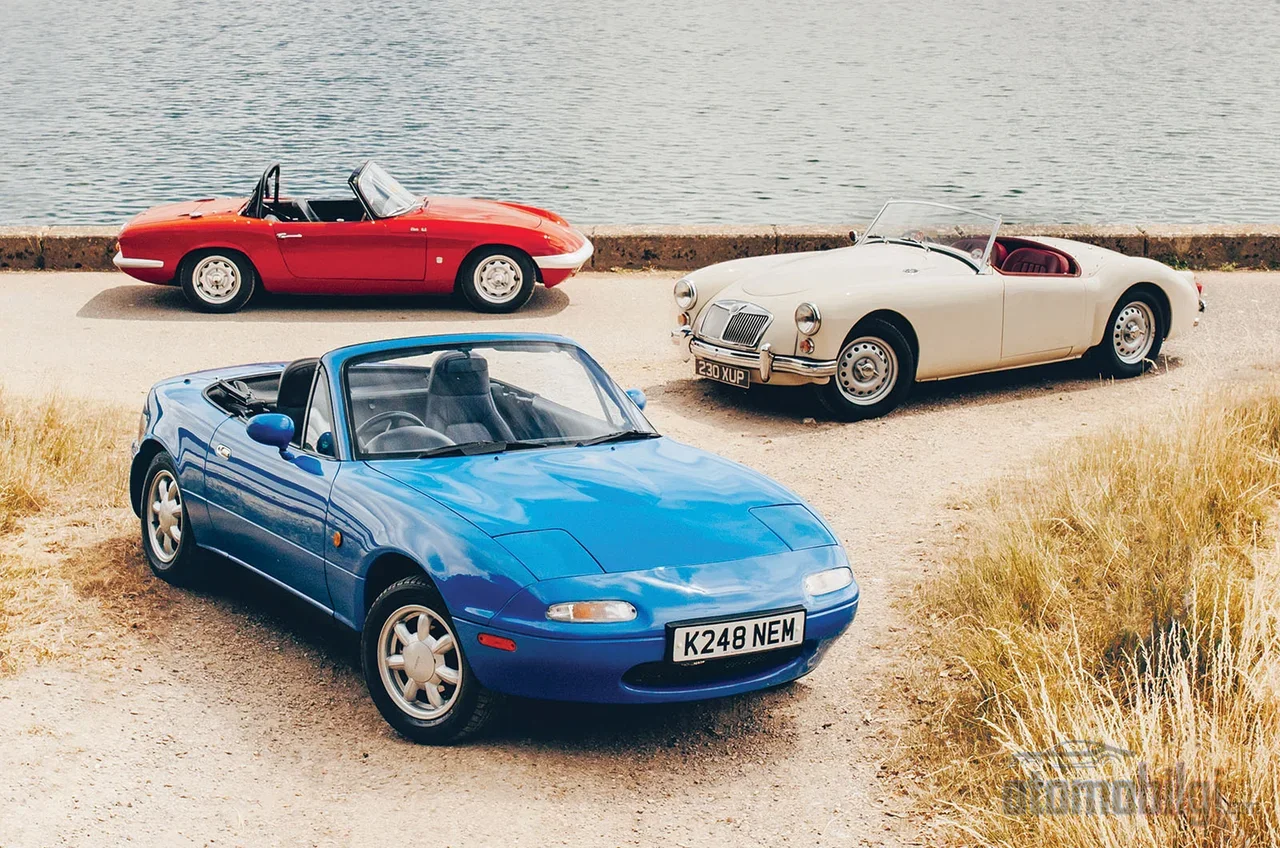
How Did the Mazda MX-5 Turn Simplicity Into Victory?
With specs that looked ordinary on paper in 1989 - 114 horsepower, 955 kilos, two seats, a folding roof - the Mazda MX-5 managed to become the best-selling two-seater sports car in history. Its secret lay not in power, but in lightness and that perfe…
Read More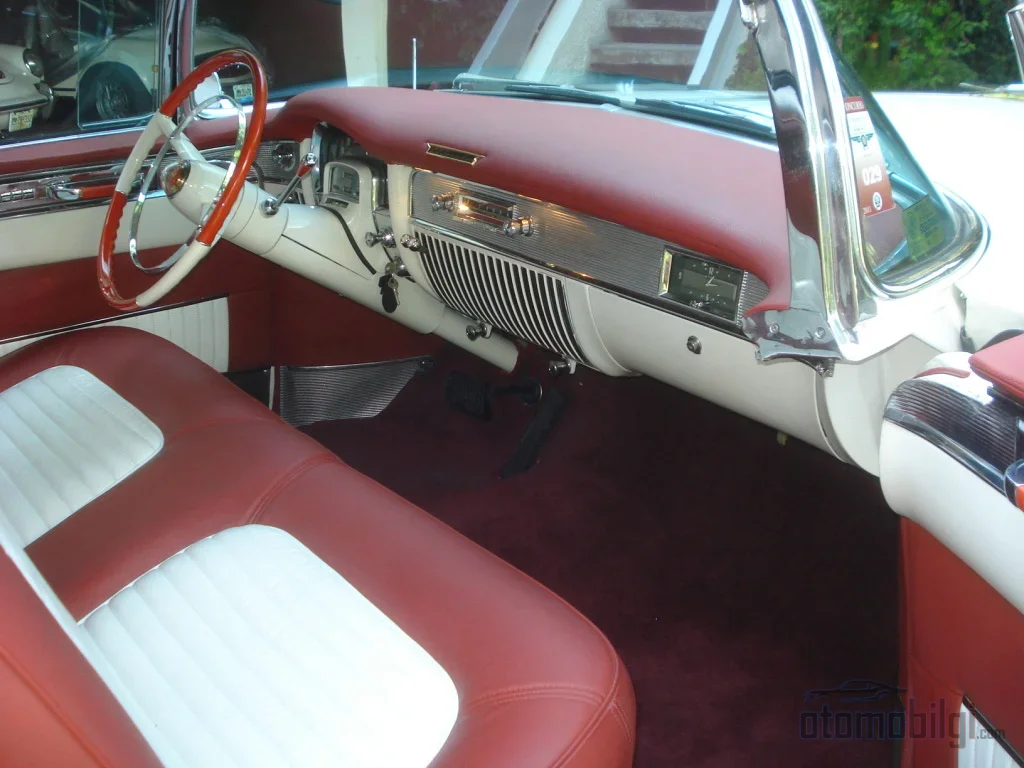
The Car That Opened the Tailfin Era: How Did the Cadillac Eldorado Become America's Symbol of Luxury?
The Cadillac Eldorado is a model produced by General Motors' Cadillac division from 1953 to 2002, spanning twelve generations and standing as the longest-lasting personal luxury car in American automotive history. If the Corvette and Mustang are symb…
Read More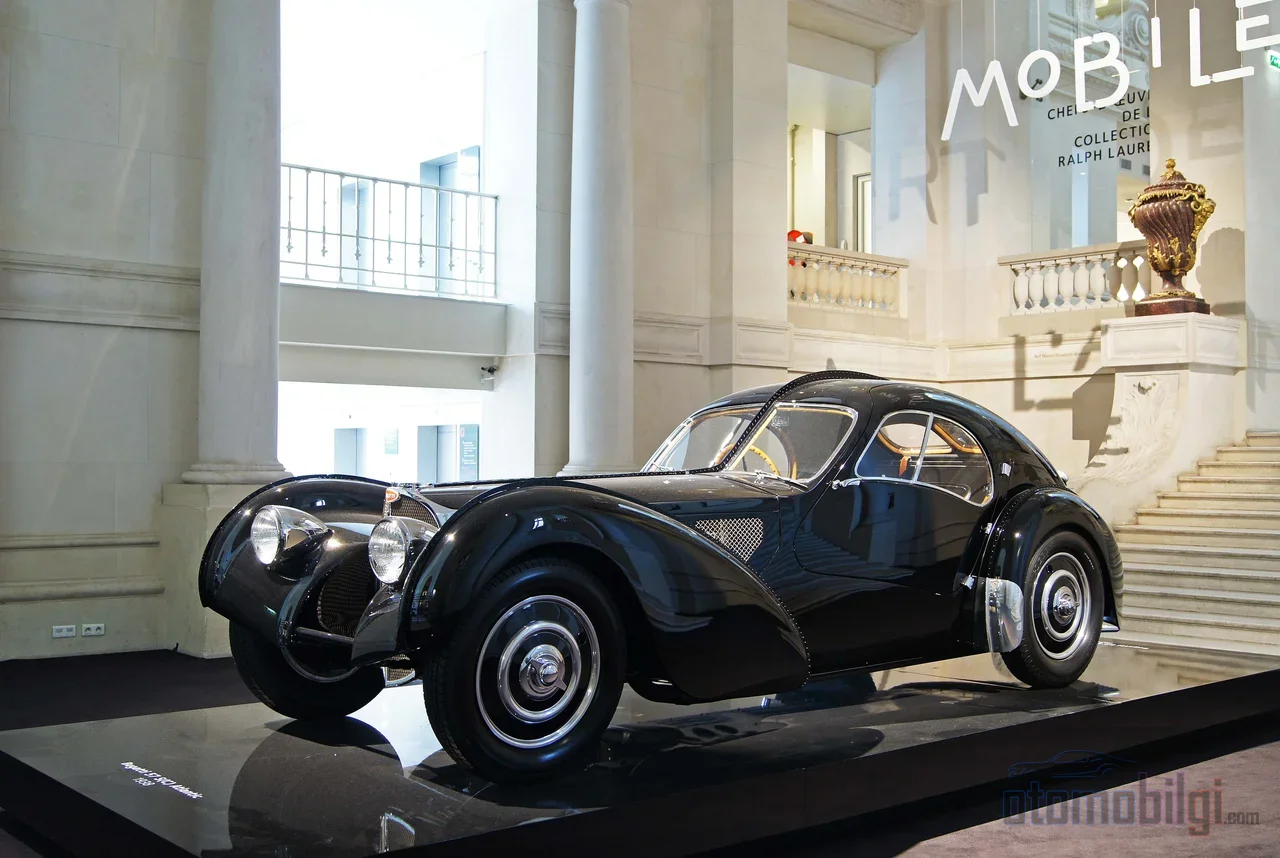
Why Was the Bugatti Type 57SC Considered a Work of Art Half a Century Later?
The Bugatti Type 57SC Atlantic is a car of which only four examples were produced between 1936 and 1938, considered the pinnacle of Jean Bugatti's design genius; while it went through a commercially challenging sales process in its day, decades later…
Read More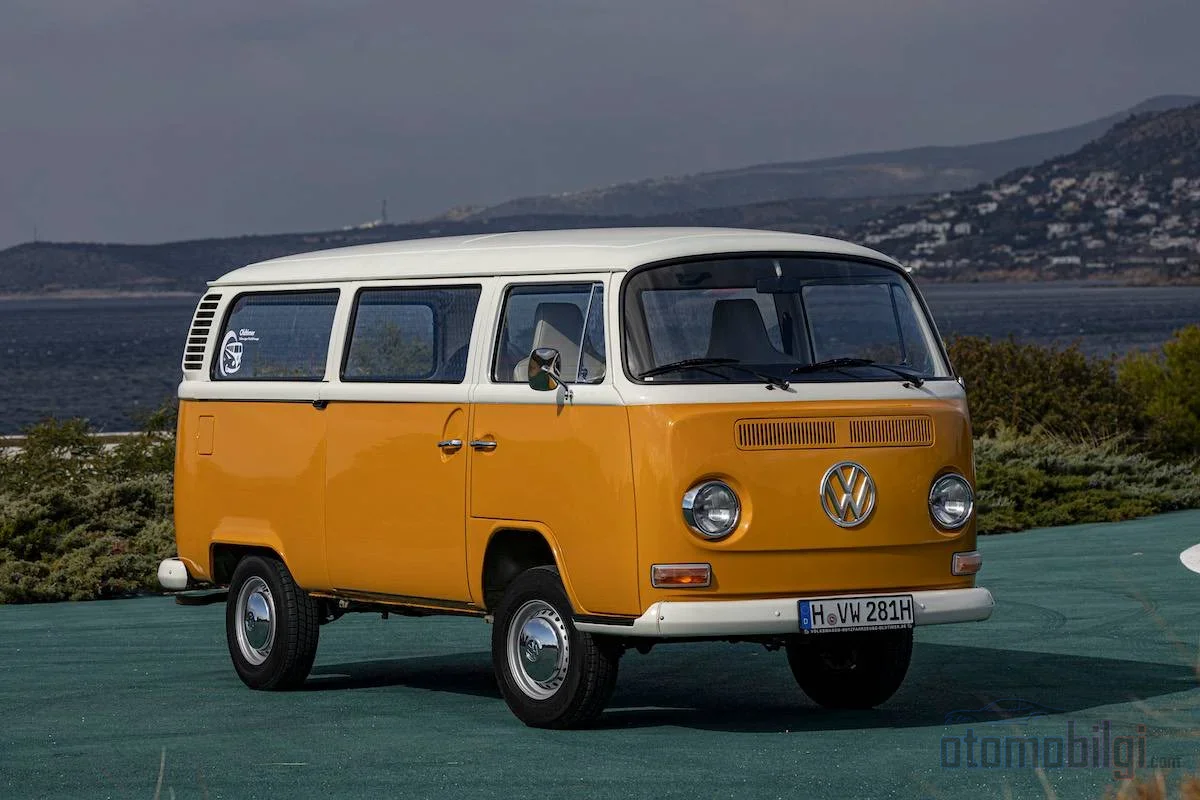
VW T1 Microbus: The Symbol of Freedom on Wheels
The VW T1 Microbus is Volkswagen's second mass-produced model, entering production in 1950 and becoming one of the most beloved figures in commercial vehicle history with its rear-engined architecture. Over time it became far more than a work vehicle…
Read More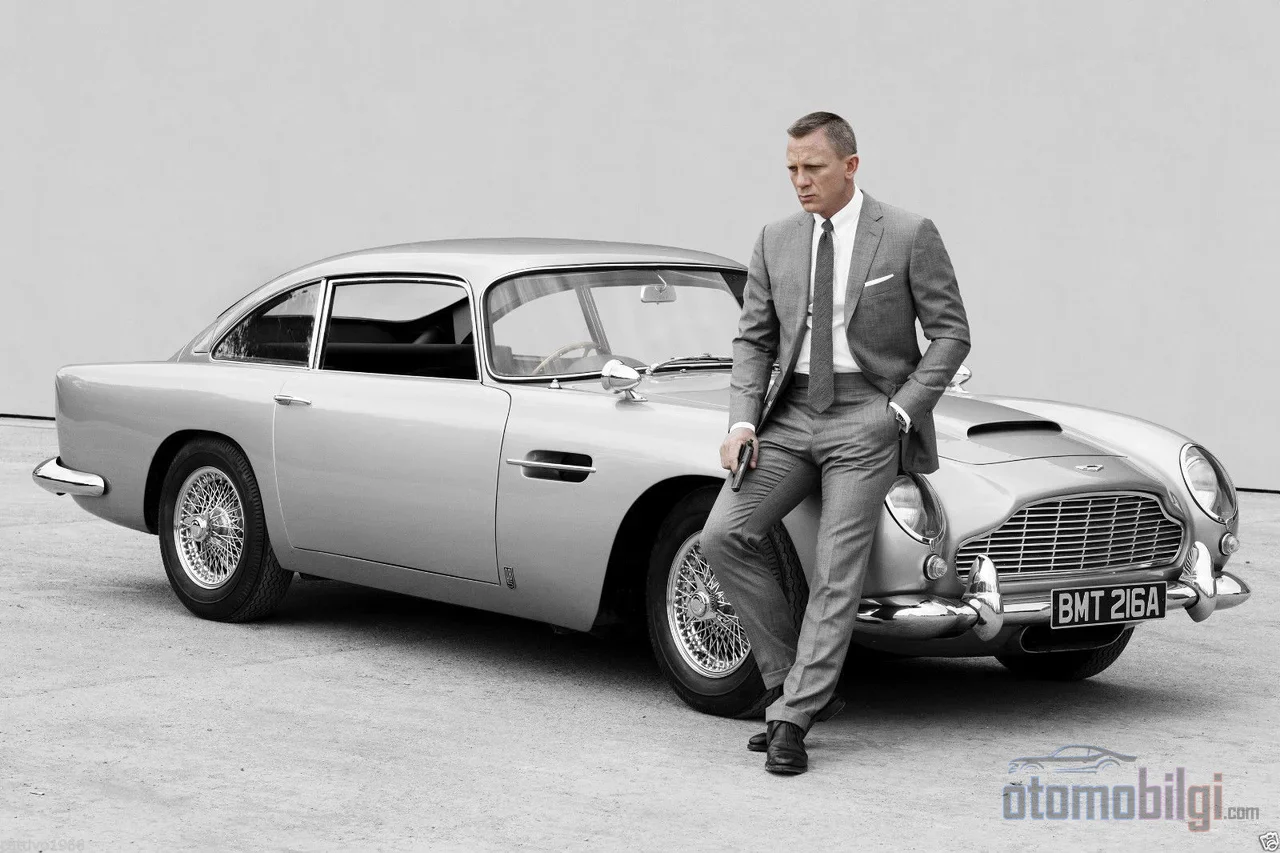
How Did the Aston Martin DB5 Transform From an Ad Car Into a James Bond Legend?
The Aston Martin DB5 is a legend: a British grand tourer introduced in 1963 as an updated version of the DB4, capable of 233 km/h with its 4.0-liter six-cylinder engine, and from the Goldfinger (1964) film onward, James Bond's vehicle of choice and o…
Read More