The History of Internal Combustion Automobiles
Share This Page
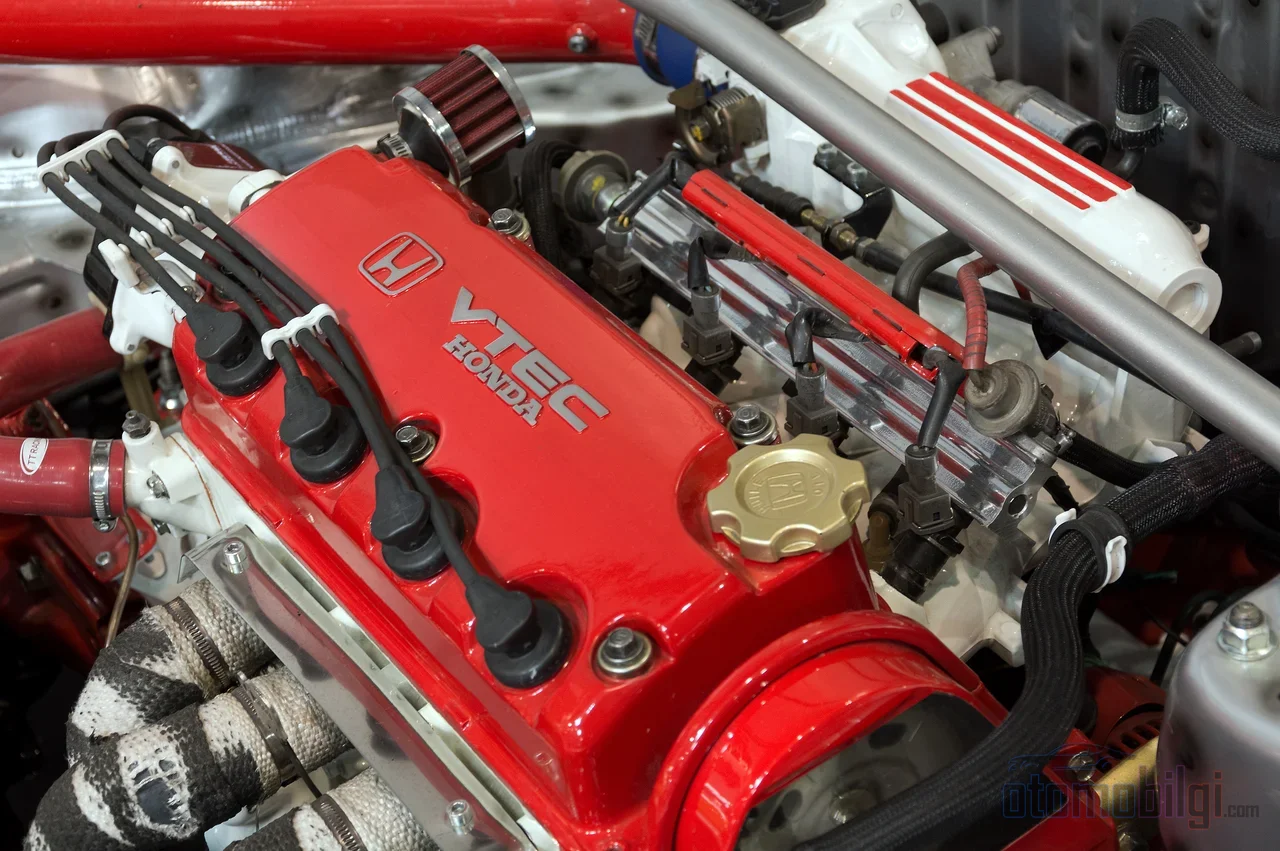
The VTEC Revolution: How Variable Valve Timing Changed Engine Character
VTEC, the variable valve system Honda brought to production in 1989, which changes the cam profile and valve lift according to engine speed; was the first to solve, in a practical and reliable way, the trade-off of the internal combustion engine bein…
Read More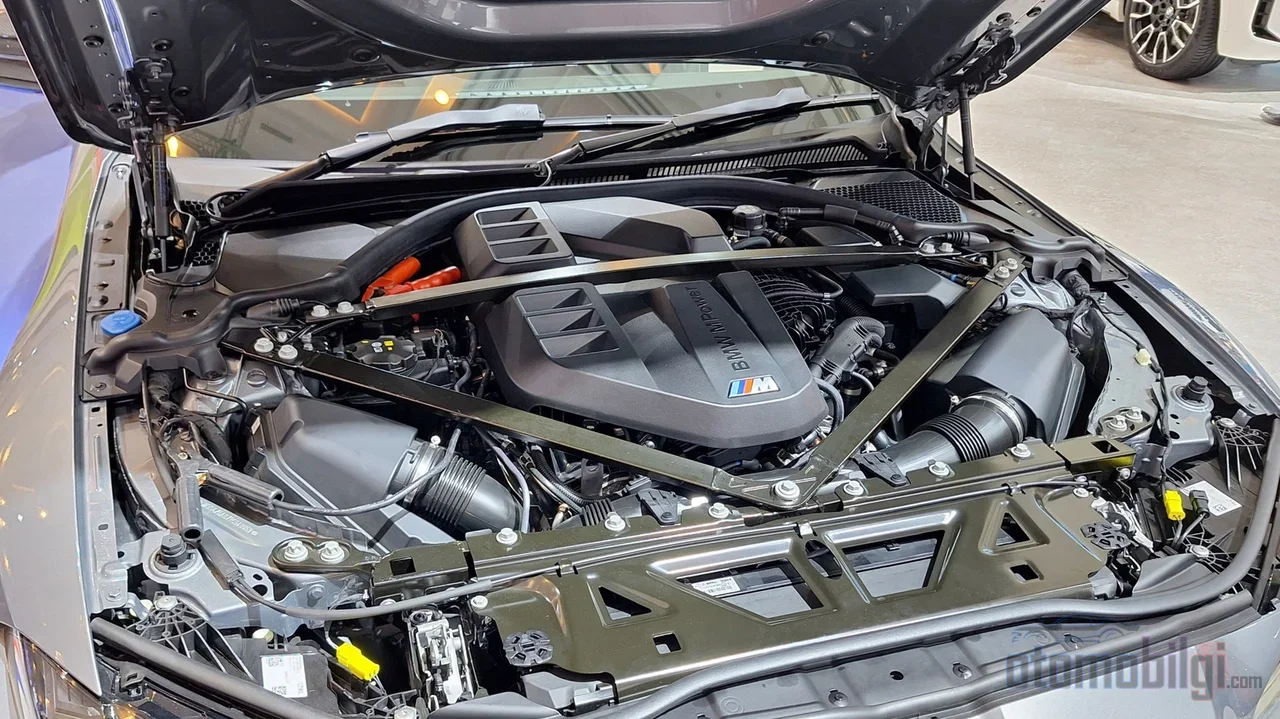
Why Are Inline Sixes Rising Once Again?
The inline-six is an engine architecture in which six cylinders are arranged in a single row on a single crankshaft, and it carries one of both the oldest and the newest stories in automotive history. At the beginning of the twentieth century it was …
Read More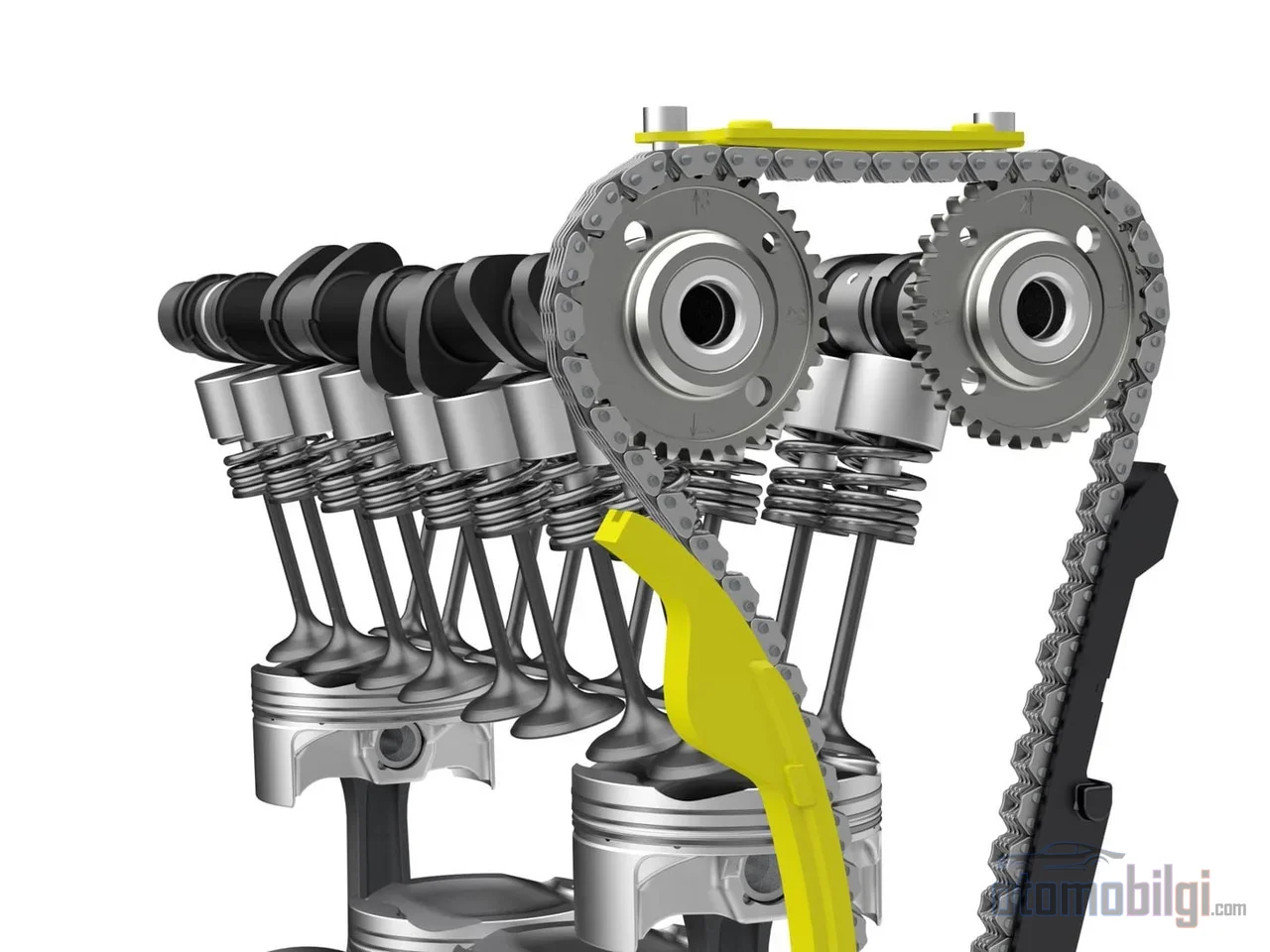
Why Was the Camshaft Moved to the Cylinder Head?
The question of where the valves would sit in the engine and what mechanism would control them has fueled one of the longest-running engineering battles in the history of the internal combustion engine. The answer; followed a 130-year evolutionary li…
Read More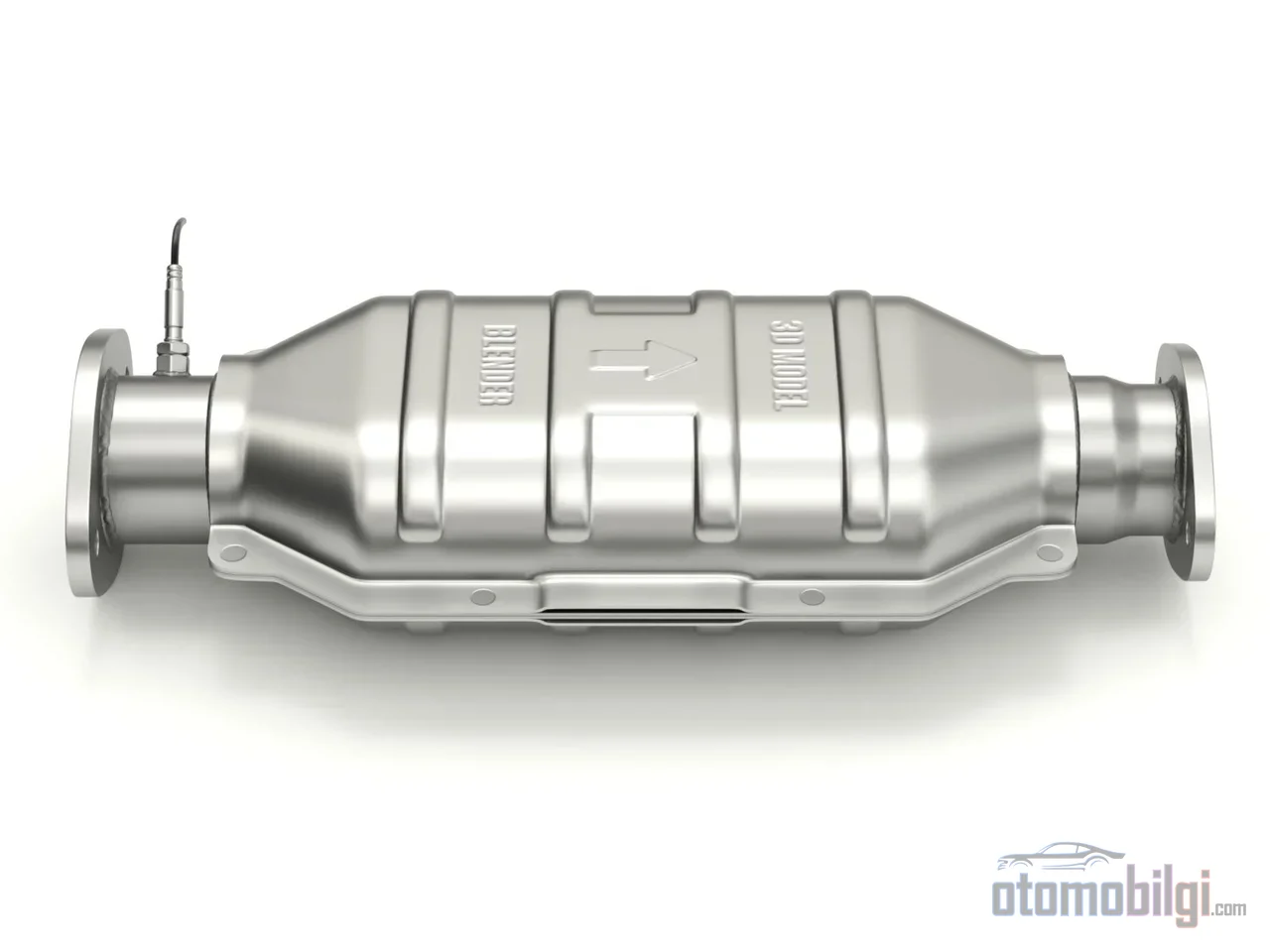
How Did the Catalytic Converter Save the Internal Combustion Engine?
A catalytic converter is a post-exhaust emission control device that converts carbon monoxide, hydrocarbons, and nitrogen oxides in the exhaust gas into harmless compounds through chemical reactions, and has kept the internal combustion engine below …
Read More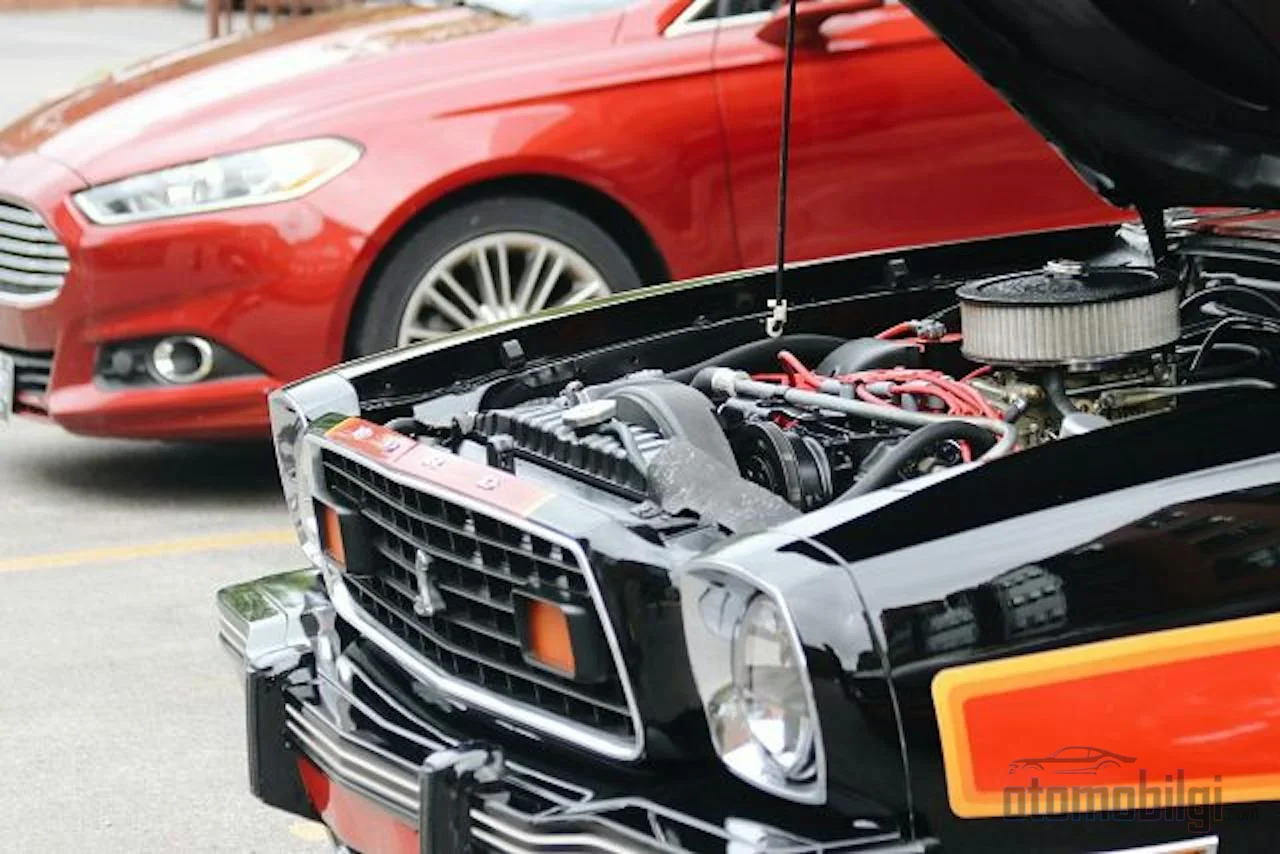
Why Are Engines Placed at the Front, Rear, or Middle? The Evolution of Layout Architectures
Where an engine is placed within a vehicle was as decisive an engineering decision in the history of the internal combustion automobile as cylinder count and engine architecture. Front, rear and mid placement, plus mounting the crankshaft parallel (l…
Read More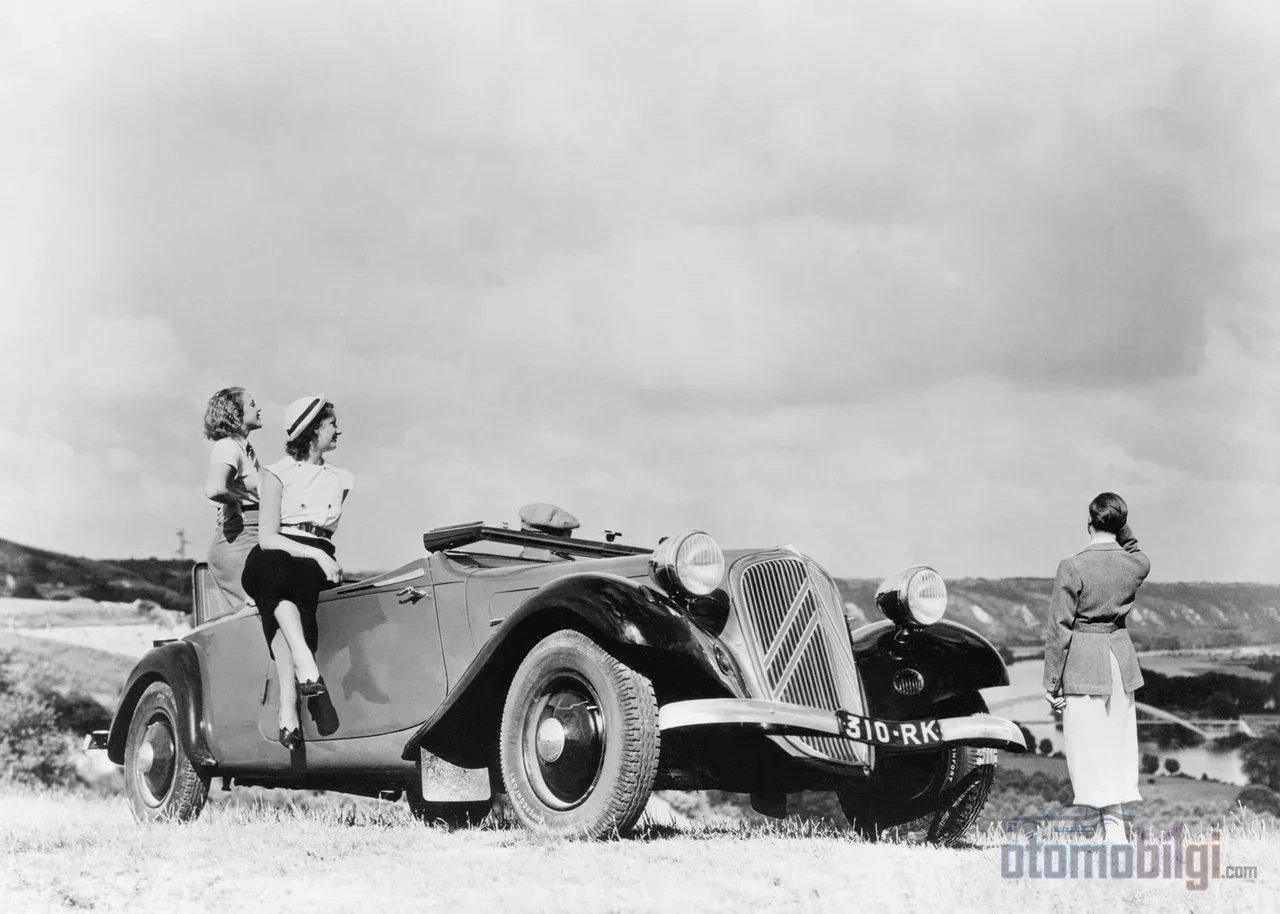
Moving the Engine Forward: How It Changed the Car?
Moving the engine forward enlarged the car's interior, brought weight distribution under the designer's control, and made the economical production of small cars possible. This transformation happened in two steps: the entry of front-wheel drive into…
Read More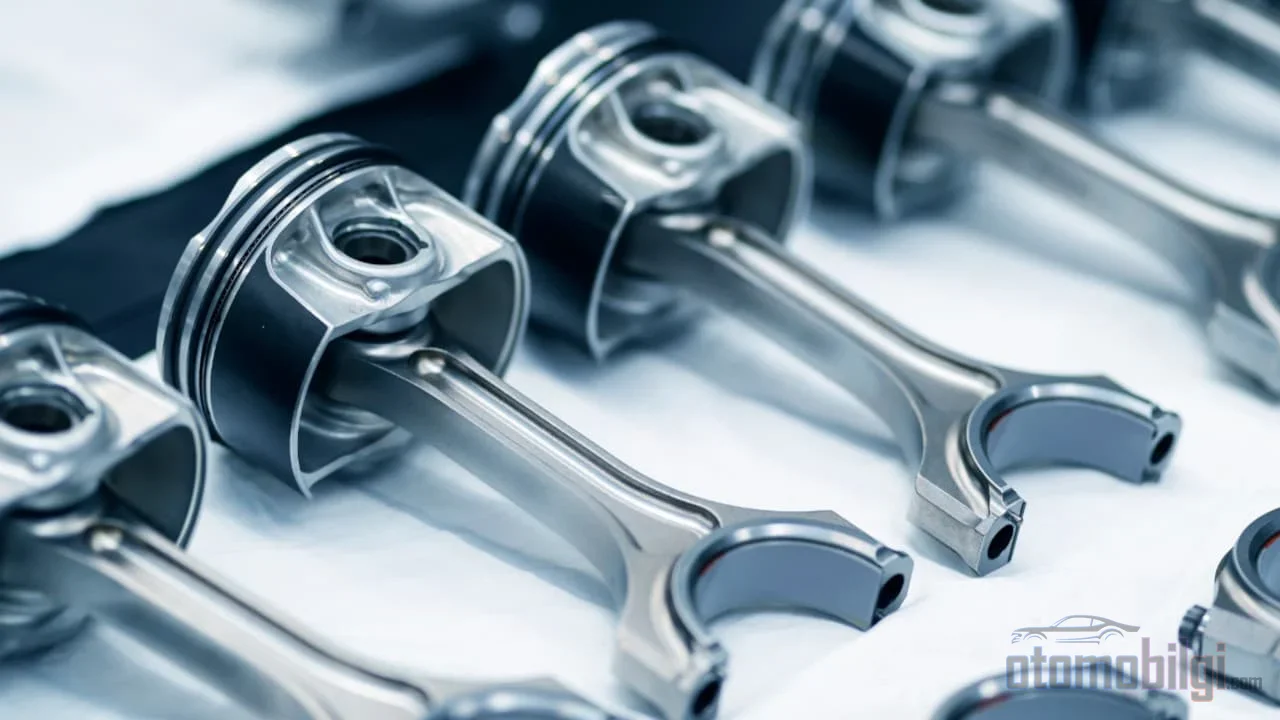
How Formula 1 Engines Transformed Road Cars
Formula 1 engines have not directly replaced road car engines; but they have measurably accelerated their development. Solutions such as fuel injection, materials science, and energy recovery matured on the track and then moved into series production…
Read More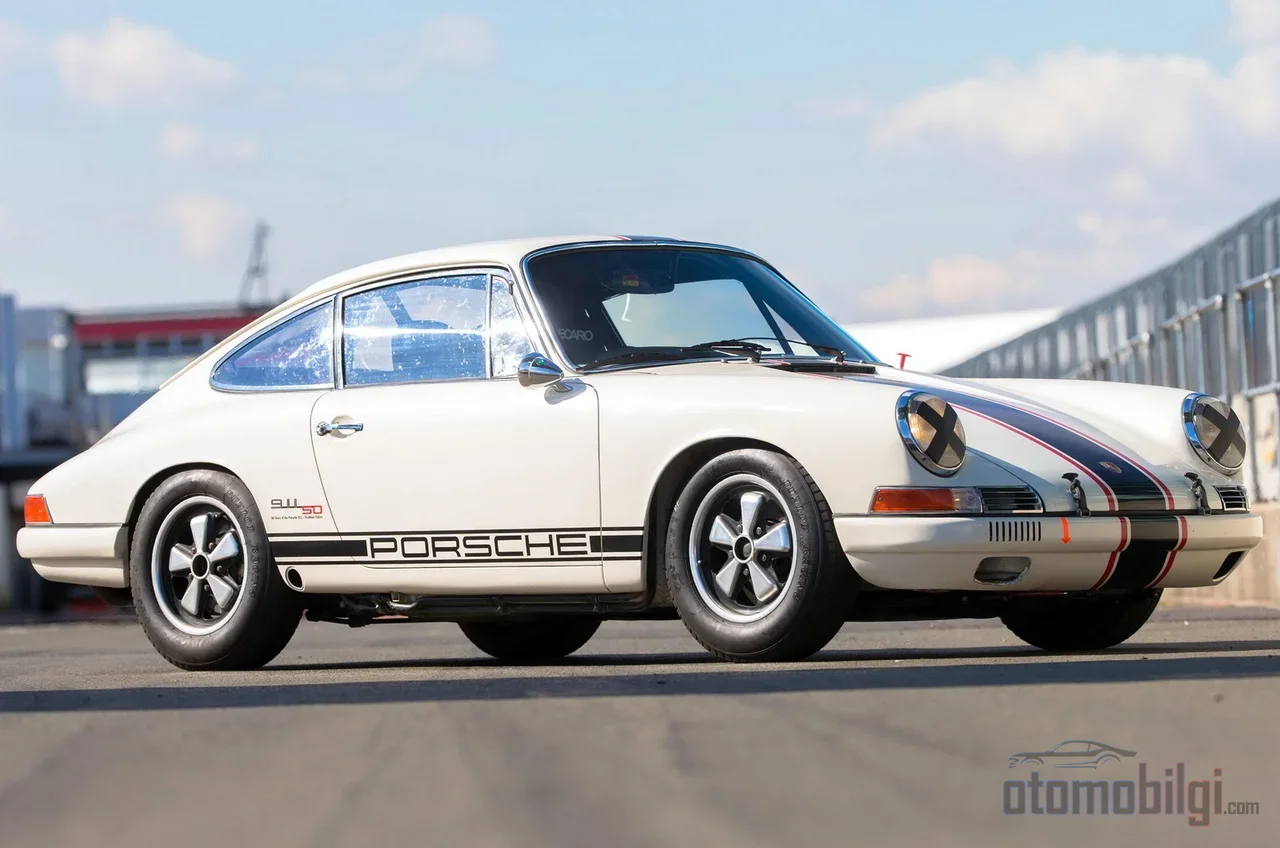
Why Did the Air-Cooled Engine Die? The Triumph of Liquid Cooling
An air-cooled car engine is an architecture that expels heat by blowing air directly onto metal cooling fins over the cylinders, with no radiator or pump, and today it has almost completely disappeared from mass-production cars. The cause of its deat…
Read More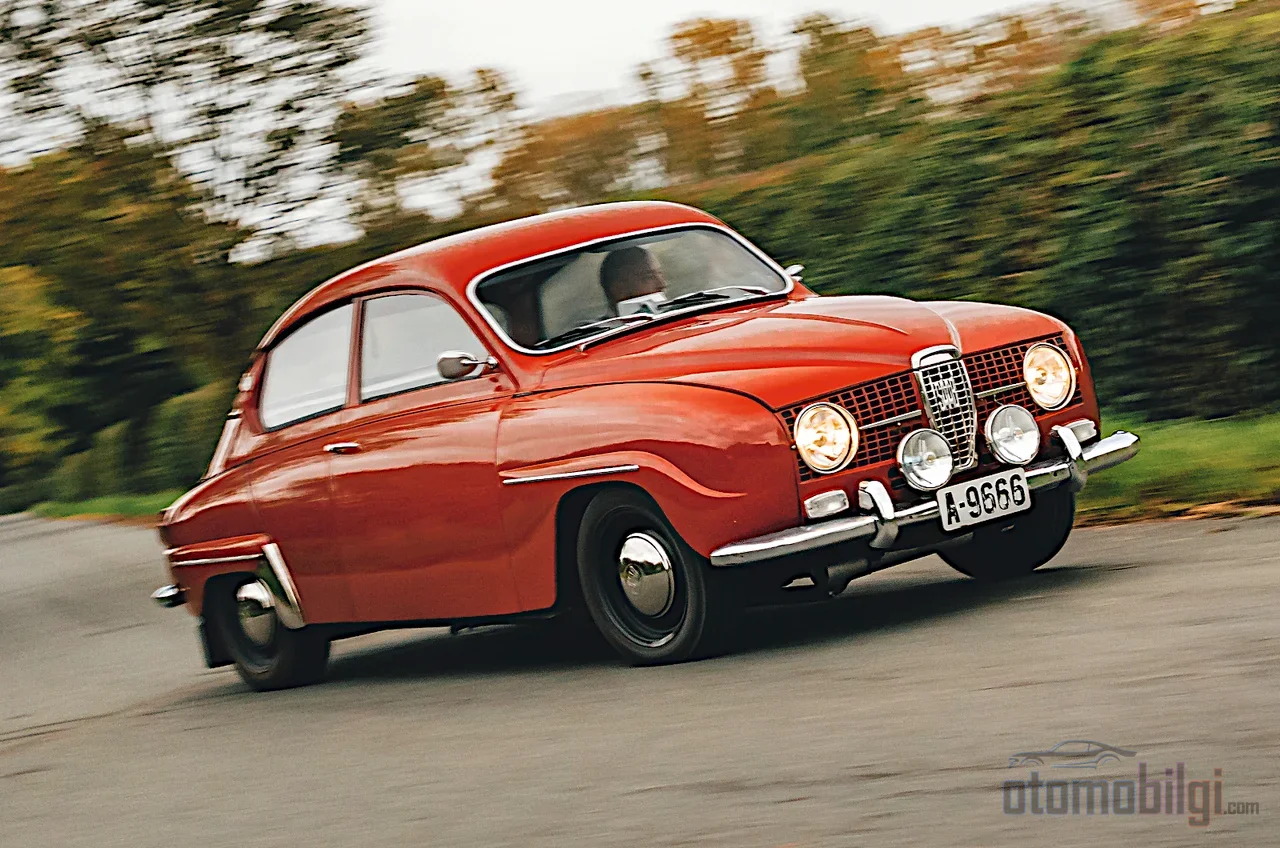
Why Were Two-Stroke Engines Eliminated From Cars?
Two-stroke engines disappeared from cars because their basic operating principle sends part of the fuel and oil straight out the exhaust; emission regulations that tightened in the 1980s pushed this design to the edge of a ban, and the rapid developm…
Read More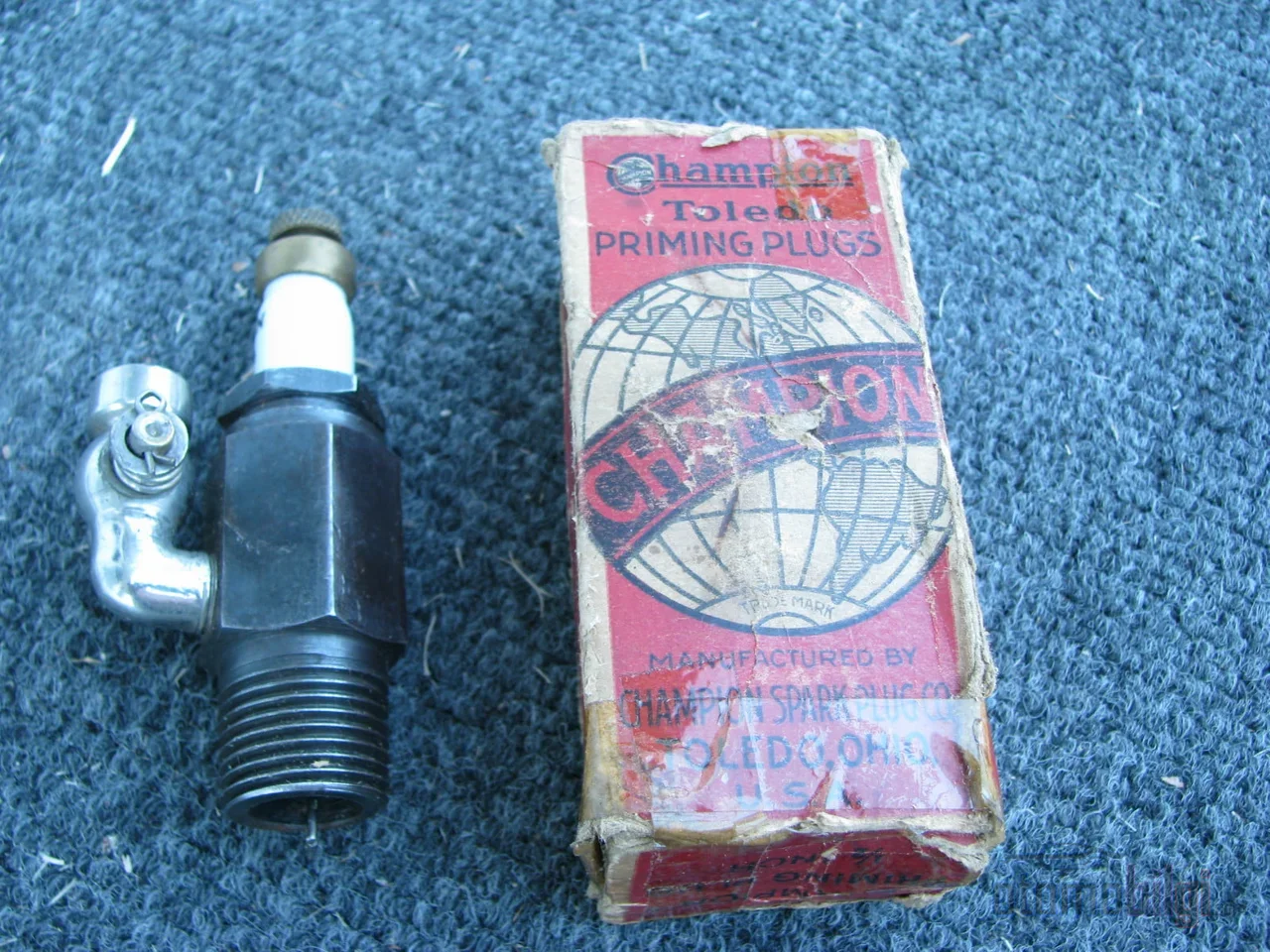
How Did the Engine Catch Fire? The Forgotten Story of the Spark Plug and Magneto
The ignition system is the subsystem responsible for igniting the fuel-air mixture in the cylinder of an internal combustion engine after the intake and compression strokes; without this mechanism, which creates a controlled spark in the spark plug, …
Read More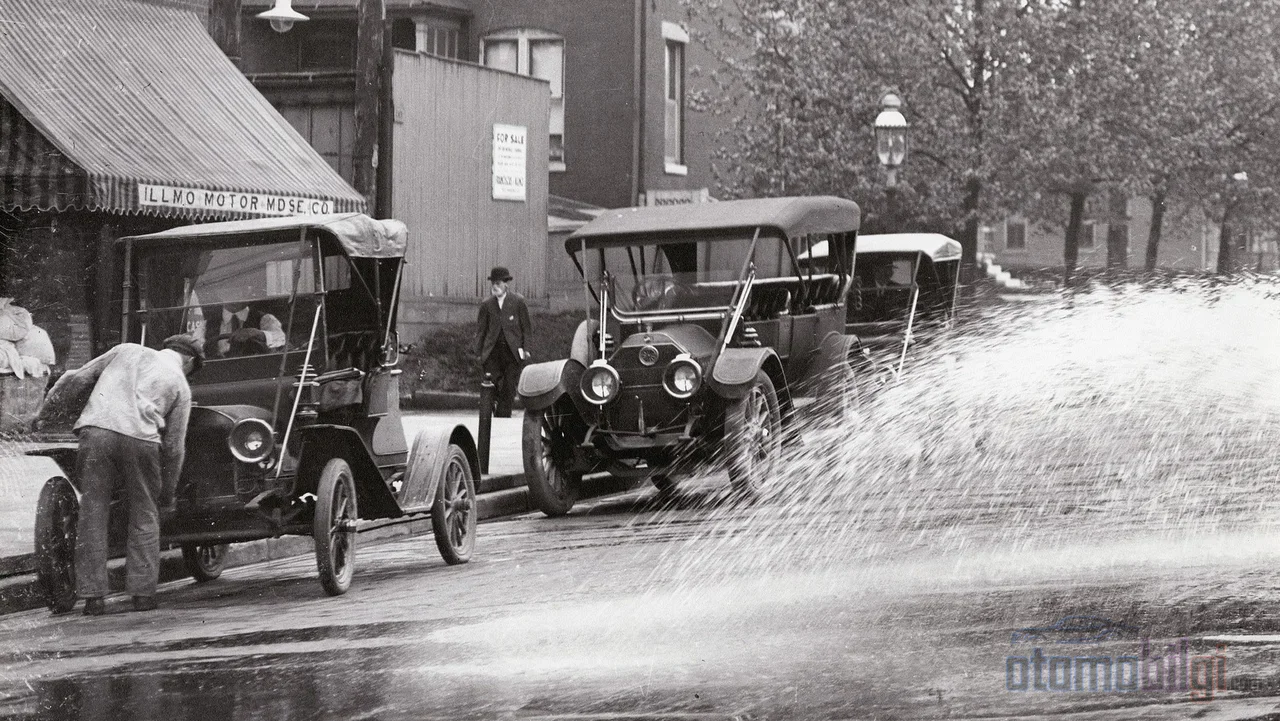
Who Retired the Crank Handle? The Story of the Electric Starter
Who retired the crank? The short answer: the electric starter motor developed by Charles F. Kettering, and the Cadillac Model Thirty, which offered this technology as standard equipment in 1912. This duo transformed the automobile from a vehicle that…
Read More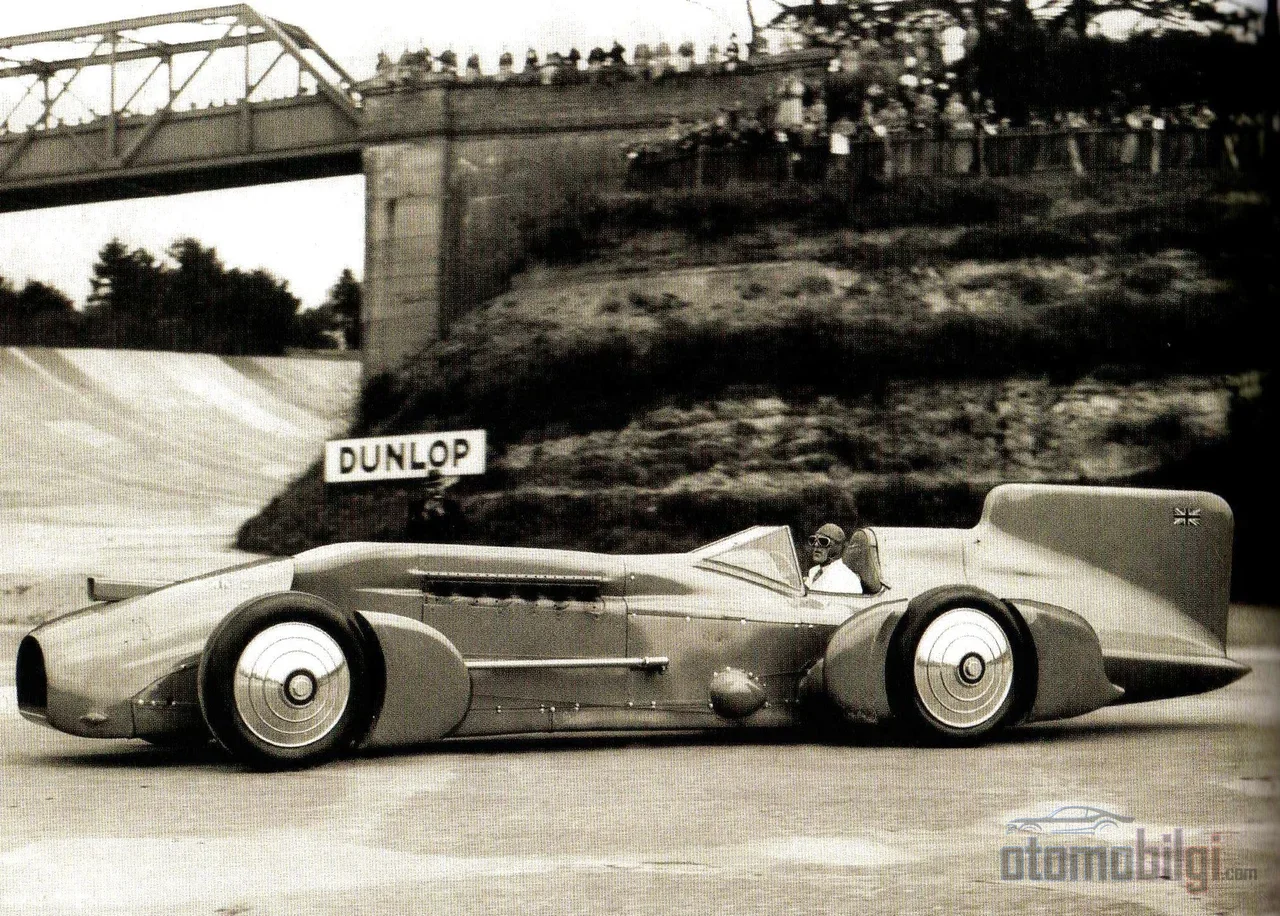
A Century of Land Speed Records: From Steam to Gasoline
The century of land speed records is the clearest data series from which we can read the internal combustion engine's curve of technological maturation: The official record that began in 1898 with an electric vehicle at 63 km/h first passed to steam,…
Read More