Otomobilgi.comOtomobilgi.com
  • Türkçe
  • English
  • Deutsch
  • Français
  • Italiano
  • Español
  • Português
  • Polski
  • Magyar
  • Azərbaycanca
  • Bahasa Indonesia
  • Русский
  • 中文
  • 日本語
  • 한국어
  • हिन्दी
  • বাংলা
  • العربية
  • فارسی
  • Türkçe
  • English
  • Deutsch
  • Français
  • Italiano
  • Español
  • Português
  • Polski
  • Magyar
  • Azərbaycanca
  • Bahasa Indonesia
  • Русский
  • 中文
  • 日本語
  • 한국어
  • हिन्दी
  • বাংলা
  • العربية
  • فارسی
  • HOME PAGE
  • NEWS
    Turkish Automotive Industry News
    Global Automotive Industry News
    Turkish Motorsports News
    Global Motorsports News
  • INTERNAL COMBUSTION
    Internal Combustion Models
    Internal Combustion Engine Technologies
    Fuel and Consumption
    Emission and Environment
    Internal Combustion Ownership
    History of the Internal Combustion Automobile
  • ELECTRIC
    Electric Models
    Electric Car Technologies
    Charging and Infrastructure
    Battery Technology
    Range and Consumption
    Electric Vehicle Ownership
    History of the Electric Car
  • HYBRID
    Hybrid Models
    Hybrid Systems
    Battery and Charging
    Consumption and Efficiency
    Hybrid Ownership
    History of Hybrid Cars
  • TECHNOLOGY
    Driver Assistance Systems
    Safety Technologies
    Lighting and Visibility Technologies
    Infotainment and Connectivity
    Autonomous Driving and Artificial Intelligence
    Future Technologies
  • GUIDES
    Buying Guides
    Sales Guides
    Maintenance and Use
    Ownership and Costs
    Tires and Wheels
    Insurance and Inspection
  • HISTORY & CULTURE
    Automobile History
    Iconic Models
    Classics and Collections
    Türkiye's Automobile Journey
    Automobile Design
    Cars and Popular Culture
  • MOTORSPORT
    Formula 1
    Rallying (WRC)
    Rallycross
    MotoGP
    Formula 2 & Formula 3
    Karting
    24 Hours of Le Mans
    WEC
    NASCAR
    IndyCar
    DTM
    GT Races
    Drift
    Drag Races
  • Türkçe
  • English
  • Deutsch
  • Français
  • Italiano
  • Español
  • Português
  • Polski
  • Magyar
  • Azərbaycanca
  • Bahasa Indonesia
  • Русский
  • 中文
  • 日本語
  • 한국어
  • हिन्दी
  • বাংলা
  • العربية
  • فارسی
  • Türkçe
  • English
  • Deutsch
  • Français
  • Italiano
  • Español
  • Português
  • Polski
  • Magyar
  • Azərbaycanca
  • Bahasa Indonesia
  • Русский
  • 中文
  • 日本語
  • 한국어
  • हिन्दी
  • বাংলা
  • العربية
  • فارسی
  1. HOME PAGE
  2. TECHNOLOGY
  3. Driver Assistance Systems

Driver Assistance Systems

Share This Page
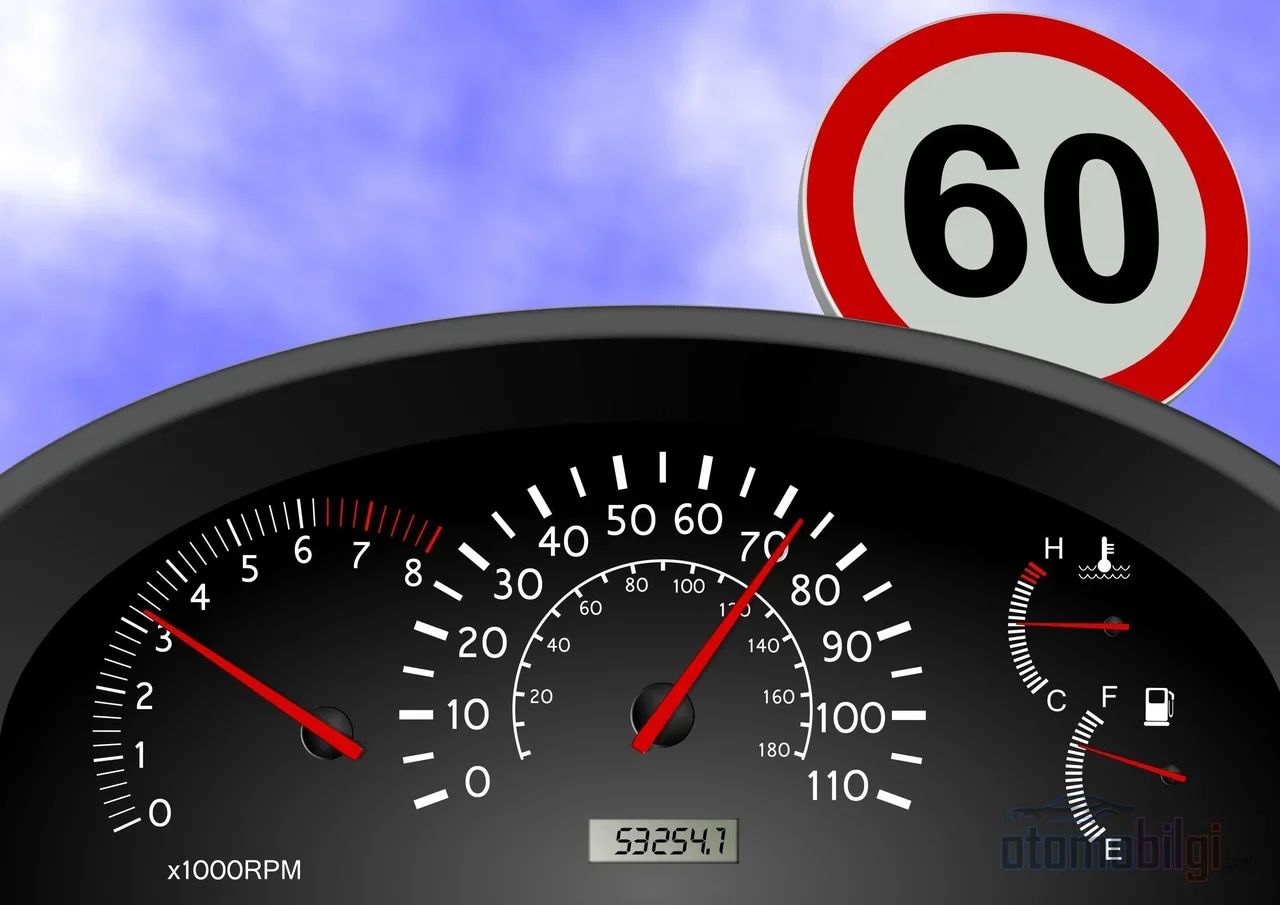
The Intelligent Speed Assistant doesn't impose the speed limit; the driver behind the wheel has the final say.
Does the Intelligent Speed Assistant (ISA) Enforce Compliance with Speed Limits?
Lütfi Mete Odabaşı23 October 2026

No, Intelligent Speed Assistance (ISA) does not force you to comply with the speed limit. The system warns you as you approach the limit, and in some modes gently restricts acceleration; but the final word behind the wheel is always yours. You can al…

Read More
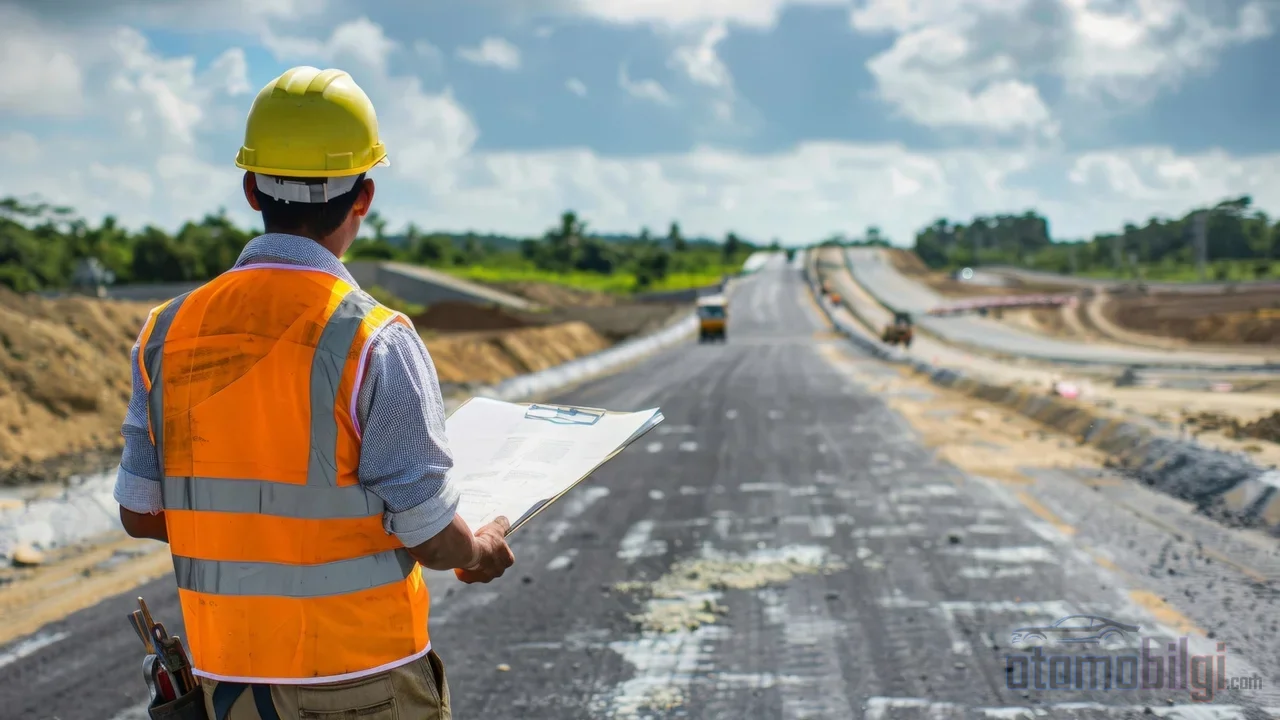
A temporary yellow line from roadworks, an old line that wasn't erased, or bare asphalt with no markings? No one can guarantee what the system will mistake for a lane.
What Does a Lane Keeping System Mistake for a Lane During Road Works?
Lütfi Mete Odabaşı22 October 2026

In roadworks, a lane tracking system's camera looks for painted lines; in situations like temporary yellow lines, old lines that weren't removed, cones, and unpainted fresh asphalt, no one can guarantee what the system will mistake for a lane. That's…

Read More
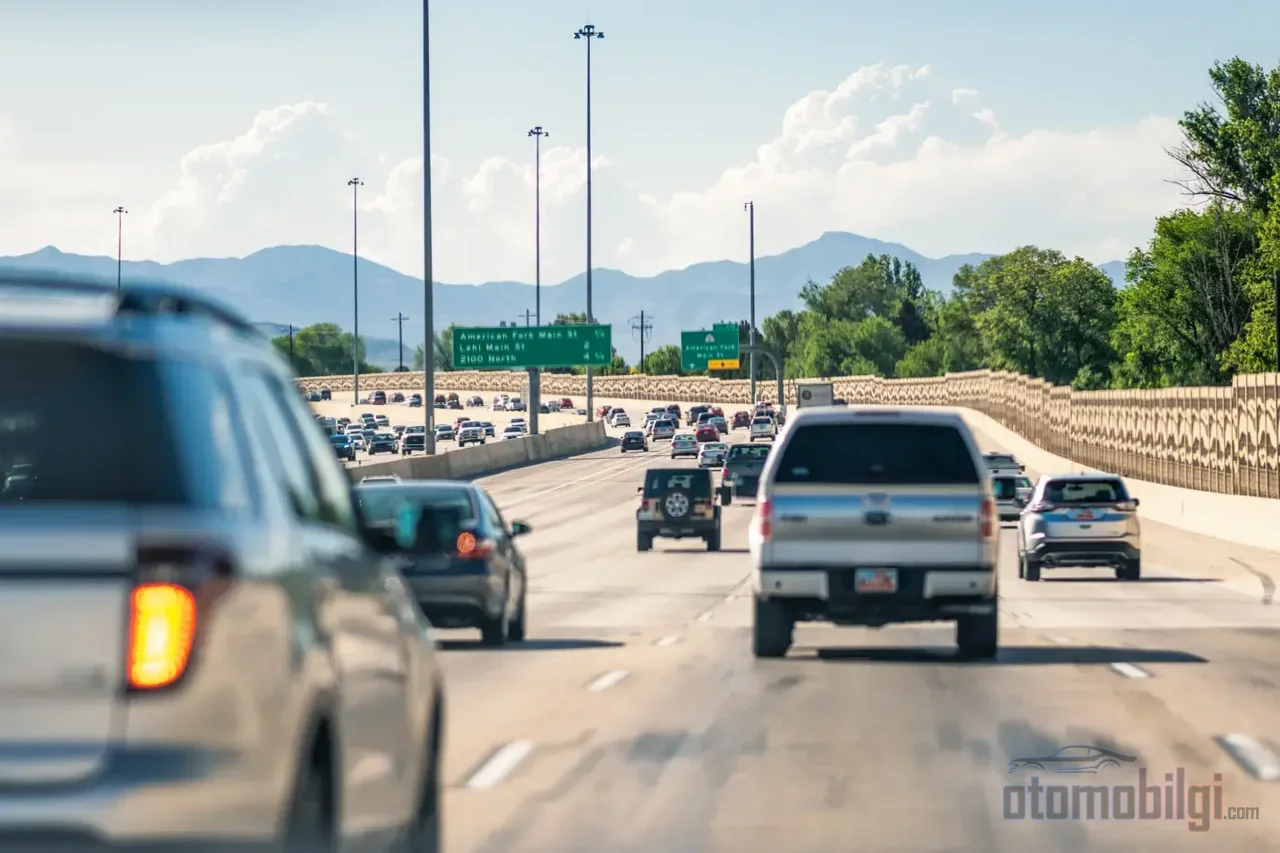
When braking isn't enough, emergency steering assist kicks in and swerves the vehicle sideways to avoid a collision - but the final say at the wheel still belongs to the driver.
What Do Emergency Steering Intervention Systems Do?
Lütfi Mete Odabaşı21 October 2026

Emergency Steering Assist is a safety system that, when braking alone is not enough to prevent a collision, touches the steering with small, quick interventions to steer the vehicle around the obstacle. In other words, while conventional automatic em…

Read More
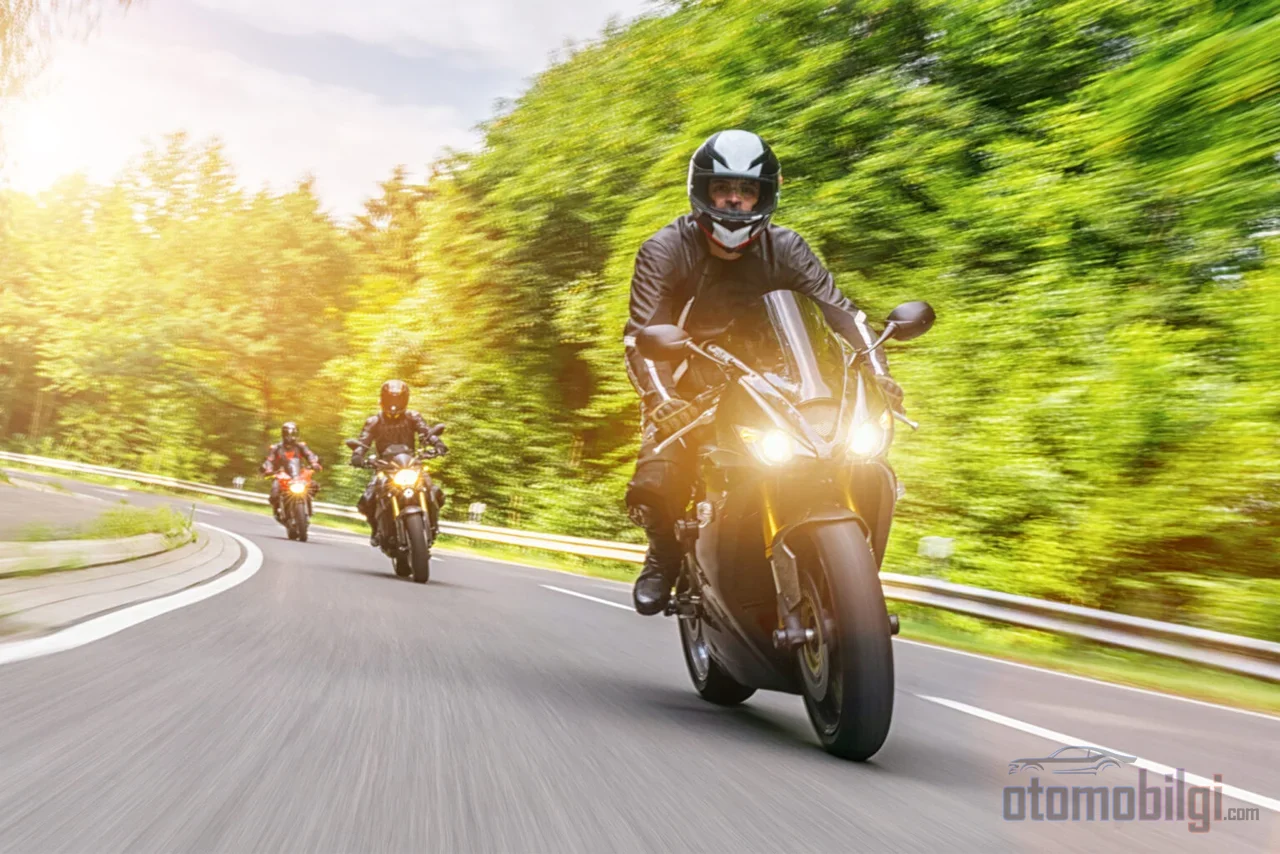
According to the sensors, a motorcycle is merely an object with a single headlight and a narrow silhouette; therefore, the system that recognizes deer may not be able to see it.
Why Isn't Detecting Motorcycles as Easy as Half of the Emitter?
Lütfi Mete Odabaşı21 October 2026

Car safety systems can now recognize pedestrians, cyclists and even deer; so why is a thin motorcycle still one of the hardest targets? Short answer: to cameras and radars, a motorcycle looks like merely a narrow, single-light, constantly moving obje…

Read More
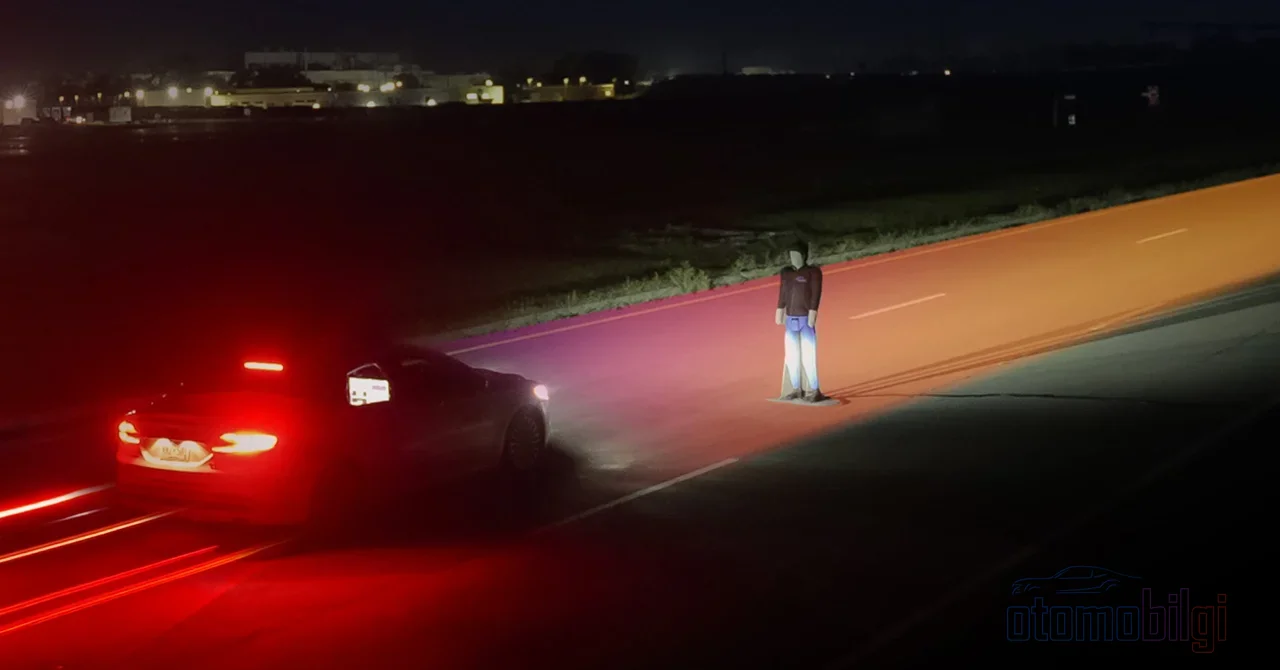
Systems that prevent 60% of collisions in the dark can raise this to 90% during the day; at night, the driver's responsibility does not diminish.
How Do ADAS Systems See Pedestrians and Cyclists at Night?
Lütfi Mete Odabaşı21 October 2026

At night, camera- and radar-based ADAS systems see pedestrians and cyclists far worse than in daylight; systems that prevent roughly 60% of collisions in darkness can raise this rate to 90% in daytime. In other words, the system's eyes genuinely weak…

Read More
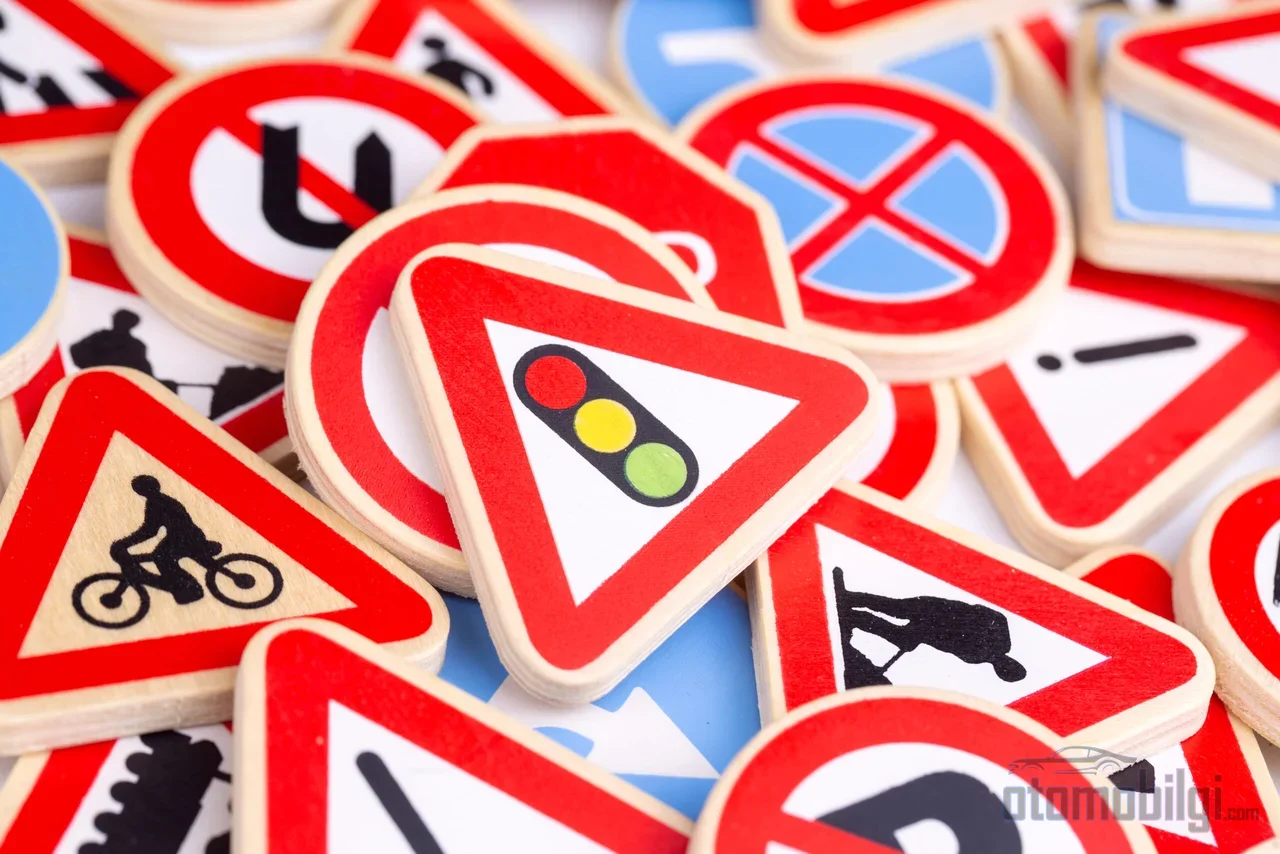
The speed limit read by the camera is a reminder; the decision is always in the hands of the driver on the road.
Can Traffic Sign Recognition Systems Make Mistakes?
Lütfi Mete Odabaşı20 October 2026

Yes, it can be wrong. Traffic sign recognition (TSR) systems, which use a camera to read speed limit and no-passing signs on the road, usually work correctly, but faded or covered signs, temporary signs in construction zones, different countries' sig…

Read More
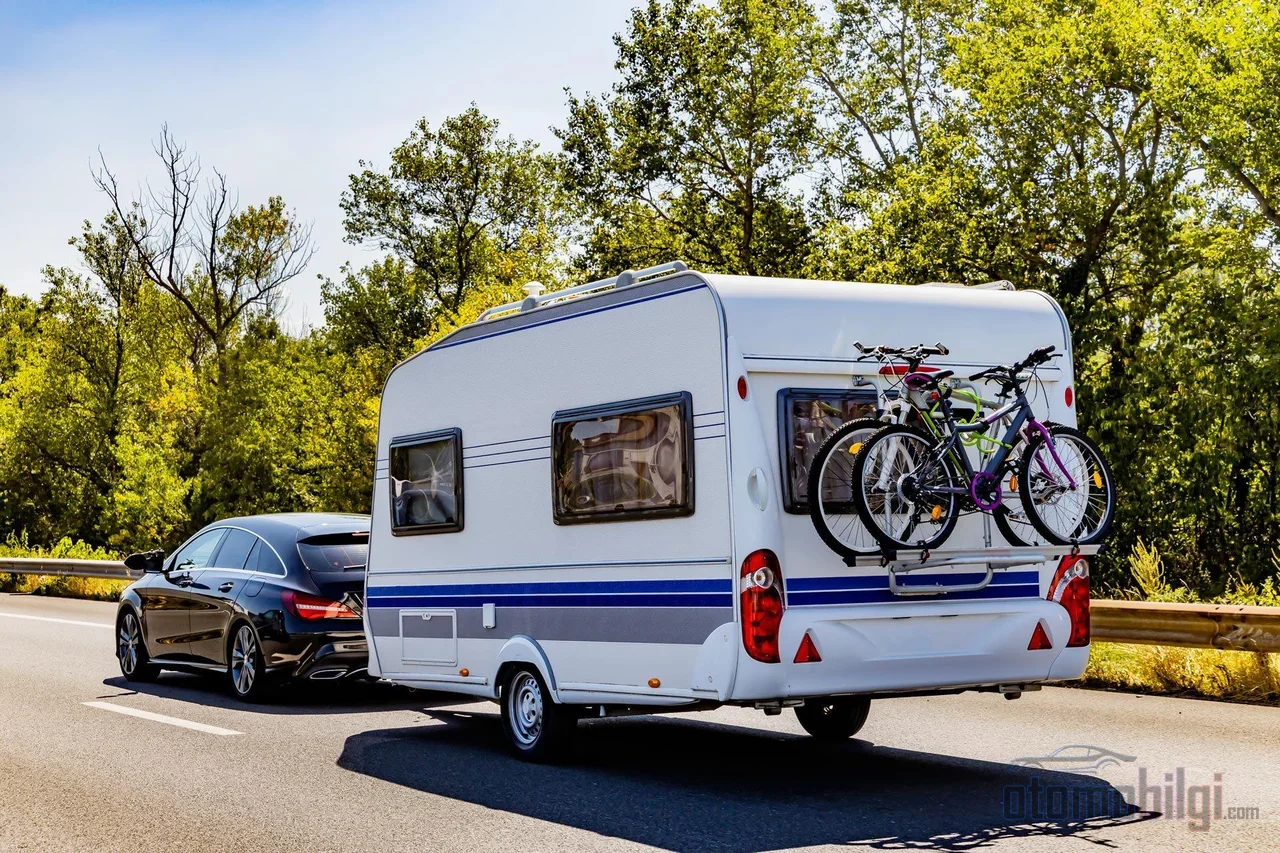
The moment you attach a trailer, you are no longer just driving your vehicle - you are driving a completely foreign mass for your sensors; the blind spot warning never sees anything behind the trailer.
How Are ADAS Systems Affected When Towing a Trailer or Caravan?
Lütfi Mete Odabaşı19 October 2026

The moment you attach a trailer or caravan, your vehicle's ADAS systems lose their effectiveness: adaptive cruise control recalculates the following distance based on the trailer, blind spot monitoring watches behind the vehicle but not behind the tr…

Read More
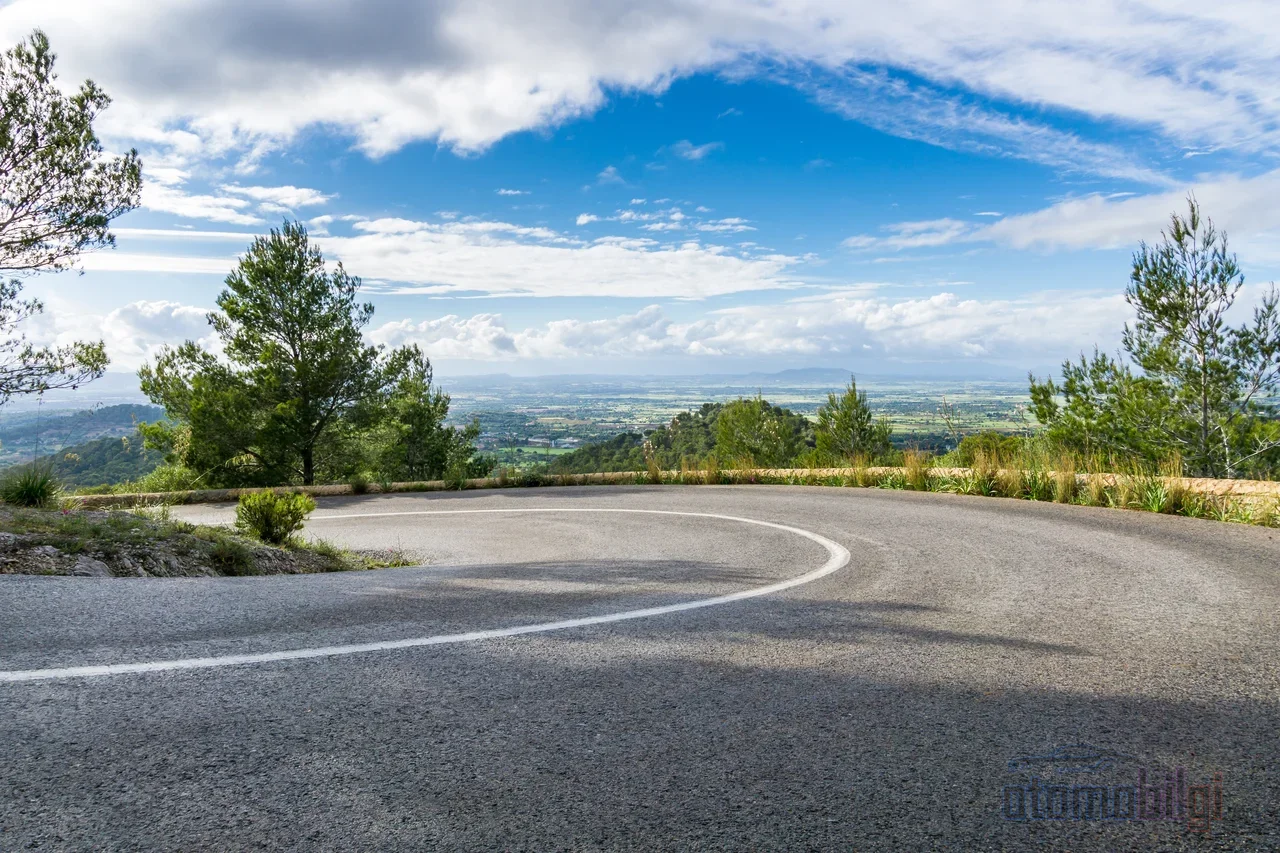
The adaptive speed limiter, which reduces speed before the road begins to curve, is a predictive system that reads signs with a camera and processes curve data from the navigation map in advance.
How Does Adaptive Cruise Control Know to Slow Down Before Entering a Curve?
Lütfi Mete Odabaşı19 October 2026

Adaptive cruise control knows to slow down before entering curves, because some systems use road curvature data from the vehicle's navigation map along with the front camera and traffic sign recognition. A system that reads the curve ahead before the…

Read More
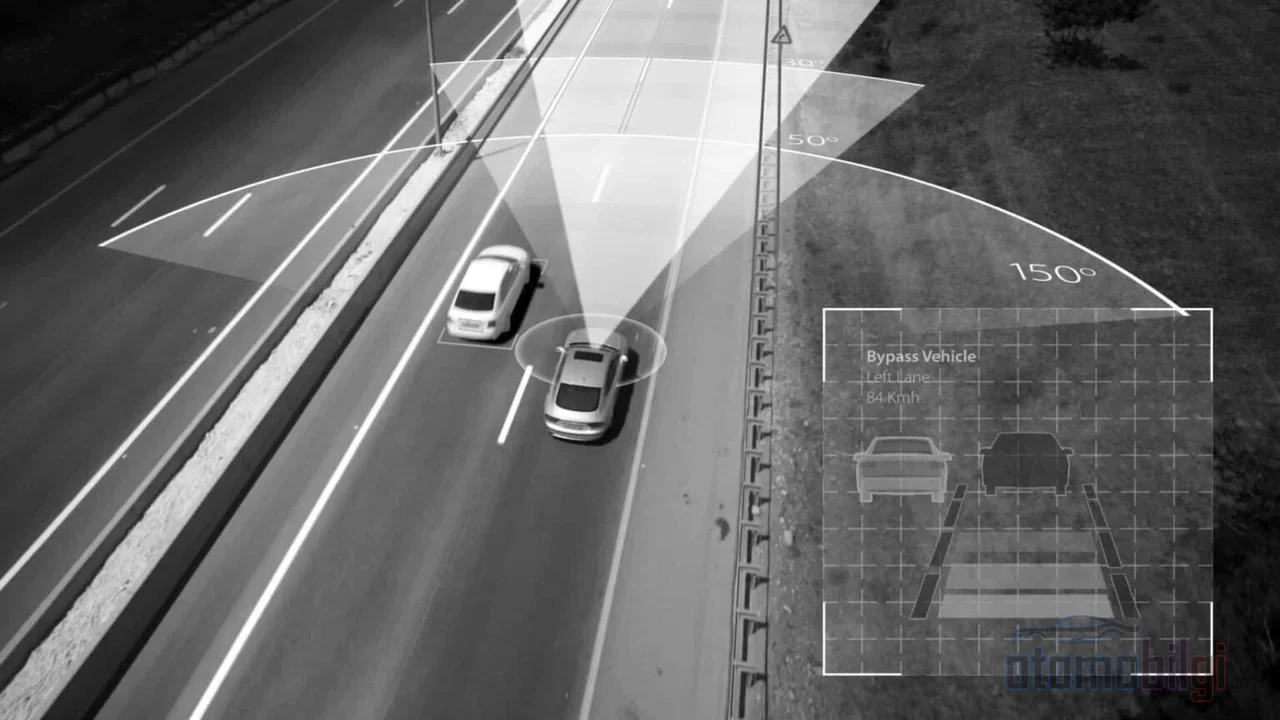
Temporarily disabling ADAS can be a smart move when facing snow-covered lane markings, trailers, or ghost braking; however, permanently disabling it puts your warranty and insurance at risk.
Is It Right to Turn Off ADAS Systems, and When Should They Be Turned Off?
Lütfi Mete Odabaşı18 October 2026

Disabling ADAS systems is often an unnecessary move; however, temporary shutdown can make sense in situations like snow-covered lane markings, sensors getting confused while towing a trailer, or automatic braking that brakes in the wrong place. Perma…

Read More
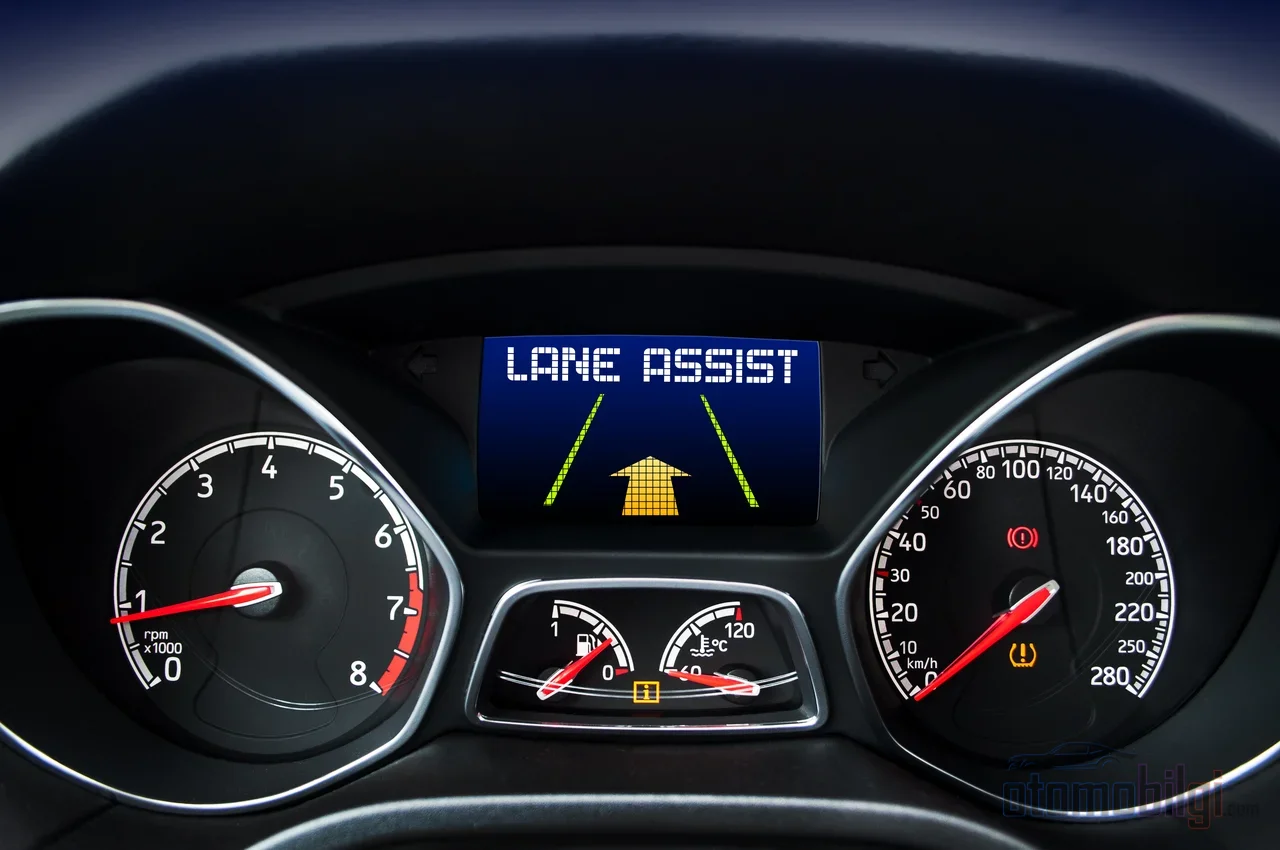
When the lane keeping assistant loses the line, it doesn't hold the steering wheel for you; it first warns you, then quietly hands full control back to you.
What Does Lane Keeping Assist Do When It Loses the Lane Marking?
Lütfi Mete Odabaşı18 October 2026

When the lane keeping assistant loses the line, it first warns the driver, then cuts steering support and hands over full control to the driver; the absence of lines, snow, rain, or sharp curves can render the system useless. In other words, the mome…

Read More
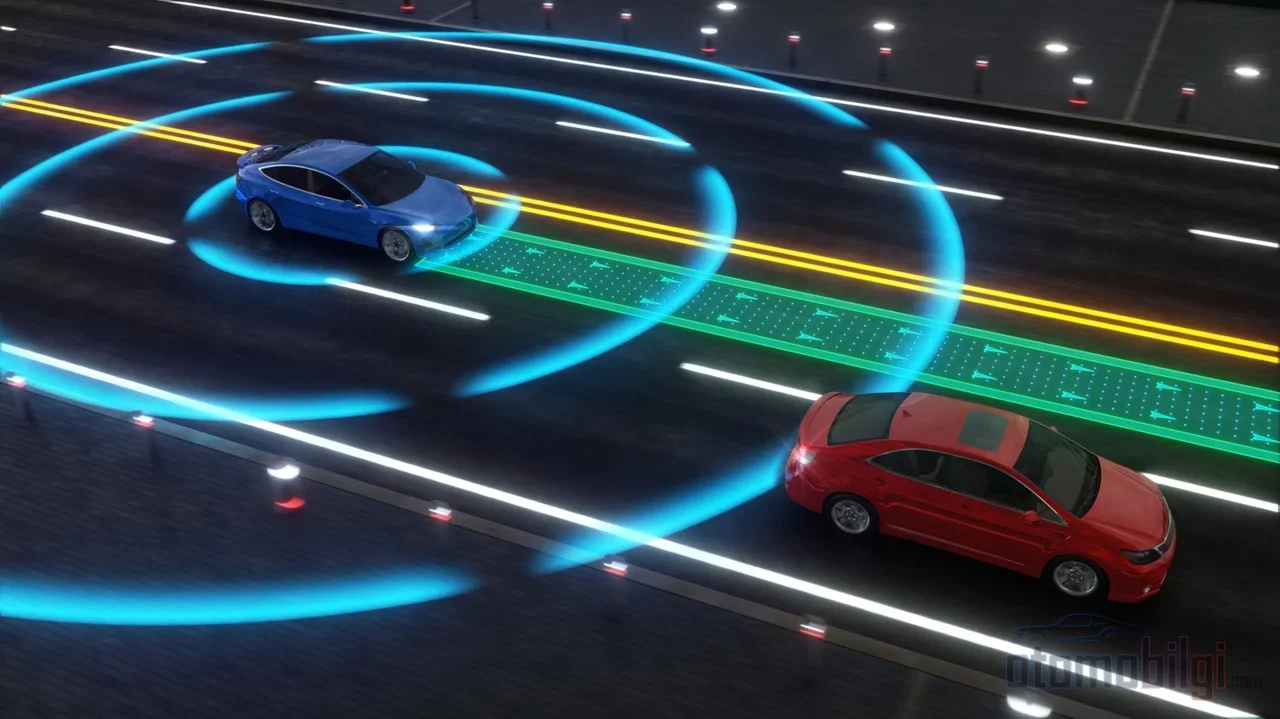
Radar measures distance and speed, while the camera recognizes lane markings and pedestrians; it is actually these two silent sentinels working together that keep your car safe.
Radar or Camera? The Difference in Sensor Technologies in ADAS Systems
Lütfi Mete Odabaşı18 October 2026

In ADAS systems, radar measures distance and speed using radio waves, cameras process images to recognize lane markings, traffic signs, and pedestrians; ultrasonic sensors assist with parking at close range, while lidar uses lasers to create 3D maps …

Read More
The Level 2 label is not a promise of autonomy; it is an official warning stating that responsibility for constant monitoring and immediate intervention still lies with the driver.
Cars Say 'Level 2', What Exactly Does This Tell Us?
Lütfi Mete Odabaşı17 October 2026

The 'Level 2' label means the car can manage steering and speed at the same time, but legal responsibility for everything it does still rests with the driver . In other words, the car is not, in theory, driving by itself; an assistant that is constan…

Read More
  • 1
  • 2
  • Next

Category Editor

Lütfi Mete Odabaşı

Lütfi Mete Odabaşı

A young, dynamic automotive and motorsport enthusiast who loves researching and learning. Mete adds value to our automotive news, information, and culture platform with a young person's perspective. He closely follows innovations in automotive technologies and developments in motorsport, turning what he learns into rich, useful content for otomobilgi.com.

Follow Us on Social Media

Share This Page

Follow Us on Social Media

  • About Us
  • KVKK Disclosure Statement
  • Privacy Policy
  • Contact
Otomobilgi.com
INDEPENDENT AUTOMOBILE CULTURE PLATFORM
Powered by Virgo CMS