Otomobilgi.comOtomobilgi.com
  • Türkçe
  • English
  • Deutsch
  • Français
  • Italiano
  • Español
  • Português
  • Polski
  • Magyar
  • Azərbaycanca
  • Bahasa Indonesia
  • Русский
  • 中文
  • 日本語
  • 한국어
  • हिन्दी
  • বাংলা
  • العربية
  • فارسی
  • Türkçe
  • English
  • Deutsch
  • Français
  • Italiano
  • Español
  • Português
  • Polski
  • Magyar
  • Azərbaycanca
  • Bahasa Indonesia
  • Русский
  • 中文
  • 日本語
  • 한국어
  • हिन्दी
  • বাংলা
  • العربية
  • فارسی
  • HOME PAGE
  • NEWS
    Turkish Automotive Industry News
    Global Automotive Industry News
    Turkish Motorsports News
    Global Motorsports News
  • INTERNAL COMBUSTION
    Internal Combustion Models
    Internal Combustion Engine Technologies
    Fuel and Consumption
    Emission and Environment
    Internal Combustion Ownership
    History of the Internal Combustion Automobile
  • ELECTRIC
    Electric Models
    Electric Car Technologies
    Charging and Infrastructure
    Battery Technology
    Range and Consumption
    Electric Vehicle Ownership
    History of the Electric Car
  • HYBRID
    Hybrid Models
    Hybrid Systems
    Battery and Charging
    Consumption and Efficiency
    Hybrid Ownership
    History of Hybrid Cars
  • TECHNOLOGY
    Driver Assistance Systems
    Safety Technologies
    Lighting and Visibility Technologies
    Infotainment and Connectivity
    Autonomous Driving and Artificial Intelligence
    Future Technologies
  • GUIDES
    Buying Guides
    Sales Guides
    Maintenance and Use
    Ownership and Costs
    Tires and Wheels
    Insurance and Inspection
  • HISTORY & CULTURE
    Automobile History
    Iconic Models
    Classics and Collections
    Türkiye's Automobile Journey
    Automobile Design
    Cars and Popular Culture
  • MOTORSPORT
    Formula 1
    Rallying (WRC)
    Rallycross
    MotoGP
    Formula 2 & Formula 3
    Karting
    24 Hours of Le Mans
    WEC
    NASCAR
    IndyCar
    DTM
    GT Races
    Drift
    Drag Races
  • Türkçe
  • English
  • Deutsch
  • Français
  • Italiano
  • Español
  • Português
  • Polski
  • Magyar
  • Azərbaycanca
  • Bahasa Indonesia
  • Русский
  • 中文
  • 日本語
  • 한국어
  • हिन्दी
  • বাংলা
  • العربية
  • فارسی
  • Türkçe
  • English
  • Deutsch
  • Français
  • Italiano
  • Español
  • Português
  • Polski
  • Magyar
  • Azərbaycanca
  • Bahasa Indonesia
  • Русский
  • 中文
  • 日本語
  • 한국어
  • हिन्दी
  • বাংলা
  • العربية
  • فارسی
  1. HOME PAGE
  2. HYBRID
  3. Hybrid Systems

Hybrid Systems

Share This Page
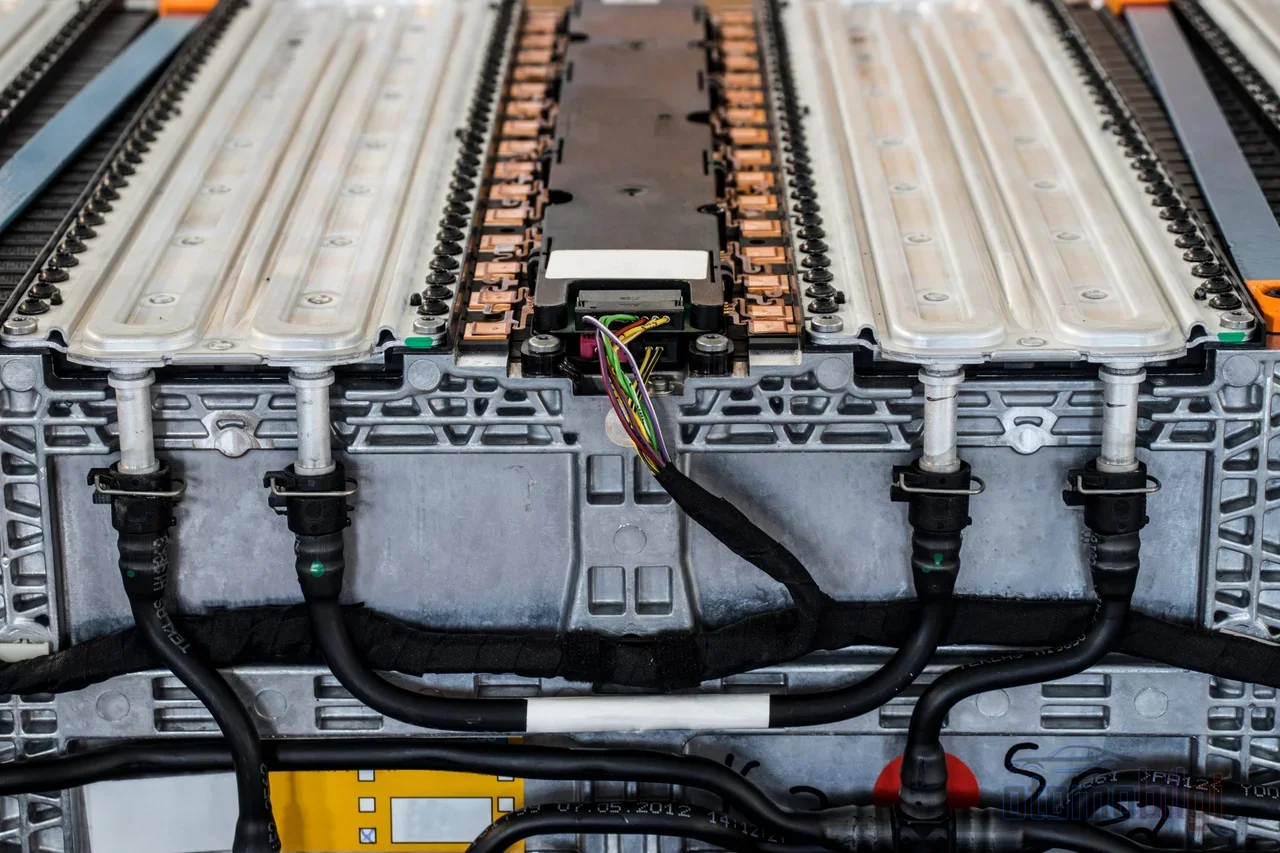
Hybrid batteries generate heat with every discharge; if left unchecked, the lost capacity never comes back.
Why and How Are Hybrid Batteries Cooled?
Deniz Erkan22 October 2026

Hybrid batteries are cooled to keep the cells within their ideal operating temperature range of approximately 20–40°C; because the battery generates heat with every discharge, and if the heat is not brought under control, both efficiency drops and ca…

Read More
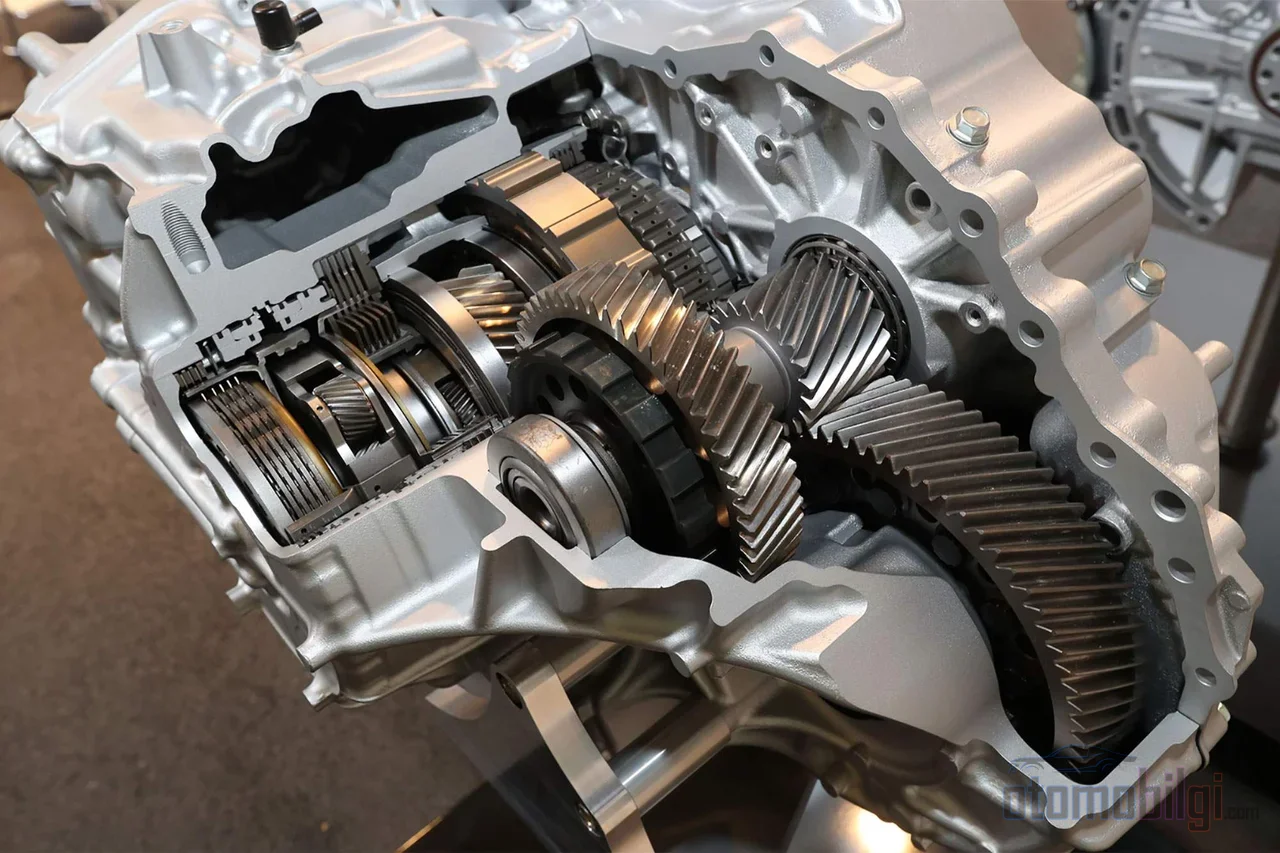
The Atkinson cycle is the story of an engine that gives up power to gain fuel economy; its drawback, however, is covered by the electric motor in a hybrid system.
What Is the Atkinson Cycle and Why Is It Preferred in Hybrid Engines?
Deniz Erkan21 October 2026

The Atkinson cycle is an internal combustion engine operating principle that deliberately keeps the compression ratio smaller than the expansion ratio to make fuller use of combustion energy, in exchange for sacrificing low-end power. The reason it i…

Read More
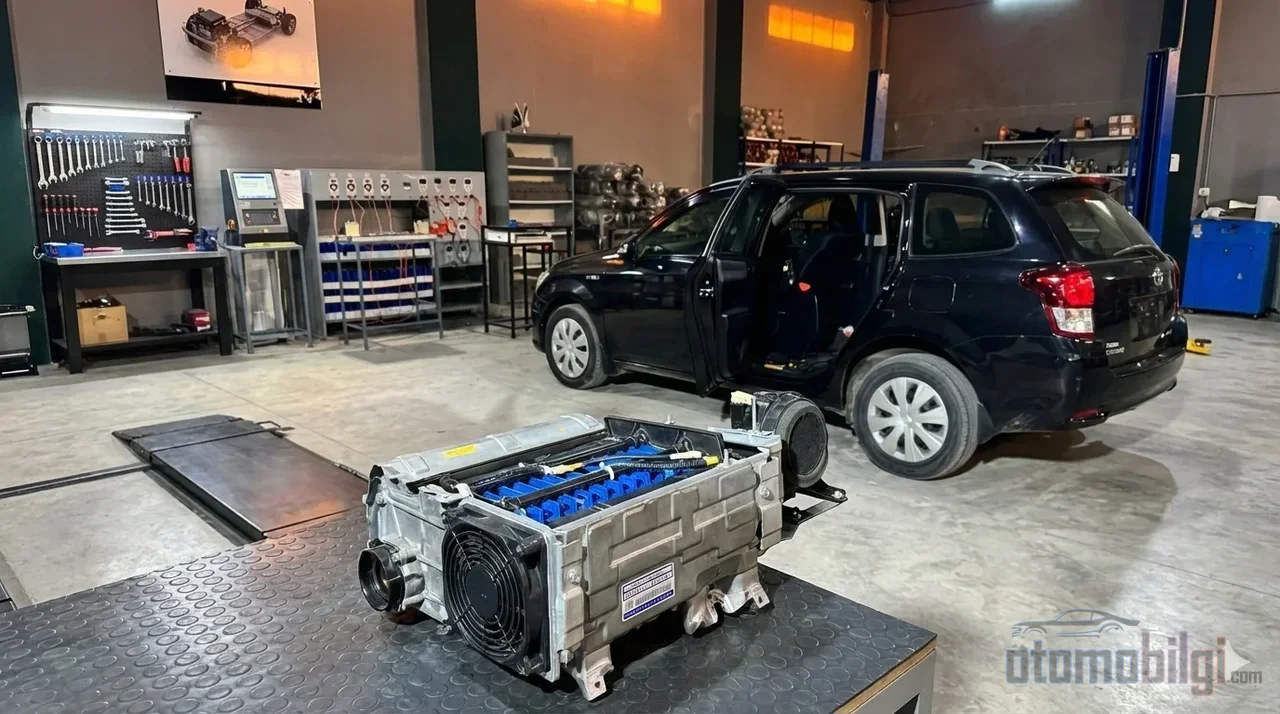
Battery health is revealed not by a single indicator, but by the gauge, OBD data, error codes, and a test drive of at least 20 minutes taken together.
How to Check Battery Health When Buying a Used Hybrid?
Deniz Erkan21 October 2026

When buying a used hybrid, you should read the gauge behavior to understand battery health, check cell voltage balance with an OBD device, check for fault codes, and do a realistic 20-30 minute test drive. A single sign is not enough; when all four a…

Read More
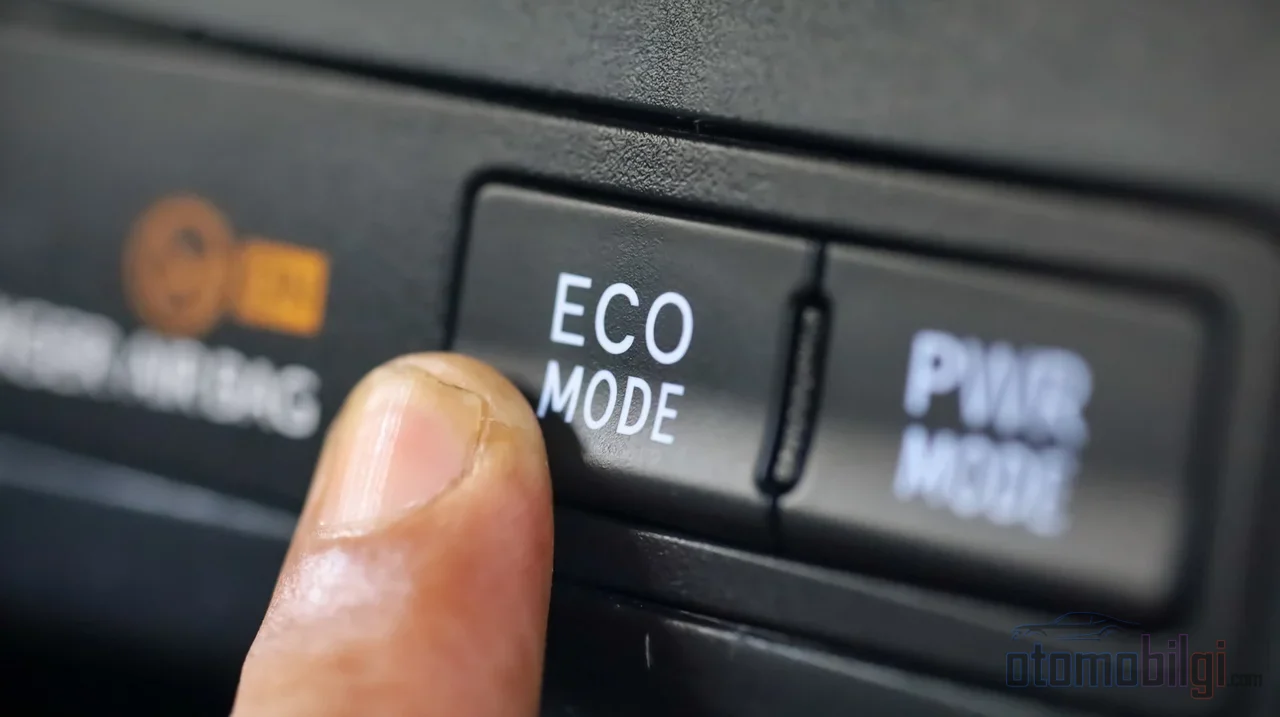
These modes do not add power to the vehicle; they merely decide when, from which source, and how the existing power is delivered.
What Do the EV, Eco, and Power Modes in Hybrid Cars Actually Do?
Deniz Erkan21 October 2026

The EV, Eco, Normal and Power (Sport) modes in hybrid cars are different commands given to the same engine-electric motor pair: they change throttle pedal response, the thresholds at which the engine kicks in, and how the battery is used. In short, t…

Read More
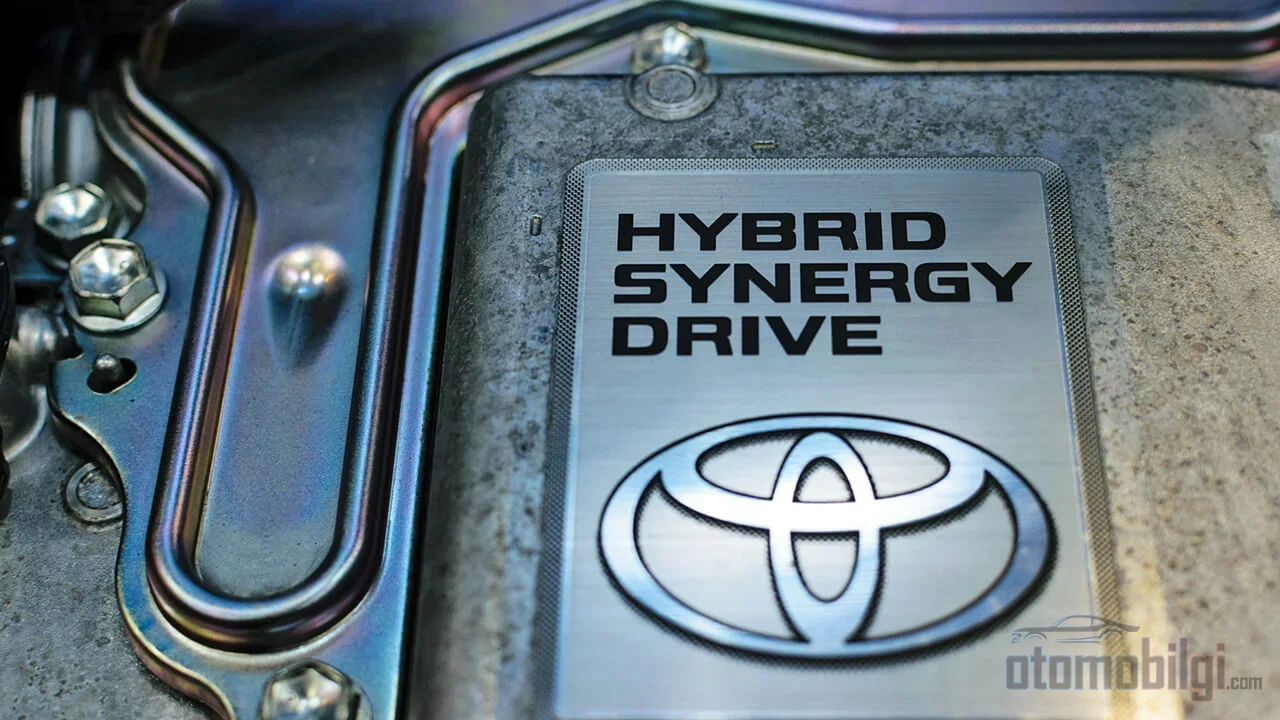
Gliding silently through the city on electric power, the hybrid responds to highway air resistance with the gasoline engine's efficient zone; the decision is made not by the driver, but by a computer within seconds.
Why Do Hybrid Cars Run on Electricity at Low Speeds and Gasoline at High Speeds?
Deniz Erkan20 October 2026

Hybrid cars use the electric motor at low speeds and low power demands, and the gasoline engine at high speeds or under high loads; because at urban speeds electric drive is more efficient and quiet, while at highway speeds the increased air resistan…

Read More
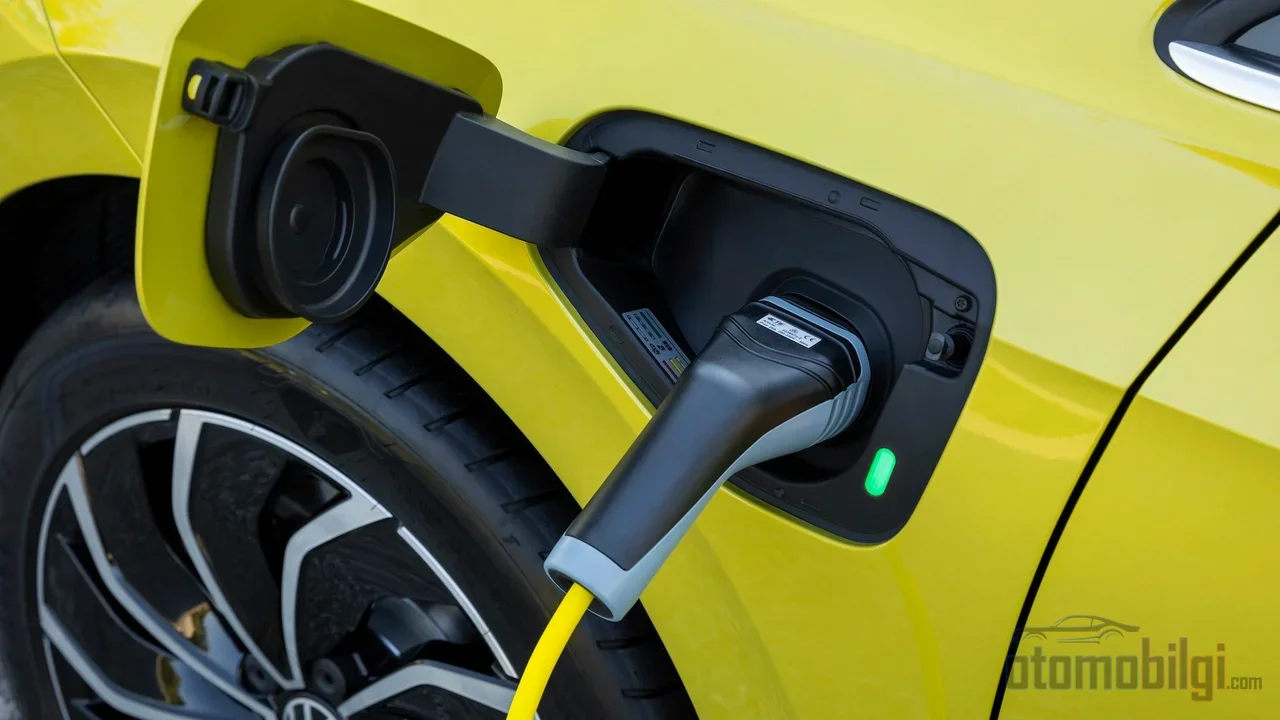
The catalog-promised consumption of plug-in hybrids is often a fairy tale on real roads; the measured average can be three to five times the factory value.
Do Hybrid Cars Really Use Only 4 Liters? Manufacturer Figures vs. Real-World Consumption
Deniz Erkan19 October 2026

Short answer: hybrids whose factory rating shows 4 liters usually fail to achieve that figure on real roads; in plug-in hybrids, real average consumption has been measured to reach 3-5 times the catalog value. The reason is not that the vehicle is ba…

Read More
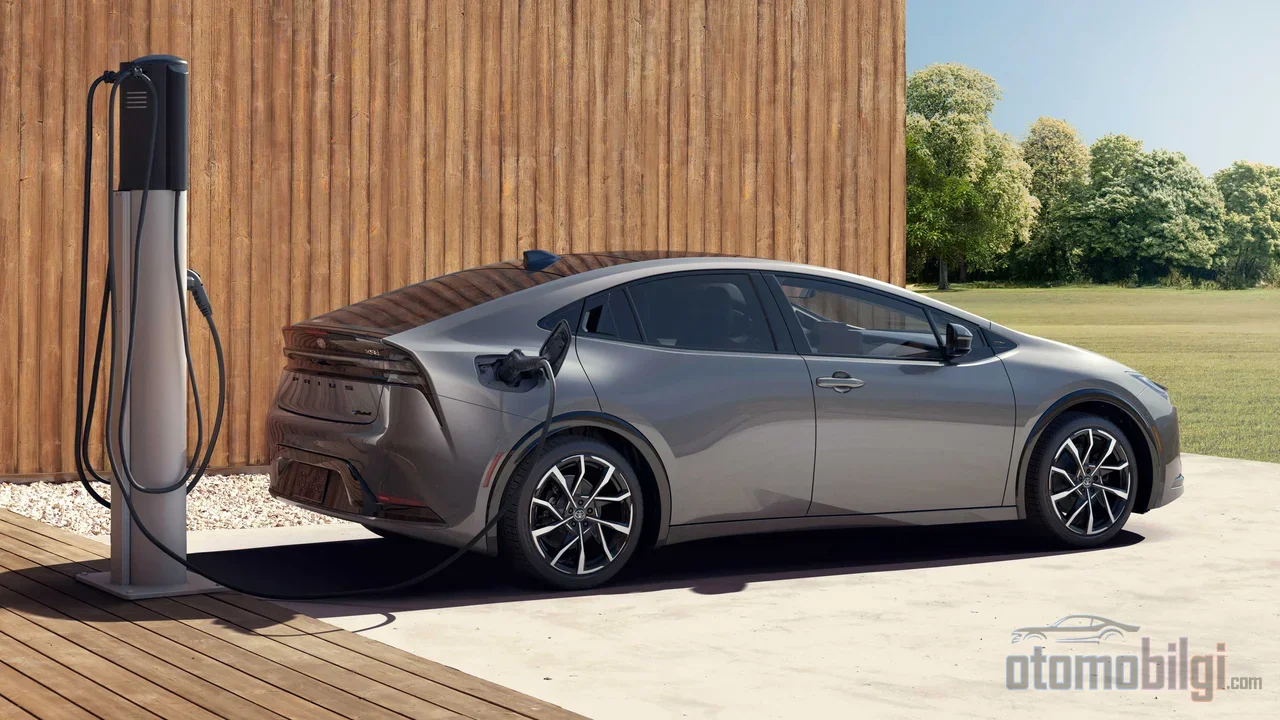
Every electron that goes into a hybrid car's battery ultimately comes from gasoline; self-charging is not an energy miracle, but an efficient recycling trick.
Does a Hybrid Car Charge Itself? The Self-Charging Myth
Deniz Erkan19 October 2026

No, a hybrid car does not generate its own energy without being plugged in; it fills its battery during driving through regenerative braking and the surplus of the gasoline engine. So although it may seem to charge itself, every electron that goes in…

Read More

In a hybrid car that has been parked for a long time, the first to fail is the 12-volt battery; the high-voltage battery, on the other hand, resists deep discharge thanks to its protection circuit.
What Happens If a Hybrid Car Stays Parked for a Long Time?
Deniz Erkan18 October 2026

If a hybrid car sits parked for weeks or months, the 12-volt auxiliary battery drains first; the high-voltage battery, meanwhile, tries to avoid deep discharge through its own protection circuit. In the short term the car is not harmed, but waits exc…

Read More

In winter, a hybrid's restlessness that turns into higher fuel consumption is not a malfunction, but a temporary chemistry issue that completely disappears once it warms up.
How Do Hybrid Cars Behave in Cold Weather?
Deniz Erkan18 October 2026

Cold weather reduces the support the electric motor provides in hybrid cars, runs the gasoline engine more often and for longer, and temporarily increases fuel consumption. The cause is not battery degradation, but the slowing of lithium-ion chemistr…

Read More
It is not the driver, but the brain of the energy management system that decides between electricity and gasoline based on the instantaneous power demand and battery status.
When Does a Hybrid Car Run on Electricity, and When Does It Run on Gasoline?
Deniz Erkan17 October 2026

A hybrid vehicle runs on electricity at start-up, at low speeds and while braking; it runs on the gasoline engine at high speeds, during acceleration and on hills. These transitions are commanded not by the driver but by the energy management system,…

Read More
In city traffic, a hybrid that recovers braking energy can cut fuel consumption by up to 35 percent, while on the highway it can quietly drain the driver's money for nothing.
Who Are Hybrid Cars a Sensible Choice For, and Who Are They Just an Unnecessary Expense?
Deniz Erkan17 October 2026

A hybrid car is a solution that supports a gasoline engine with an electric motor and a small battery, recovering energy through braking in stop-and-go city traffic and delivering fuel savings of 20-35%. Who it makes sense for cannot be summed up in …

Read More
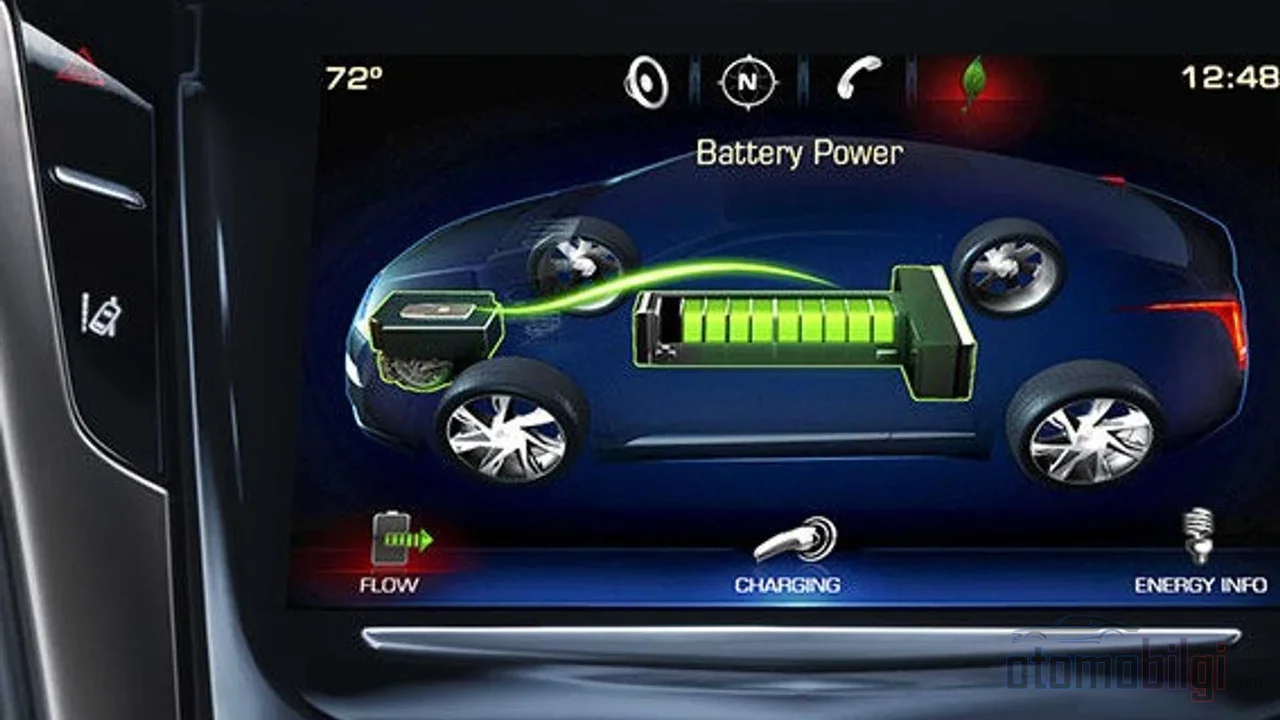
In the city, it's possible to recover up to a quarter of the fuel through braking; on the highway, however, the same system goes almost silent.
How Much Energy Does Regenerative Braking in Hybrids Actually Provide
Deniz Erkan16 October 2026

Regenerative braking in a hybrid car recovers about half of the kinetic energy that would otherwise be lost during braking, which translates into an efficiency gain of around 10-25% in real-world use. The gain is not a fixed figure: in stop-and-go tr…

Read More
  • 1
  • 2
  • Next

Category Editor

Deniz Erkan

Deniz Erkan

One of the most important habits my profession as a mechanical engineer has given me is looking not only at a system's outcome, but also at how and why it works. My interest in automobiles is also fueled by this perspective. For me, a car is not just design, performance, or comfort; it is a holistic system where mechanics, electronics, software, and engineering come together.

Over time, I combined my engineering background with software development. The intersection of these two fields has allowed me to look at modern automobiles from a more integrated perspective. I follow the world of automobiles, from engines and suspension to driver assistance systems and software technologies, through the eyes of both an engineer and a car enthusiast.

My aim at Otomobilgi.com is to explain technical subjects in a language that preserves engineering accuracy and keeps curiosity about cars alive, without drowning them in unnecessary complexity. Because for me, a good car is not merely beautiful or fast; it is a special work that conveys design, technology, and driving character as a whole.

Follow Us on Social Media

Share This Page

Follow Us on Social Media

  • About Us
  • KVKK Disclosure Statement
  • Privacy Policy
  • Contact
Otomobilgi.com
INDEPENDENT AUTOMOBILE CULTURE PLATFORM
Powered by Virgo CMS