Otomobilgi.comOtomobilgi.com
  • Türkçe
  • English
  • Deutsch
  • Français
  • Italiano
  • Español
  • Português
  • Polski
  • Magyar
  • Azərbaycanca
  • Bahasa Indonesia
  • Русский
  • 中文
  • 日本語
  • 한국어
  • हिन्दी
  • বাংলা
  • العربية
  • فارسی
  • Türkçe
  • English
  • Deutsch
  • Français
  • Italiano
  • Español
  • Português
  • Polski
  • Magyar
  • Azərbaycanca
  • Bahasa Indonesia
  • Русский
  • 中文
  • 日本語
  • 한국어
  • हिन्दी
  • বাংলা
  • العربية
  • فارسی
  • HOME PAGE
  • NEWS
    Turkish Automotive Industry News
    Global Automotive Industry News
    Turkish Motorsports News
    Global Motorsports News
  • INTERNAL COMBUSTION
    Internal Combustion Models
    Internal Combustion Engine Technologies
    Fuel and Consumption
    Emission and Environment
    Internal Combustion Ownership
    History of the Internal Combustion Automobile
  • ELECTRIC
    Electric Models
    Electric Car Technologies
    Charging and Infrastructure
    Battery Technology
    Range and Consumption
    Electric Vehicle Ownership
    History of the Electric Car
  • HYBRID
    Hybrid Models
    Hybrid Systems
    Battery and Charging
    Consumption and Efficiency
    Hybrid Ownership
    History of Hybrid Cars
  • TECHNOLOGY
    Driver Assistance Systems
    Safety Technologies
    Lighting and Visibility Technologies
    Infotainment and Connectivity
    Autonomous Driving and Artificial Intelligence
    Future Technologies
  • GUIDES
    Buying Guides
    Sales Guides
    Maintenance and Use
    Ownership and Costs
    Tires and Wheels
    Insurance and Inspection
  • HISTORY & CULTURE
    Automobile History
    Iconic Models
    Classics and Collections
    Türkiye's Automobile Journey
    Automobile Design
    Cars and Popular Culture
  • MOTORSPORT
    Formula 1
    Rallying (WRC)
    Rallycross
    MotoGP
    Formula 2 & Formula 3
    Karting
    24 Hours of Le Mans
    WEC
    NASCAR
    IndyCar
    DTM
    GT Races
    Drift
    Drag Races
  • Türkçe
  • English
  • Deutsch
  • Français
  • Italiano
  • Español
  • Português
  • Polski
  • Magyar
  • Azərbaycanca
  • Bahasa Indonesia
  • Русский
  • 中文
  • 日本語
  • 한국어
  • हिन्दी
  • বাংলা
  • العربية
  • فارسی
  • Türkçe
  • English
  • Deutsch
  • Français
  • Italiano
  • Español
  • Português
  • Polski
  • Magyar
  • Azərbaycanca
  • Bahasa Indonesia
  • Русский
  • 中文
  • 日本語
  • 한국어
  • हिन्दी
  • বাংলা
  • العربية
  • فارسی
  1. HOME PAGE
  2. INTERNAL COMBUSTION
  3. Fuel and Consumption

Fuel and Consumption

Share This Page
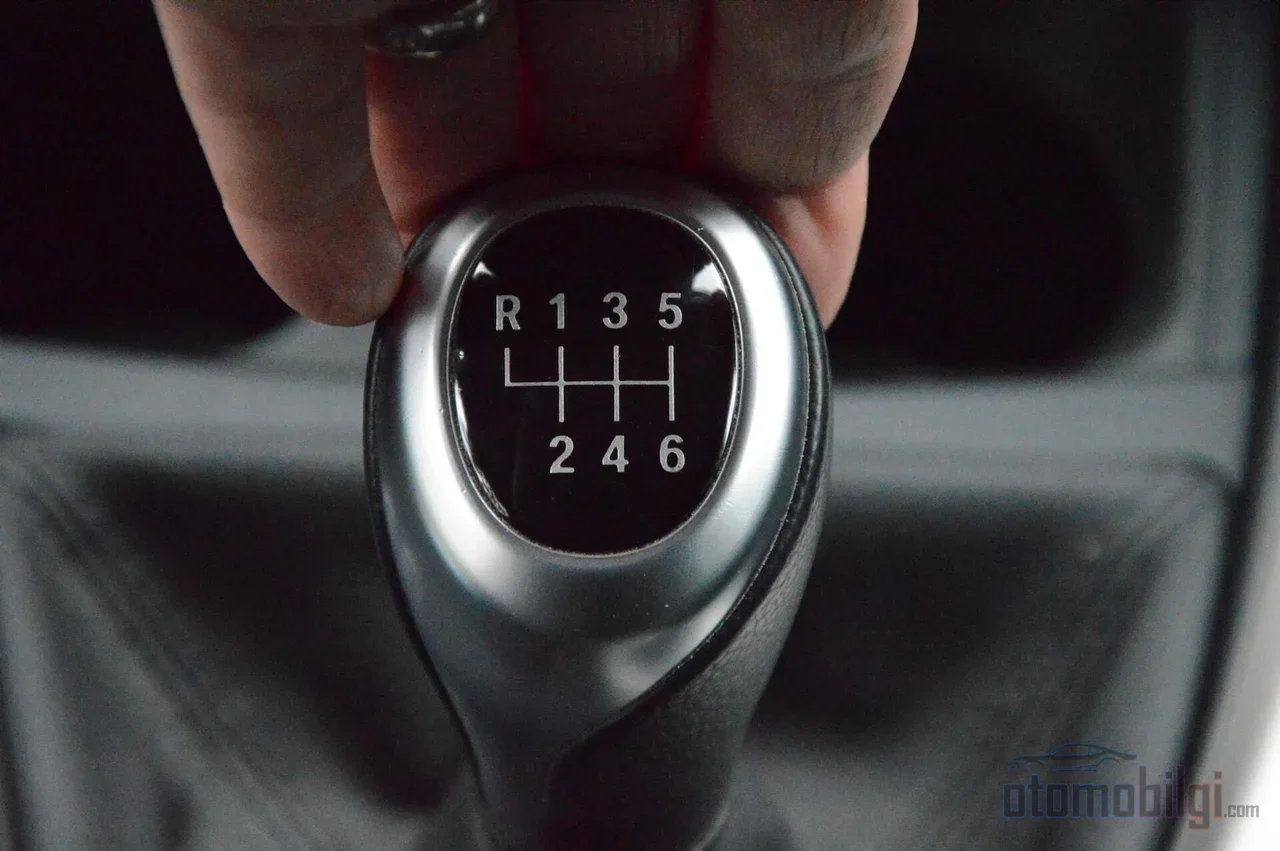
The secret of economical driving lies not in the pedal but in the revs: shifting up at 1,500-2,000 rpm in a diesel and 2,000-3,000 rpm in a gasoline car eats away at your fuel bit by bit.
At What RPM Should You Shift Gears? The Relationship Between RPM and Fuel Consumption
Deniz Erkan23 October 2026

In a manual transmission vehicle, for economical driving you generally need to shift up within the 2,000-3,000 rpm range; for diesel engines the lower end of this range is used (1,500-2,000 rpm), while for petrol and especially turbocharged engines t…

Read More
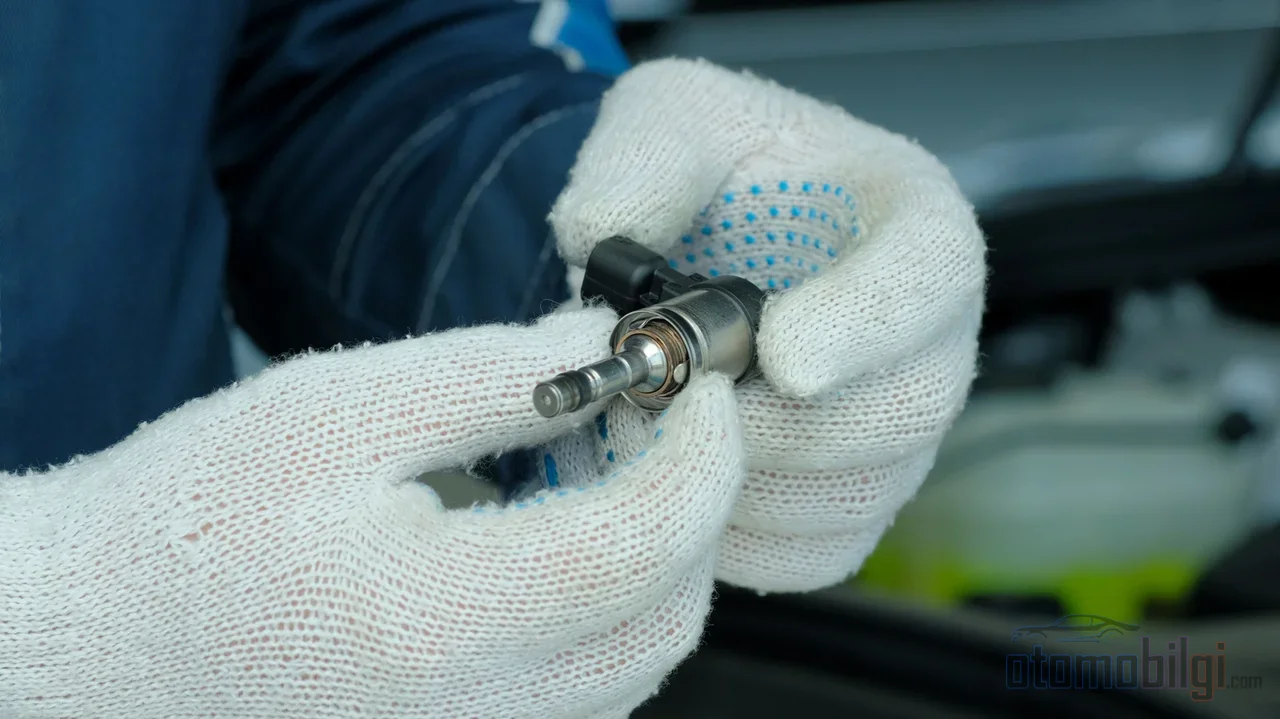
The fuel consumption recovered by injector cleaning averages only 1.5%; this is exactly where the gap between the 10-25% promises in advertising language and measurable reality begins.
Does Injector Cleaning Reduce Fuel Consumption?
Deniz Erkan23 October 2026

Yes, dirty injectors can increase fuel consumption - but there is a serious gap between the measurable reality and the 10-25% improvement promises you hear in marketing language. Independent and institutional data show that the consumption recovered …

Read More
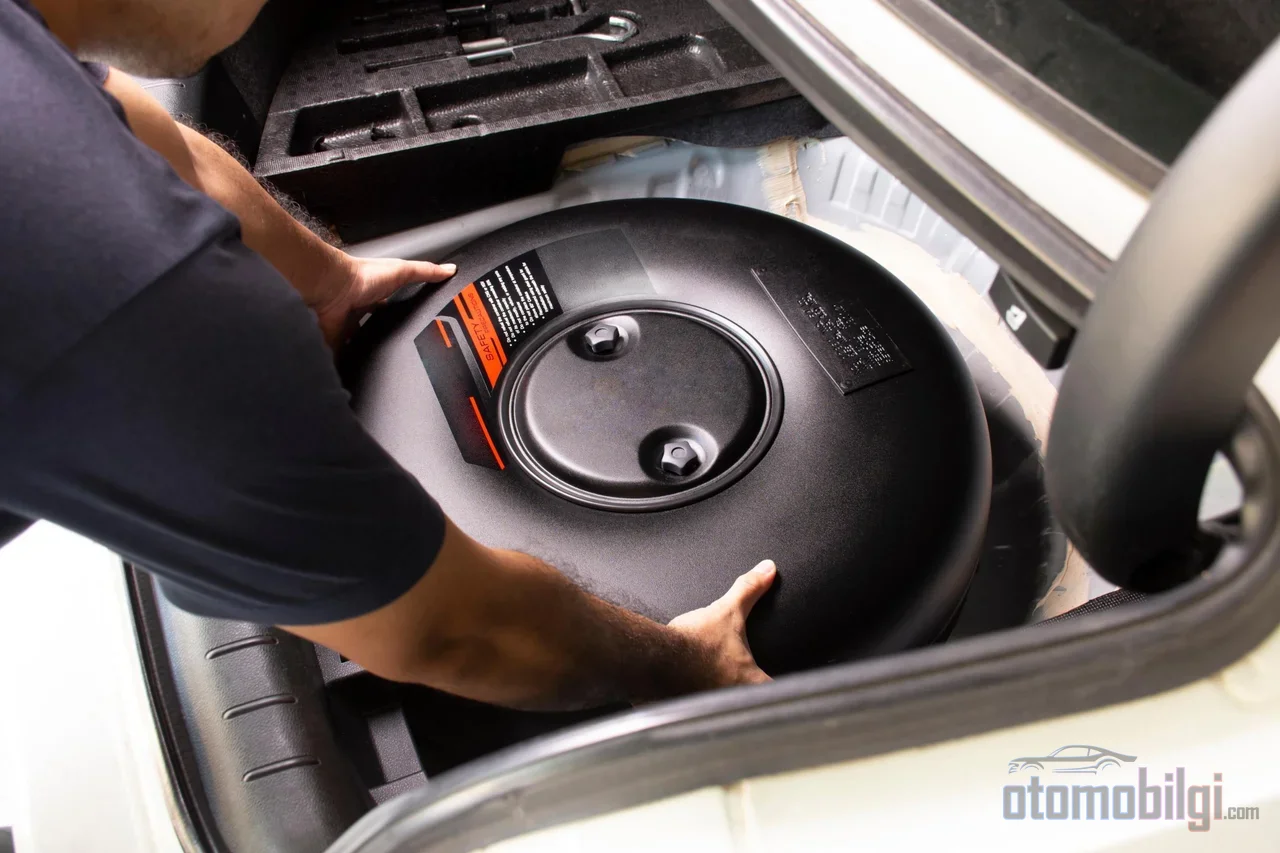
In gasoline vehicles converted to LPG, torque drops by an average of 5–9 percent; the main reason for the loss is the lower energy per liter.
Does LPG Reduce Engine Power?
Deniz Erkan22 October 2026

Yes, LPG causes a measurable power loss in most gasoline vehicles; however, this loss is not dramatic. Dynamometer measurements show a drop of about 5-9% in torque, and the main reason is that LPG contains less energy per liter than gasoline. Althoug…

Read More
Since air resistance increases with the square of speed, driving at 110 costs far more than driving at 90; the real enemy of your fuel is speed itself.
110 or 90? Why Does Fuel Consumption Increase as Speed Increases?
Deniz Erkan21 October 2026

Most gasoline cars reach their best fuel efficiency at around 90 km/h ; below this speed, engine and transmission inefficiency raise consumption, while above it, aerodynamic drag that increases quadratically pushes it up. In other words, as speed ris…

Read More
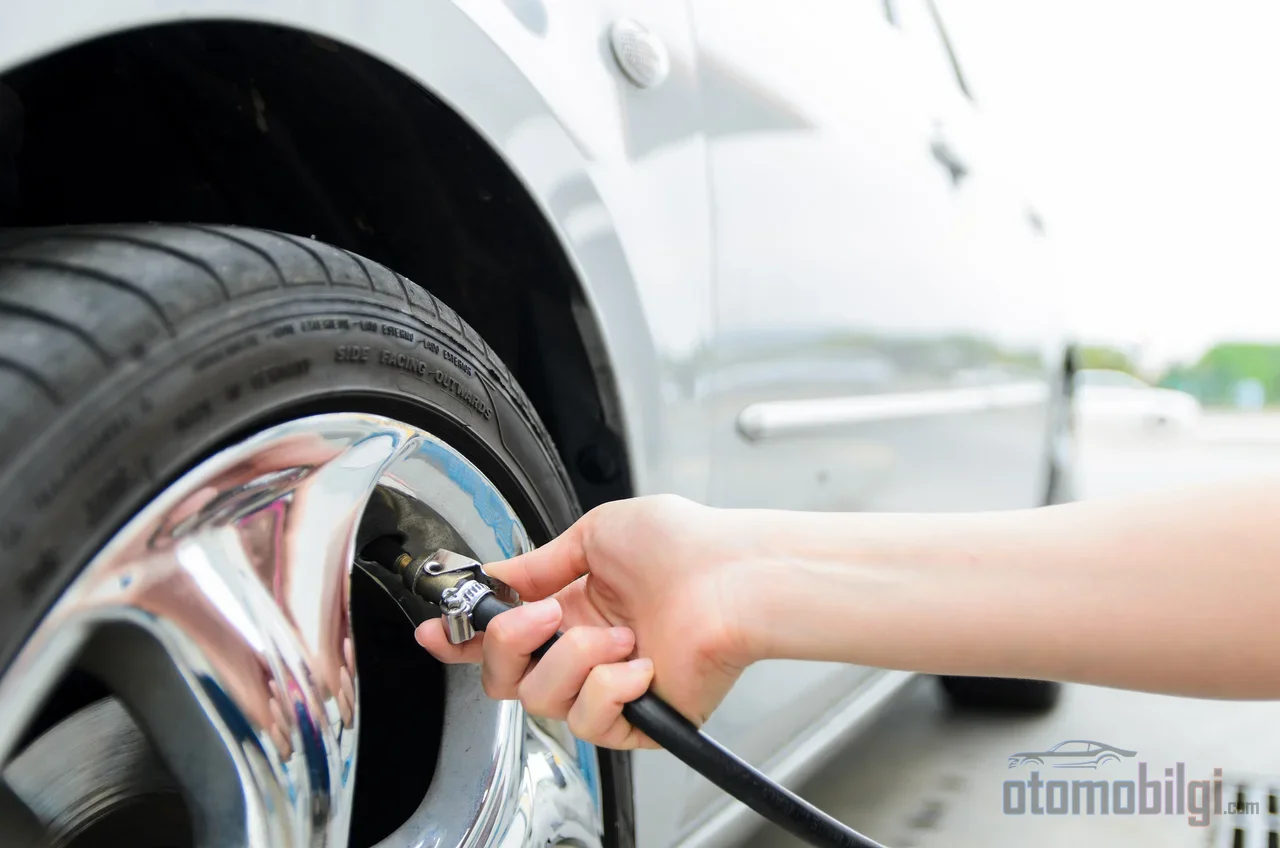
Every 1 PSI of underinflation across all four tires reduces fuel economy by 0.2-0.3%; a tire 8 PSI below the recommended pressure can increase consumption by up to 4%.
Does Tire Pressure Really Affect Fuel Consumption?
Deniz Erkan21 October 2026

Yes, tire pressure really does affect fuel consumption, and the effect is measurable: every 1 PSI of pressure deficiency across the four tires worsens fuel economy by approximately 0.2-0.3% while a tire falling 8 PSI below the recommended level incre…

Read More
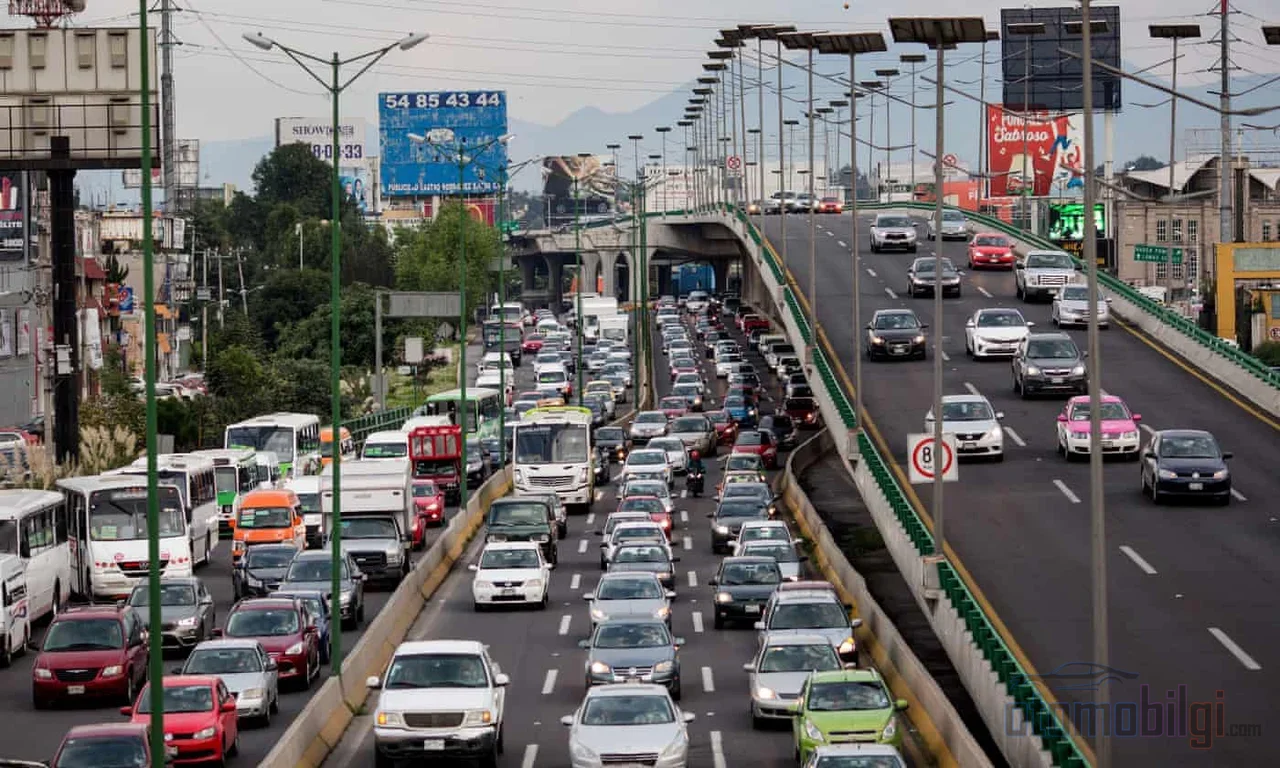
In stop-and-go traffic, a diesel turns into a chain of costs that converts the savings at the pump into repair bills.
Why Does Using Diesel in the City End Up Costing More?
Deniz Erkan21 October 2026

When used in the city, a diesel engine reveals a much more expensive equation that covers not only fuel savings at the pump but also maintenance and repair items. Short distances and stop-and-go traffic systematically disrupt the constant load and hi…

Read More
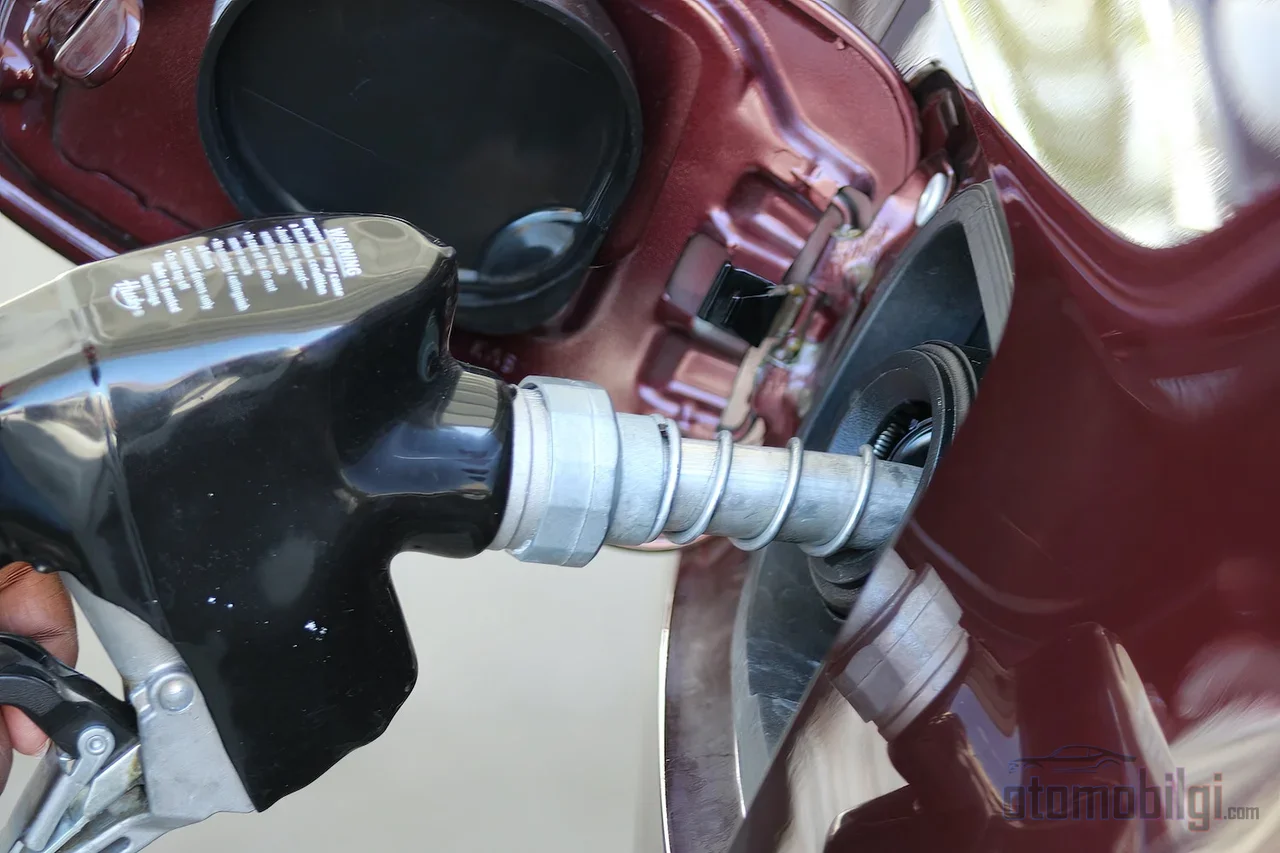
Thanks to the closed fuel tank and EVAP system, the myth of gasoline evaporating and disappearing in hot weather - measurable loss only occurs in case of a malfunction.
Does Fuel Evaporation Really Increase Consumption?
Deniz Erkan20 October 2026

In a modern vehicle, fuel does not measurably disappear by evaporating in the tank: the sealed tank system and the EVAP system, which captures the vapors and sends them to the engine, reduce this loss to practically zero under normal conditions. Meas…

Read More
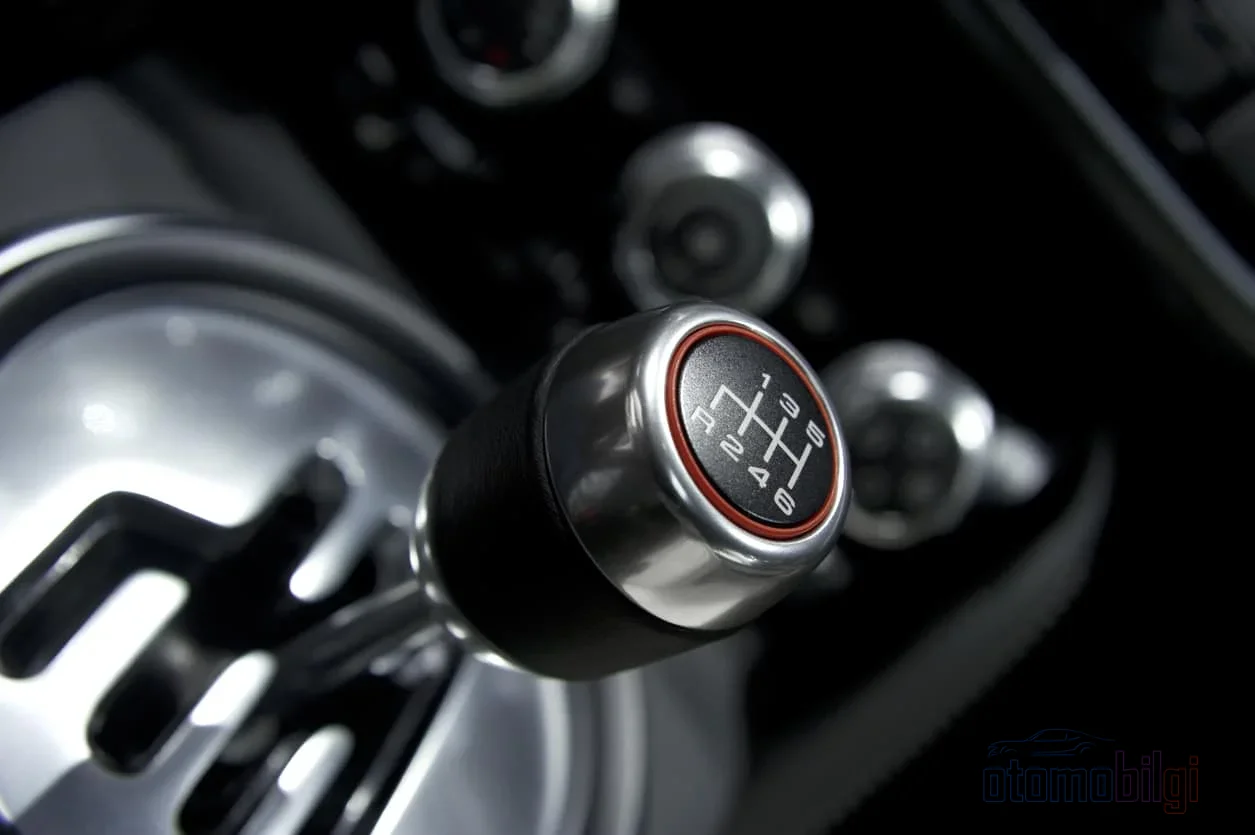
Since 2016, multi-speed automatic transmissions have surpassed manuals; today, fuel consumption is determined not by the gearbox, but by driving style.
Manual or Automatic? The Effect of the Transmission on Fuel Consumption
Deniz Erkan19 October 2026

A manual transmission consumes less fuel than it used to; however, this information has largely lost its validity since the 2016 model year. Since that date, automatic transmissions have become more economical than most of their manual counterparts t…

Read More
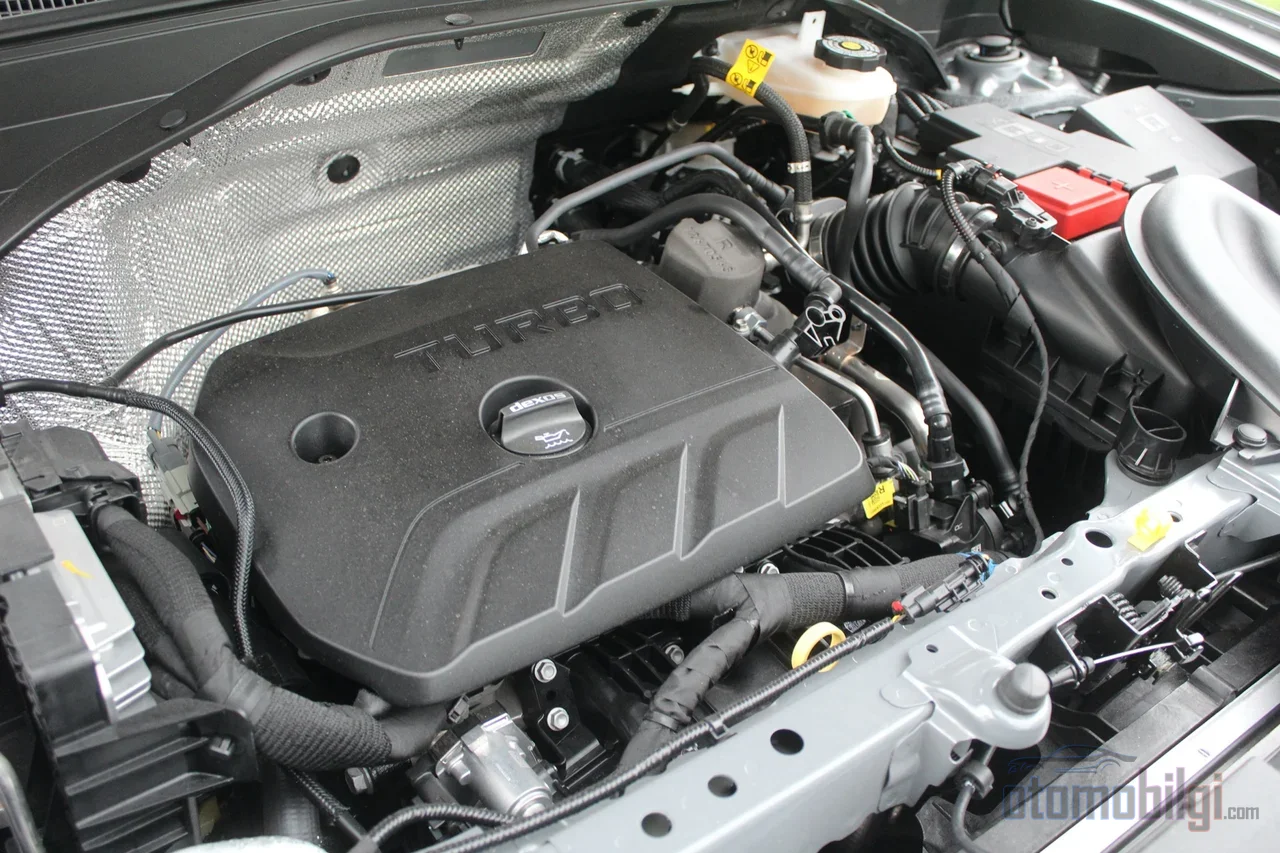
A small engine only burns little fuel when it is never pushed hard; in the city, with a full load, or at high altitude, it can consume more than a large naturally aspirated engine.
Does a Small Engine Burn Less Fuel? The Truth About Low Displacement and Turbo
Deniz Erkan19 October 2026

A small engine doesn't always burn less fuel. Downsized engines are based on the logic of reducing the energy the engine expends while doing its own work: less displacement means a smaller air-fuel mixture per cycle. This gain only materializes when …

Read More
The true measure is the lab in the brochure, the average is in the gauge, the sensors; but your truth lies only in the figure that comes out of the pump.
How Do You Calculate Your Car's Real Fuel Consumption?
Deniz Erkan18 October 2026

The most reliable way to calculate your car's real fuel consumption is the pump-kilometer method: fill the tank completely, reset the trip meter, drive normally until the tank is nearly empty, and at the next fill-up divide the fuel you added by the …

Read More
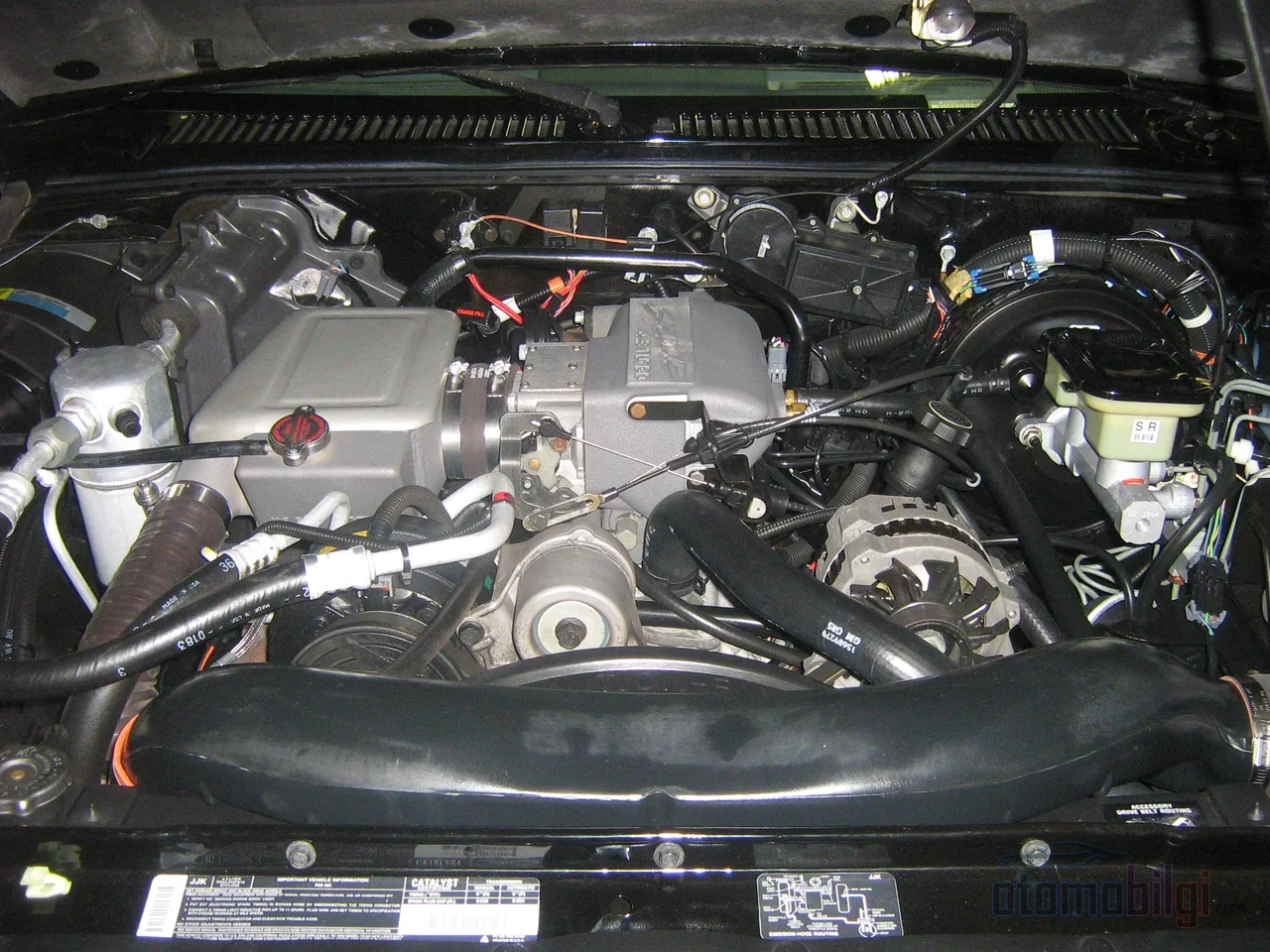
The savings promised in the catalog are only achievable on the road if the engine is kept exactly within the narrow rev range used for the measurement.
New Engines Burn Less Fuel Than Older Ones, But Is That Really True?
Deniz Erkan18 October 2026

No, not exactly. Fuel-saving technologies in modern engines do genuinely reduce consumption measured under laboratory conditions; however, in everyday use, the gains they provide can fall far below the figures written in the catalog values. The reaso…

Read More
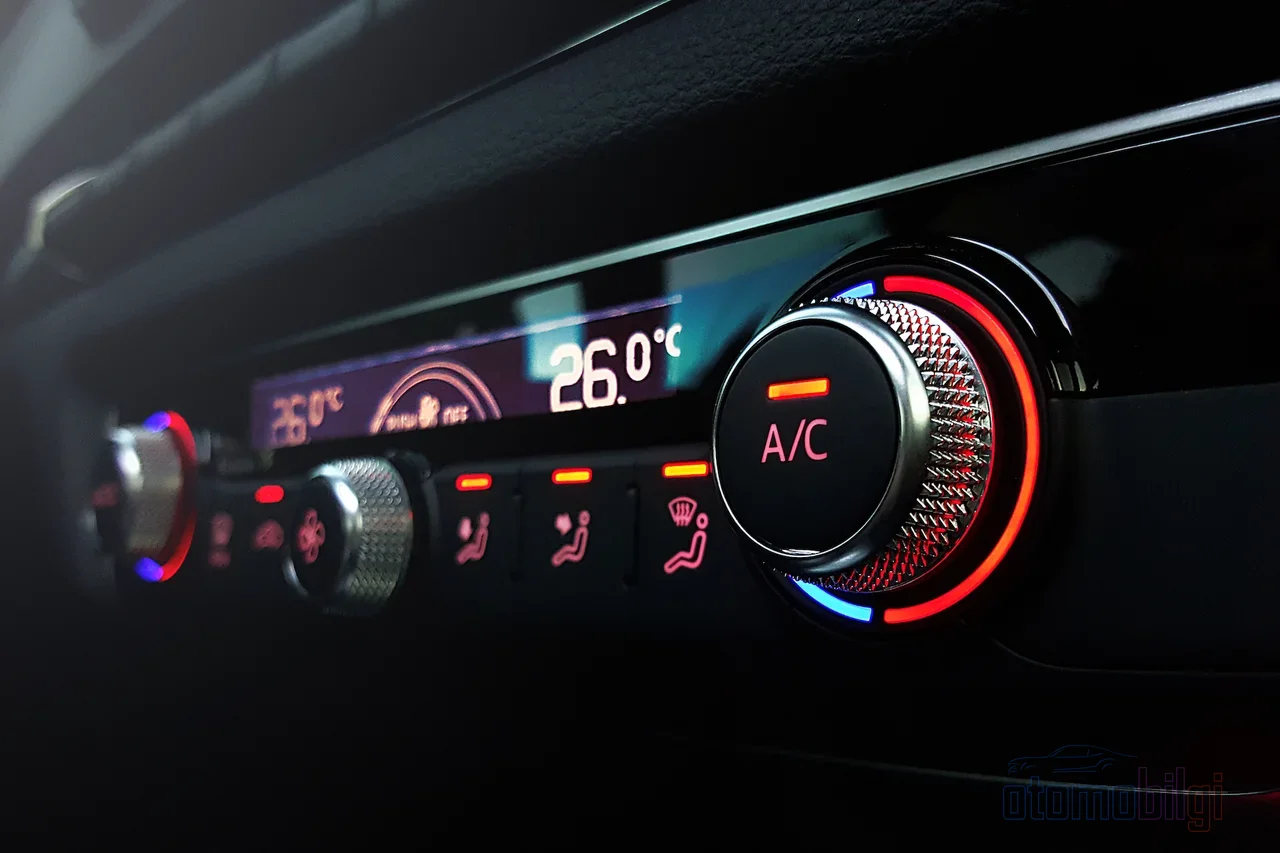
Invisible loads like the air conditioning, idling, and the roof box consume measurable amounts of your fuel without you ever noticing.
Air Conditioning, Idling, and Loads: The Car's Hidden Fuel Consumers
Deniz Erkan17 October 2026

Your car's fuel isn't consumed only by the engine and your right foot. The A/C compressor, an engine idling away, the aerodynamic penalty of a roof box, low tire pressure, and electrical equipment paid for by the alternator are hidden consumers that …

Read More
  • 1
  • 2
  • Next

Category Editor

Deniz Erkan

Deniz Erkan

One of the most important habits my profession as a mechanical engineer has given me is looking not only at a system's outcome, but also at how and why it works. My interest in automobiles is also fueled by this perspective. For me, a car is not just design, performance, or comfort; it is a holistic system where mechanics, electronics, software, and engineering come together.

Over time, I combined my engineering background with software development. The intersection of these two fields has allowed me to look at modern automobiles from a more integrated perspective. I follow the world of automobiles, from engines and suspension to driver assistance systems and software technologies, through the eyes of both an engineer and a car enthusiast.

My aim at Otomobilgi.com is to explain technical subjects in a language that preserves engineering accuracy and keeps curiosity about cars alive, without drowning them in unnecessary complexity. Because for me, a good car is not merely beautiful or fast; it is a special work that conveys design, technology, and driving character as a whole.

Follow Us on Social Media

Share This Page

Follow Us on Social Media

  • About Us
  • KVKK Disclosure Statement
  • Privacy Policy
  • Contact
Otomobilgi.com
INDEPENDENT AUTOMOBILE CULTURE PLATFORM
Powered by Virgo CMS