Otomobilgi.comOtomobilgi.com
  • Türkçe
  • English
  • Deutsch
  • Français
  • Italiano
  • Español
  • Português
  • Polski
  • Magyar
  • Azərbaycanca
  • Bahasa Indonesia
  • Русский
  • 中文
  • 日本語
  • 한국어
  • हिन्दी
  • বাংলা
  • العربية
  • فارسی
  • Türkçe
  • English
  • Deutsch
  • Français
  • Italiano
  • Español
  • Português
  • Polski
  • Magyar
  • Azərbaycanca
  • Bahasa Indonesia
  • Русский
  • 中文
  • 日本語
  • 한국어
  • हिन्दी
  • বাংলা
  • العربية
  • فارسی
  • HOME PAGE
  • NEWS
    Turkish Automotive Industry News
    Global Automotive Industry News
    Turkish Motorsports News
    Global Motorsports News
  • INTERNAL COMBUSTION
    Internal Combustion Models
    Internal Combustion Engine Technologies
    Fuel and Consumption
    Emission and Environment
    Internal Combustion Ownership
    History of the Internal Combustion Automobile
  • ELECTRIC
    Electric Models
    Electric Car Technologies
    Charging and Infrastructure
    Battery Technology
    Range and Consumption
    Electric Vehicle Ownership
    History of the Electric Car
  • HYBRID
    Hybrid Models
    Hybrid Systems
    Battery and Charging
    Consumption and Efficiency
    Hybrid Ownership
    History of Hybrid Cars
  • TECHNOLOGY
    Driver Assistance Systems
    Safety Technologies
    Lighting and Visibility Technologies
    Infotainment and Connectivity
    Autonomous Driving and Artificial Intelligence
    Future Technologies
  • GUIDES
    Buying Guides
    Sales Guides
    Maintenance and Use
    Ownership and Costs
    Tires and Wheels
    Insurance and Inspection
  • HISTORY & CULTURE
    Automobile History
    Iconic Models
    Classics and Collections
    Türkiye's Automobile Journey
    Automobile Design
    Cars and Popular Culture
  • MOTORSPORT
    Formula 1
    Rallying (WRC)
    Rallycross
    MotoGP
    Formula 2 & Formula 3
    Karting
    24 Hours of Le Mans
    WEC
    NASCAR
    IndyCar
    DTM
    GT Races
    Drift
    Drag Races
  • Türkçe
  • English
  • Deutsch
  • Français
  • Italiano
  • Español
  • Português
  • Polski
  • Magyar
  • Azərbaycanca
  • Bahasa Indonesia
  • Русский
  • 中文
  • 日本語
  • 한국어
  • हिन्दी
  • বাংলা
  • العربية
  • فارسی
  • Türkçe
  • English
  • Deutsch
  • Français
  • Italiano
  • Español
  • Português
  • Polski
  • Magyar
  • Azərbaycanca
  • Bahasa Indonesia
  • Русский
  • 中文
  • 日本語
  • 한국어
  • हिन्दी
  • বাংলা
  • العربية
  • فارسی
  1. HOME PAGE
  2. INTERNAL COMBUSTION
  3. Internal Combustion Engine Technologies

Internal Combustion Engine Technologies

Share This Page
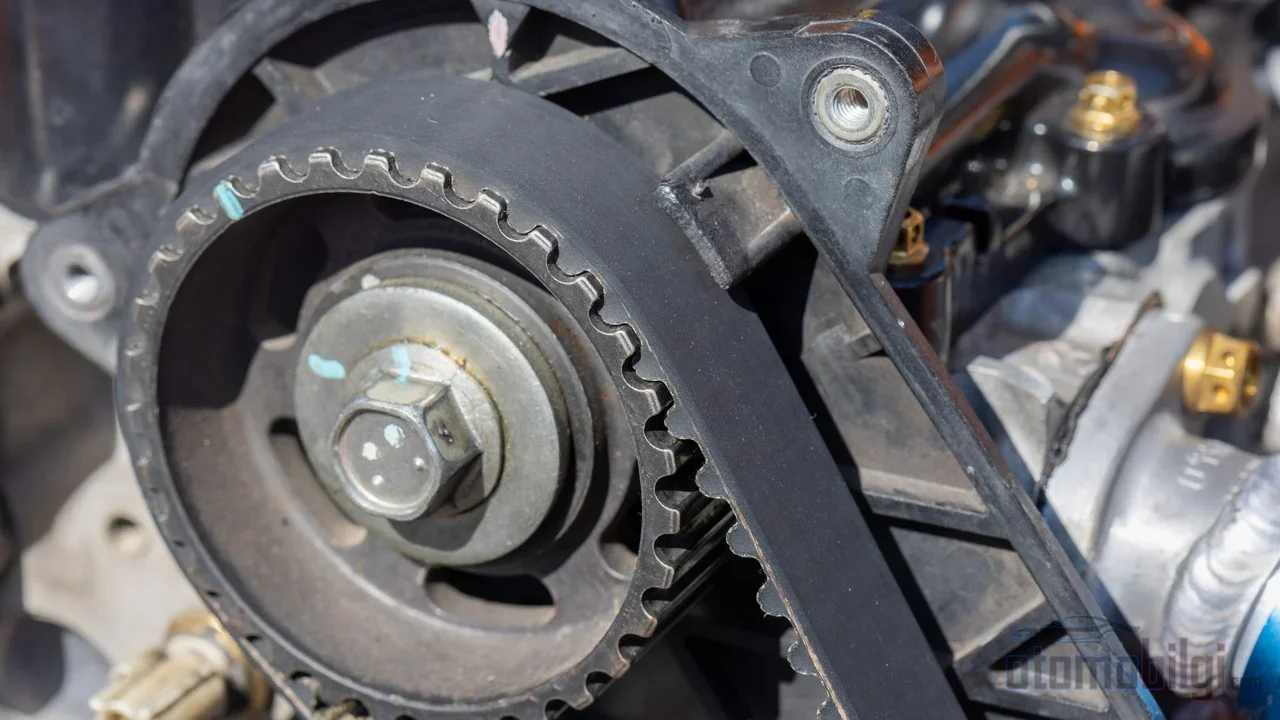
The real difference in the timing chain vs. timing belt question is not lifespan, but how a failure signals itself and how maintenance is planned.
Those Who Set the Engine's Heartbeat: Timing Chain and Timing Belt
Deniz Erkan23 October 2026

There is no single correct answer to the timing chain versus timing belt question: both synchronize the camshaft to the crankshaft, ensuring the valves open and close at the right moment. The chain operates inside the engine, lubricated by engine oil…

Read More
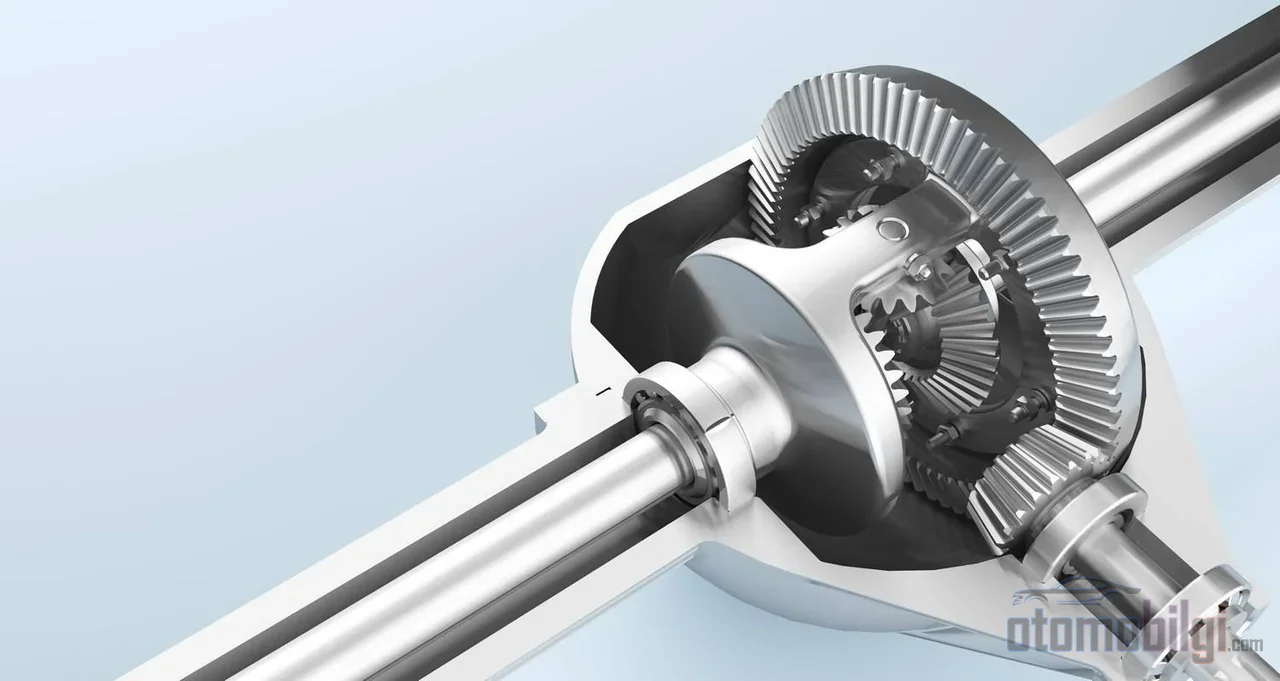
The outer wheel of a car entering a corner always travels a longer distance; the differential quietly manages exactly this speed difference.
How Does a Differential Distribute Power in Corners?
Deniz Erkan23 October 2026

The differential is a gear mechanism that splits the torque produced by the engine and transmits it to the two wheels on the same axle, allowing the wheels to rotate at different speeds from each other. When a car enters a corner, the outer wheel mus…

Read More
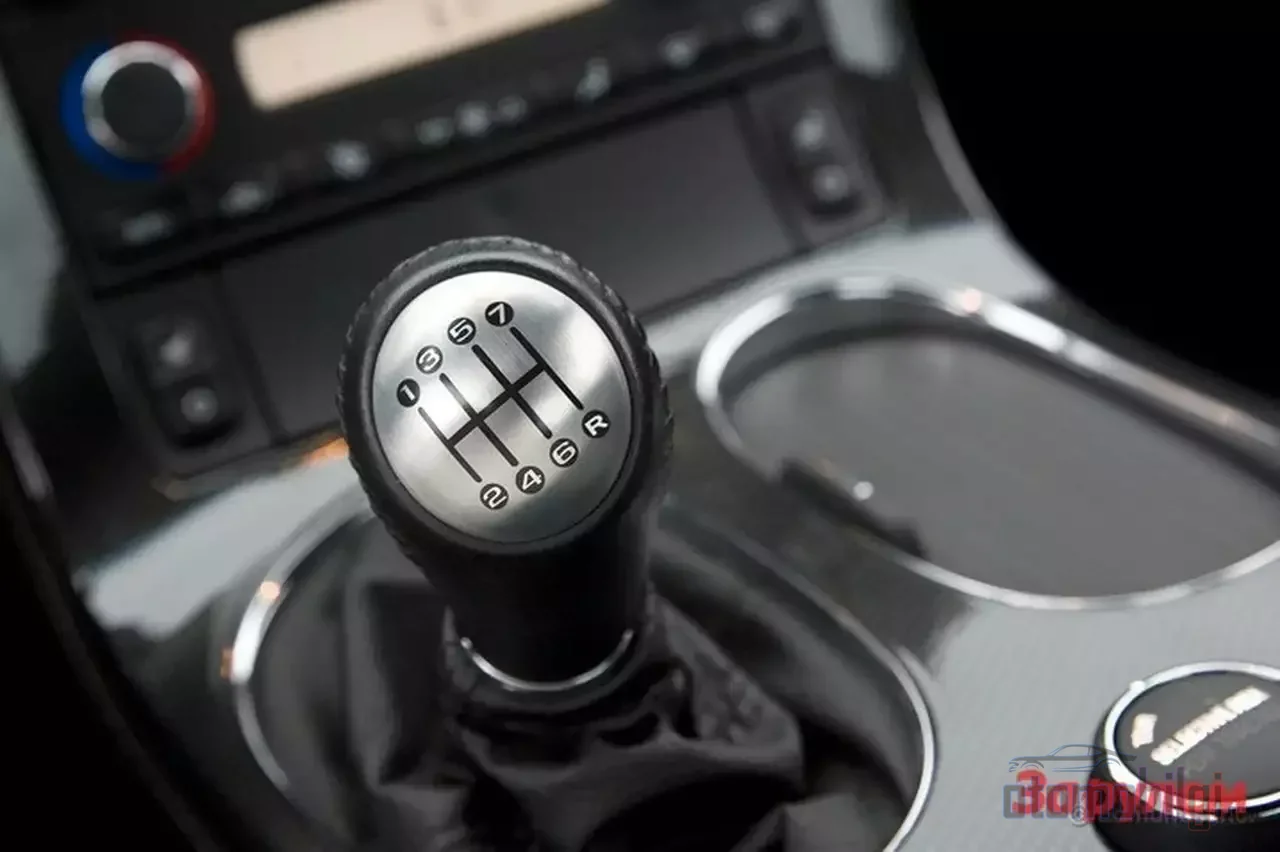
The gear count extended by the ON button keeps the engine in its most efficient rev range, both multiplying torque and lowering fuel consumption.
Why Does the Number of Gears Keep Increasing?
Deniz Erkan22 October 2026

The number of gears keeps increasing in order to keep the engine within the narrow RPM range where it produces its power and torque most efficiently: Ratios that get shorter toward first gear multiply torque at takeoff, while ratios that get longer t…

Read More
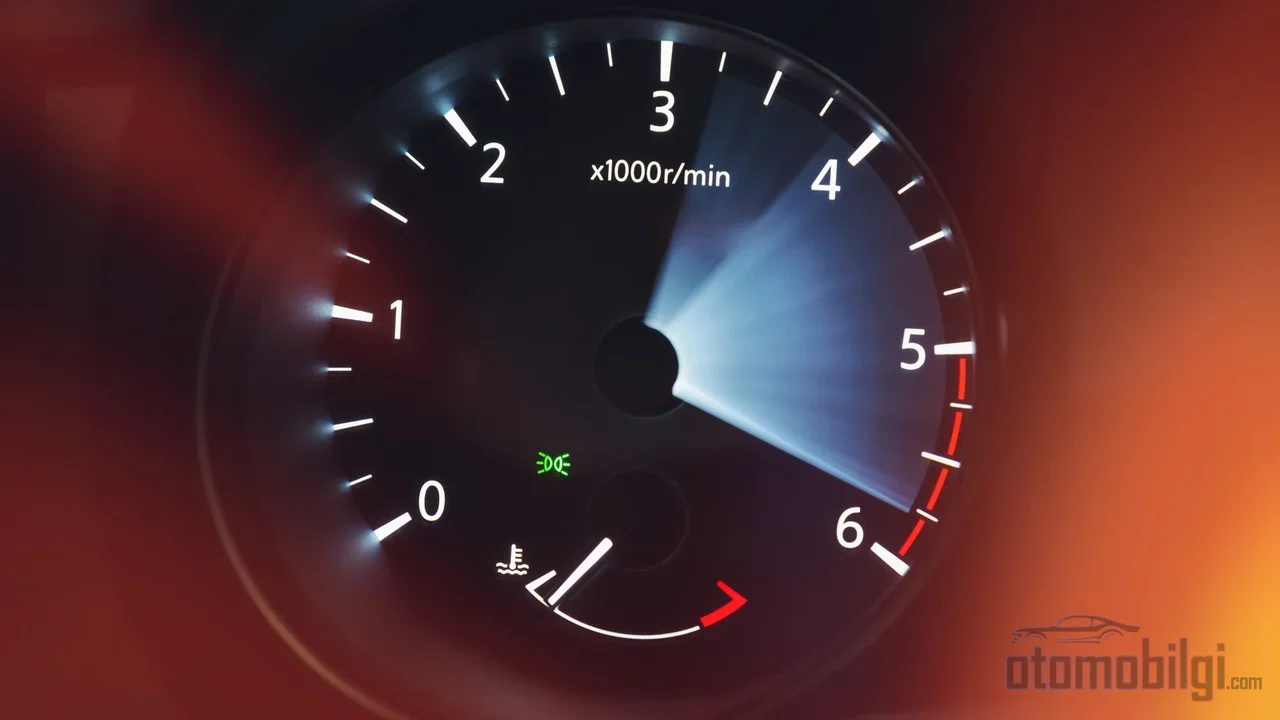
The red zone is not a decoration; it is that exact physical limit where the engine loses control and the piston exceeds the strength of the metal.
Why Does the Red Zone Engine Protect? The Story of the Rev Limiter
Deniz Erkan21 October 2026

The red zone on the tachometer shows the maximum rpm the engine can reach without damaging its internal components; operating above this limit triggers a series of mechanical risks, from valves losing control to crankshaft bearing wear. Manufacturers…

Read More
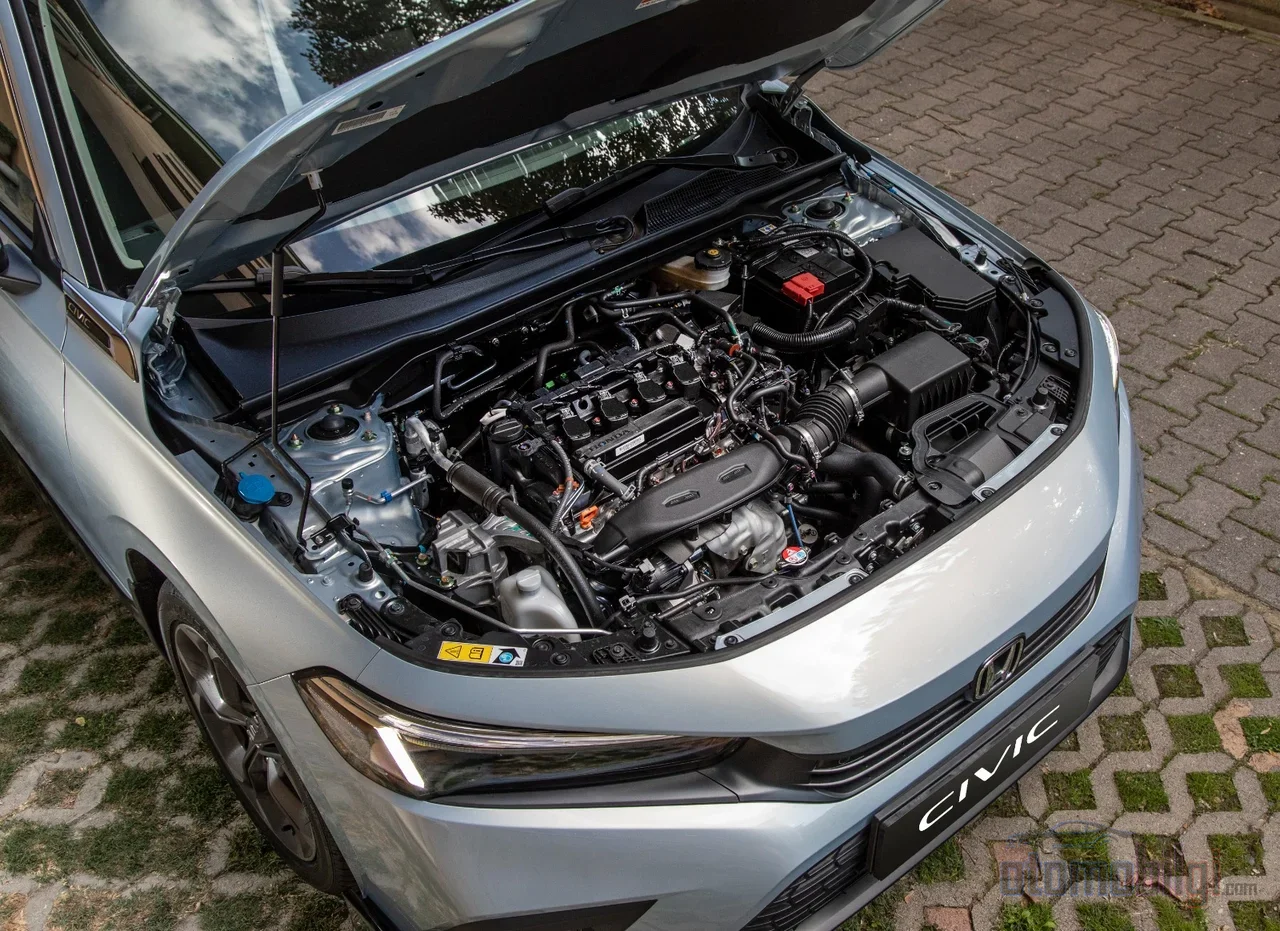
LPG's 100-octane combustion character doesn't reinvent the engine; it only leaves its mark on the compression ratio, valve seats, and software.
How Similar Are Factory-Fitted LPG Engines to Petrol Engines?
Deniz Erkan21 October 2026

A factory-fitted LPG engine is not an exact copy of the petrol engine, but it is not a completely different engine either: the engine block, pistons, ignition and lubrication systems remain the same; the differences concentrate on points that touch L…

Read More
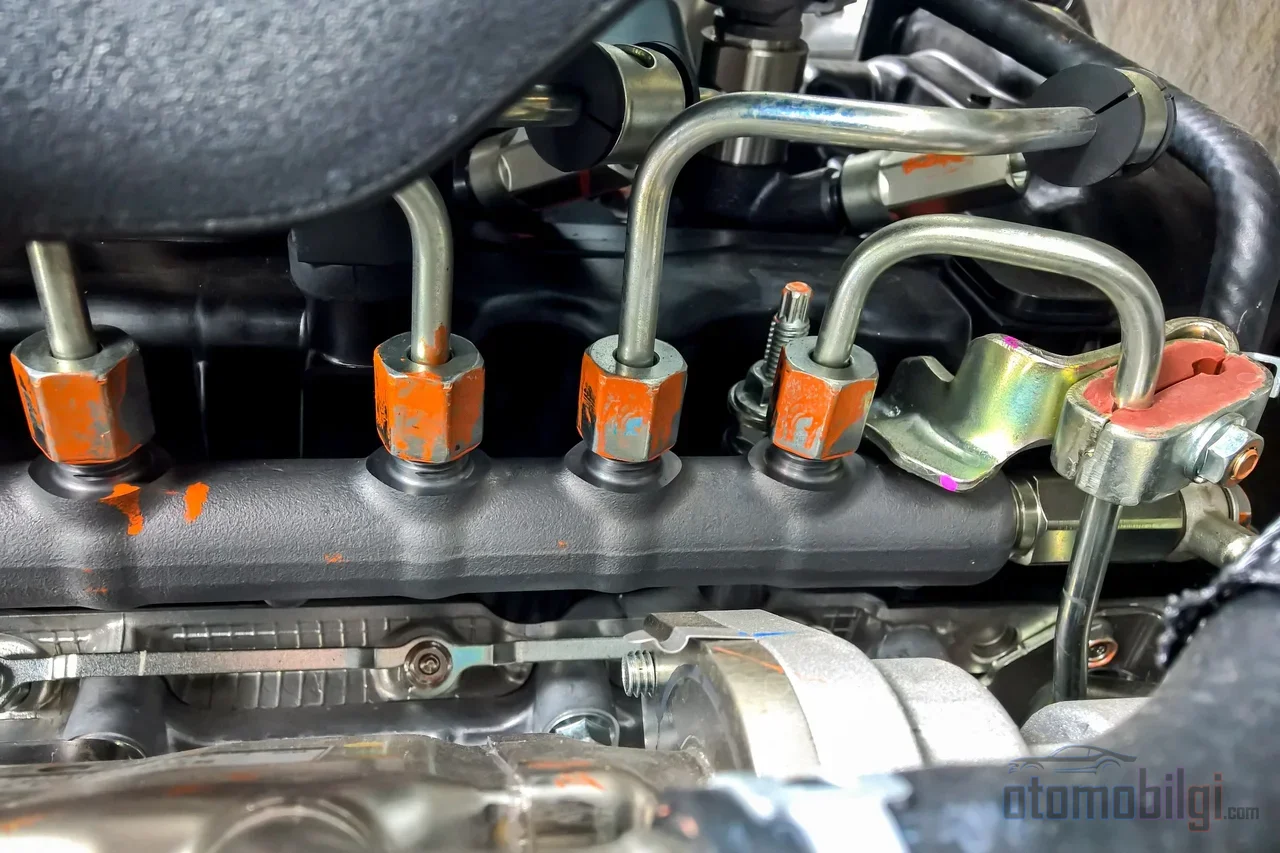
Common rail technology, capable of five separate injections in a single cycle, freed diesel from its famous clatter and turned it into a quiet and efficient engine.
How Did Common Rail Make the Diesel Quiet?
Deniz Erkan21 October 2026

Common rail injection is a diesel fuel system that collects high-pressure fuel in a single accumulator rail shared by all injectors and electronically manages both the timing and the quantity of injection. This structure replaced the old setup in whi…

Read More
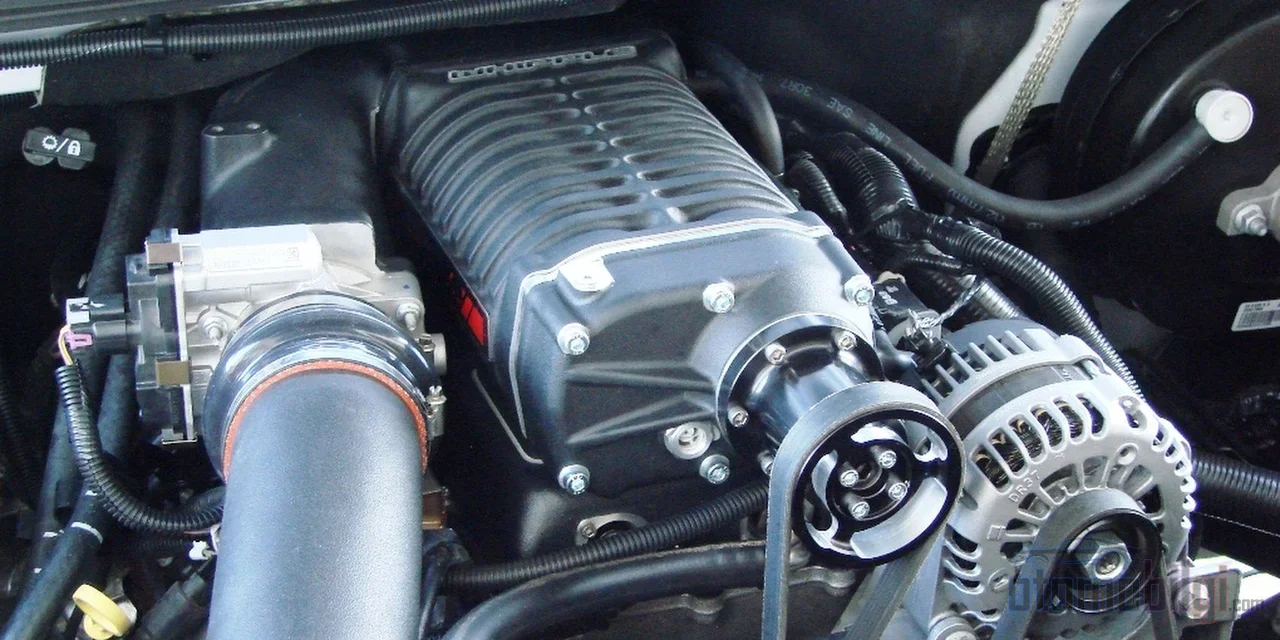
A supercharger that draws power from the crankshaft extracts more power from the same displacement without ever experiencing that lag that a turbocharger causes.
How Does a Supercharger Do What a Turbo Can't?
Deniz Erkan20 October 2026

A supercharger is a forced induction system that compresses the air entering the engine, allowing more power to be extracted from the same engine displacement; unlike a turbocharger, it draws mechanical power directly from the crankshaft instead of u…

Read More
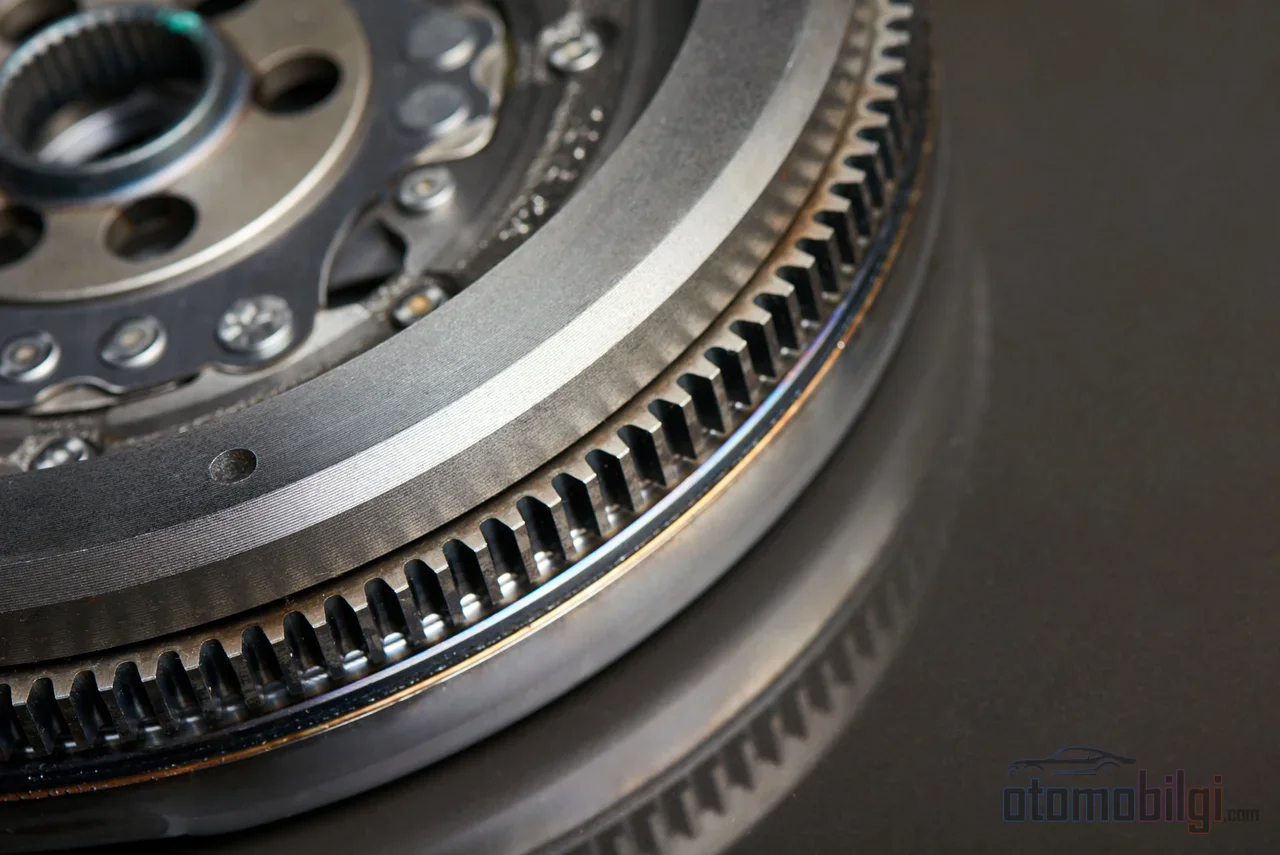
A dual-mass flywheel is like a silent absorber that eliminates the harsh vibrations of the diesel engine in its springs before they reach the transmission.
How Does a Dual-Mass Flywheel Absorb Vibration?
Deniz Erkan19 October 2026

A dual-mass flywheel is a type of flywheel consisting of two separate masses that damps the torsional vibrations coming from the engine before transmitting them to the transmission and the driveline. Its primary mass works connected to the crankshaft…

Read More
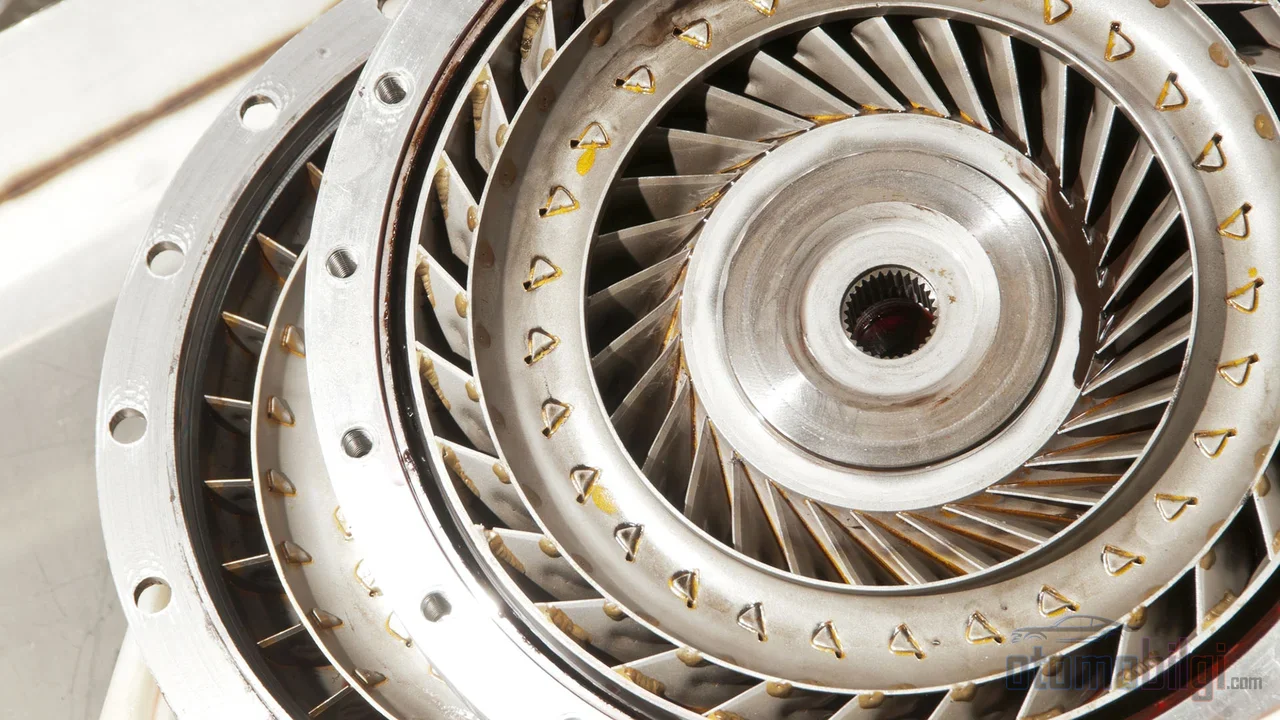
The torque converter does all three jobs of the clutch in a single unit: it disconnects, smoothly connects, and multiplies the engine's torque by up to 2.5 times at launch.
What Does a Torque Converter Replace the Clutch With in Automatics?
Deniz Erkan19 October 2026

A torque converter is a hydrodynamic power transmission element that replaces the mechanical clutch in a classic automatic transmission, positioned between the engine and the transmission; it transmits torque without stalling the engine when the vehi…

Read More
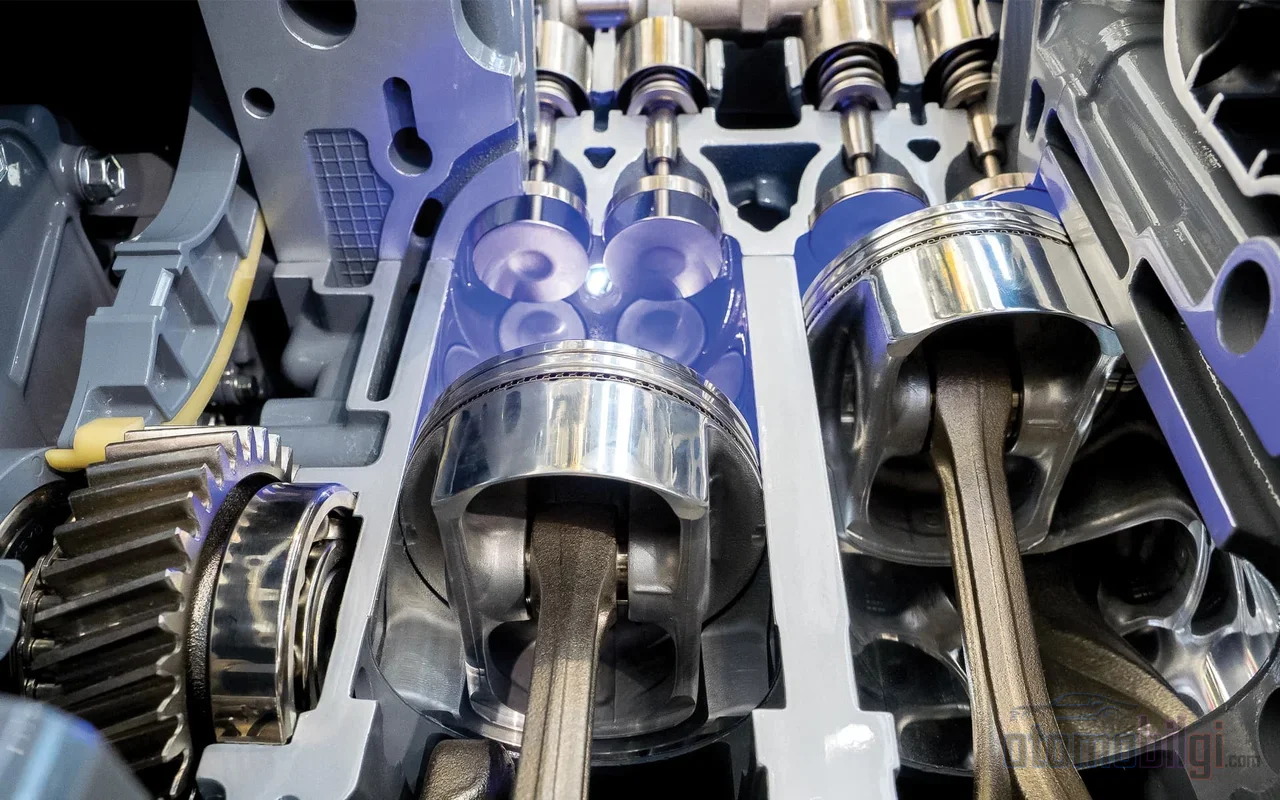
This engine, which fires only once every two crankshaft revolutions, throws the piston up and down dozens of times in a single second and gets its work out of that single spark.
What Happens Inside a Four-Stroke Engine in a Single Second?
Deniz Erkan18 October 2026

In a four-stroke engine, a single second is an intense mechanical sequence: the piston makes dozens of complete back-and-forth travels between top and bottom dead center, the valves open and close with flawless timing, and combustion produces work on…

Read More
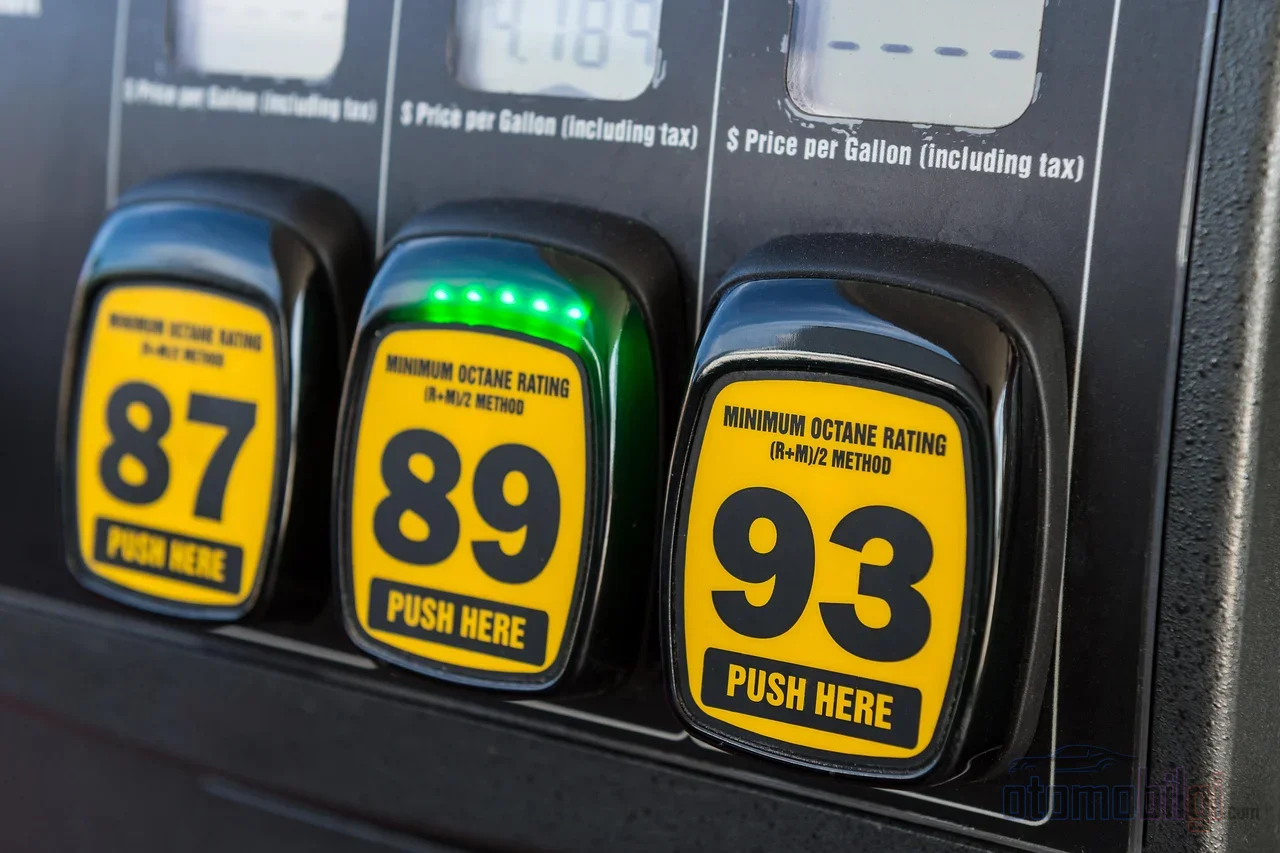
Octane rating does not add power to an engine; it merely allows that power to be released safely in high-compression engines.
Octane Rating: Does It Add Power or Take It Away?
Deniz Erkan17 October 2026

Octane rating does not add power to the engine; it is a stability indicator measuring the fuel's resistance to self-ignition under compression. What determines power is how much the engine compresses the mixture. High-octane gasoline merely allows th…

Read More
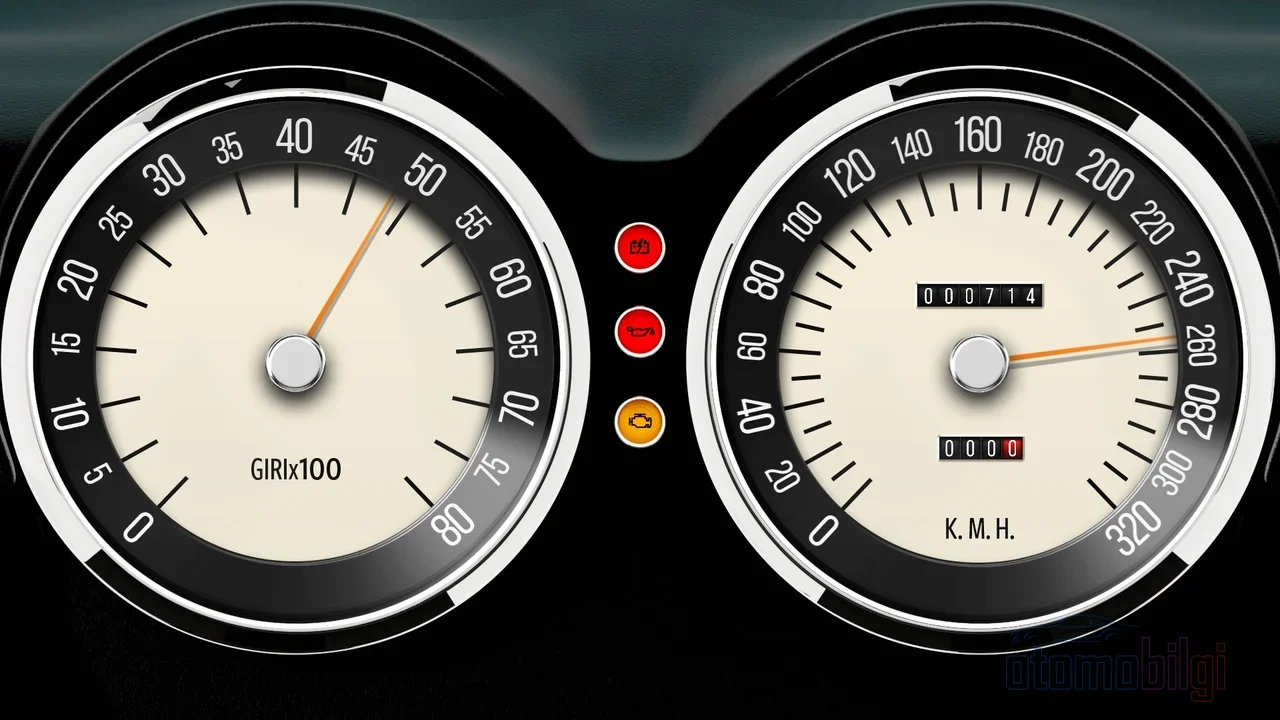
An engine's character is determined by where its torque curve peaks: low revs mean economy and comfort, high revs mean pure performance.
Low RPM or High RPM? Reading Engine Character
Deniz Erkan16 October 2026

There is no single universal answer to the question of low RPM versus high RPM; which one is "better" depends on where the engine's torque curve peaks across the rev range and on the vehicle's intended use. In short: an engine that produces torque at…

Read More
  • 1
  • 2
  • 3
  • Next

Category Editor

Deniz Erkan

Deniz Erkan

One of the most important habits my profession as a mechanical engineer has given me is looking not only at a system's outcome, but also at how and why it works. My interest in automobiles is also fueled by this perspective. For me, a car is not just design, performance, or comfort; it is a holistic system where mechanics, electronics, software, and engineering come together.

Over time, I combined my engineering background with software development. The intersection of these two fields has allowed me to look at modern automobiles from a more integrated perspective. I follow the world of automobiles, from engines and suspension to driver assistance systems and software technologies, through the eyes of both an engineer and a car enthusiast.

My aim at Otomobilgi.com is to explain technical subjects in a language that preserves engineering accuracy and keeps curiosity about cars alive, without drowning them in unnecessary complexity. Because for me, a good car is not merely beautiful or fast; it is a special work that conveys design, technology, and driving character as a whole.

Follow Us on Social Media

Share This Page

Follow Us on Social Media

  • About Us
  • KVKK Disclosure Statement
  • Privacy Policy
  • Contact
Otomobilgi.com
INDEPENDENT AUTOMOBILE CULTURE PLATFORM
Powered by Virgo CMS