GT Races
Share This Page
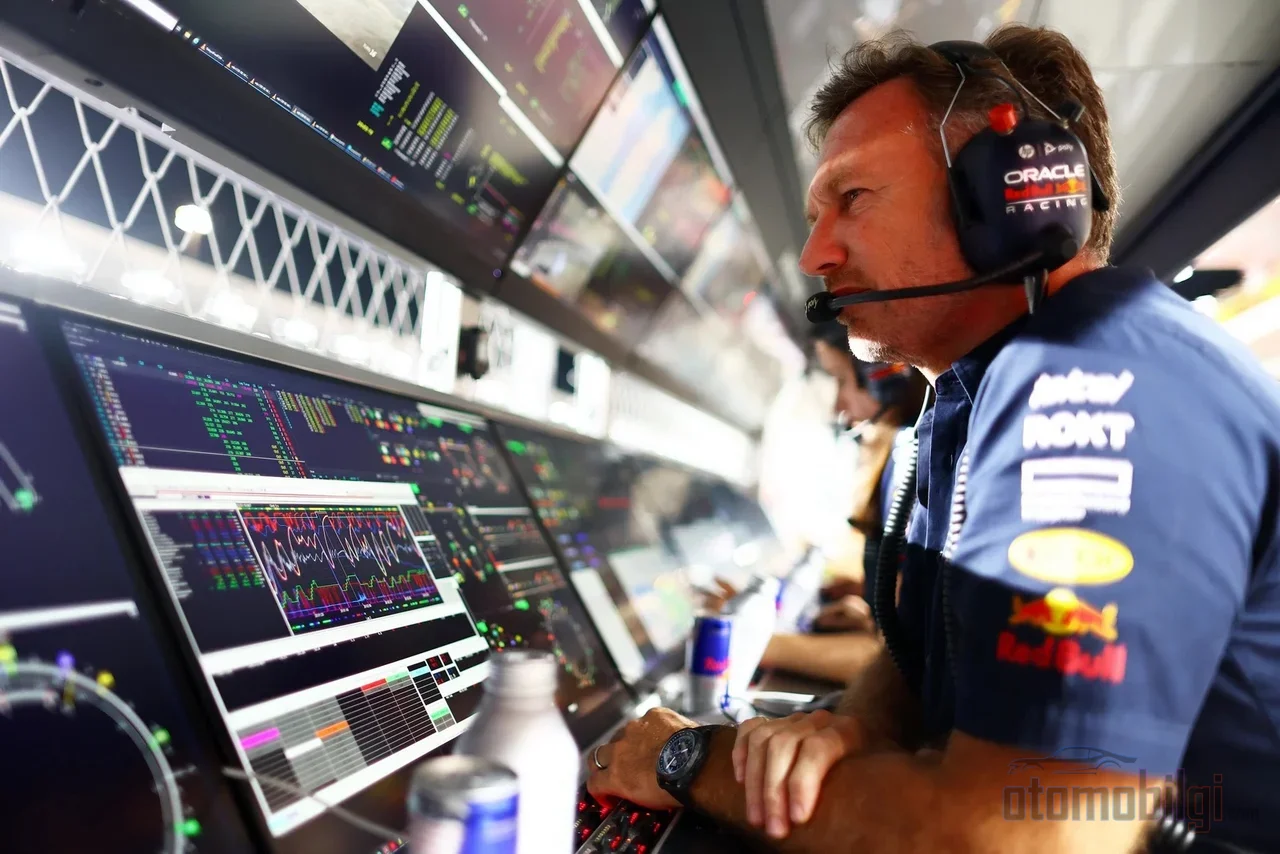
How Does Telemetry Give Teams an Advantage in GT Racing?
In GT racing the cars are almost identical to one another; so why do some teams still finish ahead every time? The answer usually lies not in engine power or wing angle, but in how telemetry data is collected and interpreted correctly. Because the Ba…
Read More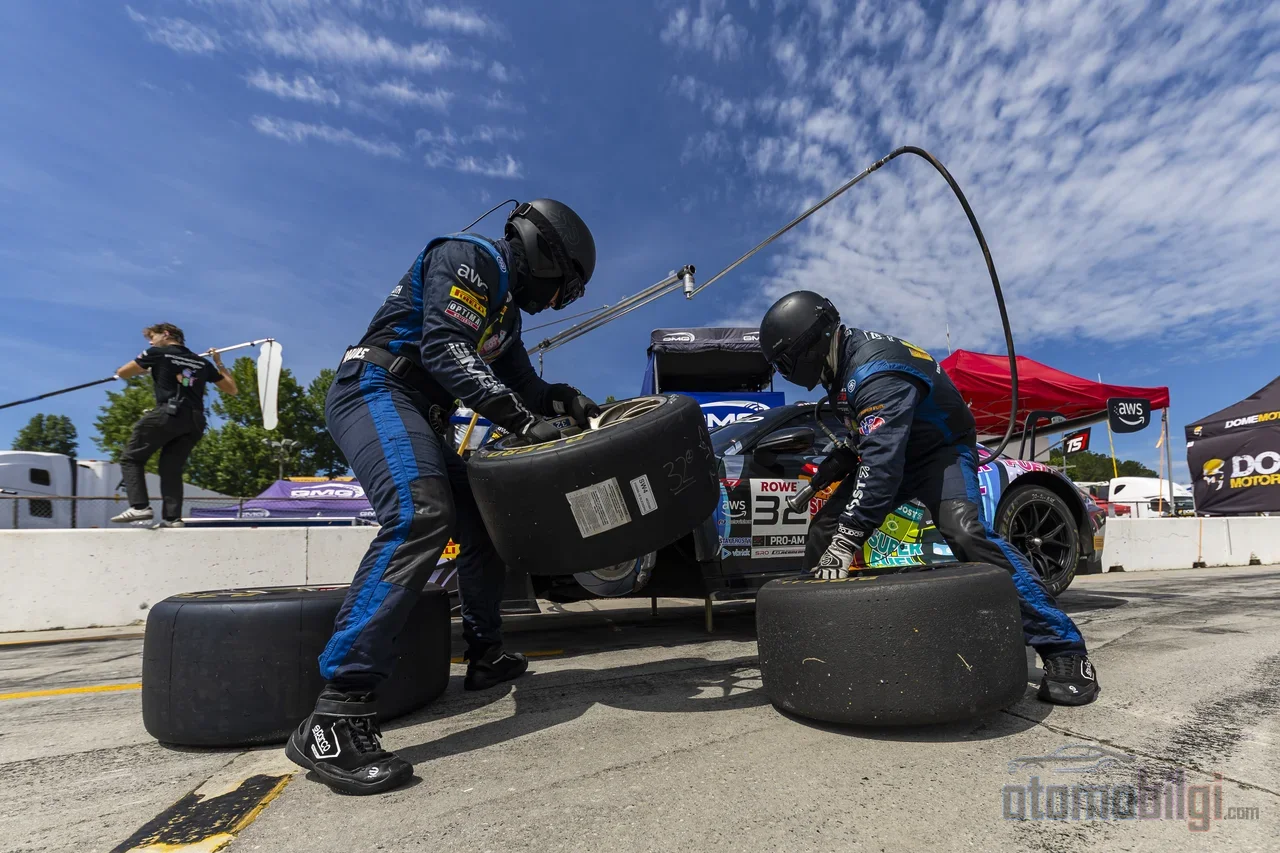
Tire Management Can Decide the Winner in GT Races
Tire management in GT racing is one of the most important strategic resources that determines the outcome of the race: just as much as the car's speed, how well you use the tire also determines the winner. Since BoP brings every car closer together, …
Read More
IMSA, GT World Challenge and Super GT: The Same Cars, Different Rules
The same GT3 car runs in GT World Challenge in Europe, in IMSA's GTD class in North America, and on Super GT's GT300 grid in Japan; but in each series with different rules, a different Balance of Performance (BoP) approach, different tires and differ…
Read More
How the Iron Dames Changed the Place of Female Drivers in GT Racing?
Iron Dames is a GT racing team founded by Deborah Mayer in 2019, made up entirely of women and competing directly against male rivals in mixed championships. With their neon pink cars, they became the first all-female team to take a class victory in …
Read More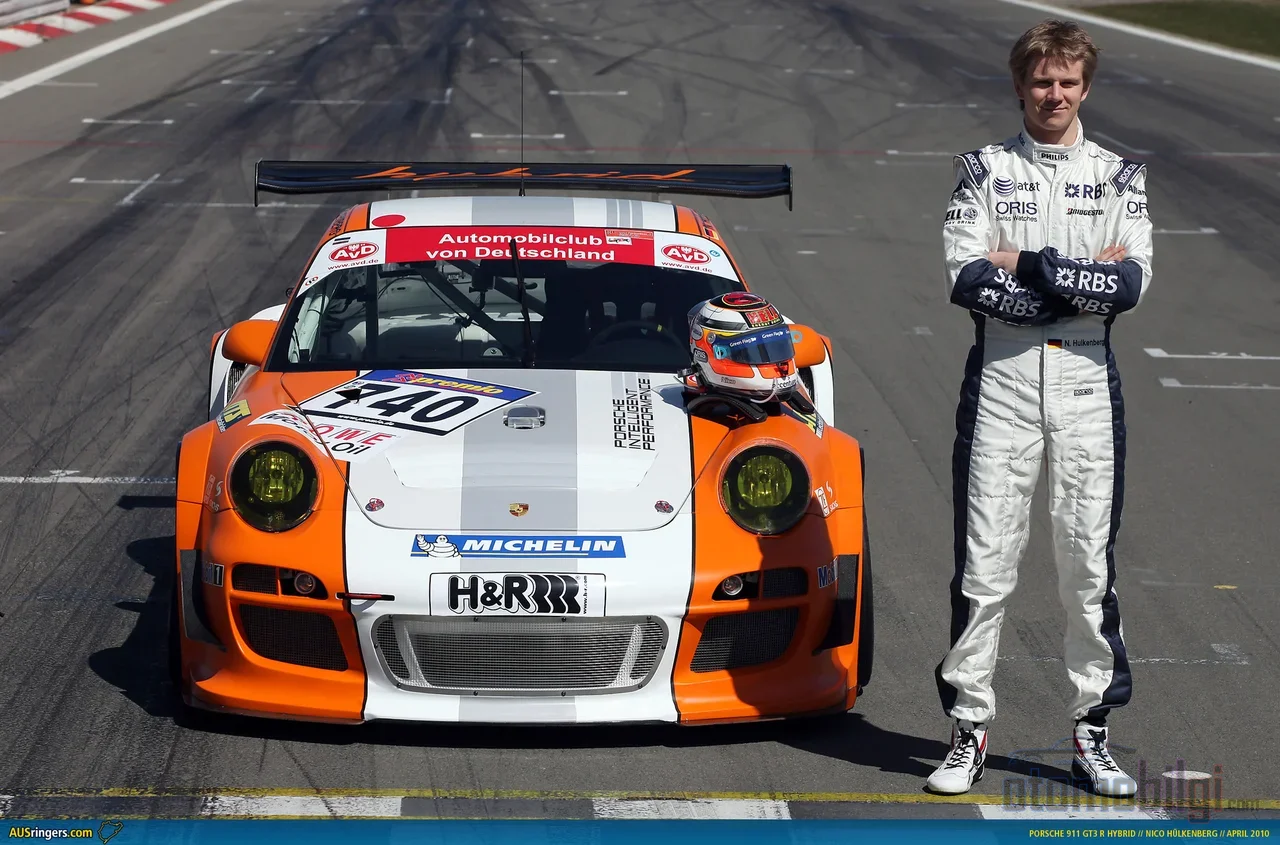
How Does a GT Driver's Body Endure a Race Weekend?
A GT driver's body survives a race weekend battling cabin heat that climbs to 40-50°C, repeated lateral G-forces in corners, and kilos of fluid loss; drivers manage this load through cardiovascular conditioning, daily neck training, planned hydration…
Read More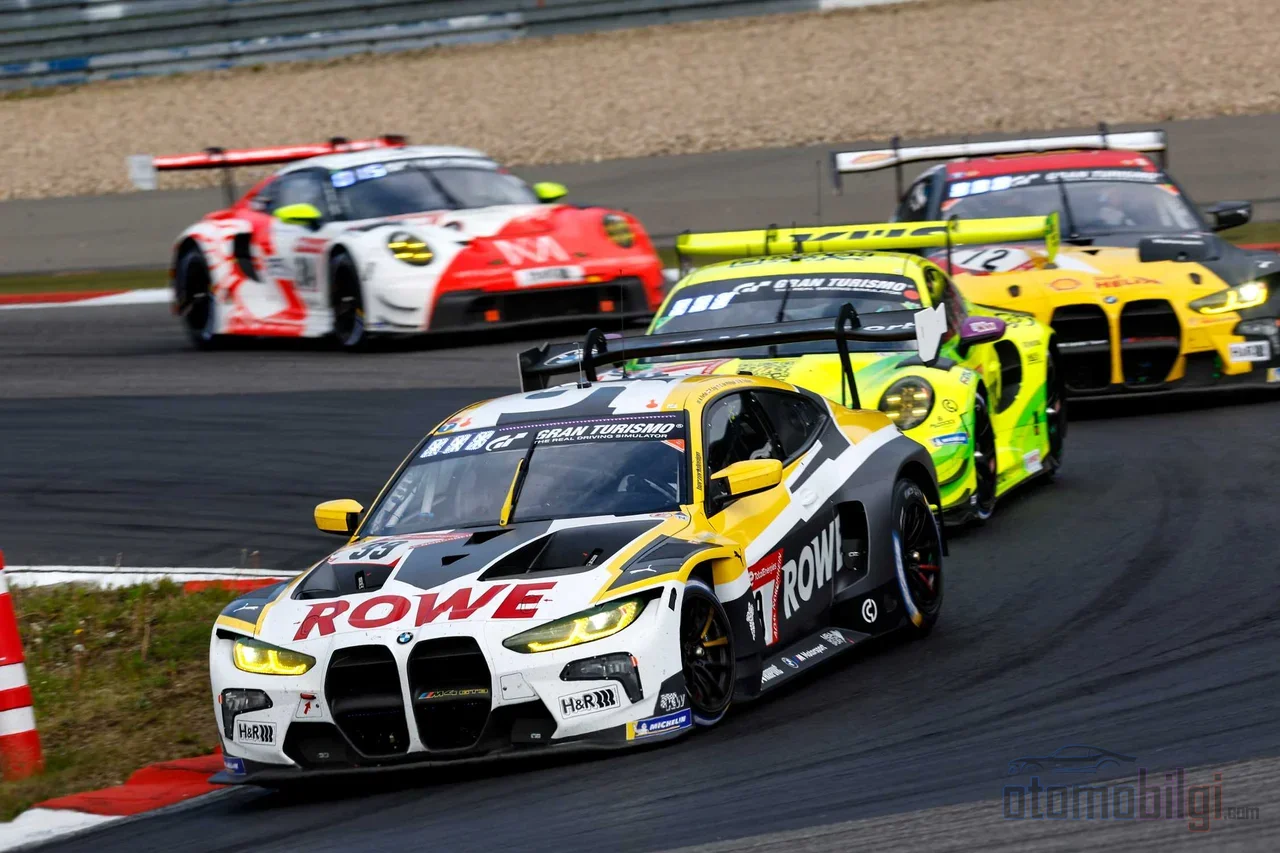
How Is BoP Calculated in GT3 and Why Does It Change With Every Race?
In GT3, BoP, or Balance of Performance, is a regulatory system that balances the cars of different manufacturers based on weight, engine power and aerodynamic settings. Race management updates these settings by looking at performance data collected f…
Read More
From Simulation to Real Cockpit: Are GT Racers Coming From Behind the Screen?
Yes, it really happened: some racers in front of screens set out on a journey that reached all the way to professional GT cockpits, and this path is now part of motorsport. Discovery programs that began with games like Gran Turismo have today transfo…
Read More
Why Is the GT4 Class a Different World for Amateur Drivers?
GT4 is the entry level of GT racing: a class much closer to a road car, less powerful, and significantly cheaper. While GT3 is largely a machine redesigned for racing, GT4 is a deliberately simplified version of a production-line car; designed for am…
Read More
How Does a Road Car Turn Into a GT3 Race Car?
What turns a road car into a GT3 race car is not just the engine and the weight, but the FIA's homologation approval: a car based on a series-production road model earns the right to race on track only after passing strict technical rules. So how do …
Read More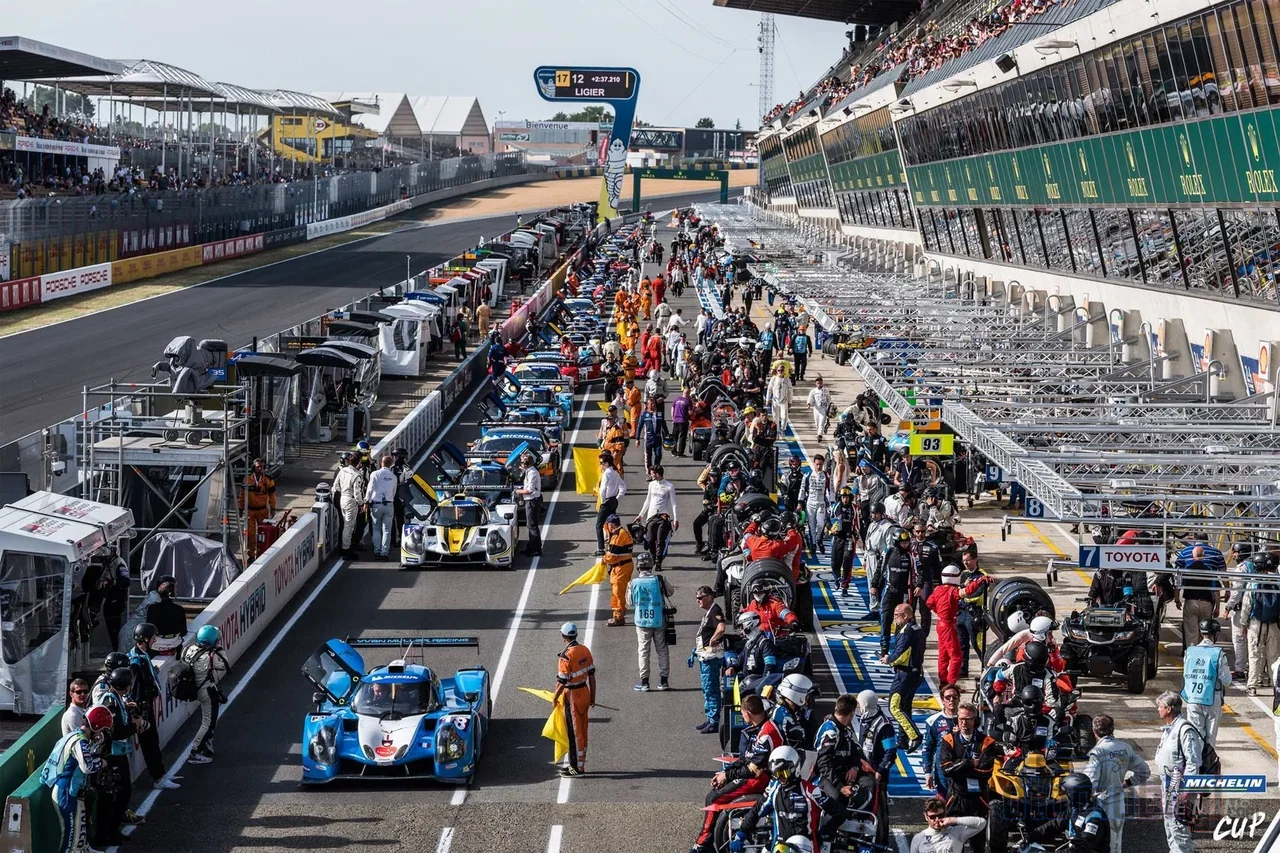
How Do Pit Stops and Team Strategy Work in 24-Hour Races?
In 24-hour races, the pit stop is the operation that truly determines the outcome of the race, combining refueling, tire changes, mechanical adjustments, repairs, and driver changes in a single stop. Teams plan these stops by balancing fuel consumpti…
Read More
Bronze, Silver, Platinum: How Are GT Drivers Classified?
In GT racing, bronze, silver, gold and platinum are the four official grading categories by which the FIA classifies drivers based on age, career history and track pace. This system is the core mechanism that determines pro-am team line-ups, balances…
Read More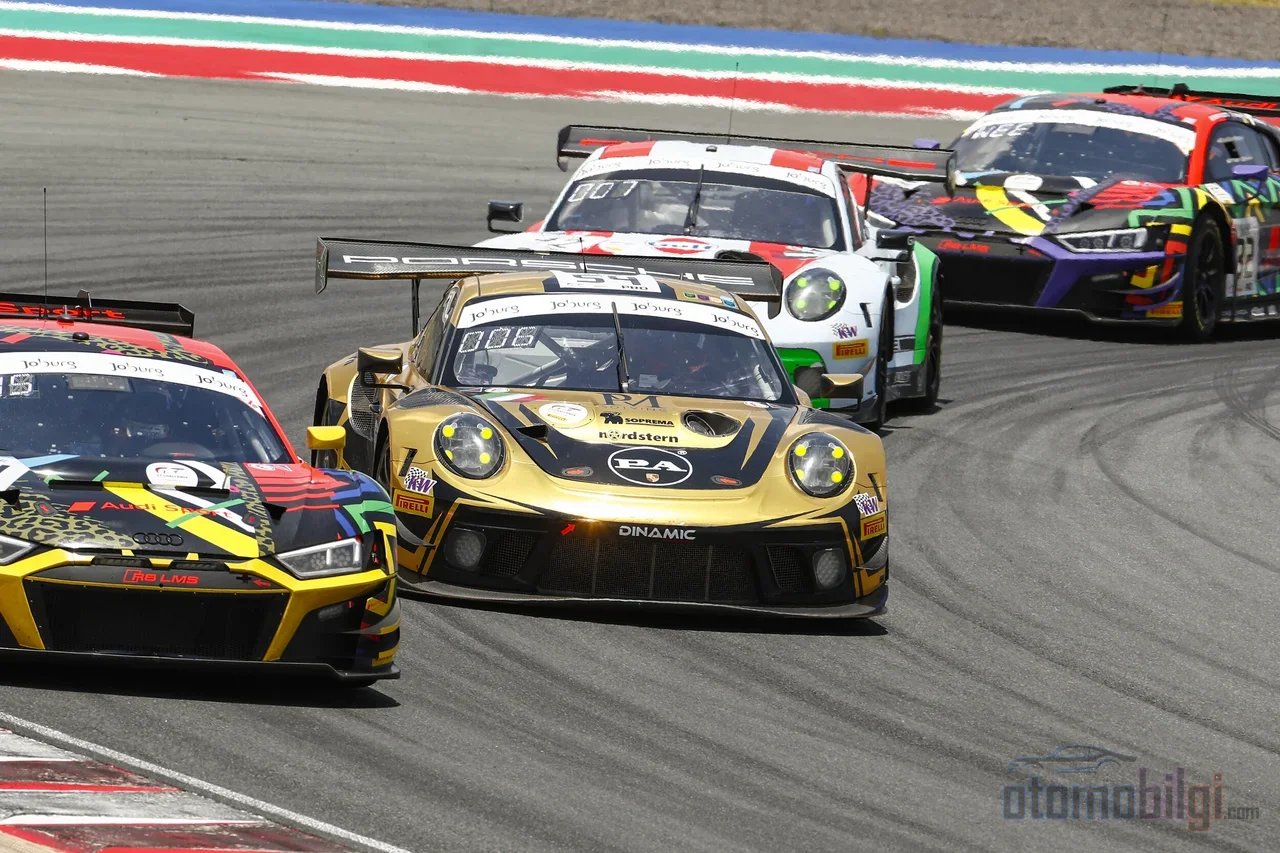
How Much Does It Cost to Race in GT3?
Racing GT3 isn't a hobby, it's a serious budget matter: a season for an amateur driver costs roughly 400,000-600,000 dollars while the car itself starts at 716,000 euros in 2026 offers. In top-tier professional programs, the figure 5-10 million dolla…
Read More