Emissions and Environment
Share This Page

Diesel or Gasoline for the Environment: A Real Emissions Comparison
From an environmental standpoint, there is no single correct answer to the question: While modern petrol vehicles can produce CO2 values on the same line as or lower than diesel, diesel engines fall clearly behind in NOx and particulate emissions. Wh…
Read More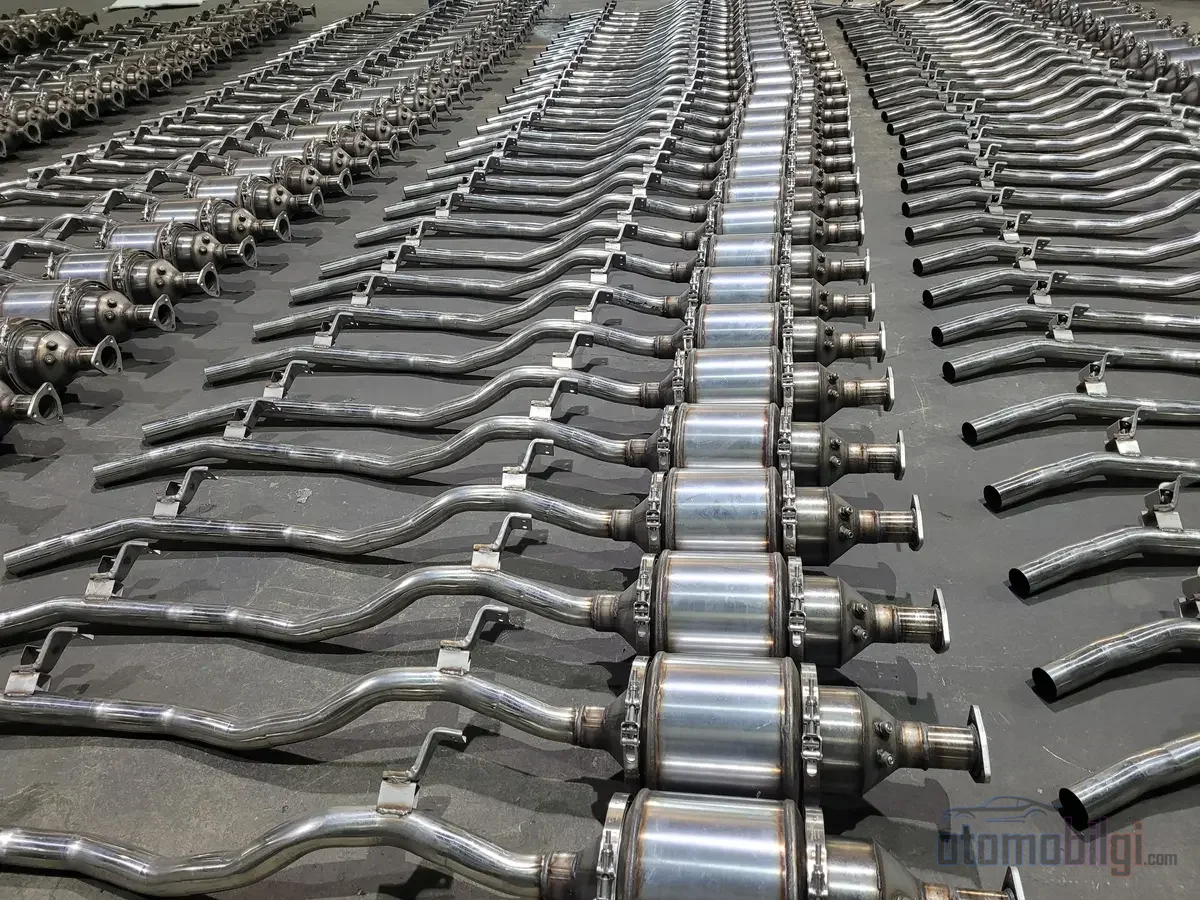
Can a Particulate Filter Be Installed on Older Vehicles Afterwards?
Retrofitting a particle filter onto an older vehicle is technically possible in some diesel vehicles; however, this does not mean simply welding a cylinder onto the exhaust line. A successful retrofit requires reprogramming of the engine management, …
Read More
How Do E10 and E5 Petrol Differences Affect Your Vehicle?
The difference between E5 and E10 petrol comes down to the ethanol content in the fuel: E5 contains a maximum of 5 percent ethanol, while E10 contains a maximum of 10 percent. This difference directly affects the fuel's energy density, the engine's o…
Read More
What Euro Class Is Your Vehicle In?
You can find out your vehicle's Euro emission class most reliably from the standard box on your registration certificate, from a production year table, or via a VIN lookup. Knowing the correct class has practical consequences for entering low-emissio…
Read More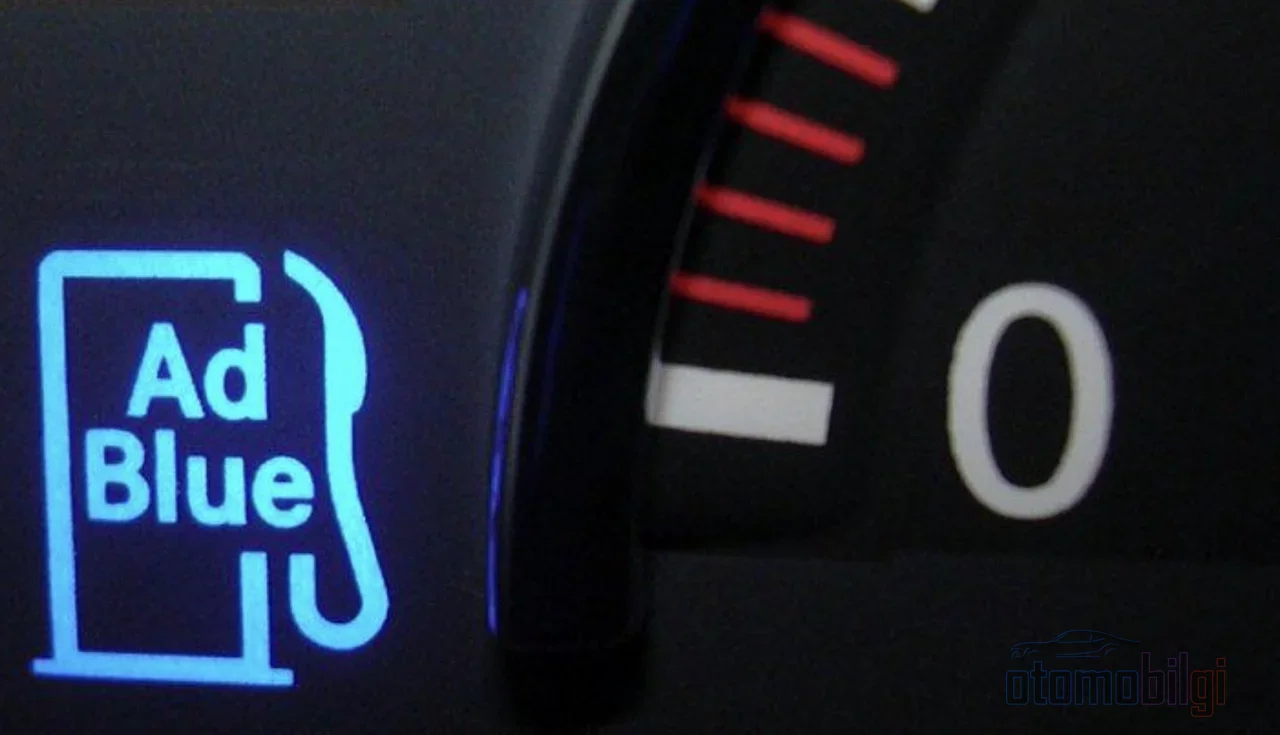
What to Do When the DPF and AdBlue Warning Lights Come On?
Don't panic when the DPF and AdBlue warning lights come on, but don't ignore them either: the DPF light usually indicates that the filter has filled with soot and cannot clean itself, while the AdBlue light signals that the fluid is low or that there…
Read More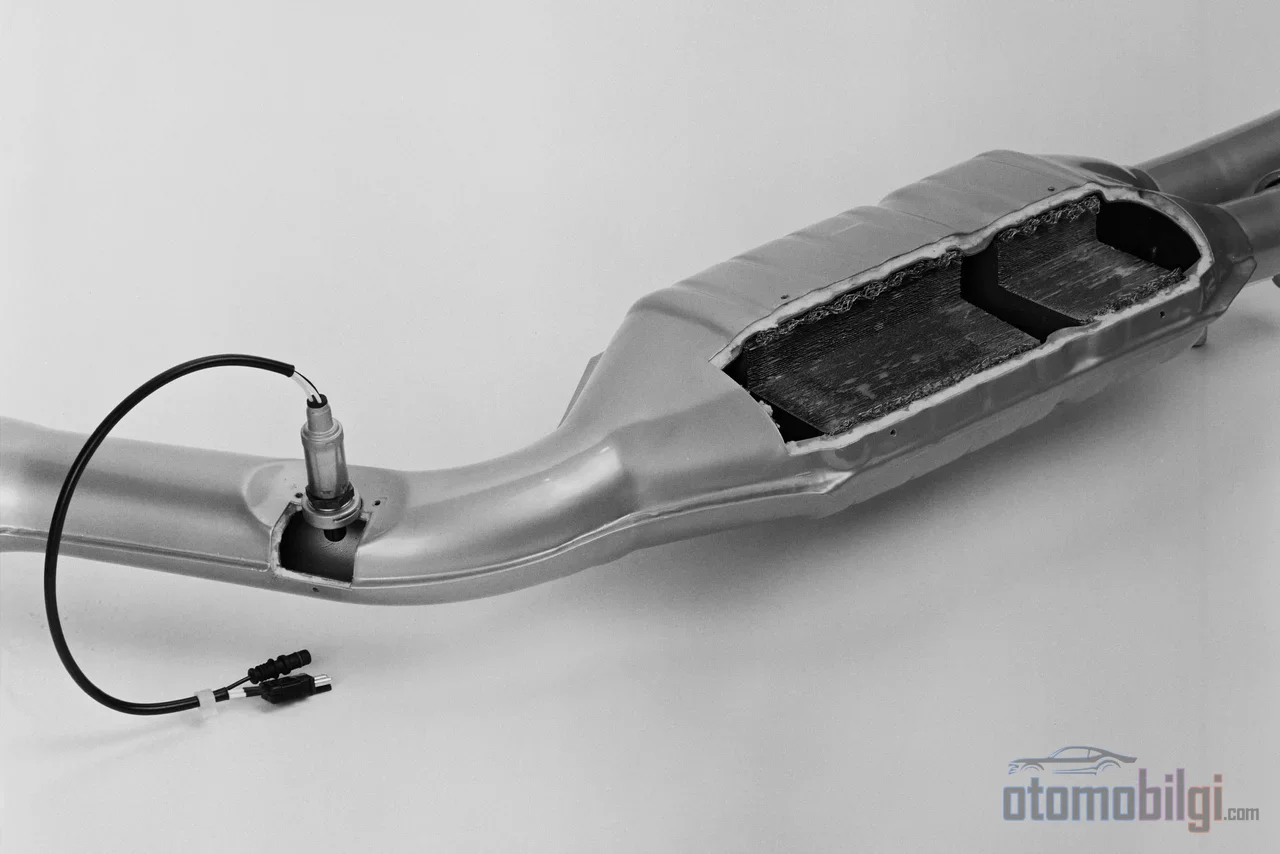
Why Are Catalytic Converters Being Stolen and How Much Does the Loss Cost?
A catalytic converter is an emissions control unit that neutralizes harmful compounds in exhaust gas and contains precious metals such as platinum, palladium and rhodium. The market value of these metals is drawing thieves to this part, which can be …
Read More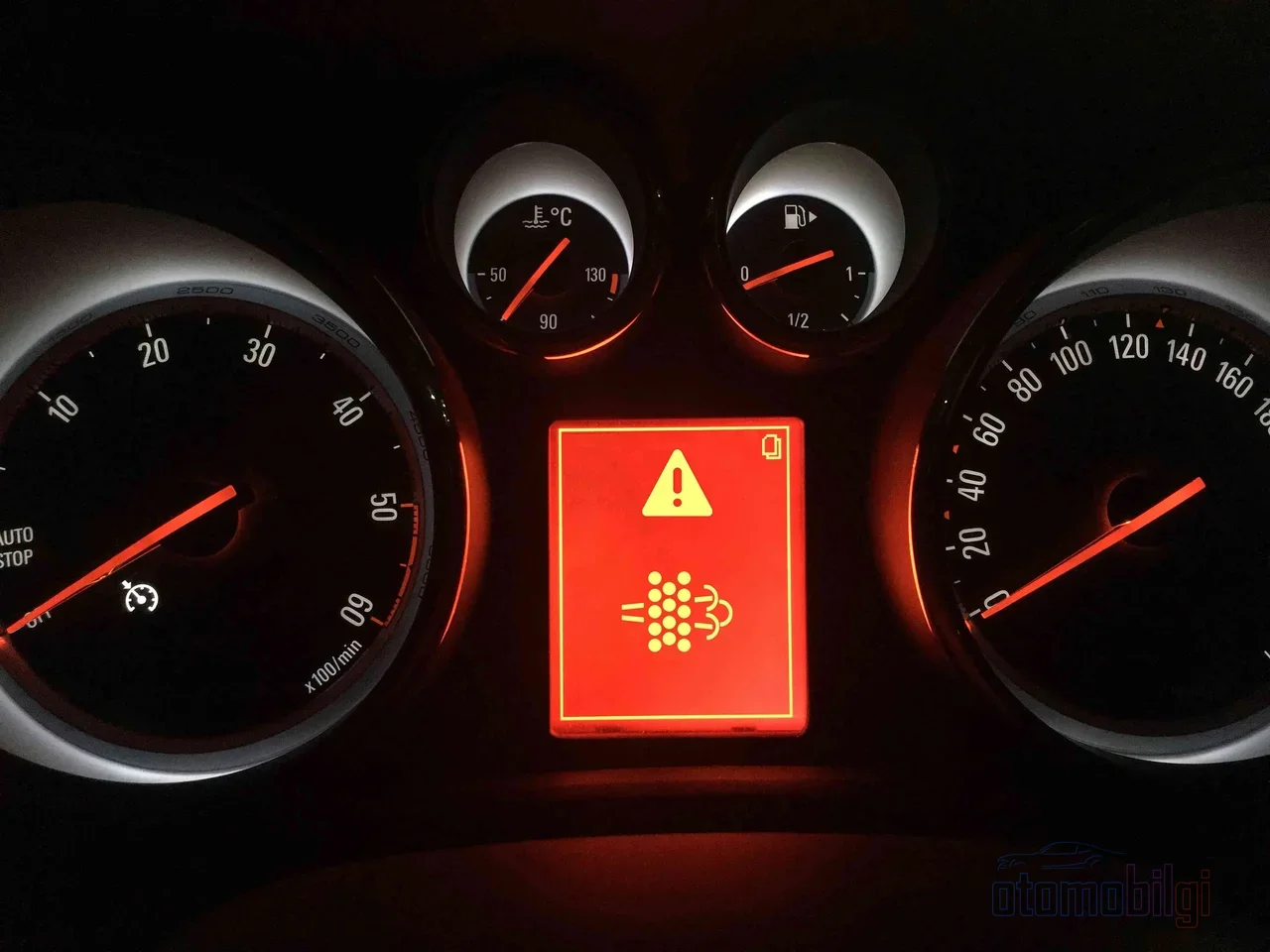
How Does Riding the Clutch Damage Your Vehicle?
Yes, repeated short-distance driving genuinely harms a diesel engine; because the engine never reaches the exhaust gas temperature needed to complete regeneration, part of the fuel mixes into the oil sump and thins the oil, and the battery cannot rec…
Read More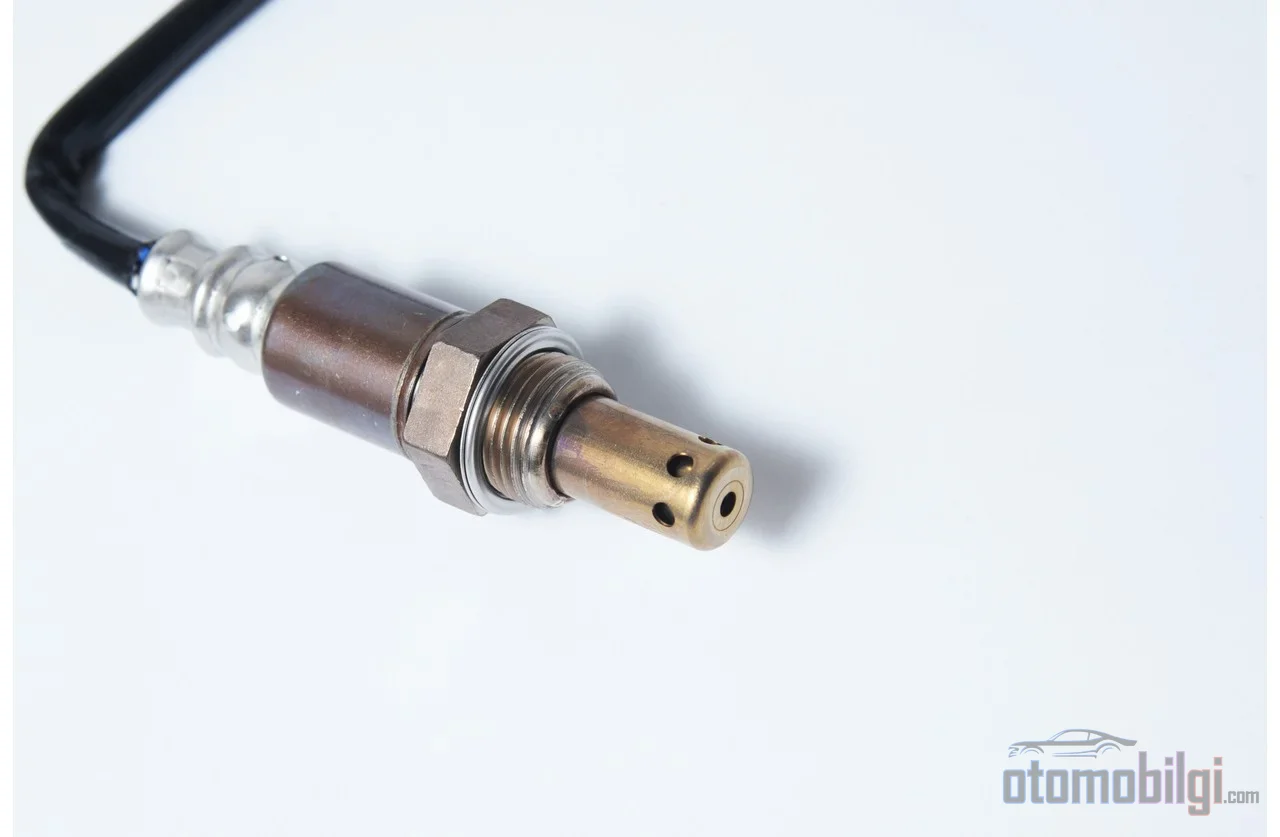
How Does the Lambda Sensor Control Exhaust Emissions?
The lambda sensor is a critical emission control component that continuously provides feedback to the engine control unit (ECU) by measuring the amount of oxygen in the exhaust gas, ensuring that the air-fuel mixture is kept at the ideal ratio of 14.…
Read More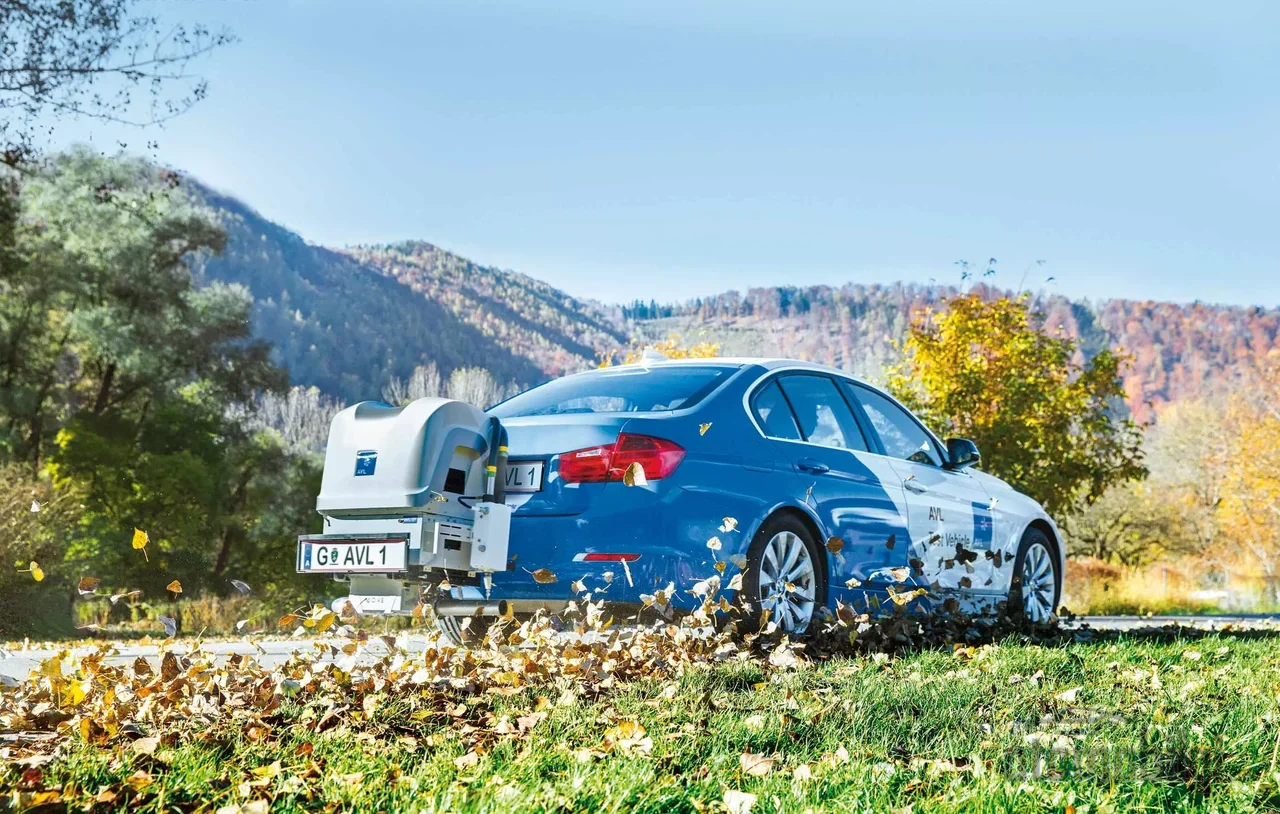
After the Diesel Scandal: How Are RDE Tests Conducted?
The RDE test is a procedure that measures a vehicle's exhaust emissions not on a laboratory bench, but in real traffic and real road conditions, using portable measurement devices (PEMS) mounted on the vehicle. This test, a mandatory part of type app…
Read More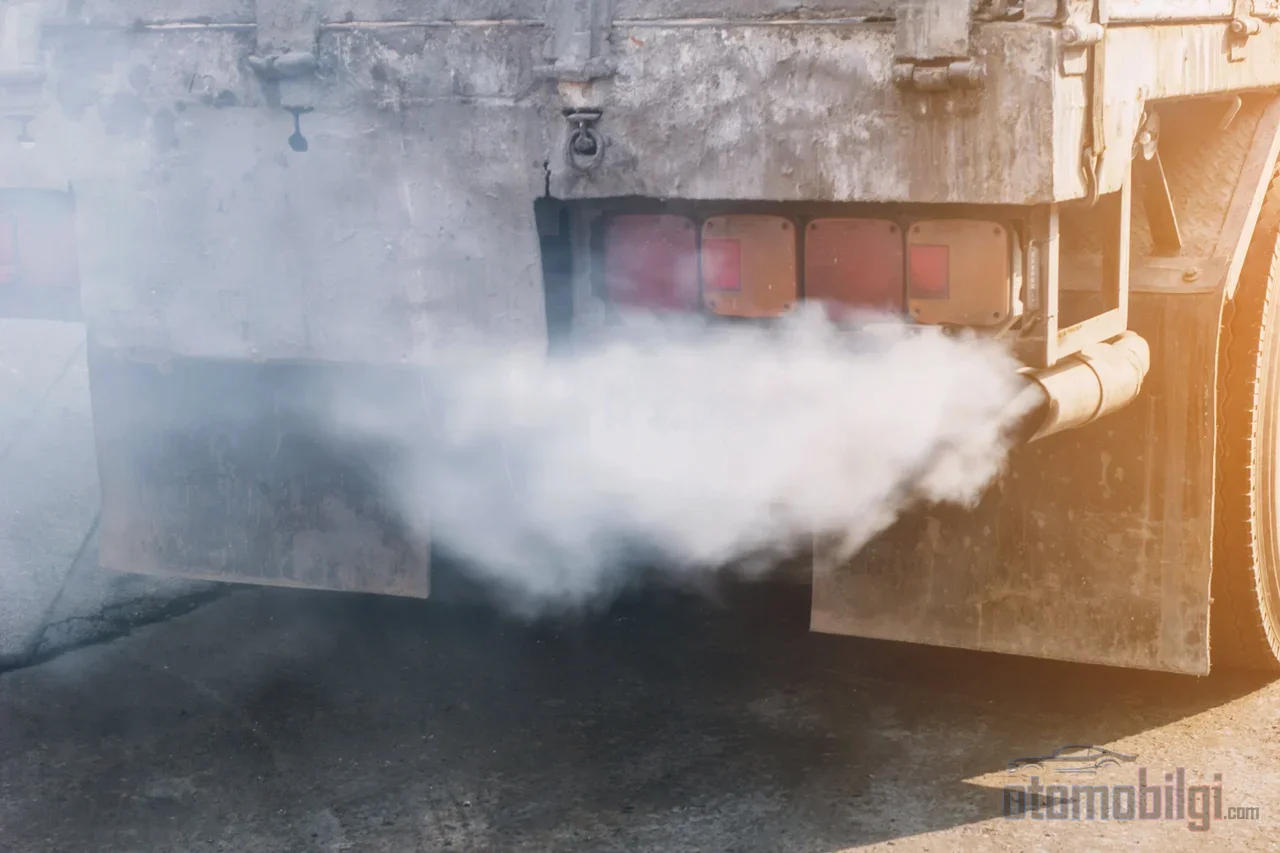
What Are NOx, CO and Particulate Matter, and Why Are They Harmful to Us?
NOx, CO and particulate matter are the three main groups of polluting gases and substances emitted from the exhaust of internal combustion engine vehicles: nitrogen oxides arise from the reaction of oxygen with atmospheric nitrogen at high combustion…
Read More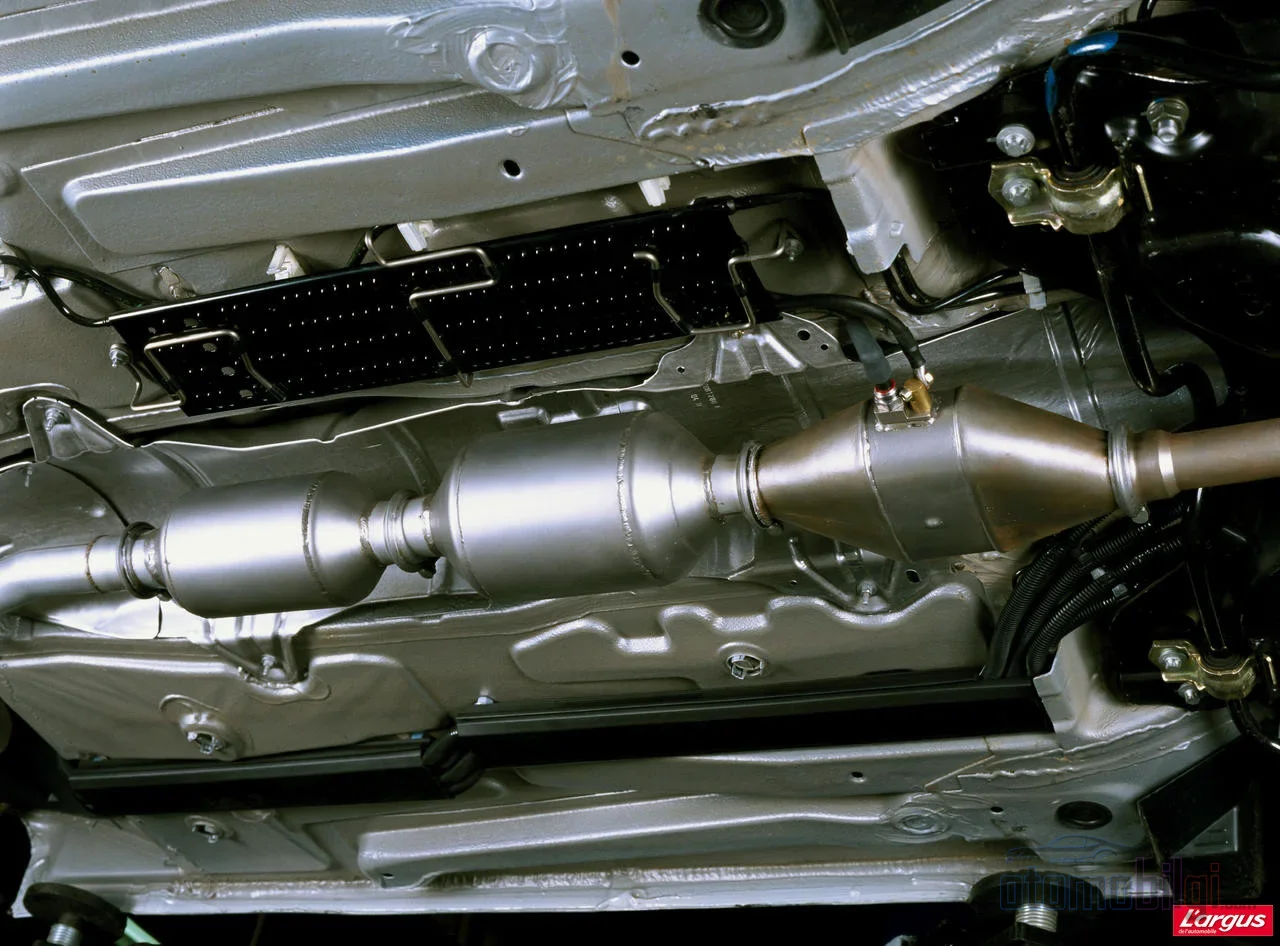
GPF in Gasoline Vehicles: The Quiet Sibling of the Diesel DPF
A GPF (gasoline particulate filter) is a filter system that captures the fine soot and particles from gasoline engine exhausts without letting them escape; it is the gasoline-engine adaptation of the diesel particulate filter (DPF) and, together with…
Read More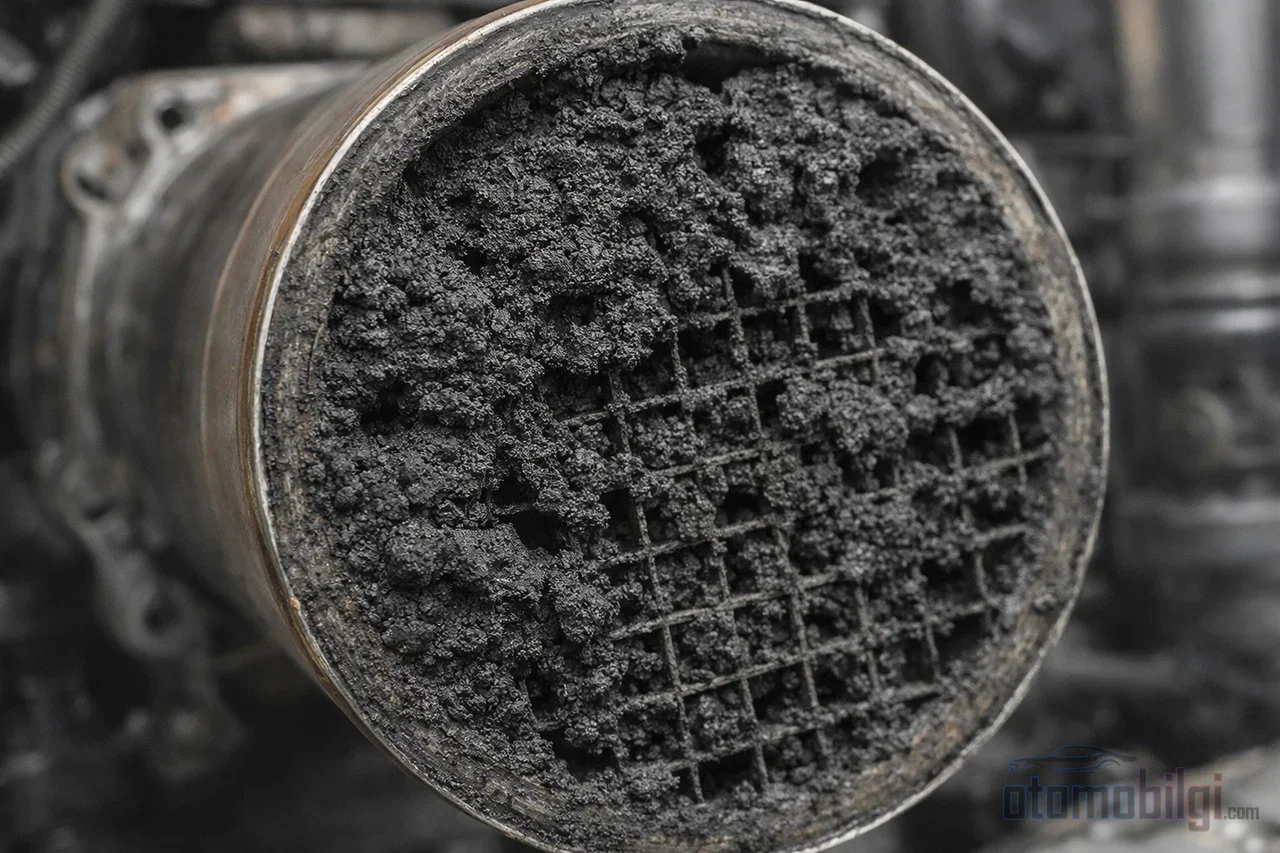
The Real Cost of Removing DPF and EGR
Canceling the DPF, EGR, or AdBlue/SCR system (colloquially known as a "delete") silences the warning light, but in return it leaves permanent traces in the engine computer, risk of detection at the periodic technical inspection, loss of warranty and …
Read More