NASCAR
Share This Page
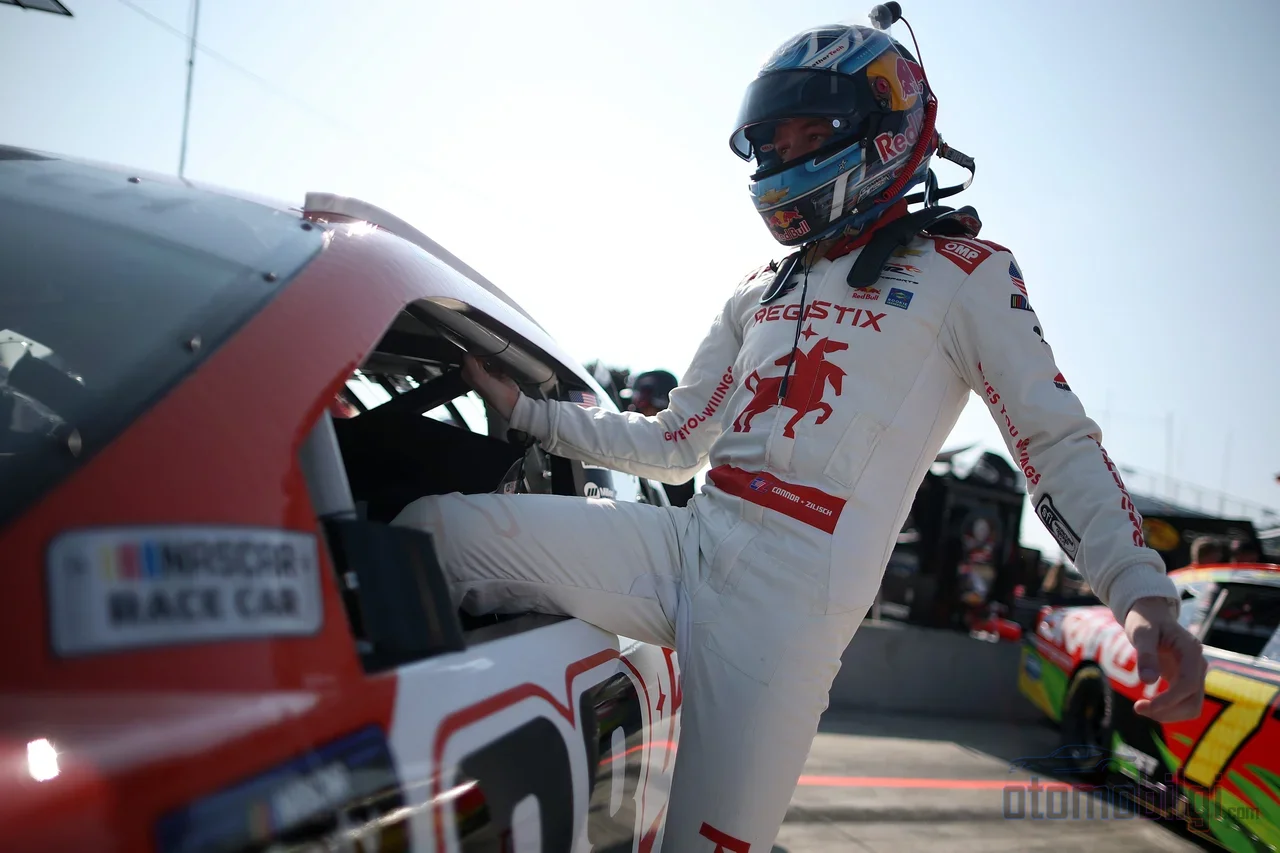
What Happens to a NASCAR Driver's Body When They Hit the Track?
When a NASCAR driver hits the track, their body endures the ordeal of a true athlete: a heart rate of 150-170 bpm for three hours, cornering loads of 3-4G, and cabin temperatures reaching 60 degrees. Sitting behind the wheel is the easy part; the rea…
Read More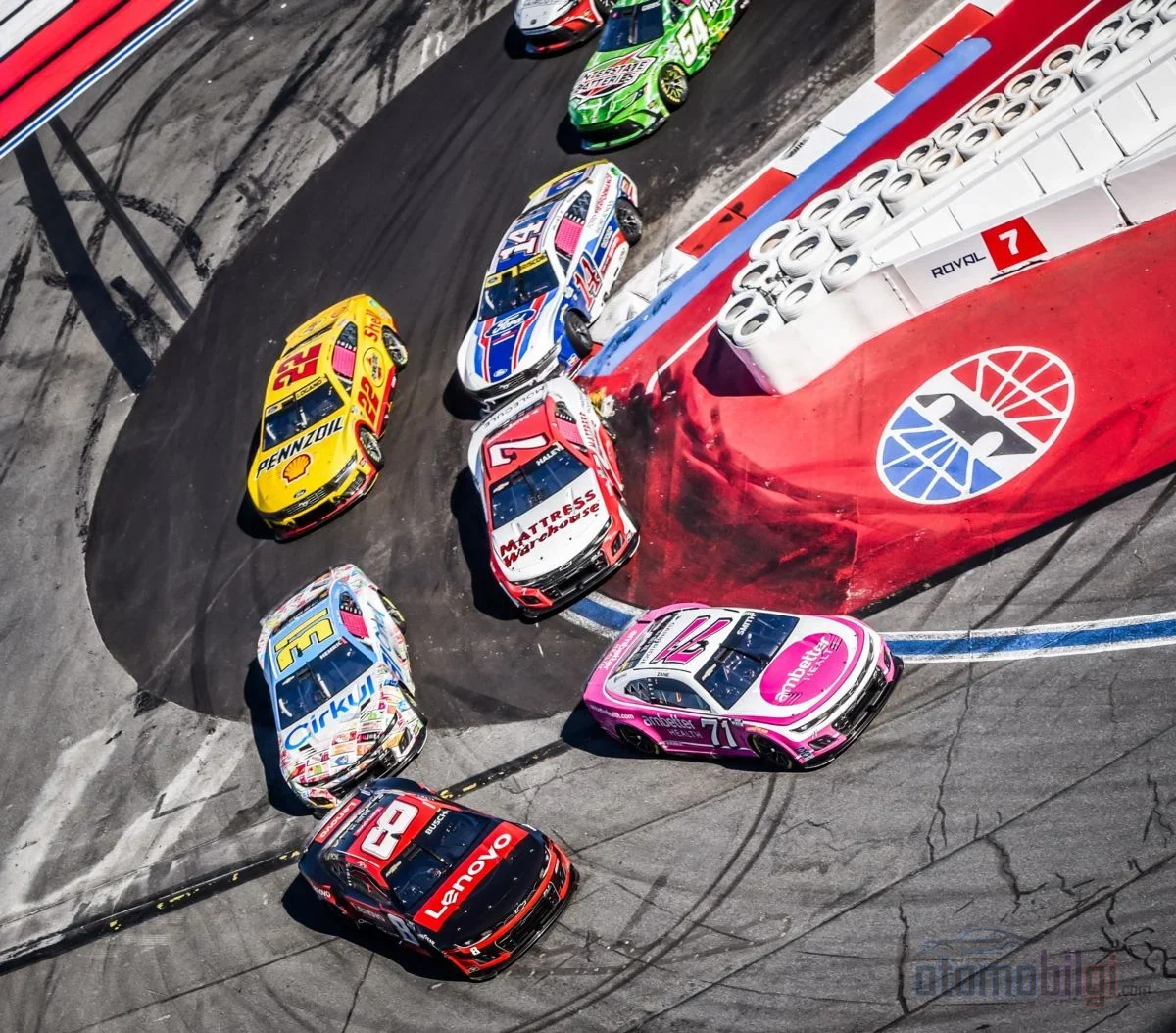
Why Are NASCAR Races Now Also Taking to the Streets?
NASCAR is now racing not only on ovals but also on street and road courses; because the series wants to reach a new and younger audience, showcase drivers' different skills, and add variety to its calendar. Although 32 of the 36 races on the 2026 cal…
Read More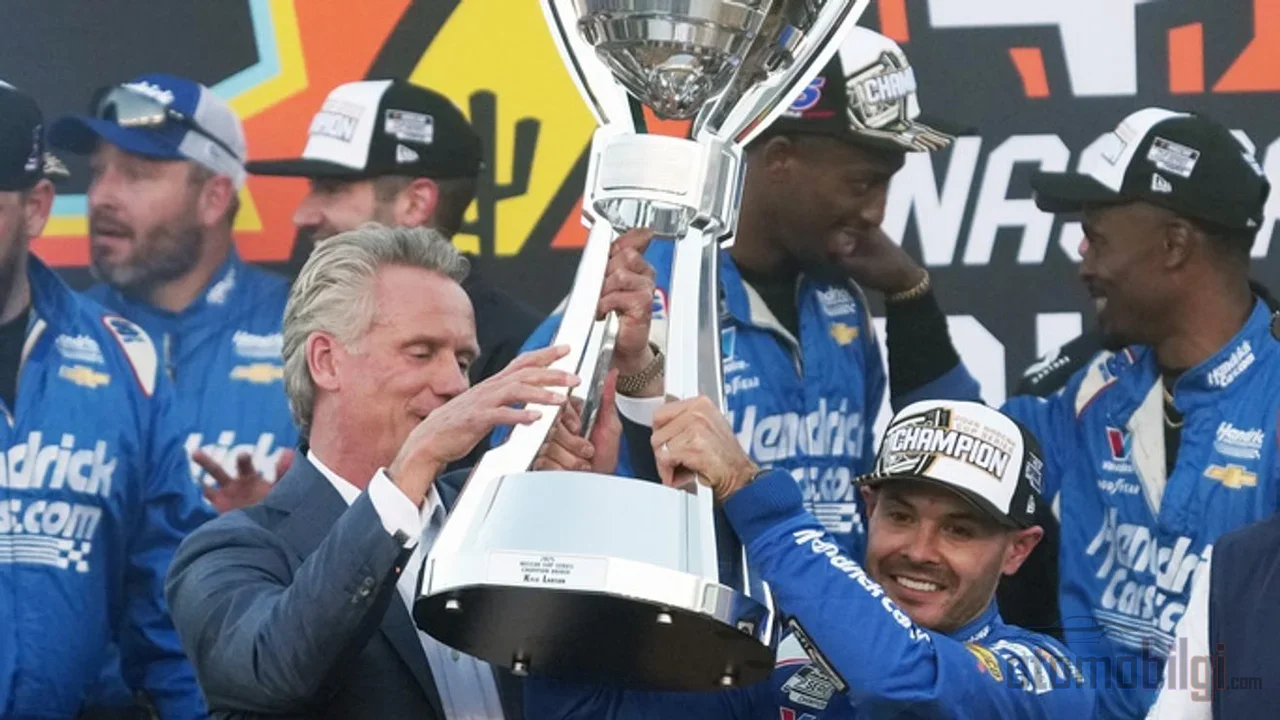
How Is the NASCAR Playoff Elimination System Shaping Careers?
The NASCAR playoff elimination system is a championship format in which drivers ranked at the top of the standings during a certain part of the season are progressively eliminated, and the champion is largely determined in a single final race. Applie…
Read More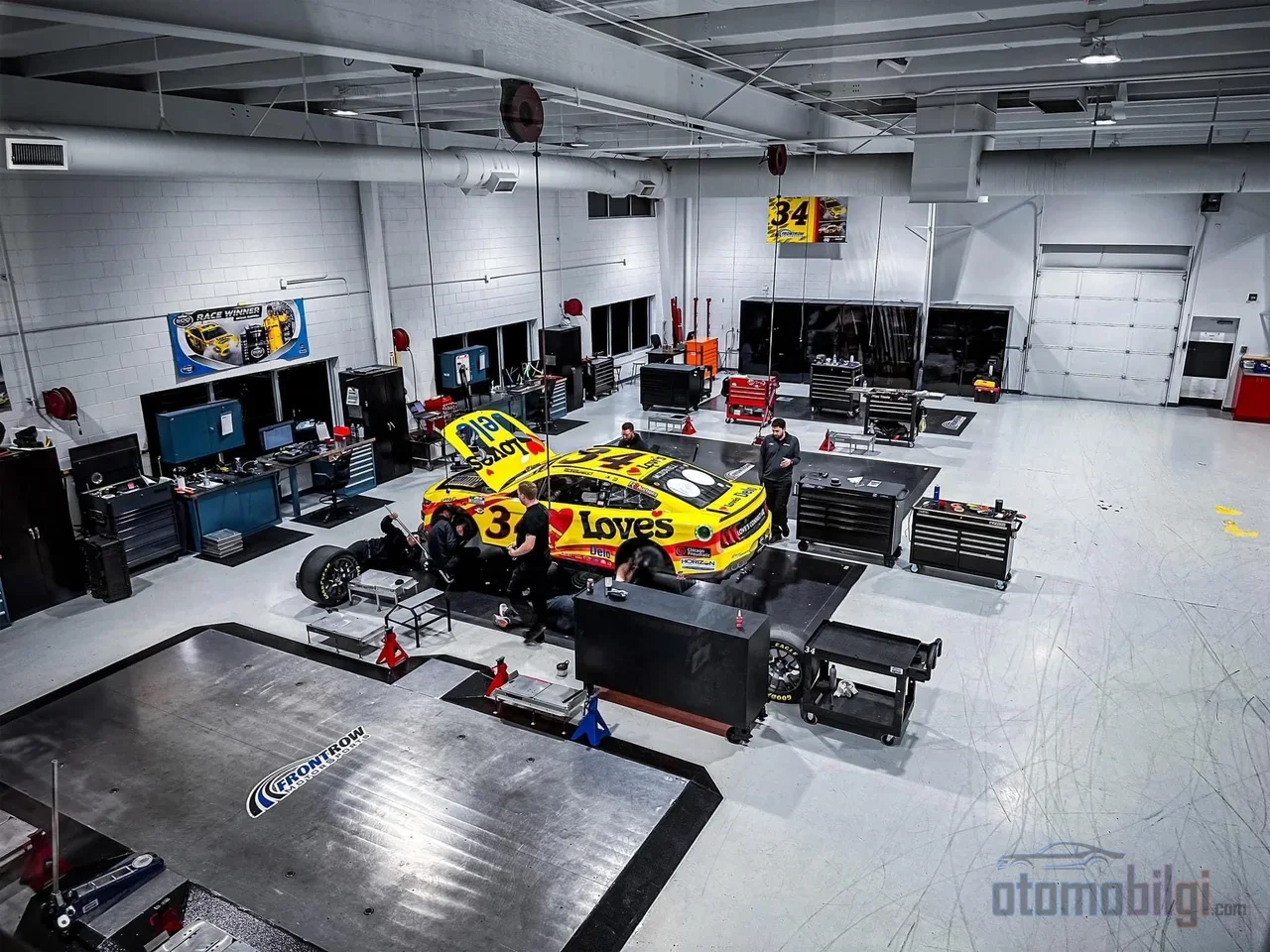
Why Do NASCAR Teams Re-Tune the Car for Every Track?
NASCAR teams retune the Next Gen car, which is technically identical in every race, according to the track, because a winning setup is completely different depending on the track type: on short ovals, camber and suspension geometry adapted to left-ha…
Read More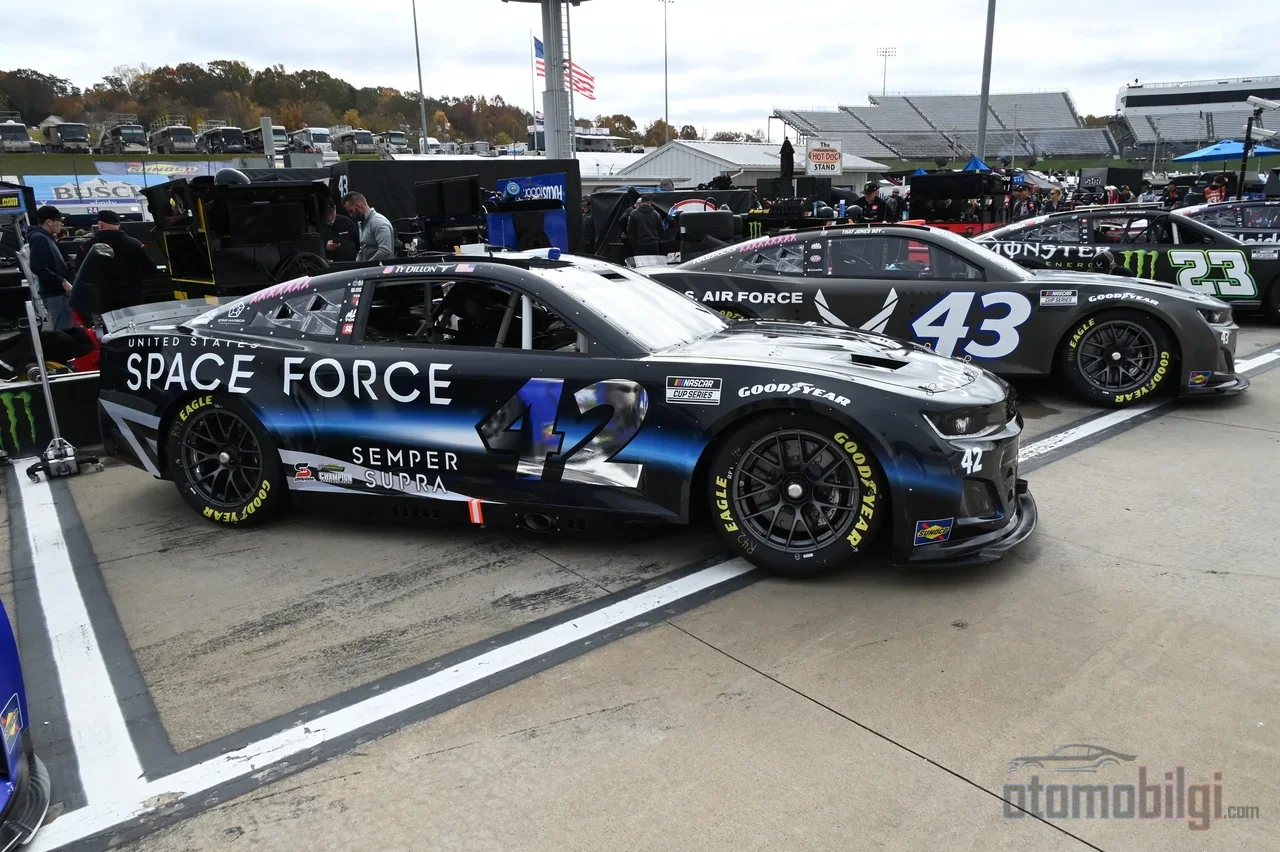
Are NASCAR Cars Really 'Stock'? Questioning Their Resemblance to Showroom Cars
Short answer: no, not anymore. The cars NASCAR calls "stock cars" have gradually drifted away from showroom civilian cars since the 1960s, and today's Cup Series cars are race machines built from scratch, by hand. Even if you see a Chevrolet or Ford …
Read More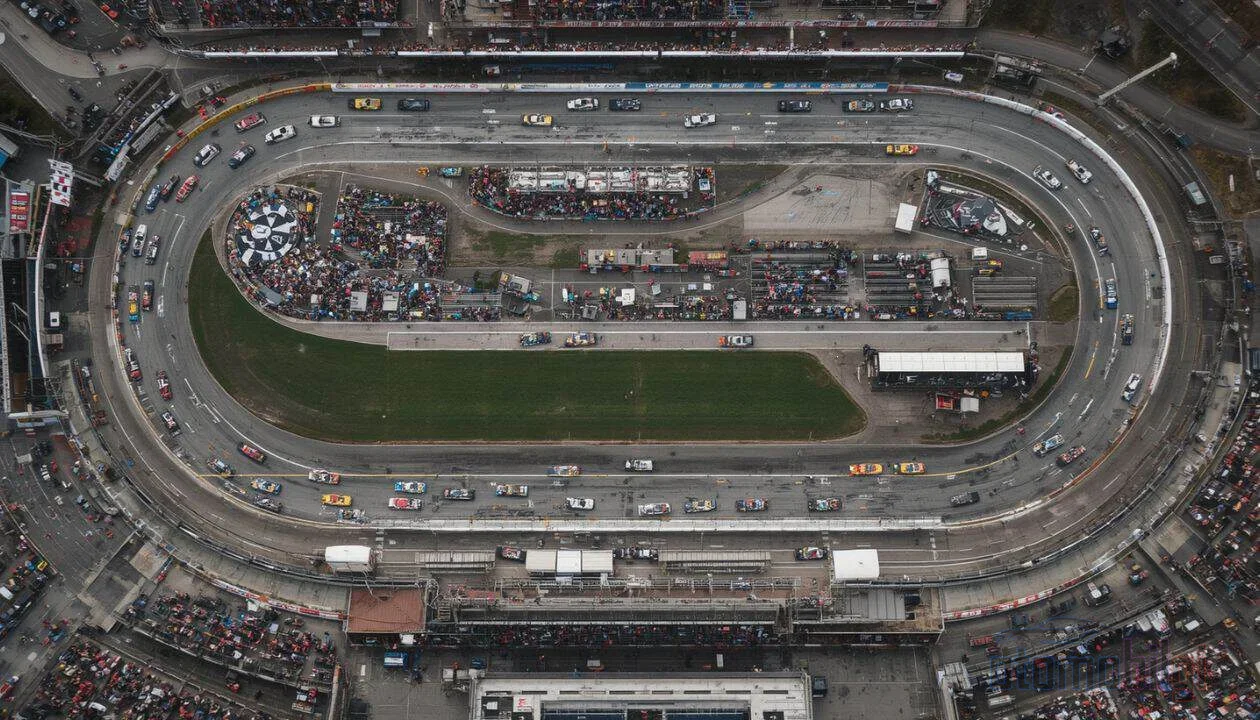
How Does a Race Weekend Work in NASCAR?
A NASCAR race weekend runs on a meticulous rhythm spread across three days: Friday brings press conferences, practice sessions, and qualifying laps one after another, Saturday continues with lower-series races, and on Sunday the main Cup race takes t…
Read More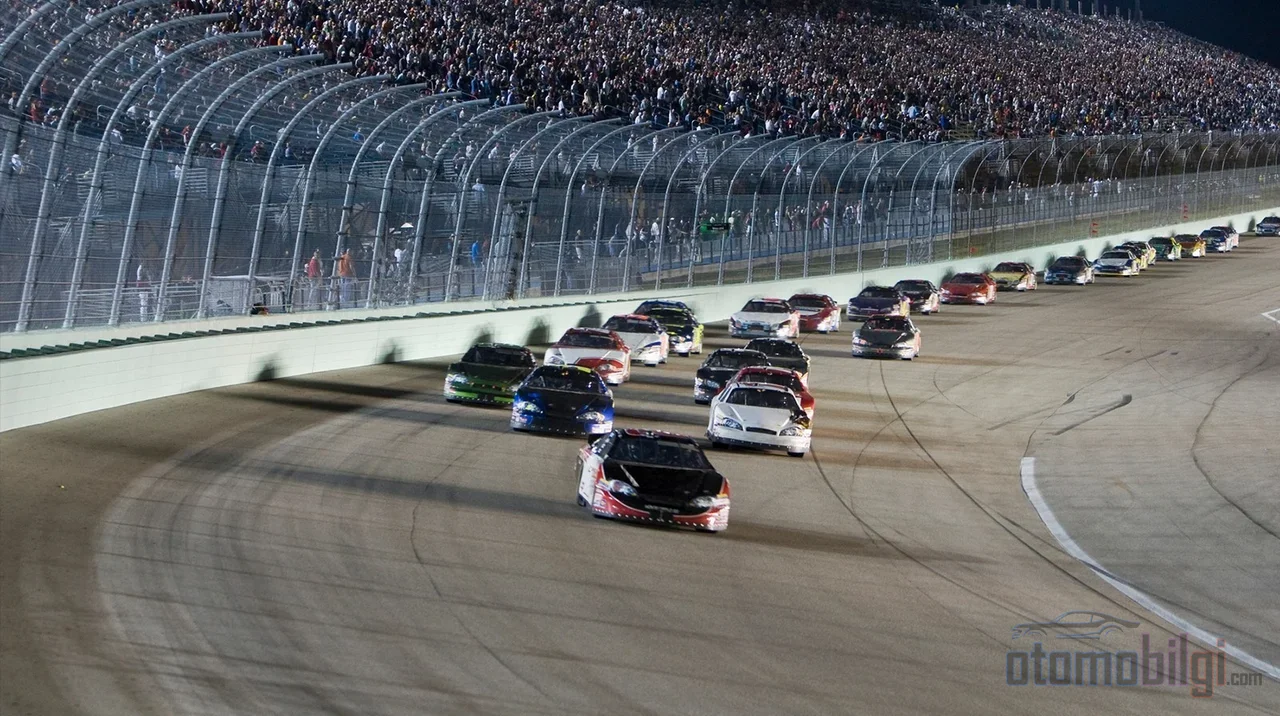
The Rungs Below the Cup Series: Xfinity and Truck Series
In NASCAR, below the Cup Series, there are two national series established for drivers to climb to the top: the second tier, the O'Reilly Auto Parts Series (known as the Xfinity Series until 2025), and the third tier, the Craftsman Truck Series. For …
Read More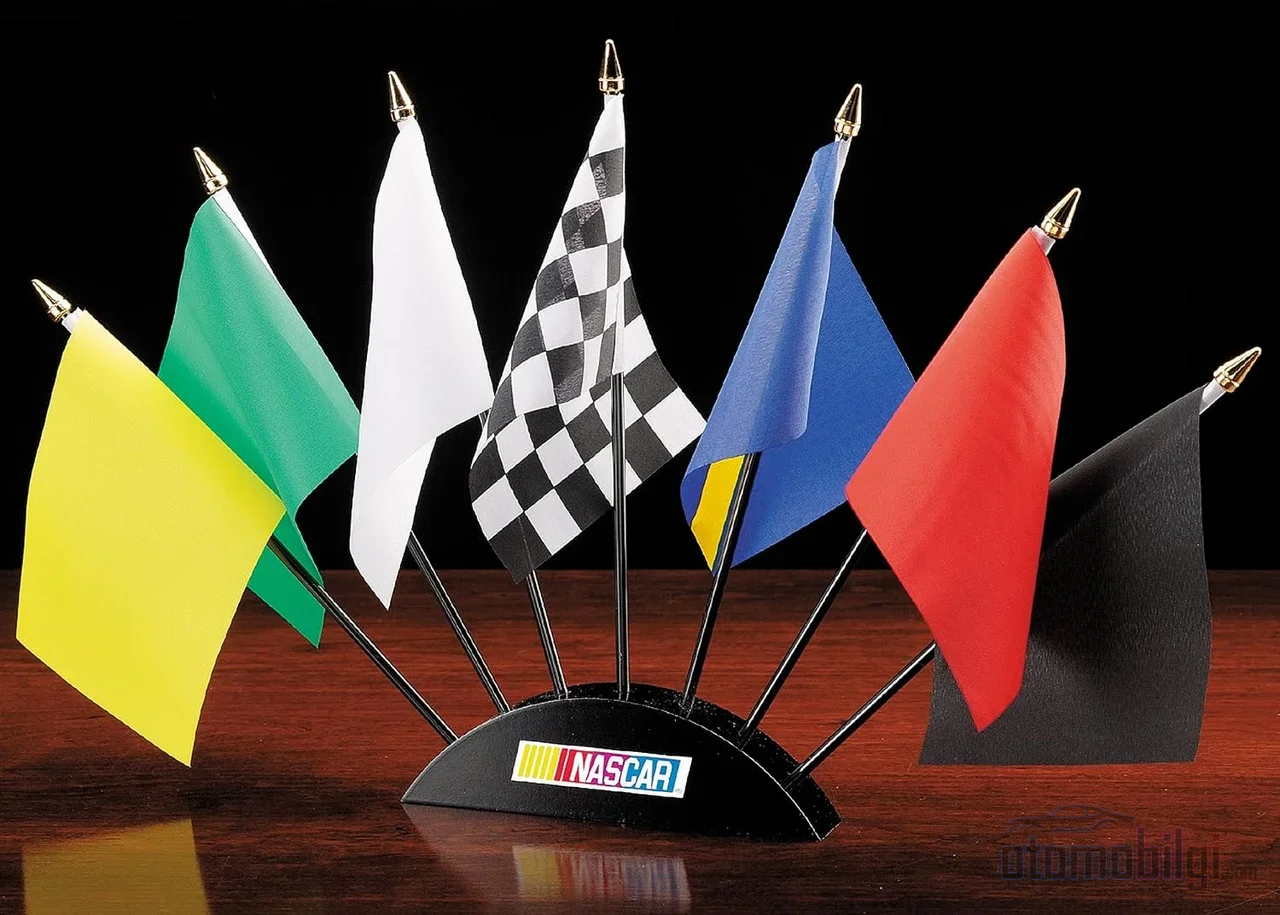
From Green to Checkered: What Do NASCAR Racing Flags Mean?
NASCAR racing flags are the language of the track: the green flag means the race has started or is running at full speed, the yellow flag means caution, the red flag means the race has been completely halted, the white flag signals the final lap, and…
Read More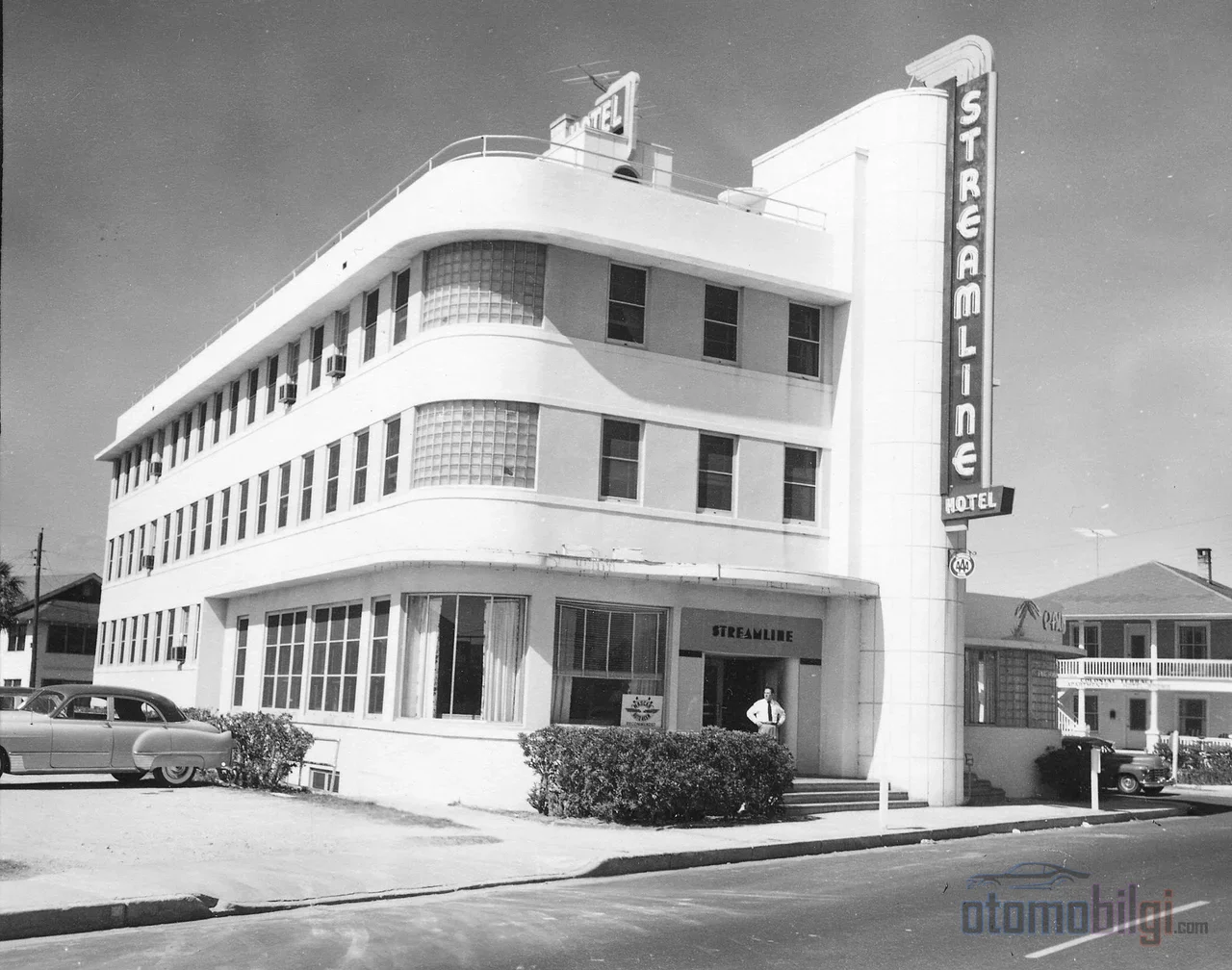
Born From Bootleggers: The Real Founding Story of NASCAR
NASCAR was born in the 1930s-40s American South, from the street cars that bootleg whiskey-hauling drivers strengthened to escape the police; In 1947, Bill France Sr. brought this scattered racing world together under one roof with a hotel meeting in…
Read More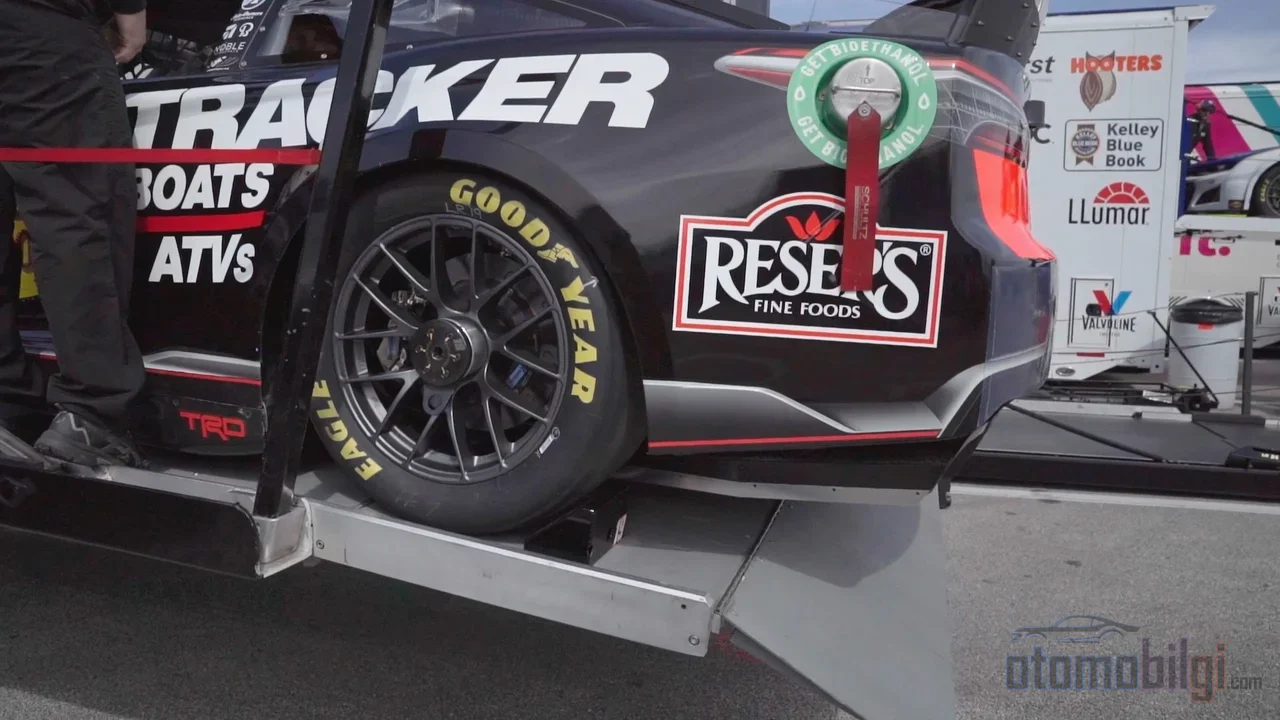
How Many People Does a NASCAR Team Prepare for Race Day With?
In preparing a NASCAR Cup Series team for race day up to 100 people can be involved; but not all of them go to the track. On the track-going road crew, alongside the driver, there are roles like the five-person pit crew, the crew chief, the race engi…
Read More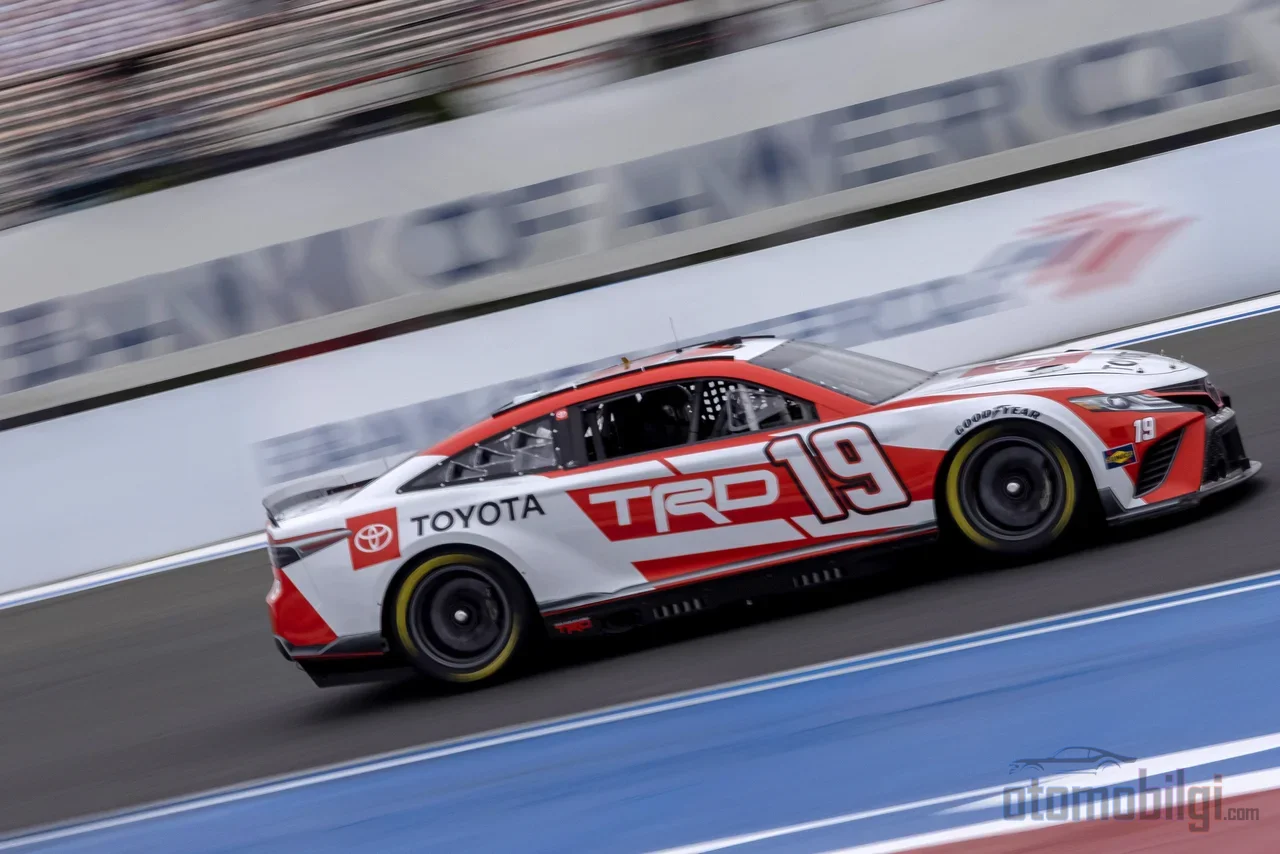
Chevrolet, Ford, and Toyota: The Manufacturer Wars in NASCAR
Cars racing in NASCAR are labeled as Chevrolet, Ford, and Toyota, but what's actually brand-specific under that hood? The short answer: far less than it appears. Body panels and the engine supplier are manufacturer-specific; the chassis, most of the …
Read More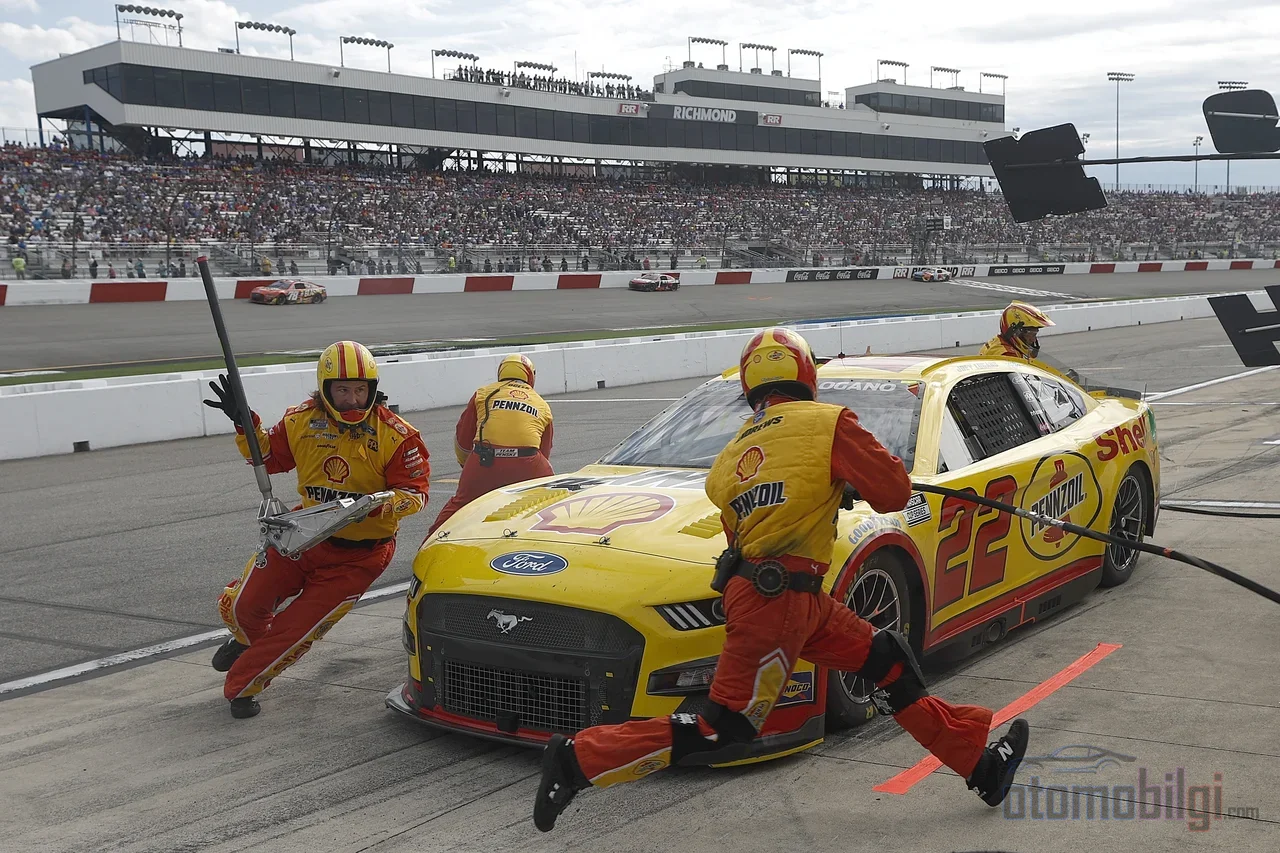
How Do Pit Stop Strategies Reverse a Race in NASCAR?
Pit stop strategy in NASCAR is the set of decisions that directly change the race outcome: which lap to pit on, how many tires to change, whether the fuel will last, and whether to pit during a caution period - such choices can determine the winner e…
Read More