Otomobilgi.comOtomobilgi.com
  • Türkçe
  • English
  • Deutsch
  • Français
  • Italiano
  • Español
  • Português
  • Polski
  • Magyar
  • Azərbaycanca
  • Bahasa Indonesia
  • Русский
  • 中文
  • 日本語
  • 한국어
  • हिन्दी
  • বাংলা
  • العربية
  • فارسی
  • Türkçe
  • English
  • Deutsch
  • Français
  • Italiano
  • Español
  • Português
  • Polski
  • Magyar
  • Azərbaycanca
  • Bahasa Indonesia
  • Русский
  • 中文
  • 日本語
  • 한국어
  • हिन्दी
  • বাংলা
  • العربية
  • فارسی
  • HOME PAGE
  • NEWS
    Turkish Automotive Industry News
    Global Automotive Industry News
    Turkish Motorsports News
    Global Motorsports News
  • INTERNAL COMBUSTION
    Internal Combustion Models
    Internal Combustion Engine Technologies
    Fuel and Consumption
    Emission and Environment
    Internal Combustion Ownership
    History of the Internal Combustion Automobile
  • ELECTRIC
    Electric Models
    Electric Car Technologies
    Charging and Infrastructure
    Battery Technology
    Range and Consumption
    Electric Vehicle Ownership
    History of the Electric Car
  • HYBRID
    Hybrid Models
    Hybrid Systems
    Battery and Charging
    Consumption and Efficiency
    Hybrid Ownership
    History of Hybrid Cars
  • TECHNOLOGY
    Driver Assistance Systems
    Safety Technologies
    Lighting and Visibility Technologies
    Infotainment and Connectivity
    Autonomous Driving and Artificial Intelligence
    Future Technologies
  • GUIDES
    Buying Guides
    Sales Guides
    Maintenance and Use
    Ownership and Costs
    Tires and Wheels
    Insurance and Inspection
  • HISTORY & CULTURE
    Automobile History
    Iconic Models
    Classics and Collections
    Türkiye's Automobile Journey
    Automobile Design
    Cars and Popular Culture
  • MOTORSPORT
    Formula 1
    Rallying (WRC)
    Rallycross
    MotoGP
    Formula 2 & Formula 3
    Karting
    24 Hours of Le Mans
    WEC
    NASCAR
    IndyCar
    DTM
    GT Races
    Drift
    Drag Races
  • Türkçe
  • English
  • Deutsch
  • Français
  • Italiano
  • Español
  • Português
  • Polski
  • Magyar
  • Azərbaycanca
  • Bahasa Indonesia
  • Русский
  • 中文
  • 日本語
  • 한국어
  • हिन्दी
  • বাংলা
  • العربية
  • فارسی
  • Türkçe
  • English
  • Deutsch
  • Français
  • Italiano
  • Español
  • Português
  • Polski
  • Magyar
  • Azərbaycanca
  • Bahasa Indonesia
  • Русский
  • 中文
  • 日本語
  • 한국어
  • हिन्दी
  • বাংলা
  • العربية
  • فارسی
  1. HOME PAGE
  2. MOTORSPORT
  3. Formula 1

Formula 1

Share This Page
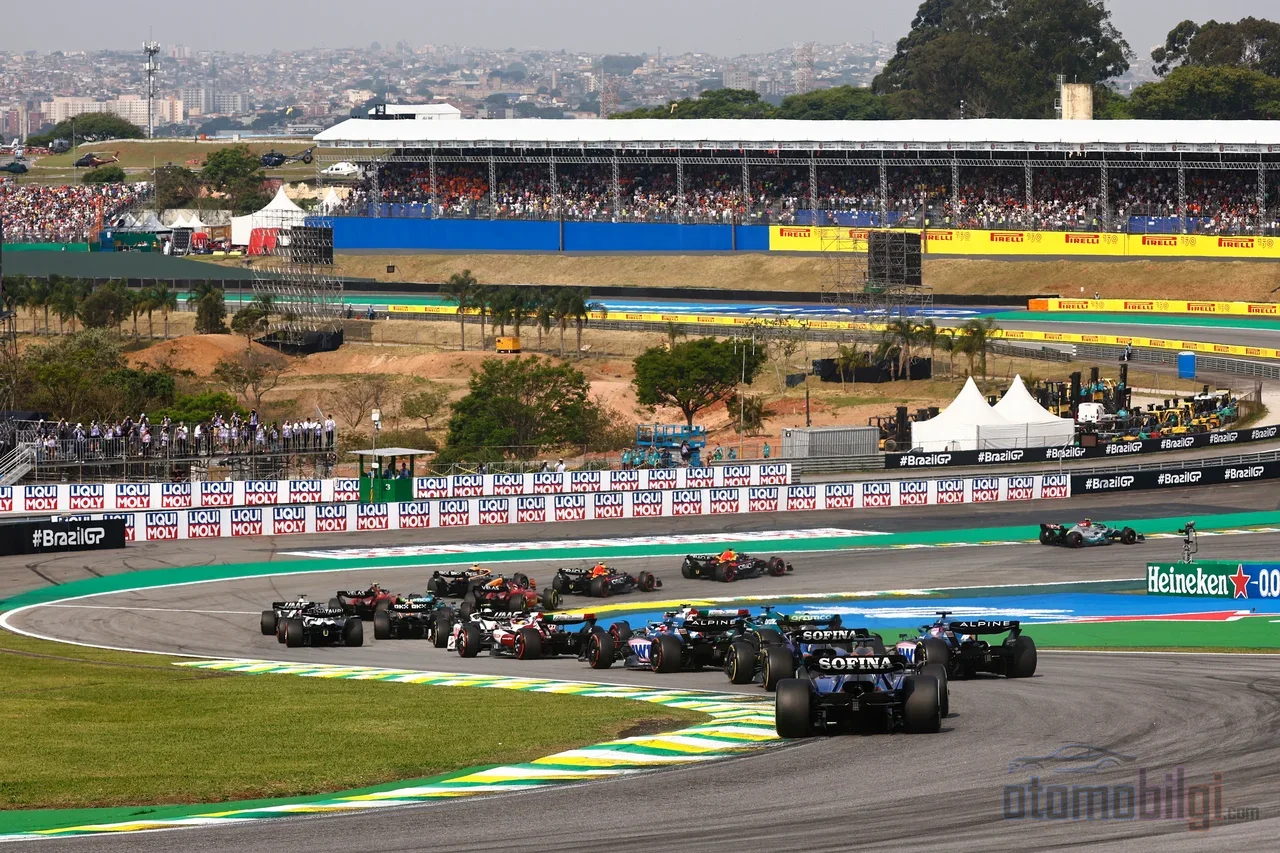
On the ladder from karting to F1, money is as decisive as superlicense points; Verstappen paid a record fee exceeding 1.2 million euros for a single license.
How Do Young Drivers Reach a Formula 1 Seat?
Lütfi Mete Odabaşı23 October 2026

To reach a Formula 1 seat, a driver has to climb the ladder starting from karting, accumulate at least 40 super licence points over the previous three years, pass the theoretical exam, and be at least 18 years old at their first race. Money, performa…

Read More
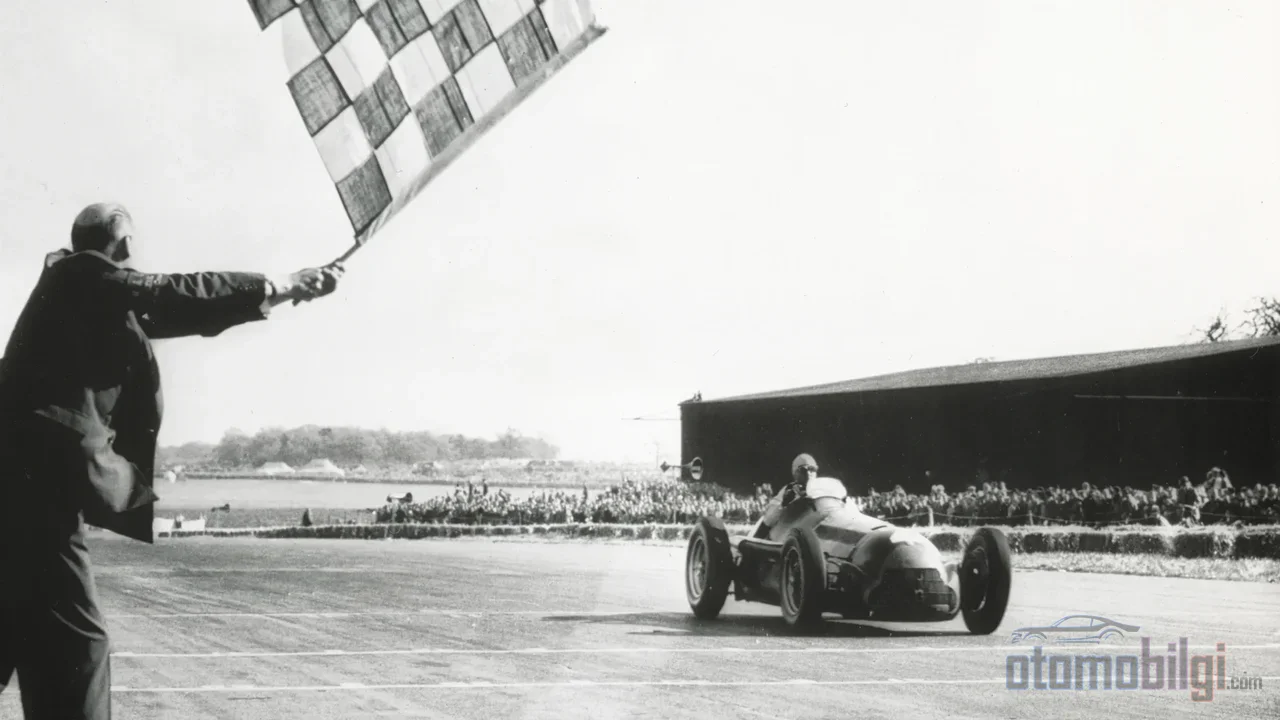
By unifying Europe's fragmented Grand Prix tradition under a single roof in 1946, the FIA became the founding architect of a world sport.
How Did Formula 1 Come to Be? From the Postwar Era to the World Championship
Lütfi Mete Odabaşı22 October 2026

Formula 1, World War II-era European Grand Prix racing brought together under a single umbrella after the war, was born: The FIA standardized the racing rules in 1946, the formula came into force in 1947, and the first world championship race got und…

Read More
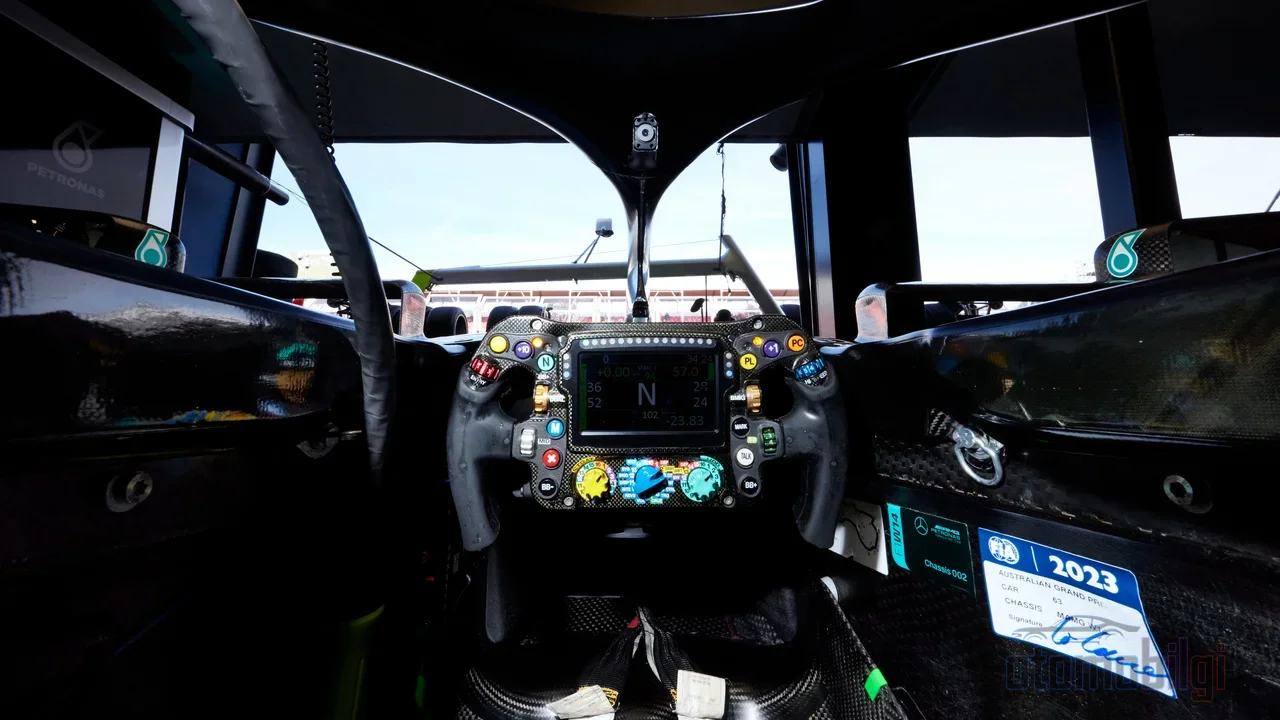
An F1 driver uses the paddle shifters about 50 times every lap and makes dozens of decisions with the 25 buttons under their hands.
What Happens on an F1 Steering Wheel During a Race?
Lütfi Mete Odabaşı21 October 2026

A modern Formula 1 steering wheel is no longer just a part that turns the car left and right; it is a real control center where the driver manages hundreds of settings at their fingertips. Engine modes, brake balance, differential settings, radio, pi…

Read More
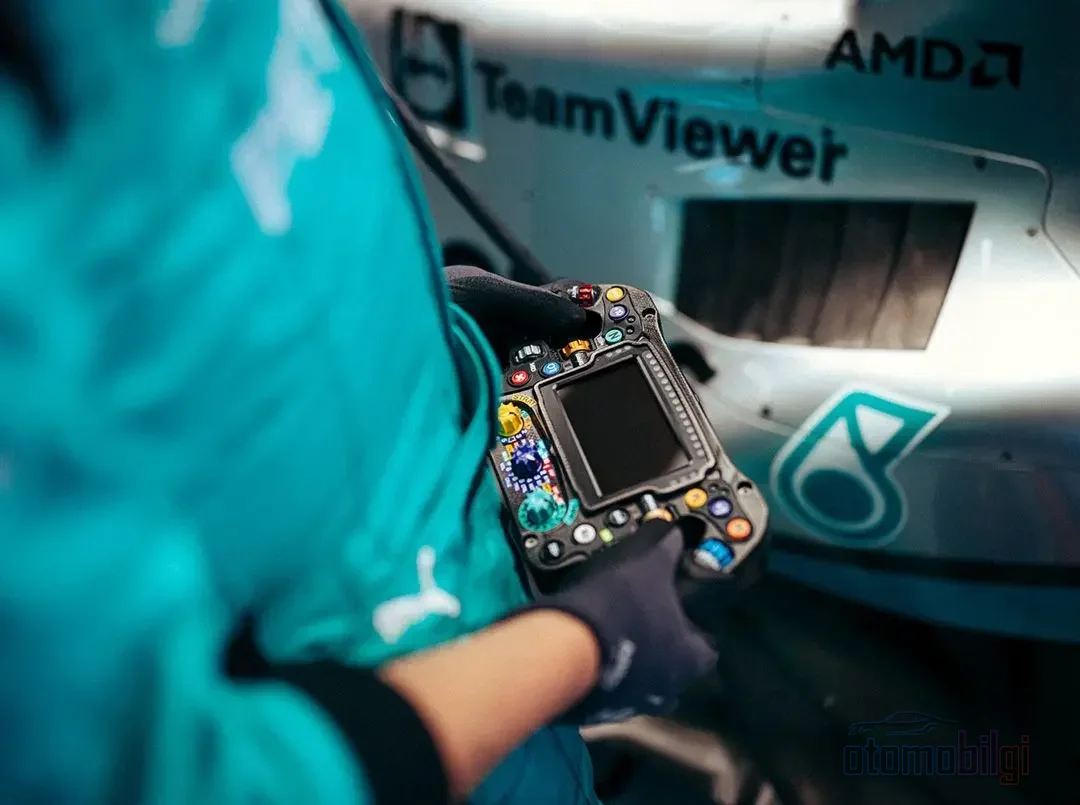
Winning on the track is an engineering job; because an F1 car streams strategy data to the pit wall at 1.1 million data points per second.
Telemetry and Data Flow in Formula 1
Lütfi Mete Odabaşı21 October 2026

Telemetry in F1 is the real-time stream of data flowing from the race car to the pit wall and the garage; hundreds of sensors on the car transmit everything from speed and braking information to tire pressure, fuel level, and engine health with milli…

Read More
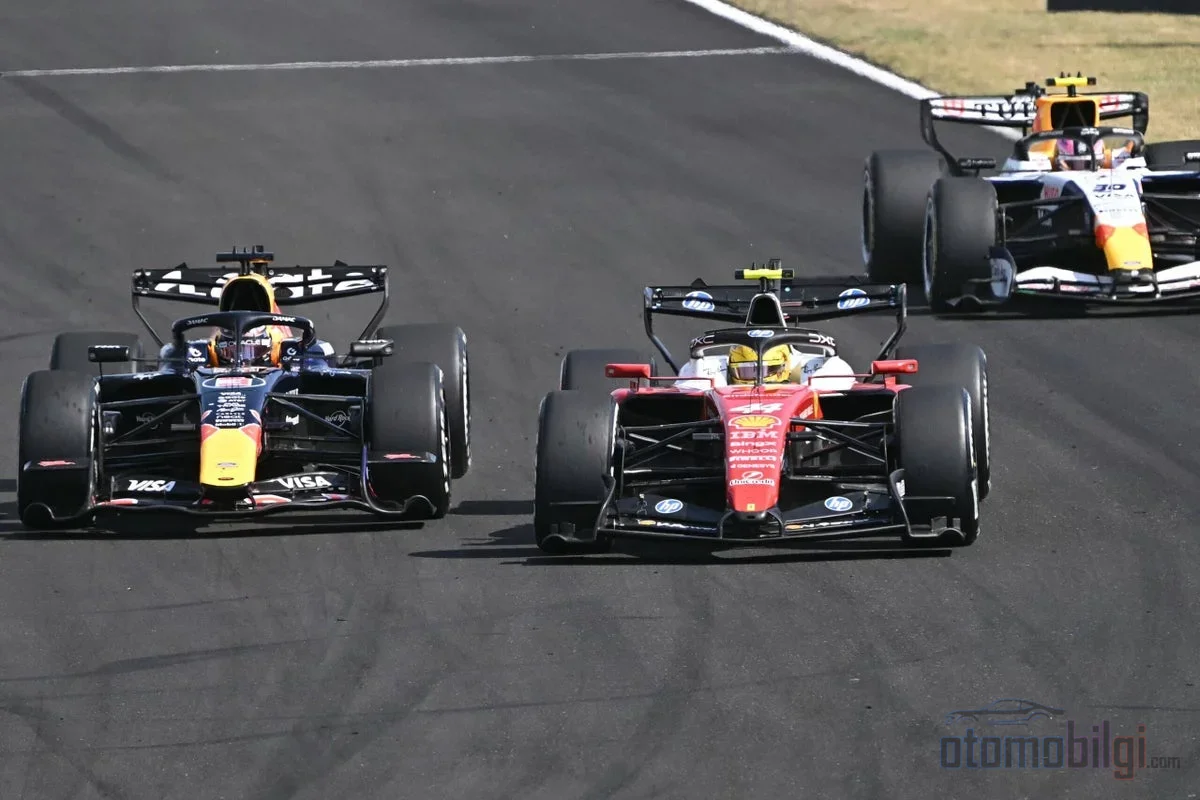
DRS turned the straights into overtaking zones for four seasons, but the real problem was always dirty air; in 2026 it gives way to Overtake Mode.
How Does DRS and the Overtaking Battle Work in Formula 1?
Lütfi Mete Odabaşı20 October 2026

DRS was a system that opened the flap on the rear wing of a Formula 1 car on straights to reduce air resistance and helped the following car overtake; it was used from 2011 until the end of the 2025 season, and in 2026 it made way for active aerodyna…

Read More
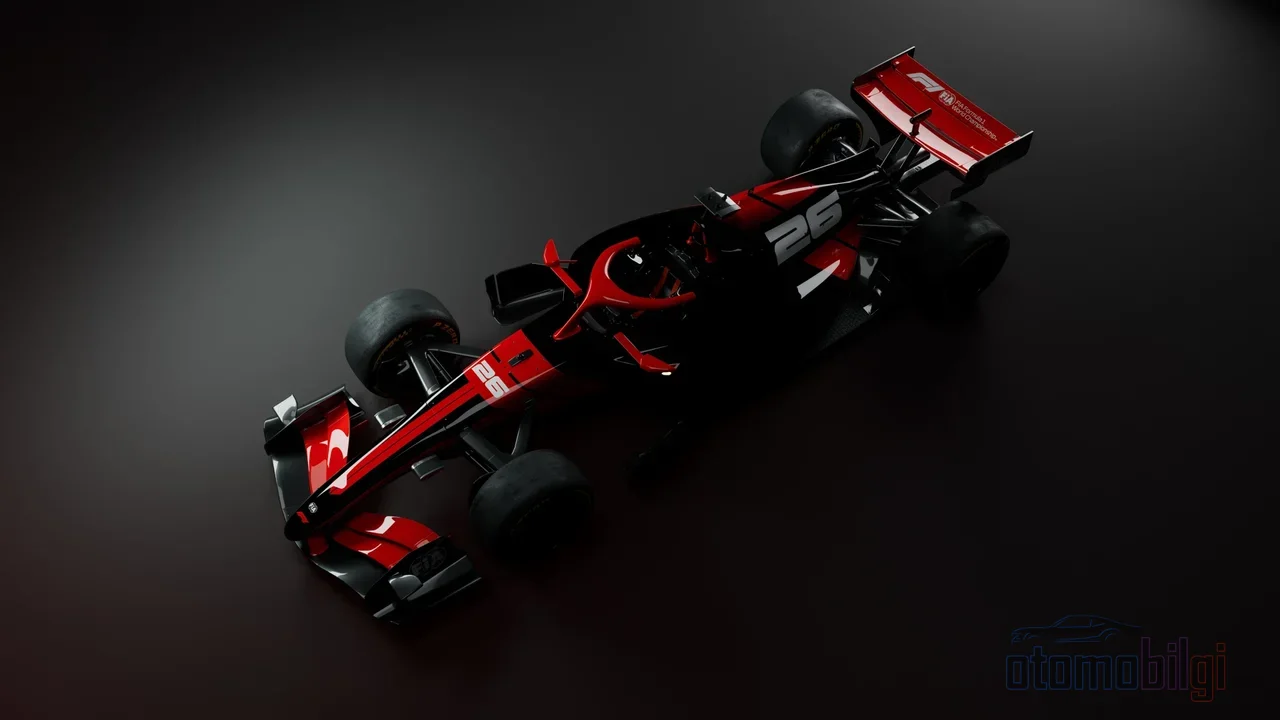
The chassis approved at the start of the season starts at the pit but changes from race to race; the real race in F1 is won not on the track but in the workshop,
The Upgrade Battle Throughout the F1 Season
Lütfi Mete Odabaşı19 October 2026

An F1 car enters the season with the base chassis approved at the start, but it changes constantly from race to race: wings, floor, brake ducts and many more parts are updated, making the car faster week by week. Behind this transformation lie simula…

Read More
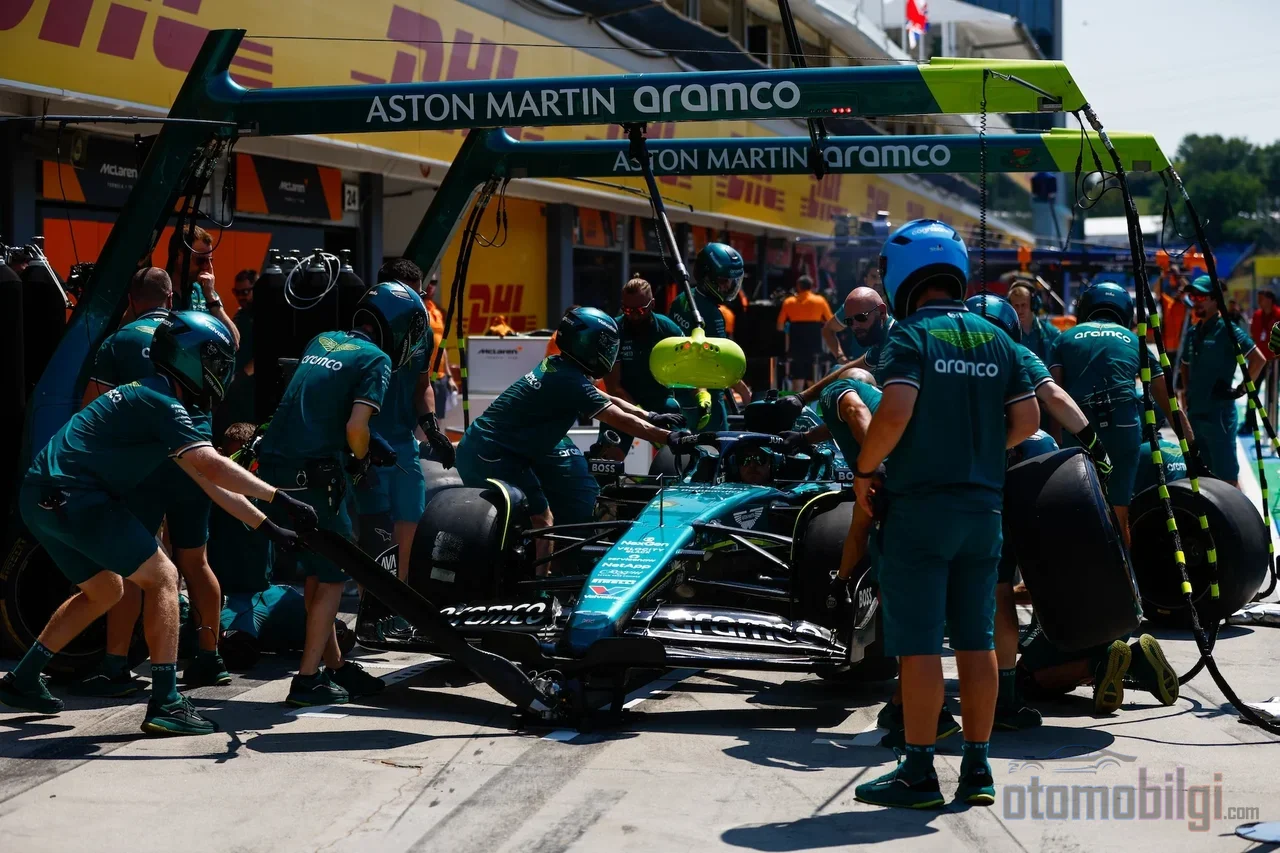
When a twenty-person pit wall drops the car to the ground and revives it in two seconds, Formula 1's fastest art slips past the spectator's eye.
Behind the Scenes of a Pit Stop: What Do 20 People Do in 2 Seconds?
Lütfi Mete Odabaşı19 October 2026

An F1 pit stop is completed with about 20 people in roughly 2 seconds: one gun operator per wheel, pairs of pullers and carriers, two jack operators, stabilizers, front wing adjusters and a light system operator, all engaging with the car simultaneou…

Read More
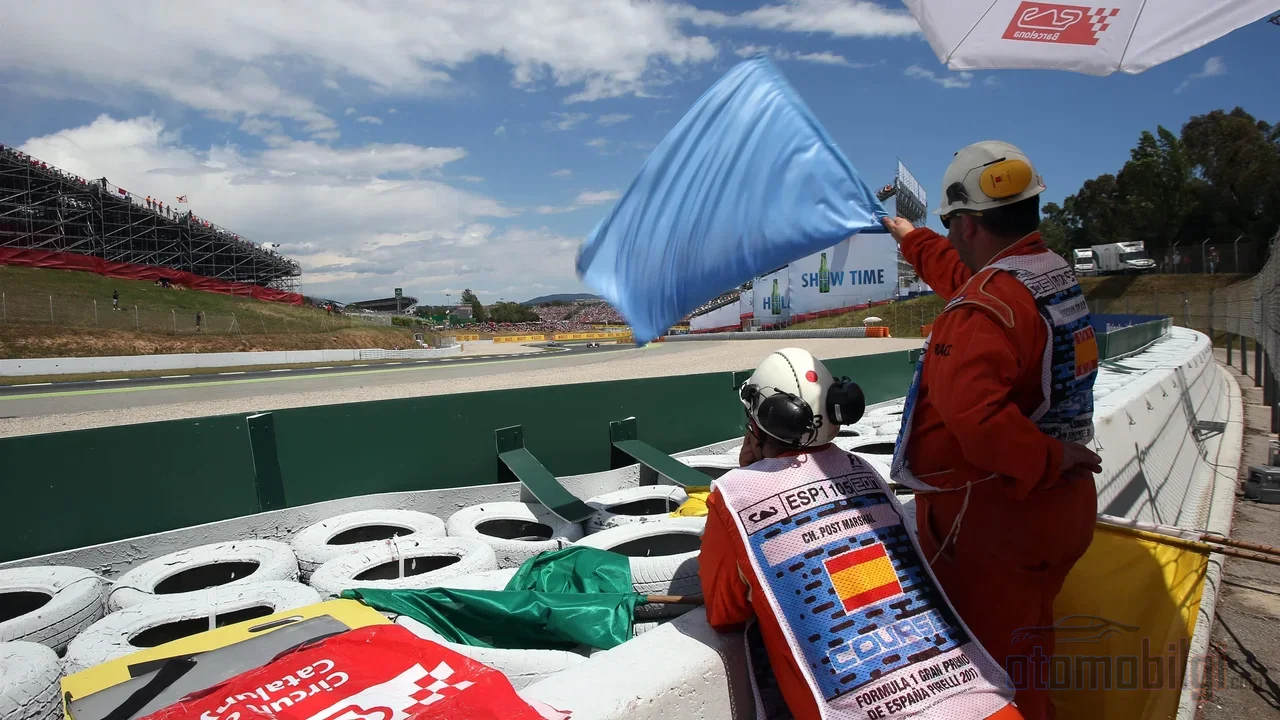
Behind every flag waved on the track, every sign you see on television, and every penalty decision lies a separate procedure.
How Do Flags, the Safety Car and Race Control Work in F1?
Lütfi Mete Odabaşı18 October 2026

In F1, flags, the safety car and race control are the set of rules that manage hazards and interruptions on track: each flag type signals a different level of danger, the race director and stewards run the session, the safety car and virtual safety c…

Read More
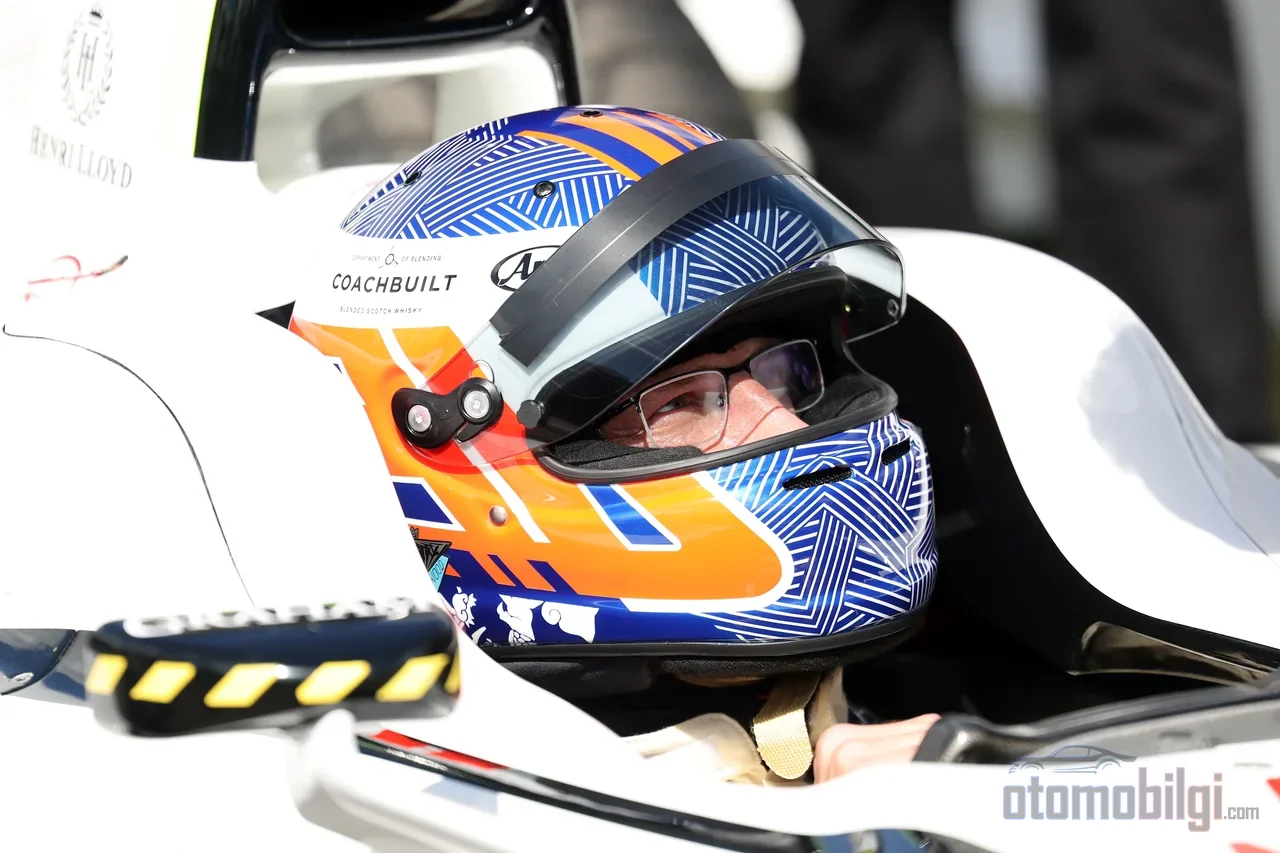
Championships are written by teams, not drivers: Ferrari has been on the stage for 75 years, while Brawn GP squeezed its fairy tale into a single season.
From Ferrari to Brawn: Unforgettable Team Stories in F1 History
Lütfi Mete Odabaşı18 October 2026

The most unforgettable team stories in F1 history form an institutional memory stretching from Ferrari's seasons, unbroken since 1950, to the one-year fairy tale of Brawn GP, and from the golden ages of Williams and McLaren to Lotus and Brabham's qui…

Read More
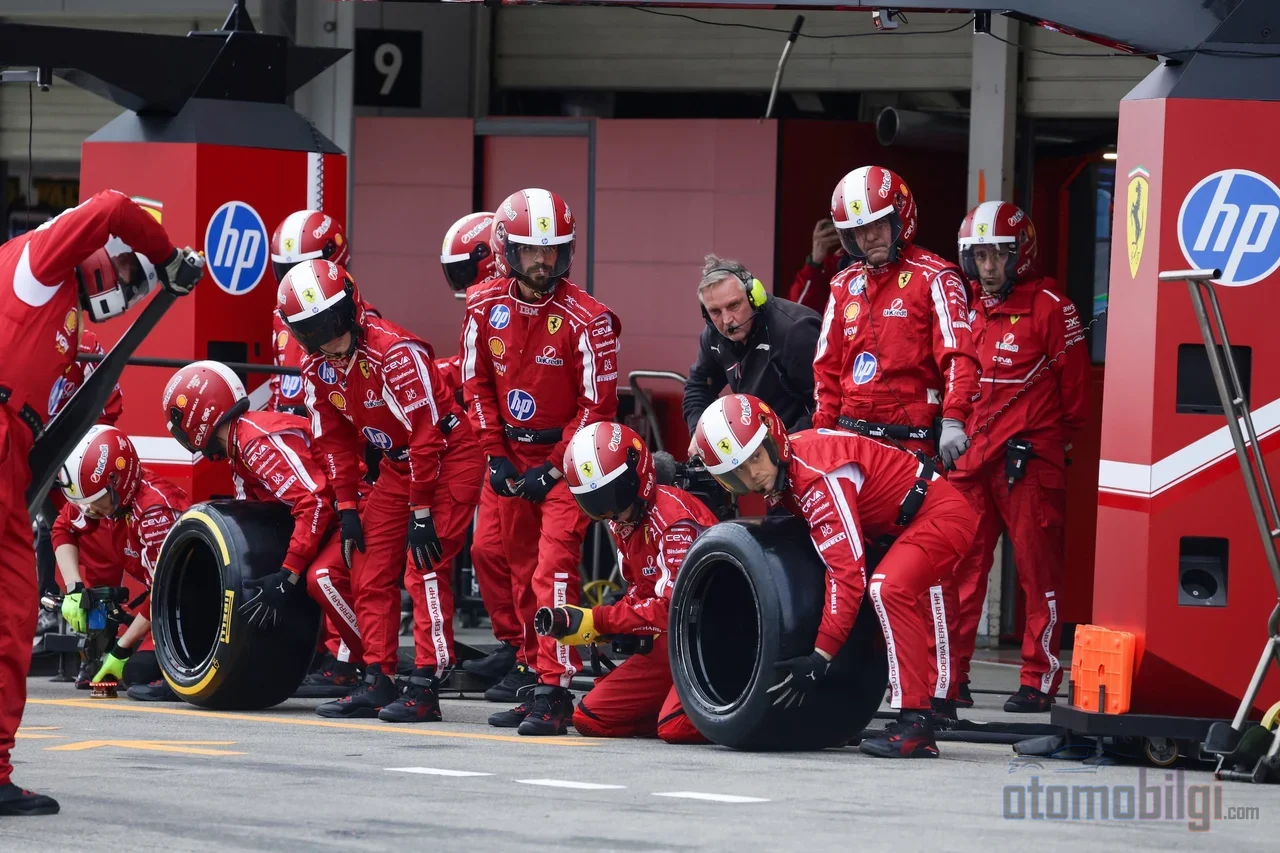
Behind every visible pit stop are 300 million simulated scenarios and a few sweaty humans who bear the final responsibility.
Who Sets Up the Race Strategy in F1 and How
Lütfi Mete Odabaşı17 October 2026

Who decides race strategy in F1? Short answer: no single person. The strategy engineer prepares scenarios with simulations, the race engineer acts as the bridge with the driver, and the risky final call is made by the team principal. In other words, …

Read More
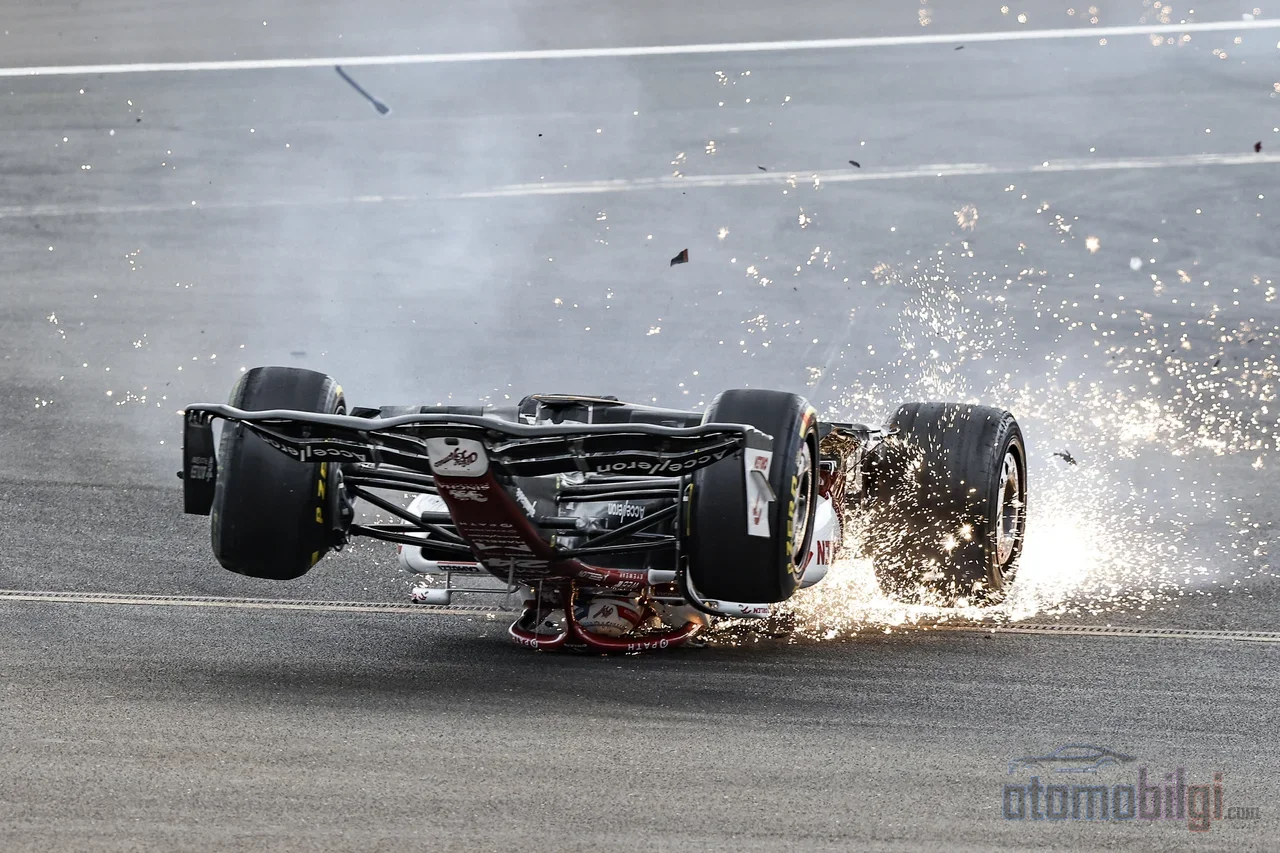
In the thirty years since that dark weekend at Imola, F1 has turned death into an engineering problem and reduced it to almost zero.
From Senna to Today: The Revolutions That Made F1 Safer
Lütfi Mete Odabaşı17 October 2026

The death of Ayrton Senna at Imola in 1994 was the turning point that ended the era in which safety went unquestioned in Formula 1 history; since that day, the HANS device, carbon fiber monocoque, halo, and redesigned circuits have built an engineeri…

Read More
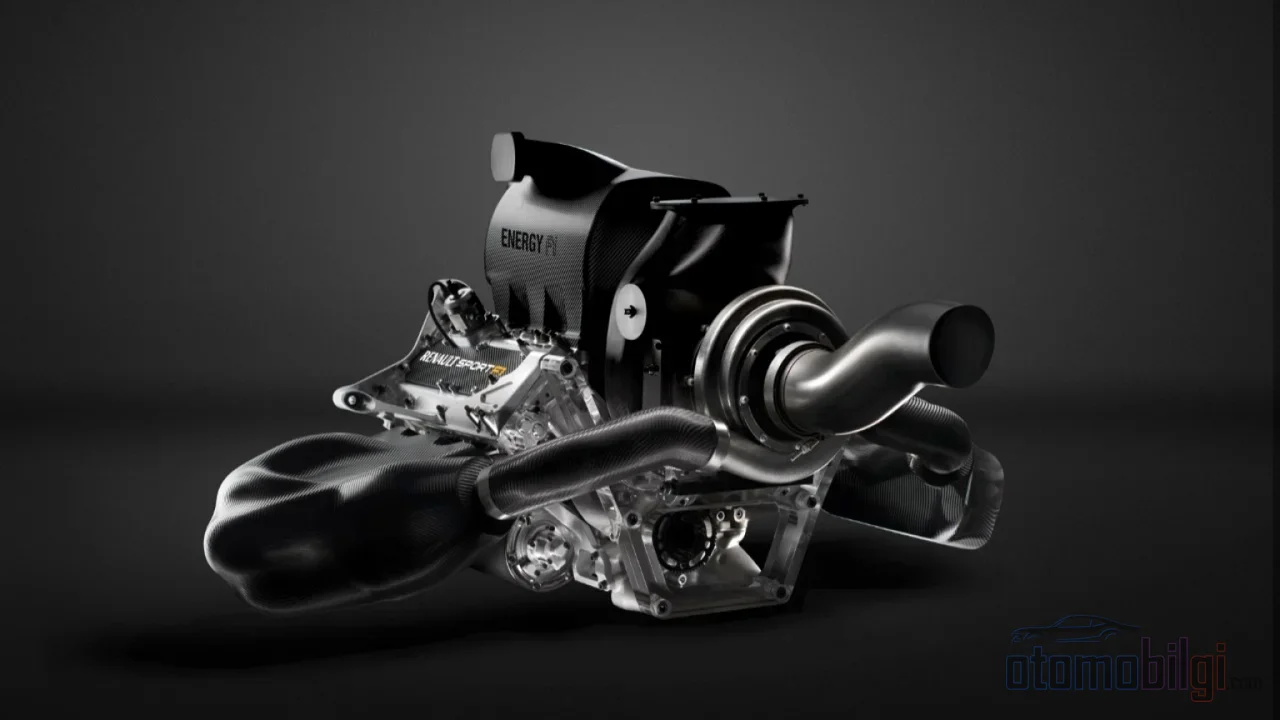
Today's F1 power unit is a complete energy factory from the inside out: more than half of the 1,000 horsepower is recovered from fuel with thermal efficiency exceeding 50%.
How Turbo-Hybrid Engines Changed F1
Lütfi Mete Odabaşı16 October 2026

Since 2014, F1 cars have had 1.6-liter turbo V6s and two motor-generator units in place of the... sorry, in place of the naturally aspirated V8. So today's F1 car isn't just an engine on its own; it's an entire power unit made up of an internal combu…

Read More
  • 1
  • 2
  • Next

Category Editor

Lütfi Mete Odabaşı

Lütfi Mete Odabaşı

A young, dynamic automotive and motorsport enthusiast who loves researching and learning. Mete adds value to our automotive news, information, and culture platform with a young person's perspective. He closely follows innovations in automotive technologies and developments in motorsport, turning what he learns into rich, useful content for otomobilgi.com.

Follow Us on Social Media

Share This Page

Follow Us on Social Media

  • About Us
  • KVKK Disclosure Statement
  • Privacy Policy
  • Contact
Otomobilgi.com
INDEPENDENT AUTOMOBILE CULTURE PLATFORM
Powered by Virgo CMS