Otomobilgi.comOtomobilgi.com
  • Türkçe
  • English
  • Deutsch
  • Français
  • Italiano
  • Español
  • Português
  • Polski
  • Magyar
  • Azərbaycanca
  • Bahasa Indonesia
  • Русский
  • 中文
  • 日本語
  • 한국어
  • हिन्दी
  • বাংলা
  • العربية
  • فارسی
  • Türkçe
  • English
  • Deutsch
  • Français
  • Italiano
  • Español
  • Português
  • Polski
  • Magyar
  • Azərbaycanca
  • Bahasa Indonesia
  • Русский
  • 中文
  • 日本語
  • 한국어
  • हिन्दी
  • বাংলা
  • العربية
  • فارسی
  • HOME PAGE
  • NEWS
    Turkish Automotive Industry News
    Global Automotive Industry News
    Turkish Motorsports News
    Global Motorsports News
  • INTERNAL COMBUSTION
    Internal Combustion Models
    Internal Combustion Engine Technologies
    Fuel and Consumption
    Emission and Environment
    Internal Combustion Ownership
    History of the Internal Combustion Automobile
  • ELECTRIC
    Electric Models
    Electric Car Technologies
    Charging and Infrastructure
    Battery Technology
    Range and Consumption
    Electric Vehicle Ownership
    History of the Electric Car
  • HYBRID
    Hybrid Models
    Hybrid Systems
    Battery and Charging
    Consumption and Efficiency
    Hybrid Ownership
    History of Hybrid Cars
  • TECHNOLOGY
    Driver Assistance Systems
    Safety Technologies
    Lighting and Visibility Technologies
    Infotainment and Connectivity
    Autonomous Driving and Artificial Intelligence
    Future Technologies
  • GUIDES
    Buying Guides
    Sales Guides
    Maintenance and Use
    Ownership and Costs
    Tires and Wheels
    Insurance and Inspection
  • HISTORY & CULTURE
    Automobile History
    Iconic Models
    Classics and Collections
    Türkiye's Automobile Journey
    Automobile Design
    Cars and Popular Culture
  • MOTORSPORT
    Formula 1
    Rallying (WRC)
    Rallycross
    MotoGP
    Formula 2 & Formula 3
    Karting
    24 Hours of Le Mans
    WEC
    NASCAR
    IndyCar
    DTM
    GT Races
    Drift
    Drag Races
  • Türkçe
  • English
  • Deutsch
  • Français
  • Italiano
  • Español
  • Português
  • Polski
  • Magyar
  • Azərbaycanca
  • Bahasa Indonesia
  • Русский
  • 中文
  • 日本語
  • 한국어
  • हिन्दी
  • বাংলা
  • العربية
  • فارسی
  • Türkçe
  • English
  • Deutsch
  • Français
  • Italiano
  • Español
  • Português
  • Polski
  • Magyar
  • Azərbaycanca
  • Bahasa Indonesia
  • Русский
  • 中文
  • 日本語
  • 한국어
  • हिन्दी
  • বাংলা
  • العربية
  • فارسی
  1. HOME PAGE
  2. GUIDES
  3. Tires and Wheels

Tires and Rims

Share This Page
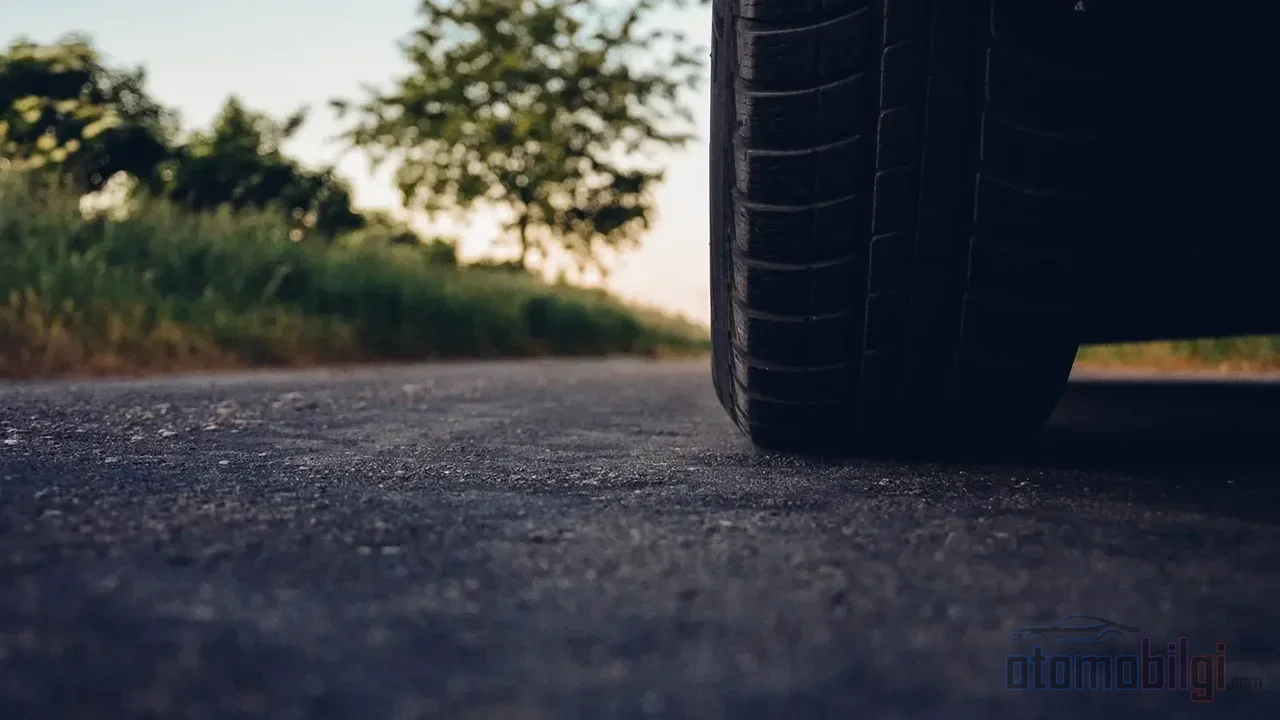
An electric vehicle that lets you fit an ordinary tire of matching size takes that cost back from you in range, comfort, and tire life.
Can You Put Regular Tires on Electric Vehicles?
Mustafa Odabaşı24 October 2026

Yes, you can fit normal tires on an electric vehicle; the car will run and take you where you need to go. But the price of this choice is paid in range, tire life, comfort and, to some extent, safety. Tires developed for electric vehicles are reinfor…

Read More
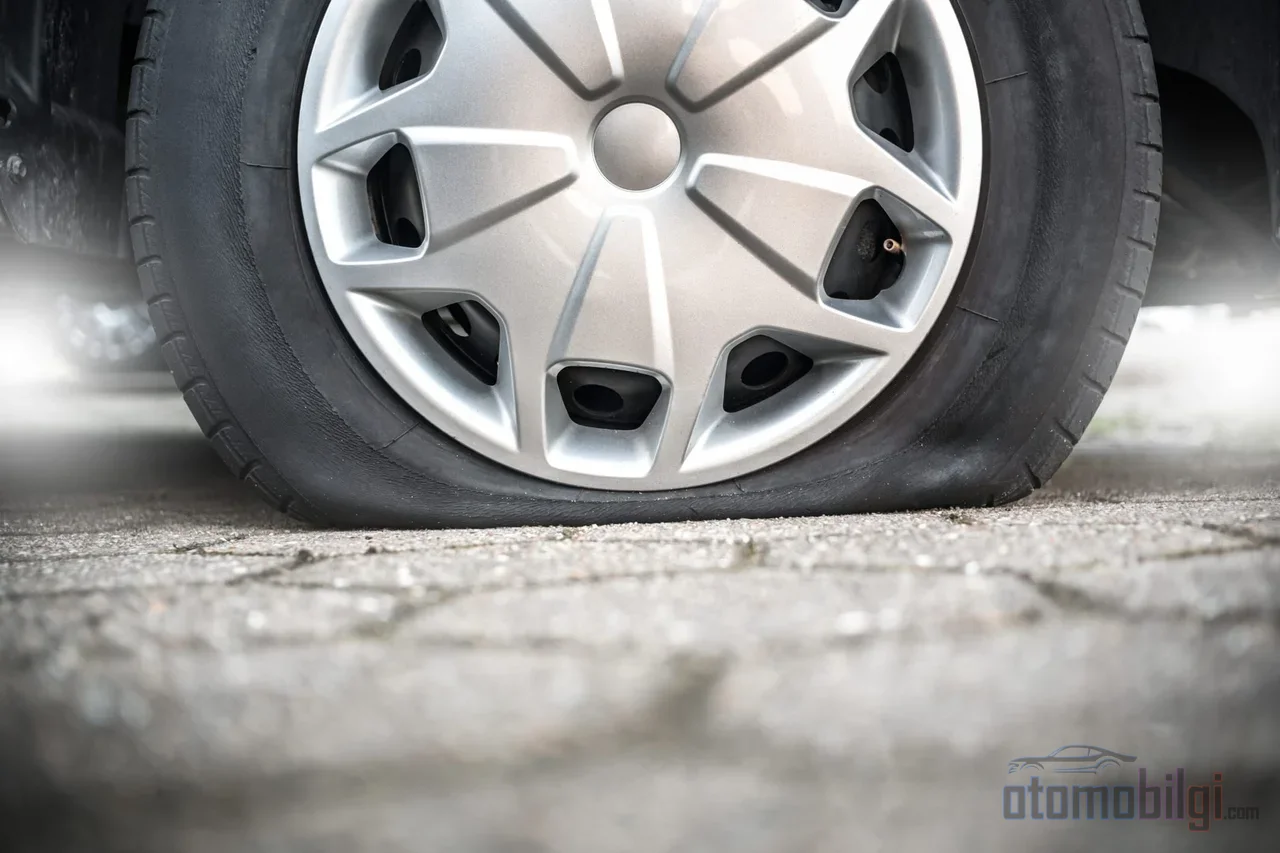
Even without a visible puncture, your tire may be losing 1-2 PSI of air every month; a faster drop indicates that the leak needs to be repaired.
Why Does a Tire Go Flat? Possible Causes of Slow Air Leaks
Mustafa Odabaşı23 October 2026

If a tire is going flat, there is usually no visible puncture; the source of the problem is typically the valve, the point where the tire seats on the rim, corrosion or a crack in the rim, a tiny foreign object embedded in the tread area, or the natu…

Read More
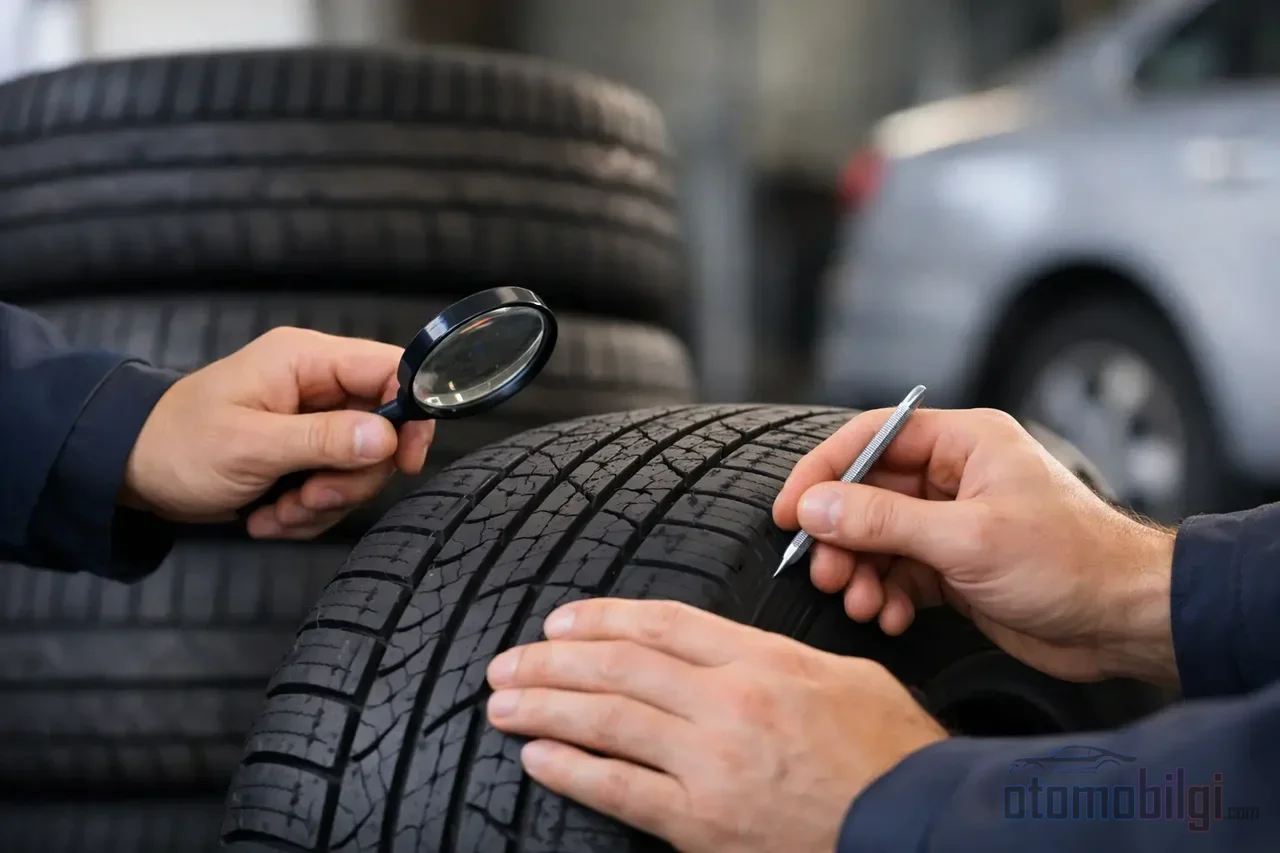
Being stingy with second-hand tires can cost you dearly, from longer braking distances to hidden internal damage; rejecting any suspicious tire is the smartest defense.
Is Buying Used Tires Risky?
Mustafa Odabaşı22 October 2026

Buying used tires is a reasonable way to save money if you find the right tire; but it also carries serious risks due to sidewall damage, hidden internal damage, unknown storage history and the story behind the tread depth. Before buying, the tread d…

Read More
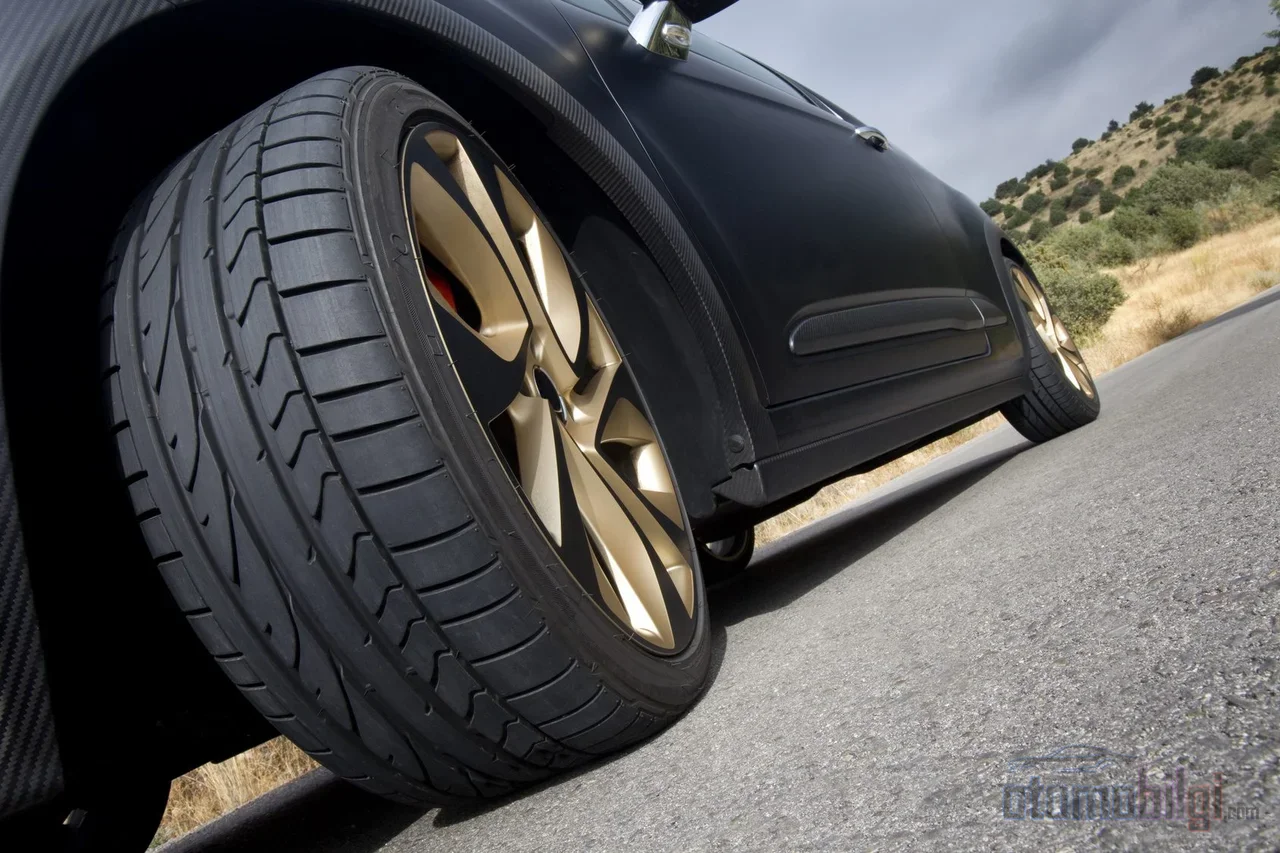
Wide tires win on dry asphalt but lose on snow-covered roads; the truth is not about the width of the tire, but the right width for your road.
Are Wider Tires Really Better? The Pros and Cons of Width
Mustafa Odabaşı21 October 2026

A wider tire is not better in every condition; it improves grip, braking, and stability on dry ground and at high speed, but raises fuel consumption and noise, can reduce comfort, and performs worse than a narrow tire especially on loose and slushy s…

Read More
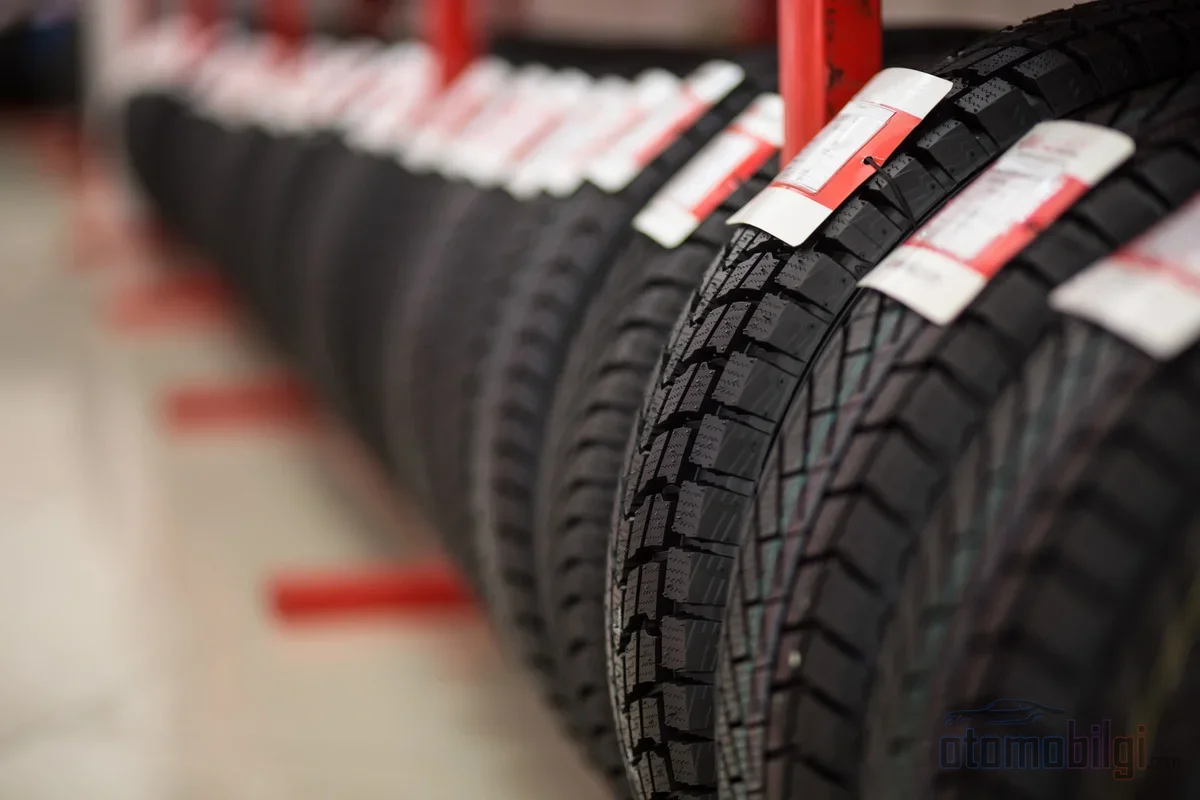
Tires age even when unused; the last four digits of the DOT code quietly reveal how many years of shelf life the rubber has.
Do Tires Age While Sitting on the Shelf? The Date of a Tire in Its Packaging
Mustafa Odabaşı21 October 2026

Yes, a tire that just sits on a shelf ages too. A tire's life is not measured by tread depth alone; whether rolling on a vehicle or waiting in storage, the rubber compound hardens and chemically degrades over time. The production date is written in t…

Read More
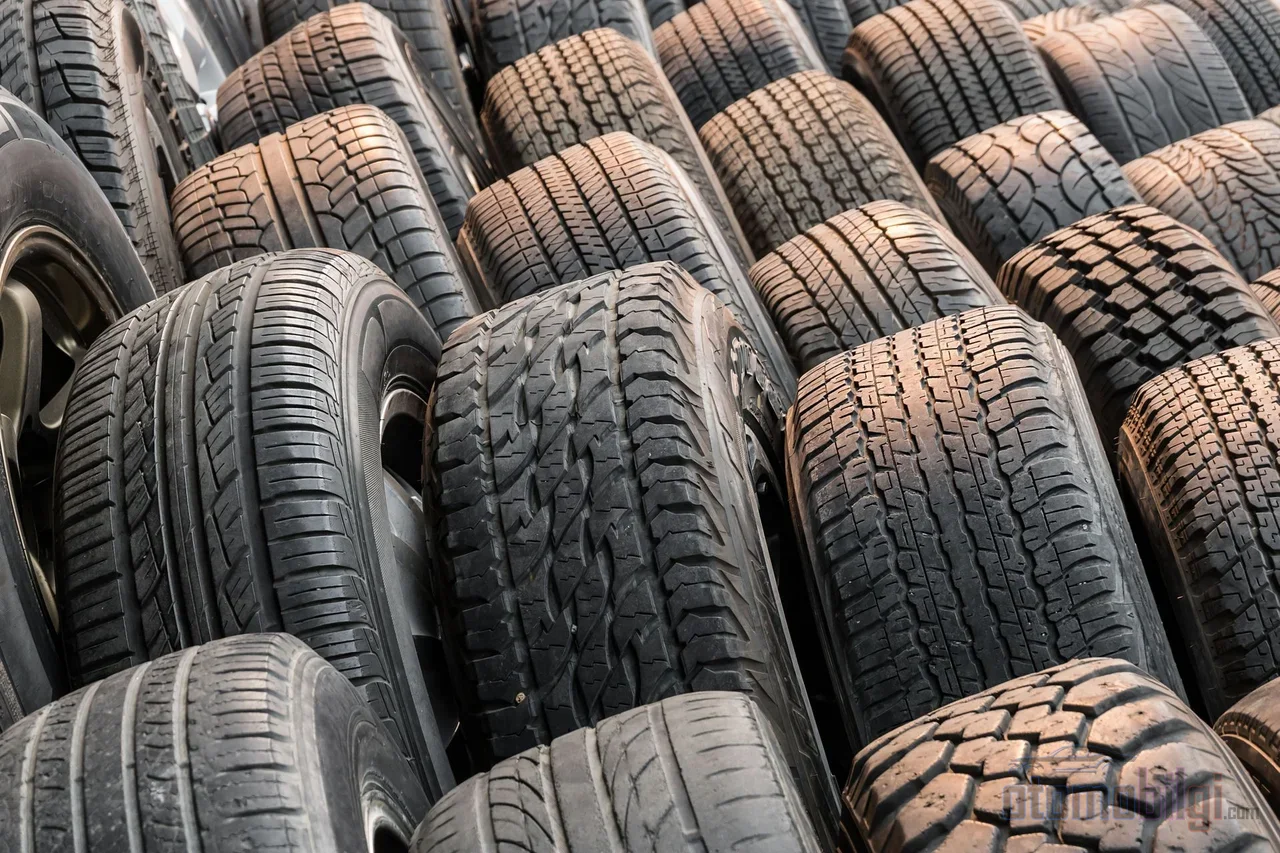
Uneven tire wear across one axle is a silent safety risk that disrupts handling and is banned by nearly all manufacturers.
Can You Use Different Tires on One Axle?
Mustafa Odabaşı21 October 2026

Short answer: Using different tires on the same axle is a safety risk, and nearly all manufacturers do not allow it. The two tires on the same axle must be exactly the same size; ideally they should be the same brand, the same tread pattern, the same…

Read More
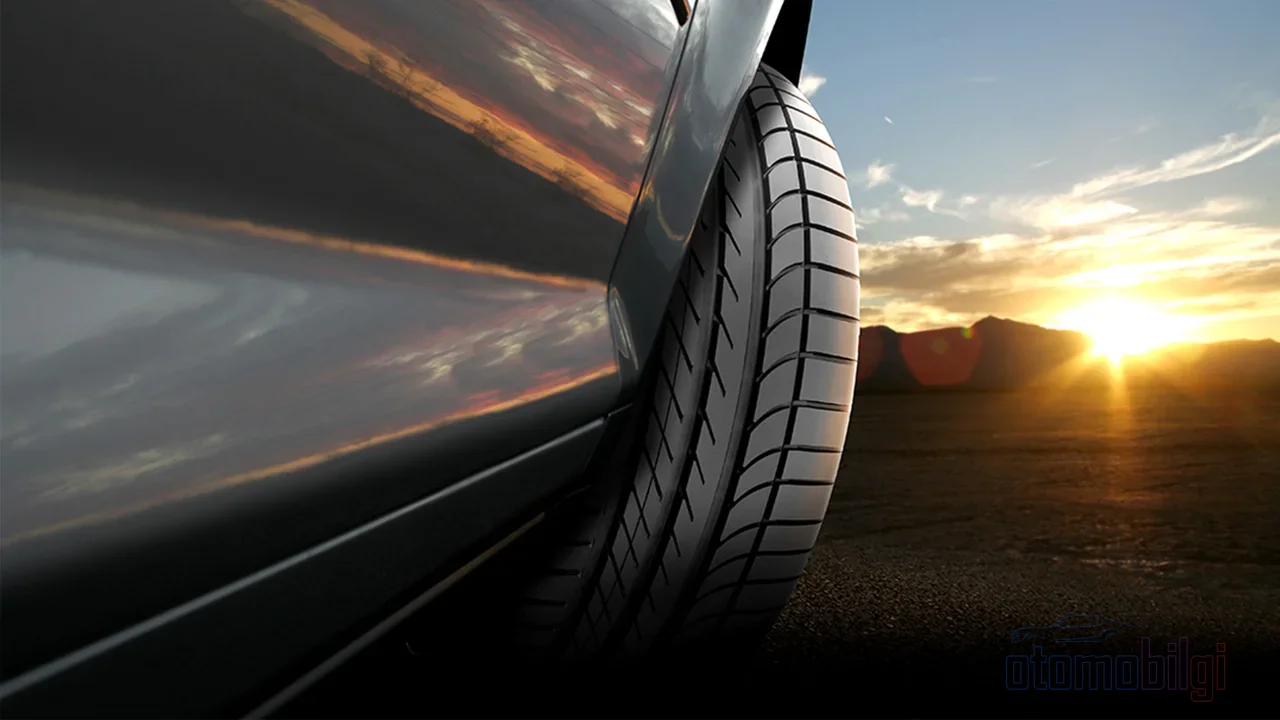
When directional tires are mounted the wrong way, they collect water instead of channeling it out; you won't notice it on dry roads, but the real price is paid on wet ones.
Asymmetric or Directional? What Happens If Tires Are Fitted with the Wrong Pattern
Mustafa Odabaşı20 October 2026

If a directional tire is mounted backwards, instead of expelling water it channels it toward the center of the tire; grip and braking performance drop on wet surfaces, and the risk of hydroplaning increases. If an asymmetric tire is mounted backwards…

Read More
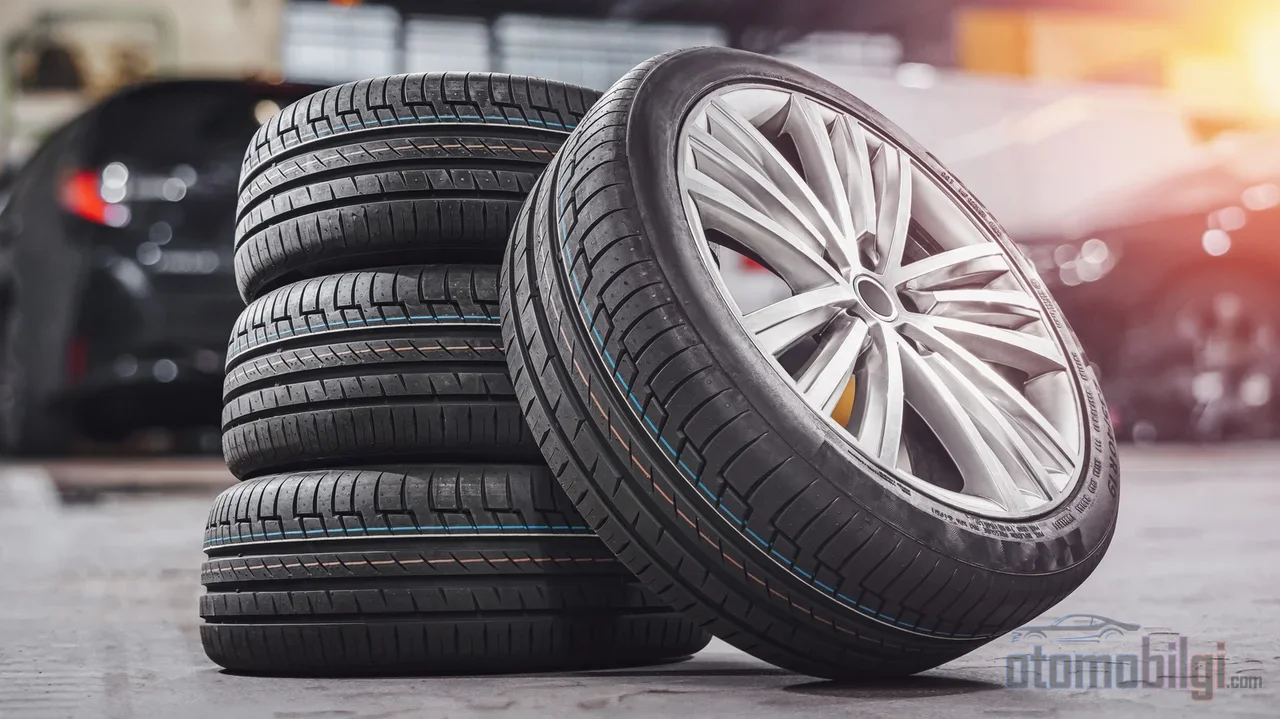
On wet roads, a single tire class difference means 3 to 6 meters of extra braking distance, or approximately 80 liters of fuel over the tire's lifetime.
How Do the A, B, C Ratings on the Tire Label Affect Your Vehicle?
Mustafa Odabaşı19 October 2026

The A, B, C ratings on the tire label measure three things: fuel efficiency, wet braking, and exterior noise. Class A represents the best performance in every parameter, while Class E shows the weakest. A single class difference between these letters…

Read More
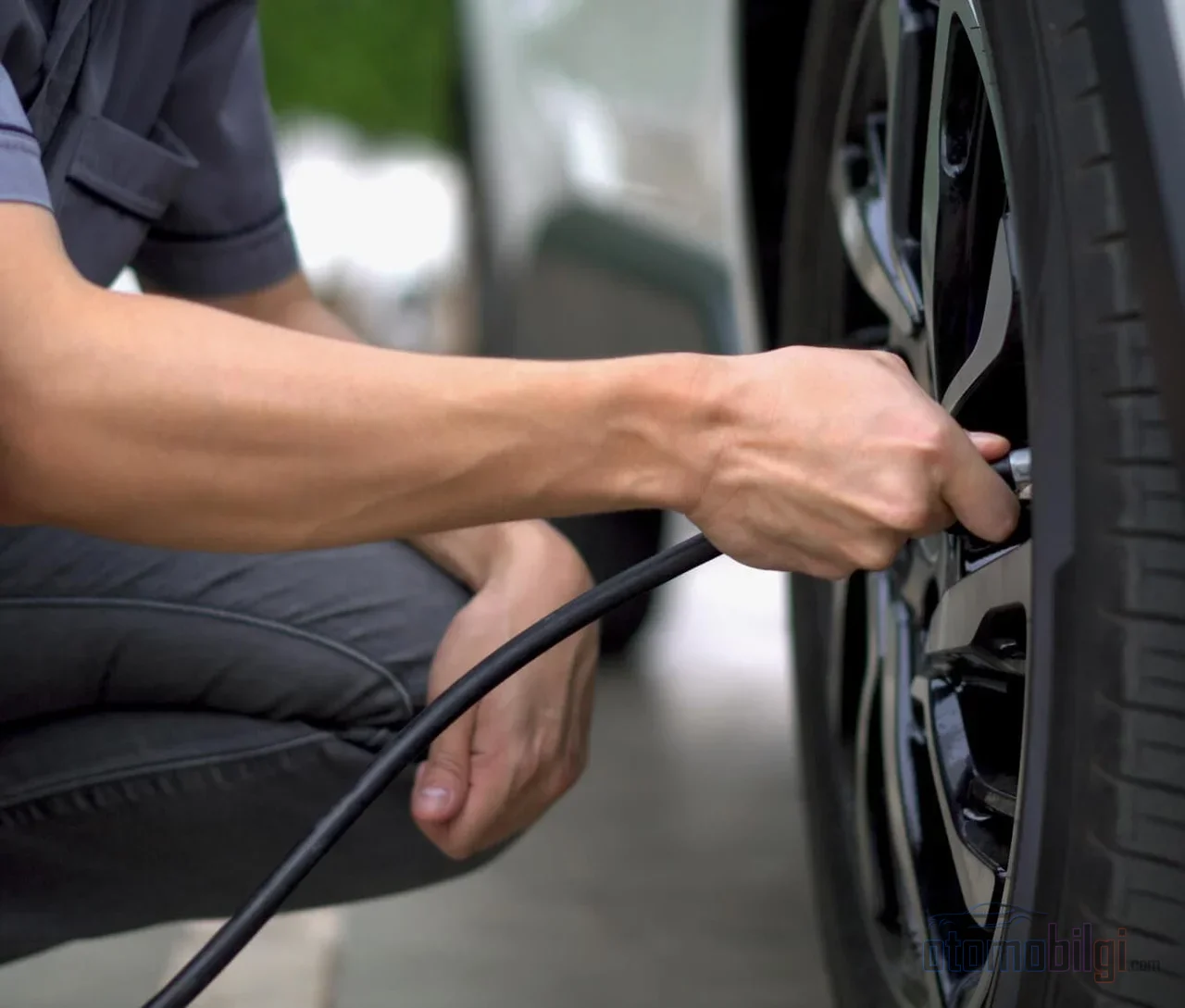
The annual pressure gain of nitrogen-inflated tires is only 1.3 psi; a driver who checks them once a month will surpass this difference with a single pump session.
Does Filling Tires with Nitrogen Really Make a Difference?
Mustafa Odabaşı19 October 2026

No, for an ordinary driver, nitrogen-filled tires do not make a noticeable difference compared to regular air-filled tires kept at the correct pressure. Nitrogen slows pressure loss slightly, but the annual difference remains small, at around 1.3 psi…

Read More
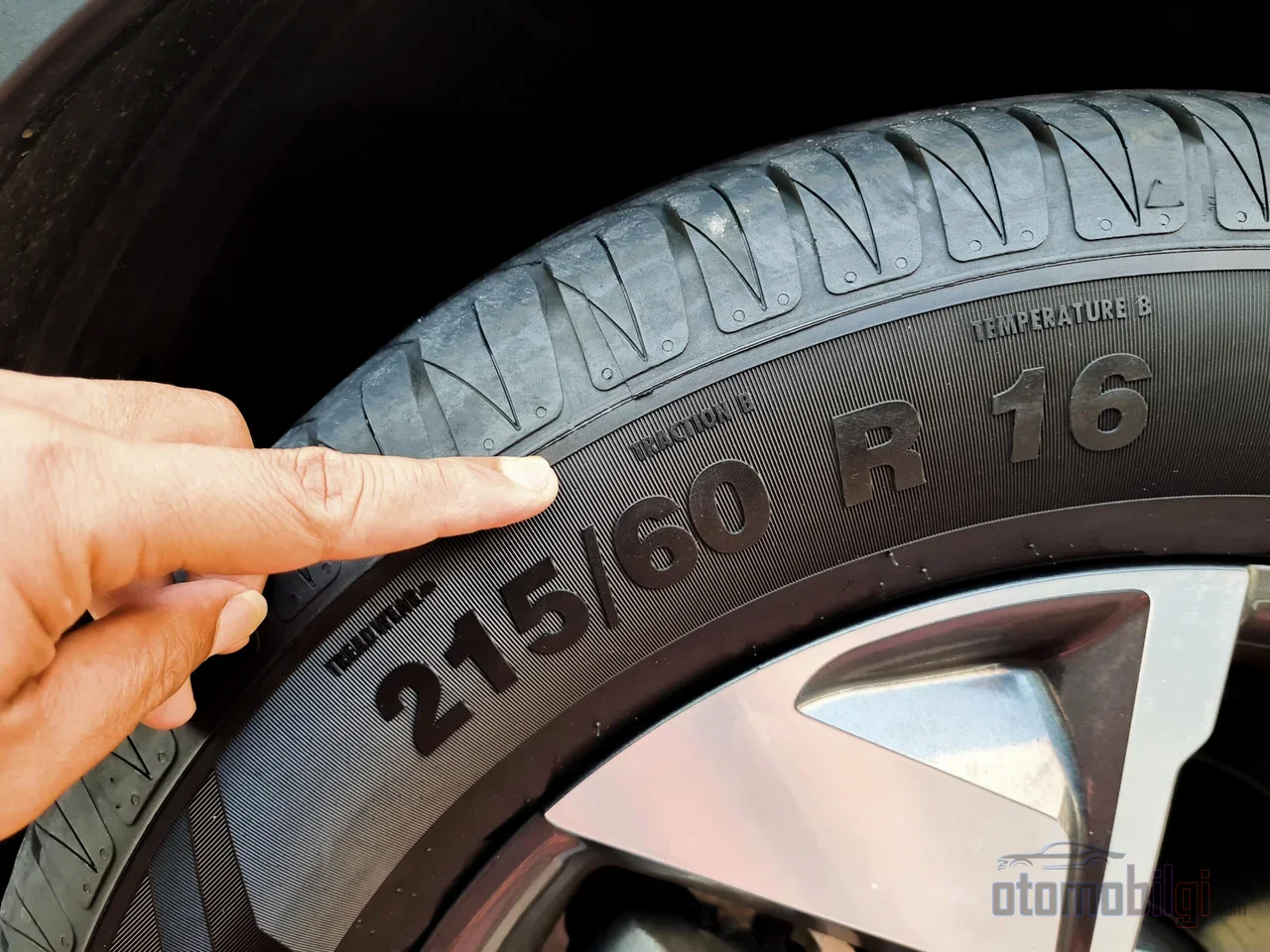
A small 91V code on the sidewall tells you that the tire carries 615 kg per wheel and withstands heat up to 240 km/h; dropping below this limit puts everything from your insurance to your safety at risk.
Load Index and Speed Rating: The Cost of the Wrong Choice in Vehicle Tires
Mustafa Odabaşı18 October 2026

The load index is a numerical code indicating the maximum load a tire can safely carry when properly inflated; the speed rating expresses, with a letter, the maximum speed at which the tire can safely travel while carrying that load. The 91V code in …

Read More
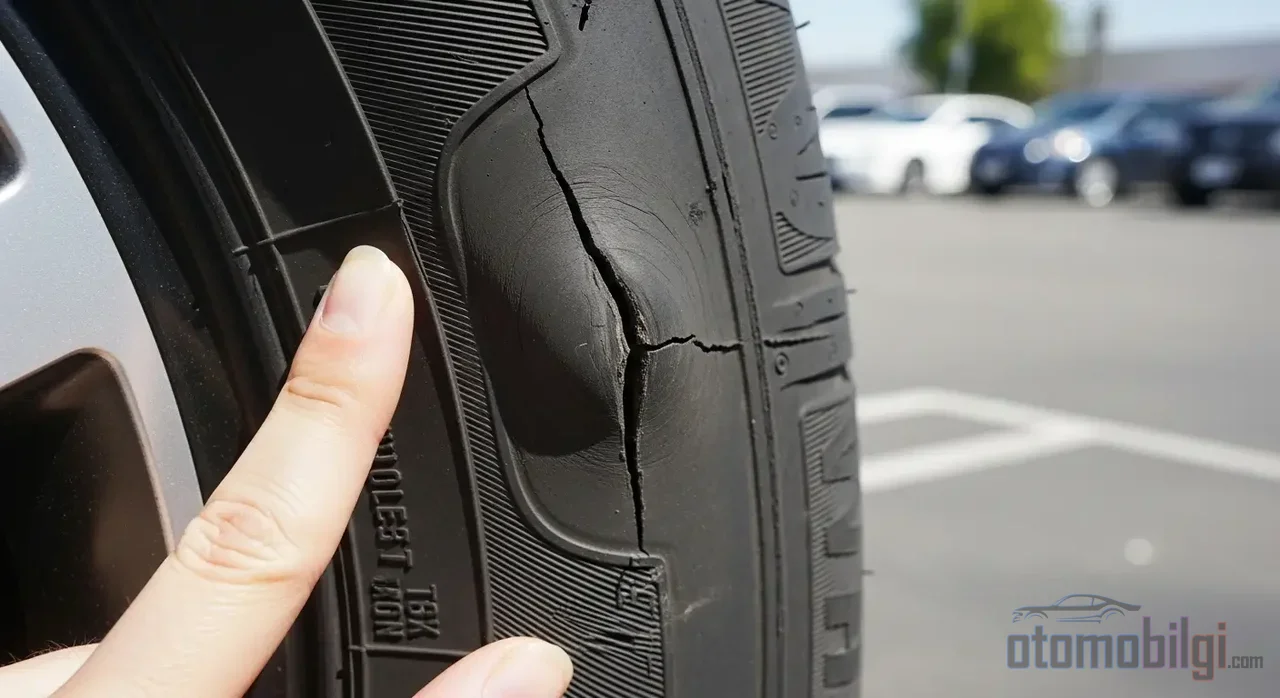
Any damage exceeding 6 millimeters that reaches the tire's sidewall points the way not to the repair shop, but to the scrapyard.
Can a Tire Puncture Be Repaired, or Does It Need to Be Replaced?
Mustafa Odabaşı18 October 2026

A puncture in the tire can be repaired if it is in the tread area and does not exceed 6 mm (for passenger and light commercial vehicles); damage to the sidewall area, bulges, or large cuts cannot be repaired and the tire must be replaced. The decisio…

Read More
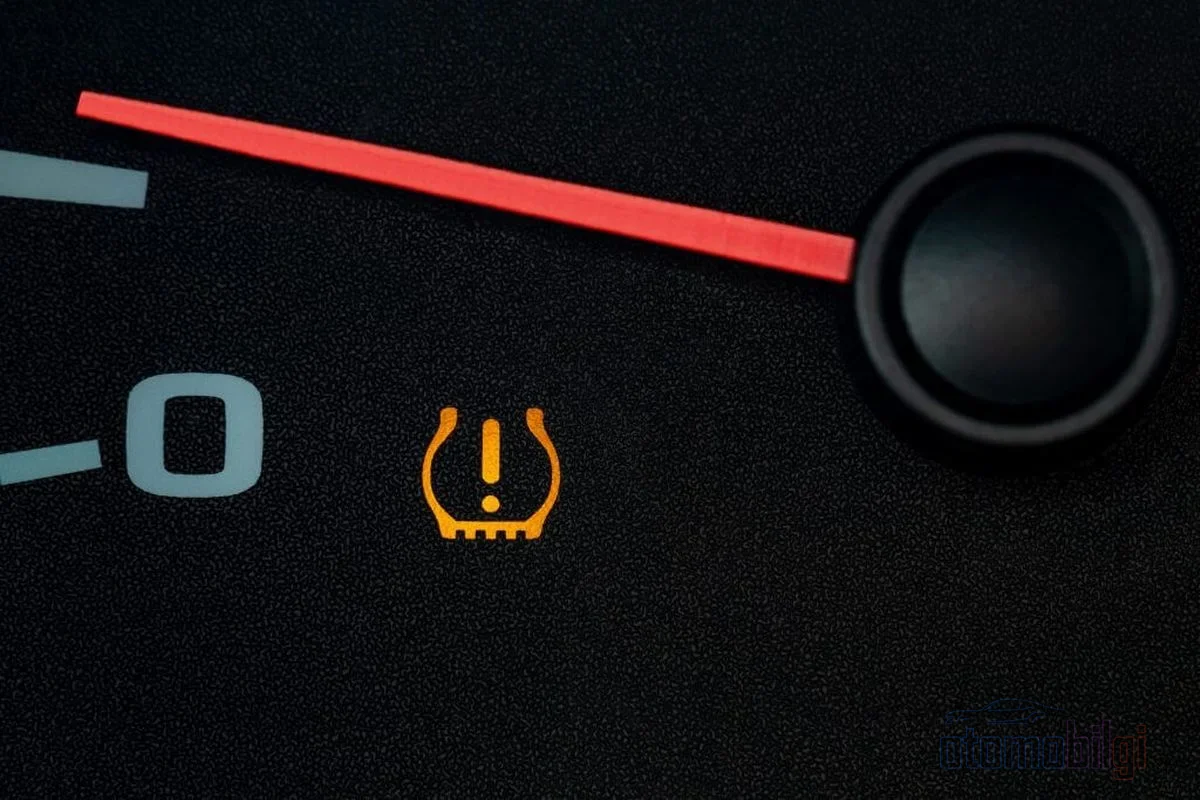
It is not the color of the TPMS light but its behavior that aids diagnosis: a steady light indicates pressure loss, while a brief flash at startup signals a system malfunction.
Is the TPMS Light On? What Does the Tire Pressure Sensor Indicate
Mustafa Odabaşı17 October 2026

If the TPMS light is on and your tires are perfectly fine, don't panic: a steadily lit light usually indicates that a tire has dropped at least 25% below its label pressure, whereas a light that flashes for a while at each startup and then stays soli…

Read More
  • 1
  • 2
  • Next

Category Editor

Mustafa Odabaşı

Mustafa Odabaşı

He started his professional career in the IT sector about 30 years ago. Mustafa, an incurable developer and passionate car enthusiast, now creates content for you on otomobilgi.com in addition to software development.

Follow Us on Social Media

Share This Page

Follow Us on Social Media

  • About Us
  • KVKK Disclosure Statement
  • Privacy Policy
  • Contact
Otomobilgi.com
INDEPENDENT AUTOMOBILE CULTURE PLATFORM
Powered by Virgo CMS