Otomobilgi.comOtomobilgi.com
  • Türkçe
  • English
  • Deutsch
  • Français
  • Italiano
  • Español
  • Português
  • Polski
  • Magyar
  • Azərbaycanca
  • Bahasa Indonesia
  • Русский
  • 中文
  • 日本語
  • 한국어
  • हिन्दी
  • বাংলা
  • العربية
  • فارسی
  • Türkçe
  • English
  • Deutsch
  • Français
  • Italiano
  • Español
  • Português
  • Polski
  • Magyar
  • Azərbaycanca
  • Bahasa Indonesia
  • Русский
  • 中文
  • 日本語
  • 한국어
  • हिन्दी
  • বাংলা
  • العربية
  • فارسی
  • HOME PAGE
  • NEWS
    Turkish Automotive Industry News
    Global Automotive Industry News
    Turkish Motorsports News
    Global Motorsports News
  • INTERNAL COMBUSTION
    Internal Combustion Models
    Internal Combustion Engine Technologies
    Fuel and Consumption
    Emission and Environment
    Internal Combustion Ownership
    History of the Internal Combustion Automobile
  • ELECTRIC
    Electric Models
    Electric Car Technologies
    Charging and Infrastructure
    Battery Technology
    Range and Consumption
    Electric Vehicle Ownership
    History of the Electric Car
  • HYBRID
    Hybrid Models
    Hybrid Systems
    Battery and Charging
    Consumption and Efficiency
    Hybrid Ownership
    History of Hybrid Cars
  • TECHNOLOGY
    Driver Assistance Systems
    Safety Technologies
    Lighting and Visibility Technologies
    Infotainment and Connectivity
    Autonomous Driving and Artificial Intelligence
    Future Technologies
  • GUIDES
    Buying Guides
    Sales Guides
    Maintenance and Use
    Ownership and Costs
    Tires and Wheels
    Insurance and Inspection
  • HISTORY & CULTURE
    Automobile History
    Iconic Models
    Classics and Collections
    Türkiye's Automobile Journey
    Automobile Design
    Cars and Popular Culture
  • MOTORSPORT
    Formula 1
    Rallying (WRC)
    Rallycross
    MotoGP
    Formula 2 & Formula 3
    Karting
    24 Hours of Le Mans
    WEC
    NASCAR
    IndyCar
    DTM
    GT Races
    Drift
    Drag Races
  • Türkçe
  • English
  • Deutsch
  • Français
  • Italiano
  • Español
  • Português
  • Polski
  • Magyar
  • Azərbaycanca
  • Bahasa Indonesia
  • Русский
  • 中文
  • 日本語
  • 한국어
  • हिन्दी
  • বাংলা
  • العربية
  • فارسی
  • Türkçe
  • English
  • Deutsch
  • Français
  • Italiano
  • Español
  • Português
  • Polski
  • Magyar
  • Azərbaycanca
  • Bahasa Indonesia
  • Русский
  • 中文
  • 日本語
  • 한국어
  • हिन्दी
  • বাংলা
  • العربية
  • فارسی
  1. HOME PAGE
  2. ELECTRIC
  3. Electric Vehicle Ownership

Electric Vehicle Ownership

Share This Page
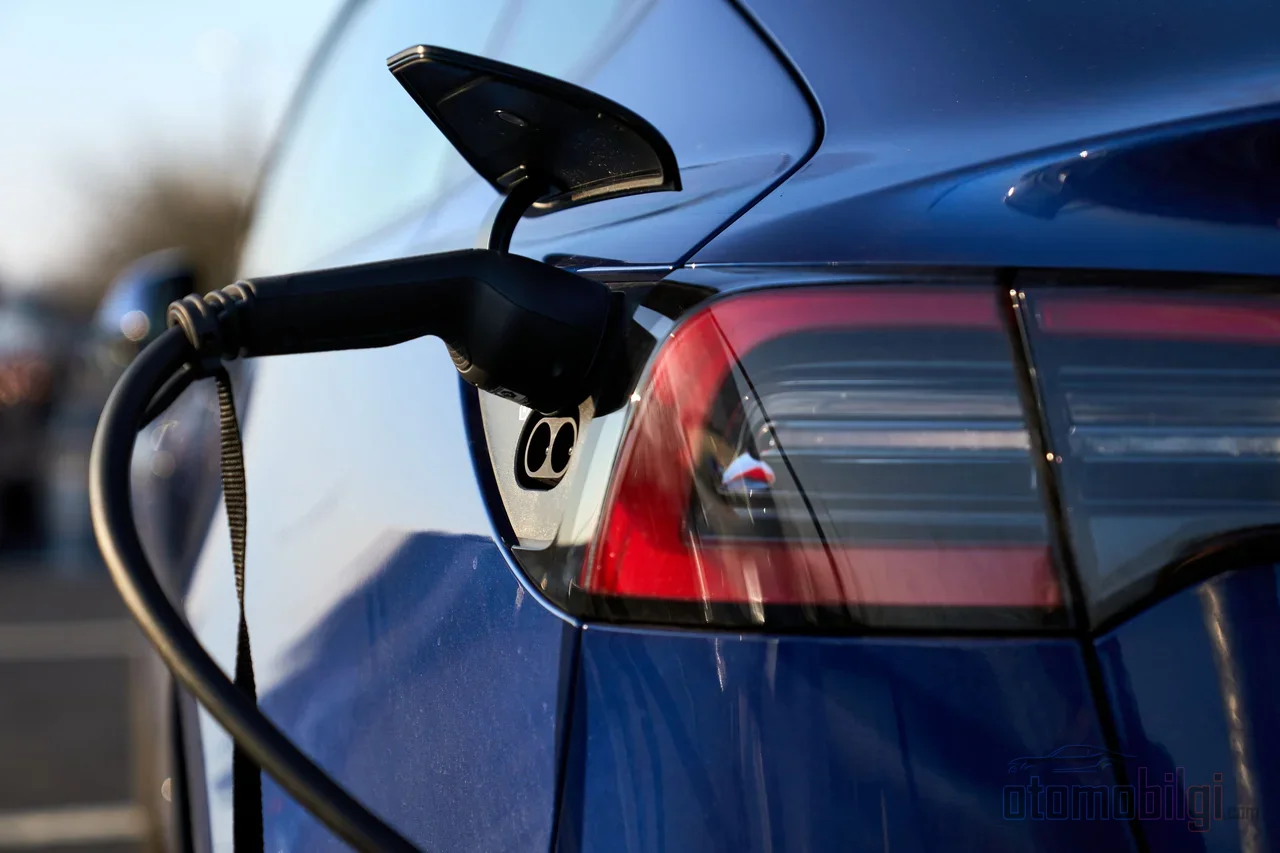
Electric vehicles must never be towed while their wheels are turning on the ground; if they break down on the road, the only rule is to have them lifted and transported on a flatbed tow truck.
What Should You Do If Your Electric Car Breaks Down on the Road?
Deniz Erkan24 October 2026

If your electric vehicle breaks down on the road, here is what you need to do: pull the vehicle safely to the side of the road, do not turn the ignition on and off unnecessarily, and request that the tow truck you call be a flatbed (platform) tow tru…

Read More
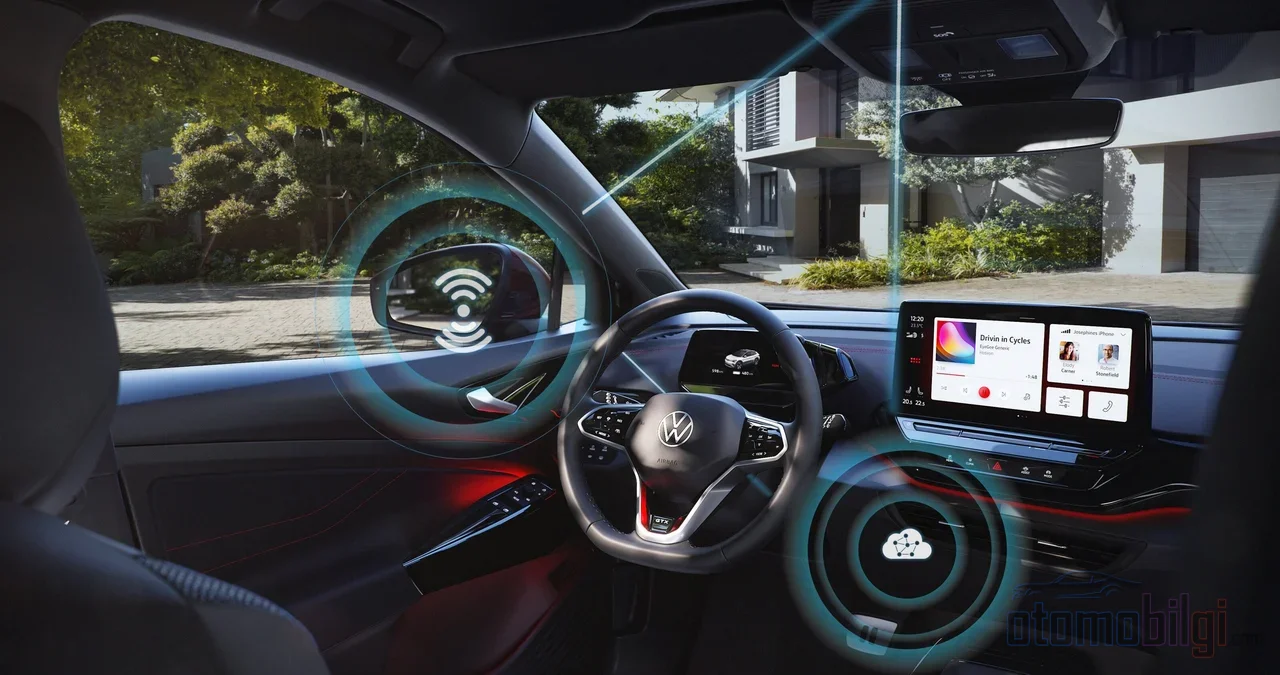
Your electric car now receives software updates over the internet overnight while you sleep, without going to a service center; its range and charging speed can improve over time, but some features are unlocked with a subscription.
How Do OTA Updates Work in Electric Vehicles
Deniz Erkan23 October 2026

OTA (Over-the-Air) updates mean your electric car receives software over the internet without going to a service center. Thanks to this technology, range, charging speed, driver assistance systems and infotainment can improve over time; however, some…

Read More

In a second-hand electric vehicle, the mileage alone tells you nothing; the real story lies hidden in the battery's SOH value.
How to Correctly Read Battery Health When Buying a Used EV
Deniz Erkan22 October 2026

When buying a used electric vehicle, checking battery health should be as fundamental a habit as checking the mileage on a gasoline car - but mileage alone is not enough. Battery health, or SOH (State of Health), shows what percentage of the battery'…

Read More
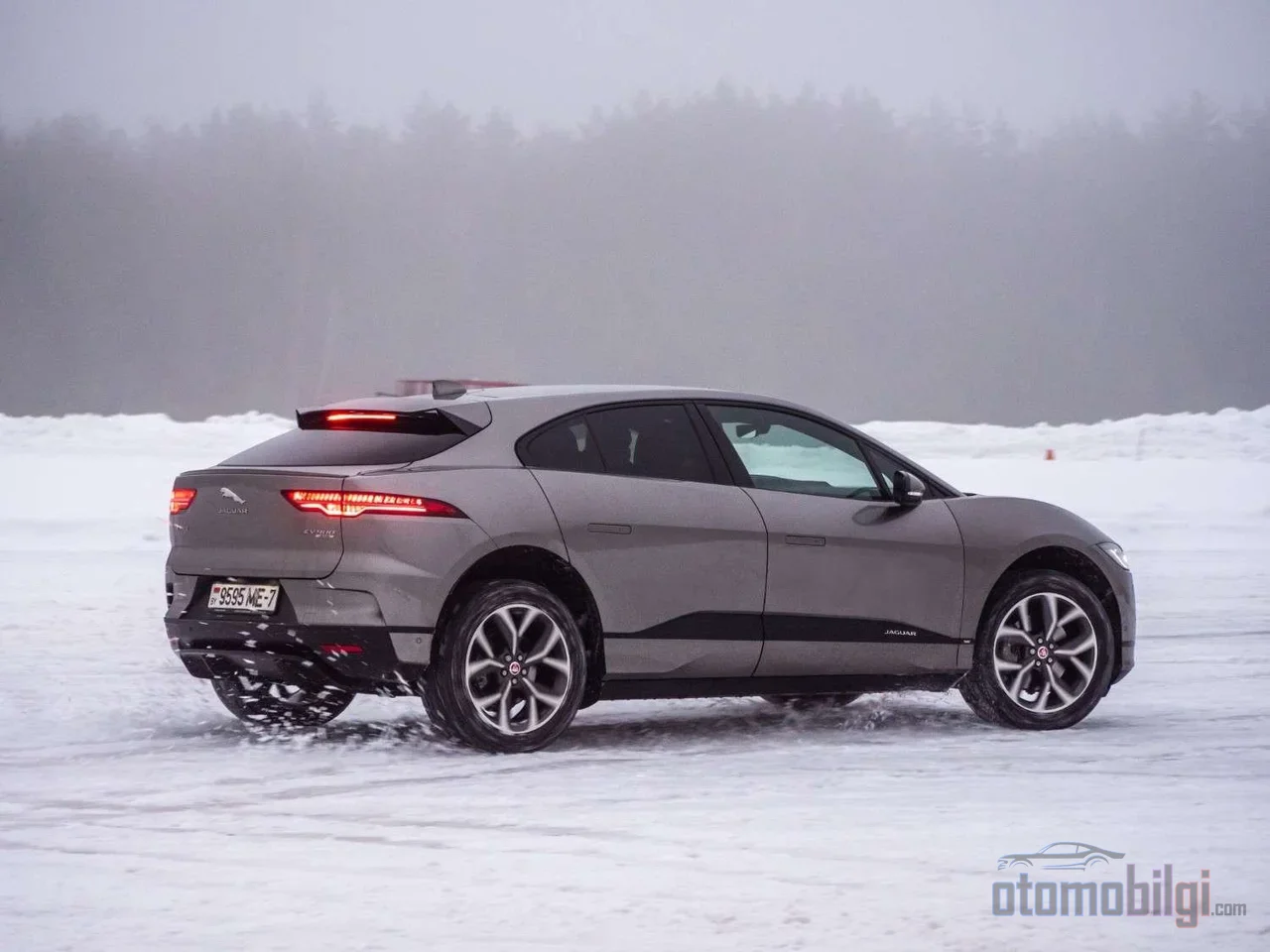
The real culprit behind winter range loss isn't the battery, it's cabin heating: at -10°C the loss can climb up to 40%.
Why Does Your Electric Car Go Shorter Distances in Winter?
Deniz Erkan21 October 2026

Your electric car goes less far in winter, because the biggest share of range loss is not the battery but cabin heating: around 0°C the average loss is 20-25% , while at -10°C with the heating on, this figure can climb to 27-40% . In this article we …

Read More

Since regenerative braking takes over most of the work from the motor, the pads of an electric car can easily exceed 150,000 kilometers; the real enemy is not wear, but rust on the unused discs.
Why Do Brake Pads in Electric Vehicles Last for Years?
Deniz Erkan21 October 2026

In an electric car, brake pads last many times longer than their counterparts in a gasoline vehicle because regenerative braking takes on most of the deceleration: in practice, they can 150,000 km and beyond reach a lifespan of, whereas brake pads in…

Read More
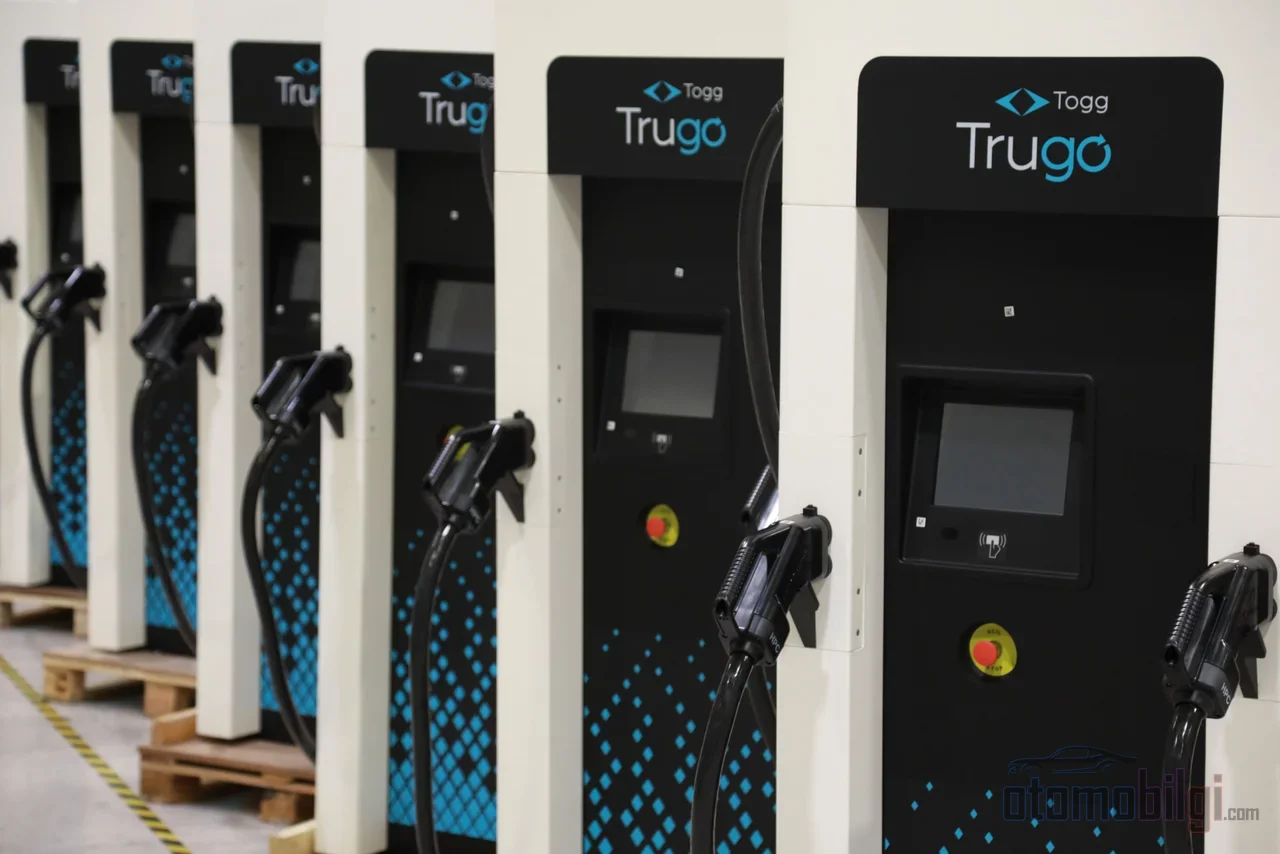
Charging the same 60 kWh battery via DC fast charging instead of AC can double the bill; on top of that, an idle fee is also added.
How Much Are You Really Paying at the Charging Station?
Deniz Erkan21 October 2026

The amount you pay at a public charging station is the kWh unit price multiplied by the energy you charged; as of October 2026, this price averages 9.83 TL/kWh for AC charging and averages 13.44 TL/kWh for DC fast charging, and on top of the unit pri…

Read More
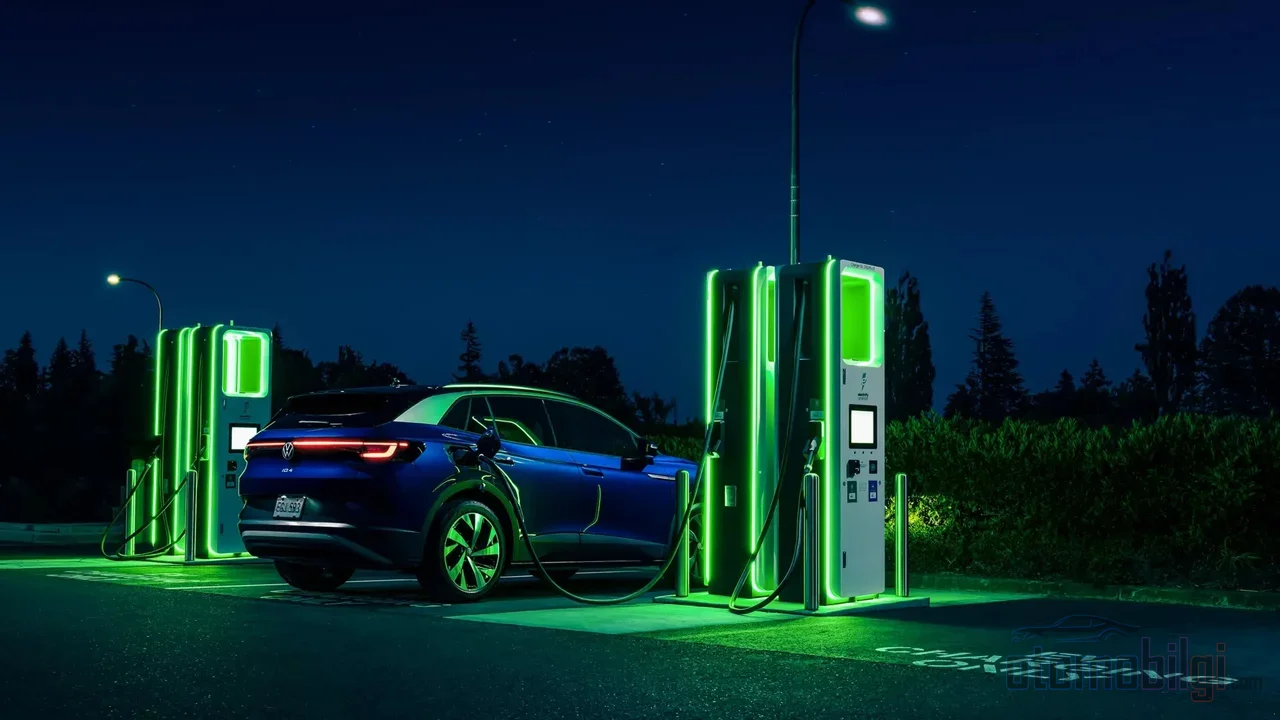
Charging at night can cut your bill in half, but the deciding factor is not the hour itself - it is whether your subscription is on a three-time-zone tariff.
Does Charging an Electric Car at Night Really Make Your Bill Cheaper?
Deniz Erkan20 October 2026

Charging an electric car at night significantly lowers your bill if your household subscription is genuinely on a three-time (multi-time) tariff; on a single-time tariff, night charging itself provides no savings. For a vehicle with a 60 kWh battery,…

Read More
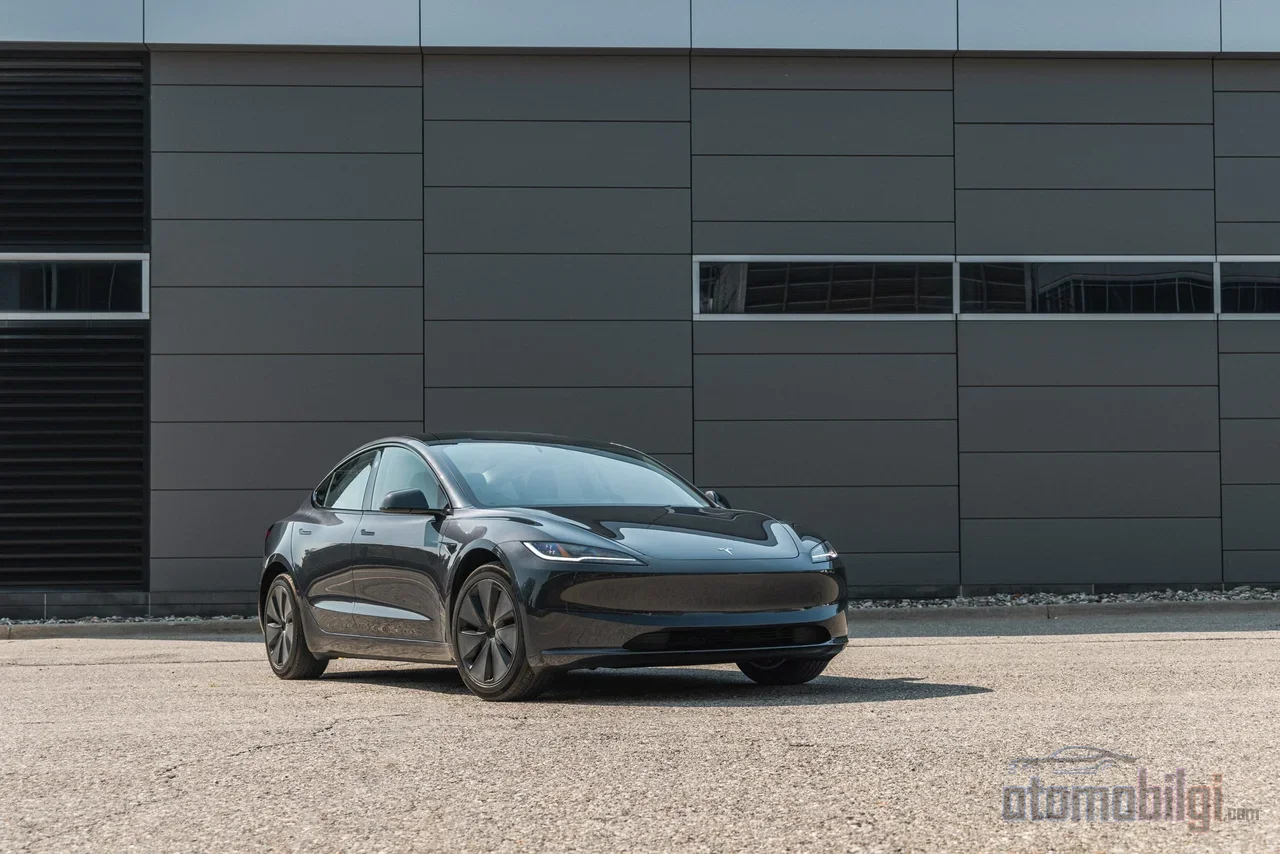
In electric cars, the motor vehicle tax (MTV) is about a quarter of that of a gasoline car of the same age; but this advantage is not an unlimited exemption, it is a measurable difference based on power and price.
How Useful Are MTV and Tax Advantages for Electric Cars, and to What Extent?
Deniz Erkan19 October 2026

The tax advantage for electric cars is real but not unlimited: fully electric vehicles pay roughly a quarter of the MTV (annual motor vehicle tax) of an internal combustion vehicle of the same power and age, while models with engine power below 160 k…

Read More
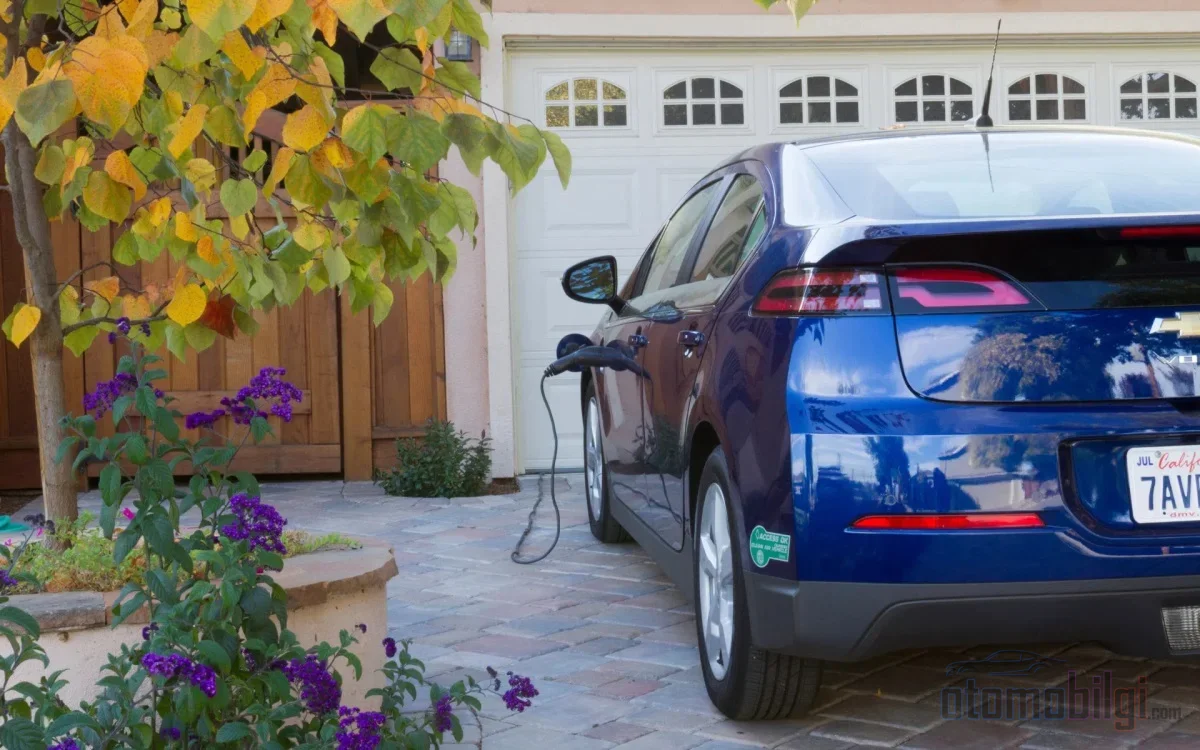
The wallbox on your wall is part of your home, not your vehicle; if it gets damaged, it is your home insurance policy that pays, not your comprehensive auto coverage.
Does Your Home Insurance Protect Your Electric Car?
Deniz Erkan19 October 2026

As a rule, the wallbox you mount on your home's wall is part of the building, not your vehicle: standard comprehensive auto insurance does not cover it, and its protection is provided through the coverages written into your homeowners policy. If the …

Read More
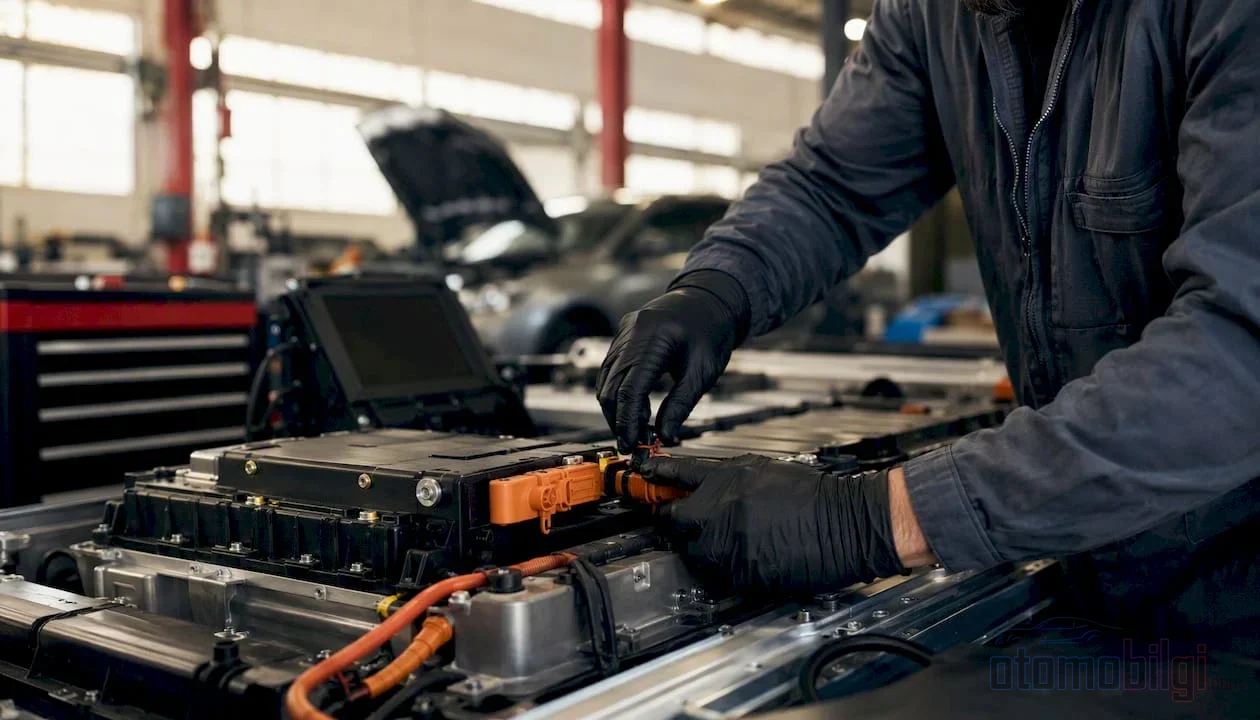
The battery is not a single block; in most failures, it is not necessary to replace the entire package - replacing just one module for a few thousand dollars is usually enough.
How Much Does Battery Repair on an Electric Car Actually Cost?
Deniz Erkan18 October 2026

Electric car battery repair varies across a wide range, from a few thousand dollars for module replacement depending on the scope of the fault, to full pack replacement reaching 7,000-50,000 dollars; within the warranty period, capacity loss is gener…

Read More
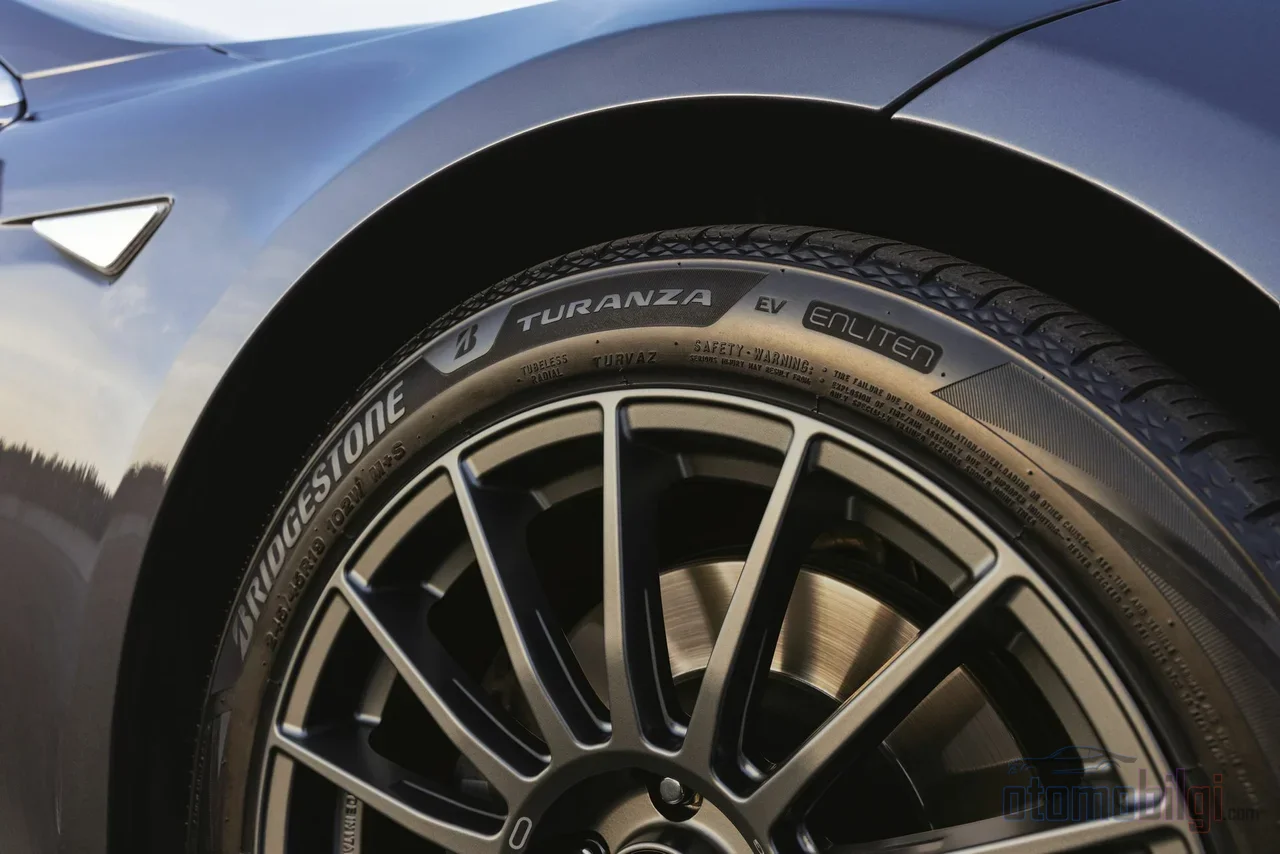
The weight of the battery and the instant torque of the electric motor cause the tires of electric cars to wear 20 to 30 percent faster than those of gasoline-powered cars.
Why Do Electric Cars Have Shorter Tire Life?
Deniz Erkan18 October 2026

Yes, electric car tires wear noticeably faster than those on gasoline cars. There are two main reasons: the extra weight of the battery and the instant torque of the electric motor. The difference reported by manufacturers is typically around 20%, an…

Read More
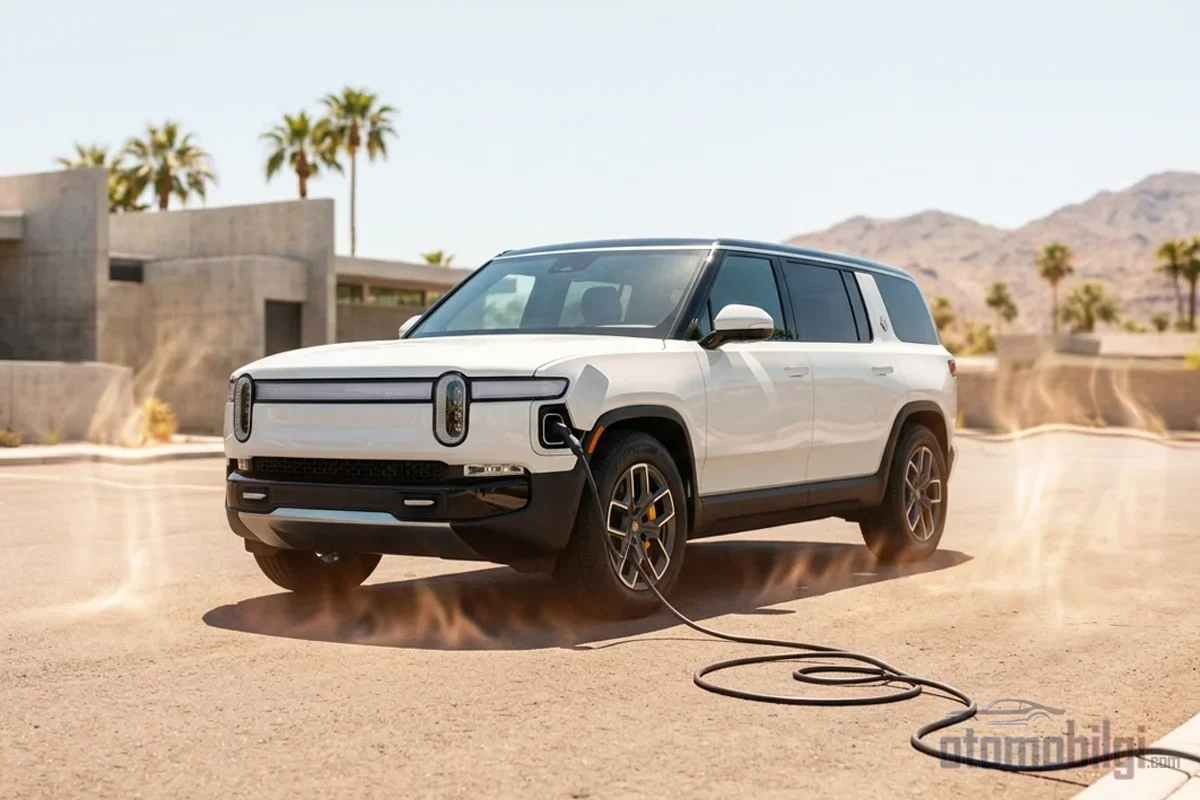
Summer heat grinds away at an electric car's battery life more than its range; the real loss happens not in kilometers but in the cells.
Does Summer Heat Wear Out an Electric Car?
Deniz Erkan18 October 2026

Summer heat doesn't strain an electric car as much as winter does; but it tires it in a different way. Range loss is usually small - about 5% at 32 °C, and on average 17–18% above 38 °C. The real issue is not range, but the battery aging faster at hi…

Read More
  • 1
  • 2
  • Next

Category Editor

Deniz Erkan

Deniz Erkan

One of the most important habits my profession as a mechanical engineer has given me is looking not only at a system's outcome, but also at how and why it works. My interest in automobiles is also fueled by this perspective. For me, a car is not just design, performance, or comfort; it is a holistic system where mechanics, electronics, software, and engineering come together.

Over time, I combined my engineering background with software development. The intersection of these two fields has allowed me to look at modern automobiles from a more integrated perspective. I follow the world of automobiles, from engines and suspension to driver assistance systems and software technologies, through the eyes of both an engineer and a car enthusiast.

My aim at Otomobilgi.com is to explain technical subjects in a language that preserves engineering accuracy and keeps curiosity about cars alive, without drowning them in unnecessary complexity. Because for me, a good car is not merely beautiful or fast; it is a special work that conveys design, technology, and driving character as a whole.

Follow Us on Social Media

Share This Page

Follow Us on Social Media

  • About Us
  • KVKK Disclosure Statement
  • Privacy Policy
  • Contact
Otomobilgi.com
INDEPENDENT AUTOMOBILE CULTURE PLATFORM
Powered by Virgo CMS