Otomobilgi.comOtomobilgi.com
  • Türkçe
  • English
  • Deutsch
  • Français
  • Italiano
  • Español
  • Português
  • Polski
  • Magyar
  • Azərbaycanca
  • Bahasa Indonesia
  • Русский
  • 中文
  • 日本語
  • 한국어
  • हिन्दी
  • বাংলা
  • العربية
  • فارسی
  • Türkçe
  • English
  • Deutsch
  • Français
  • Italiano
  • Español
  • Português
  • Polski
  • Magyar
  • Azərbaycanca
  • Bahasa Indonesia
  • Русский
  • 中文
  • 日本語
  • 한국어
  • हिन्दी
  • বাংলা
  • العربية
  • فارسی
  • HOME PAGE
  • NEWS
    Turkish Automotive Industry News
    Global Automotive Industry News
    Turkish Motorsports News
    Global Motorsports News
  • INTERNAL COMBUSTION
    Internal Combustion Models
    Internal Combustion Engine Technologies
    Fuel and Consumption
    Emission and Environment
    Internal Combustion Ownership
    History of the Internal Combustion Automobile
  • ELECTRIC
    Electric Models
    Electric Car Technologies
    Charging and Infrastructure
    Battery Technology
    Range and Consumption
    Electric Vehicle Ownership
    History of the Electric Car
  • HYBRID
    Hybrid Models
    Hybrid Systems
    Battery and Charging
    Consumption and Efficiency
    Hybrid Ownership
    History of Hybrid Cars
  • TECHNOLOGY
    Driver Assistance Systems
    Safety Technologies
    Lighting and Visibility Technologies
    Infotainment and Connectivity
    Autonomous Driving and Artificial Intelligence
    Future Technologies
  • GUIDES
    Buying Guides
    Sales Guides
    Maintenance and Use
    Ownership and Costs
    Tires and Wheels
    Insurance and Inspection
  • HISTORY & CULTURE
    Automobile History
    Iconic Models
    Classics and Collections
    Türkiye's Automobile Journey
    Automobile Design
    Cars and Popular Culture
  • MOTORSPORT
    Formula 1
    Rallying (WRC)
    Rallycross
    MotoGP
    Formula 2 & Formula 3
    Karting
    24 Hours of Le Mans
    WEC
    NASCAR
    IndyCar
    DTM
    GT Races
    Drift
    Drag Races
  • Türkçe
  • English
  • Deutsch
  • Français
  • Italiano
  • Español
  • Português
  • Polski
  • Magyar
  • Azərbaycanca
  • Bahasa Indonesia
  • Русский
  • 中文
  • 日本語
  • 한국어
  • हिन्दी
  • বাংলা
  • العربية
  • فارسی
  • Türkçe
  • English
  • Deutsch
  • Français
  • Italiano
  • Español
  • Português
  • Polski
  • Magyar
  • Azərbaycanca
  • Bahasa Indonesia
  • Русский
  • 中文
  • 日本語
  • 한국어
  • हिन्दी
  • বাংলা
  • العربية
  • فارسی
  1. HOME PAGE
  2. TECHNOLOGY
  3. Safety Technologies

Safety Technologies

Share This Page
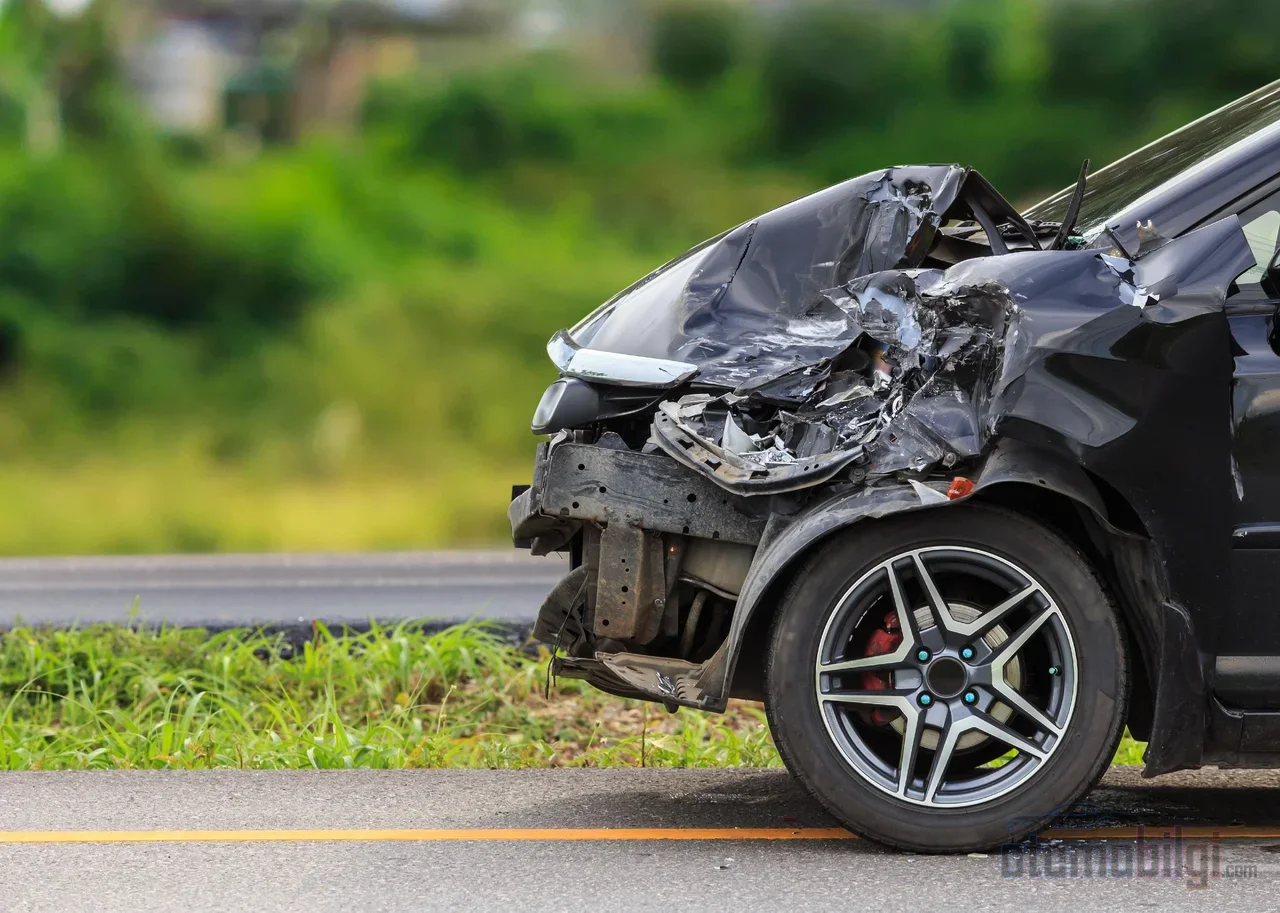
Even if you can't do anything, at the moment of an accident your car reads its sensors and automatically transmits its location and accident information to 112.
How Does a Car Send an Emergency Call Automatically When It Crashes?
Lütfi Mete Odabaşı23 October 2026

When a crash happens and the control unit reads a sudden deceleration from the acceleration sensors inside the car and interprets it as a serious collision, it automatically establishes a free 112 emergency call on its own and transmits a small data …

Read More
In the tenth of a blink, solid fuel ignites and the nitrogen cloud that fills the airbag is born; the entire rescue chemistry is completed in 30 milliseconds.
The Little Rocket Inside the Airbag: How Does the Gas Generator Work?
Lütfi Mete Odabaşı23 October 2026

There is actually a tiny rocket motor inside an airbag: the gas generator, or inflator. At the moment of impact, the solid propellant burns within milliseconds, producing a large volume of nitrogen gas that fills the bag; the secret of this inflation…

Read More
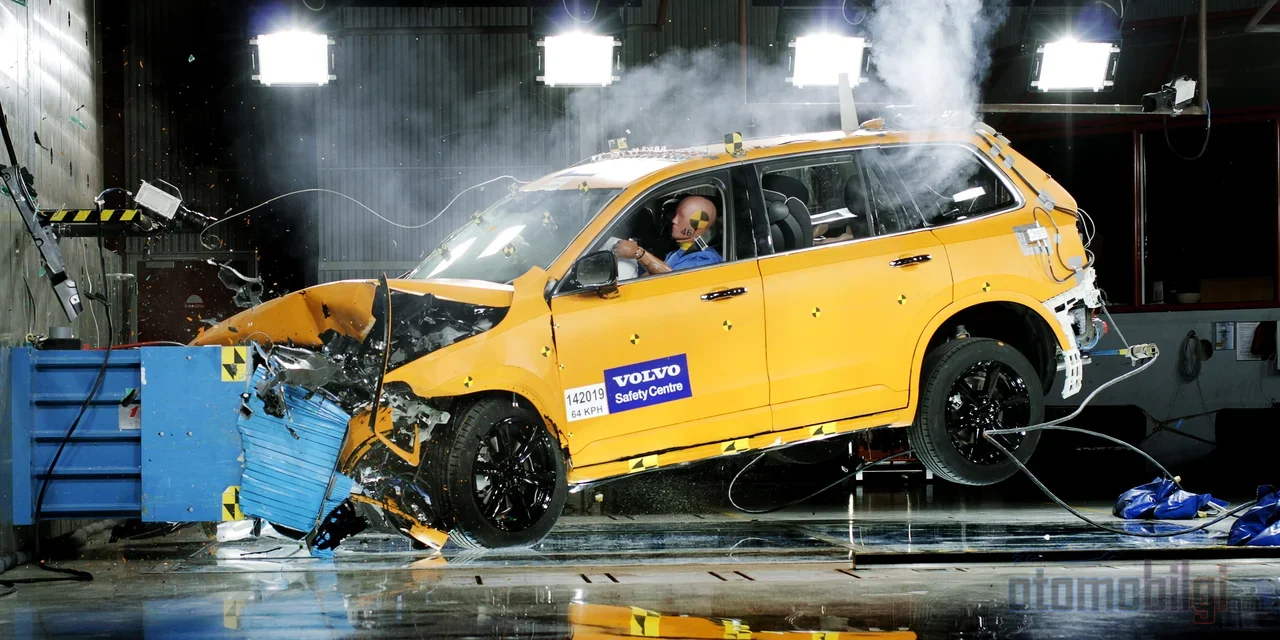
In a collision, the steering column collapses intentionally; deliberately breaking a part is one of the cleverest engineering moves that protects the driver from chest injuries.
Why Does the Steering Column Deliberately Collapse in a Crash?
Lütfi Mete Odabaşı23 October 2026

The steering column collapses in a controlled manner when the designed force threshold is exceeded during a collision, absorbing the impact energy; this way, the steering wheel is not pushed toward the driver, and the risk of chest injury is signific…

Read More
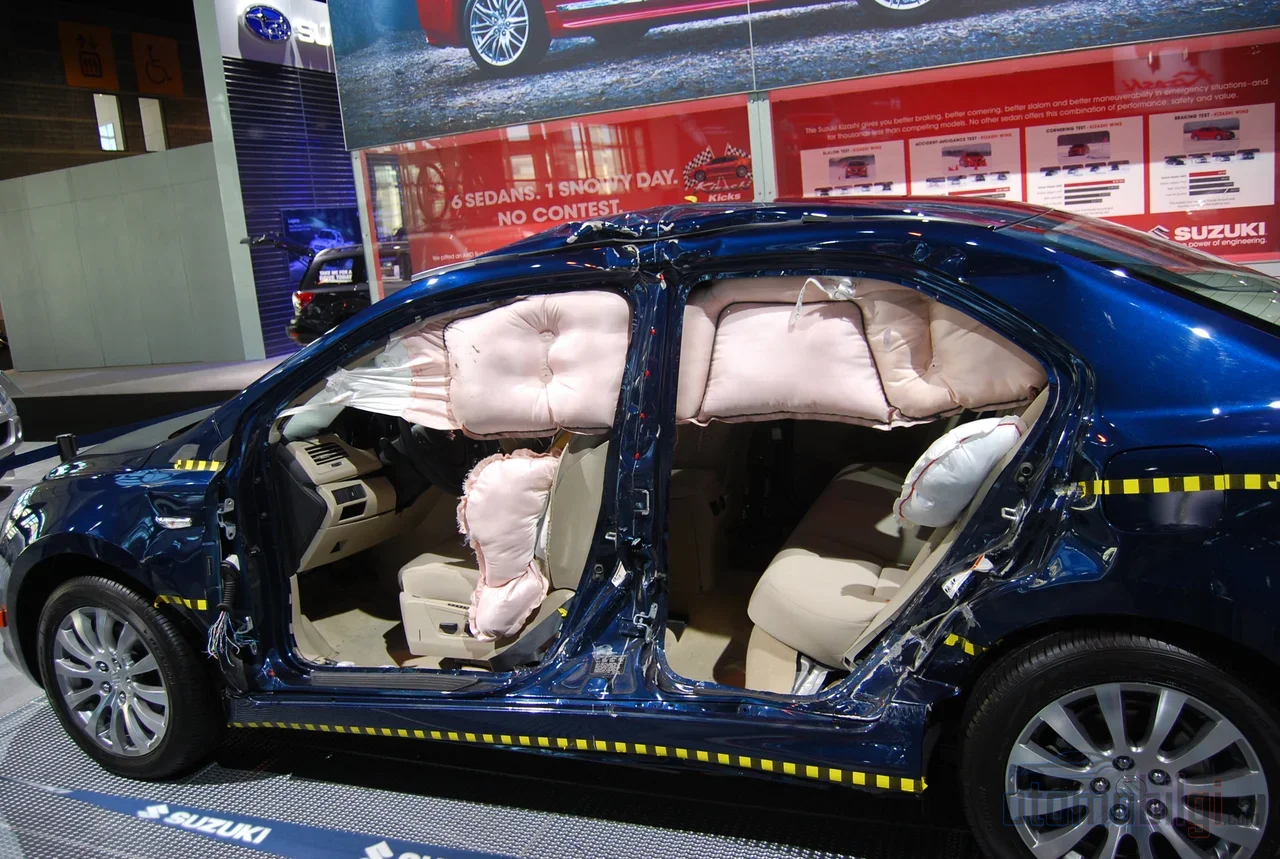
In a side collision, the moment the glass shatters, the only thing between your head and the incoming vehicle is that fabric curtain deploying along the roof rail.
How Do Side Curtain Airbags Protect Your Head Along the Window?
Lütfi Mete Odabaşı22 October 2026

The side curtain airbag is a long fabric curtain that runs along the roof rail and prevents the head from being flung outward past the window edge in a side impact. Since glass can shatter, this curtain is often the only thing between your head and t…

Read More
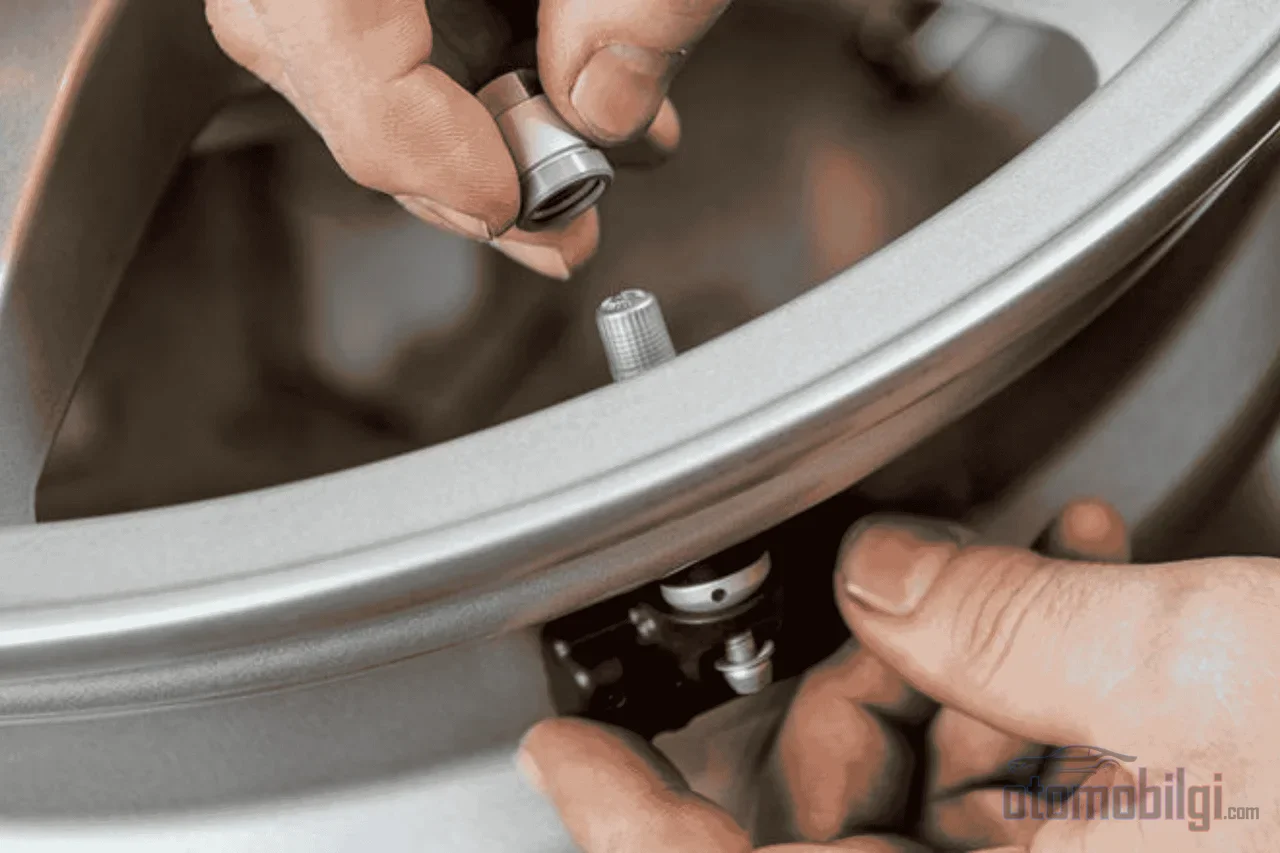
Direct TPMS measures actual pressure with 0.1 PSI accuracy using the sensor inside the tire, while indirect systems calculate pressure from ABS wheel speed data.
How Does TPMS Measure Tire Pressure?
Lütfi Mete Odabaşı21 October 2026

TPMS, or tire pressure monitoring system, is an electronic safety device that alerts the driver by illuminating a yellow warning light on the dashboard when a tire's air pressure drops significantly. It detects this either through actual pressure sen…

Read More
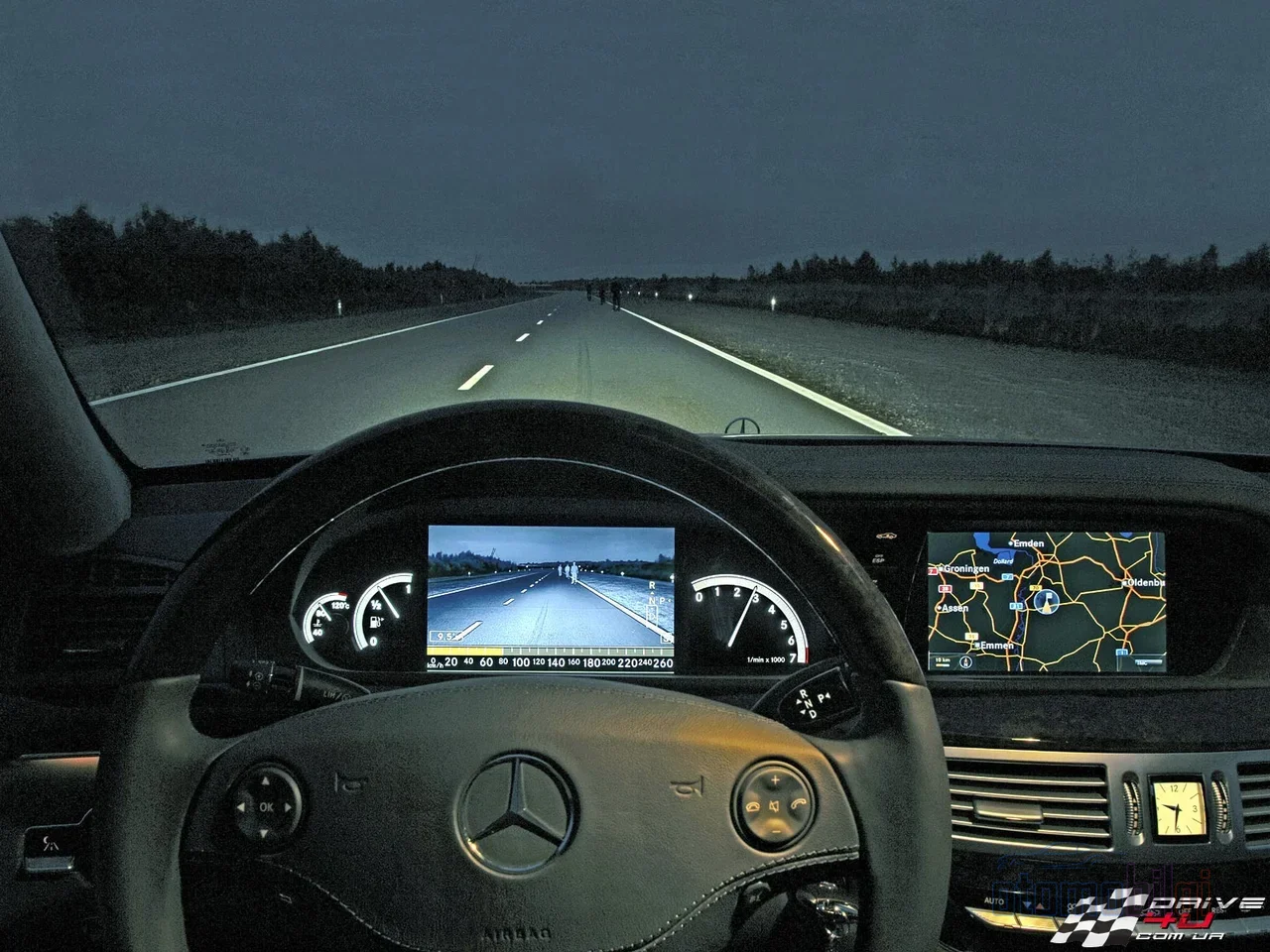
Thermal cameras detect the heat emitted by pedestrians' own bodies in the darkness that headlights cannot reach, alerting the driver seconds in advance.
How Do Night Vision Systems Read the Road by Seeing Heat?
Lütfi Mete Odabaşı21 October 2026

Night vision systems detect pedestrians and animals beyond the reach of your headlight beam in two different ways: thermal (LWIR) cameras read the heat that objects emit themselves, while active infrared (NIR) systems convert the reflection from an i…

Read More
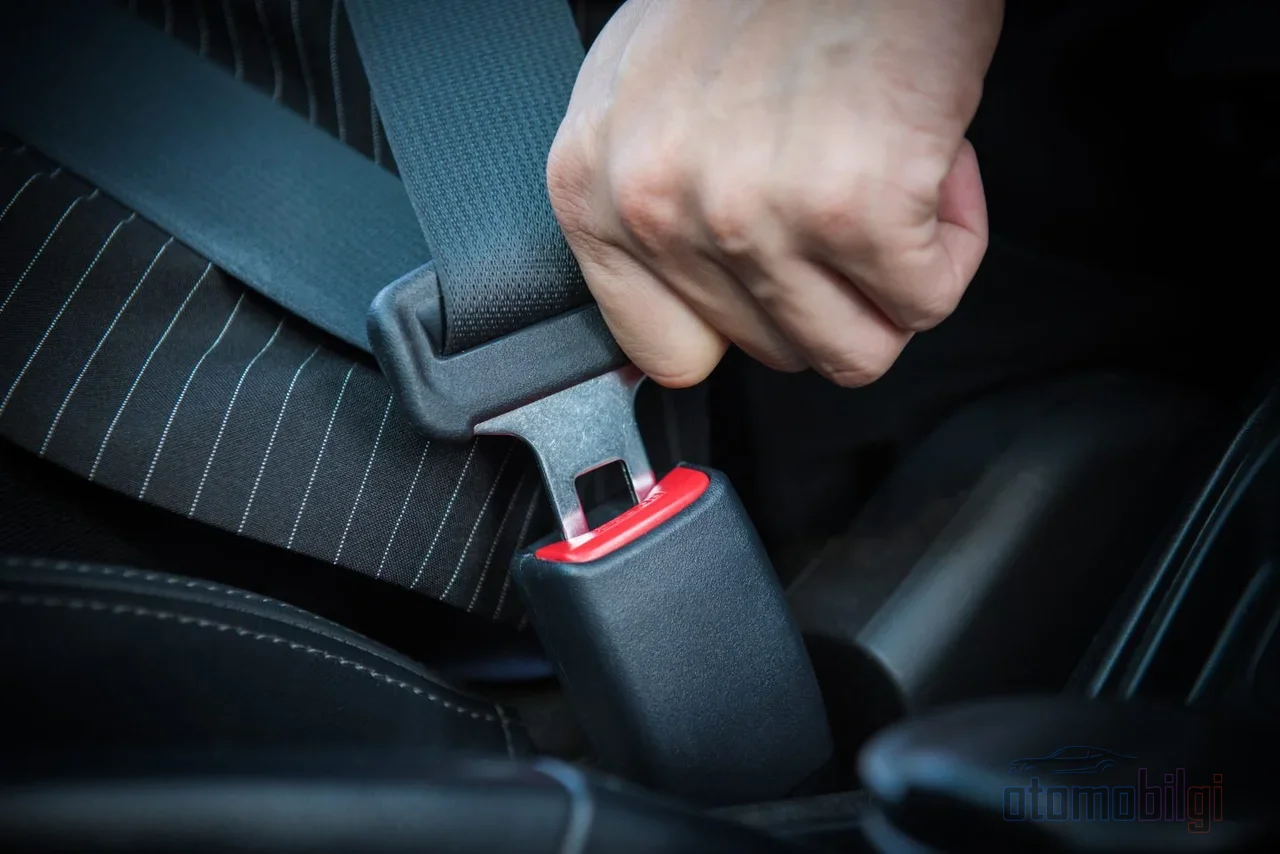
The pretensioner, which gathers slack within the first 15 milliseconds of a collision, reduces the risk of death by an average of 12.8 percent when combined with the load limiter.
How Does the Seatbelt Pretensioner Take Up Slack in the First Milliseconds?
Lütfi Mete Odabaşı21 October 2026

The front pretensioner is a small but critical safety component that fires with pyrotechnic fuel to remove the slack in the belt and secure the occupant to the seat within the first milliseconds of a collision. It works together with the force limite…

Read More
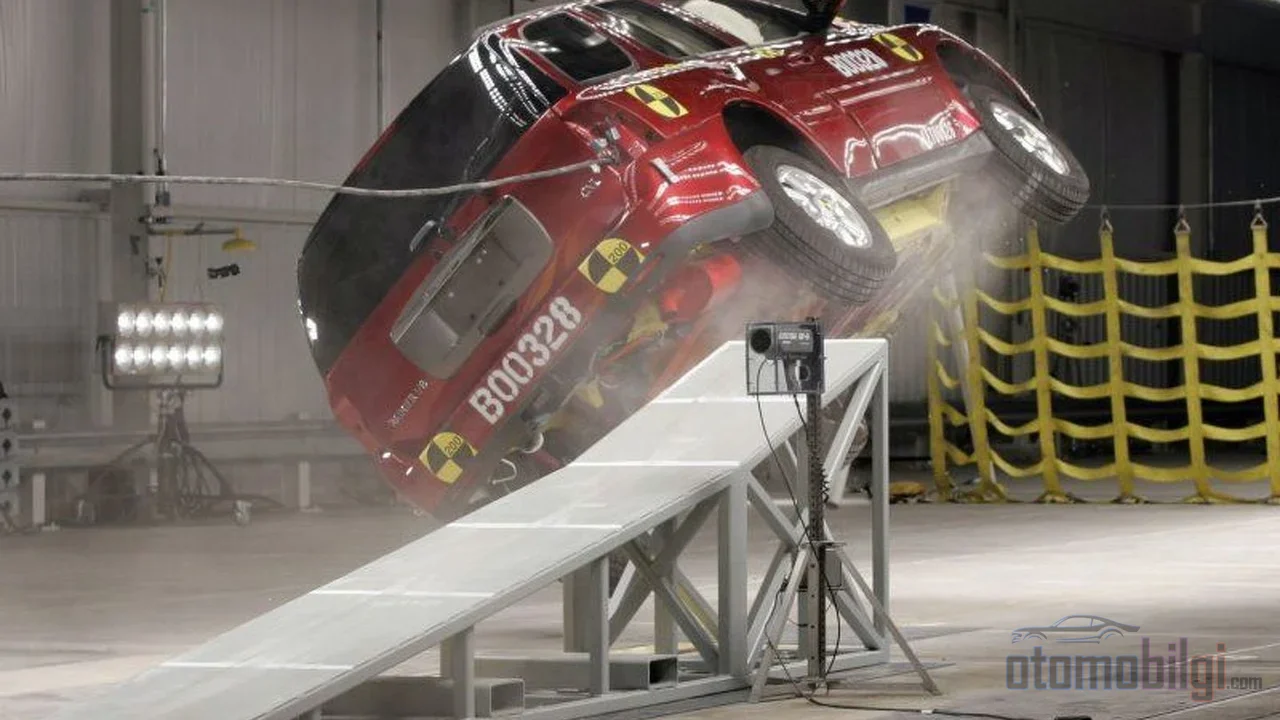
The sensors decide within milliseconds that the vehicle is about to roll over; the curtain airbags inflate within the first 10-20 milliseconds, working almost like a reflex circuit.
How Does a Car Detect a Rollover? Rollover Protection System
Lütfi Mete Odabaşı20 October 2026

How does a car know it's rolling over? In short, like this: Sensors measuring lateral acceleration, vertical acceleration, and angular velocity calculate the vehicle's likelihood of rolling over within milliseconds; once this decision reaches the con…

Read More

The most overlooked part of a car, the headrest, is a silent protector that reduces neck injuries by up to 44 percent when adjusted correctly.
How Headrests Prevent Whiplash Injuries?
Lütfi Mete Odabaşı19 October 2026

A head restraint is a safety component that limits the head from snapping backward in rear-end collisions, thereby preventing whiplash injuries. When adjusted to the correct height and distance, it can reduce neck injuries by 24 to 44 percent; active…

Read More

Your car records the speed, braking, and steering of the last five seconds before a crash to the EDR; but it never records anything you say.
What Does a Car Record During a Crash? The Event Data Recorder
Lütfi Mete Odabaşı19 October 2026

At the moment of a crash, your car writes data such as speed, braking, throttle, steering, and seatbelt status to the event data recorder, or EDR, for a few seconds before the collision. This device does not record sound like an aircraft's black box;…

Read More
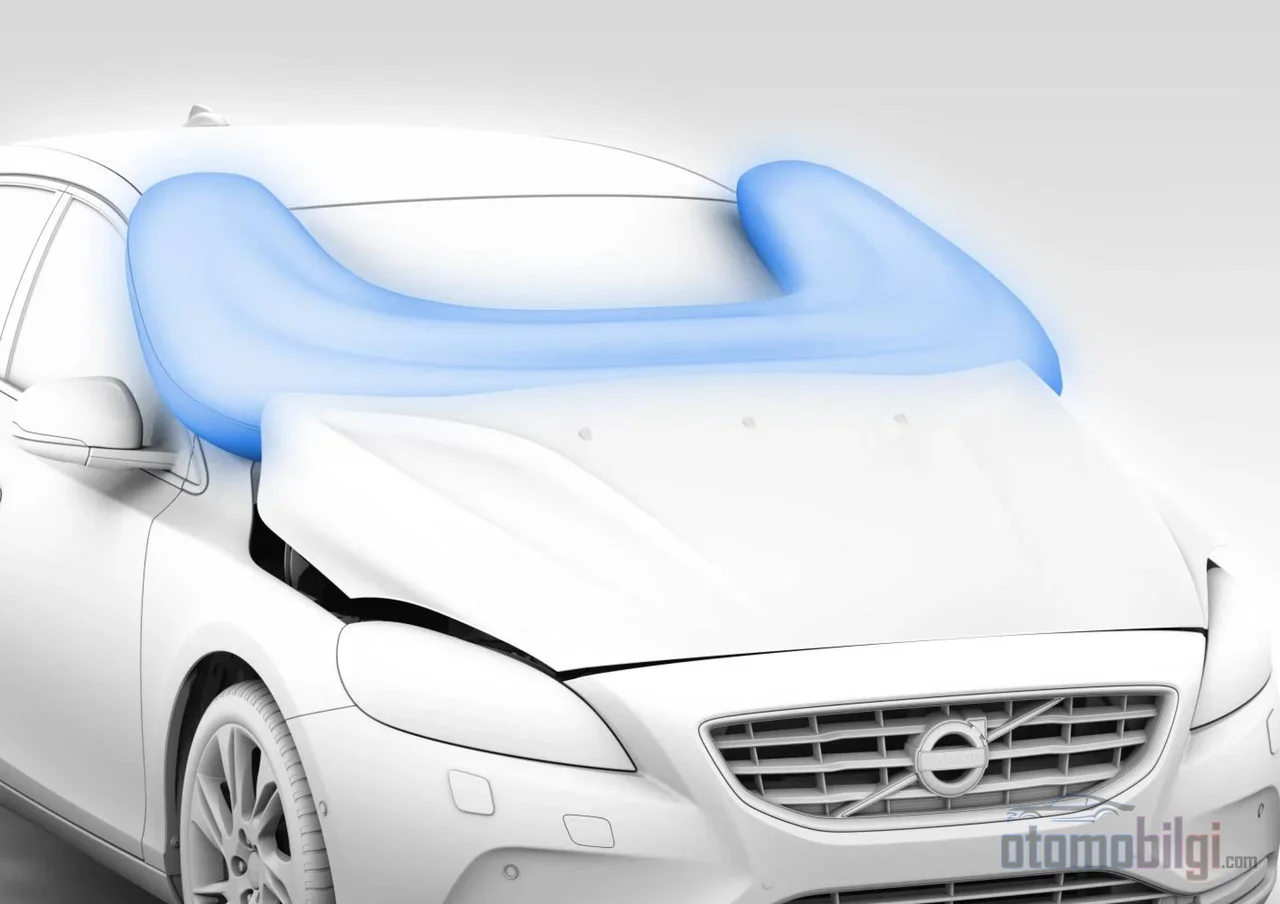
A fraction of a second before the collision, the car's hood rises by 100 mm, softening the fate of the pedestrian's head that strikes it.
Pop-up Hood and Pedestrian Airbag: Preparing the Body Before the Collision
Lütfi Mete Odabaşı18 October 2026

Pop-up hoods and pedestrian airbags are exterior body safety technologies that activate just before a vehicle hits a pedestrian, raising the hood by approximately 100 mm and covering the hard windshield area with an airbag. The goal is not to protect…

Read More
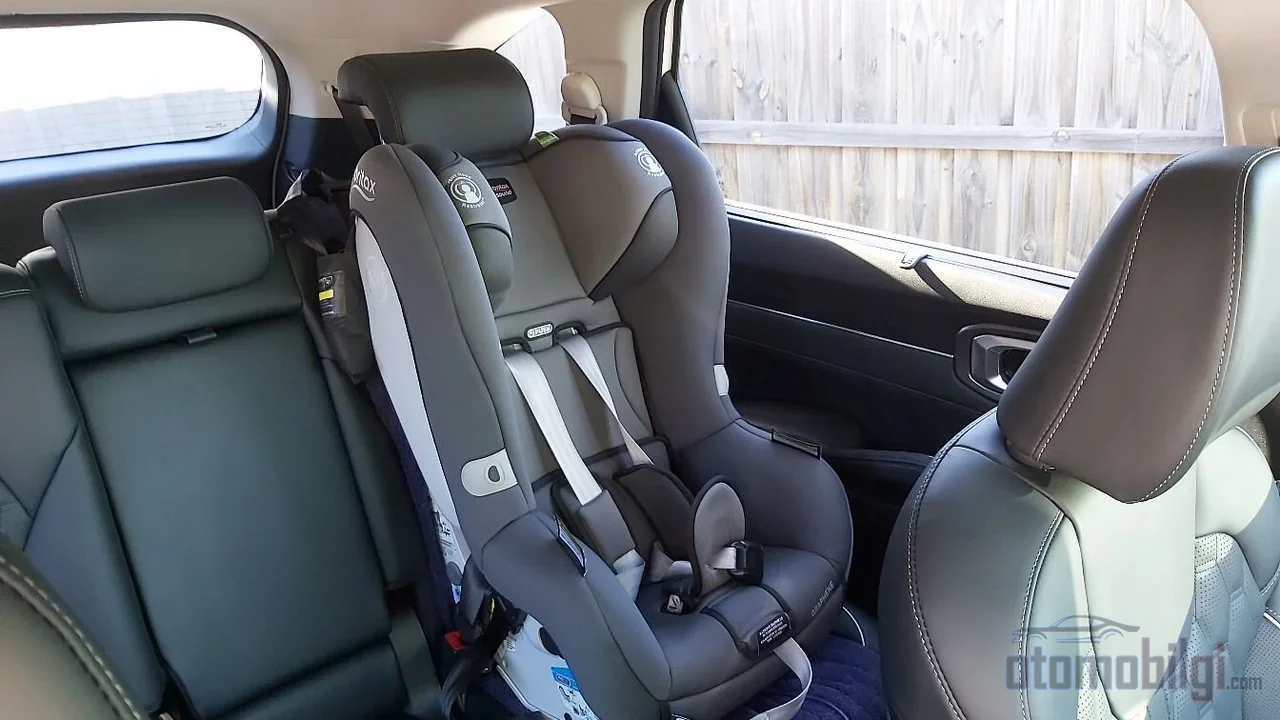
Two steel anchor points eliminate the slack left by the seat belt, locking the child seat to the body with an almost immovable rigid connection in a collision.
How Do ISOFIX Anchors Connect a Child Seat to the Body?
Lütfi Mete Odabaşı18 October 2026

An ISOFIX anchor consists of two steel anchorage points that attach the child seat directly to the vehicle's body instead of the seat belt. The seat locks onto these two points at the junction between the seat cushion and backrest of the rear seat; i…

Read More
  • 1
  • 2
  • Next

Category Editor

Lütfi Mete Odabaşı

Lütfi Mete Odabaşı

A young, dynamic automotive and motorsport enthusiast who loves researching and learning. Mete adds value to our automotive news, information, and culture platform with a young person's perspective. He closely follows innovations in automotive technologies and developments in motorsport, turning what he learns into rich, useful content for otomobilgi.com.

Follow Us on Social Media

Share This Page

Follow Us on Social Media

  • About Us
  • KVKK Disclosure Statement
  • Privacy Policy
  • Contact
Otomobilgi.com
INDEPENDENT AUTOMOBILE CULTURE PLATFORM
Powered by Virgo CMS