Consumption and Efficiency
Share This Page
Does a Hybrid Use Less Fuel at 110 or 130 km/h on the Highway?
Short answer: 130 km/h burns noticeably more fuel than 110 km/h, and this difference is felt more sharply in hybrids than in gasoline cars; because the electric motor, the hybrid's main asset, is disabled at highway speeds, leaving the internal combu…
Read More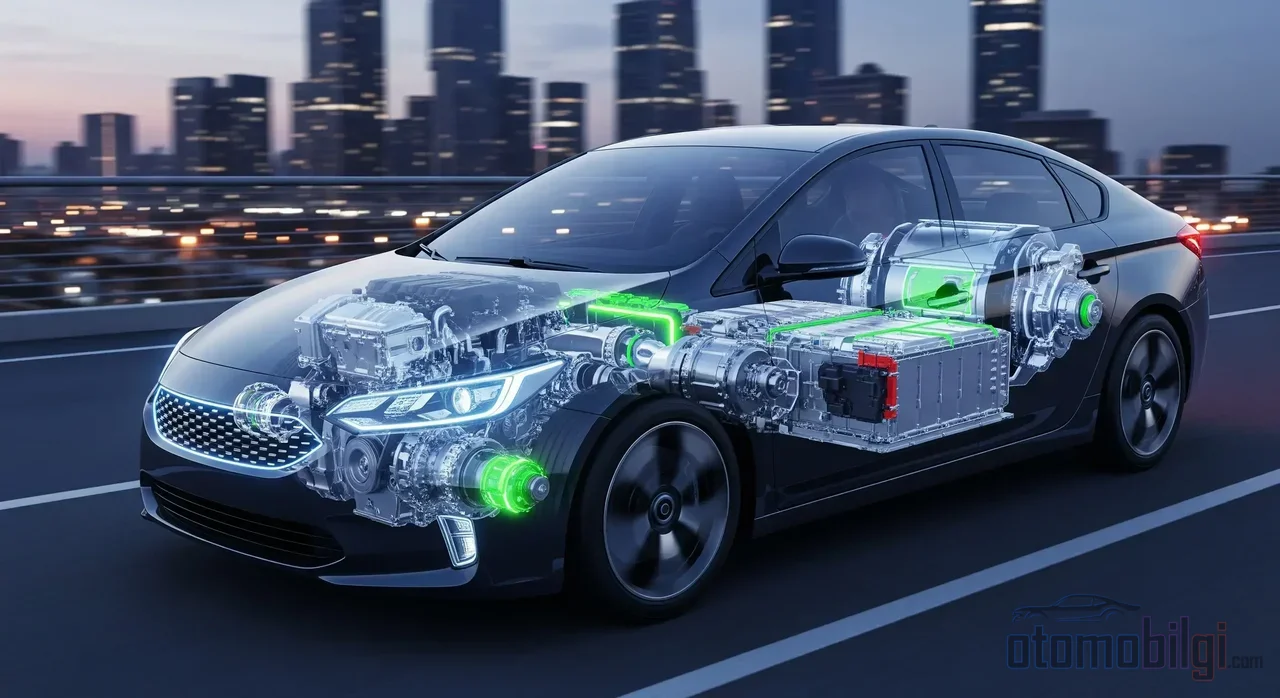
Eco, EV and B Modes in a Hybrid Car
Eco, EV and B modes change consumption in hybrid cars; but not in the direction or by the amount most drivers expect. Measurements show that Eco mode produces a difference in the 0-2% band compared to Normal mode - practically negligible - that EV mo…
Read More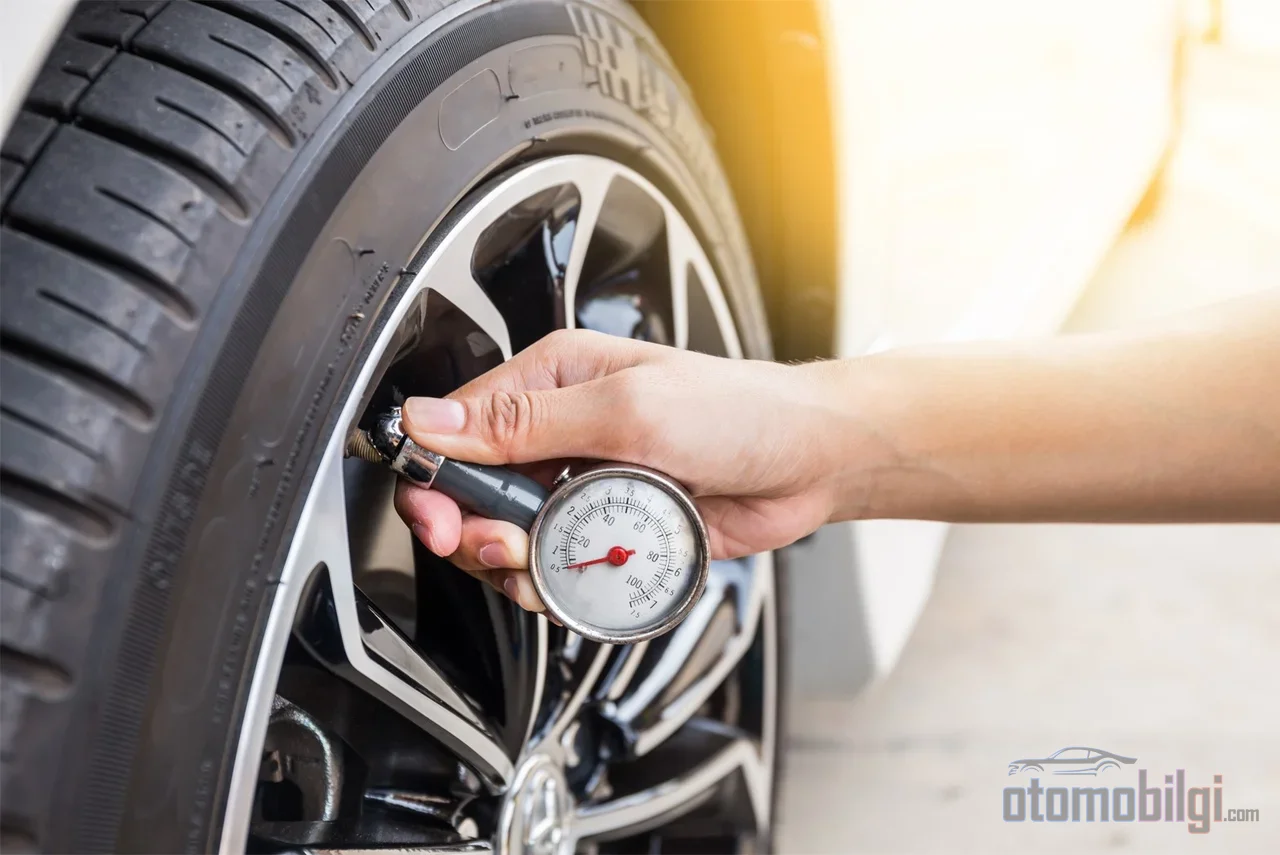
How Do Tire Pressure and Maintenance Condition Affect a Hybrid's Fuel Consumption?
The savings of hybrid cars are often attributed to driving style, yet the mechanical conditions that directly determine consumption are usually overlooked. Tire pressure, the viscosity of the engine oil, the condition of the air filter and the health…
Read More
Does Mountain Roads and Continuous Slopes Reduce the Advantage of Hybrids?
Yes, long mountain roads with continuous climbs significantly narrow the hybrid's fuel advantage; however, in most scenarios they do not eliminate it entirely. The reason is simple: the hybrid's gains rely largely on recovering braking energy in stop…
Read More
How Much Does an Aging Hybrid Battery Increase Fuel Consumption?
An aged hybrid battery, with the typical annual capacity loss of 2-3%, thins the vehicle's electric side by roughly a quarter over ten years; as a result, consumption gradually increases. Giving an exact percentage cannot be reduced to a single numbe…
Read More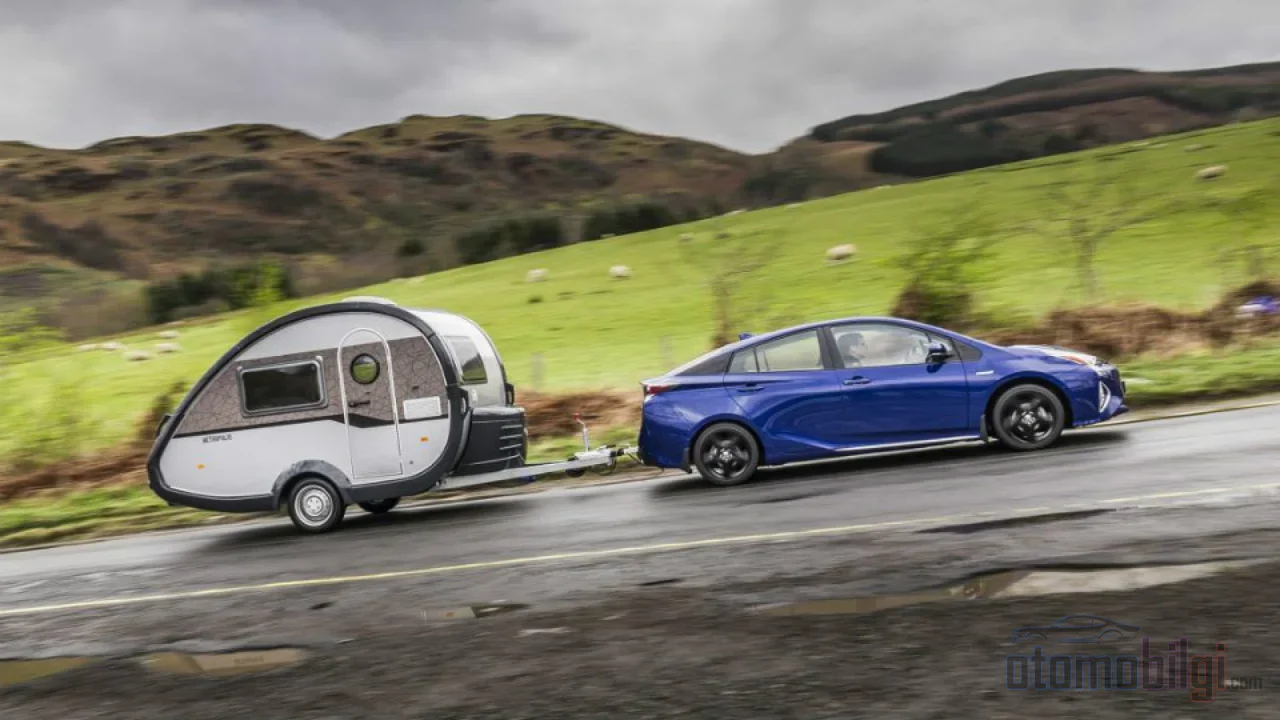
Trailer and Heavy Loads with a Hybrid Car: Does the Savings Equation Change?
A hybrid car's city savings largely evaporate when a trailer is hitched: a hybrid SUV that delivers 30-35 mpg in mixed use drops to the 22-28 mpg range with a trailer; this means roughly a 25-35% increase in consumption. Because the gasoline engine i…
Read More
How Much Does Cold Weather Increase a Hybrid Car's Consumption?
Cold weather can roughly increase a hybrid car's consumption by 20-25 percent : hybrids tested at -7°C in laboratory conditions showed an efficiency loss of 22.8 percent, and in short trips and real-world use this rate can reach up to 30 percent. Cab…
Read More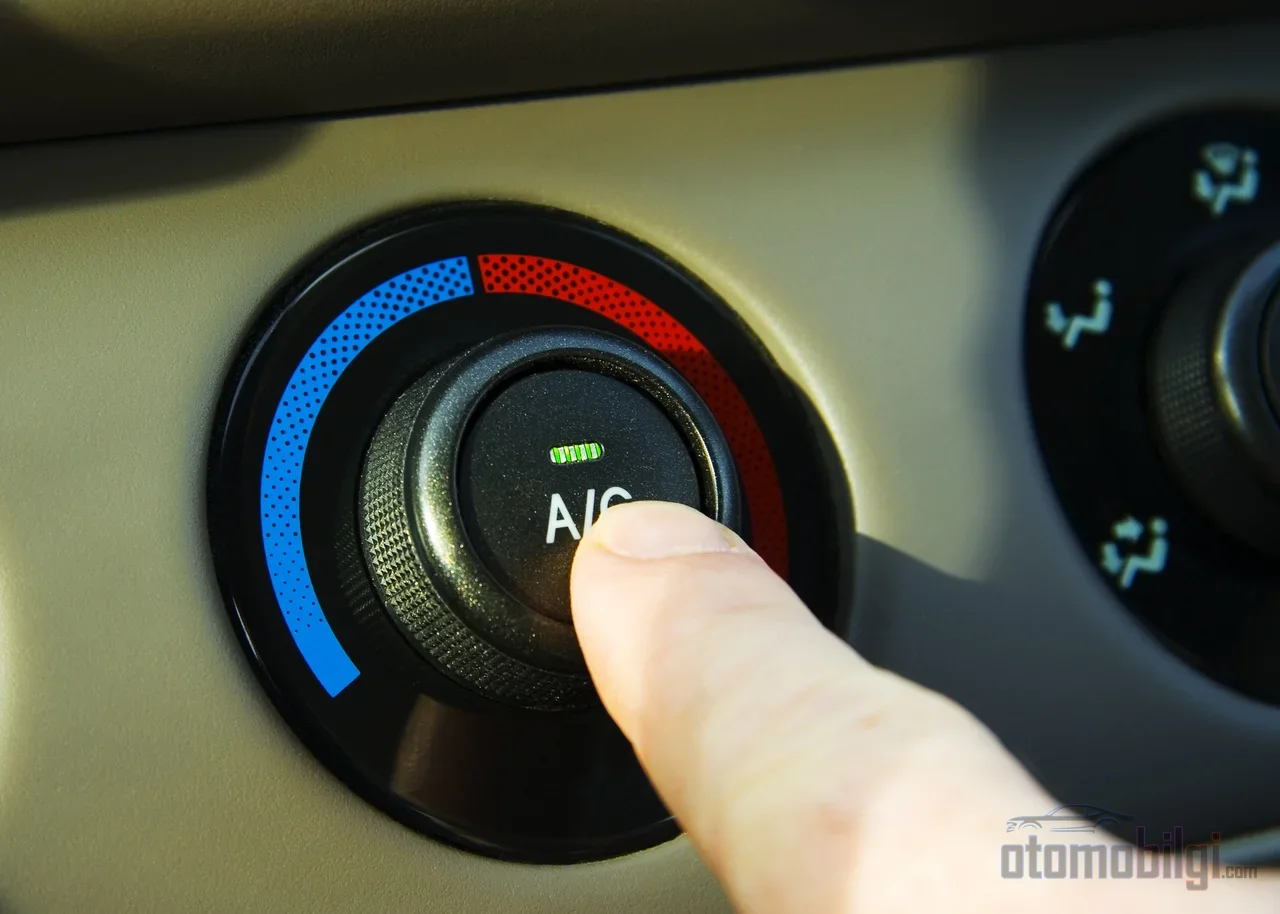
How Much Do Air Conditioning and Heating Increase Fuel Consumption in a Hybrid Car?
Air conditioning use in a hybrid car can reduce fuel economy by more than 25% especially on short trips; heating, on the other hand, noticeably reduces range and efficiency in cold weather. The energy load is shared between the engine and the battery…
Read More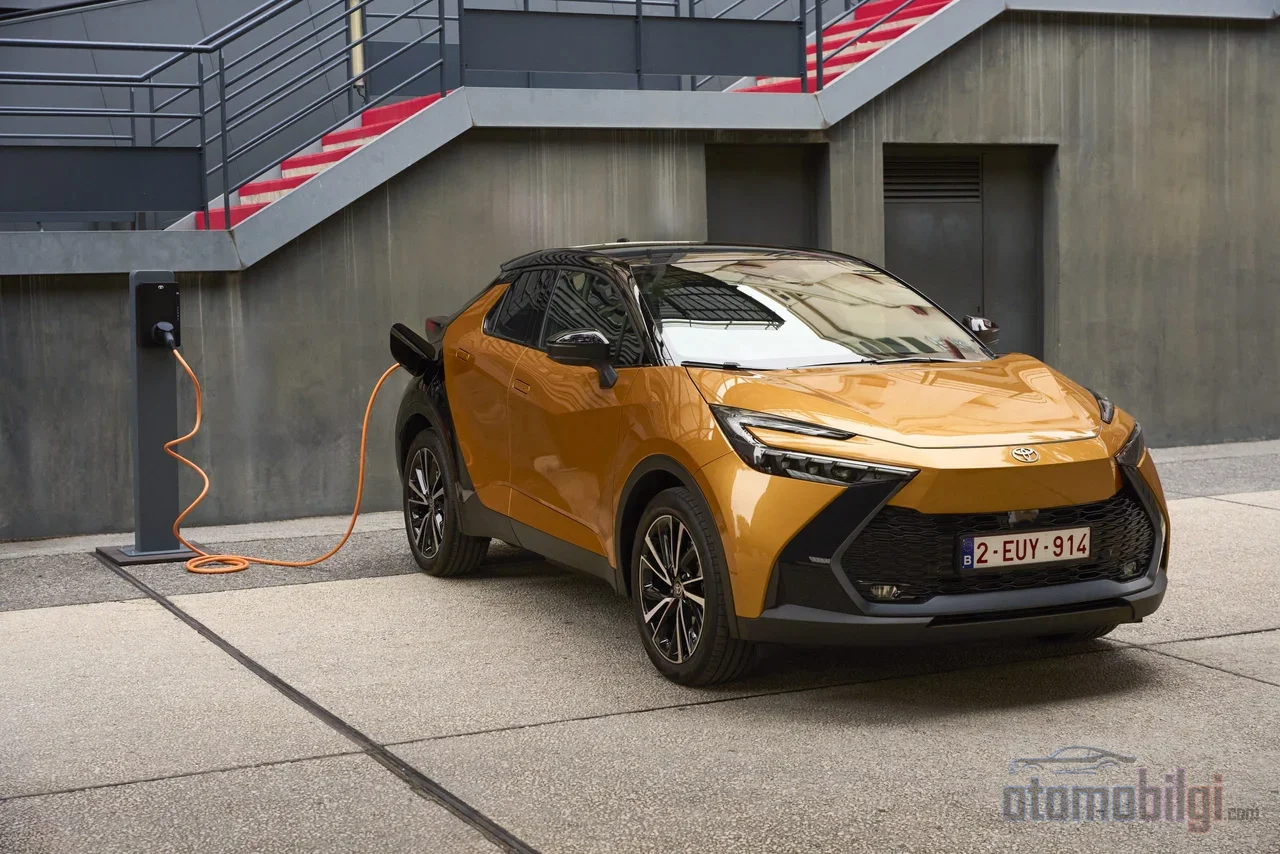
Why Does Fuel Consumption Skyrocket When a Plug-in Hybrid Isn't Charged?
An uncharged plug-in hybrid burns typically two to four times the fuel consumption stated in the catalog; because the vehicle is designed to be powered by electricity, and if it is not charged, it has to carry the battery's weight and surplus engine …
Read More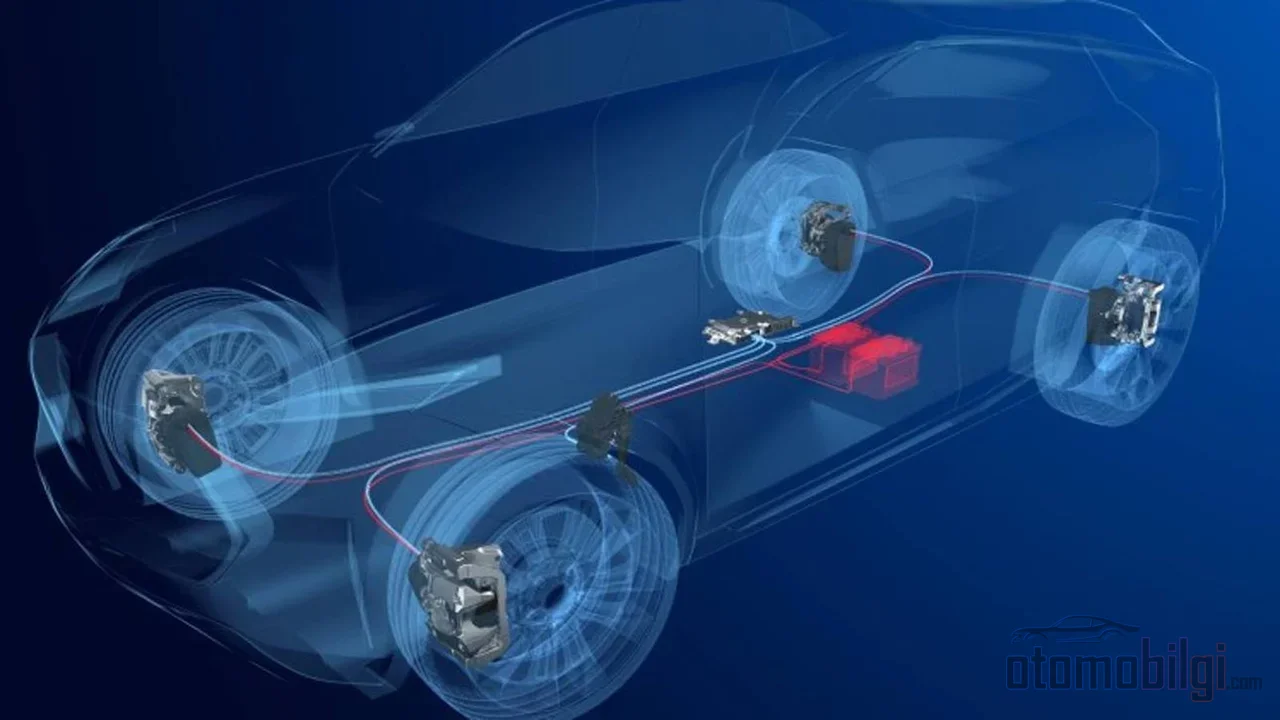
What Does Regenerative Braking Provide for Hybrids in City Traffic?
Regenerative braking is a recovery mechanism that converts a portion of the kinetic energy into electrical energy and stores it in the battery every time you slow down a hybrid vehicle. It can recover roughly half of the energy lost during braking; i…
Read More
Is a Hybrid More Sensible in the City, or on the Highway?
Hybrid cars consume noticeably less fuel in the city and in stop-and-go traffic; on the highway and at high speeds this advantage shrinks but never disappears completely. The electric motor and regenerative braking recover energy in low-speed driving…
Read More
In Which Situations Does a Hybrid Lose Its Advantage Over a Gasoline Car?
Hybrids are unmatched in city traffic; but at a constant 120-130 km/h, on a long uphill grade, towing a trailer, or in freezing cold, their advantage can erode significantly and in some scenarios disappear entirely. This page examines, with concrete …
Read More