Charging and Infrastructure
Share This Page

How Much Can Off-Peak Charging Rates Save You?
Charging on a night tariff only really saves money if your tariff is multi-rate - meaning three-rate: in this tier the kilowatt-hour price drops to the cheapest level of the day, and a user who shifts charging to after 22:00 buys the same energy noti…
Read More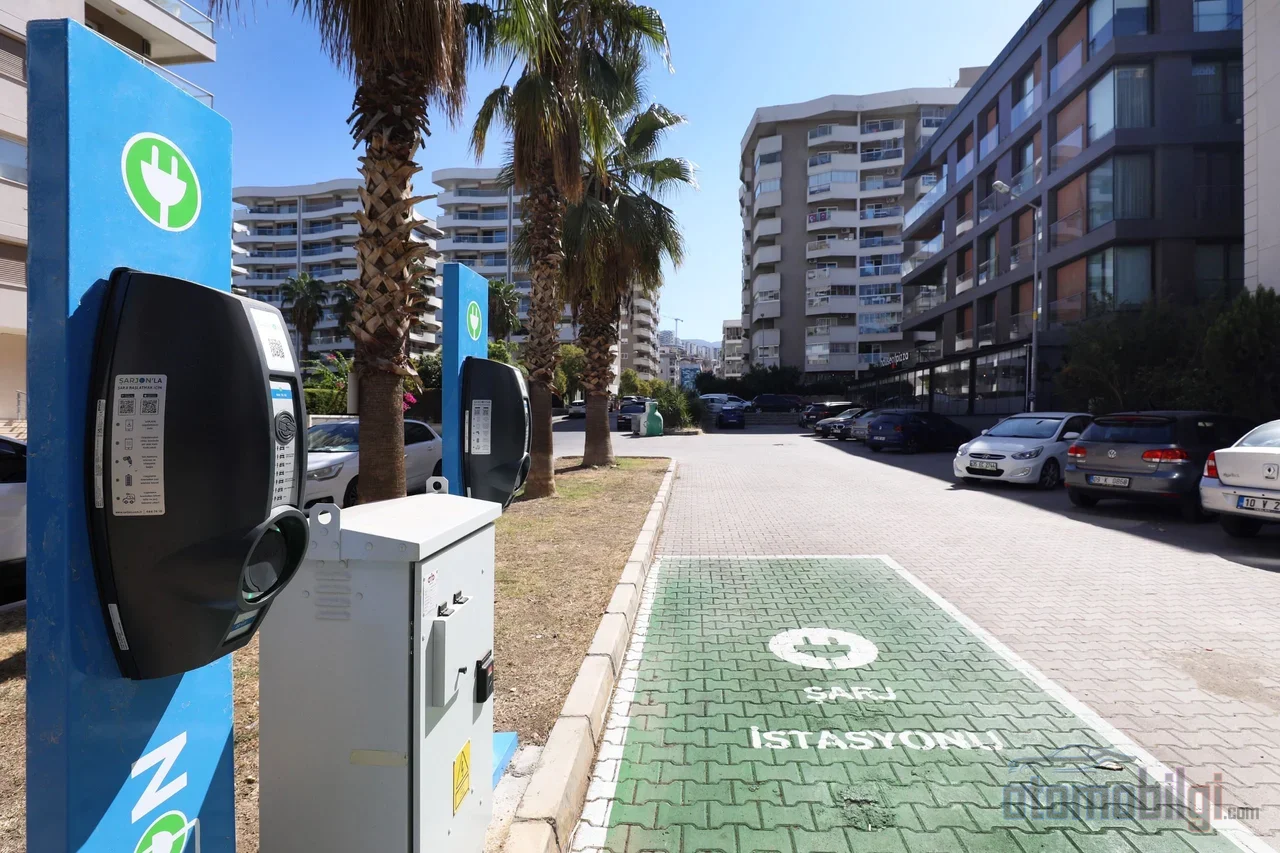
What You Need to Know About Municipal Street Charging Networks
Municipal street charging networks are urban infrastructure installed in parking lots and along curbs, typically consisting of 7.4-22 kW units, offering electric vehicle users without a garage or private parking spot slow-to-medium speed AC charging …
Read More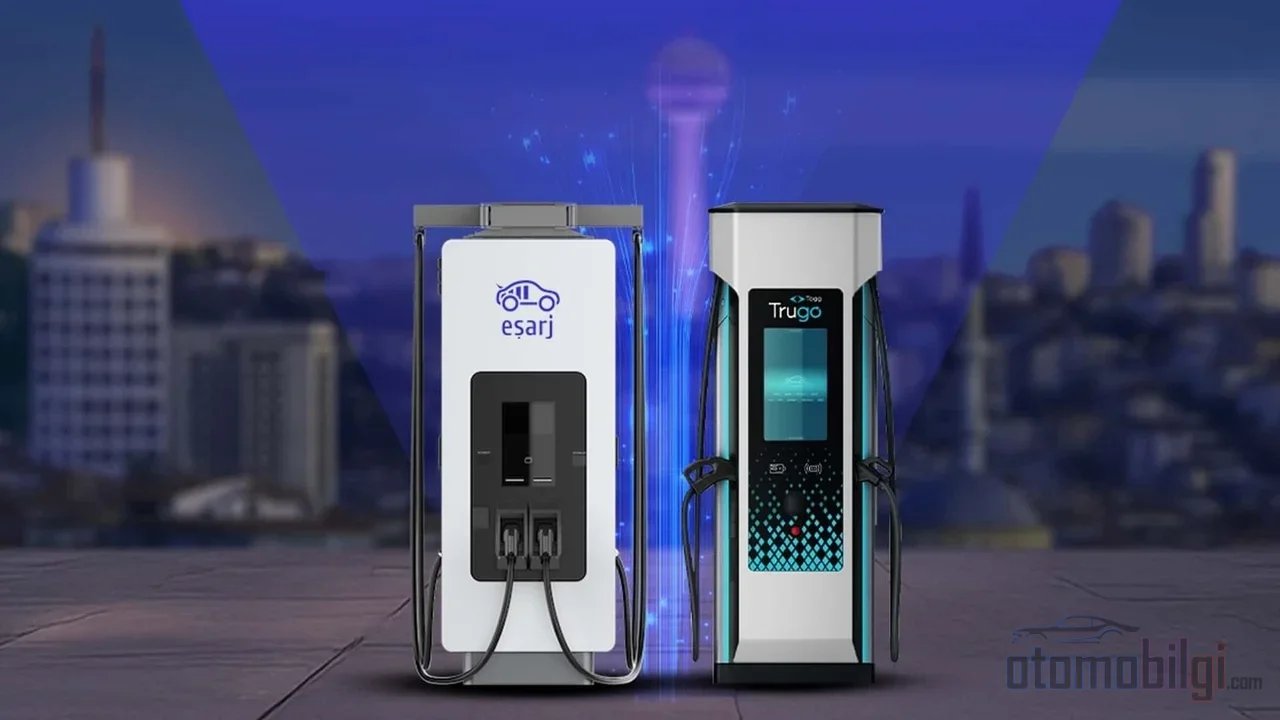
Different Networks, Single Vehicle: The Roaming Problem at Charging Stations
E-roaming in electric vehicles means the driver can authenticate and charge at stations of different charging networks with a single account, a single app, or a single RFID card, and make the payment to a single provider. It is the charging world's e…
Read More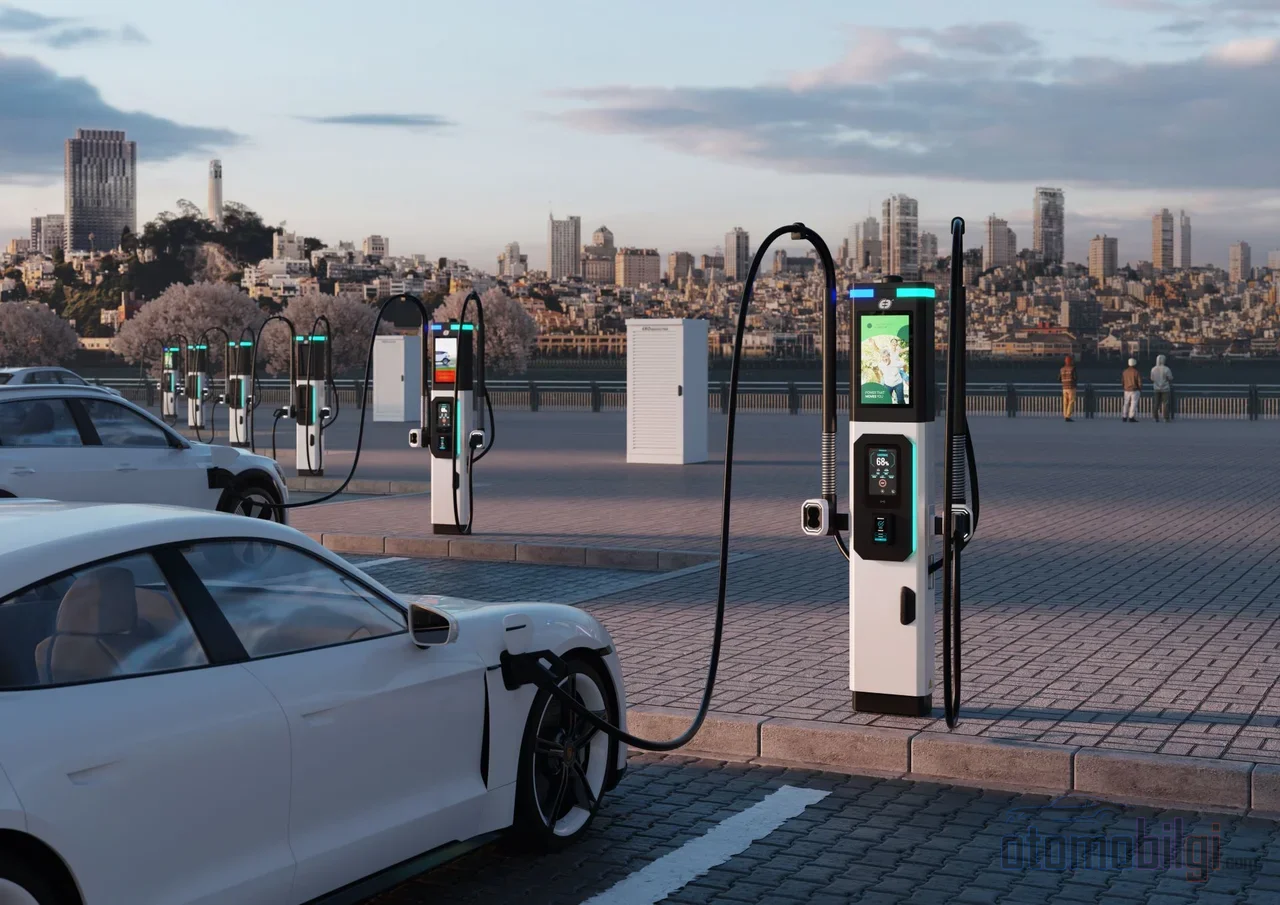
How to Start Charging at a Public Station
There are four basic ways to start a charge at a public charging station: RFID card, mobile app, contactless bank card and Plug and Charge. Regardless of the method, the logic chain is the same - the station first identifies you, links the session to…
Read More
Where Does the Electricity Lost During Charging Go?
Electricity lost during charging is the portion of energy drawn from the grid that turns into heat before reaching the battery and is consumed by auxiliary systems; electric vehicle charging typically operates at 80-95% efficiency , meaning 5-20% of …
Read More
What Permits Are Required to Install a Charging Unit in an Apartment Parking Lot?
To install a charging unit in an apartment building parking lot, depending on the condition of the location where the unit will be installed, either a simple majority decision of the homeowners' association or no decision at all is required: If your …
Read More
While Waiting Your Turn at the Station: Etiquette for Public Charging
Public charging station etiquette means waiting in line properly, vacating your spot in time once charging reaches 80%, not touching someone else's plug, and ending your session properly via the app. In other words, it is not just a few soft suggesti…
Read More
Is Your Home's Electrical Wiring Sufficient for a Wallbox?
There are four technical criteria that determine whether your home's electrical installation is sufficient before installing a wallbox: the total capacity of the fuse panel, the cable cross-section, whether your connection is single-phase or three-ph…
Read More
Does Fast Charging Damage an Electric Car's Battery?
Short answer: With reasonable use, DC fast charging causes immeasurably little damage to the battery in a modern electric vehicle. It is true that high current degrades cell chemistry under laboratory conditions; however, the battery management syste…
Read More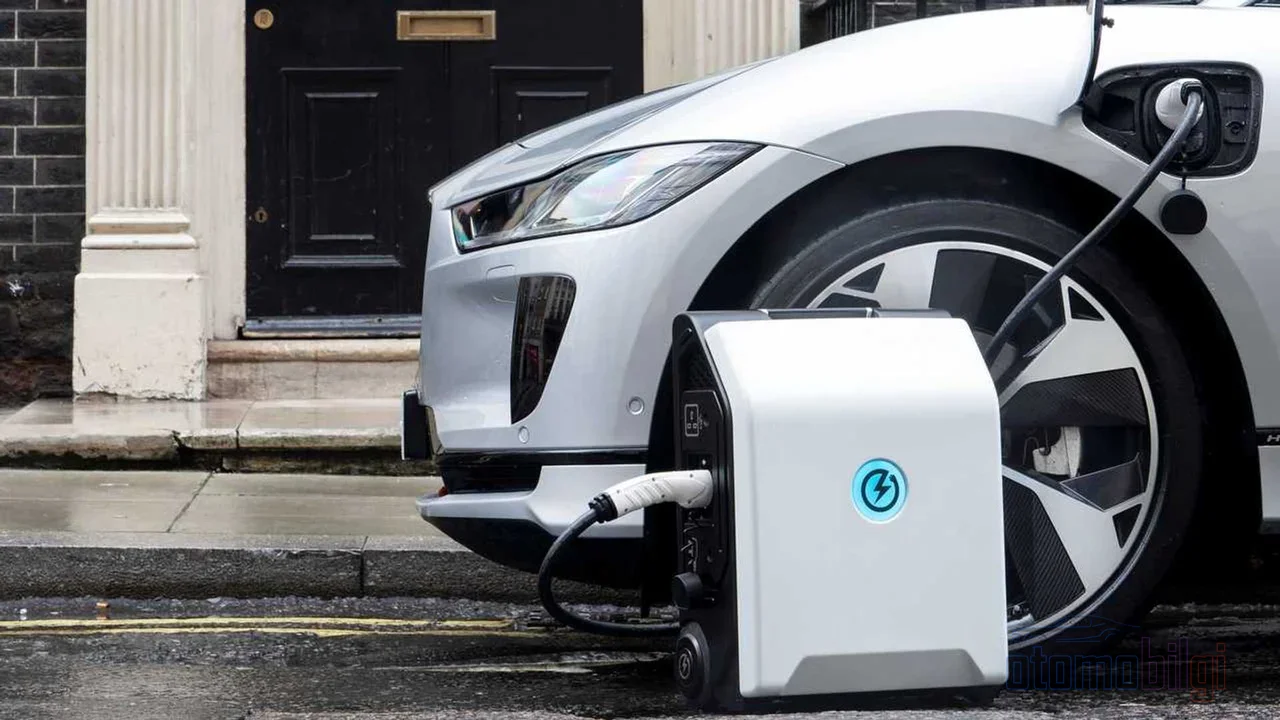
Do Portable Chargers for Electric Cars Actually Work?
A portable charger works, but its usefulness is limited: It is not a substitute for daily charging; it provides emergency range for a vehicle with a depleted battery to reach the nearest outlet or fast-charging station. Portable AC units running from…
Read More
How to Plan Charging on a Long Trip?
When taking a long trip in an electric vehicle, charging planning means setting your route based not only on distance but on the charging infrastructure, selecting the DC stations along your route in advance, and leaving a range buffer at every stop.…
Read More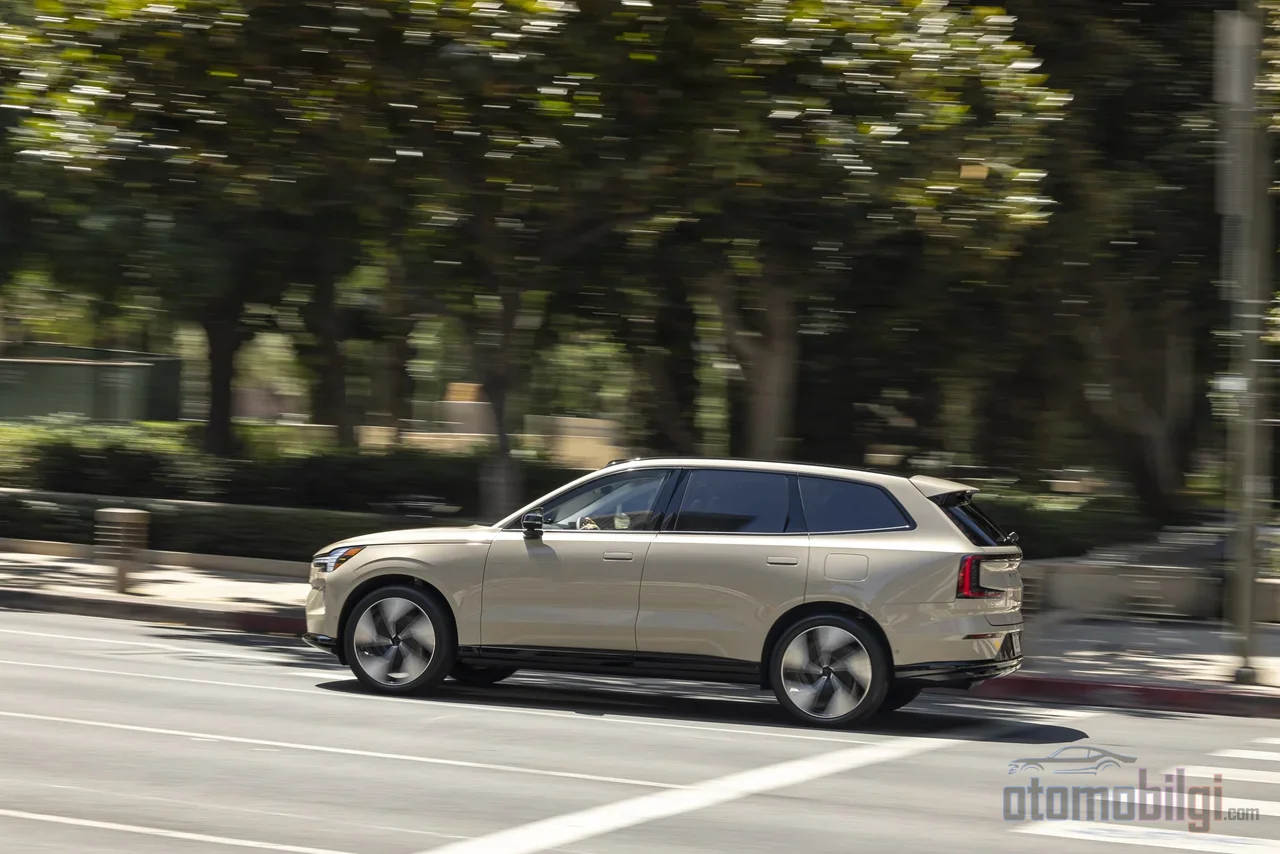
Can an Electric Vehicle Power Your Home? What Is V2L (Vehicle-to-Load) Charging?
An electric vehicle is not just a tank that accepts charge; with the right equipment, it is a power source that can deliver the energy in its battery to the outside. The technology that enables this is called reverse charging or bidirectional chargin…
Read More