Sales Guides
Share This Page

What Should the Seller Do If the Buyer Backs Out at the Last Minute?
What should the seller do if the buyer backs out at the last moment? The short answer is this: if a deposit has been taken for the vehicle, that money must in principle be refunded; since an oral or simple written agreement is invalid in a vehicle sa…
Read More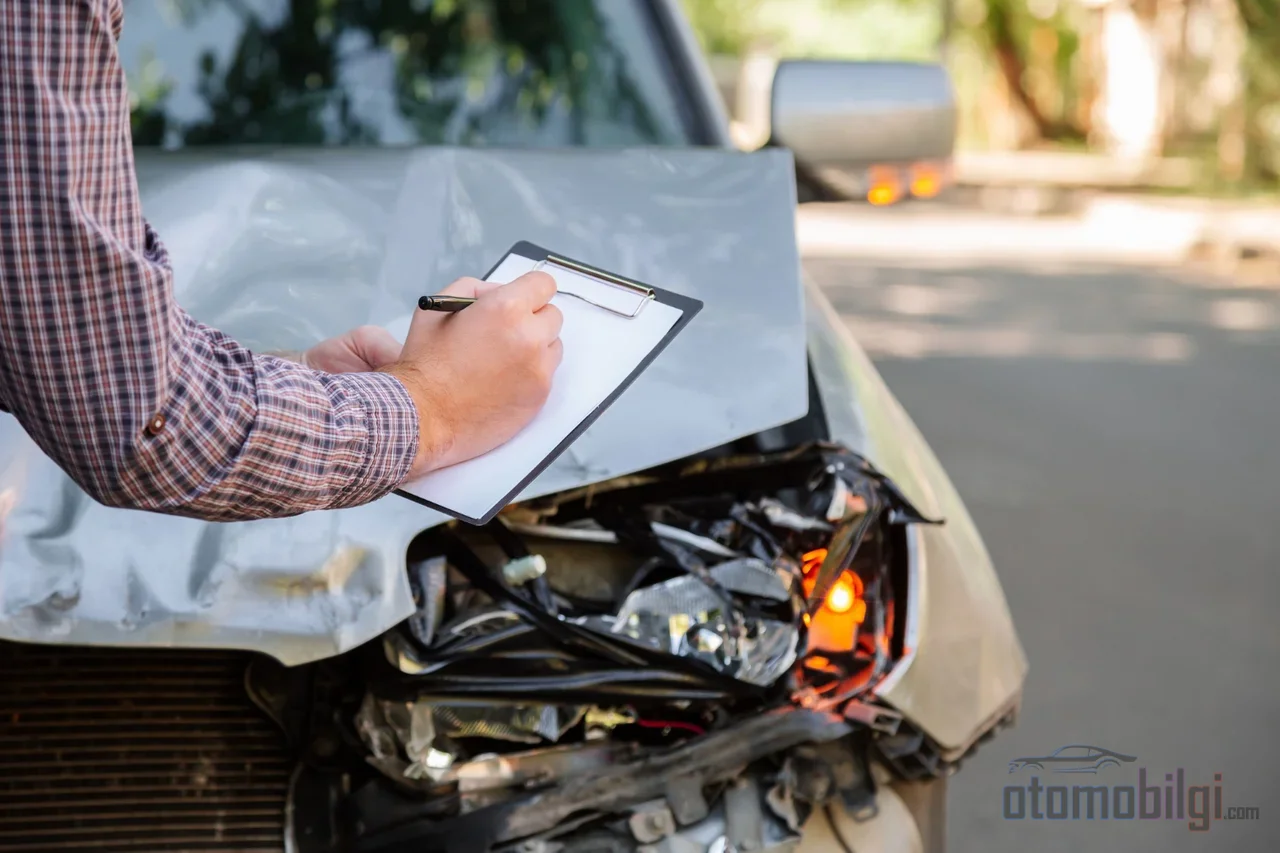
How Does Your Tramer Record Affect Your Car's Sale Price?
A tramer record affects the sale price by a rate ranging from 2% to 50%, depending on the record amount, its ratio to the vehicle's value, and the region where the damage occurred. However, for the seller, what matters most is not the number itself b…
Read More
Notary and Transfer Costs in Vehicle Ownership Transfers: Who Pays?
In Türkiye, the rule for vehicle transfer costs is that the buyer pays them: notary fees, notary service charges, and mandatory traffic insurance belong to the buyer by default. However, this is not an absolute obligation - it is an open item for the…
Read More
Should the Vehicle Be Delivered to a Buyer Who Has Paid a Deposit?
Leaving the vehicle with the buyer after taking a deposit is a handover carried out before the notarized sale takes place, and it carries serious legal risk for the seller; because under Turkish law a vehicle sale is only valid at a notary, and a dep…
Read More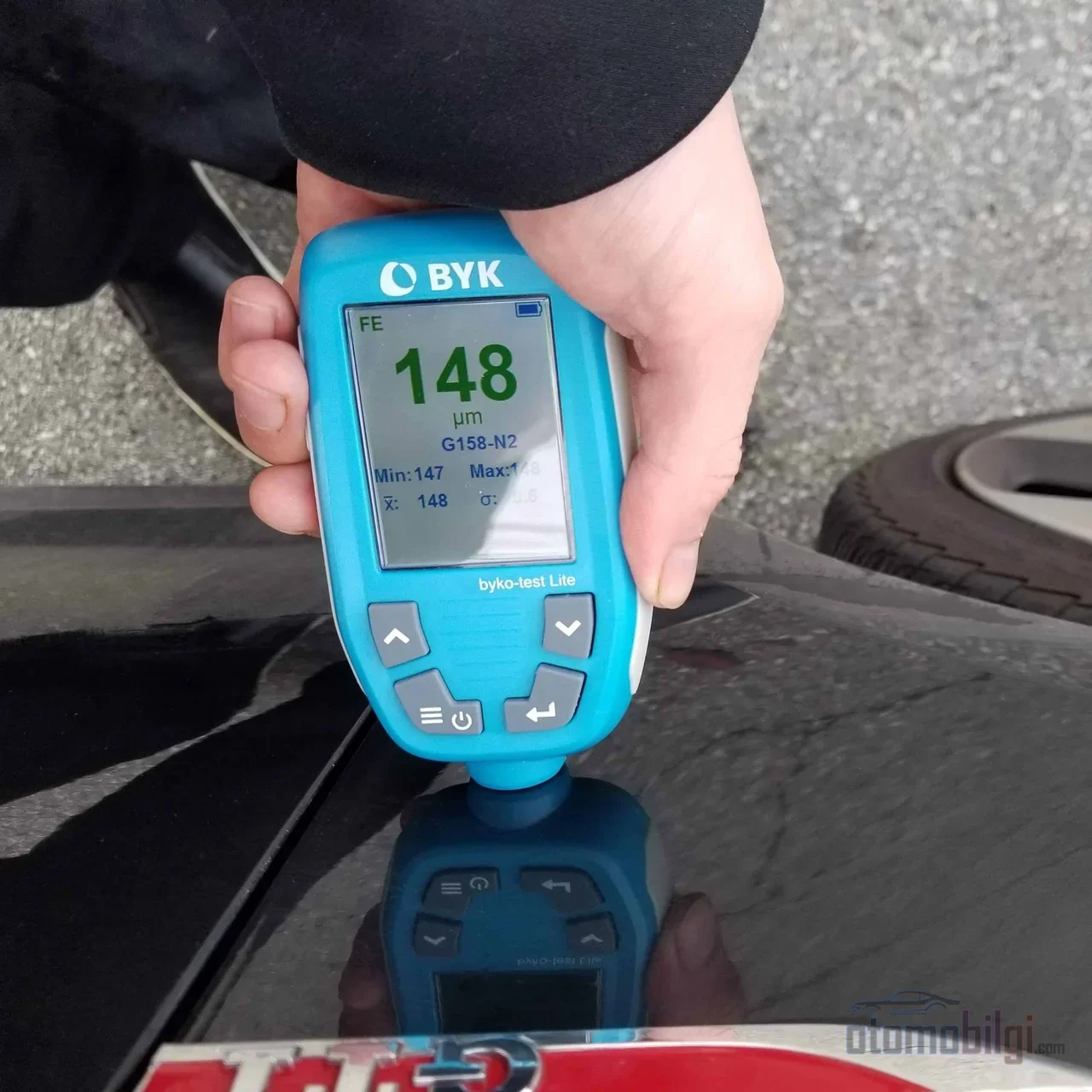
Is It Necessary to Have Your Car Inspected by an Appraisal Service Before Selling It?
Short answer: Not on every sale, but it is now required for a significant portion of them. As of 2026, vehicles under 8 years old and with fewer than 160,000 km require an inspection report from a TSE-certified center when sold; for vehicles outside …
Read More
Is Selling a Car with a Power of Attorney Risky?
Selling a car via power of attorney is a legally valid method if the power of attorney has been properly drafted; however, using a general power of attorney, leaving the authorities ambiguous, or allowing uncontrolled payment flow exposes the seller …
Read More
Latent Defect in Vehicle Sales: The Seller's Liability
In second-hand vehicle sales, the seller is liable at the moment of delivery for defects present in the vehicle that cannot be detected upon ordinary inspection, even if the seller was unaware of these defects. The buyer may claim rescission of the c…
Read More
What You Need to Do After Selling Your Vehicle: Insurance, Motor Vehicle Tax, and Traffic Fine Liability
You have transferred your vehicle at the notary, but your work is not over yet; notifying the insurance company of the sale, refunding the unused traffic insurance premium, a possible MTV (motor vehicle tax) refund, and protection against traffic fin…
Read More
Which Season Should You Sell Your Car In? The Effect of Timing on Price
The best season to sell your car depends on the type of vehicle and the pulse of the market at the time: as a general rule, demand picks up in spring, the market slows in mid-summer, and prices pull back somewhat in winter. Choosing the right month m…
Read More
Showing the Vehicle to the Buyer: What Should You Pay Attention to During the Test Drive?
Showing the car to the buyer, the period between listing the ad and the notary transfer, is the stage where the most mistakes are made. When done correctly, it speeds up the sale; when done carelessly, it creates both a safety problem and weakens you…
Read More
Where Will You Post Your Vehicle Listing? How Does Platform Choice Affect the Sale?
When selling your car, where you place the listing directly determines how fast the sale goes, the pool of buyers you reach, and the risk you take on. Large listing portals with broad reach attract serious buyers, social media marketplaces offer a fa…
Read More
How Do You Clear Liens and Debt Records Before Selling Your Car?
Before selling your vehicle, to clear any lien and debt records, first determine what type of restriction is on the vehicle via e-Devlet, the e-lien inquiry and TARES; then, if there is a lien, pay off the bank loan and obtain the lien release letter…
Read More