MotoGP
Share This Page
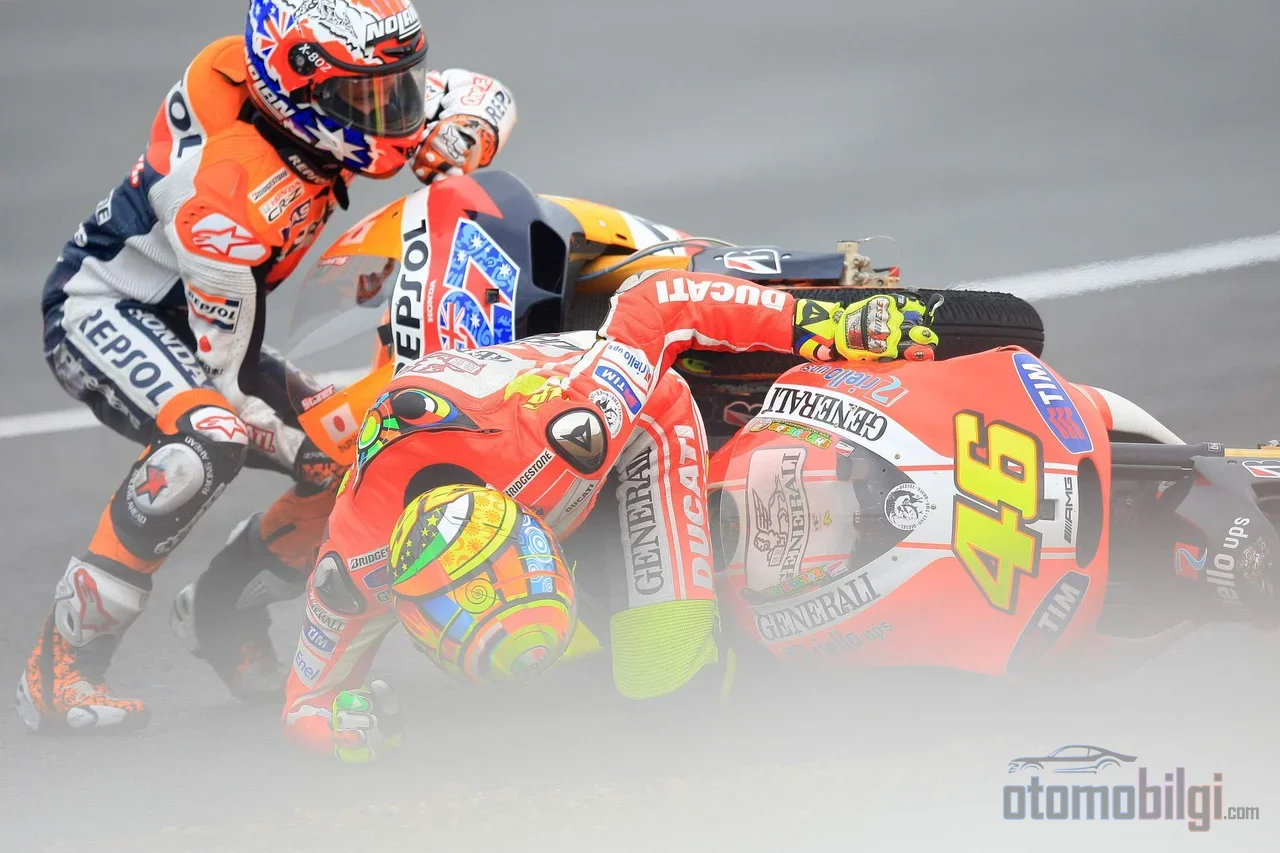
Why Is Your Teammate Your Real Rival in MotoGP?
In MotoGP the real rival is your teammate, because finishing ahead of the other of two riders who use the same motorcycle, the same tires, the same telemetry and the same technical staff offers a far clearer comparison than the other 20 people on the…
Read More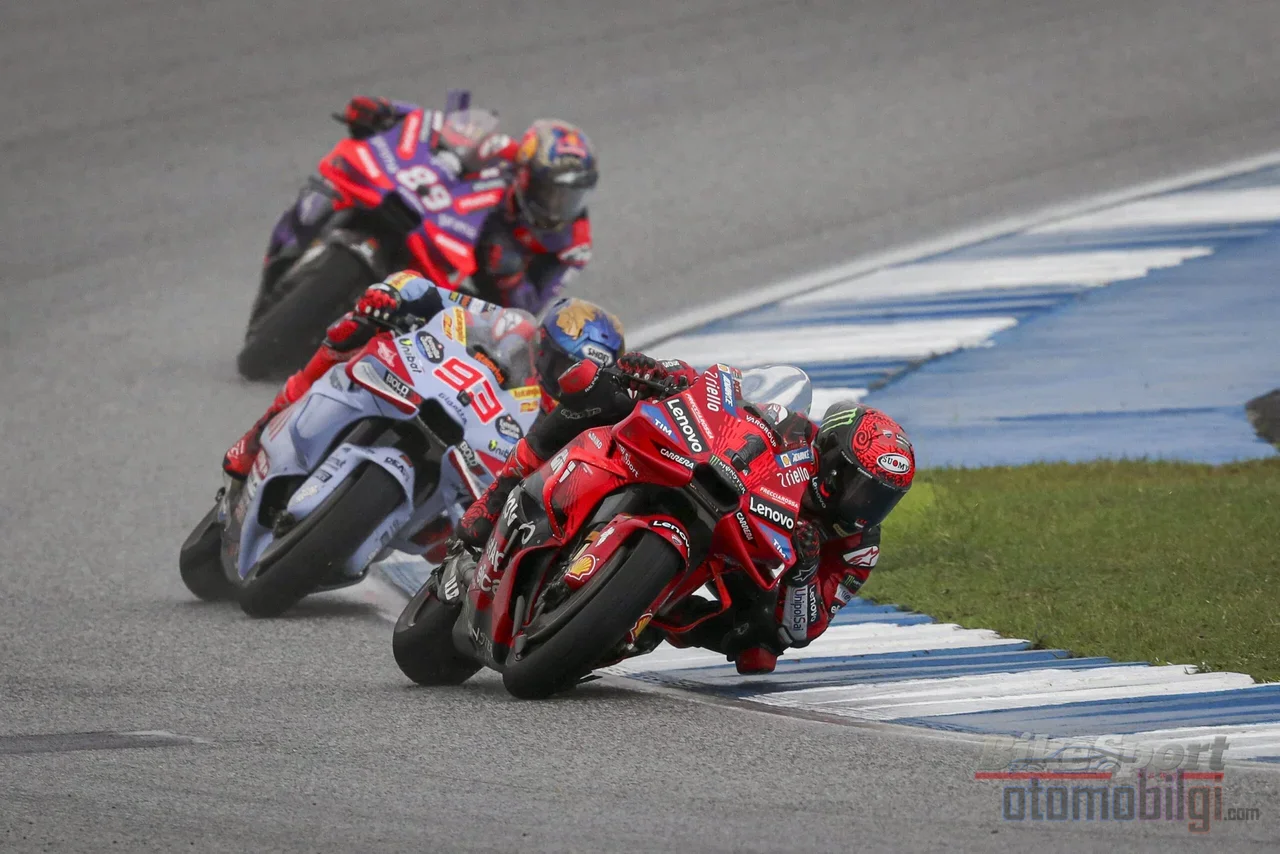
Why Do Riders in MotoGP Take Corners Almost Touching the Ground?
MotoGP bikes can lean more than 60 degrees from vertical in corners, even up to 65 degrees; the secret to them not falling is gravity and cornering force meeting in perfect balance, plus the extraordinary grip of racing tires that can handle this mas…
Read More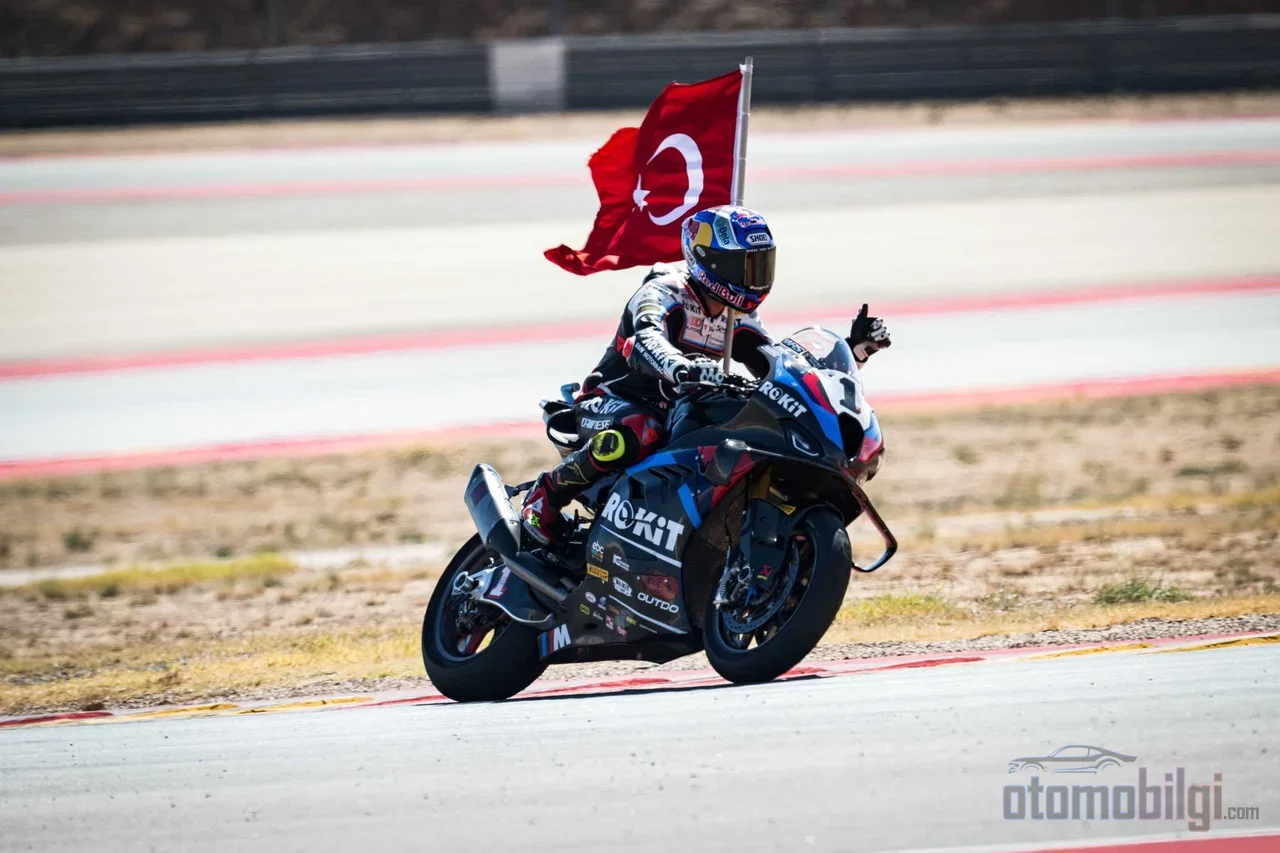
Watching MotoGP from Türkiye: Which Channel, What Time?
If you want to watch MotoGP from Türkiye, the answer is clear: the races and all sessions are broadcast on S Sport Plus; unfortunately there is no free channel option. As an alternative, MotoGP's official subscription system, VideoPass, can also be u…
Read More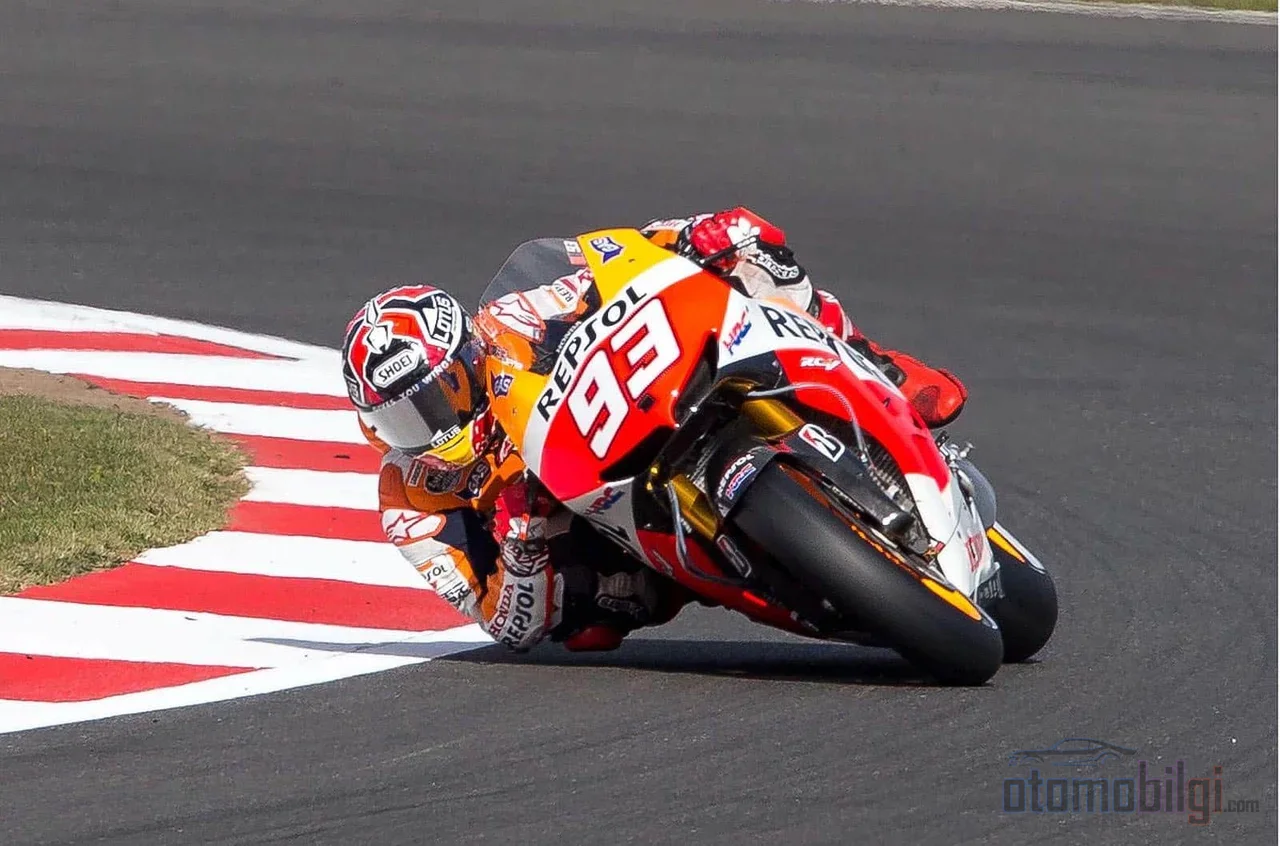
Why Is the Gap Between MotoGP and WorldSBK So Big?
The gap between MotoGP and WorldSBK is this big because MotoGP races prototype motorcycles designed from scratch for racing that you cannot buy; whereas in WorldSBK, heavily modified versions of production motorcycles you can buy from a showroom are …
Read More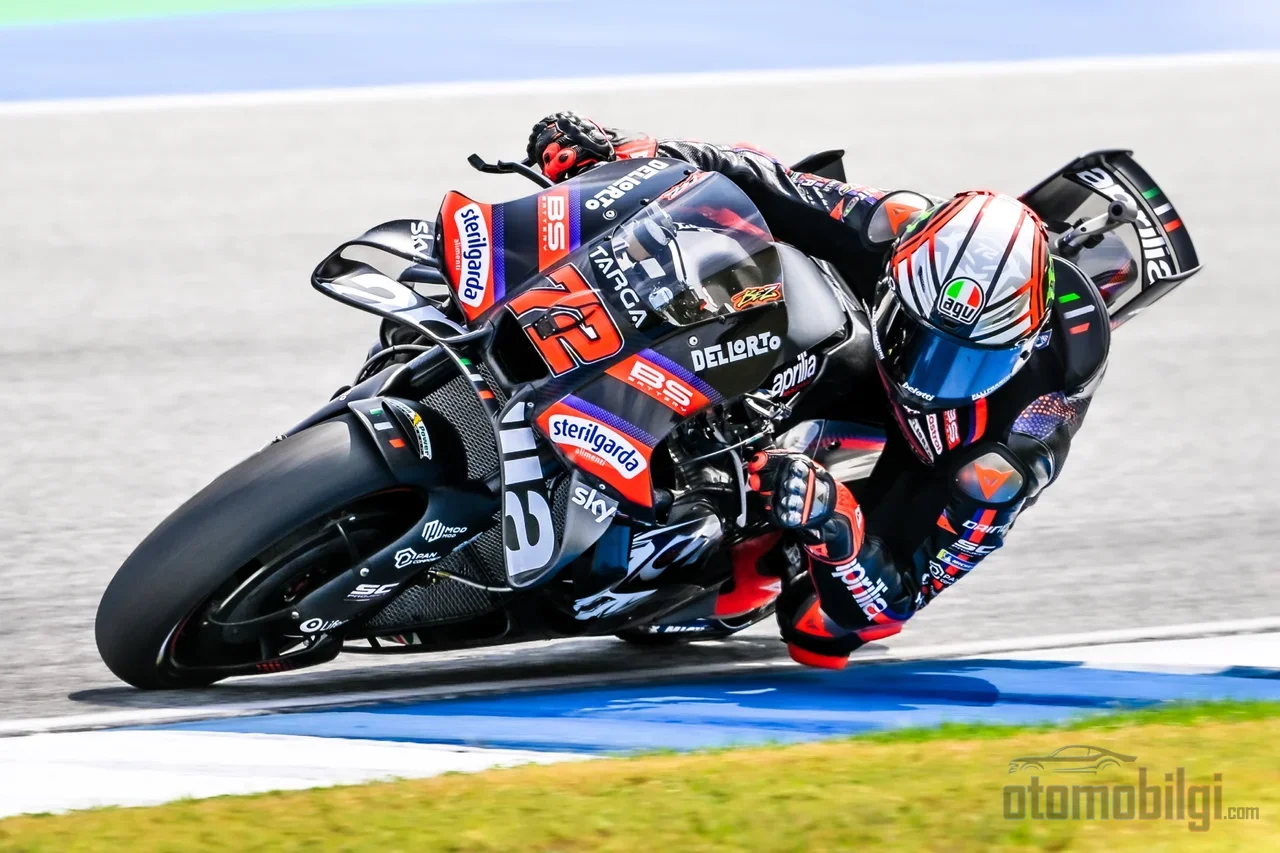
How Do Qualifying Sessions and the Q1-Q2 System Work in MotoGP?
In MotoGP, qualifying consists of two sessions run on Saturday morning, each lasting 15 minutes: Q1 and Q2. Riders who finish in the top 10 in Friday Practice go straight to Q2; the others race in Q1, and the two fastest riders from Q1 advance to Q2.…
Read More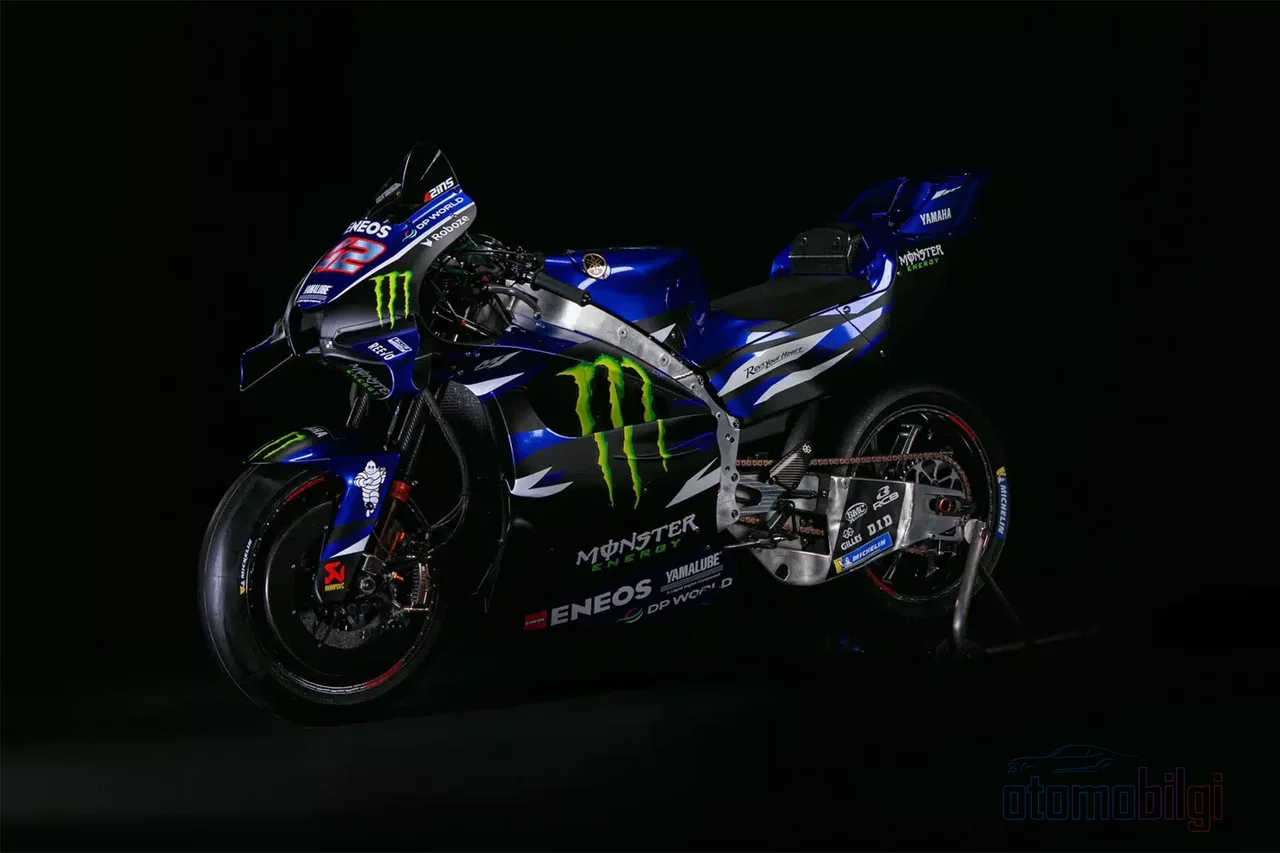
Why Are the 1000cc Engine and Gearbox Rules in MotoGP So Strict?
MotoGP engine regulations limit the displacement of prototype motorcycles to 1000 cm³, the number of cylinders to four, and the number of gears to six; the cylinder bore cannot exceed 81 mm. The purpose of these limits is not to leave engine power un…
Read More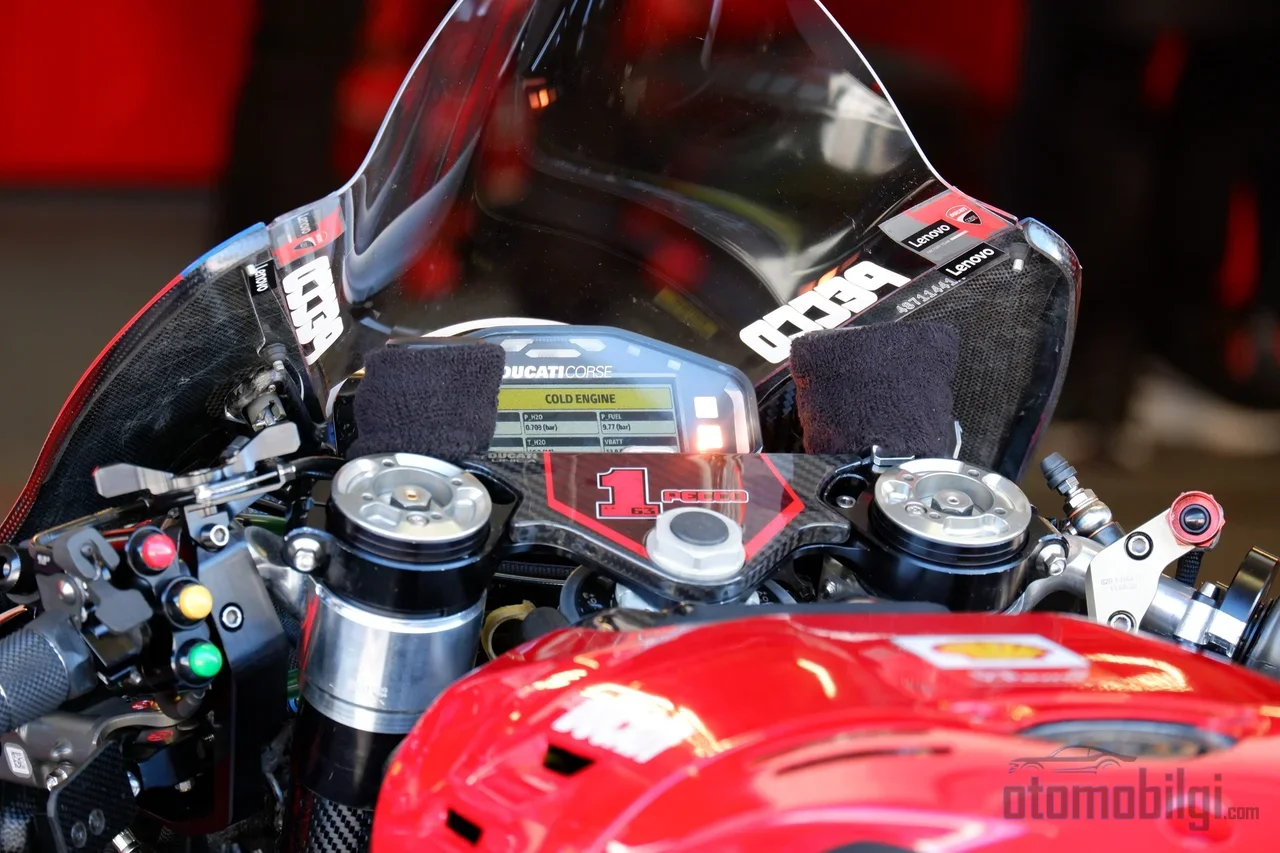
What Does Telemetry Data Do in MotoGP?
In MotoGP, telemetry is the process by which data such as throttle, braking, suspension, lean angle and engine temperature is collected thousands of times per second and transmitted to engineers via more than 60 sensors placed on the motorcycle. In s…
Read More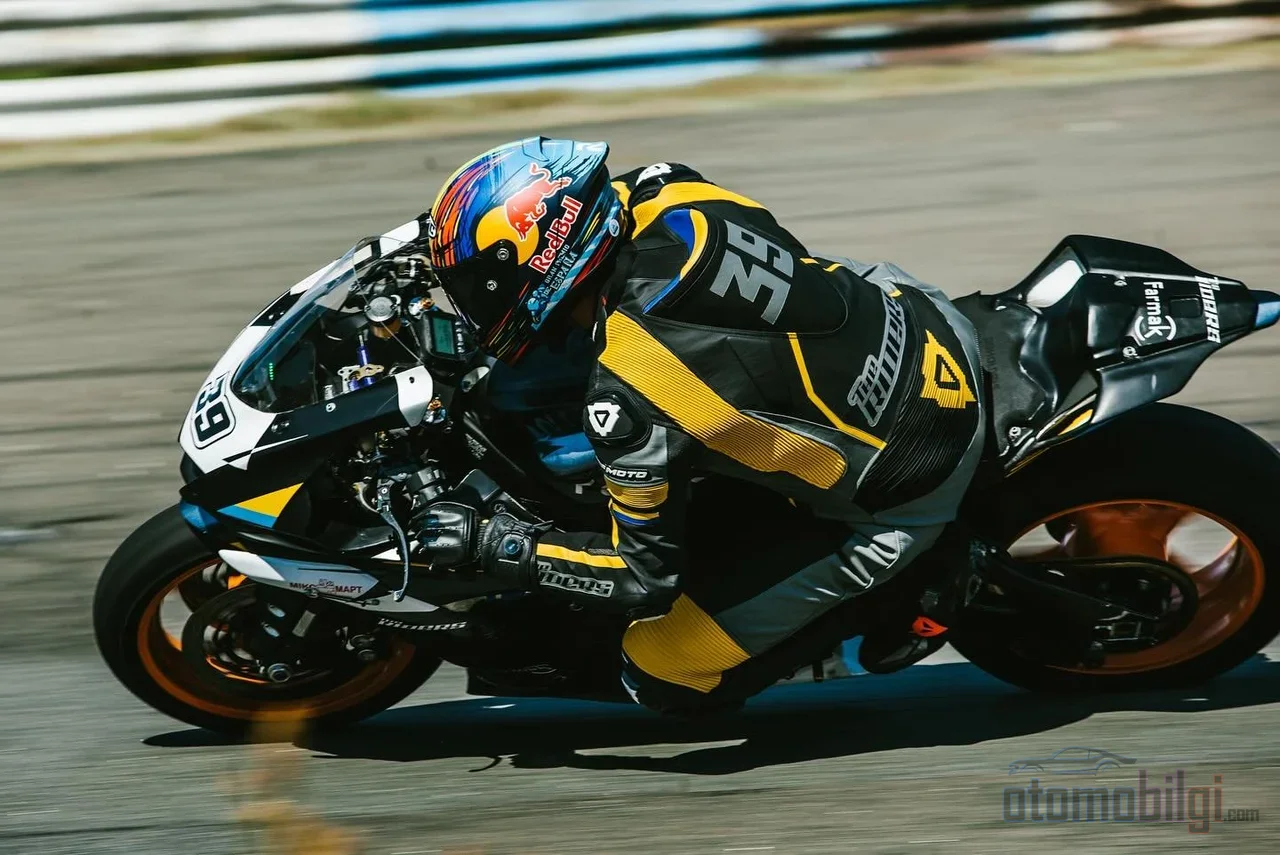
40 Milliseconds at the Moment of Crash: MotoGP's Airbag and Safety Technologies
In MotoGP, the airbag system uses sensors and algorithms embedded in the racing suit to detect the moment of a crash faster than a rider could react, creating a protective shield that inflates in roughly 20 to 60 milliseconds . But that's only the be…
Read More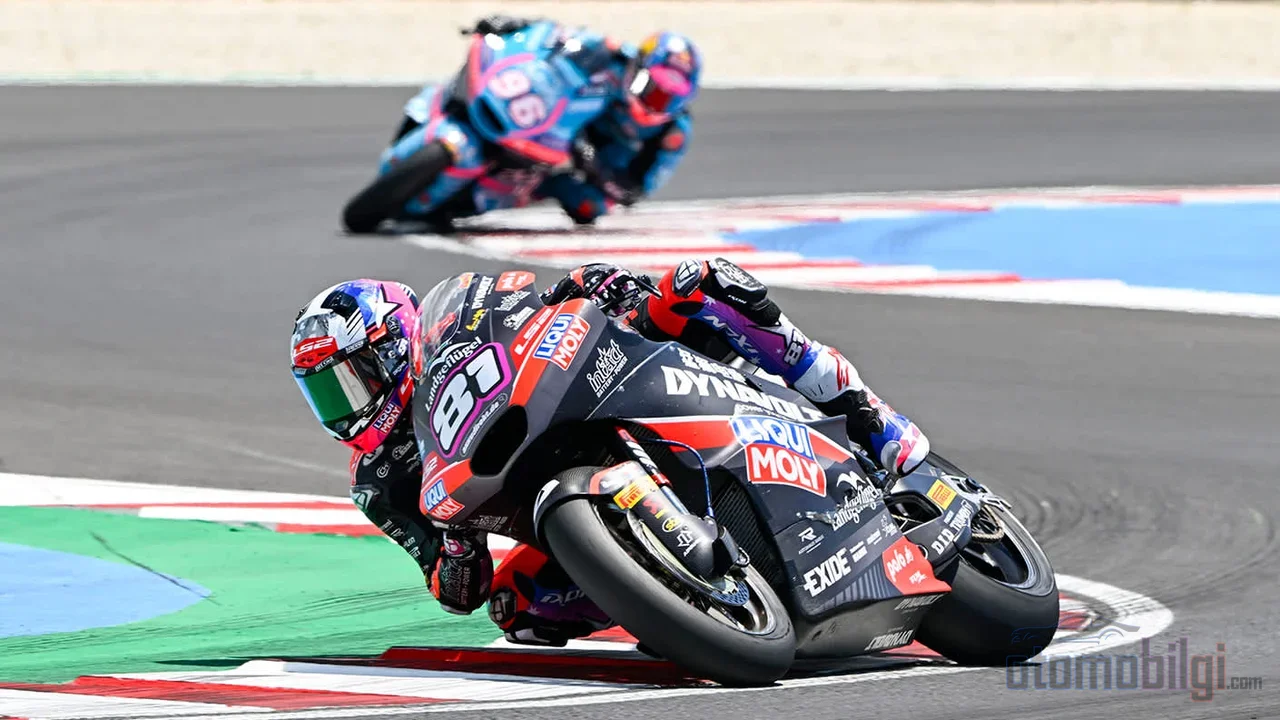
What Actually Determines a MotoGP Rider's Seat?
In MotoGP, what determines a rider's seat is not speed but the contract structure with the manufacturer, satellite team agreements, academy connections and sponsor accounts. On-track performance is of course important; but the commercial and politica…
Read More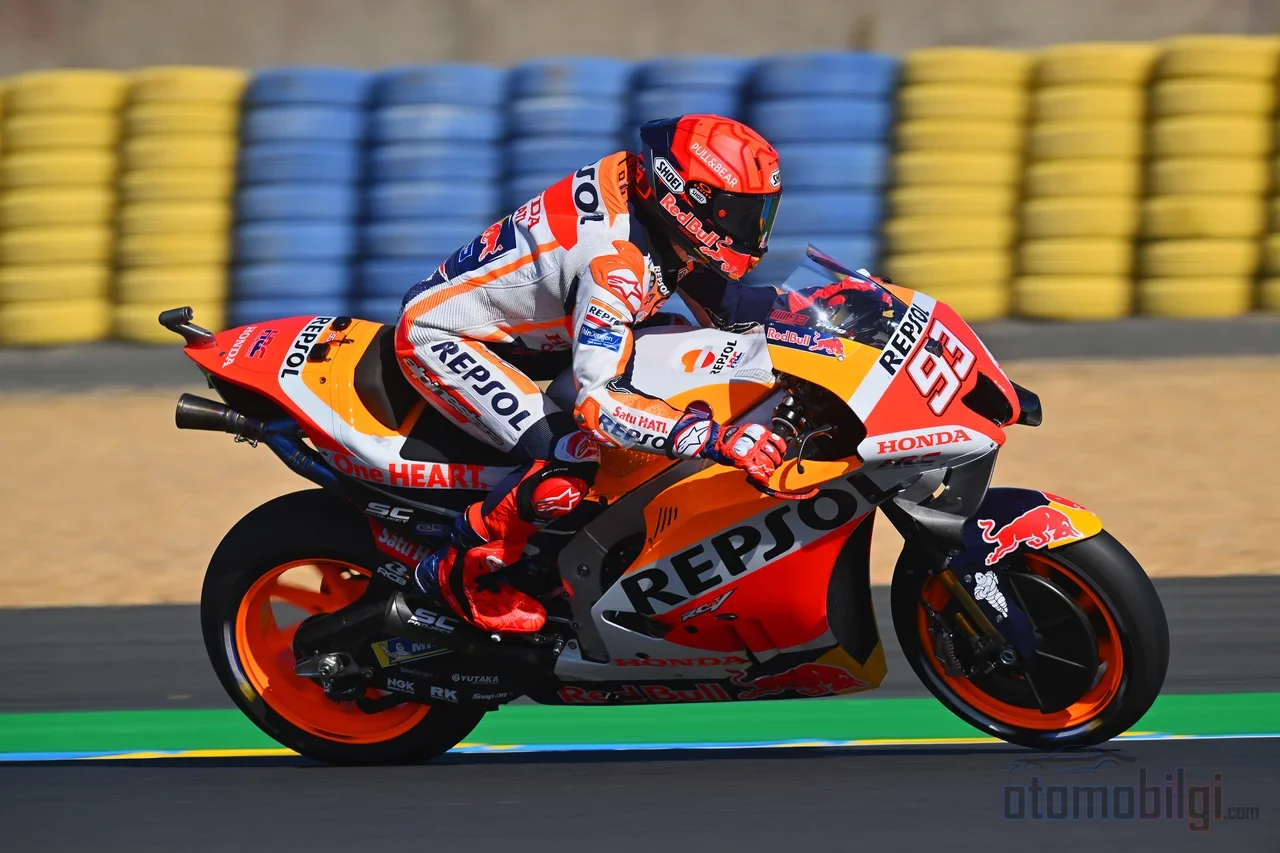
The Penalty System in MotoGP: Rule Violations from the Long Lap to Grid Penalties
When a rider breaks a rule in MotoGP, the penalty is handed down by the three-member FIM Stewards Panel: there is a scale of sanctions ranging from a warning and a fine to the long lap, and from a grid drop to the removal of points, and which violati…
Read More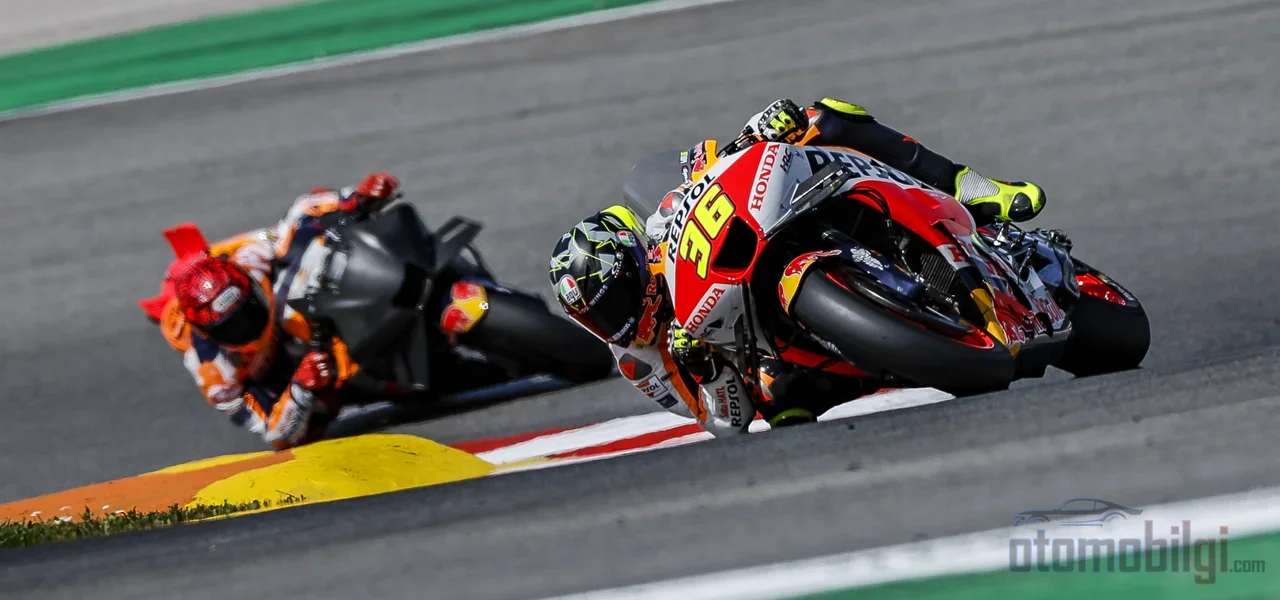
How Much Does a MotoGP Motorcycle Cost? Costs and Team Budgets
There is no single official figure for the price of a MotoGP motorcycle; while its base cost is around 1 million dollars , when R&D and development expenses are included, the total value of a factory bike is estimated to be able to exceed 3 million e…
Read More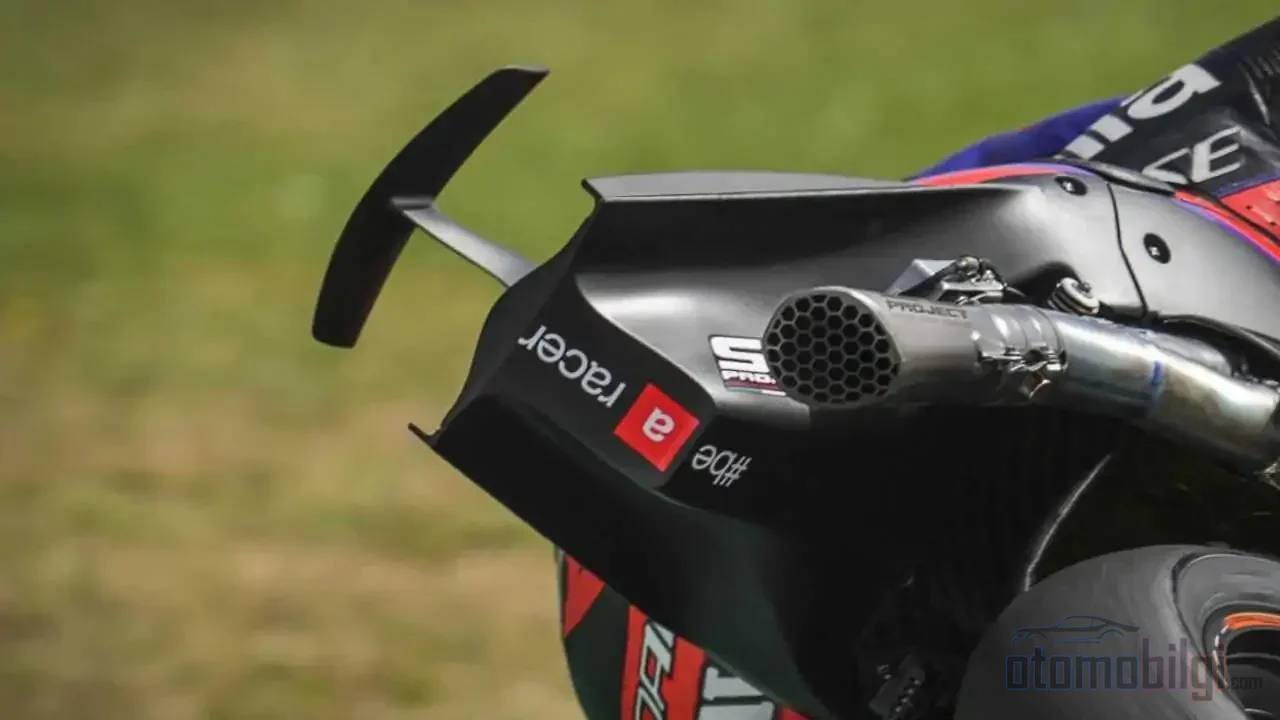
Wings and Ride-Height Devices in MotoGP
Winglets and ride-height devices in MotoGP are aviation-derived technologies that press the front wheel of prototype motorcycles to the ground and maximize traction on acceleration; at 350 km/h they generate roughly 35-50 kg of downforce. These solut…
Read More