Otomobilgi.comOtomobilgi.com
  • Türkçe
  • English
  • Deutsch
  • Français
  • Italiano
  • Español
  • Português
  • Polski
  • Magyar
  • Azərbaycanca
  • Bahasa Indonesia
  • Русский
  • 中文
  • 日本語
  • 한국어
  • हिन्दी
  • বাংলা
  • العربية
  • فارسی
  • Türkçe
  • English
  • Deutsch
  • Français
  • Italiano
  • Español
  • Português
  • Polski
  • Magyar
  • Azərbaycanca
  • Bahasa Indonesia
  • Русский
  • 中文
  • 日本語
  • 한국어
  • हिन्दी
  • বাংলা
  • العربية
  • فارسی
  • HOME PAGE
  • NEWS
    Turkish Automotive Industry News
    Global Automotive Industry News
    Turkish Motorsports News
    Global Motorsports News
  • INTERNAL COMBUSTION
    Internal Combustion Models
    Internal Combustion Engine Technologies
    Fuel and Consumption
    Emission and Environment
    Internal Combustion Ownership
    History of the Internal Combustion Automobile
  • ELECTRIC
    Electric Models
    Electric Car Technologies
    Charging and Infrastructure
    Battery Technology
    Range and Consumption
    Electric Vehicle Ownership
    History of the Electric Car
  • HYBRID
    Hybrid Models
    Hybrid Systems
    Battery and Charging
    Consumption and Efficiency
    Hybrid Ownership
    History of Hybrid Cars
  • TECHNOLOGY
    Driver Assistance Systems
    Safety Technologies
    Lighting and Visibility Technologies
    Infotainment and Connectivity
    Autonomous Driving and Artificial Intelligence
    Future Technologies
  • GUIDES
    Buying Guides
    Sales Guides
    Maintenance and Use
    Ownership and Costs
    Tires and Wheels
    Insurance and Inspection
  • HISTORY & CULTURE
    Automobile History
    Iconic Models
    Classics and Collections
    Türkiye's Automobile Journey
    Automobile Design
    Cars and Popular Culture
  • MOTORSPORT
    Formula 1
    Rallying (WRC)
    Rallycross
    MotoGP
    Formula 2 & Formula 3
    Karting
    24 Hours of Le Mans
    WEC
    NASCAR
    IndyCar
    DTM
    GT Races
    Drift
    Drag Races
  • Türkçe
  • English
  • Deutsch
  • Français
  • Italiano
  • Español
  • Português
  • Polski
  • Magyar
  • Azərbaycanca
  • Bahasa Indonesia
  • Русский
  • 中文
  • 日本語
  • 한국어
  • हिन्दी
  • বাংলা
  • العربية
  • فارسی
  • Türkçe
  • English
  • Deutsch
  • Français
  • Italiano
  • Español
  • Português
  • Polski
  • Magyar
  • Azərbaycanca
  • Bahasa Indonesia
  • Русский
  • 中文
  • 日本語
  • 한국어
  • हिन्दी
  • বাংলা
  • العربية
  • فارسی
  1. HOME PAGE
  2. ELECTRIC
  3. Range and Consumption

Range and Consumption

Share This Page

An electric car plugged in while parked can silently lose up to 3 percent of its charge per day; if active features are on, that figure exceeds 10 percent.
Why Does an Electric Car Lose Charge and Range While Parked?
Deniz Erkan23 October 2026

An electric vehicle draws very small amounts of energy from the battery even while parked; this is called vampire drain. A well-adjusted modern electric vehicle loses on average about 1 percent per day while unplugged, and up to 3 percent in a bad sc…

Read More
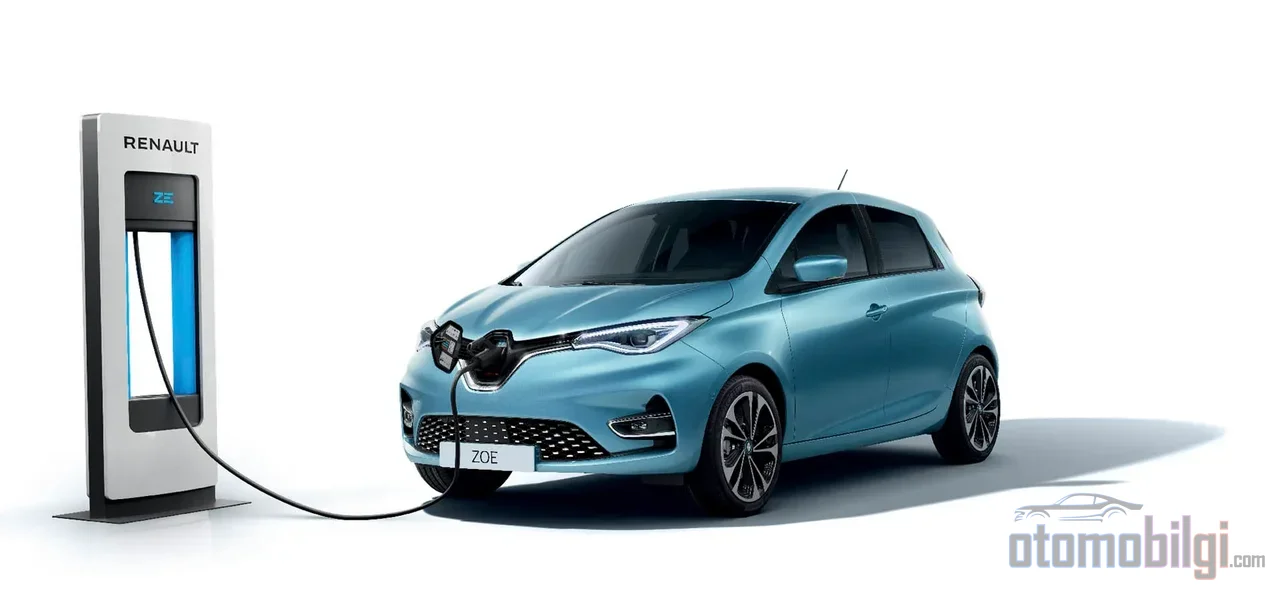
An electric vehicle whose display shows 16 kWh/100 km consumption can actually draw 18-19 kWh from the socket due to charging losses; real range can only be verified with your own measurements.
How to Measure Your Car's Real Fuel Consumption Yourself
Deniz Erkan22 October 2026

The most reliable way to measure your electric vehicle's real consumption is to base your kWh ÷ distance calculation on the energy billed at the charging point, not on the average reported by the instrument cluster; with this method, you can derive s…

Read More
The energy gained from one-pedal driving is mostly felt in stop-and-go city traffic; on the highway, it is speed that primarily determines range.
Does One-Pedal Driving and Drive Modes Really Increase Range?
Deniz Erkan21 October 2026

Short answer: Partially. Eco mode provides a real but limited contribution to range; single-pedal driving recovers energy wherever regenerative braking touches, but this gain is mostly felt in stop-and-go city traffic. On the highway, the effect of b…

Read More
Charging to 100% before a long trip does not degrade the battery; the real damage comes from leaving a fully charged car parked for days.
Charge Before Leaving Home or On the Road? The Right Departure Strategy
Deniz Erkan21 October 2026

Leaving the vehicle at 100% charge before a long trip does not harm the battery when the timing is right; what harms it is parking the vehicle fully charged for days on end. The departure strategy depends on three variables: your battery's chemistry,…

Read More

Every meter of climbing is paid directly from the battery; on descents, regenerasyon... wait - translate: regenerative braking recovers only a portion of the lost energy.
How Altitude and Hills Change an Electric Vehicle's Consumption
Deniz Erkan21 October 2026

A slope changes an EV's consumption in both directions but asymmetrically: on the climb, every meter gained against gravity is paid directly from the battery, while on the descent regenerative braking recovers only a portion of that energy. These con…

Read More
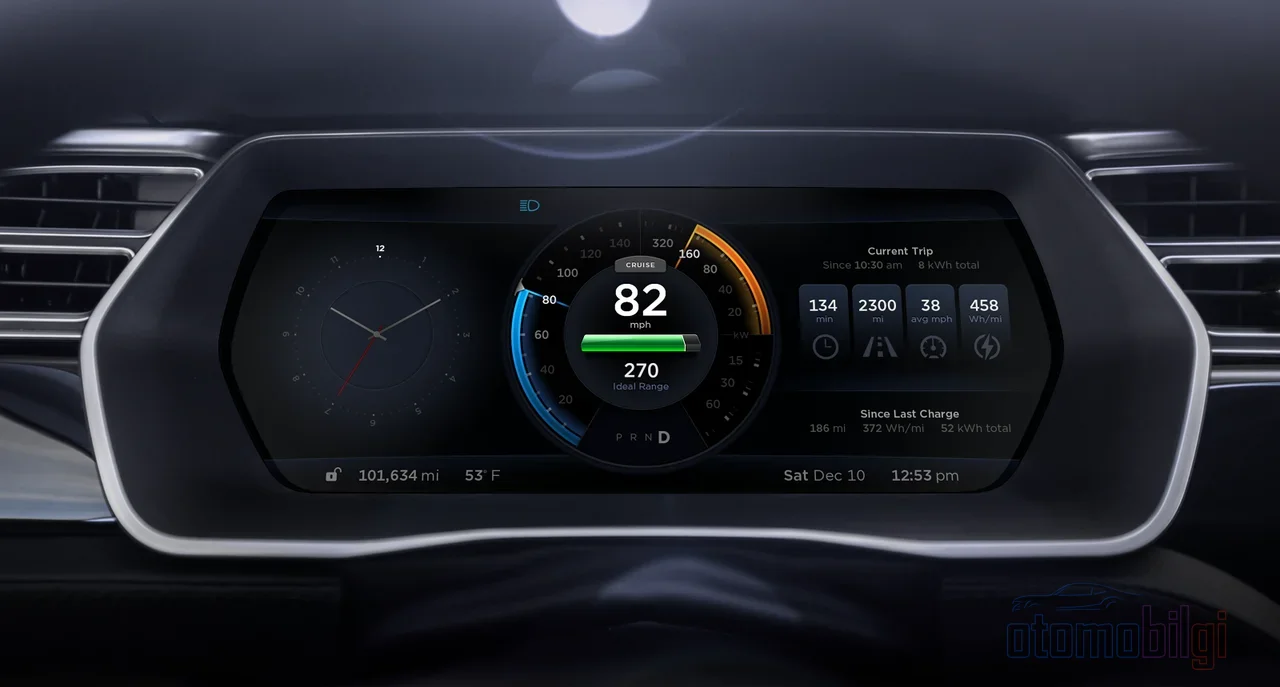
An electric vehicle's range indicator is not an exact measurement, but a continuously updated estimate calculated from recent driving data.
Why Does the Range Indicator Lie? How Does the Estimation Algorithm Work
Deniz Erkan20 October 2026

The range indicator in an electric vehicle is generated by dividing the battery percentage, or remaining energy, by the estimated consumption calculated from recent driving data; therefore, the displayed kilometers are not an exact measurement but a …

Read More
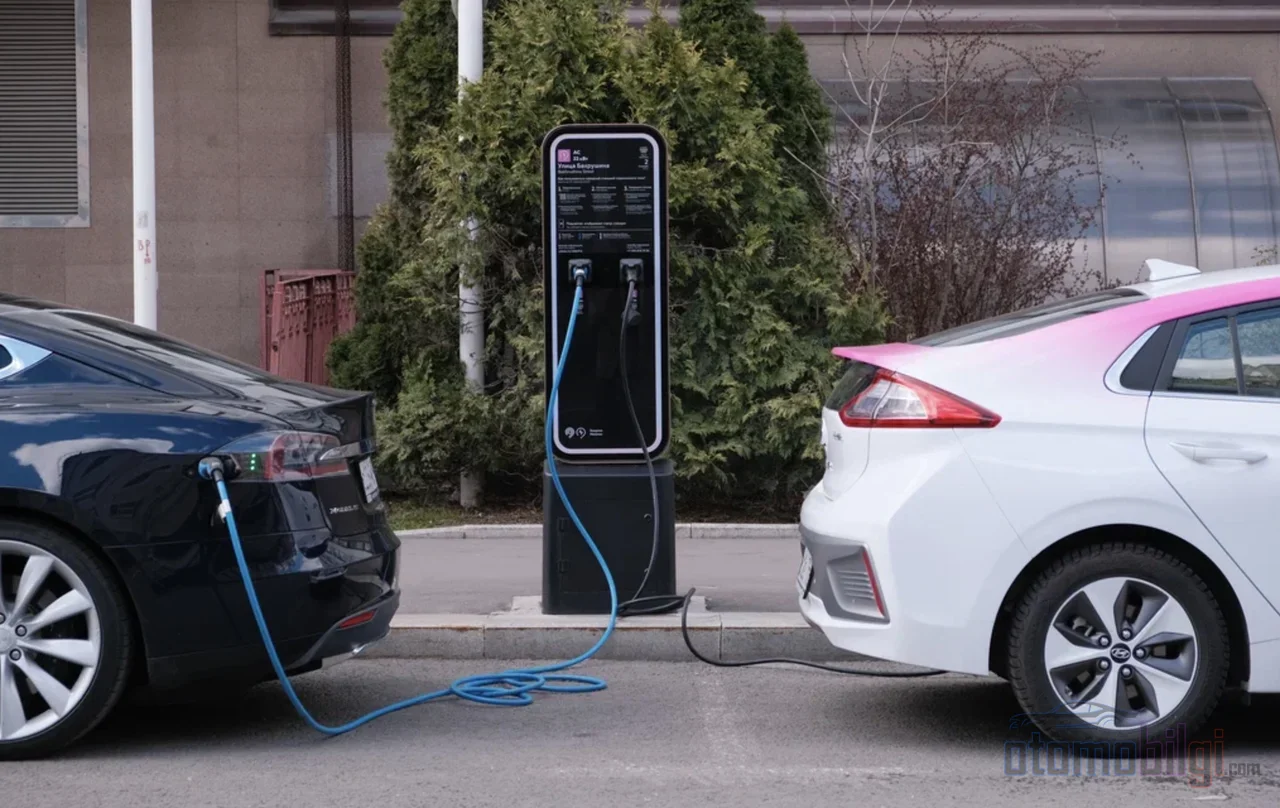
On a long journey, waiting until the last 20 percent costs you far more dearly than the time you lose compared to the range it gains you.
Why Charging Above 80% on Fast Charging Isn't Worth the Wait?
Deniz Erkan19 October 2026

In DC fast charging, the battery rapidly charges up to 80%, after which the charging power gradually decreases; waiting for the last 20% on a long journey is generally not worth it, because it wastes a disproportionate amount of time relative to the …

Read More
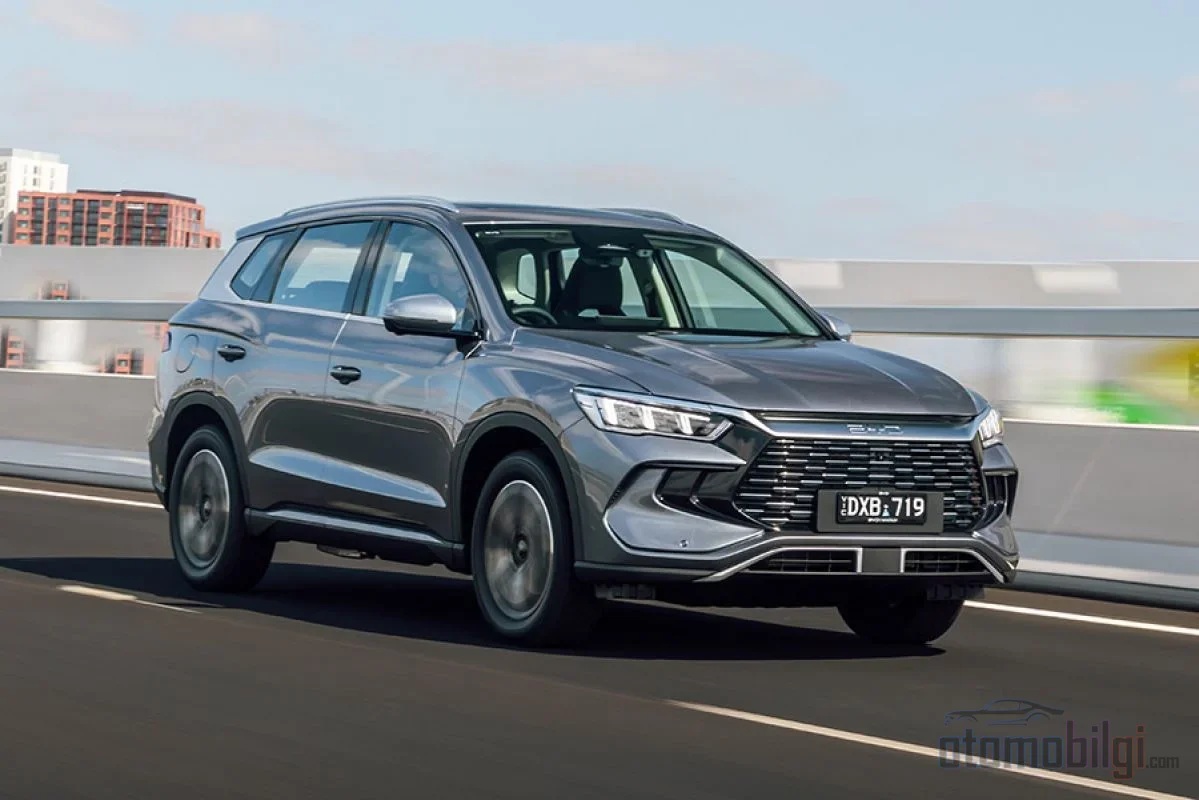
Electric vehicles are only 10-15% slower than gasoline cars on long trips; because the last 20% of charge takes as long as the first 80%.
Gasoline or Electric? A Door-to-Door Time Comparison on Long Journeys
Deniz Erkan19 October 2026

On a 300-600 kilometer route, an electric vehicle typically takes door-to-door 10-15% longer than a gasoline car, depending on range and charging breaks; the right speed choice and a single well-planned charging stop can shrink this difference consid…

Read More
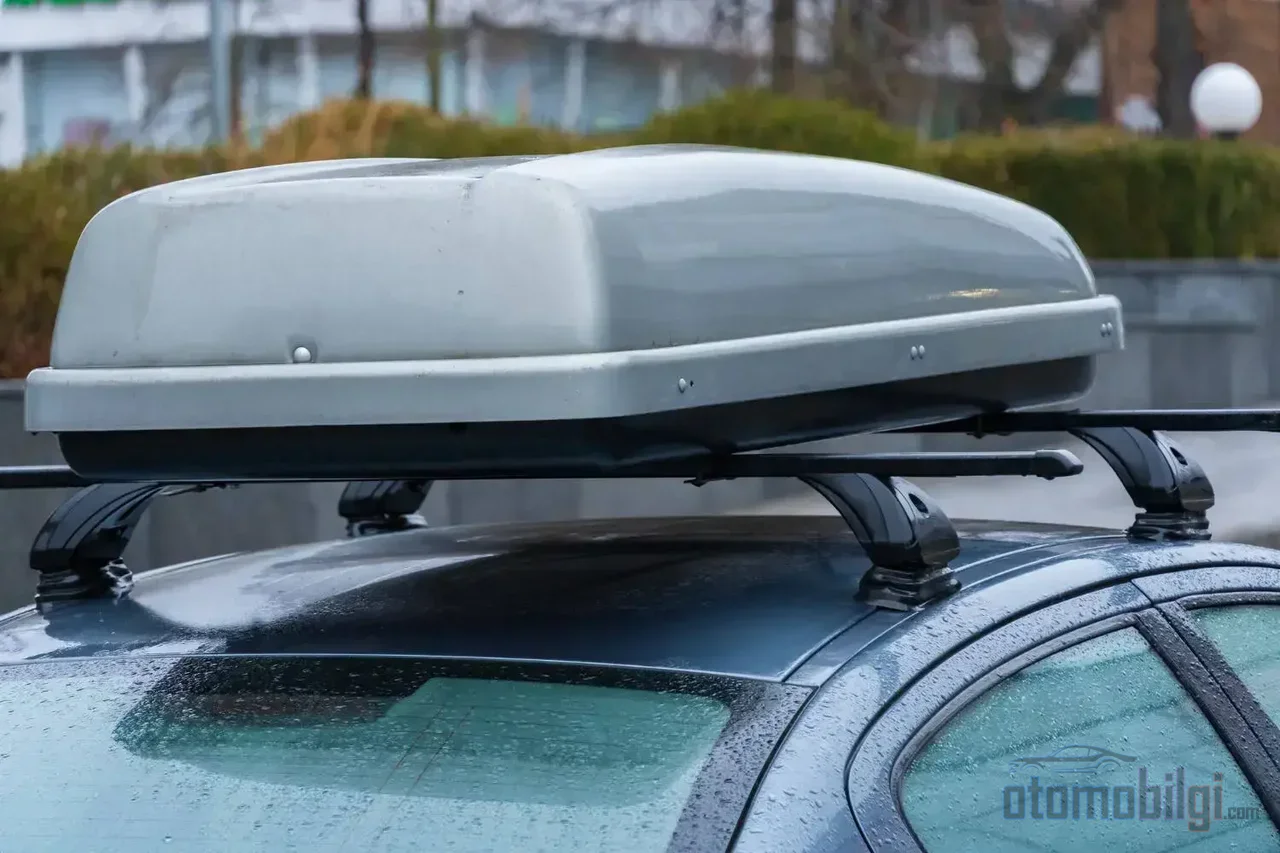
In the city, weight matters, while on the highway aerodynamic drag is the deciding factor; a fully loaded roof box can quietly eat away up to 25% of your range.
How Much Do Passengers, Luggage, and a Roof Box Reduce Your Range?
Deniz Erkan18 October 2026

Passengers, luggage, and a roof box can reduce an electric vehicle's range by a total of 10% to 30%. The rule is simple: every 100 kg of extra load increases consumption by approximately 2-3%, while a roof box, especially at highway speeds, doubles t…

Read More
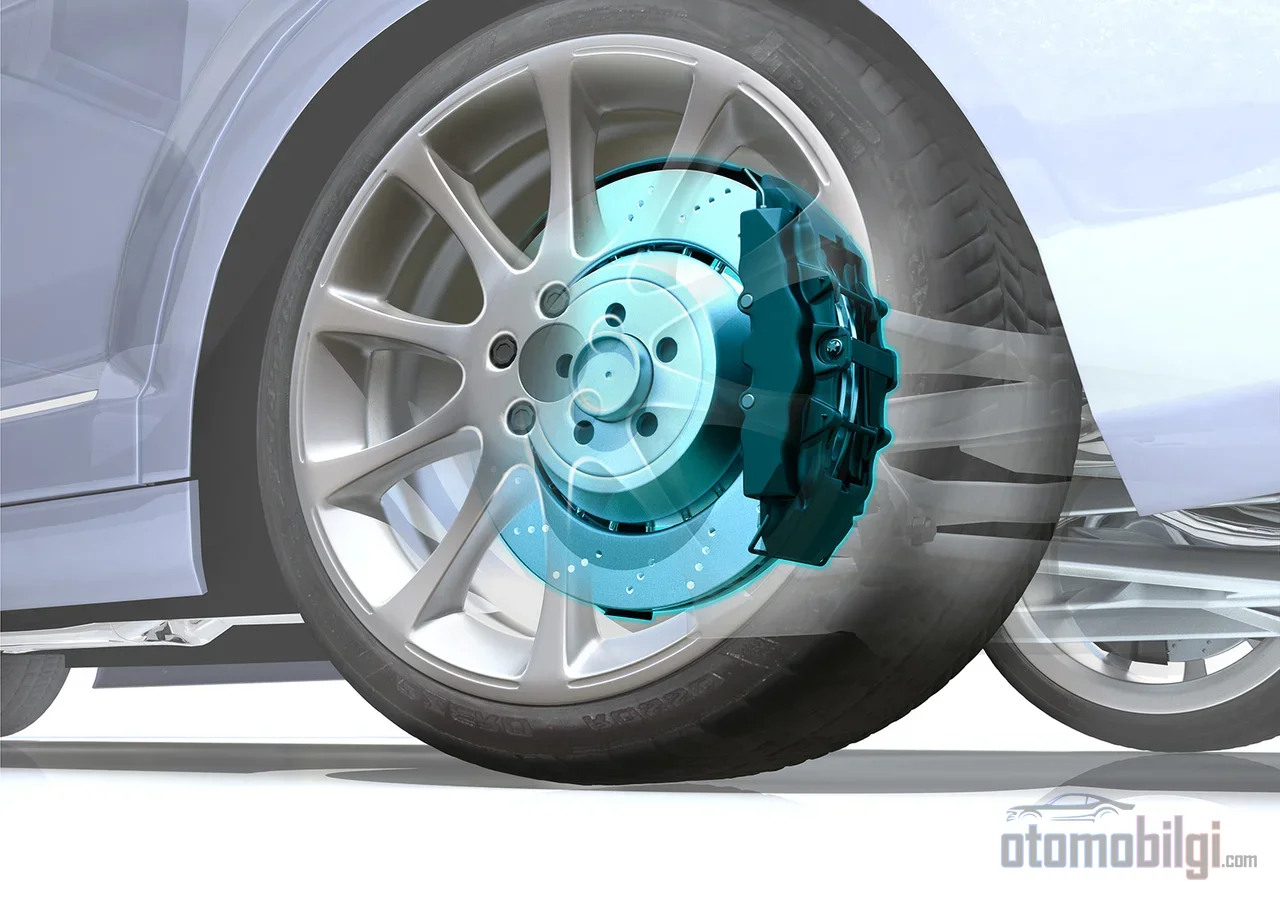
In stop-and-go city traffic, regenerative braking contributes up to 20% to the range, while on the highway this rate drops to as low as 3%.
How Much Does Regenerative Braking Contribute to Range?
Deniz Erkan18 October 2026

Regenerative braking can provide roughly 10-20% of extra range contribution in stop-and-go city traffic; on highway driving, this contribution drops to around 3%. The difference comes from braking frequency: the more you slow down, the more energy yo…

Read More
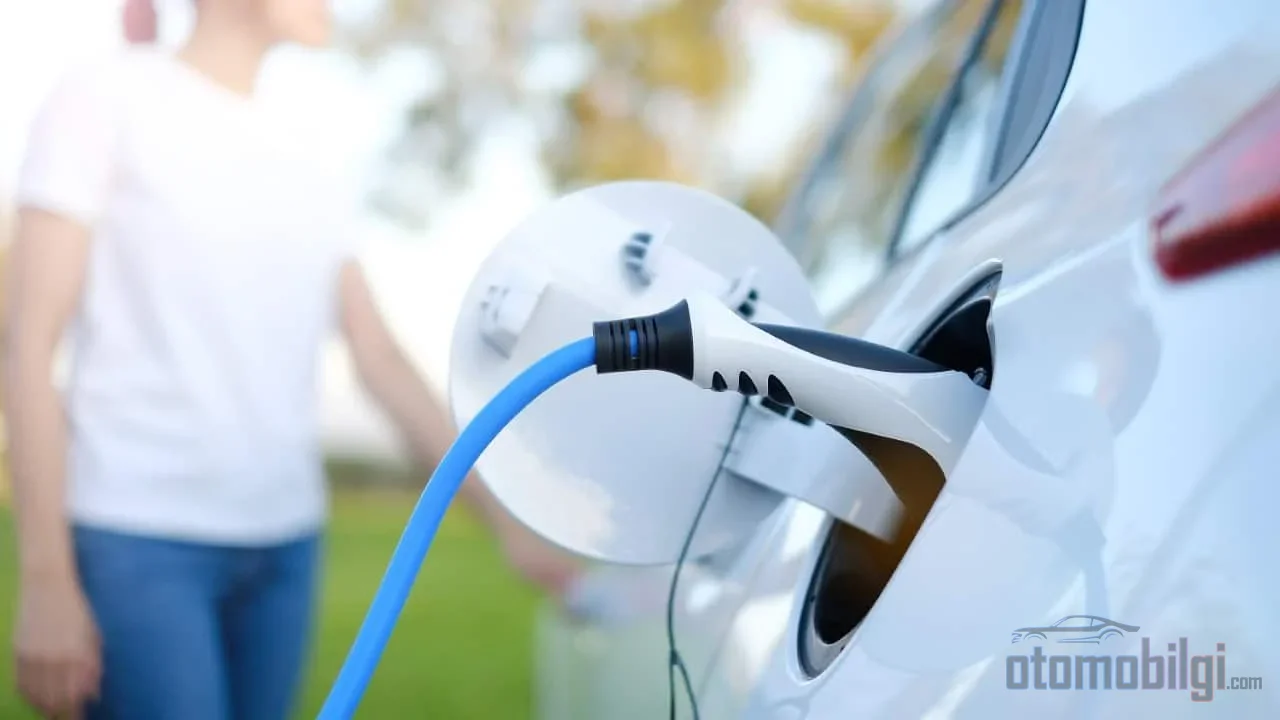
On the road you see the truth: an electric vehicle consuming 14-21 kWh per 100 kilometers delivers a range that falls an average of 20-30 percent below the WLTP promise.
The Real Consumption of EV Users in Türkiye: What Do the Numbers Say?
Deniz Erkan18 October 2026

In Türkiye, an electric vehicle on real roads typically consumes 14-21 kWh/100 km ; this means a range 20 to 30 percent below the WLTP value on average. This gap between the laboratory figure and the dashboard is not a malfunction, but a measurable p…

Read More
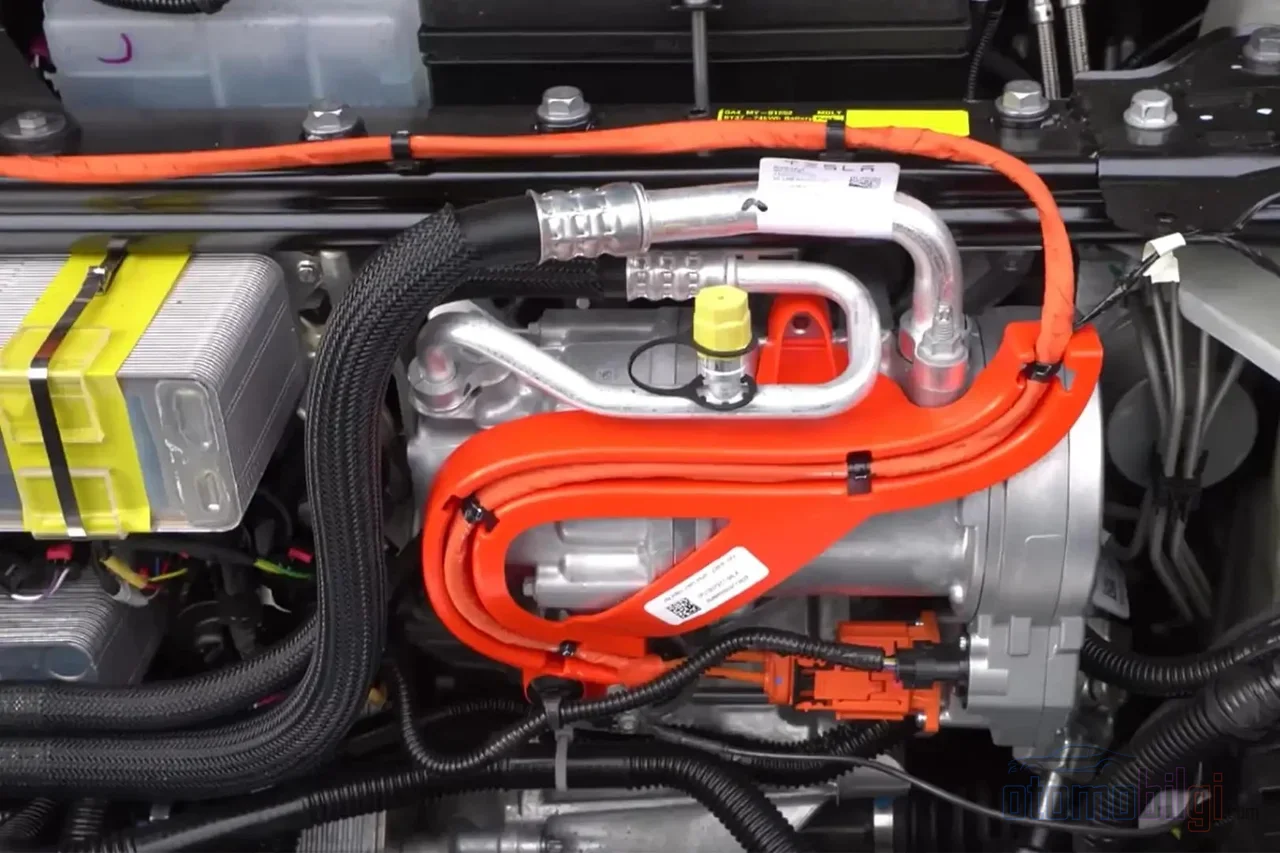
The heat pump gains an average of 7 to 10 percent in winter range; the most efficient point is around 0°C, and below -10°C the advantage rapidly erodes.
Does the Heat Pump Really Affect an Electric Vehicle's Range?
Deniz Erkan17 October 2026

A heat pump provides an average gain of 7% to 10% to an electric vehicle's range in winter conditions; the gain peaks around 0°C and rapidly melts away below -10°C. So this is not a "doubles your range" promise, but a measurable and condition-depende…

Read More
  • 1
  • 2
  • Next

Category Editor

Deniz Erkan

Deniz Erkan

One of the most important habits my profession as a mechanical engineer has given me is looking not only at a system's outcome, but also at how and why it works. My interest in automobiles is also fueled by this perspective. For me, a car is not just design, performance, or comfort; it is a holistic system where mechanics, electronics, software, and engineering come together.

Over time, I combined my engineering background with software development. The intersection of these two fields has allowed me to look at modern automobiles from a more integrated perspective. I follow the world of automobiles, from engines and suspension to driver assistance systems and software technologies, through the eyes of both an engineer and a car enthusiast.

My aim at Otomobilgi.com is to explain technical subjects in a language that preserves engineering accuracy and keeps curiosity about cars alive, without drowning them in unnecessary complexity. Because for me, a good car is not merely beautiful or fast; it is a special work that conveys design, technology, and driving character as a whole.

Follow Us on Social Media

Share This Page

Follow Us on Social Media

  • About Us
  • KVKK Disclosure Statement
  • Privacy Policy
  • Contact
Otomobilgi.com
INDEPENDENT AUTOMOBILE CULTURE PLATFORM
Powered by Virgo CMS