Automobile Design
Share This Page

Why Do Car Fronts Read Like Human Faces?
The front end of a car - headlights as eyes, the grille as a mouth, and the area below the grille as a nose region - is automatically read by our brain as a human face; and designers deliberately use this psychological effect to create a friendly or …
Read More
Why Don't Butterfly Doors Come on Every Car?
Butterfly doors aren't on every car, because these doors usually come about either from an engineering necessity or from an expensive brand signature: constraints like the body structure, safety requirements, weight and cost make the standard door a …
Read More
The Grille-less Car Era: How Electric Cars Are Losing Their Faces?
The reason electric cars have no grilles is simple: since the internal combustion engine has to draw in air and burn it, a grille providing airflow to the radiator was a necessity; an electric motor does not need this airflow. So the grille lost its …
Read More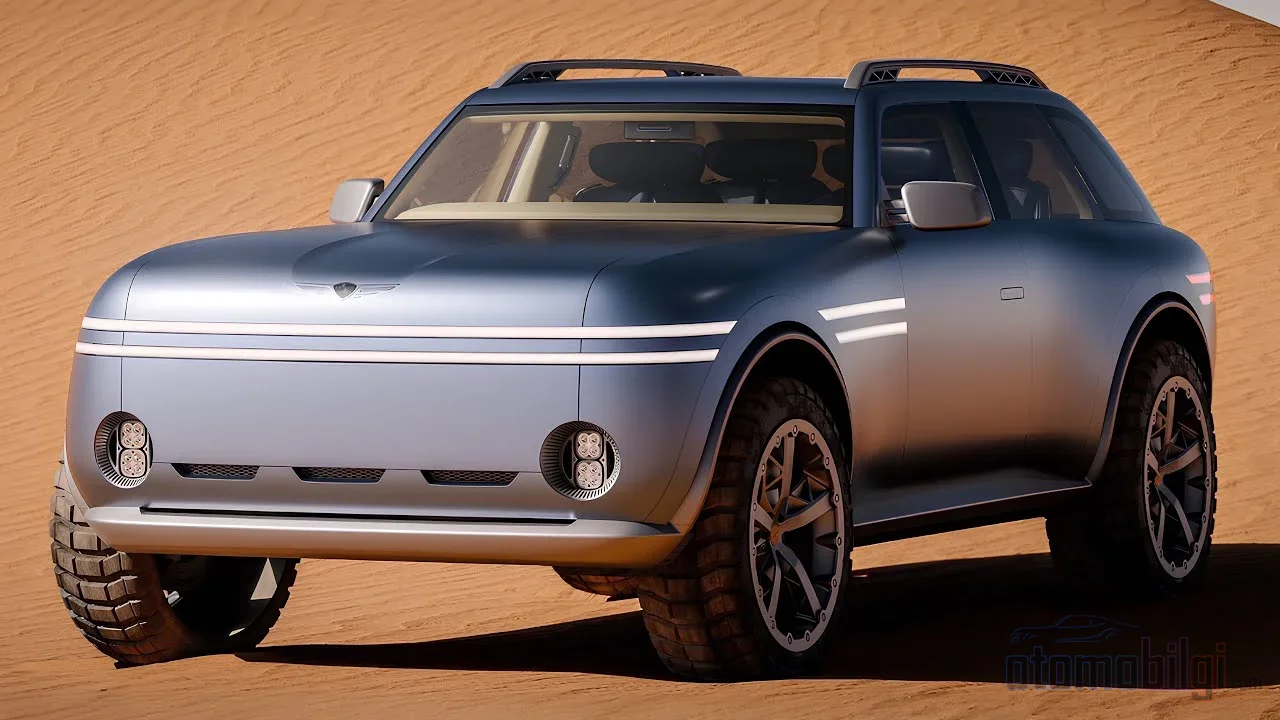
How Did SUVs Change Car Design So Much?
Over the past twenty years, car proportions have completely changed: hoods have lengthened, grilles have grown, beltlines have risen, glass areas have shrunk, and the classic three-box silhouette of sedans has given way to tall and upright SUVs. This…
Read More
Why Is the Color of Cars Not Just a Matter of Taste?
A car's color isn't just a matter of taste; it's a major industrial decision where many factors intersect, such as paint companies' annual trend reports, climate conditions, resale value, and buyer psychology. In other words, when you pick that orang…
Read More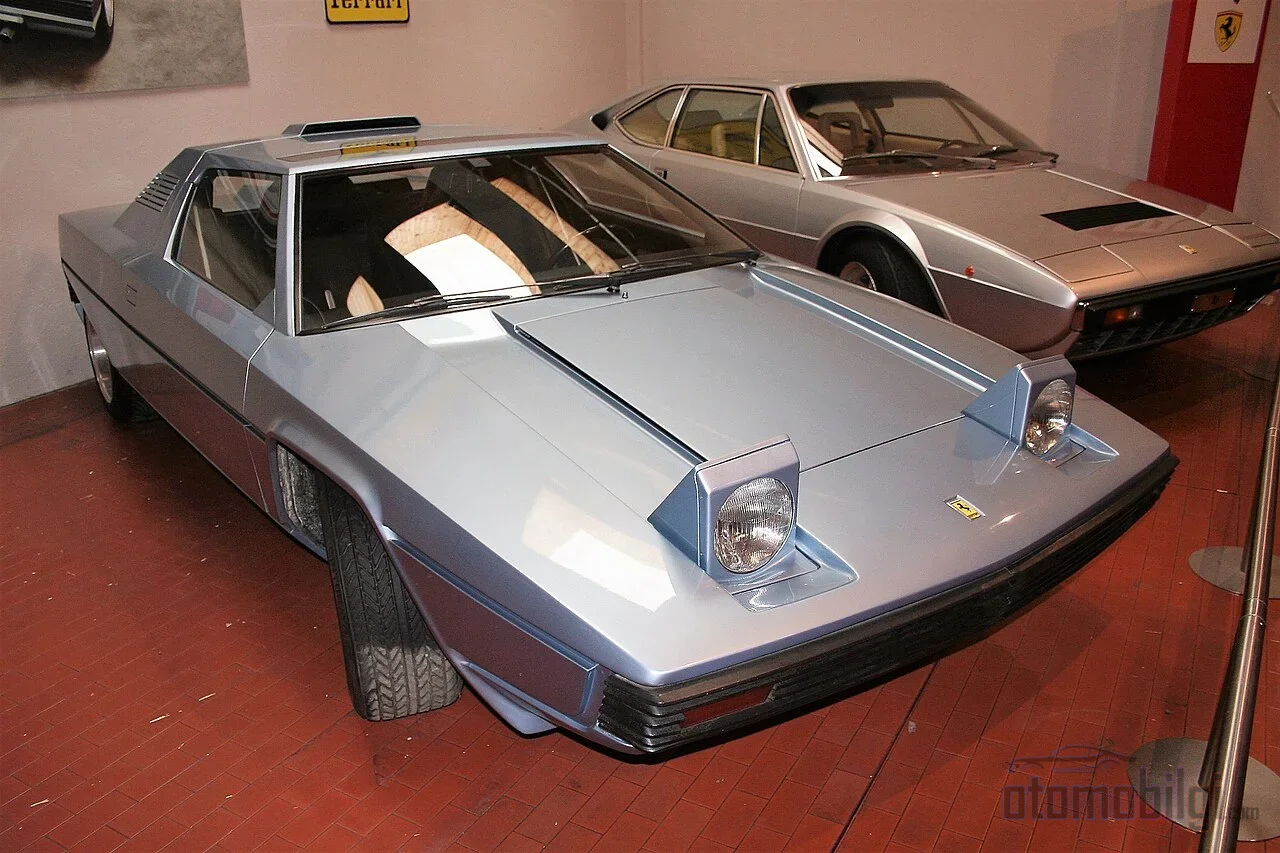
Why Do Cars Suddenly Become Angular? The Story of the Wedge Shape
Cars became angular almost overnight in the early 1970s because the Italian design studios, especially Bertone and the star at its drawing board, Marcello Gandini, abandoned the rounded body and switched to a geometry that minimized the front section…
Read More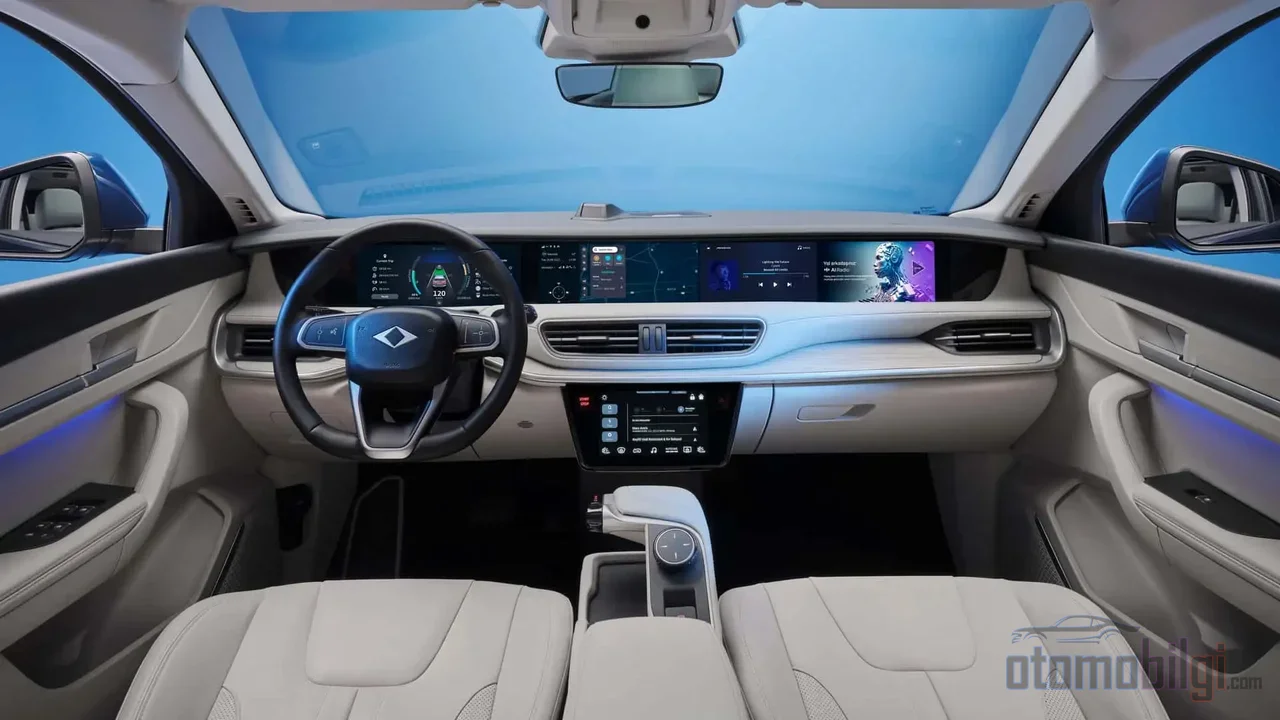
How Has Togg's Design Language Changed Türkiye's Approach to Automobiles?
Togg's design language is the story of a brand built from scratch creating its own signature elements - the tulip motif, Anatolia-inspired colors, light signature and interior screen layout - from start to finish. This language T10X and T10F also fue…
Read More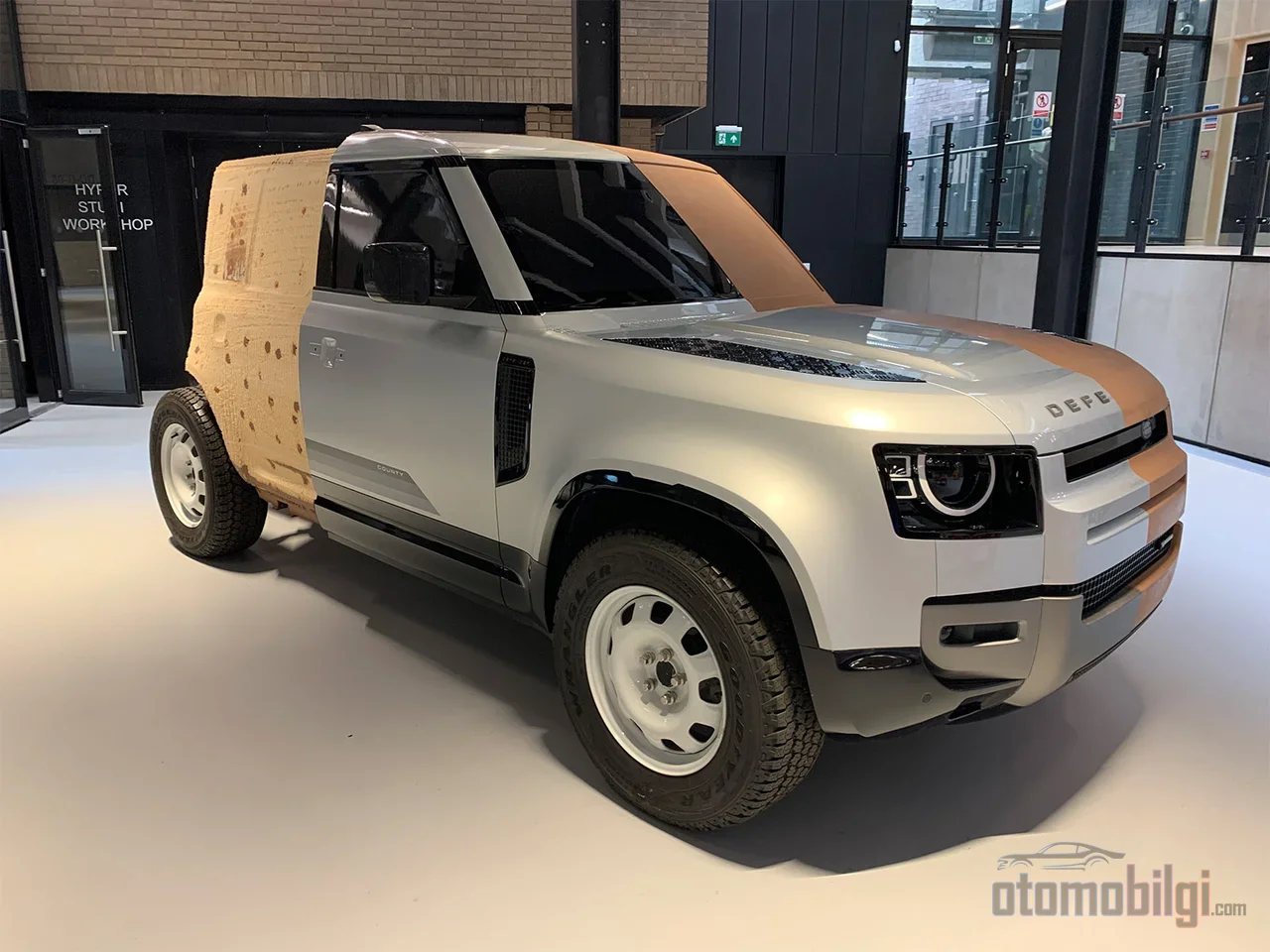
Why Do Car Designers Still Work with Clay?
Car designers are still working with clay in the digital age, because no screen can offer the experience of feeling the surface of a car by hand at real size and under real light. This tradition, going back roughly 100 years to the industrial era, re…
Read More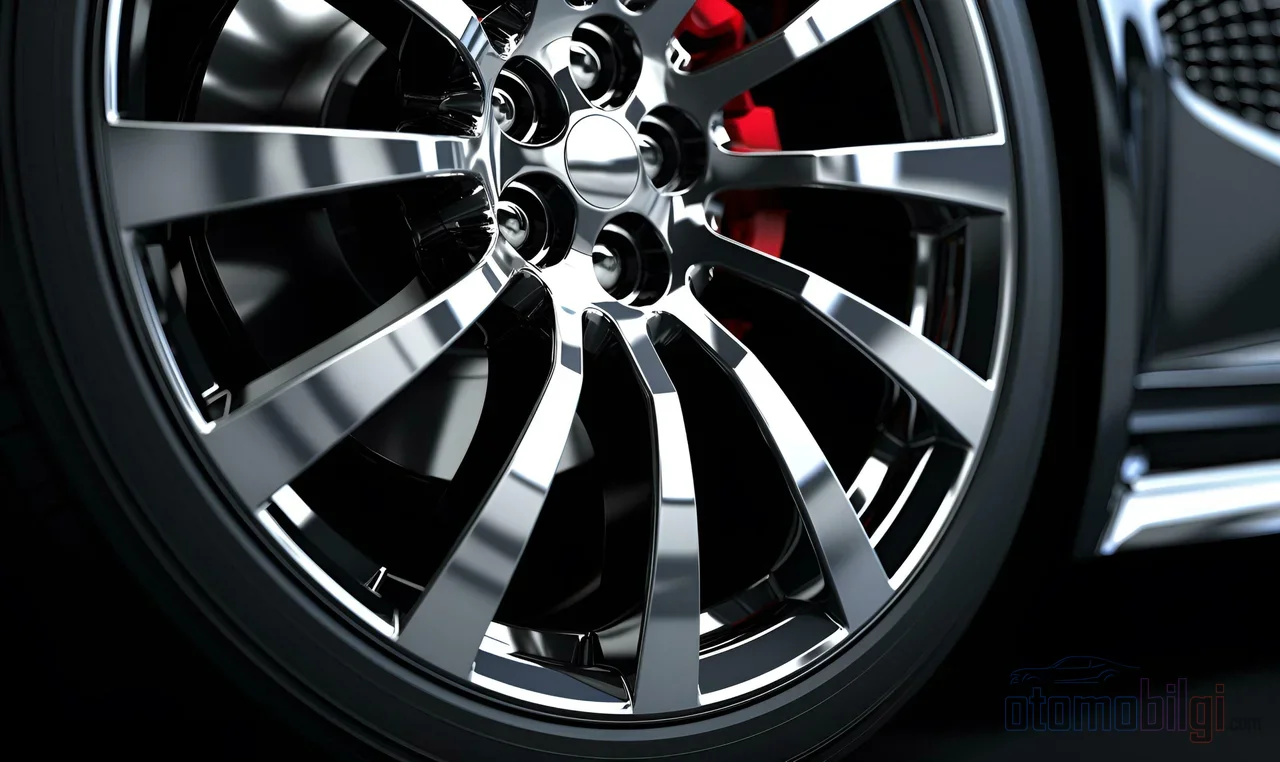
The Most Eye-Catching Detail of Car Design: How Are Wheels Shaped?
Wheels are the most powerful detail of automobile design, conveying both function and the brand's character at a single glance; the shape of the spokes, whether the wheel is closed or open, and the lines on its surface directly affect the vehicle's i…
Read More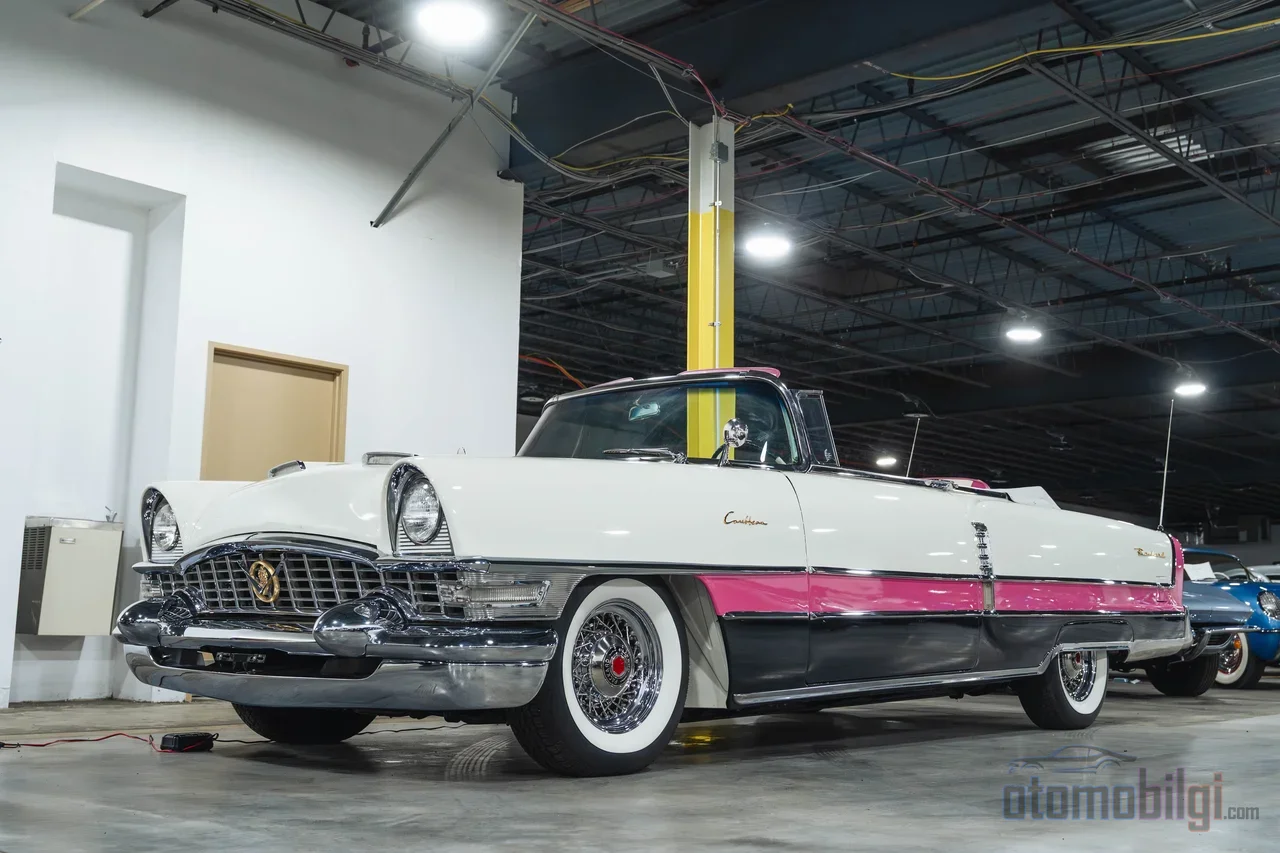
How Did the Chrome Age in Cars Come to an End?
The chrome age of automobiles is the name of a period lasting from the 1950s to the early 1970s that measured luxury by shine; safety criticisms, the 1973 oil crisis, and changing tastes ended this era. Today, the stars of detailing are matte black a…
Read More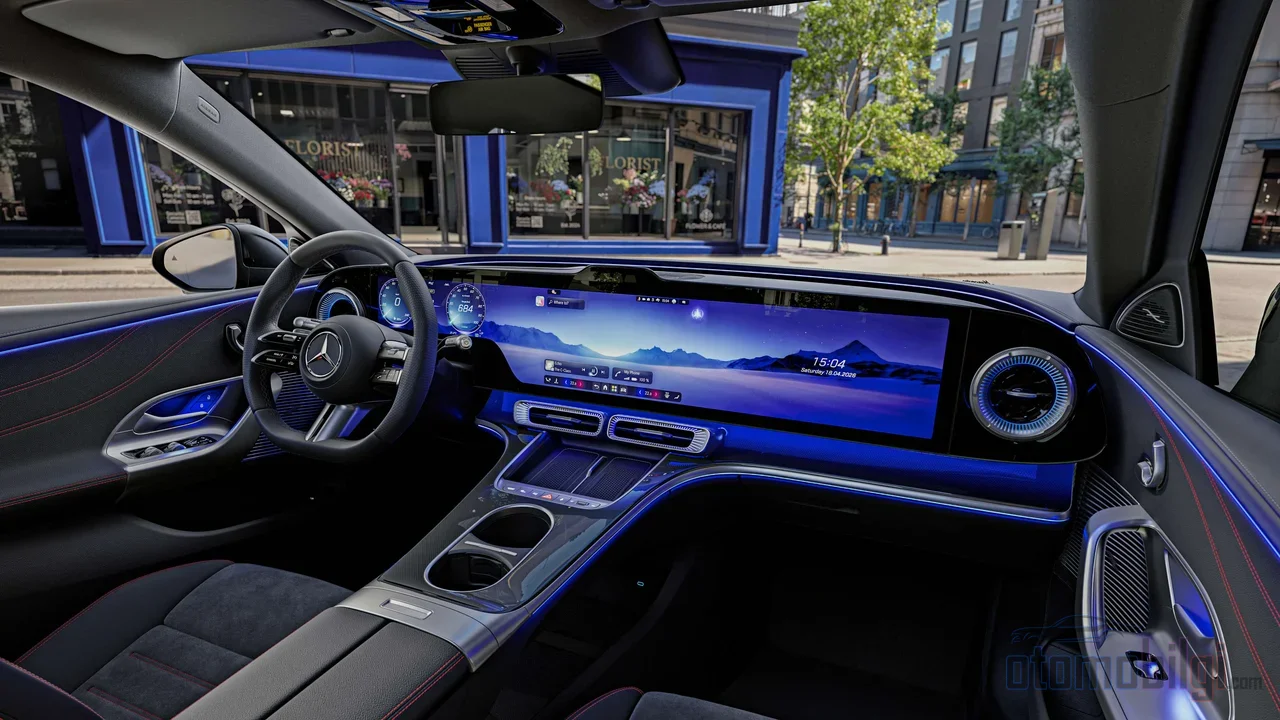
Why Are Car Interiors Filled With Screens?
Car interiors have all turned into the same template because the touchscreen revolution locked cabin design into the same formula: a fully digital instrument panel, a giant central screen between the seats, and two air vents. The result: interiors wh…
Read More
What Are the Black-and-White Patterns on Prototypes For?
The black-and-white patterns on new cars are not applied to hide the vehicle itself; they are applied to conceal the details the brand most wants to protect, such as panel lines, character lines, and design details, from competitors and cameras. High…
Read More