Rallycross
Share This Page
How Do Penalties and Appeals Work in Rallycross?
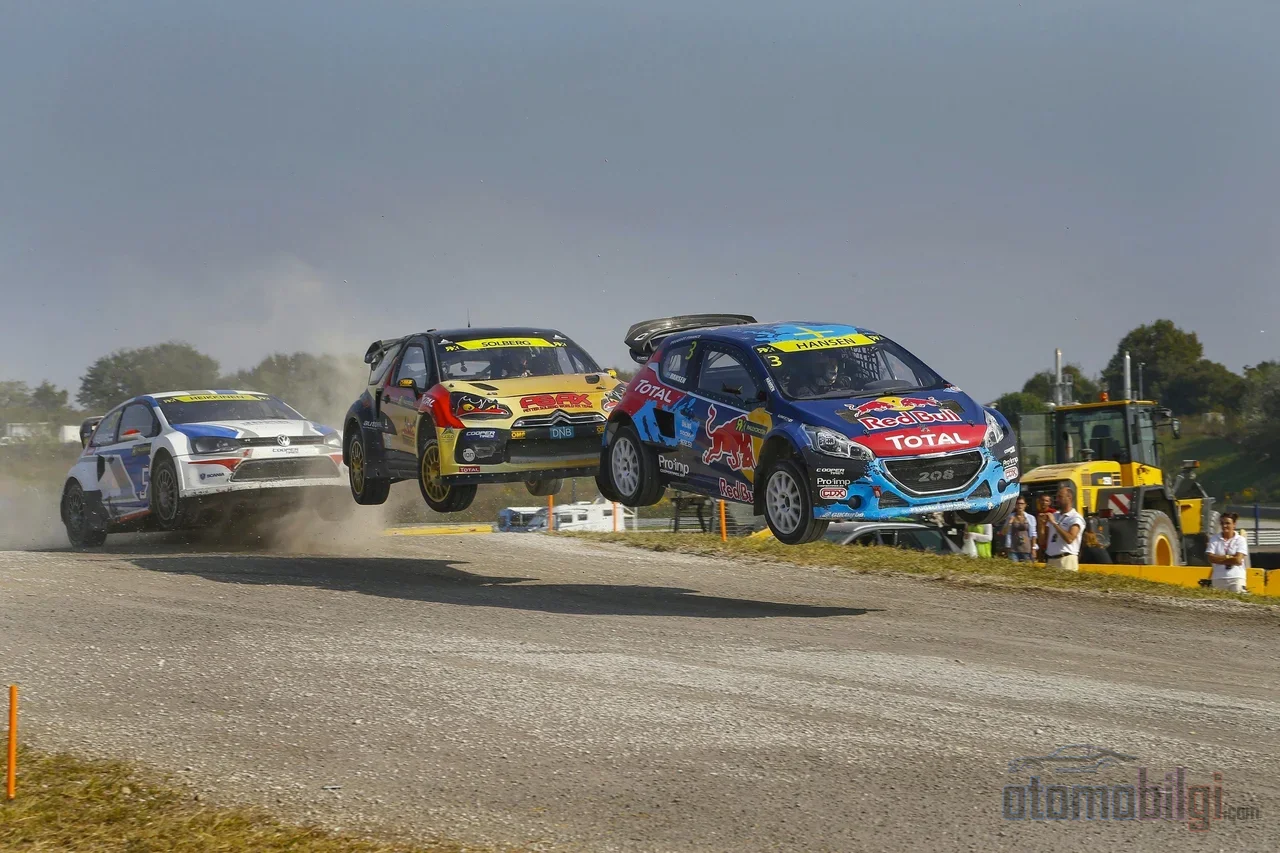
The penalty and appeal process in rallycross consists of the Stewards reviewing on-track infringements based on video footage and telemetry data, applying time penalties, position drops or disqualification when necessary, and teams being able to file…
Read More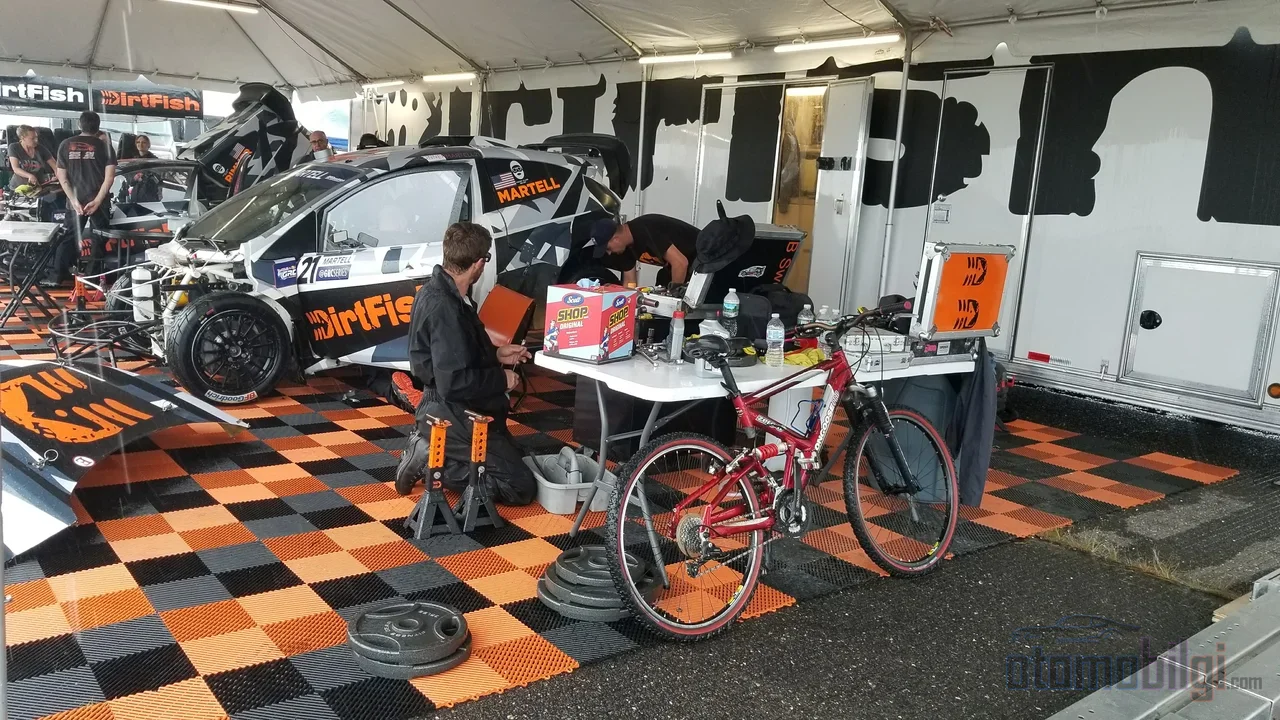
What Do Rallycross Pit Crews Do Between Races?
In rallycross, pit crews complete tire changes, mechanical checks, damage repairs, and fuel-and-cooling work in a very limited time during the short intervals between heats, semi-finals, and finals. There is no pit stop planned minutes in advance lik…
Read More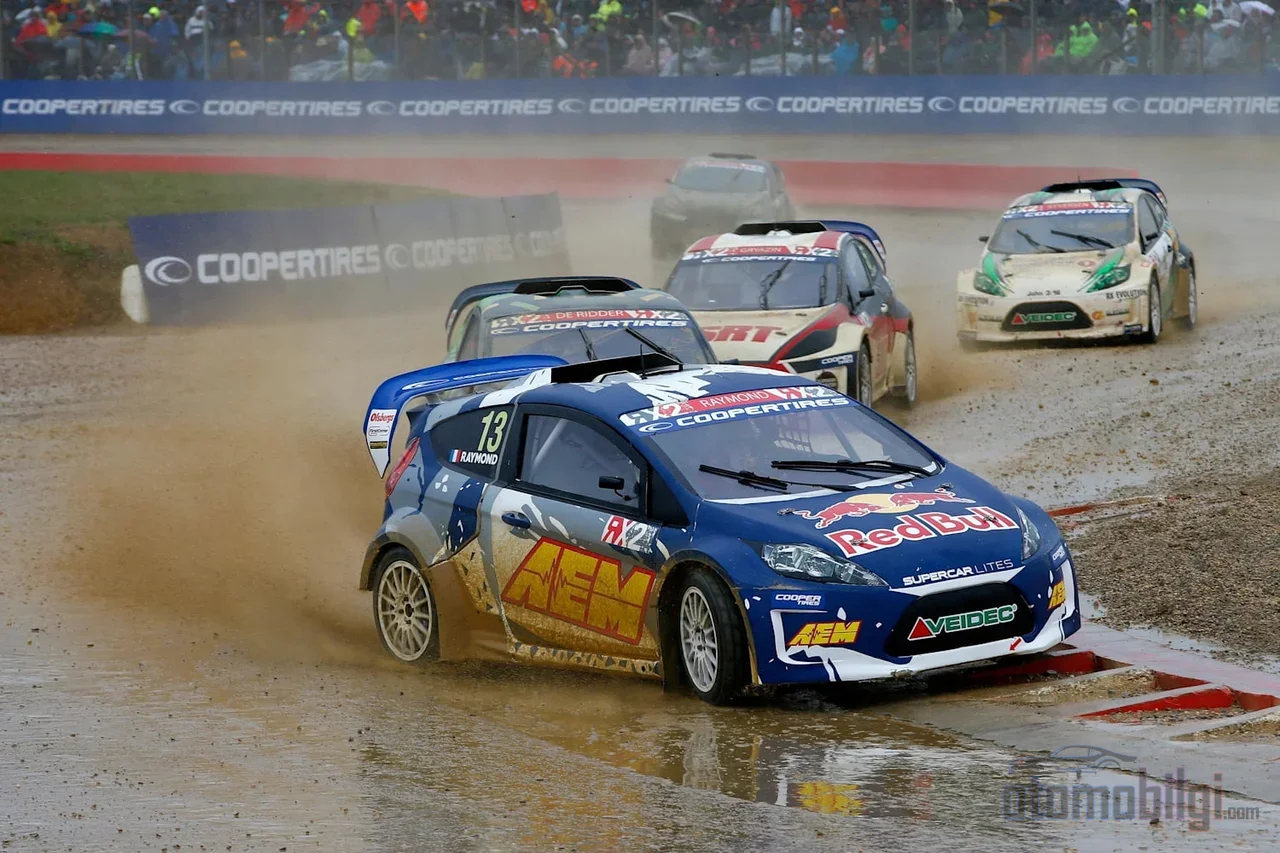
Where Was Rallycross Born? From a TV Fabrication to the World Championship
Rallycross was born on February 4, 1967 at the Lydden Hill circuit in the Kent region of England; meaning this discipline was designed for a television program, and its first race was won by Vic Elford in an original Porsche 911. Cars racing side by …
Read More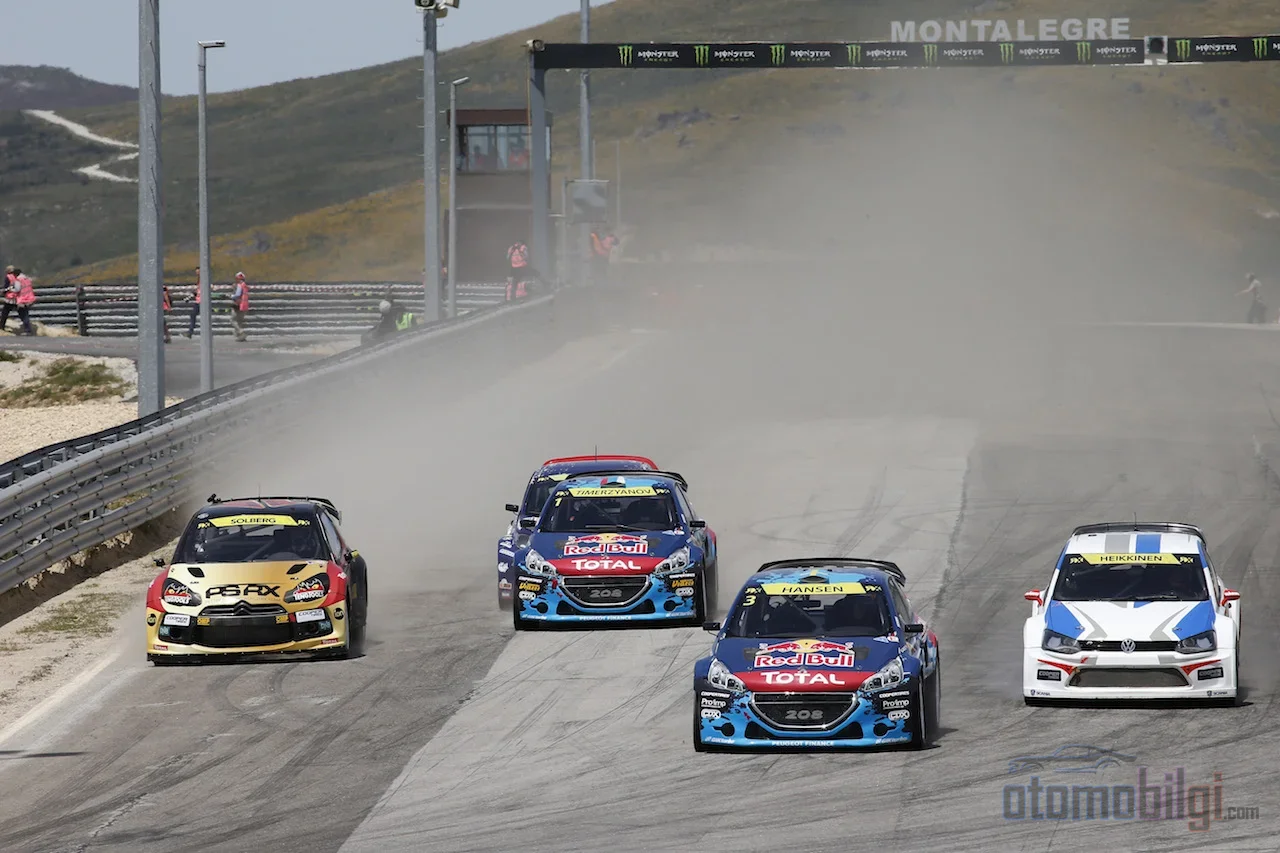
Why Is It So Hard to Overtake in Rallycross?
Overtaking in rallycross is one of the hardest tasks in motorsport; because on a short and wide track, six cars race wheel-to-wheel while the joker lap, which everyone must take once, constantly reshuffles the order. The difficulty of overtaking is m…
Read More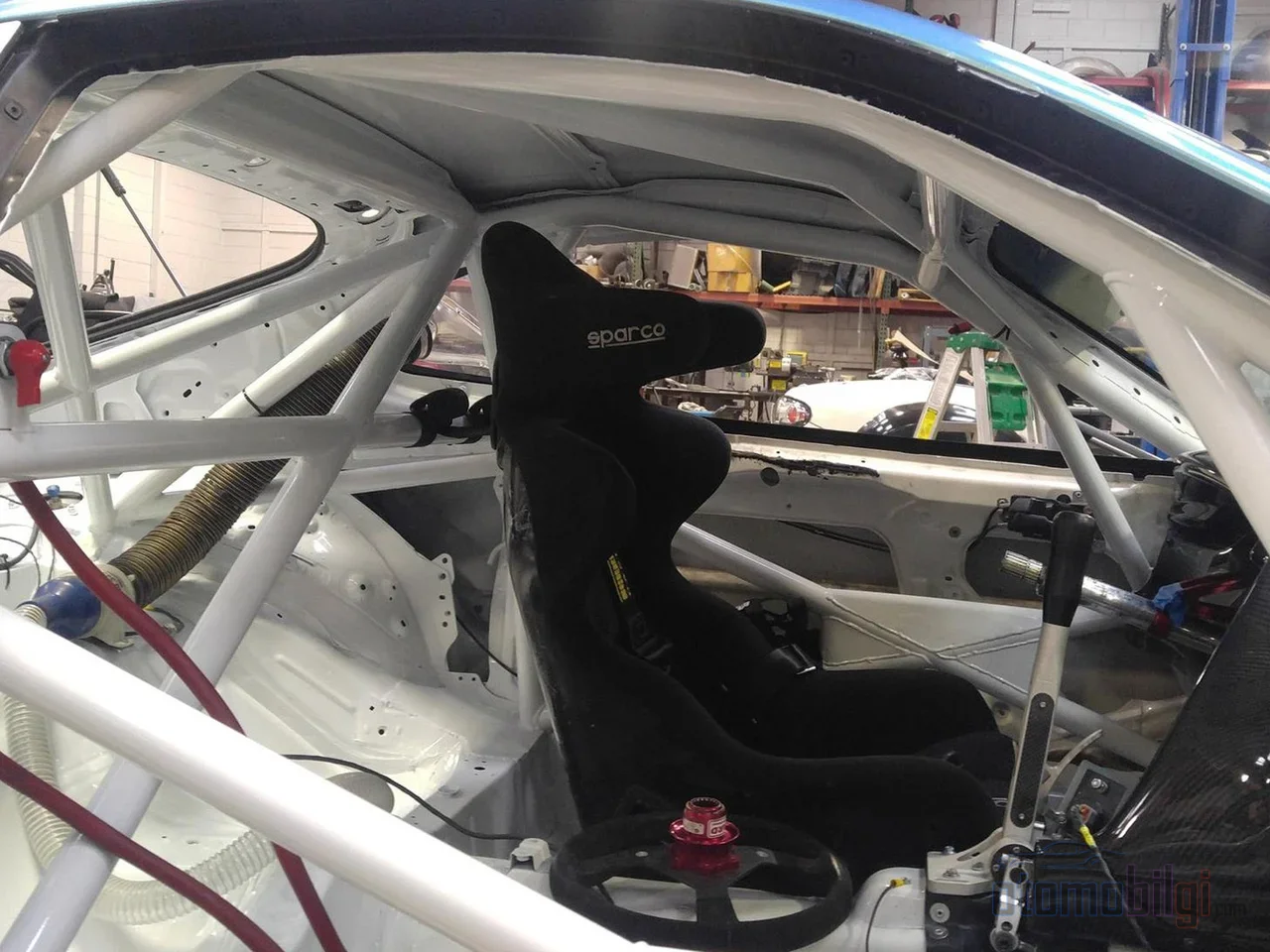
Safety in Rallycross: What Happens When 600-Horsepower Cars Collide Side by Side?
Safety in rallycross is a layered system built around 600-horsepower Supercars that race in contact with each other: roll cage, multi-point harnesses, energy-absorbing barriers and the federation's post-crash inspection processes all work together. T…
Read More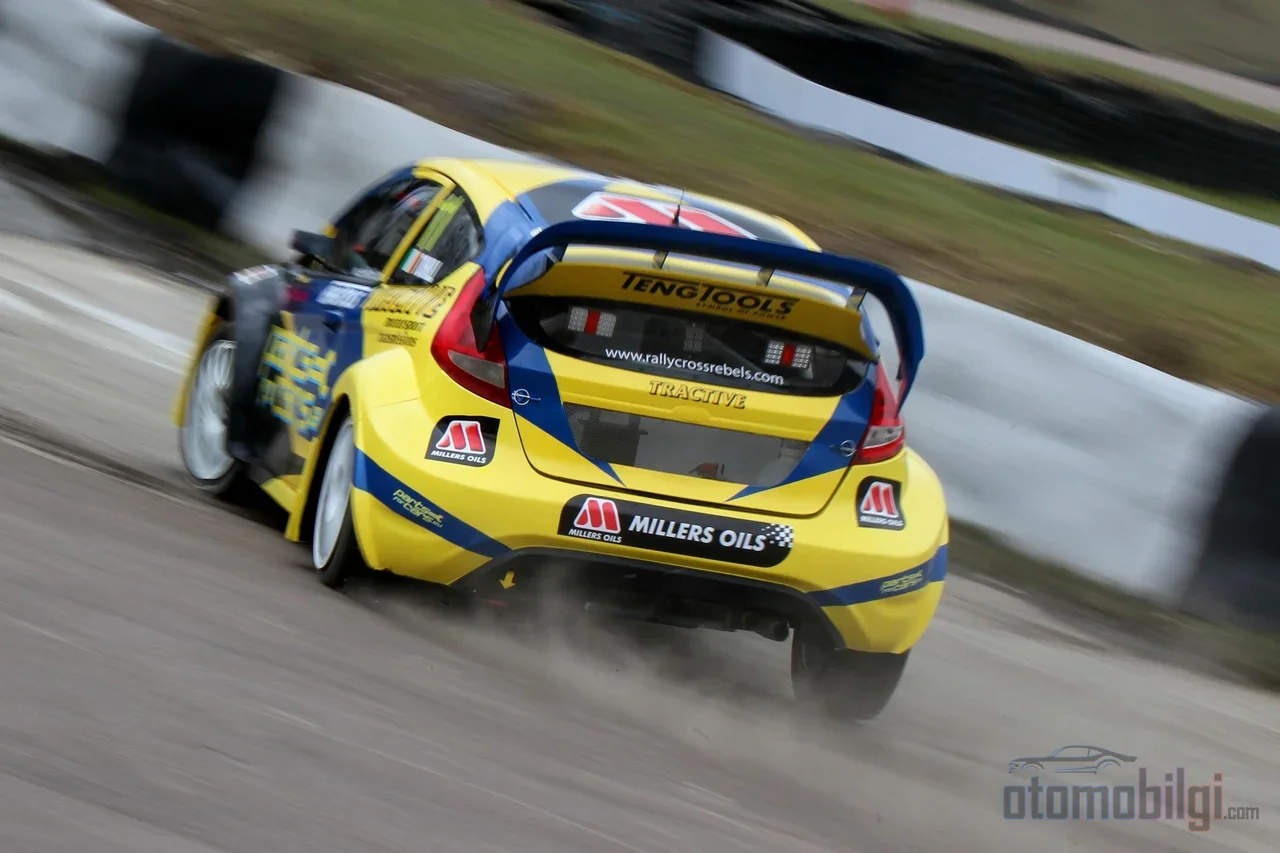
Joker Lap Timing in Rallycross: Early or Late?
Joker lap timing is one of the most critical decisions that determines the outcome of a rallycross race: when leading, saving the joker for the last lap gives the advantage of an empty track, while a driver stuck in the pack takes it early to try to …
Read More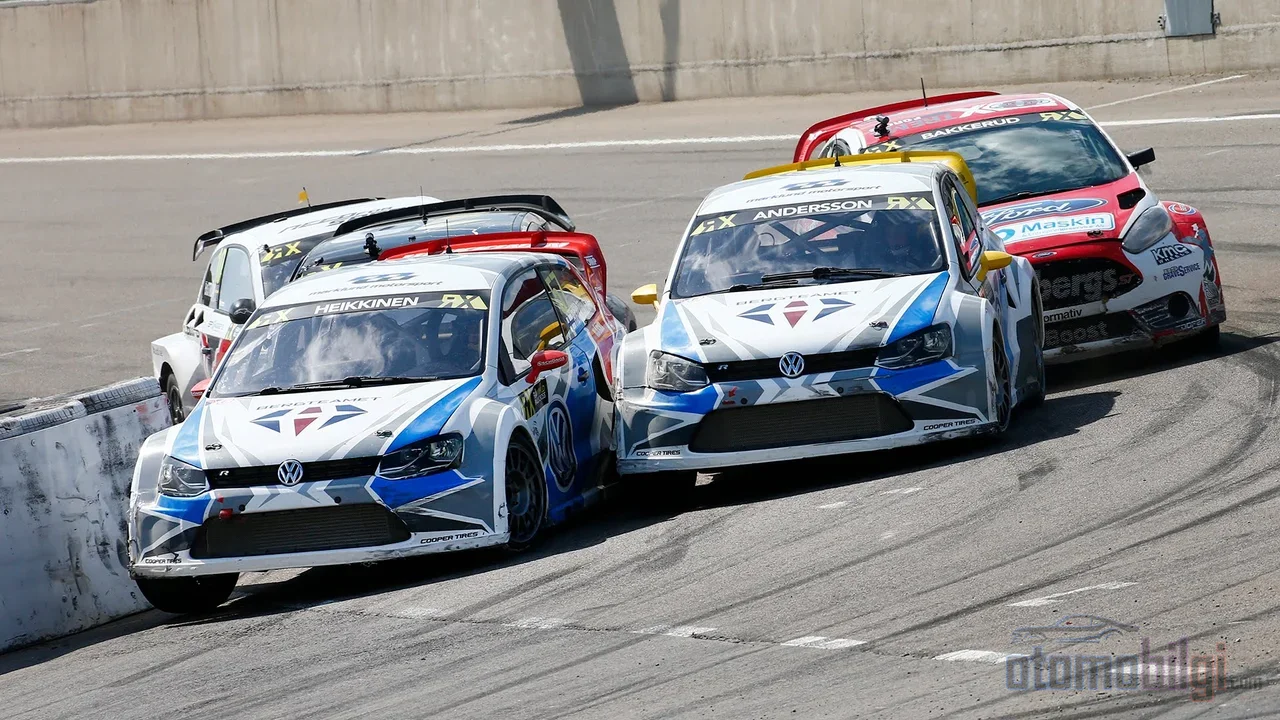
Where Does the Money Go in Rallycross? The Cost of a Supercar Season
The seasonal budget of a World RX Supercar team is one of motorsport's most closely guarded subjects: while 600-horsepower monsters race each other by fractions of a second on the track, decisions worth thousands of Euros are being made behind the ga…
Read More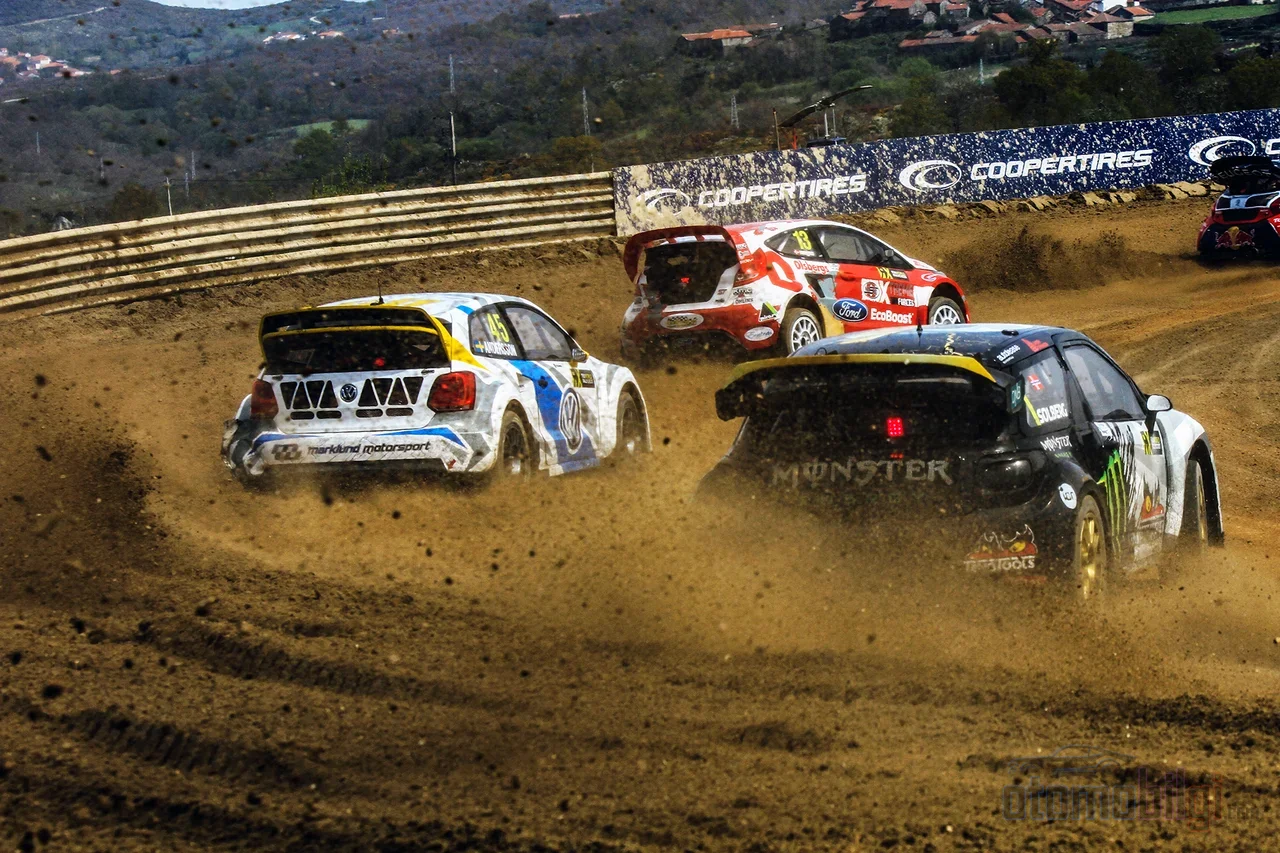
Surface and Tire Strategy in Rallycross
In rallycross, dirt-gravel and asphalt sections are intertwined on the same course; that's why teams determine tire compound, pressure settings, suspension, and differential setup according to surface transitions, and even joker lap timing is planned…
Read More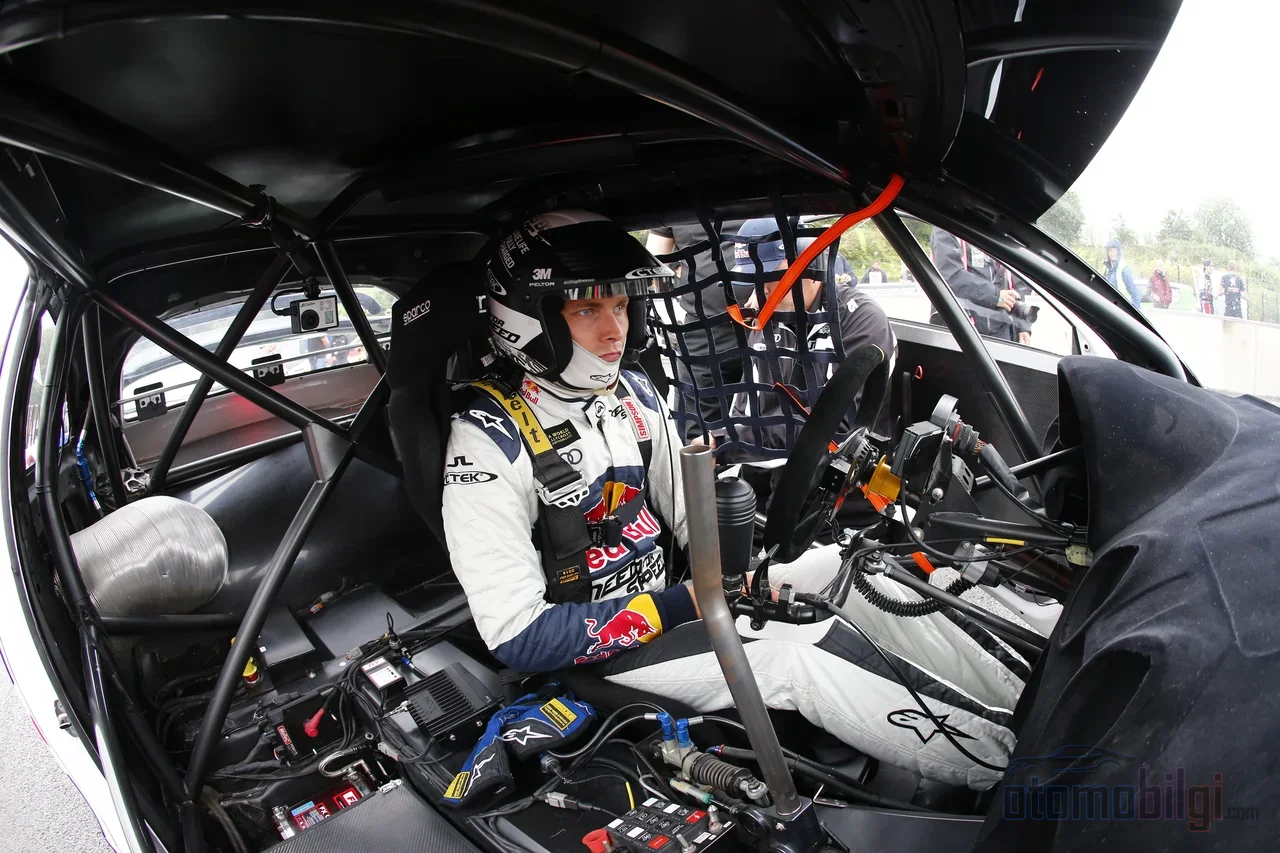
Why Do Rallycross Drivers Face Such Physical Strain?
Rallycross drivers struggle so much because the format compresses them into short but relentlessly intense segments such as semi-finals, finals and the joker lap: practice, qualifying and finals pile up in a single day, the body battles high g-forces…
Read More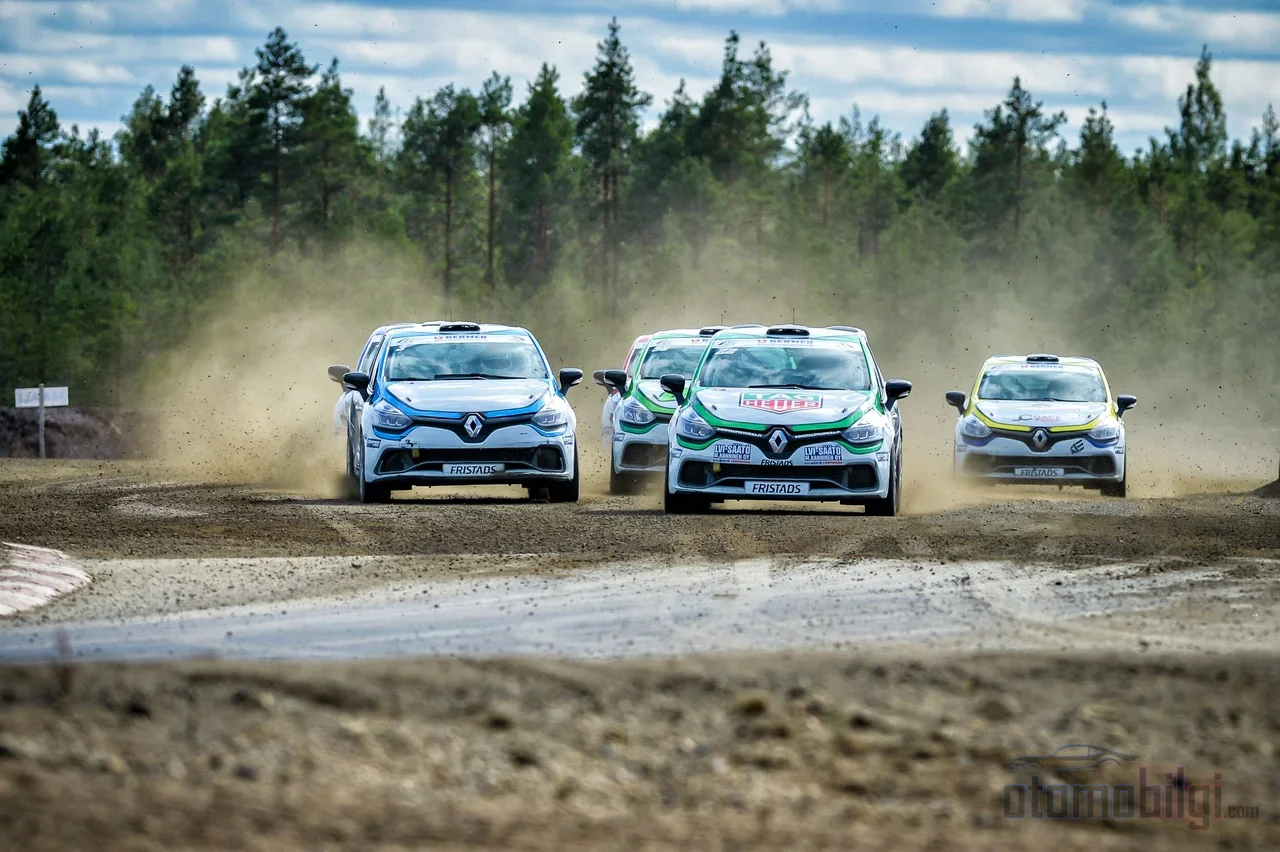
The Road to Supercar: How Young Talents Rise in Rallycross?
The road to Supercar is no longer a guessing game in rallycross: there is now a structured career ladder running through subcategories, national championships, and European series like Euro RX. Here you will find the rungs of this ladder, their costs…
Read More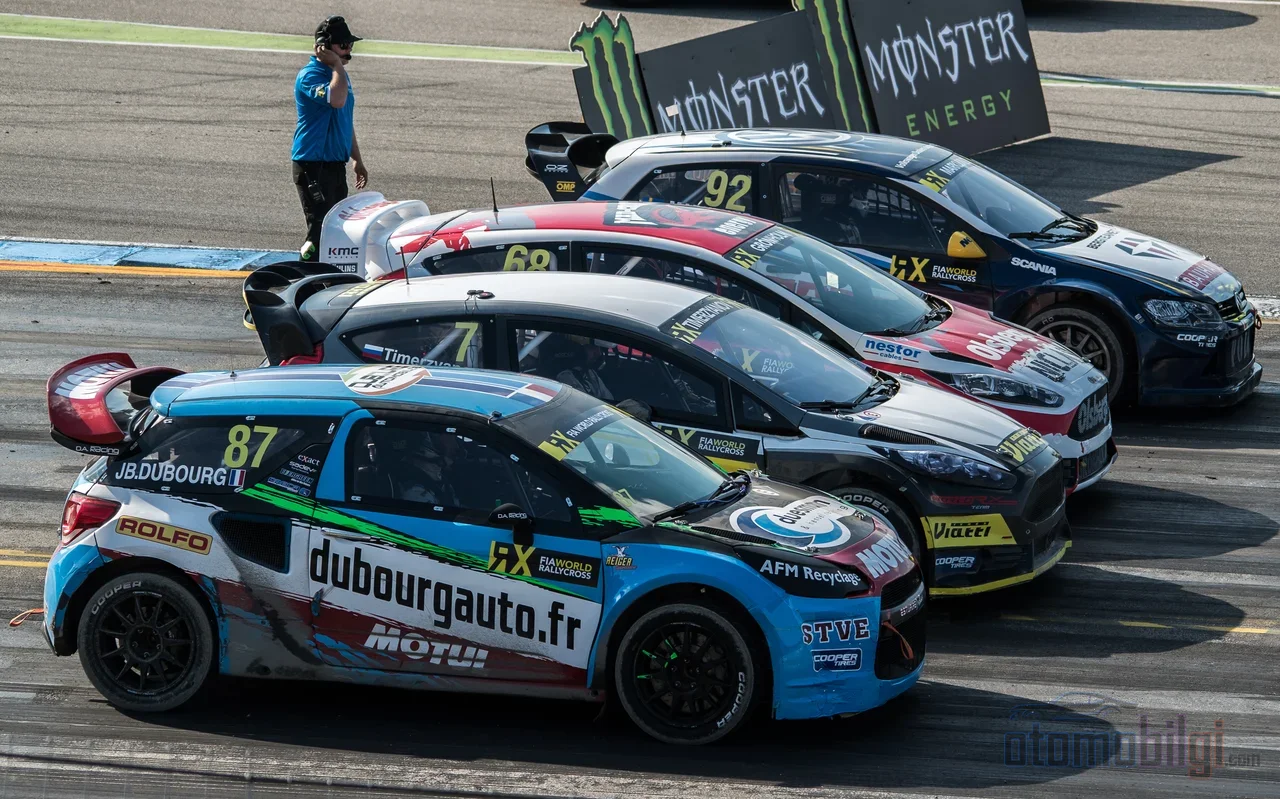
Why Is the Start Everything in Rallycross?
In rallycross, the start is everything, because in this sport where four to six vehicles launch side by side, the few seconds between the moment the lights turn green and the first corner determine far more than the tens of tenths you later lose per …
Read More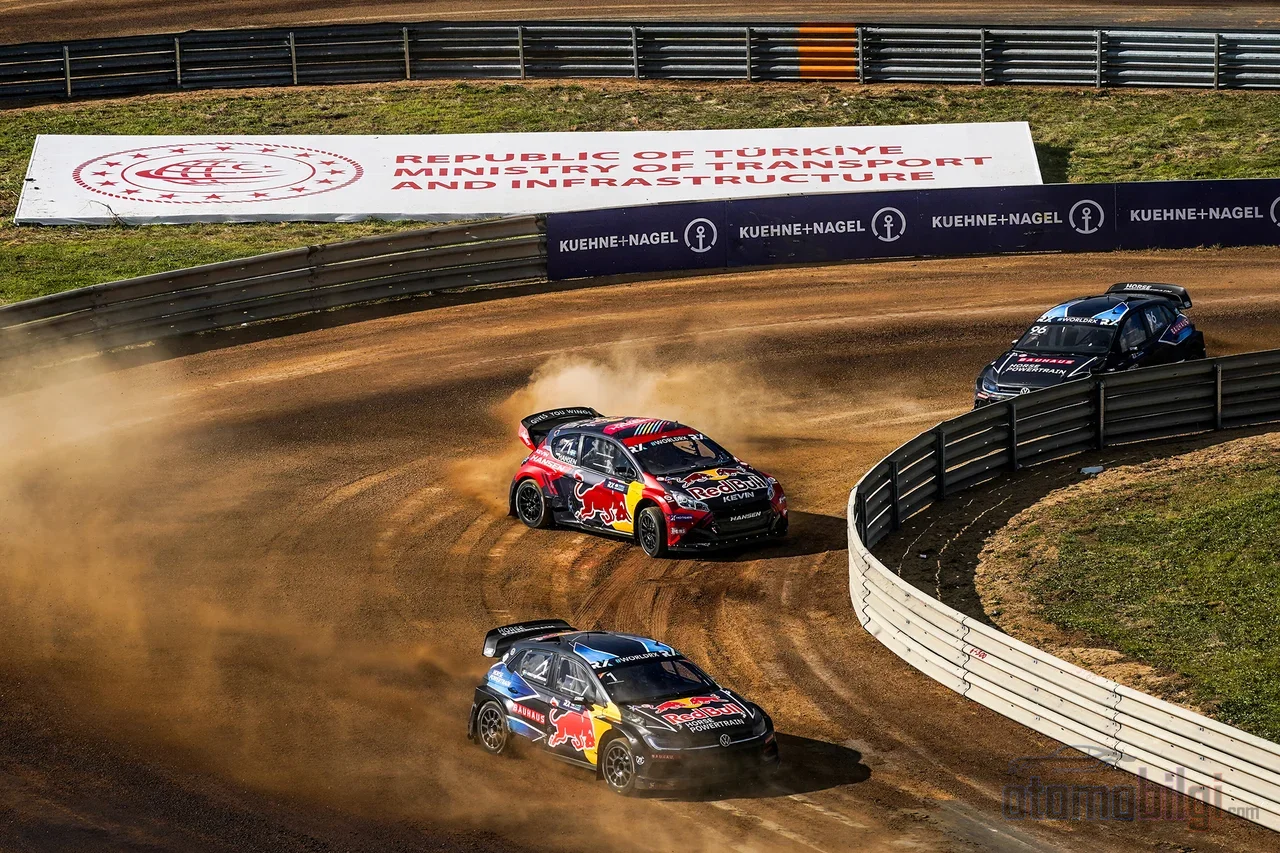
Would You Like to Start Rallycross from Scratch?
To start rallycross from scratch, you first get a TOSFED license and join a licensed club, then complete your first season in the entry category either with a daily car or a rented race car; after gathering essential safety equipment like a helmet an…
Read More