Otomobilgi.comOtomobilgi.com
  • Türkçe
  • English
  • Deutsch
  • Français
  • Italiano
  • Español
  • Português
  • Polski
  • Magyar
  • Azərbaycanca
  • Bahasa Indonesia
  • Русский
  • 中文
  • 日本語
  • 한국어
  • हिन्दी
  • বাংলা
  • العربية
  • فارسی
  • Türkçe
  • English
  • Deutsch
  • Français
  • Italiano
  • Español
  • Português
  • Polski
  • Magyar
  • Azərbaycanca
  • Bahasa Indonesia
  • Русский
  • 中文
  • 日本語
  • 한국어
  • हिन्दी
  • বাংলা
  • العربية
  • فارسی
  • HOME PAGE
  • NEWS
    Turkish Automotive Industry News
    Global Automotive Industry News
    Turkish Motorsports News
    Global Motorsports News
  • INTERNAL COMBUSTION
    Internal Combustion Models
    Internal Combustion Engine Technologies
    Fuel and Consumption
    Emission and Environment
    Internal Combustion Ownership
    History of the Internal Combustion Automobile
  • ELECTRIC
    Electric Models
    Electric Car Technologies
    Charging and Infrastructure
    Battery Technology
    Range and Consumption
    Electric Vehicle Ownership
    History of the Electric Car
  • HYBRID
    Hybrid Models
    Hybrid Systems
    Battery and Charging
    Consumption and Efficiency
    Hybrid Ownership
    History of Hybrid Cars
  • TECHNOLOGY
    Driver Assistance Systems
    Safety Technologies
    Lighting and Visibility Technologies
    Infotainment and Connectivity
    Autonomous Driving and Artificial Intelligence
    Future Technologies
  • GUIDES
    Buying Guides
    Sales Guides
    Maintenance and Use
    Ownership and Costs
    Tires and Wheels
    Insurance and Inspection
  • HISTORY & CULTURE
    Automobile History
    Iconic Models
    Classics and Collections
    Türkiye's Automobile Journey
    Automobile Design
    Cars and Popular Culture
  • MOTORSPORT
    Formula 1
    Rallying (WRC)
    Rallycross
    MotoGP
    Formula 2 & Formula 3
    Karting
    24 Hours of Le Mans
    WEC
    NASCAR
    IndyCar
    DTM
    GT Races
    Drift
    Drag Races
  • Türkçe
  • English
  • Deutsch
  • Français
  • Italiano
  • Español
  • Português
  • Polski
  • Magyar
  • Azərbaycanca
  • Bahasa Indonesia
  • Русский
  • 中文
  • 日本語
  • 한국어
  • हिन्दी
  • বাংলা
  • العربية
  • فارسی
  • Türkçe
  • English
  • Deutsch
  • Français
  • Italiano
  • Español
  • Português
  • Polski
  • Magyar
  • Azərbaycanca
  • Bahasa Indonesia
  • Русский
  • 中文
  • 日本語
  • 한국어
  • हिन्दी
  • বাংলা
  • العربية
  • فارسی
  1. HOME PAGE
  2. ELECTRIC
  3. Electric Car Technologies

Electric Automobile Technologies

Share This Page
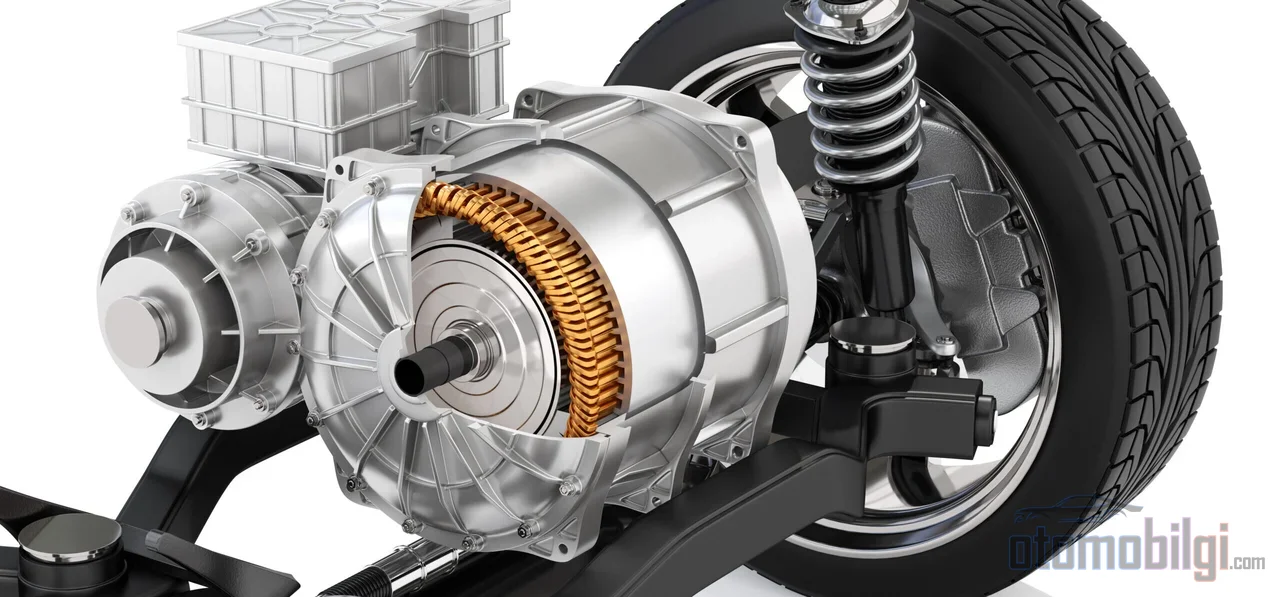
The electric motor's whine is not a mystery, but a musical signature of magnetic forces and inverter switching frequencies rising rapidly together.
Why Does the Electric Motor Whine?
Deniz Erkan24 October 2026

The whine of an electric motor is a combination of two physical sources: electromagnetic tones produced by the magnetic forces inside the motor and the high-frequency switching sound of the inverter; to these, the mechanical contributions of the redu…

Read More
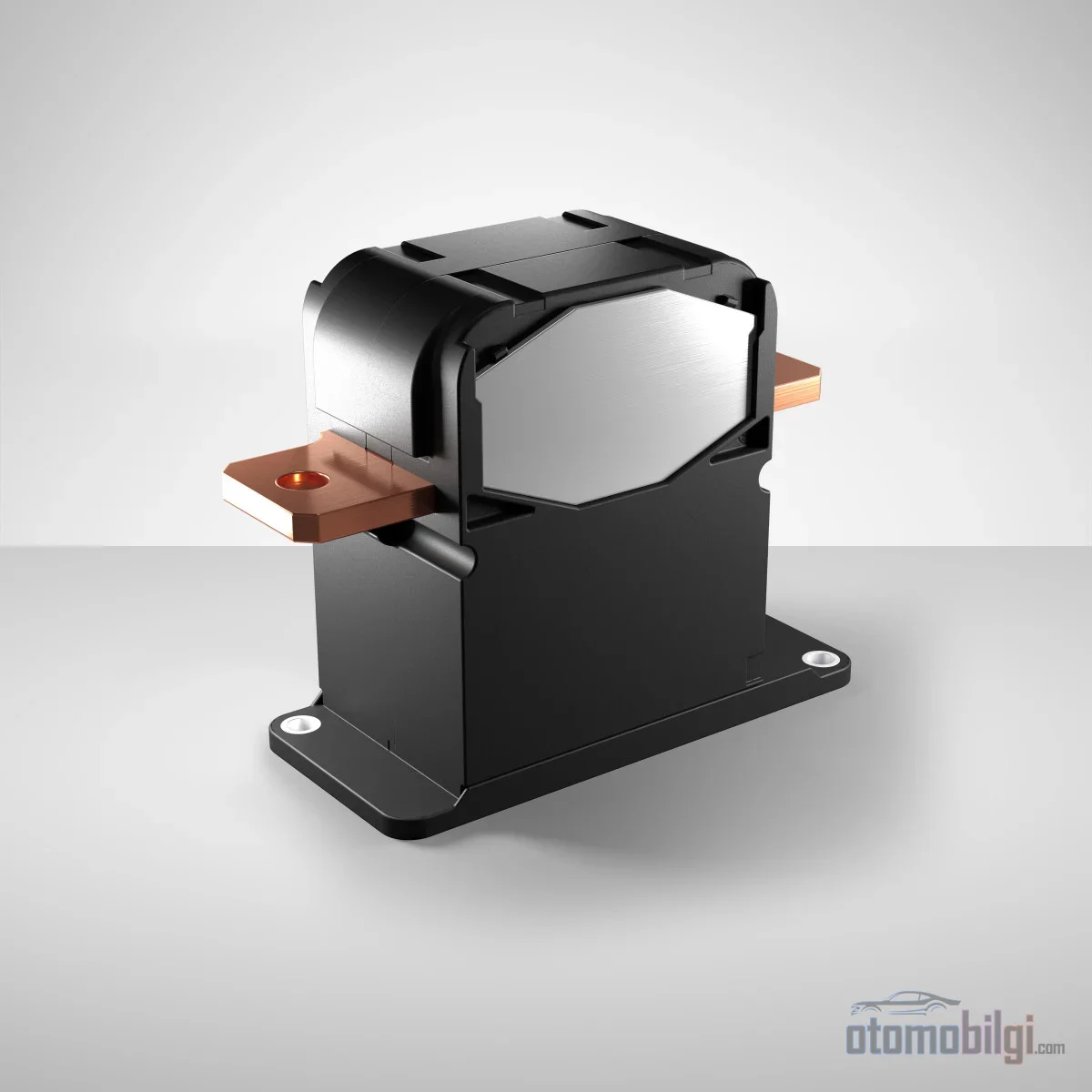
It is not a single switch that disconnects the battery within milliseconds the moment a fault occurs in an electric vehicle, but a layered safety architecture.
How Do High-Voltage Contactors Cut the Circuit in Case of a Fault?
Deniz Erkan22 October 2026

What disconnects the battery during a fault, short circuit, or collision in an electric vehicle is not a single switch, but a layered safety architecture: The main contactors open the circuit within milliseconds, arc suppression systems quench the el…

Read More
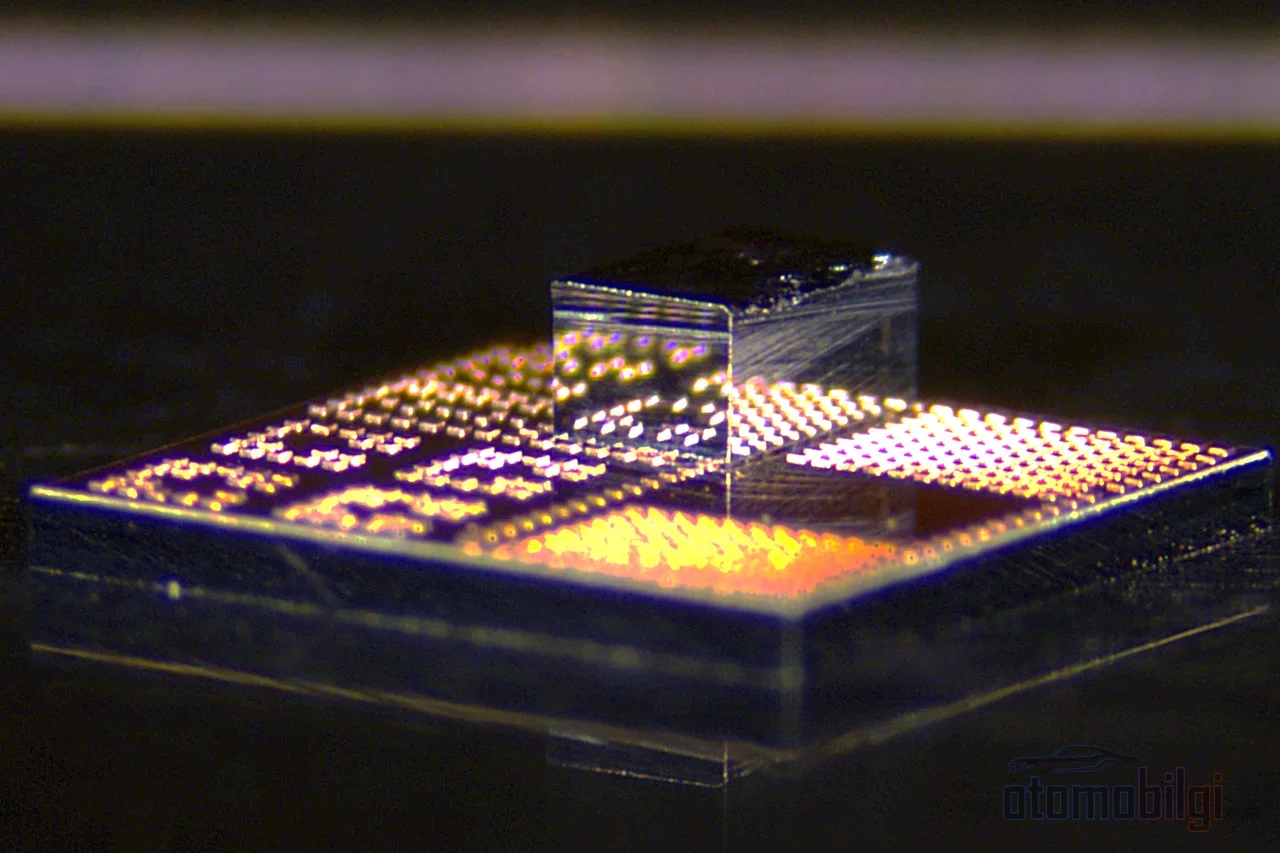
Gallium nitride is not a rival to silicon carbide; at low-to-medium power it is cheaper and more efficient, while at high voltage the field still belongs to SiC.
Can Gallium Nitride Replace Silicon Carbide?
Deniz Erkan21 October 2026

Short answer: no, GaN will not replace SiC - but it is rapidly moving in alongside it. Thanks to its high switching frequency and low losses, gallium nitride offers more efficient and cheaper solutions than silicon carbide in the low-to-mid power ran…

Read More
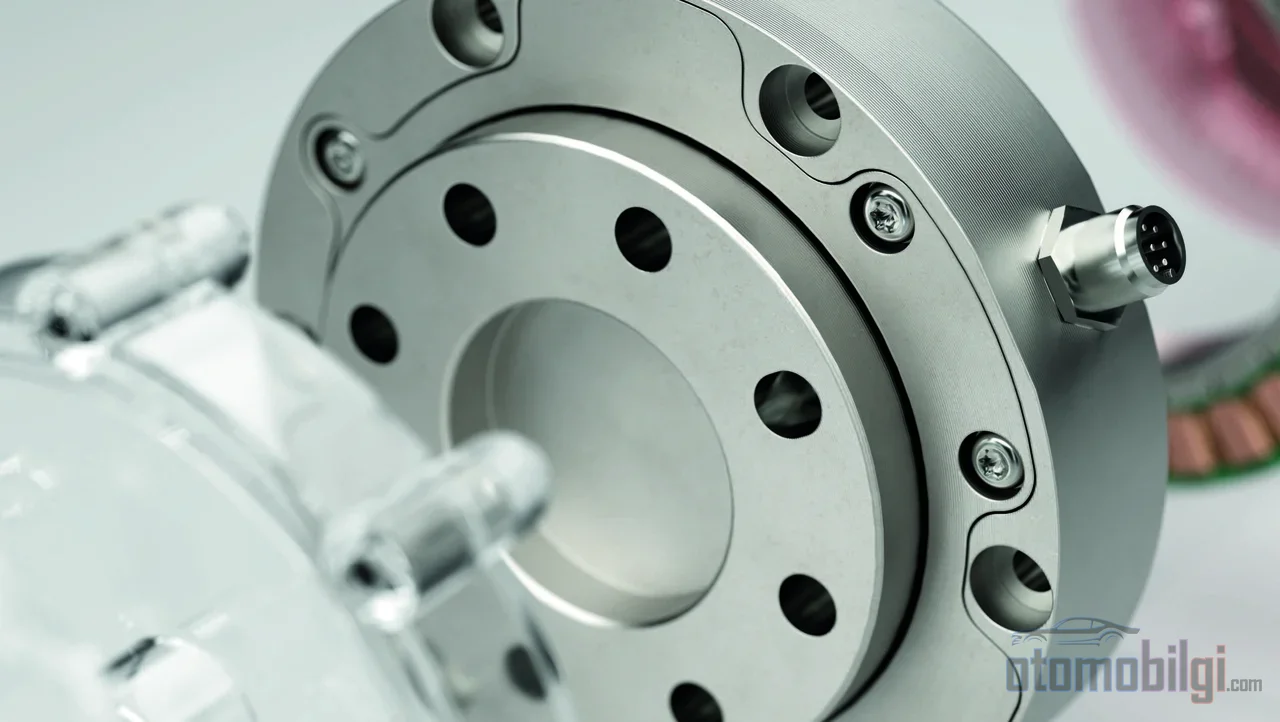
For an electric motor to produce torque, the rotor's position must be known; the resolver, which can withstand up to 210 °C, provides this information.
What Is a Resolver? How Does an Electric Motor Know Its Own Position?
Deniz Erkan21 October 2026

A resolver is an inductive position sensor, operating on the transformer principle, that measures the instantaneous angular position of an electric motor's rotor. The inverter can produce torque by keeping the stator magnetic field 90 degrees ahead o…

Read More
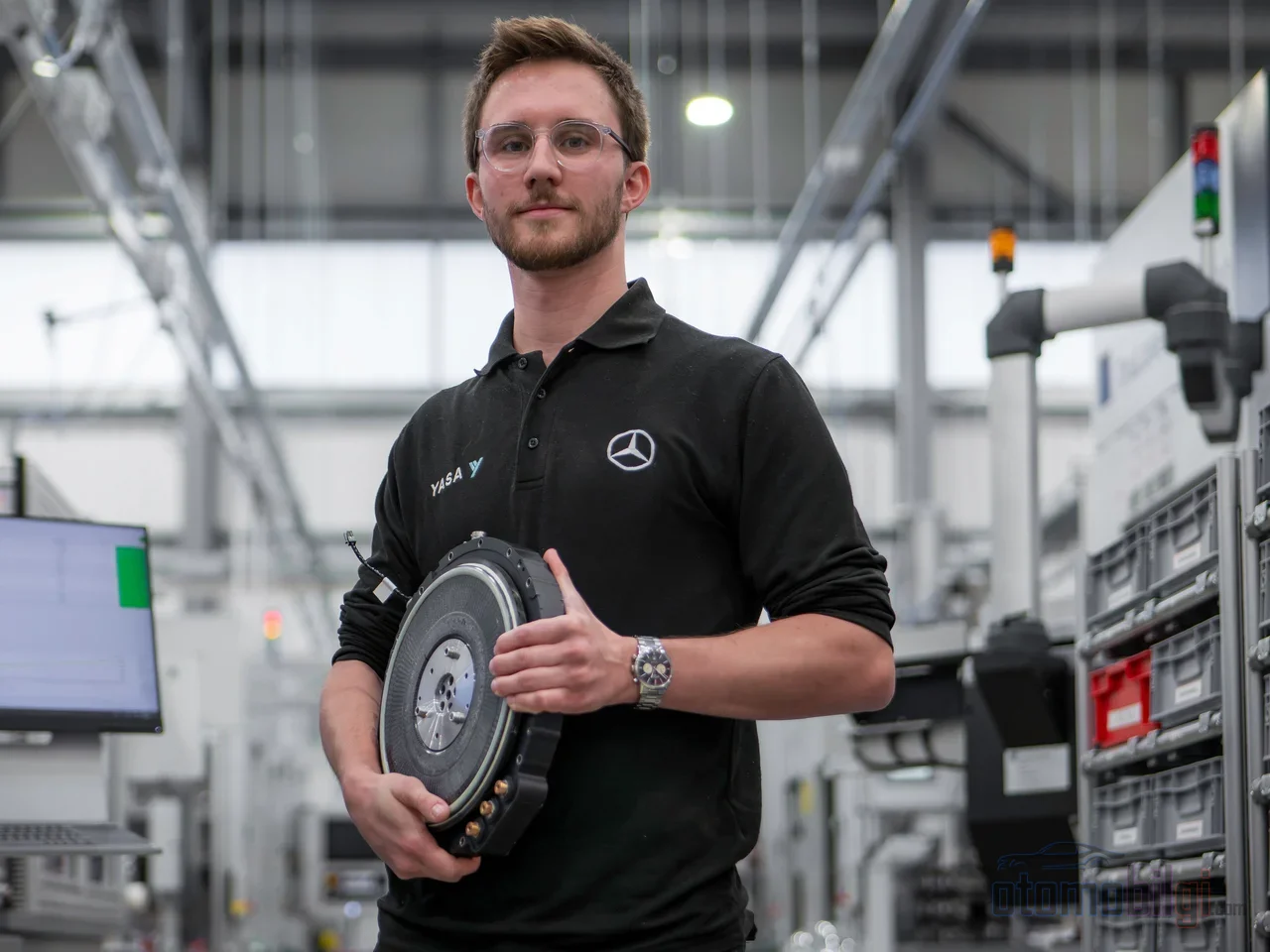
Axial flux motors, delivering two to four times more torque from the same volume, are drawing the new boundary of power density in electric vehicles.
Why Are Axial Flux Motors a Topic of Interest in Electric Cars?
Deniz Erkan21 October 2026

In axial flux motors, the magnetic flux flows in a direction parallel to the motor's rotational axis; unlike the radial (armature) direction flux in conventional radial flux motors, it travels in a straight line from pole to pole through a disc-shape…

Read More
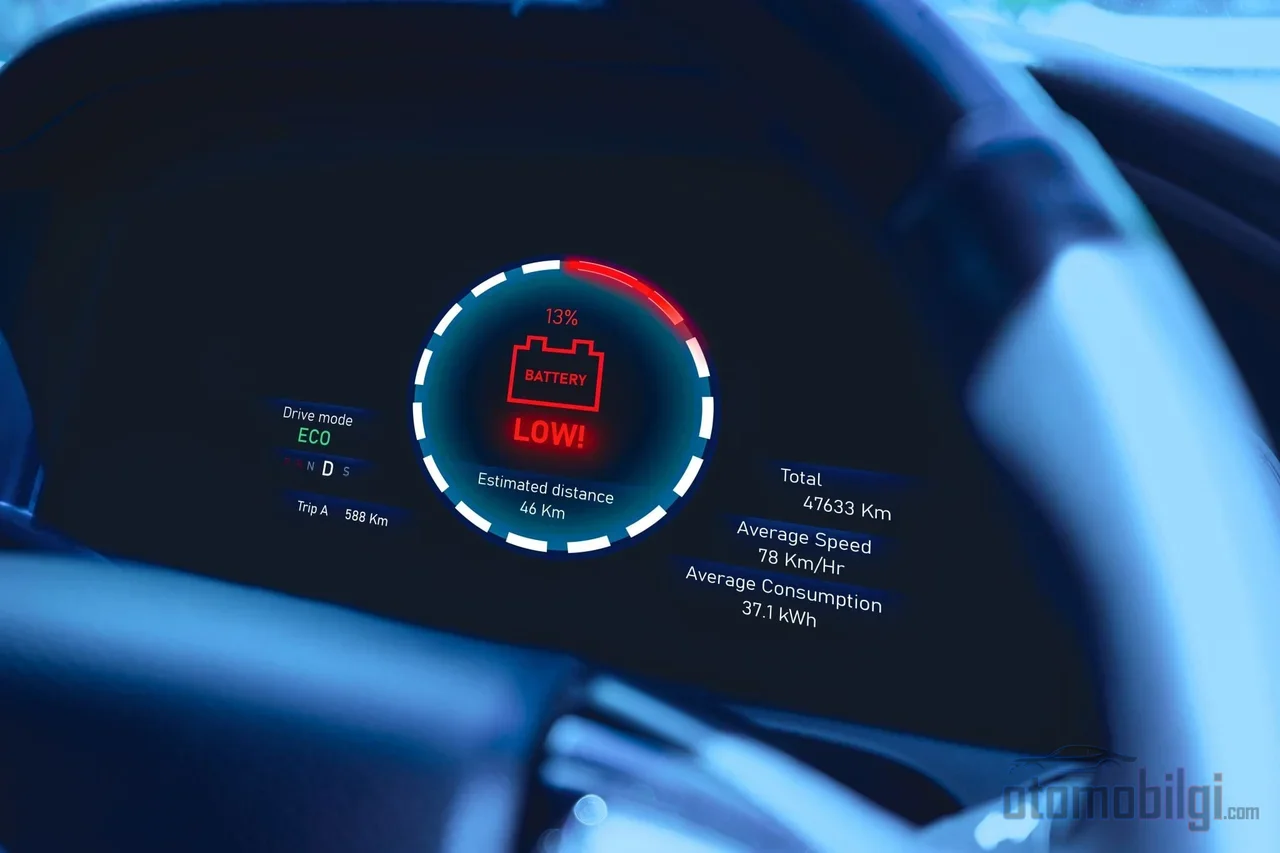
A sudden drop in power is not a fault; it's exactly what the derating system is supposed to do to protect the battery and semiconductors.
Why Can't an Electric Car Sometimes Deliver Full Power?
Deniz Erkan20 October 2026

An electric car sometimes cannot deliver full power because when the temperature sensors on the battery, inverter, and motor detect that conditions are outside the safe operating range, the power electronics deliberately throttle the current and outp…

Read More

A cold battery rejects high current; thanks to preconditioning, charging power can jump from 50 kW to over 150 kW.
Battery Preheating: The Prerequisite for Fast Charging in Cold Weather
Deniz Erkan19 October 2026

Battery preheating (preconditioning) is a thermal management function that brings an electric vehicle's battery to its ideal operating temperature before fast charging. The vehicle heats the battery before reaching the fast charging station entered i…

Read More
A well-calibrated brake blending establishes the balance within milliseconds, without the driver ever noticing the transition between regenerative and hydraulic braking.
How Do Regenerative and Mechanical Brakes Work Together?
Deniz Erkan19 October 2026

In an electric vehicle, the braking demand is first met by regenerative braking, which turns the electric motor into a generator; when the motor's torque is insufficient or the speed is very low, the hydraulic brakes engage. Distributing the work bet…

Read More
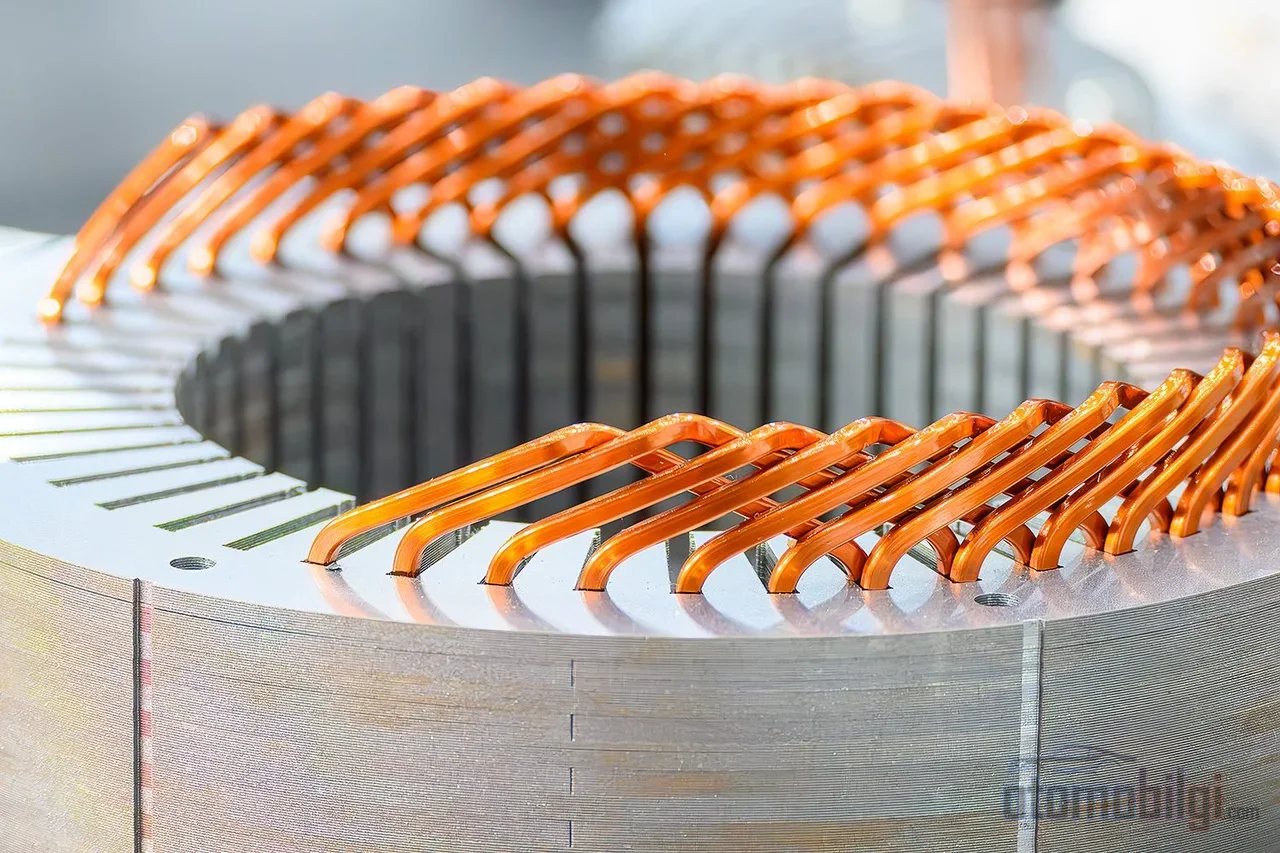
U-shaped copper bars increase the fill factor in the stator slots from 50 percent in a classic winding to over 70 percent, giving the motor both power and efficiency gains.
What Is Hairpin Winding and What Does It Bring to the Electric Motor?
Deniz Erkan18 October 2026

Hairpin winding is the use of U-shaped bent rectangular copper bars in place of the round copper wires in an electric motor's stator. This geometry fits more copper into the slot, raising the fill factor from the 45-50% level of classic winding to ab…

Read More
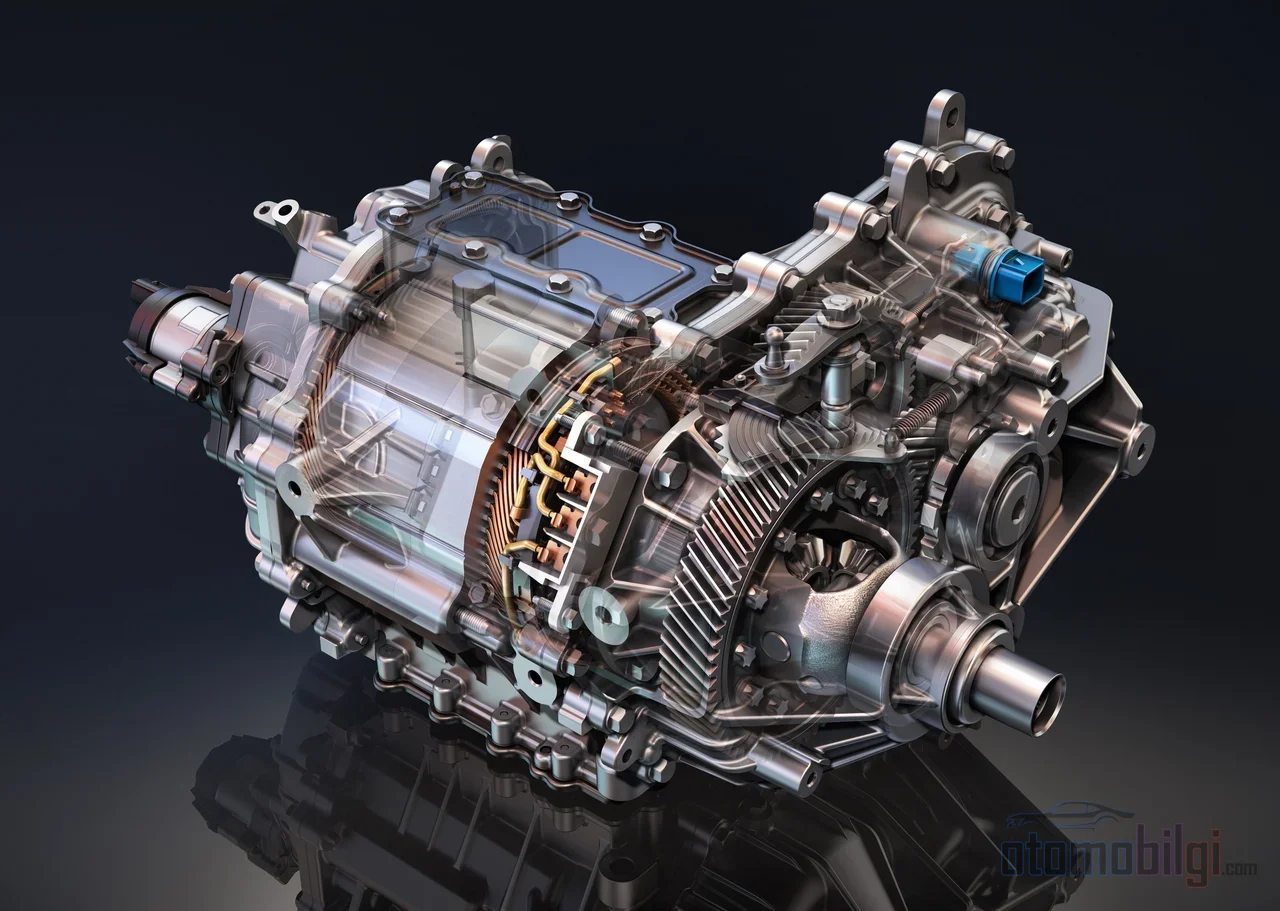
An electric motor reaches its peak efficiency not at a single point, but across a broad efficiency island formed by low-to-mid revs and mid-range torque.
At What RPM Range Does an Electric Motor Operate Most Efficiently?
Deniz Erkan18 October 2026

An electric motor reaches its peak efficiency not at a single point, but in a specific region of the torque-speed plane; in most current designs, this region corresponds to the low-to-mid speed and mid torque range. So the short answer to the questio…

Read More
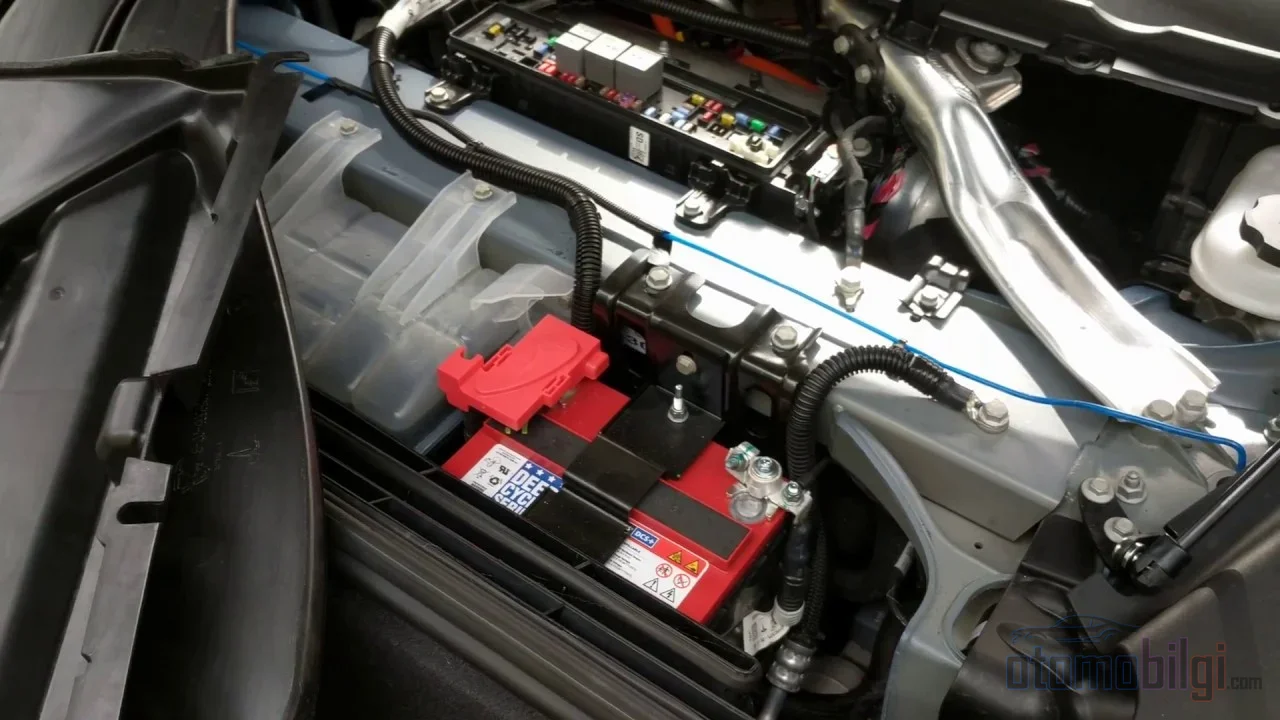
Alongside the massive power of 400-800 volts, what truly keeps an electric car on its feet is the quiet 12-volt line.
Why Do Electric Cars Still Have a 12 Volt System?
Deniz Erkan17 October 2026

In electric cars, the 12-volt system is fed by a DC-DC converter that steps down the high voltage of the main traction battery to the low voltage needed by auxiliary systems; without this layer, the airbag, ABS, electric power steering, and control e…

Read More
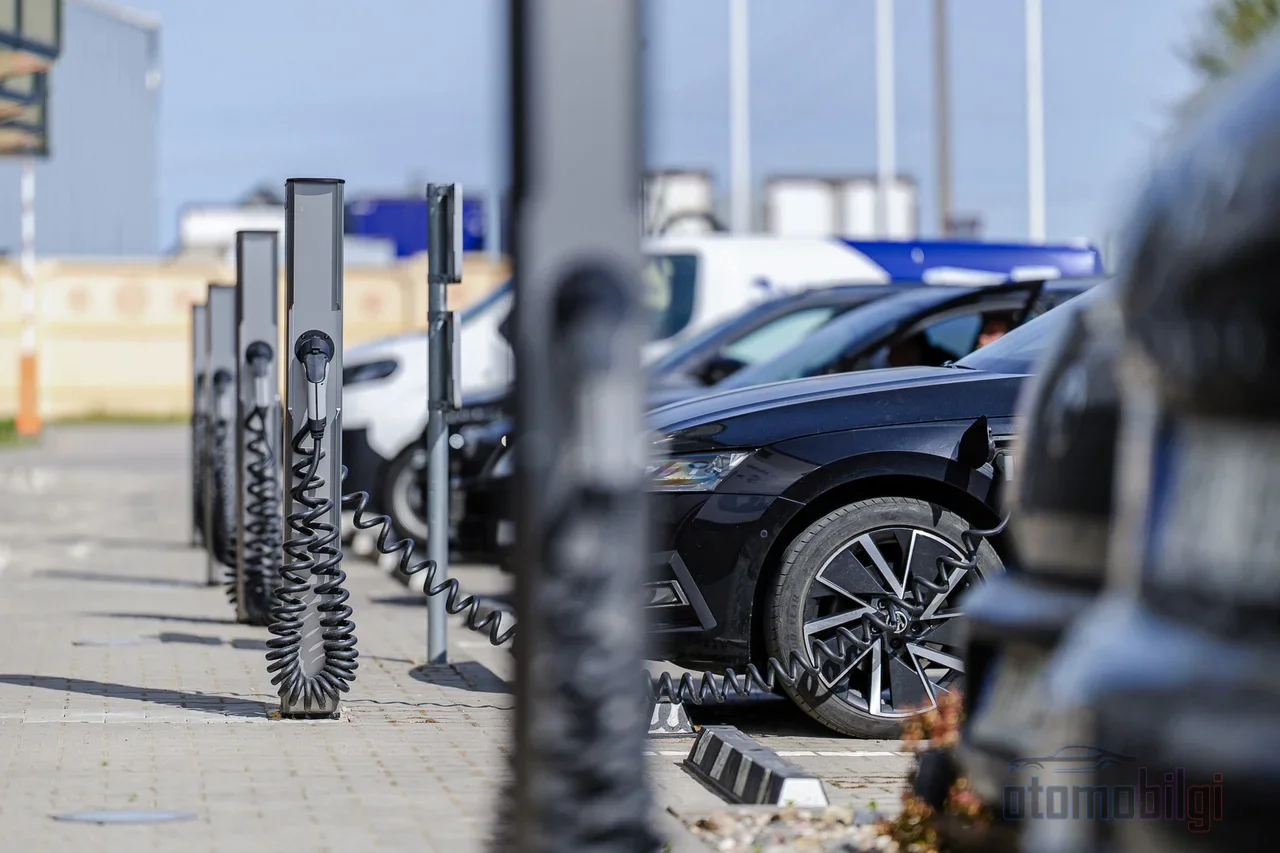
The charging speed of an electric vehicle at home is determined not by the wall-mounted unit, but by the onboard charger, which is kept in the 7-22 kW range.
Why Is the Onboard Charger Deliberately Designed to Be Small?
Deniz Erkan17 October 2026

What determines an electric vehicle's AC charging speed at home is not the wall-mounted charging unit but the onboard charger inside the vehicle; this device is deliberately kept in the 7-22 kW band, meaning a narrow power range, because the heavy li…

Read More
  • 1
  • 2
  • 3
  • Next

Category Editor

Deniz Erkan

Deniz Erkan

One of the most important habits my profession as a mechanical engineer has given me is looking not only at a system's outcome, but also at how and why it works. My interest in automobiles is also fueled by this perspective. For me, a car is not just design, performance, or comfort; it is a holistic system where mechanics, electronics, software, and engineering come together.

Over time, I combined my engineering background with software development. The intersection of these two fields has allowed me to look at modern automobiles from a more integrated perspective. I follow the world of automobiles, from engines and suspension to driver assistance systems and software technologies, through the eyes of both an engineer and a car enthusiast.

My aim at Otomobilgi.com is to explain technical subjects in a language that preserves engineering accuracy and keeps curiosity about cars alive, without drowning them in unnecessary complexity. Because for me, a good car is not merely beautiful or fast; it is a special work that conveys design, technology, and driving character as a whole.

Follow Us on Social Media

Share This Page

Follow Us on Social Media

  • About Us
  • KVKK Disclosure Statement
  • Privacy Policy
  • Contact
Otomobilgi.com
INDEPENDENT AUTOMOBILE CULTURE PLATFORM
Powered by Virgo CMS