Battery and Charging
Share This Page
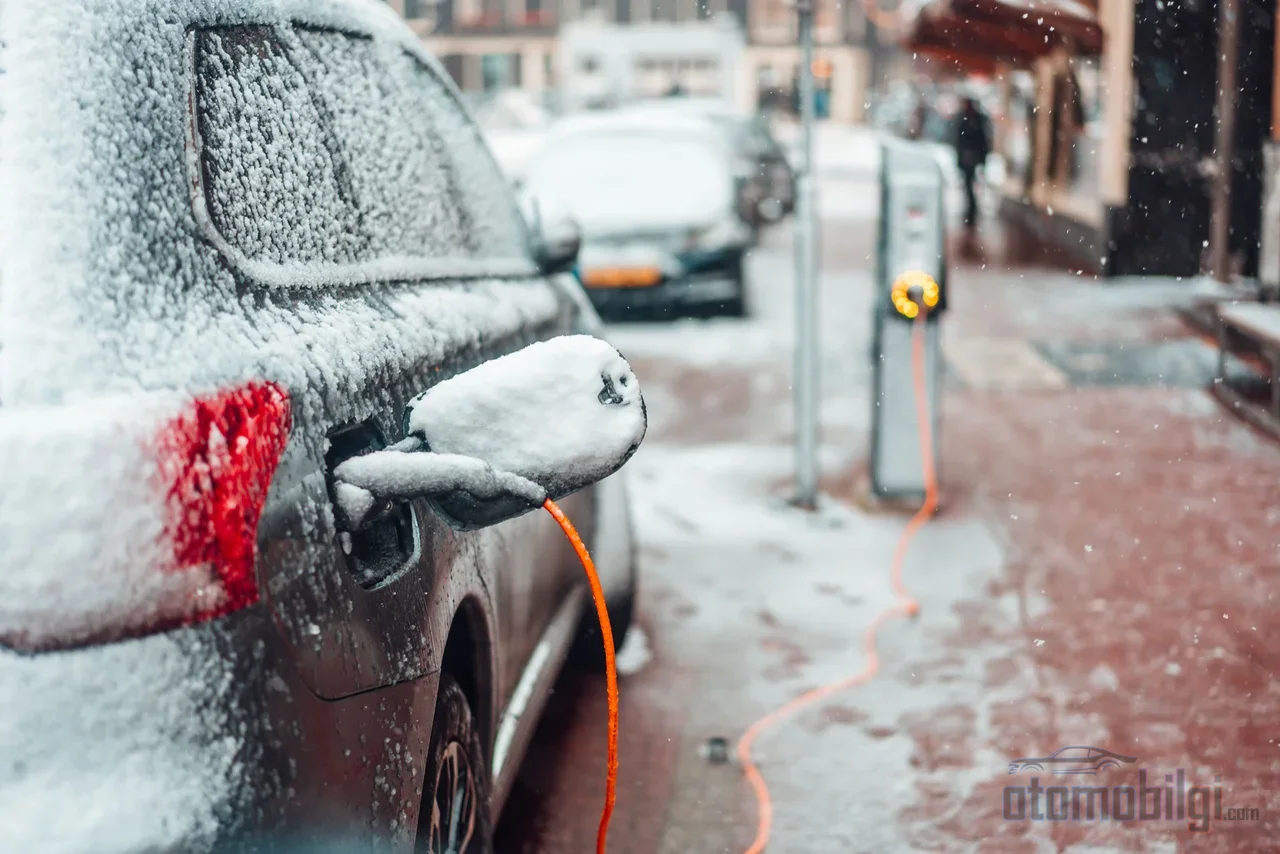
How Much Does Winter Cold Reduce the Electric Range of Plug-in Hybrids?
Cold weather typically cuts the electric range of a plug-in hybrid vehicle by 20 to 40 percent; meaning a PHEV that delivers 50 kilometers in mild weather can drop to around 30-40 kilometers in sub-freezing conditions. Most of the loss doesn't come f…
Read More
Is One Kilometer Cheaper with a Plug-in Hybrid on Electricity, or on Gasoline?
Driving a kilometer on electricity in a plug-in hybrid is cheaper than driving it on gasoline in almost every scenario - with home charging, the cost per kilometer is about $0.04–0.06, while the same distance on gasoline costs $0.10–0.15. However, th…
Read More
Daily Driving Habits That Extend Electric Range in Plug-In Hybrids
A plug-in hybrid's electric range is largely determined by battery capacity; however, in daily use, how much you get out of that capacity is in the hands of your driving habits. Gentle throttle use, choosing the right speed, making full use of regene…
Read More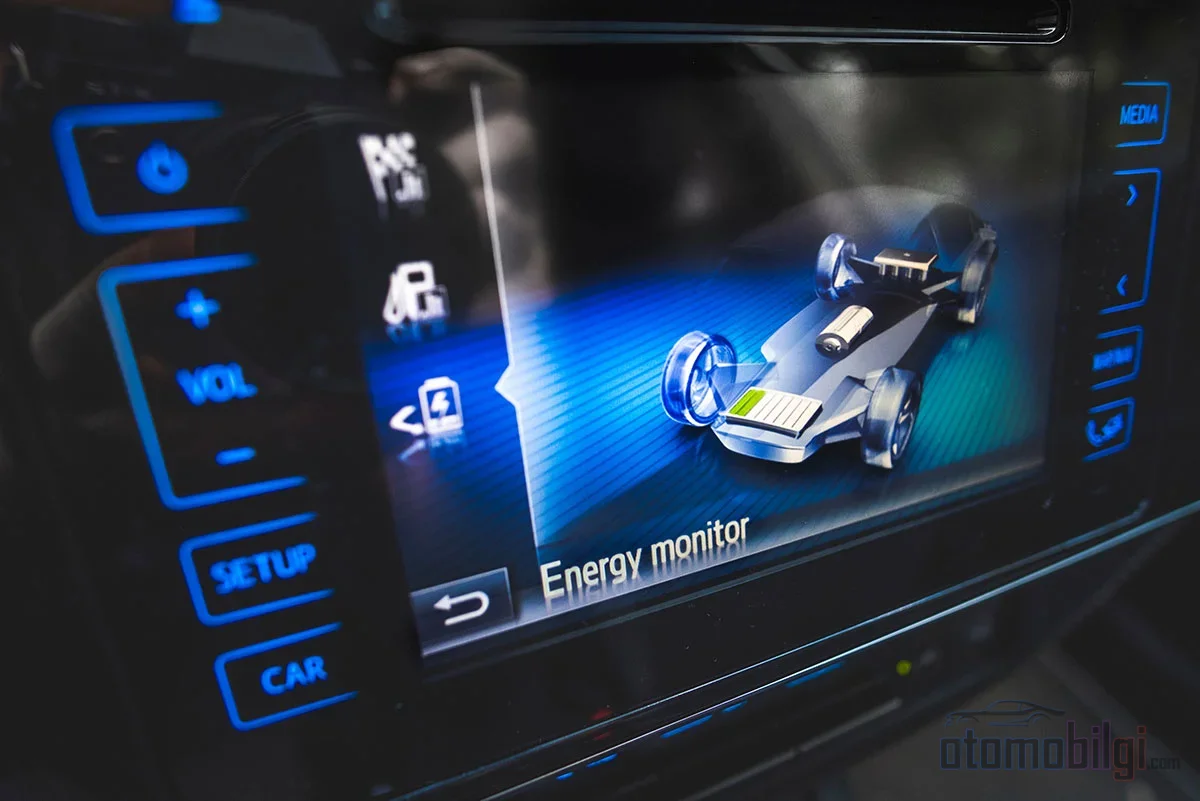
Why Does a Hybrid Sometimes Refuse to Switch to Electric Mode?
The main reason a hybrid vehicle switches to the gasoline engine even when the battery gauge shows full is that the control software evaluates electric mode against thresholds such as speed, power demand, battery temperature, and cell voltage balance…
Read More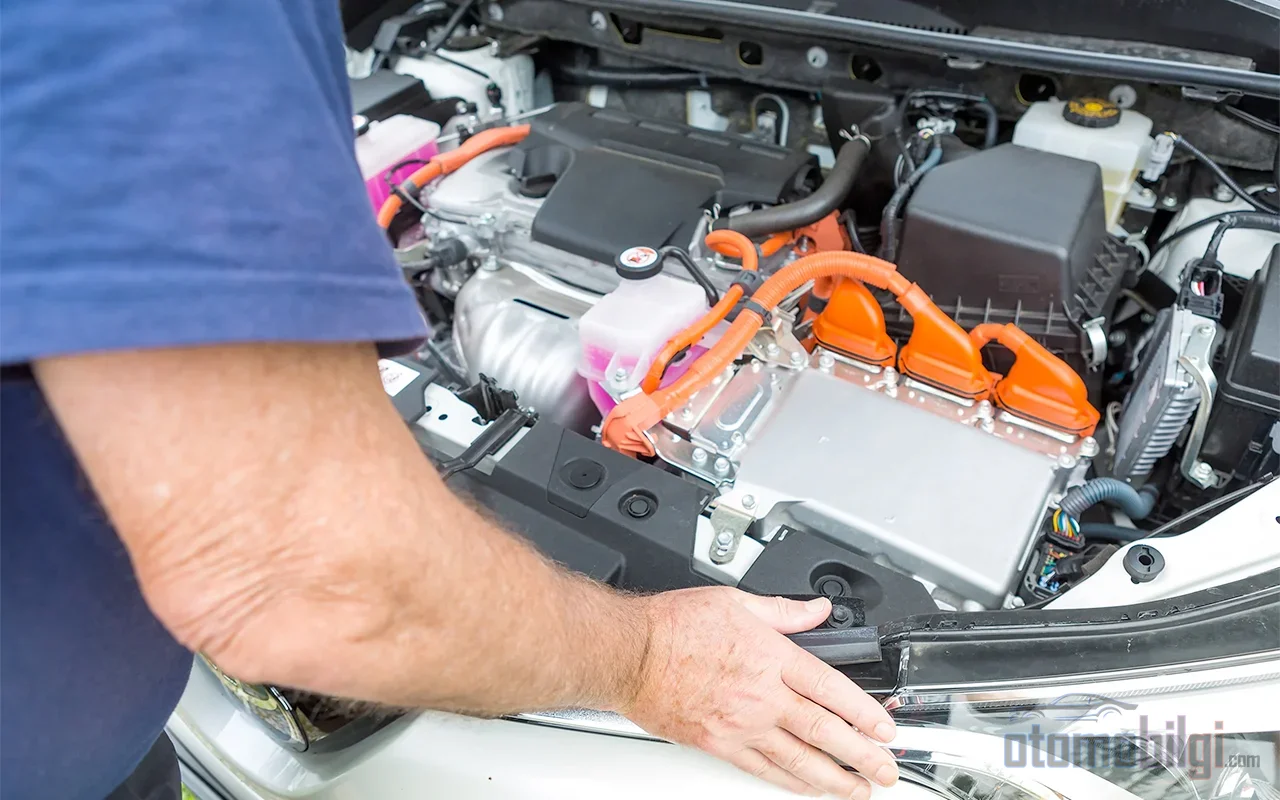
Why Does a Hybrid Battery Never Fully Charge or Drain?
Your hybrid battery never shows 100% full or 0% empty, because manufacturers deliberately keep a portion of the battery hidden as a buffer zone that is never reflected on the gauge. The system typically cuts off charging at around 80% and never lets …
Read More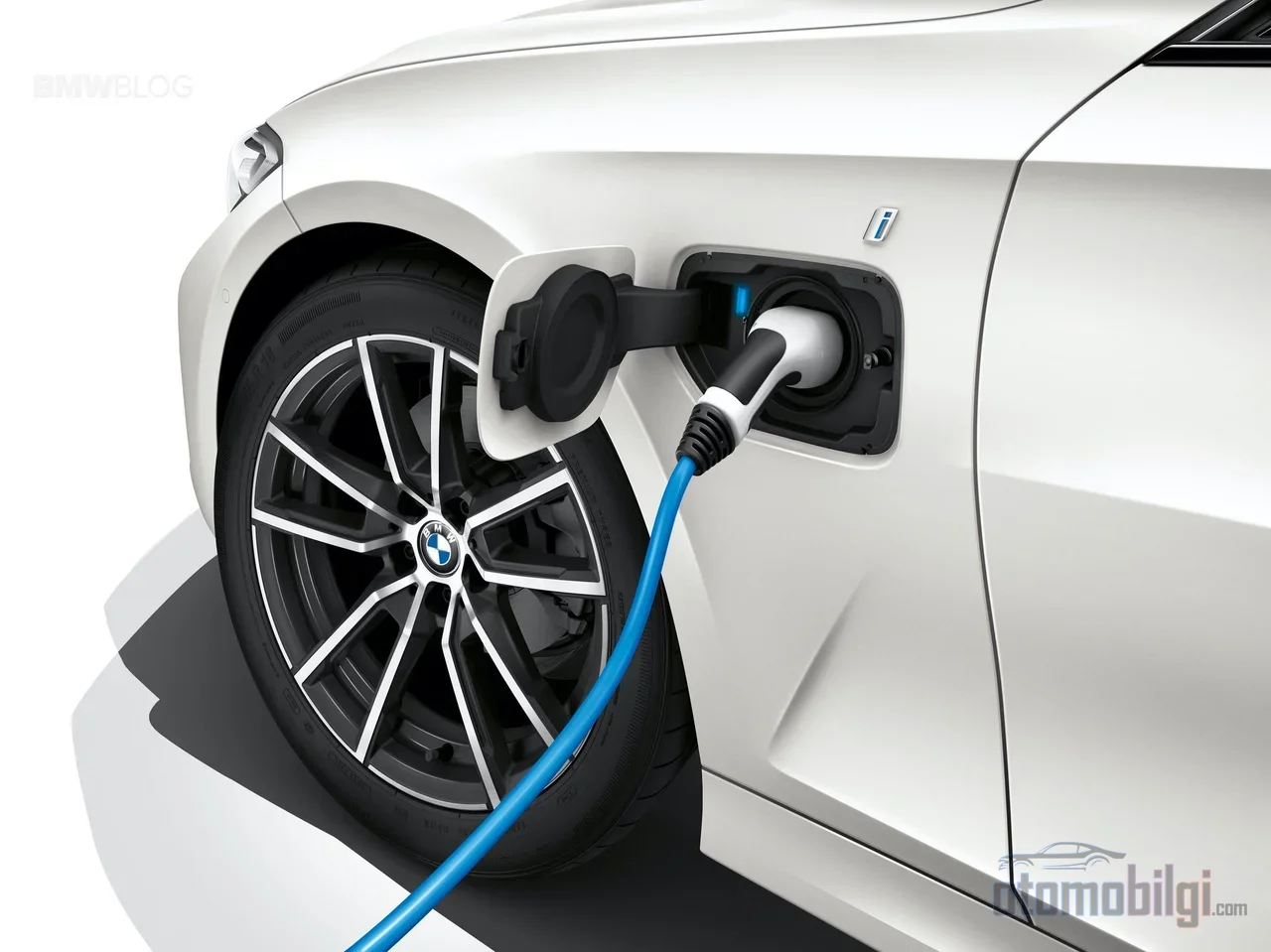
How Long Does It Take to Charge a Plug-in Hybrid?
A plug-in hybrid vehicle typically considers its battery sufficiently charged within 4 to 12 hours; three variables determine this time: the battery's capacity (in the 8-20 kWh range for most models), the power the charging source can deliver, and th…
Read More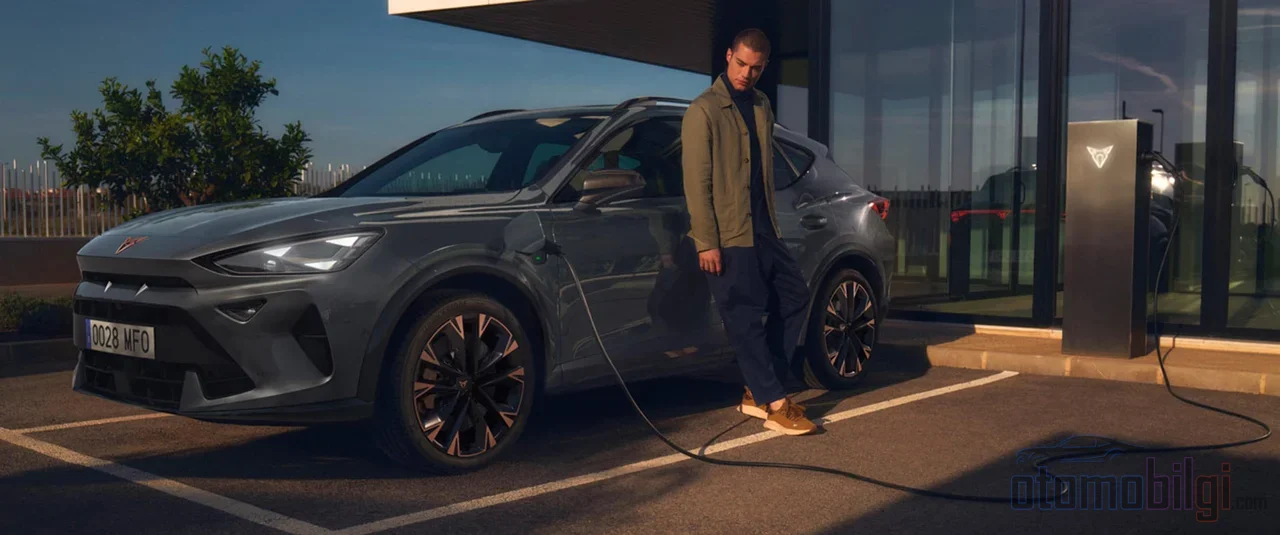
Do Hybrid Vehicles Really Need Charging?
The answer depends on the hybrid type: full hybrid vehicles are not plugged in, in fact they cannot technically be plugged in at all; they recharge their batteries on their own thanks to regenerative braking and the gasoline engine. Plug-in hybrids (…
Read More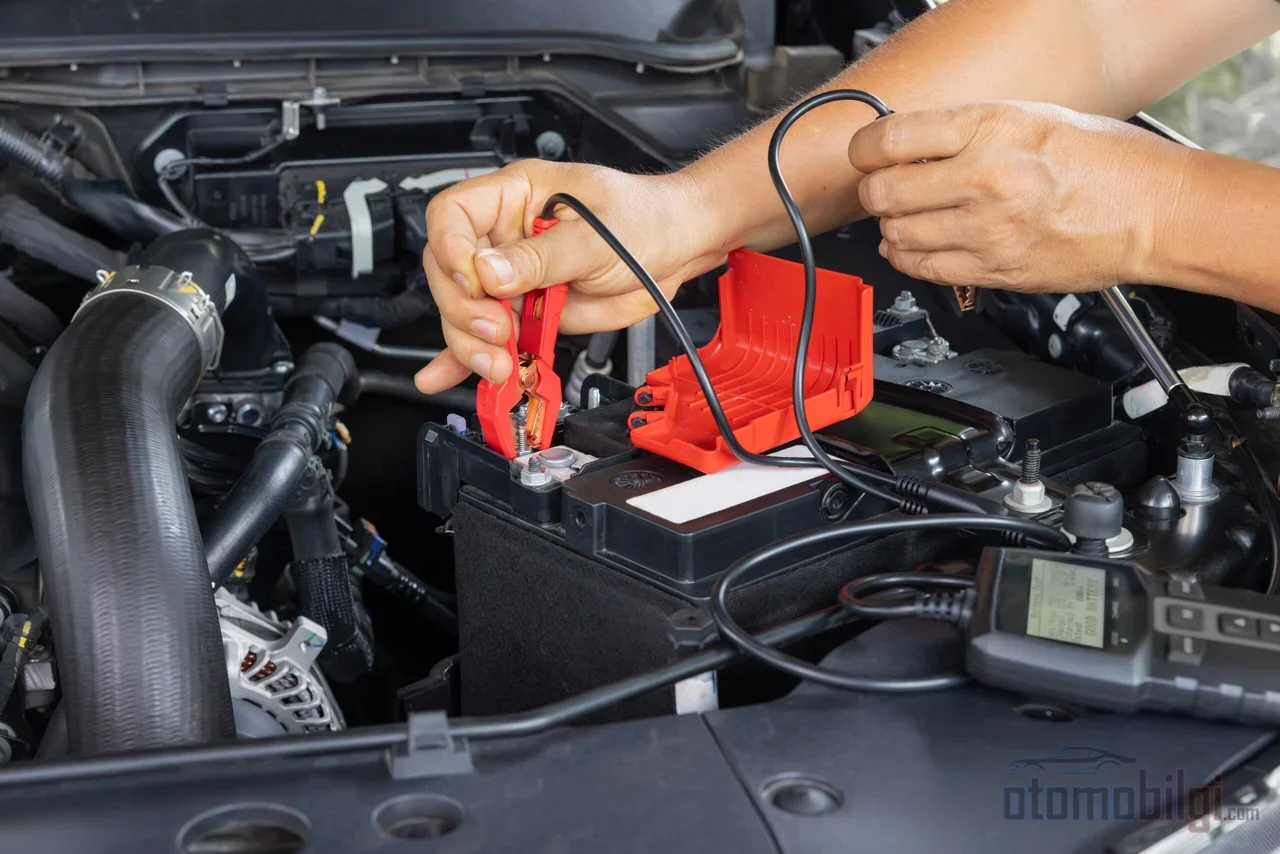
What Happens If You Don't Use Your Hybrid Car for a Long Time?
If you park a hybrid vehicle for an extended period, the weakest link, the 12 volt auxiliary battery, typically dies within 2-4 weeks; the high-voltage battery, thanks to its low self-discharge, usually gets through 1-4 weeks without trouble, but in …
Read More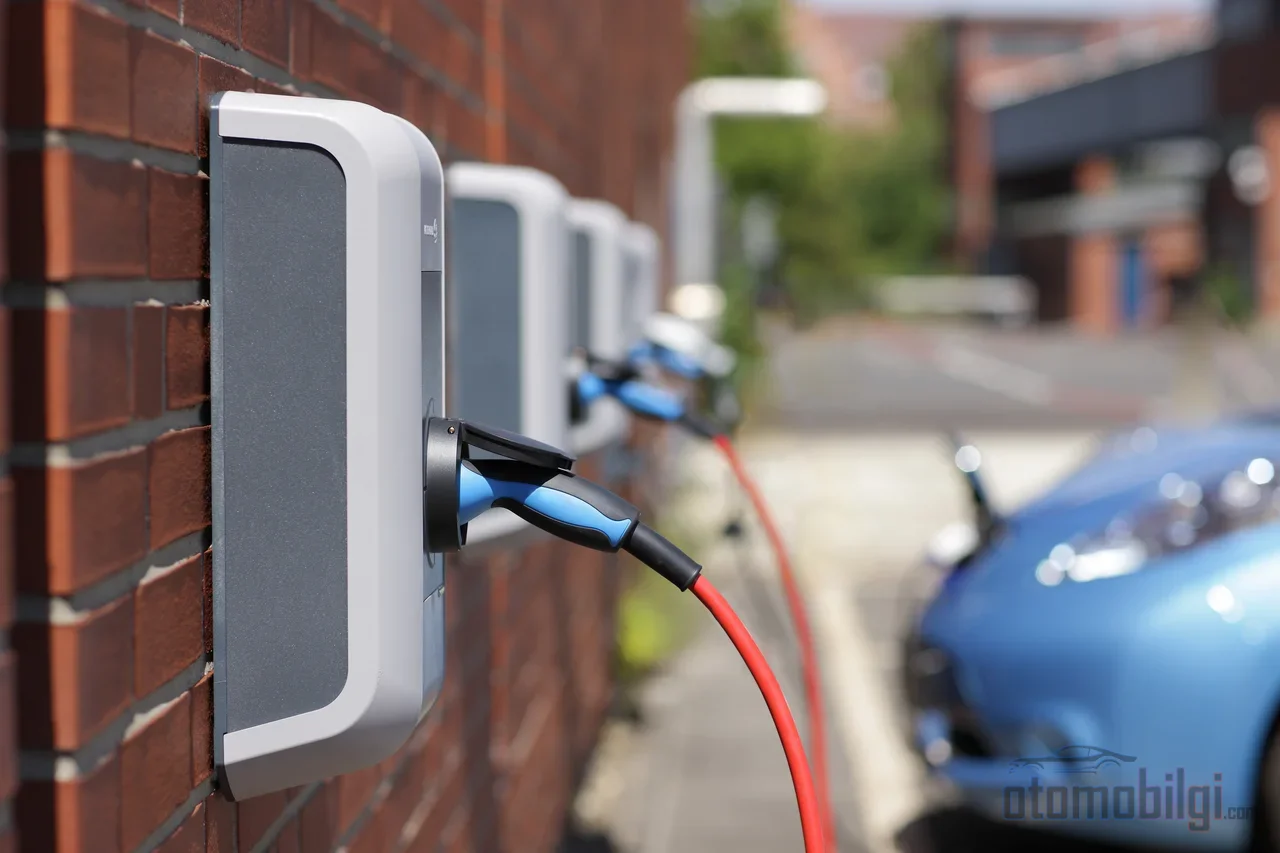
Can a Plug-in Hybrid Charge at a Fast Charging Station?
Short answer: The vast majority of plug-in hybrids cannot charge at a DC fast-charging station, because their vehicles lack a DC input and the appropriate charging hardware. Instead, they fill up with standard AC charging, typically at 3.7-7.4 kW in …
Read More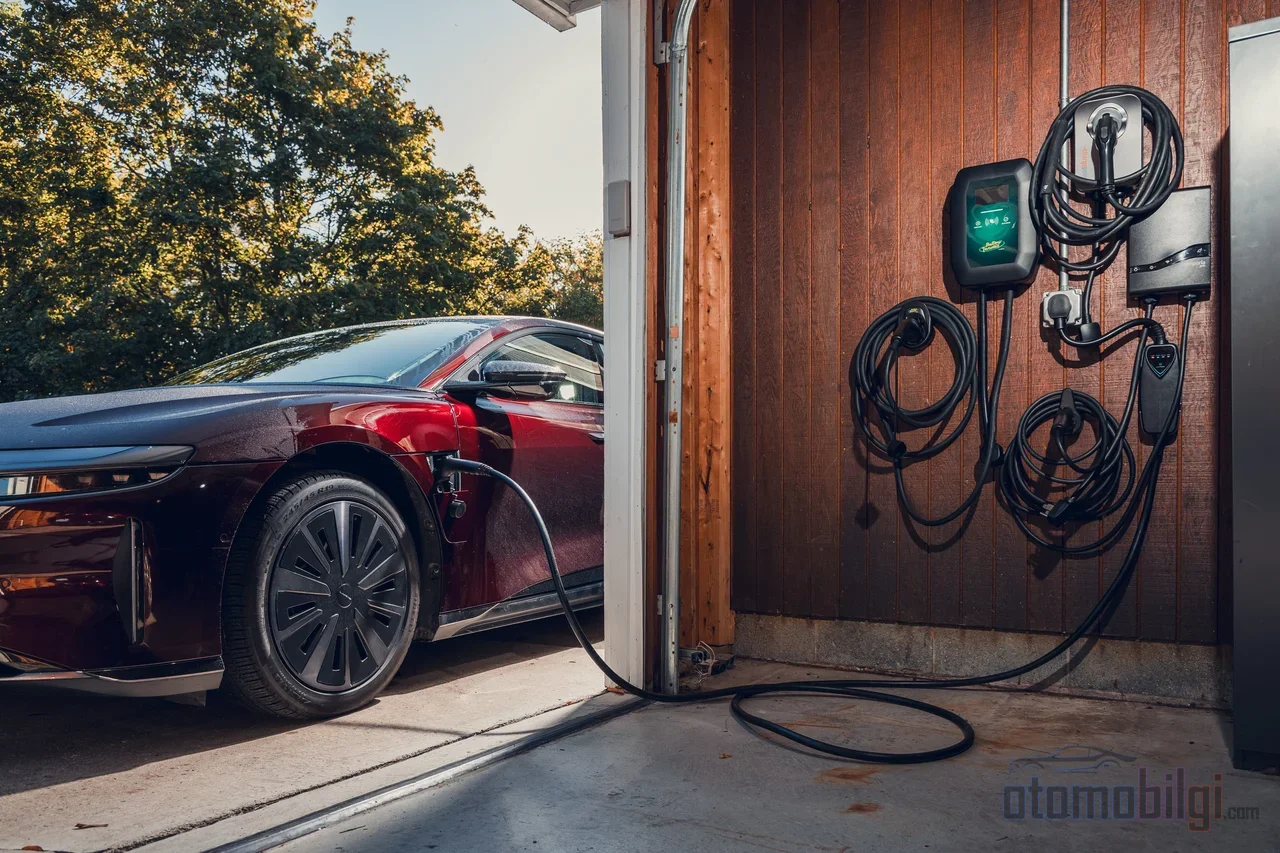
Ways to Charge Your Plug-in Hybrid at Home: Wall Outlet or Wallbox?
A plug-in hybrid vehicle is charged at home in two ways: a slow overnight charge from a standard outlet that requires no installation, or a wallbox connected to a dedicated 240V line that fills roughly four times faster. Which is the right choice dep…
Read More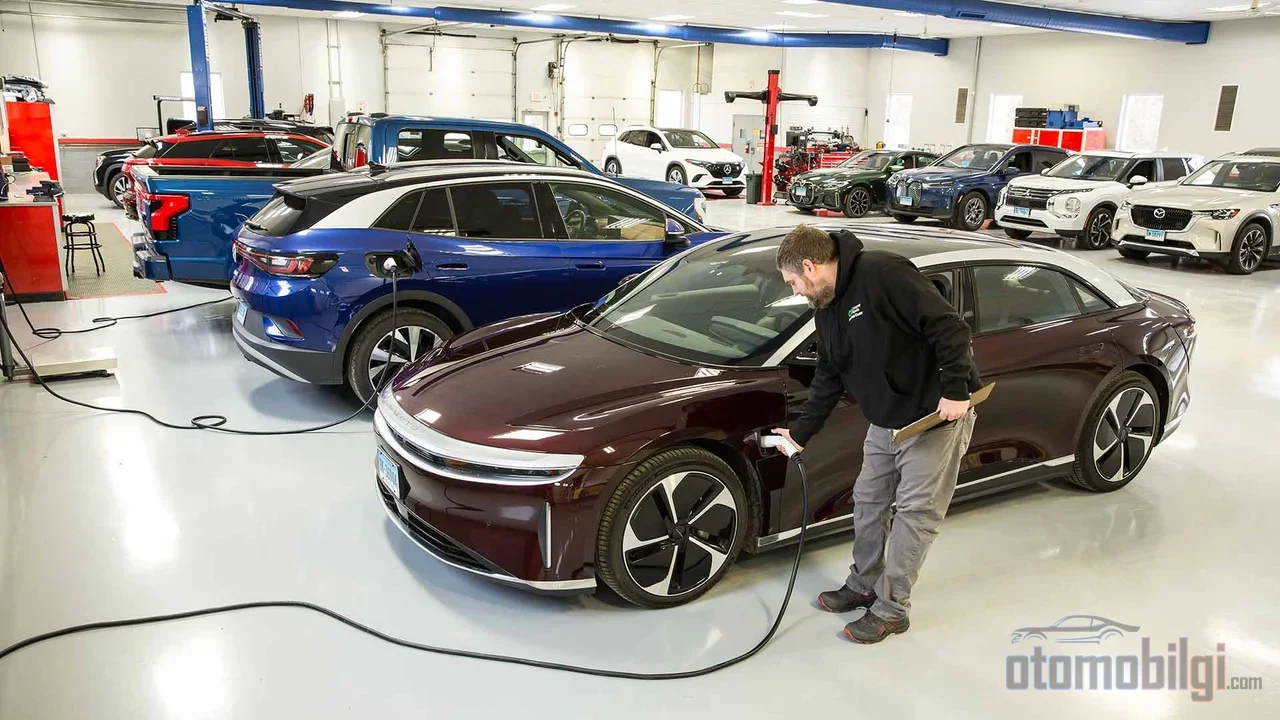
How Does Battery Capacity Determine Electric Range?
Battery capacity directly determines electric range: capacity is measured in kWh and, roughly speaking, every kilowatt-hour is stored energy, like a certain amount of fuel in a gasoline car. However, this relationship is not a linear equation; it is …
Read More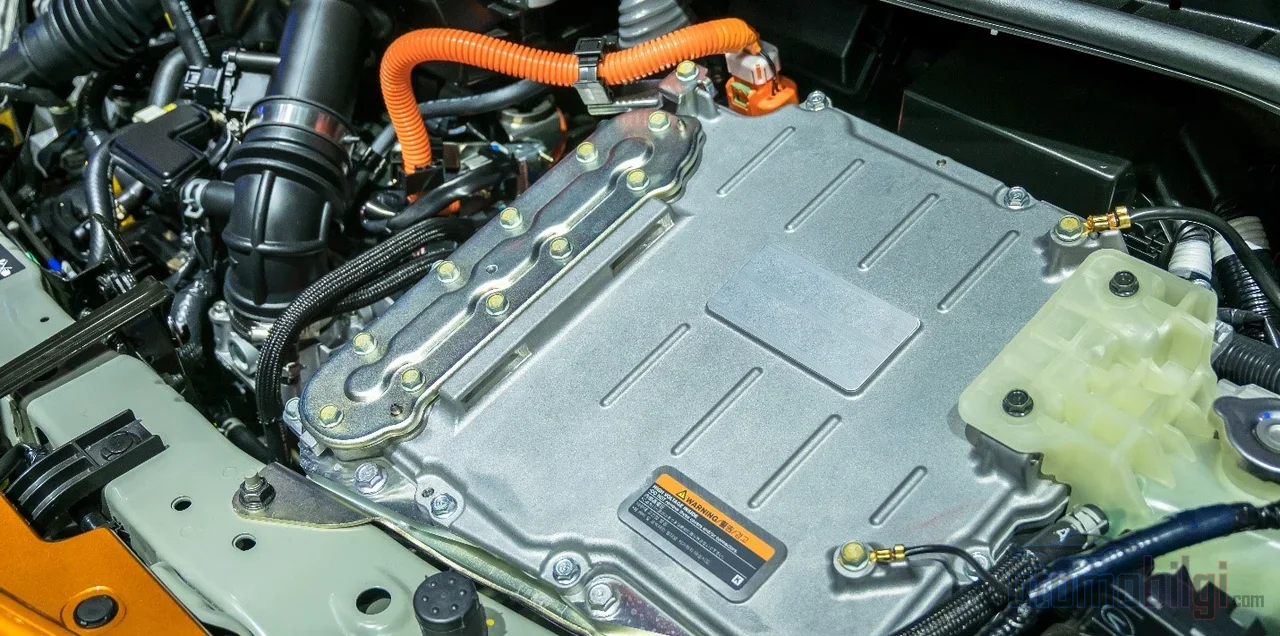
Does Heat or Cold Wear Out a Hybrid Battery Faster?
Heat is the factor that permanently degrades a hybrid battery faster; high heat irreversibly accelerates the chemical breakdown inside the cells. Cold works through a different mechanism: it temporarily reduces performance, but on its own it does not…
Read More