IndyCar
Share This Page
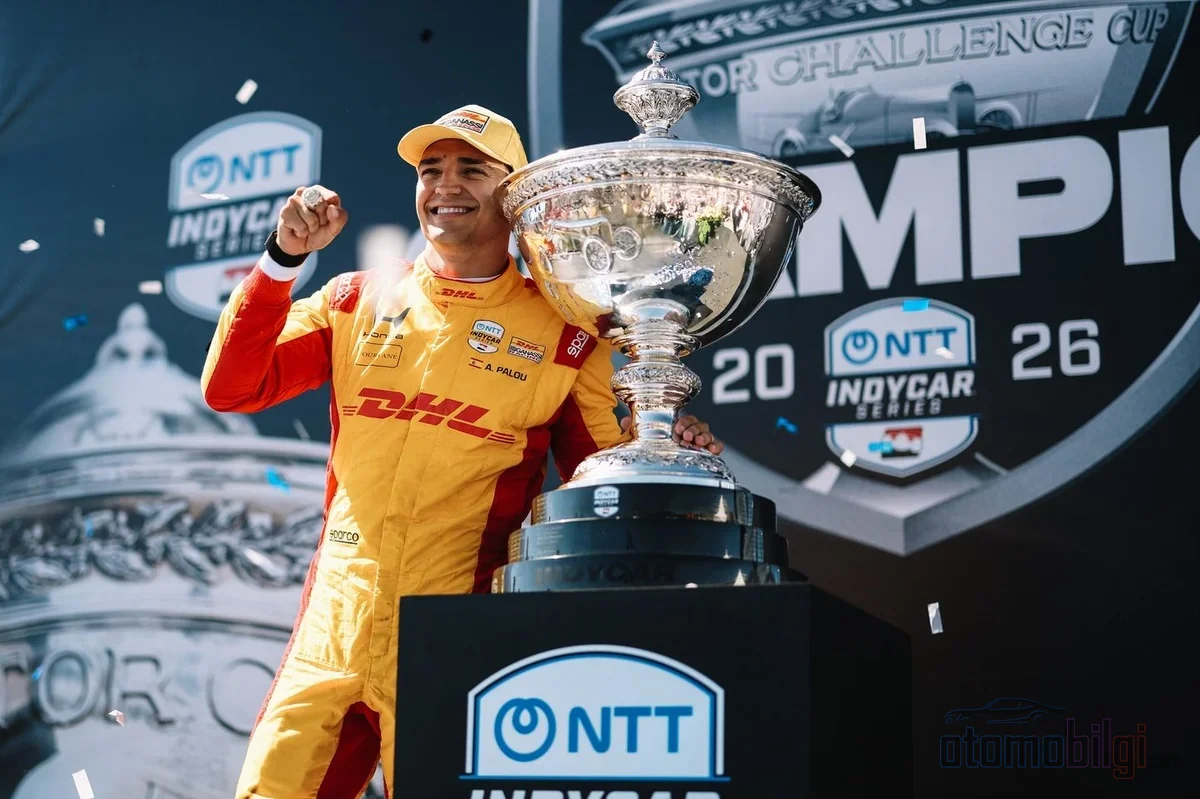
Who Are the Title Contenders in the 2026 IndyCar Season?
The one who really made the championship fight difficult in the 2026 IndyCar season was Álex Palou; The Spanish driver secured his fourth consecutive, fifth overall championship before the season ended, with just one race remaining. Kyle Kirkwood, Ch…
Read More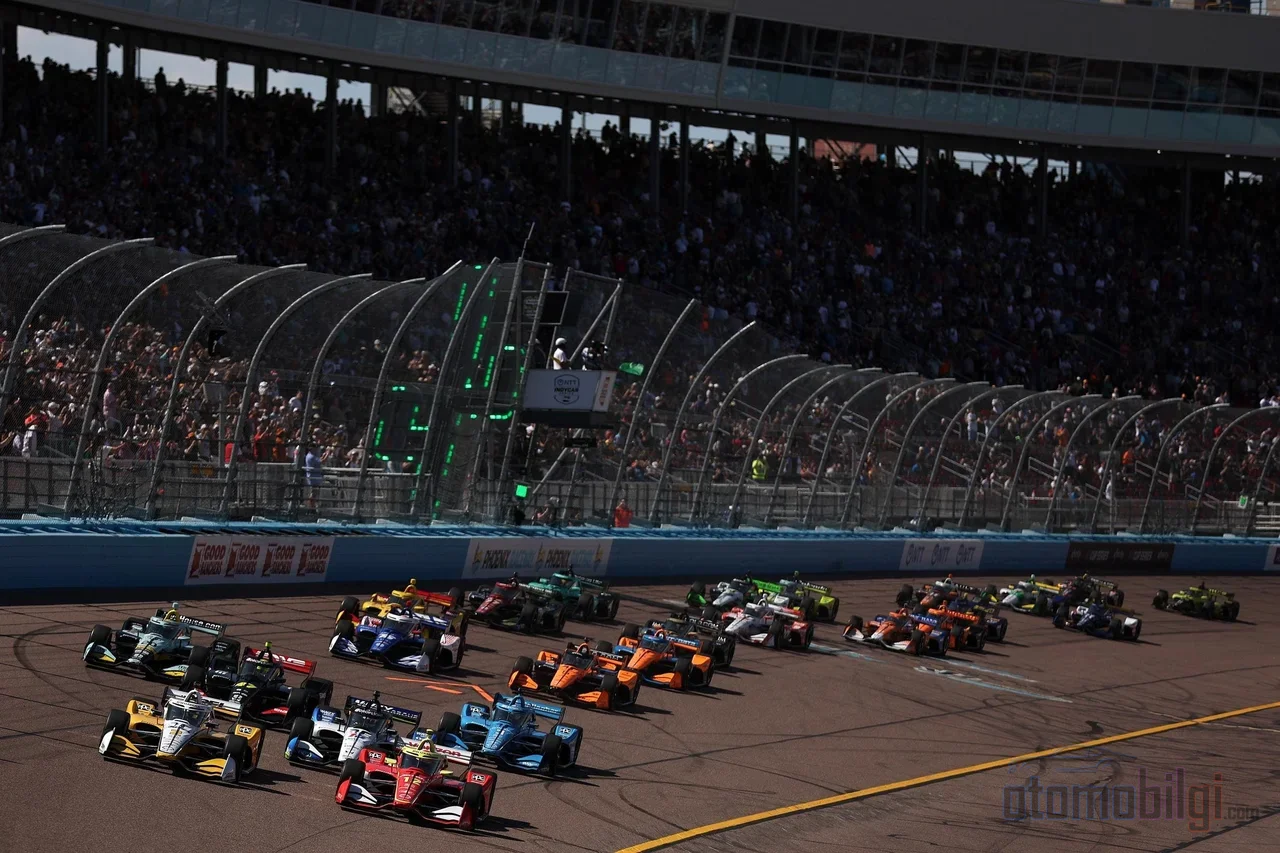
How Does a Race Weekend Work in IndyCar?
An IndyCar race weekend is a three-day rhythm that starts with practice on Friday morning and ends with the checkered flag on Sunday, changing shape depending on the track type: drivers first learn the track, then battle for positions in qualifying, …
Read More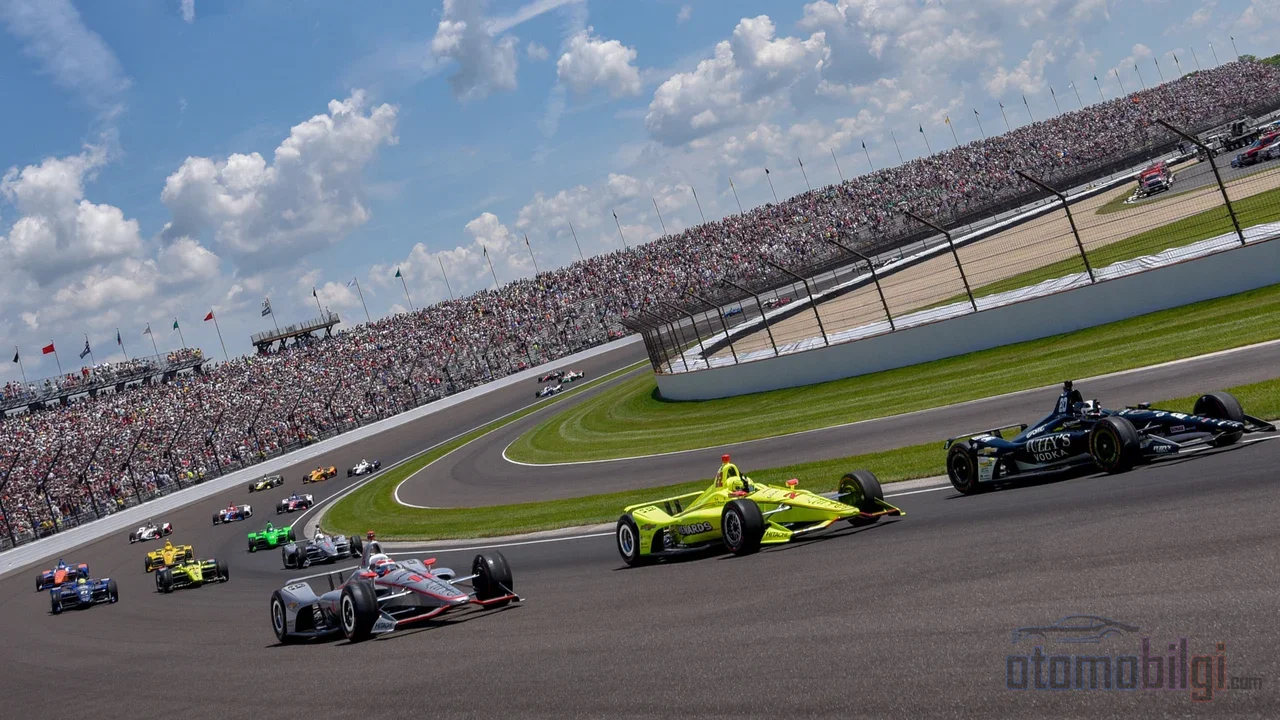
What Makes the Indianapolis 500 the Fastest Race in the World?
What makes the Indy 500 the fastest race in the world is not a single number; it is a chain of speed built on the 2.5-mile oval, qualifying laps measured to a thousandth of a mph, and the uninterrupted sustainment of speeds above 220 mph across 200 l…
Read More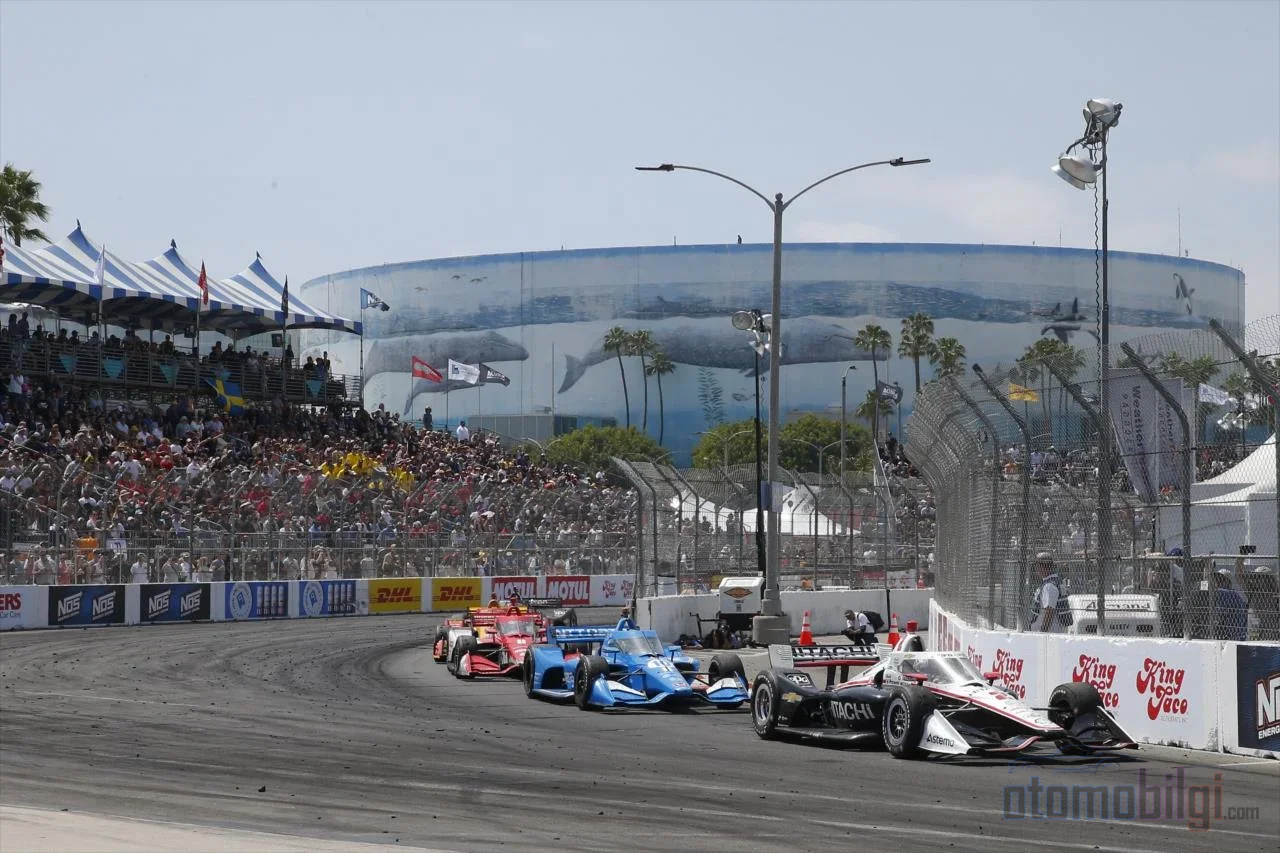
From Long Beach to Milwaukee: IndyCar's Classic Stops
Classic stops on the IndyCar calendar are the places where the series' heart beats: the palm-lined streets of Long Beach, the rolling hills of Mid-Ohio, Gateway's egg-shaped oval, Milwaukee's century-old circle, and Laguna Seca's legendary Corkscrew …
Read More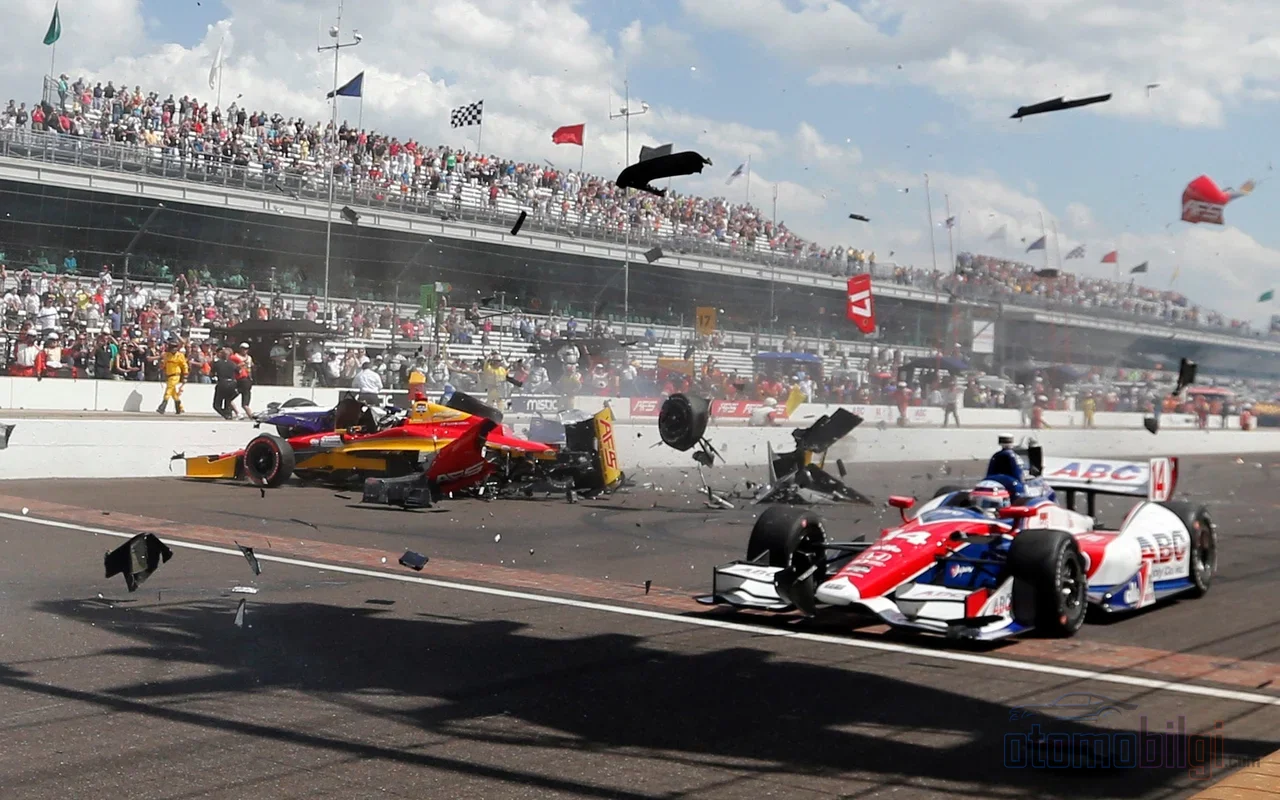
The Technology That Makes IndyCar So Safe
What makes IndyCar cars so safe is not a single component but a layered safety ecosystem: the titanium-framed aeroscreen in front of the cockpit, the non-deforming carbon fiber survival cell, crushable impact zones and the energy-absorbing SAFER barr…
Read More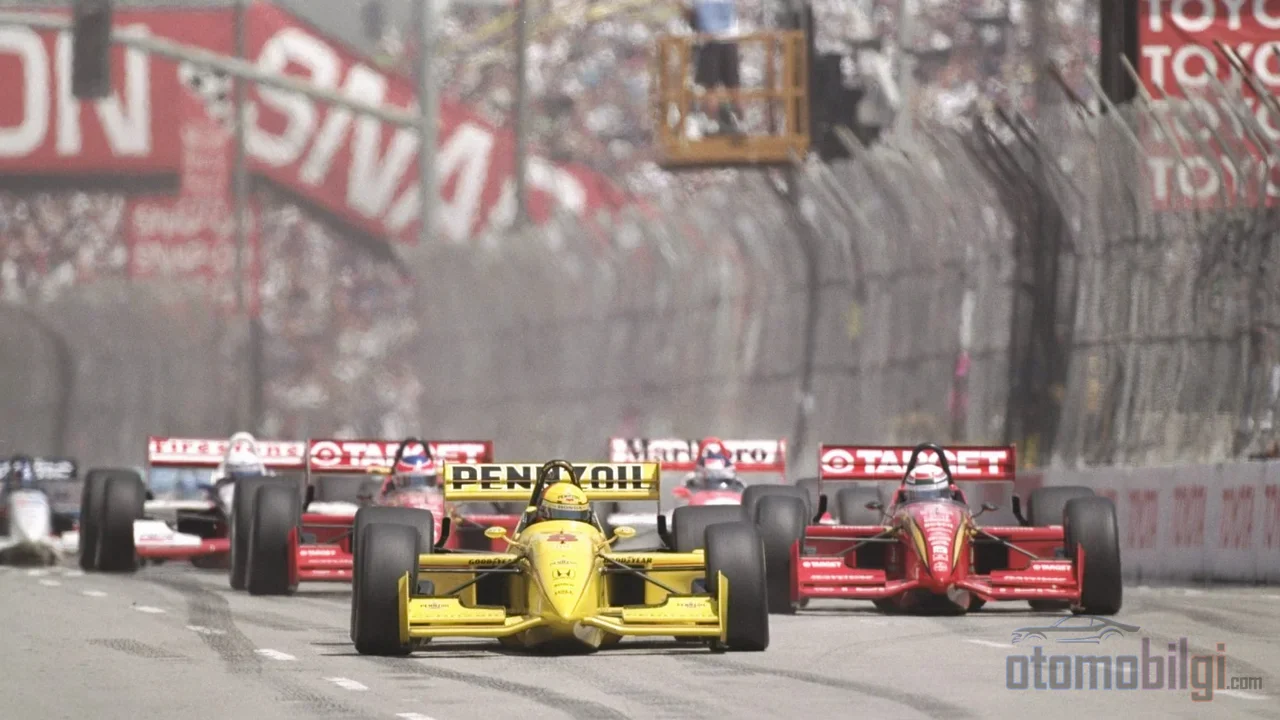
The Fight That Split IndyCar in Two: CART, IRL and the Unification Years
American open-wheel racing split in two between 1996 and 2008: the IRL, founded by Indianapolis Motor Speedway owner Tony George, and the road course-focused CART tried to rule the same sport from two different umbrellas for 12 years. The split weake…
Read More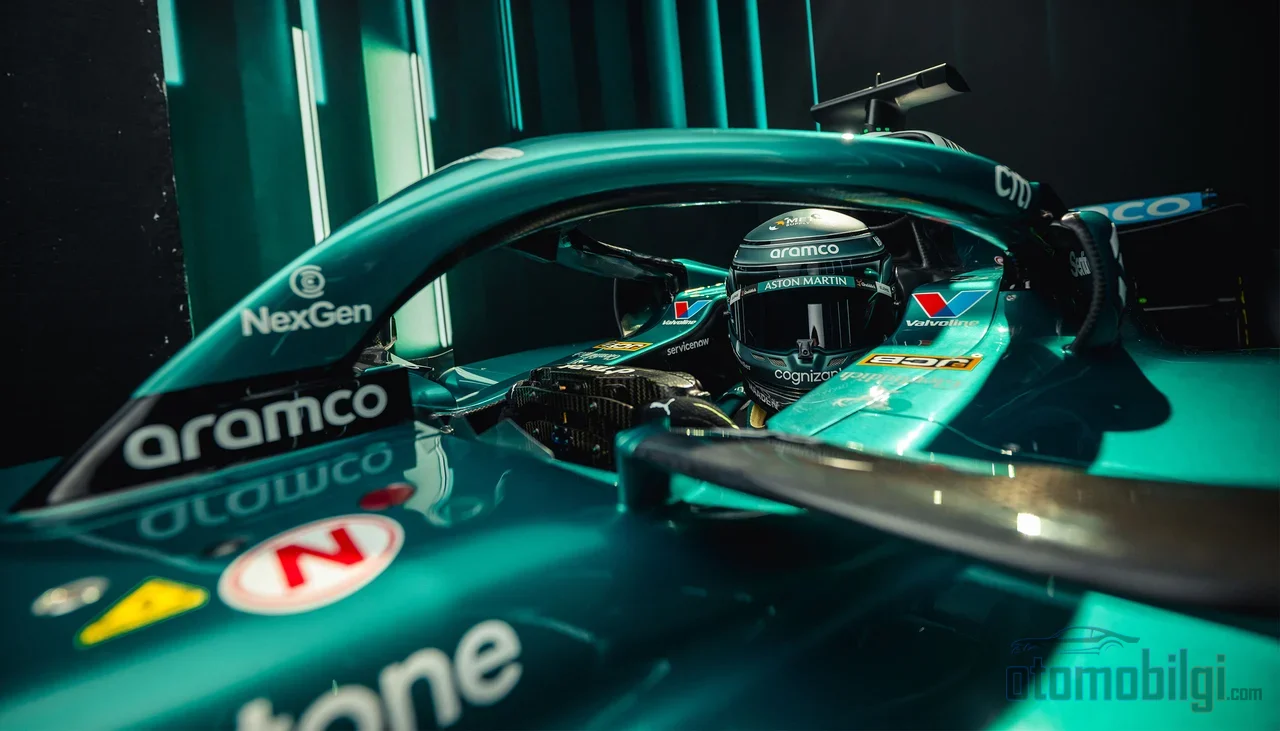
What Happens to IndyCar Drivers' Bodies on the Track?
What happens to IndyCar drivers' bodies on track goes far beyond the fast lap boards you see: up to 5 G of lateral force in corners, cockpit temperatures that can reach 50°C, and fluid loss of up to 3 kilograms in a single race. The body of a driver …
Read More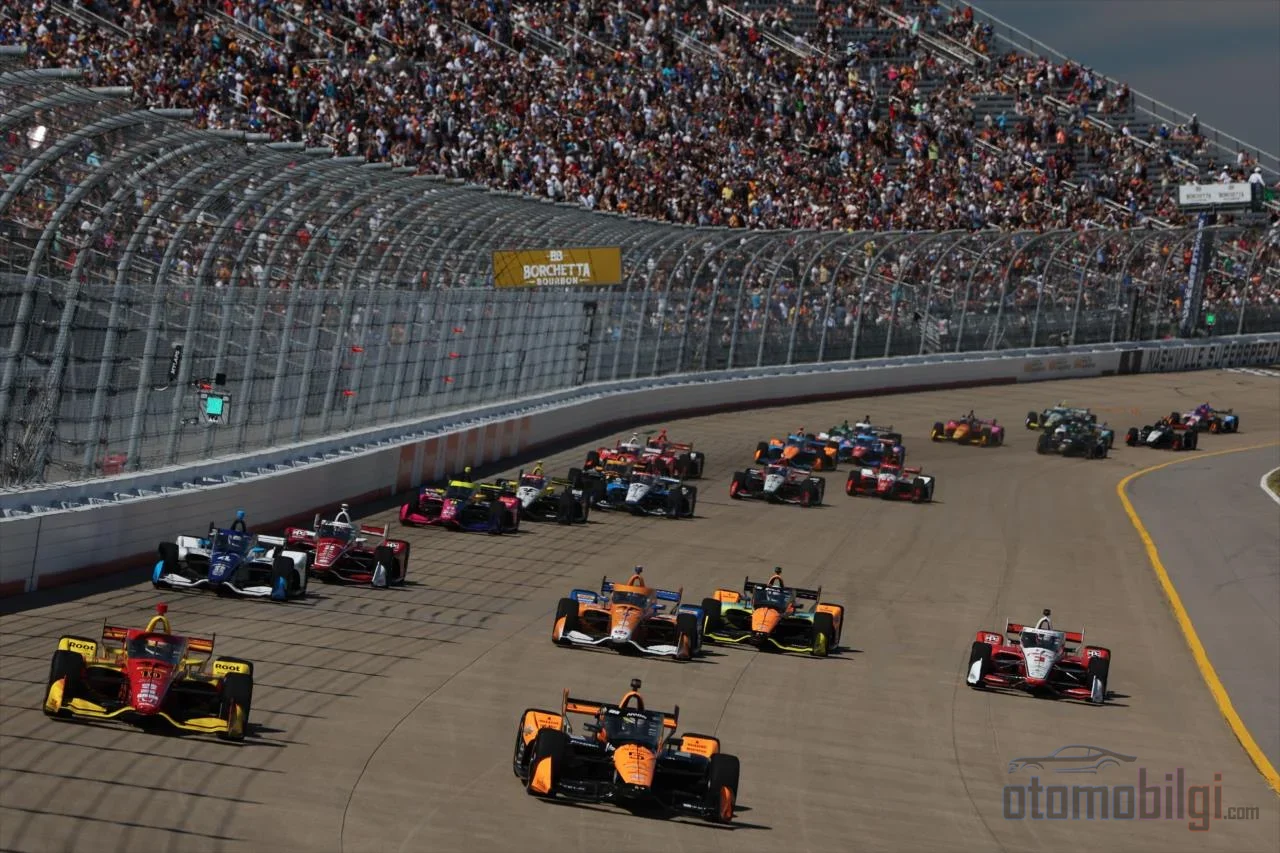
How Does One Become an IndyCar Race Driver?
A driver usually reaches IndyCar by starting in karting and USF Pro Championships climbing the ladder: championships in USF Juniors, USF2000 and USF Pro 2000 earn scholarships, the driver moves up to the final rung, Indy NXT, and if they shine there,…
Read More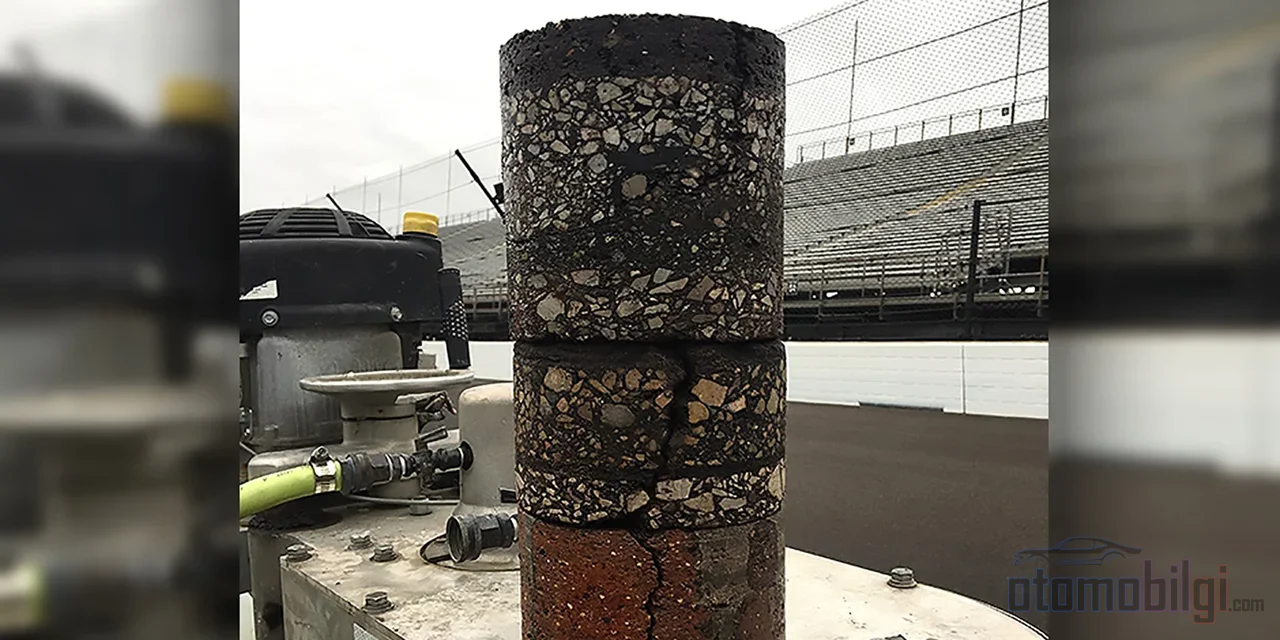
Where Do the Indianapolis 500's Brick Track and Milk Traditions Come From?
The most famous rituals of the Indianapolis 500 - the brick finish line, the winner's milk drinking, the faces engraved on the Borg-Warner Trophy and the legendary start command - come from traditions that have grown intertwined with the track's hist…
Read More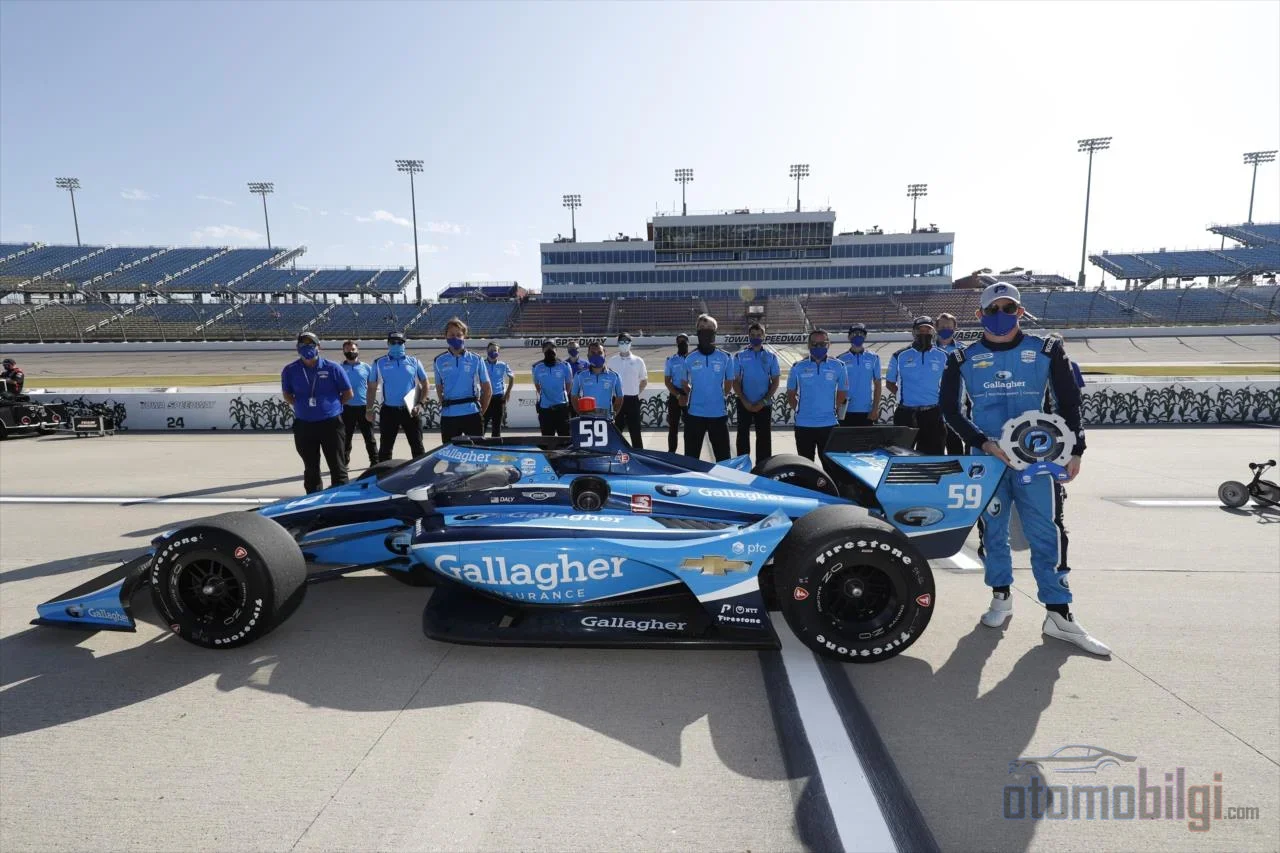
From Penske to Ganassi: The World of the Teams That Run IndyCar
What is it in IndyCar where the cars are nearly identical, yet the work is constantly won by three or four teams? Short answer: the teams themselves. Their engineering staffs, strategy teams, pit crews, and organizational culture elevate the same cha…
Read More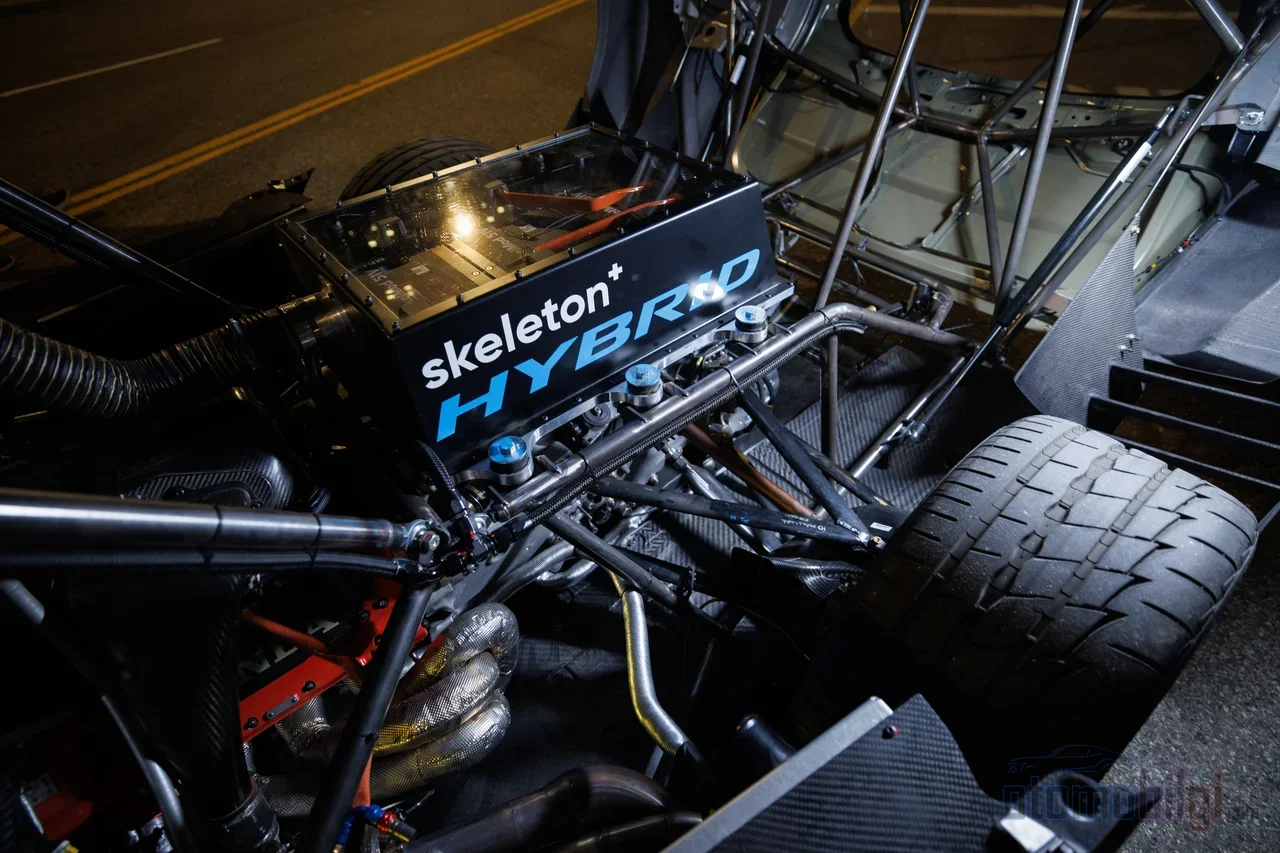
Engine Wars in IndyCar: Honda, Chevrolet and the Hybrid Era
The engine wars in IndyCar tell the story of the years-long manufacturer rivalry between Honda and Chevrolet and how the hybrid era that began in 2024 has changed race strategy: cars running the same chassis battle over power and reliability with dif…
Read More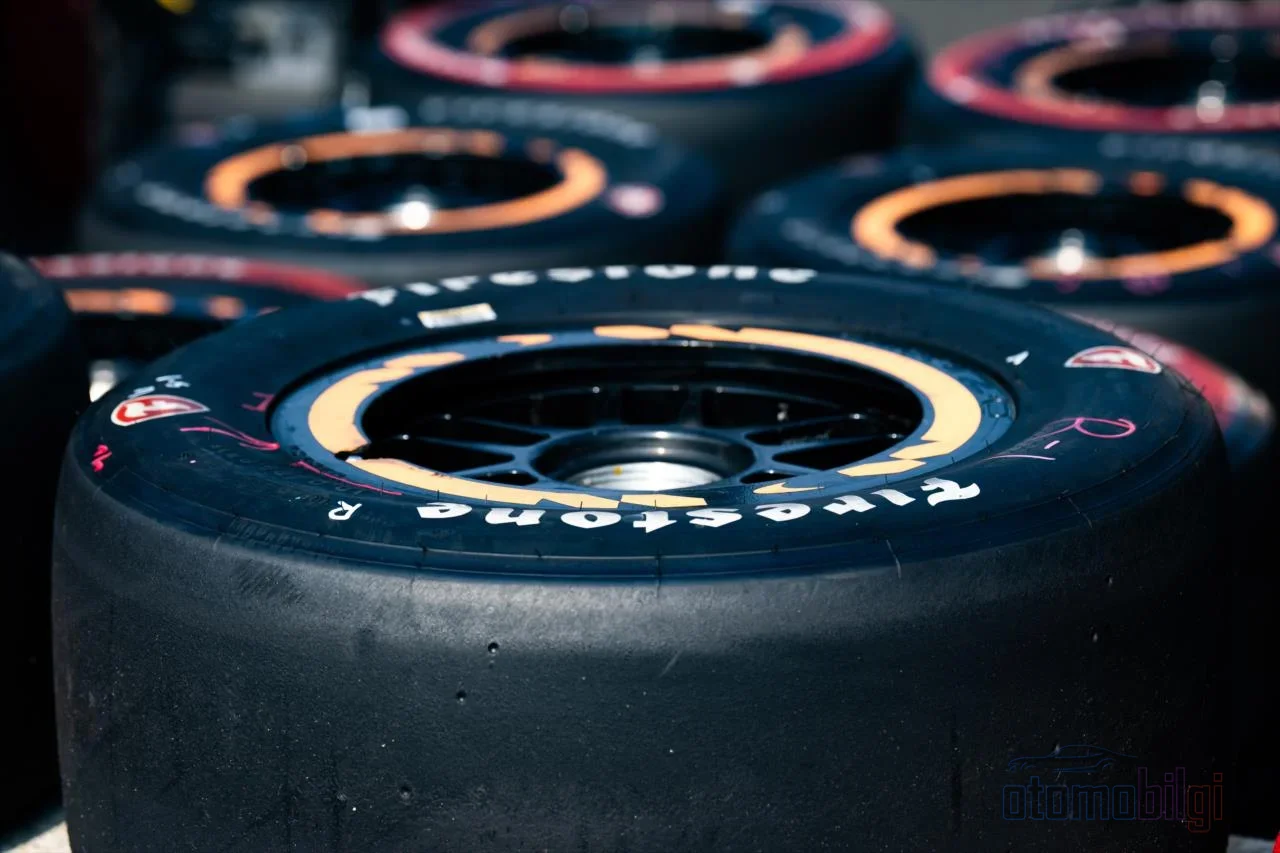
How Do Fuel, Tire and Pit Stop Strategy Work in IndyCar?
In IndyCar, fuel, tires and pit stop strategy are a quiet math exercise that often determines the race result more than the driver's skill: since the fuel tank is limited to 18.5 gallons, no car can finish the race on a single tank, and teams replan …
Read More