World Endurance Championship (WEC)
Share This Page
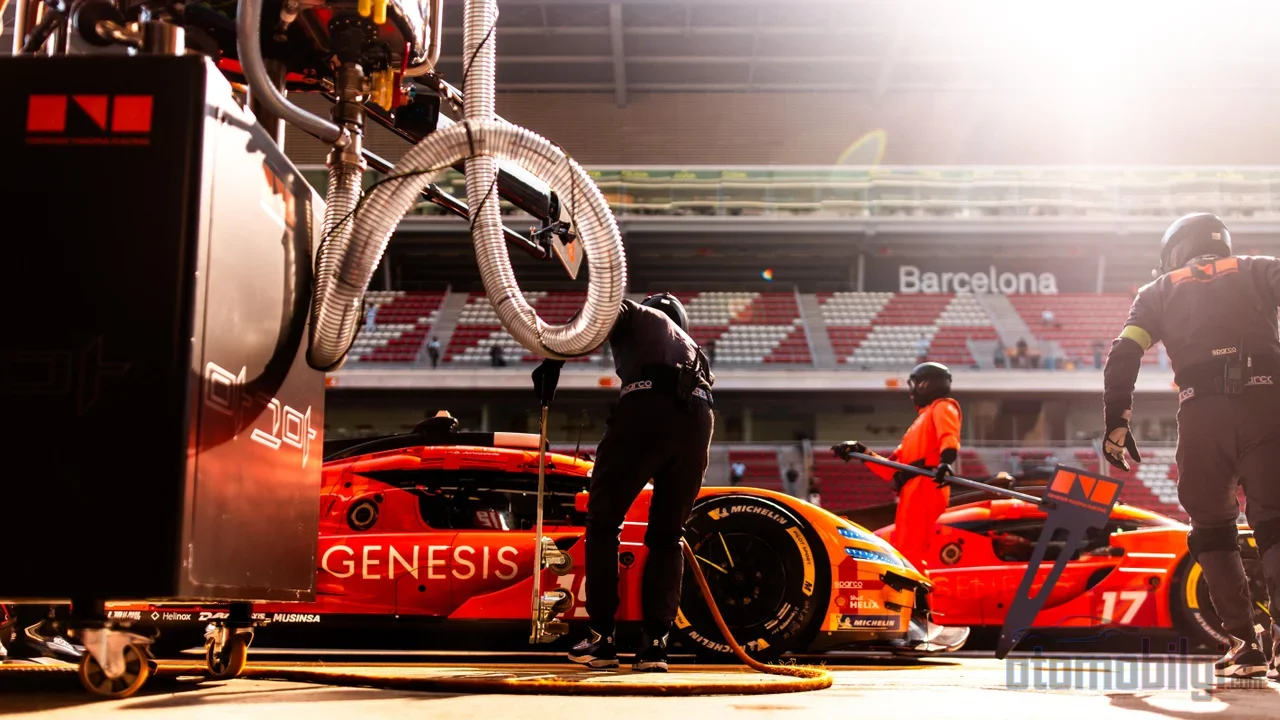
Driver Categories in WEC: Platinum, Gold, Silver, and Bronze
In WEC, the Platinum, Gold, Silver and Bronze categories are a grading system by which the FIA classifies drivers based on age, skill and track experience. These colors determine which driver is allowed to race in which vehicle class: While Bronze is…
Read More
Formula 1 Drivers Who Lost Their Seats Are Moving to WEC
Most star drivers who lost their Formula 1 seat or left of their own accord continue their careers in the WEC, i.e. the World Endurance Championship. The reason is simple: Hypercar cockpits offer top-level competition, a long race rhythm, three-drive…
Read More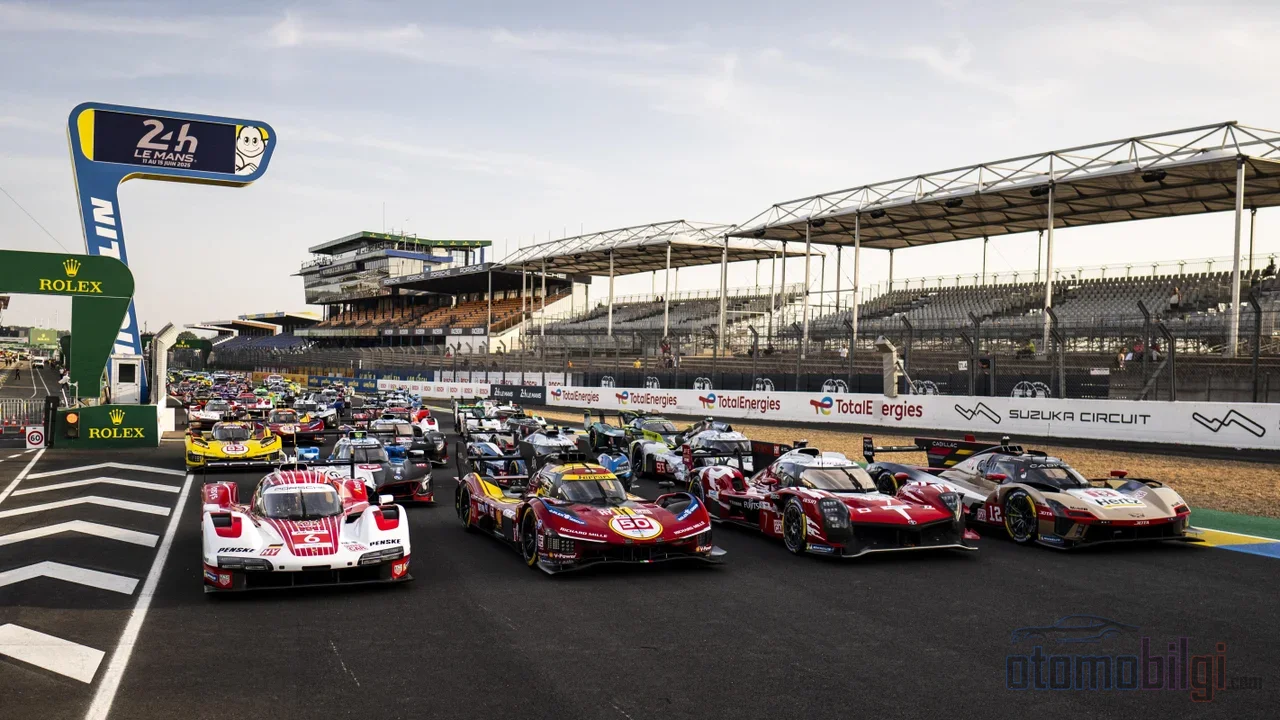
How Does a WEC Season Work? Eight Rounds from Prologue to Finale
A WEC season is not just a single race night: the calendar that starts in Qatar in March travels across five continents before closing in Bahrain in November, managing two classes and five separate championships. In short, the World Endurance Champio…
Read More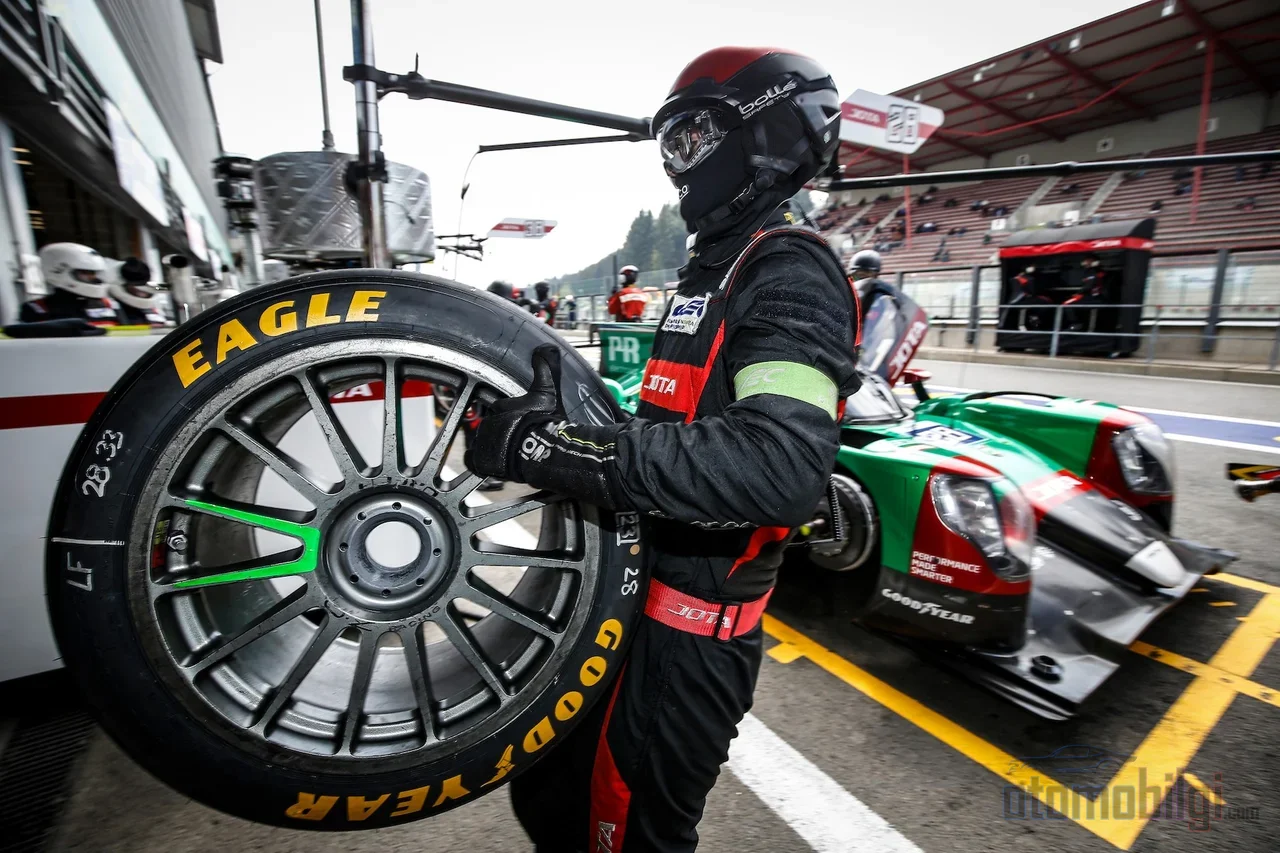
Why Is Tire Management Worth Its Weight in Gold in the WEC?
In WEC, tire management is the heart of the strategy that directly determines the race result: teams reduce pit stops with sets designed not to burn tires quickly but to last as long as possible, extend stints, and thus play to win in 6, 8, 10 or eve…
Read More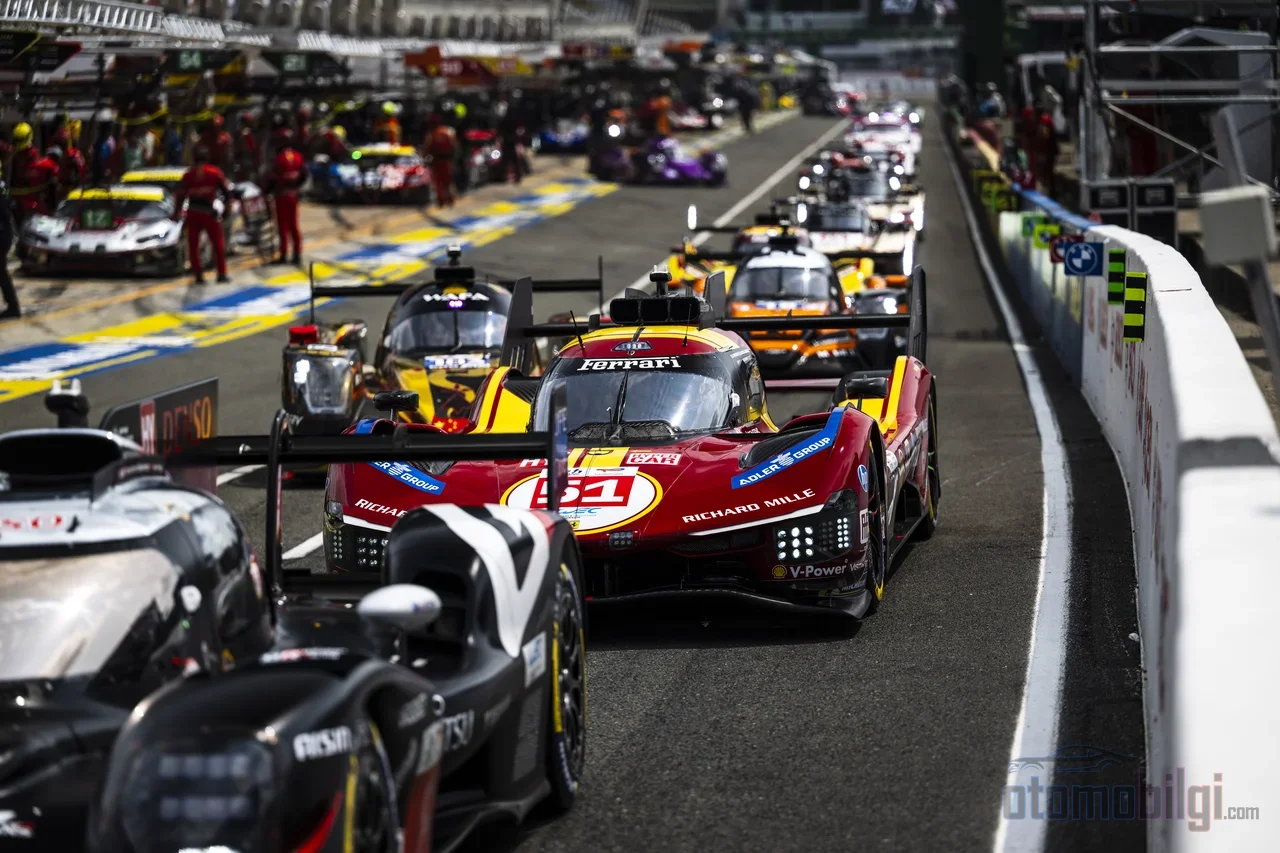
How Does a Race Car Survive 24 Hours in the WEC?
A race car in WEC survives 24 hours with the lifespan of every part, from the power unit to the brakes, calculated from the very start, using components proven through fatigue testing and seasonal parts planning; in other words, what wins is not spee…
Read More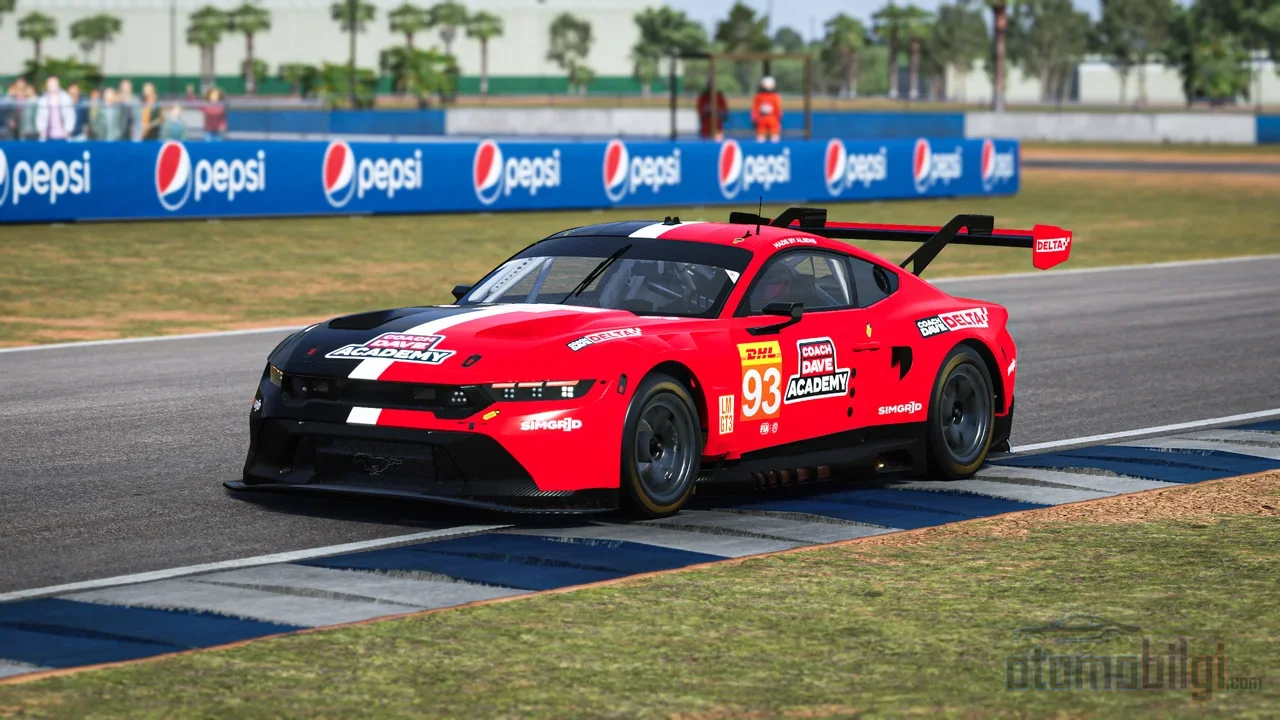
What Is LMGT3 and How Does It Differ from Hypercar?
LMGT3 stands for Le Mans Grand Touring 3 and is the class in which GT racing cars derived from road-going vehicles compete in the FIA World Endurance Championship (WEC). It replaced the former LMGTE in 2024; unlike the one-off prototypes in the Hyper…
Read More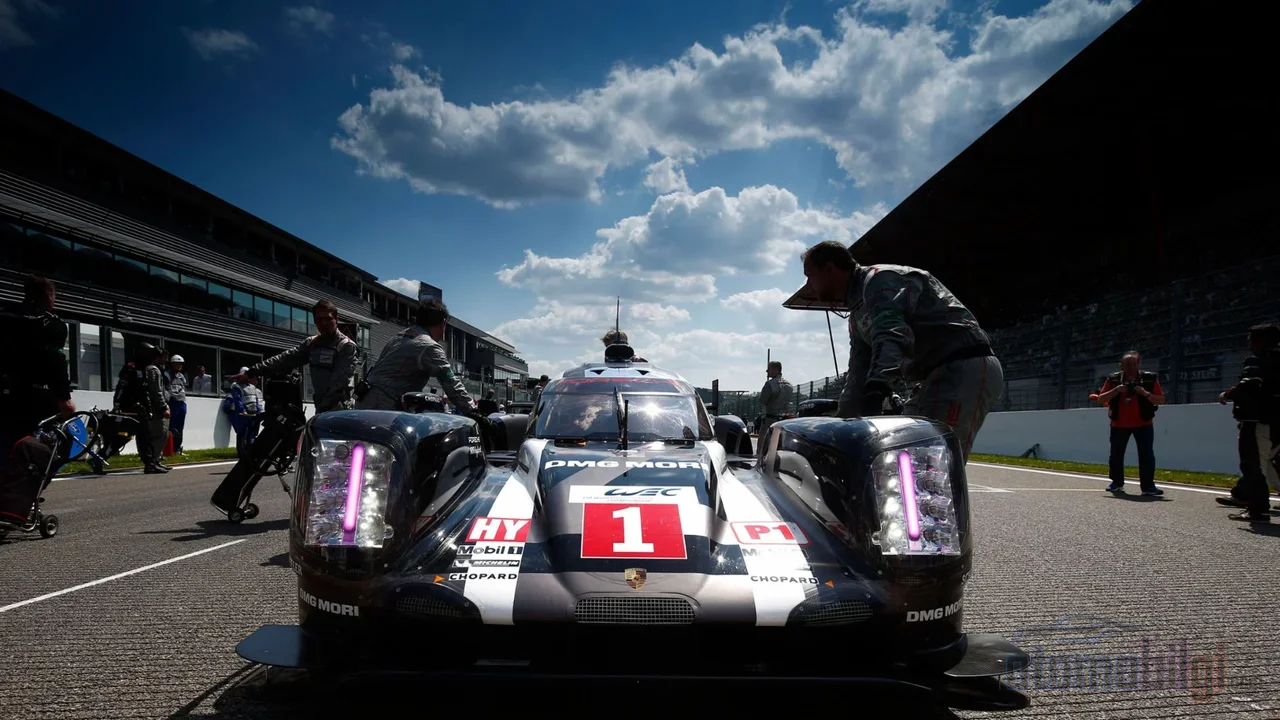
How Do WEC Hypercars Use Hybrid Power?
In WEC Hypercars, the hybrid system consists of electric units that take over part of the power produced by the combustion engine and recover energy during braking. The goal is not to produce more power: since the total output 500 kW (671 hp) is limi…
Read More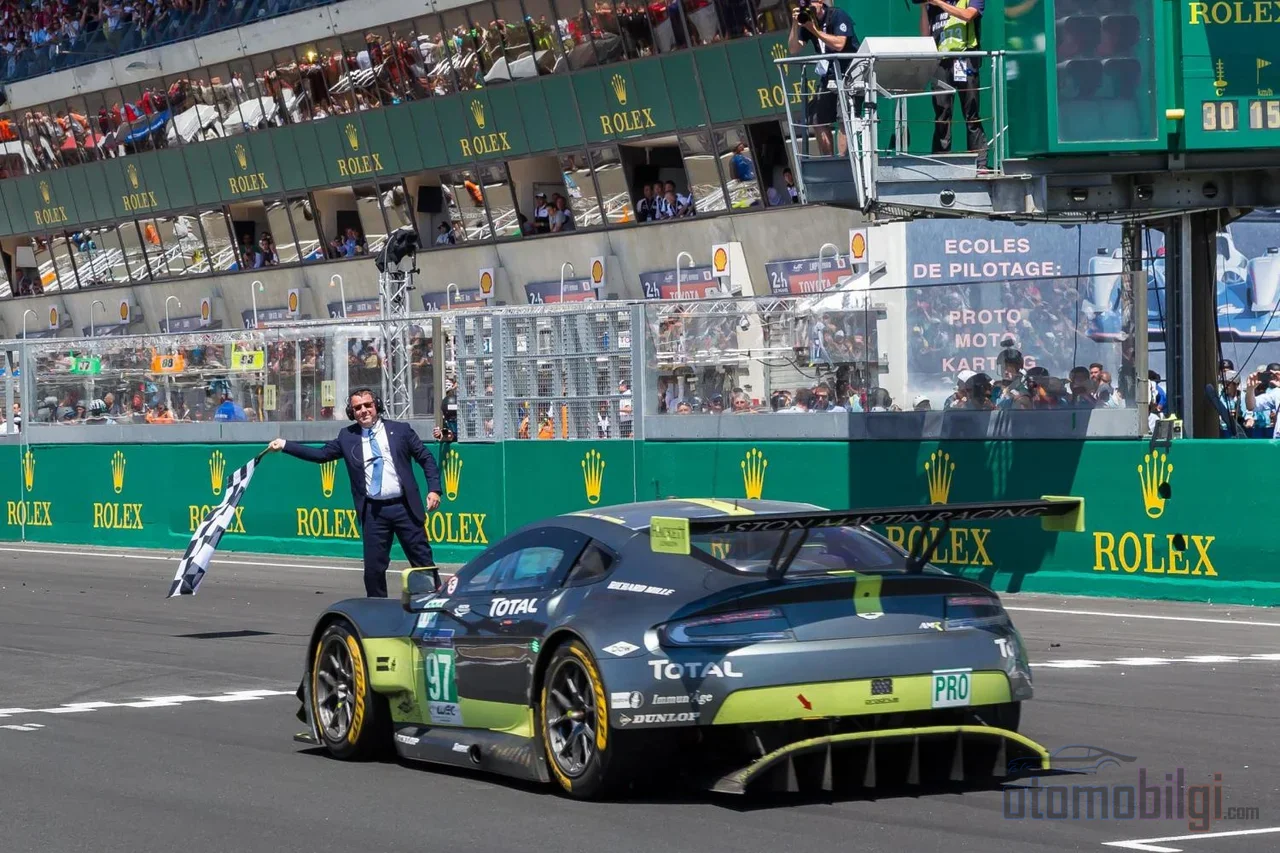
Why Is the 24 Hours of Le Mans in a Separate Universe on the WEC Calendar?
The 24 Hours of Le Mans is a special race on the WEC calendar that awards double the points of other races, rewards the team that covers the longest distance with the car, and can single-handedly turn an entire season's fate around. So how does this …
Read More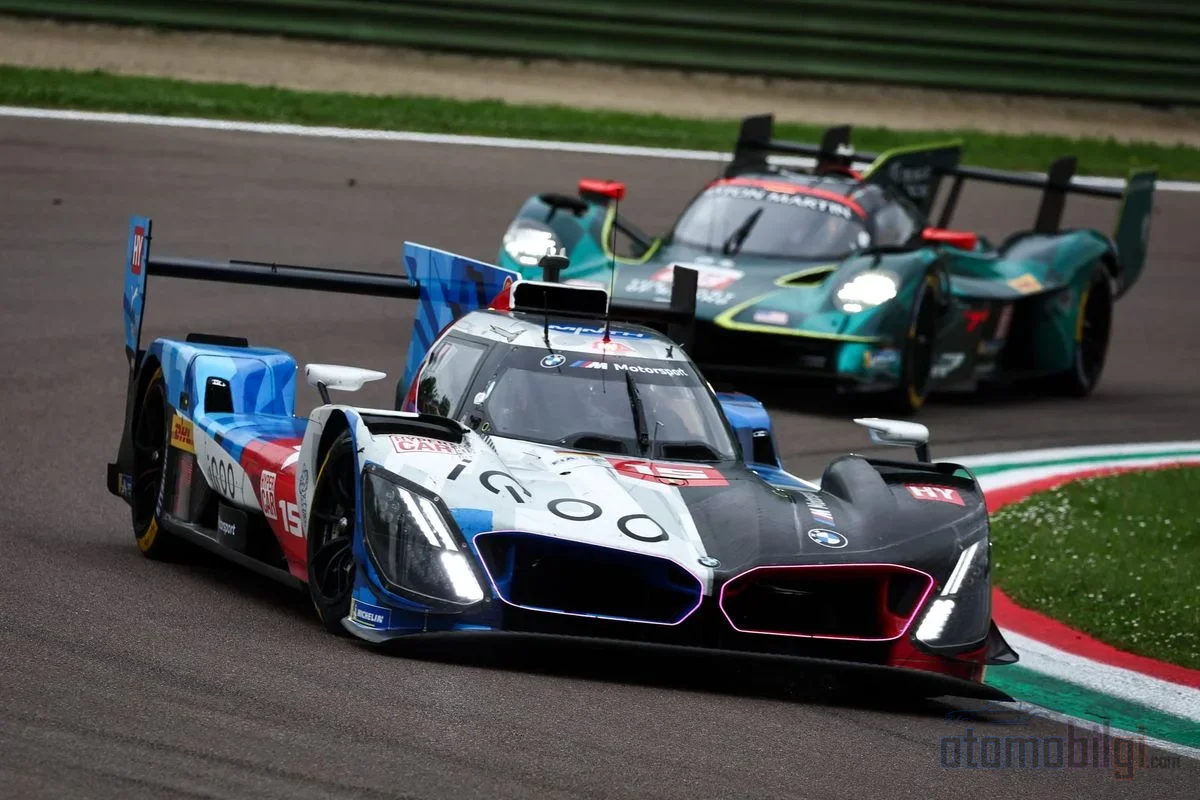
Why Do Three Drivers Take Turns in a WEC Car?
In the Hypercar class in WEC three, in LMGT3 two or three pilots rotate; because no single driver can safely complete races lasting 6 to 24 hours, both physically and mentally. Drivers score points together in the standings, share the car according t…
Read More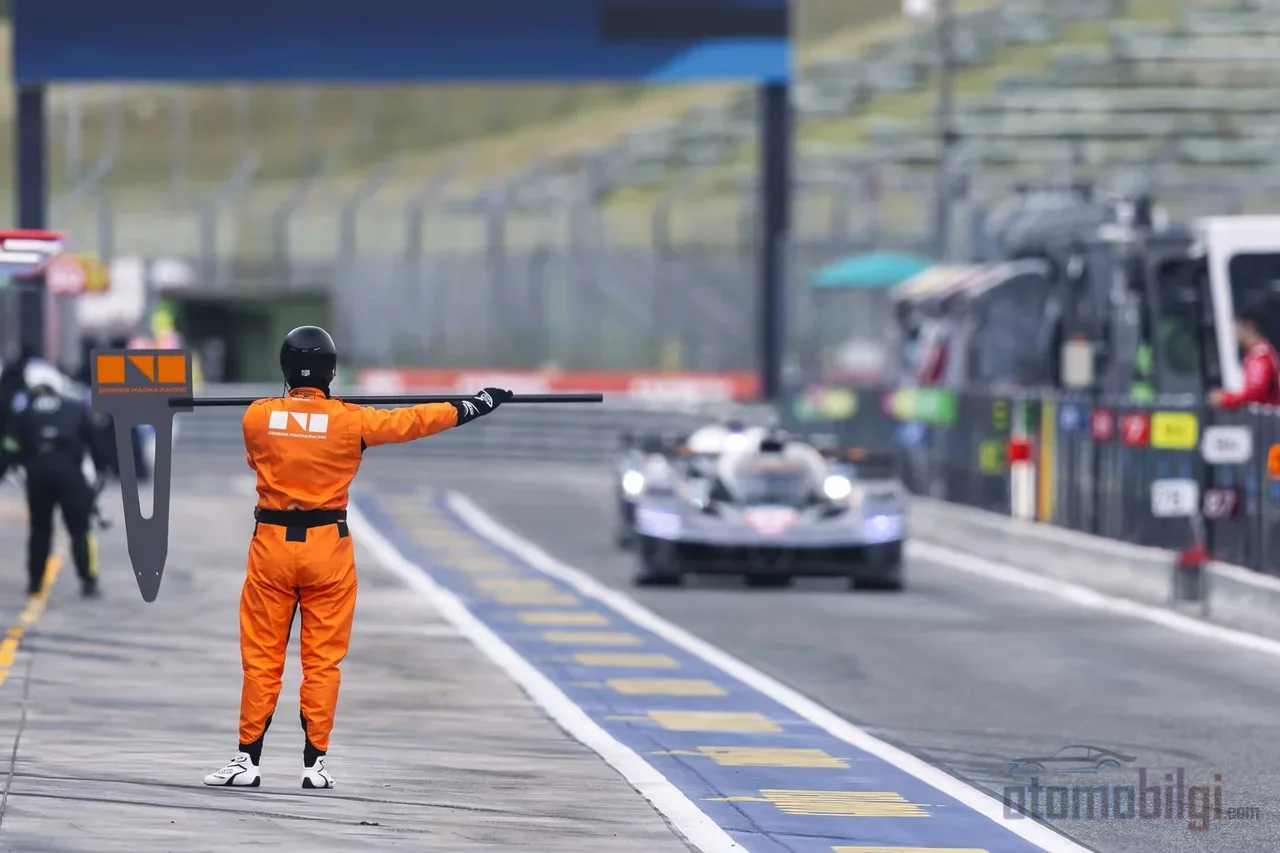
What Happens in 45 Seconds in the WEC Pit Lane?
In the WEC pit lane, during that famous stop, the car takes on fuel, all four tires are changed mechanically, the driver is lifted out of the cockpit and a new one is seated, and all of this is usually completed in under 45 seconds. The only thing th…
Read More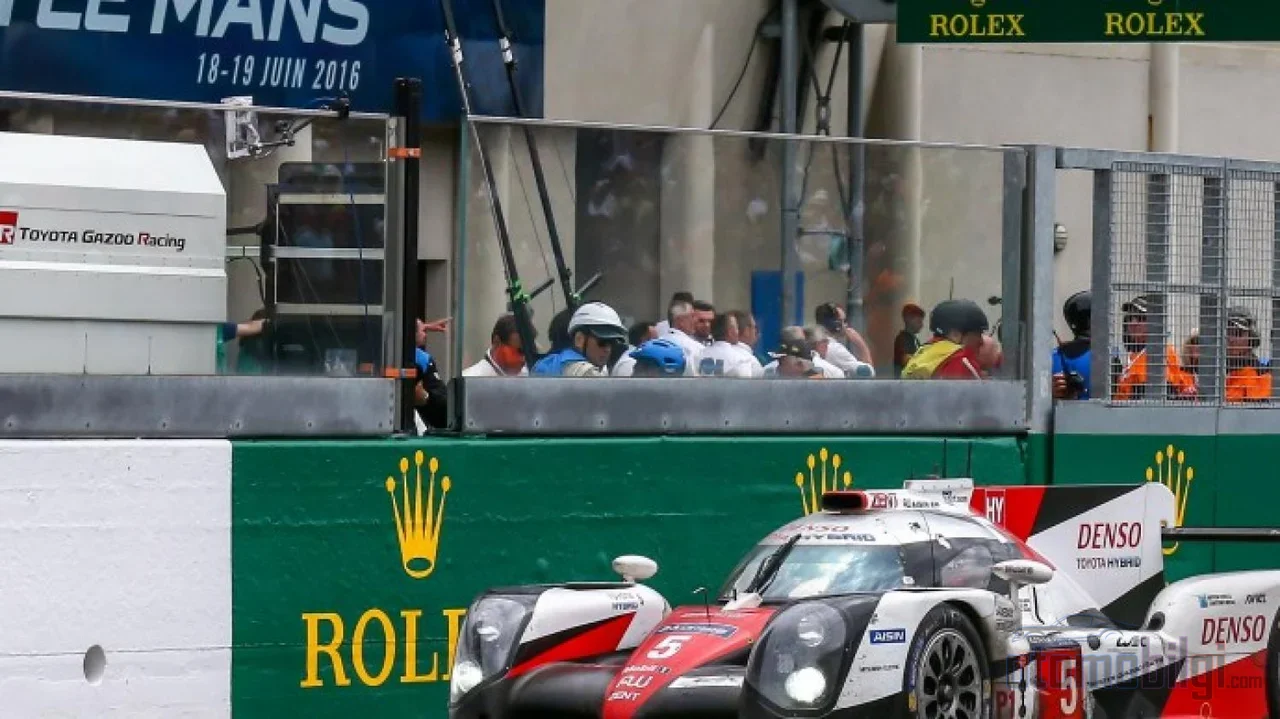
Legendary Seasons in WEC History: Championships Lost at the Finish Line
WEC's legendary seasons are those where the championship slipped away on the final lap, even in the final seconds; or where a breakdown reversed fate in a matter of minutes. Races in the World Endurance Championship last for hours, but history is usu…
Read More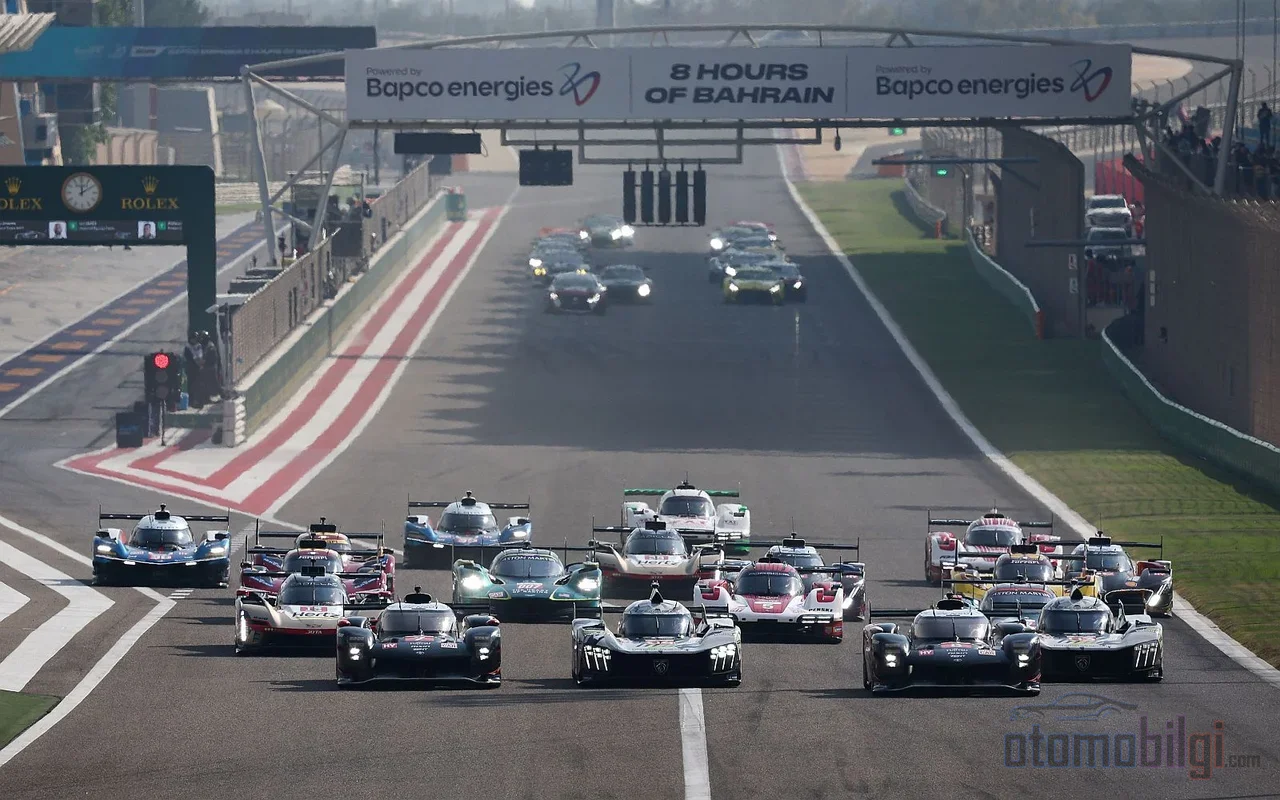
Night Shifts and Fuel Savings: How Victory Is Planned in WEC?
In the WEC, victory goes not to the fastest car but to the best-managed one: the outcome of the race is determined by driver stints, fuel saving, tire life, pit stop timing, and the risks taken during the night hours. In short, in endurance racing, t…
Read More