24 Hours of Le Mans
Share This Page
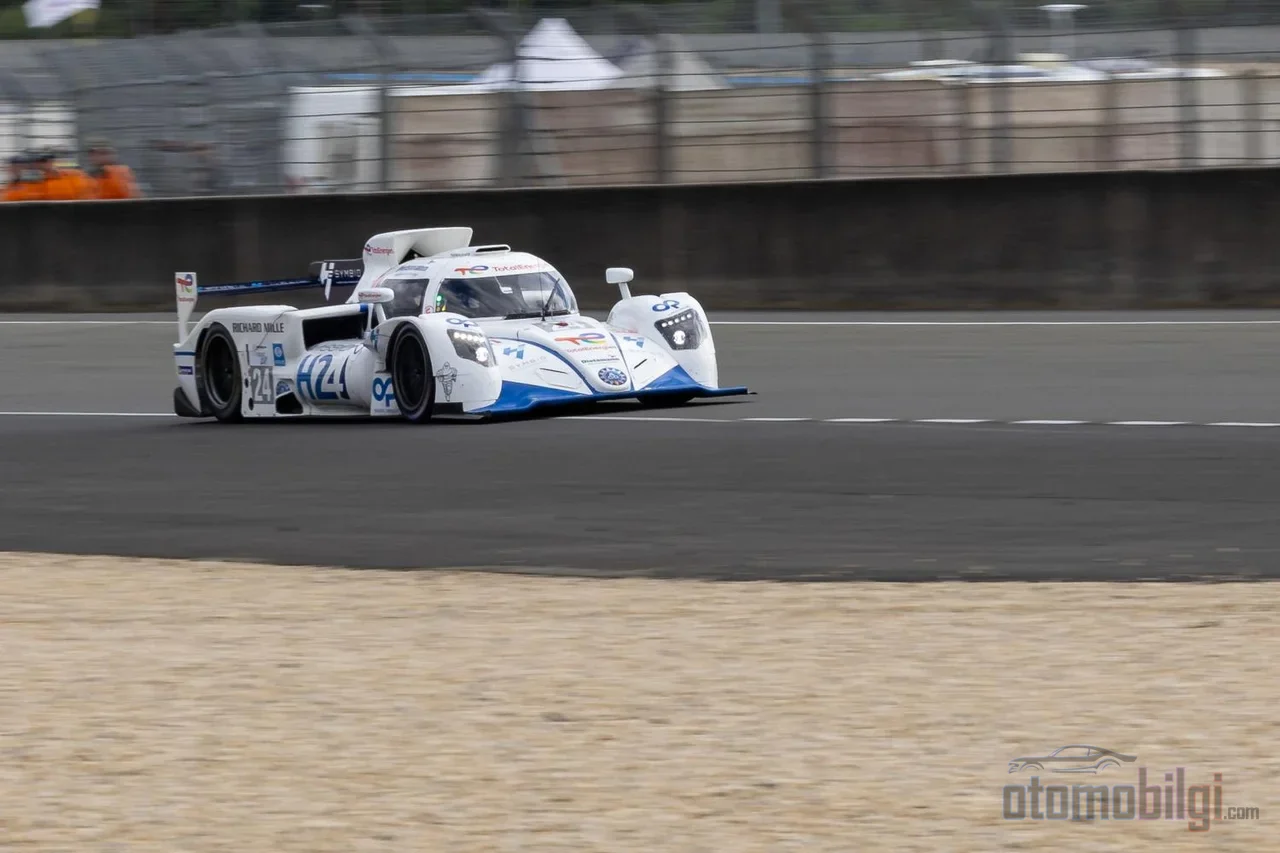
How Many Liters of Fuel Does It Take to Win Le Mans?
As a rule, a car at Le Mans burns thousands of liters of fuel over 24 hours: since the distance exceeds 5,000 kilometers, total consumption per vehicle has repeatedly exceeded 2,000 liters throughout the race's history. Moreover, fuel here is not jus…
Read More
McLaren F1 GTR: How It Became the Road Car That Won Le Mans?
The McLaren F1 GTR won the 1995 24 Hours of Le Mans, leaving the factory prototypes behind - and it did so with a machine that still carried road car DNA under its hood. So how did a road car win the world's toughest endurance race? The answer lies i…
Read More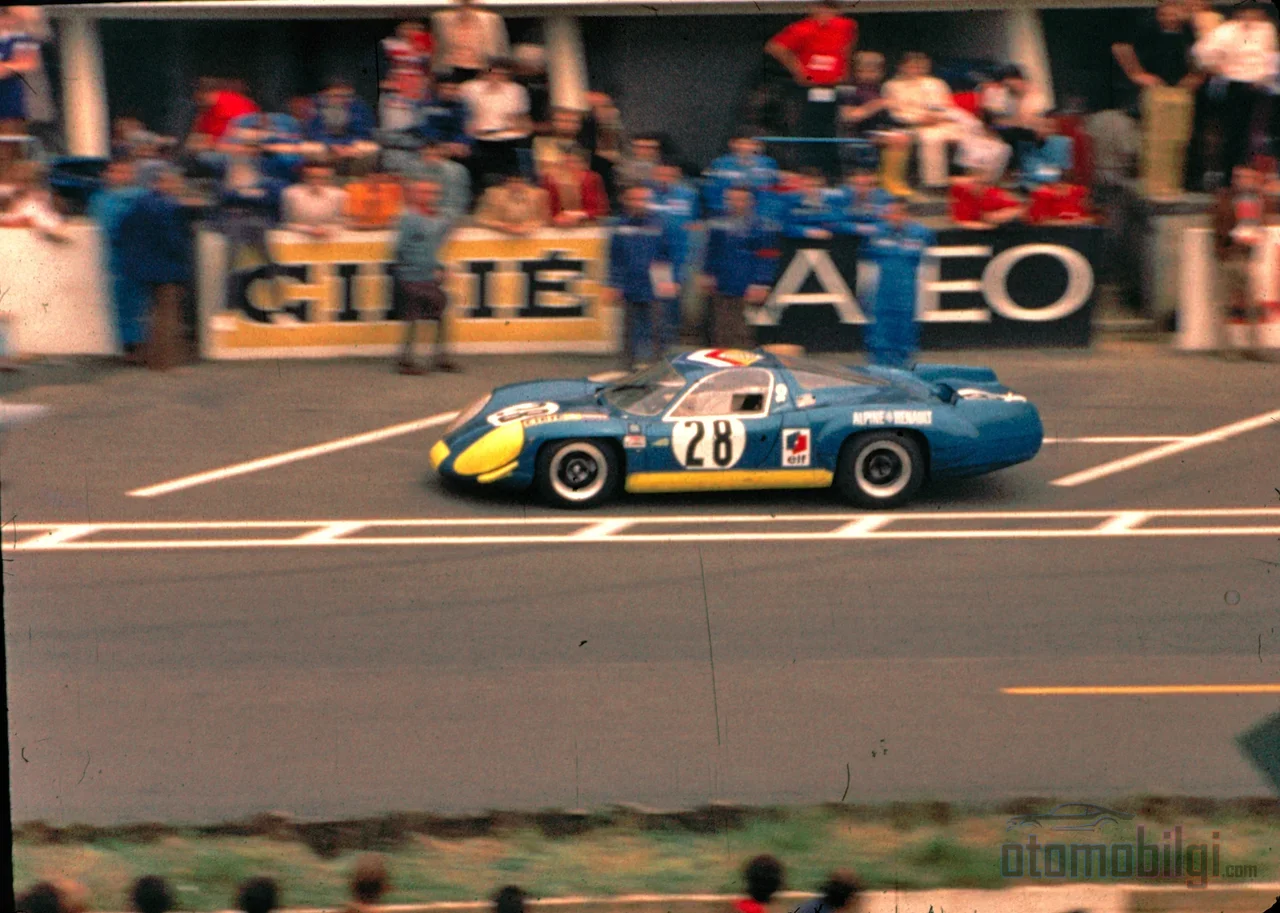
How Did the Closest Finish in Le Mans History Unfold in 1969?
The 1969 24 Hours of Le Mans witnessed the closest finish in race history: Jacky Ickx and Hans Herrmann entered the final corner on the last lap separated by only about 120 meters, and the victory went to the Gulf-liveried Ford GT40. But what truly m…
Read More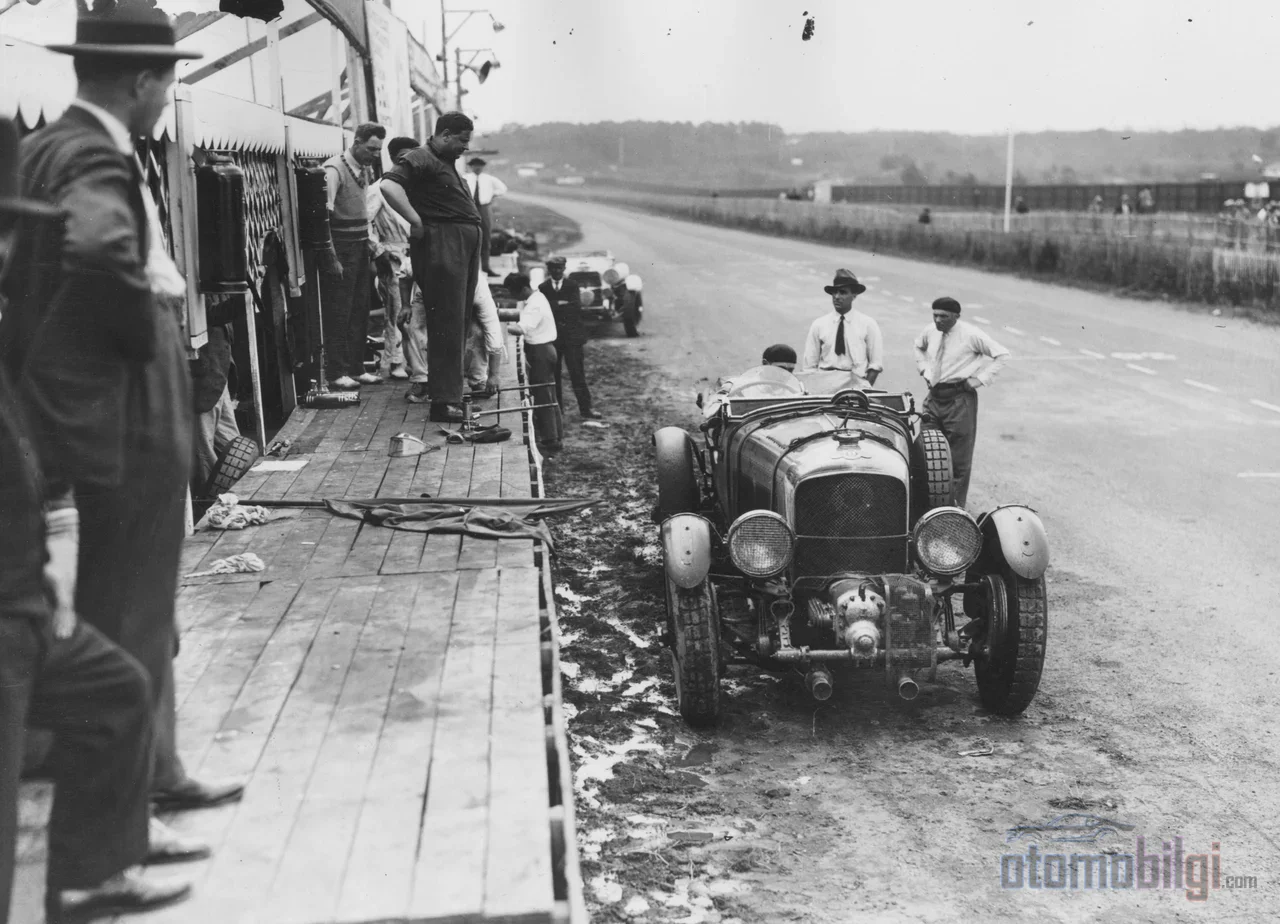
The Story of Bentley's Stamp on Le Mans in the 1920s
We all know the Ford-Ferrari feud and the Audi dominance by heart; but how many of us remember Le Mans' first dynasty? In the 1920s, Bentley won the 24 Hours of Le Mans five times in eight years, becoming the brand that gave birth to the race's comme…
Read More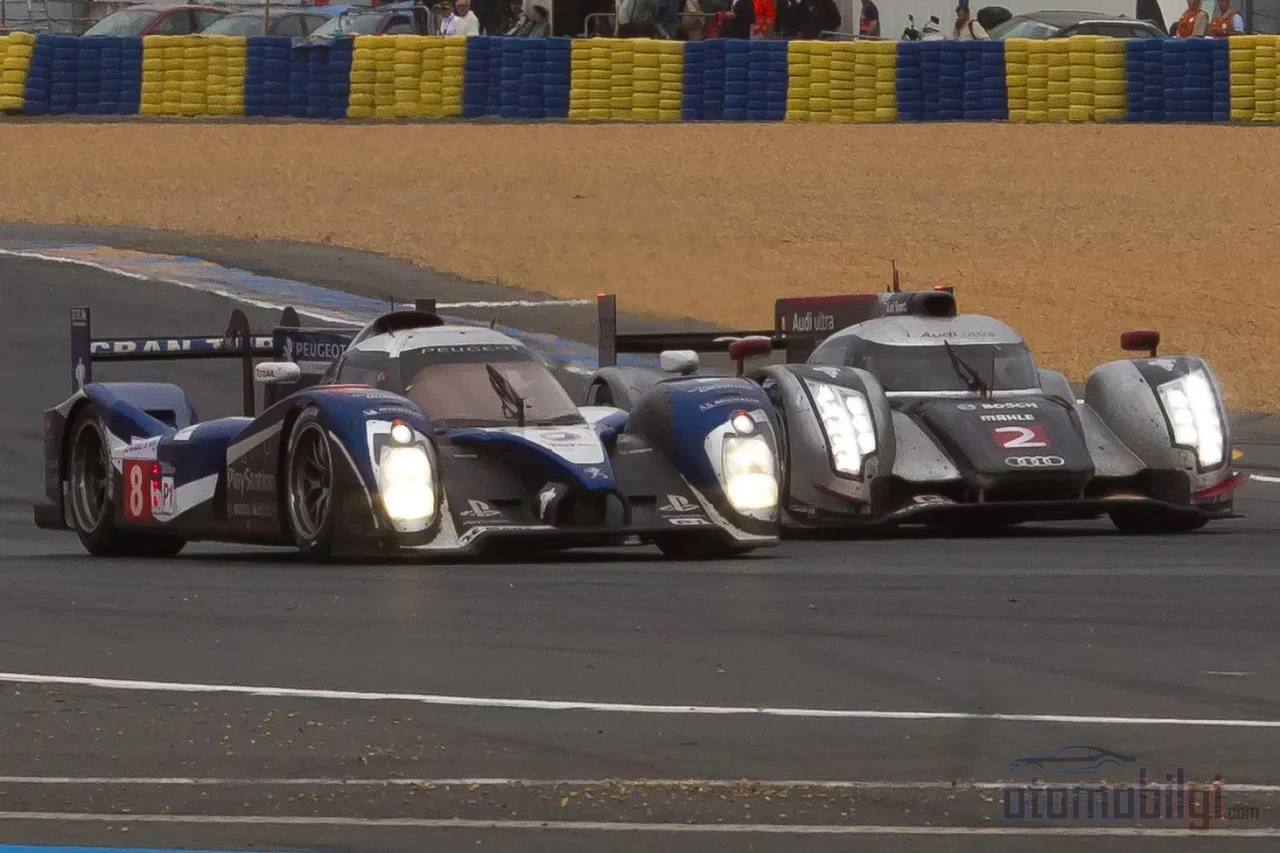
The Diesel Era of Le Mans: Peugeot Against Audi
The battle that dominated the 24 Hours of Le Mans between 2006 and 2011 is the story of the diesel revolution Audi started with the R10 TDI and Peugeot's response with the 908 HDi FAP : Peugeot, stronger on paper, was always one step behind Audi's fu…
Read More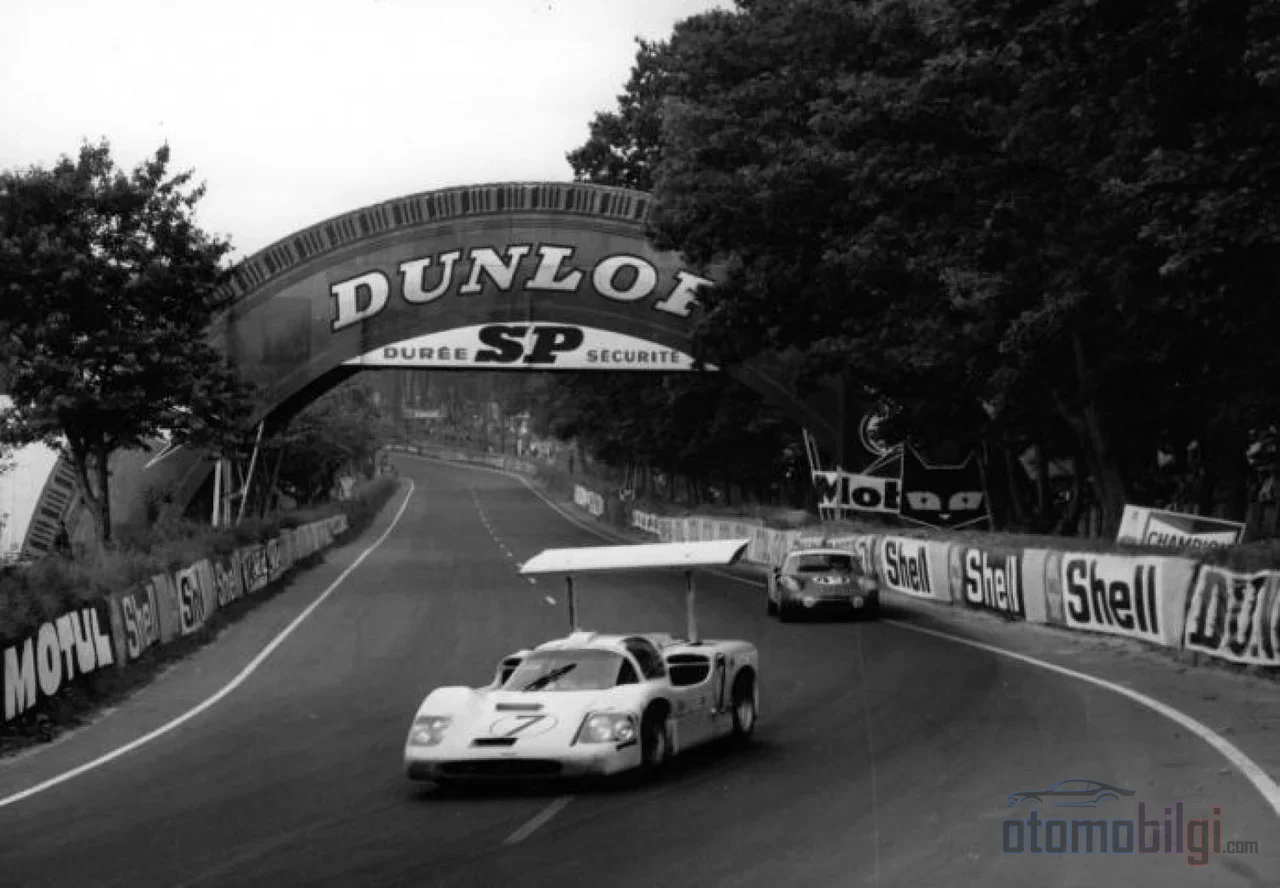
Why Is Aerodynamics More Important Than Speed at Le Mans?
Aerodynamics matters more than top speed at Le Mans because the track, with straight-line speeds exceeding 322 km/h, demands from a car that must shuttle between tight corners a single balance achieving both: minimizing drag on the straights while pr…
Read More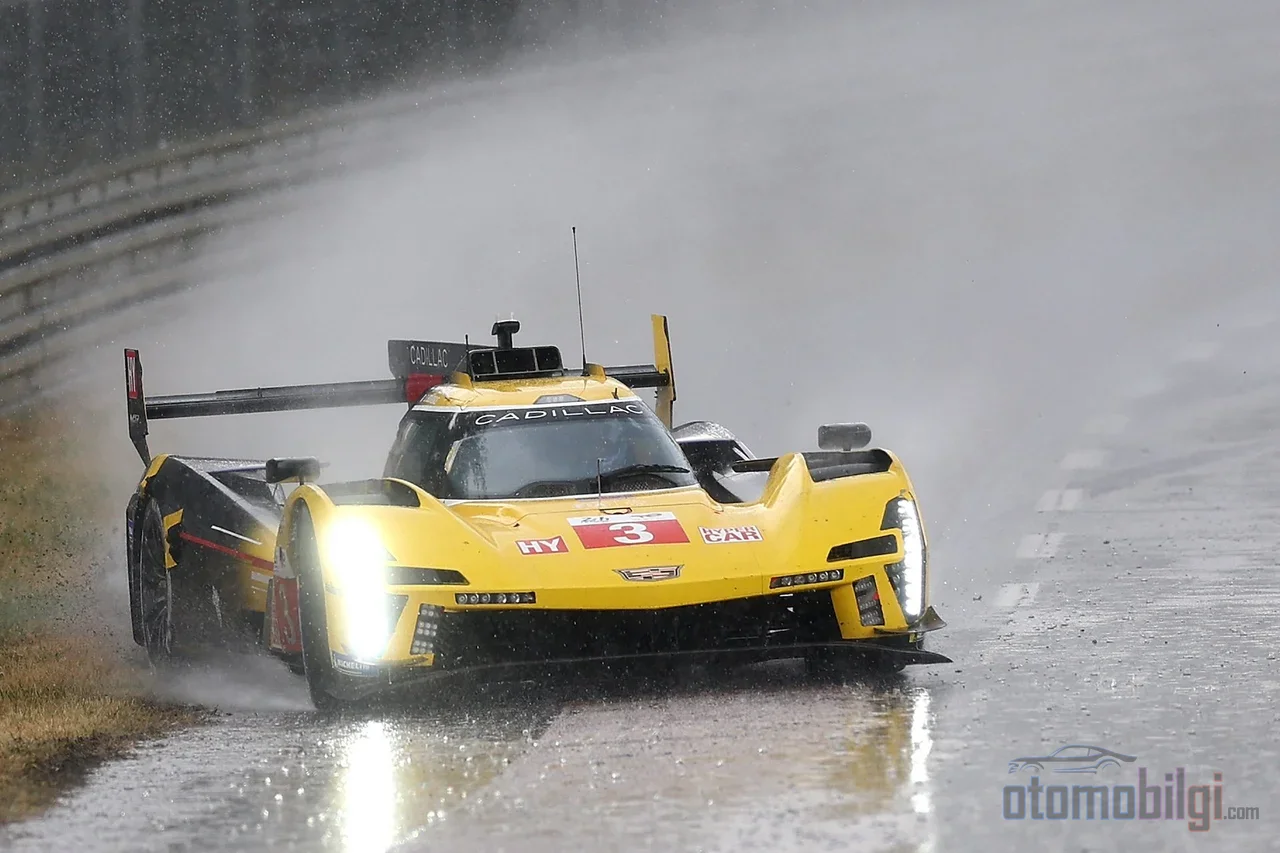
How Weather Can Win and Lose Races at Le Mans
At the 24 Hours of Le Mans, the weather is a silent opponent that can beat even the fastest car on the track; rain, temperature and puddles have directly determined race results since 1923. So how does a raindrop turn an endurance race on its head? H…
Read More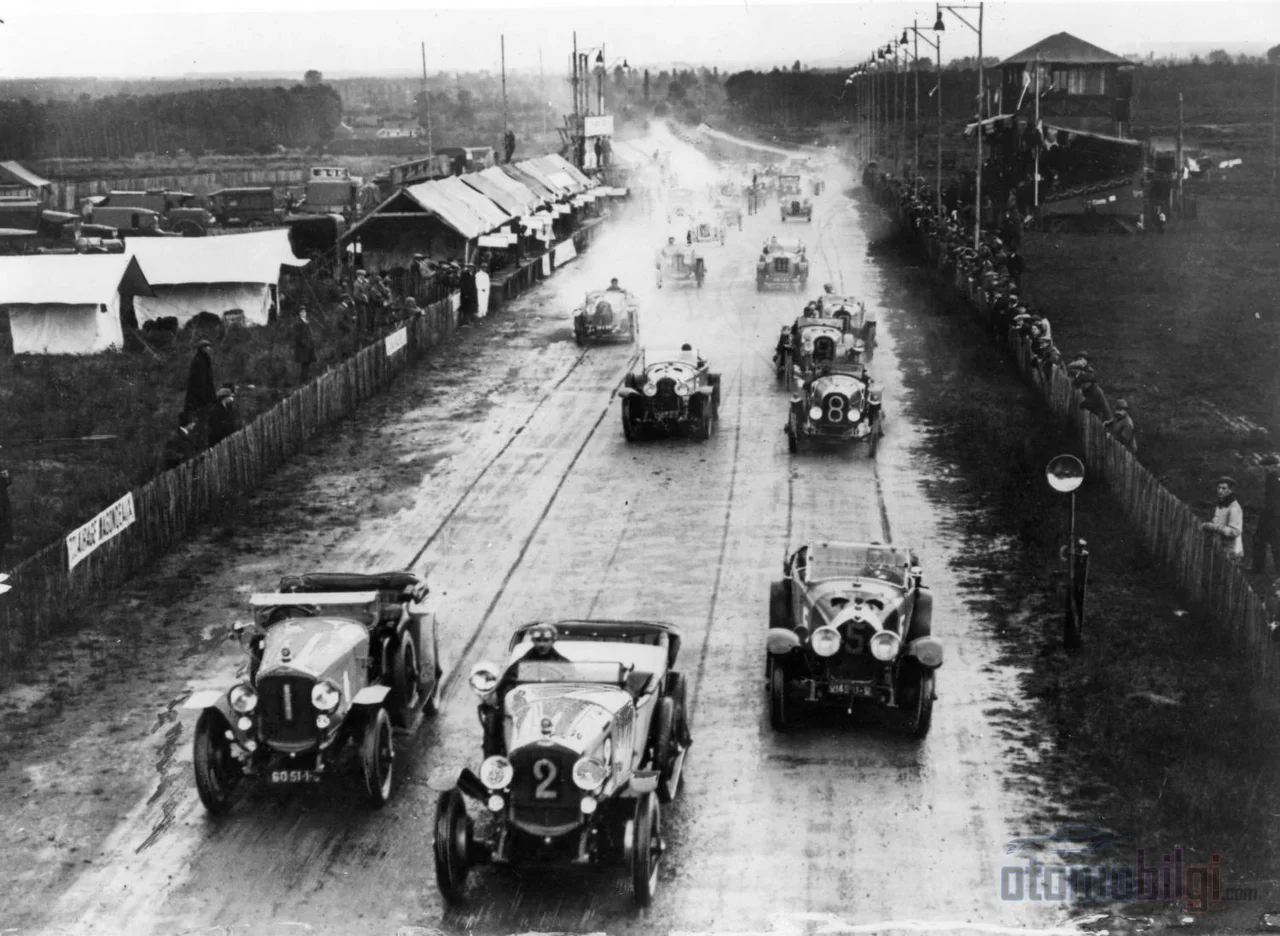
How Le Mans Began in 1923 and Why 24 Hours?
The 24 Hours of Le Mans, first run on 26-27 May 1923 by the Automobile Club de l'Ouest near the city of Le Mans in France and still held today, is the world's oldest endurance race. The reason the race lasts 24 hours was that, unlike the Grand Prix, …
Read More
Women Drivers at Le Mans: The Road to the Podium
More than 60 women drivers have taken the start at the 24 Hours of Le Mans since 1923; no overall victory yet, but 10 class wins and two all-female team victories have been written into history. So why is the story of women in this legendary enduranc…
Read More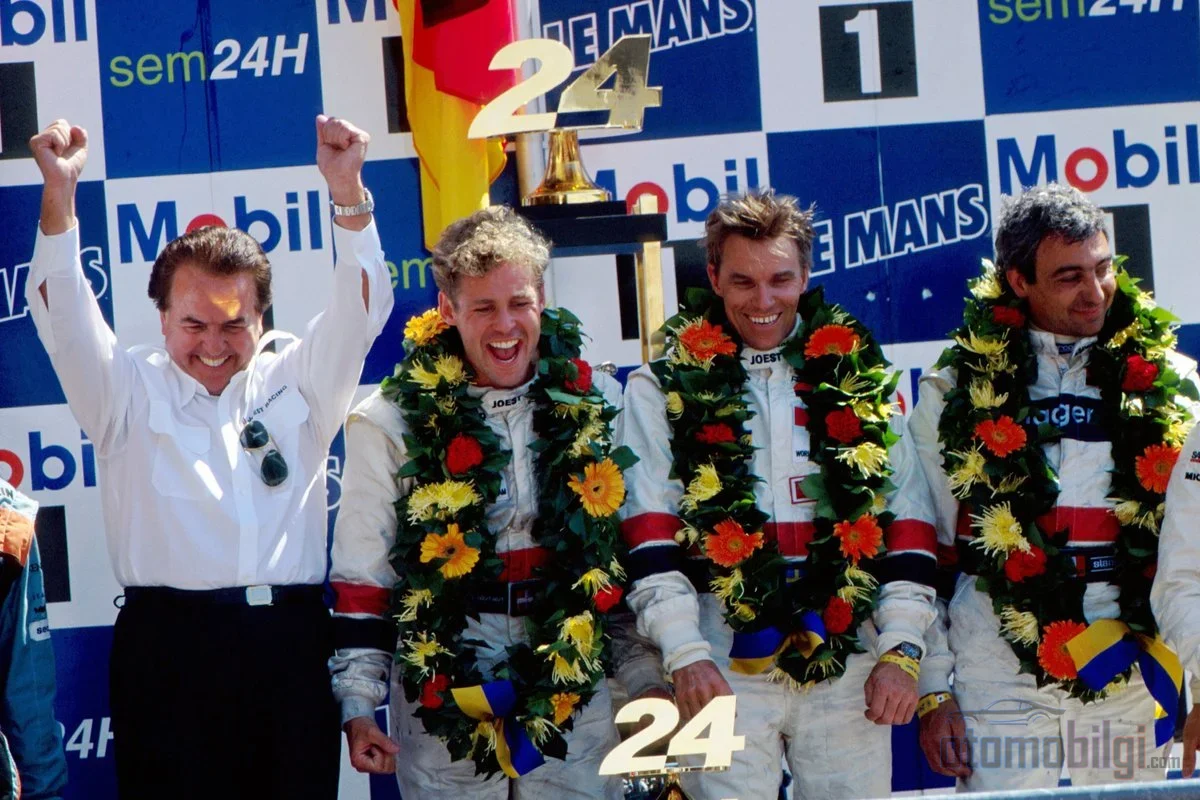
Can Private Teams Win Le Mans? The Battle Against Factory Teams
Yes, private teams can win Le Mans, and they have won it many times throughout history: the list runs from Ecurie Ecosse in 1957 and Joest in 1985 and 1997 to AF Corse in 2025 in the Hypercar era, and it includes very special teams that won the overa…
Read More
The Class System at Le Mans: Why Is Every Car on the Track Racing Differently?
The craziest detail that sets the 24 Hours of Le Mans apart from other races is this: three different classes of cars race on track at the same time, and each class has its own winner. So there isn't just one championship trophy; each of the Hypercar…
Read More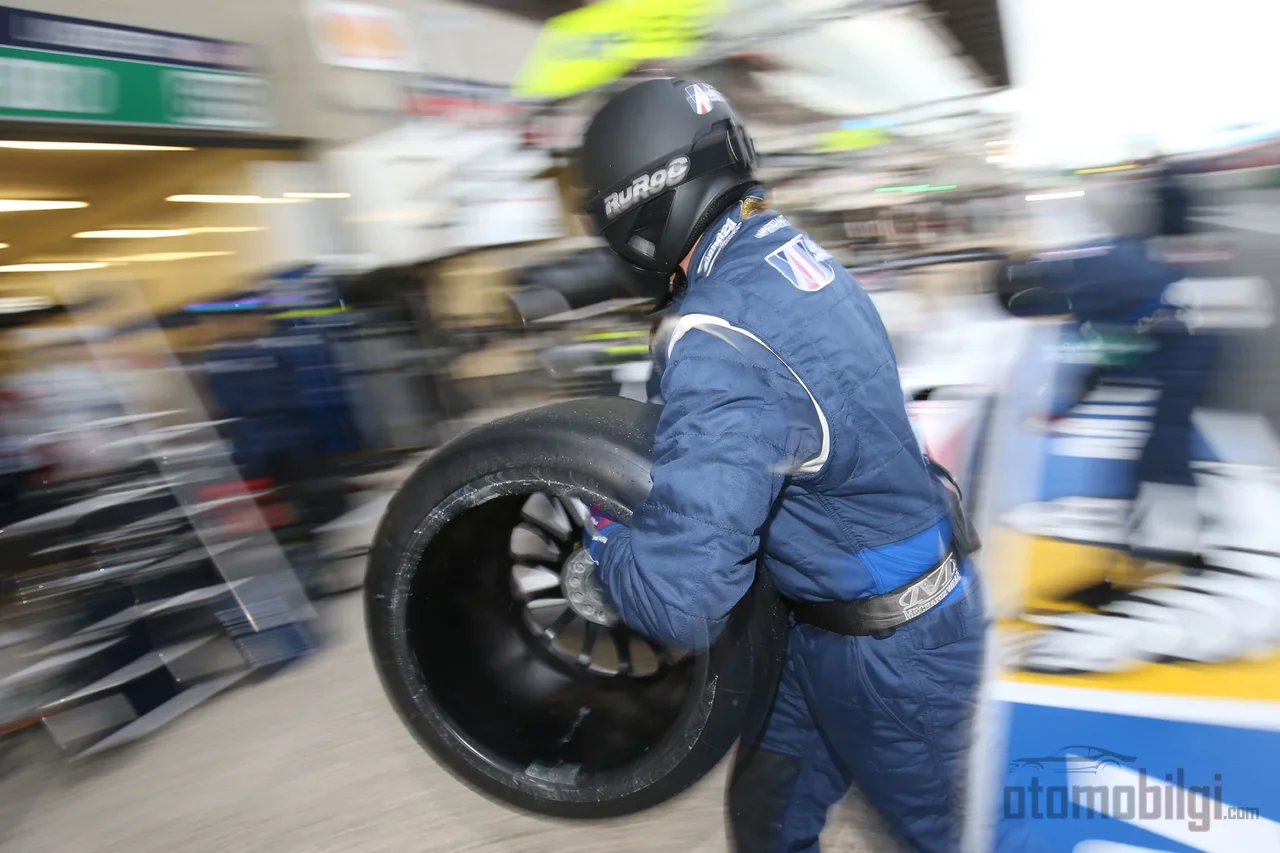
How Do Tires Last 24 Hours at Le Mans?
Tires at Le Mans last 24 hours because teams manage the tire not on its own, but embedded within the fuel cycle, pit strategy and weather conditions: going two or three stints on the same set with the right compound means every unnecessary pit stop i…
Read More