Maintenance and Use
Share This Page
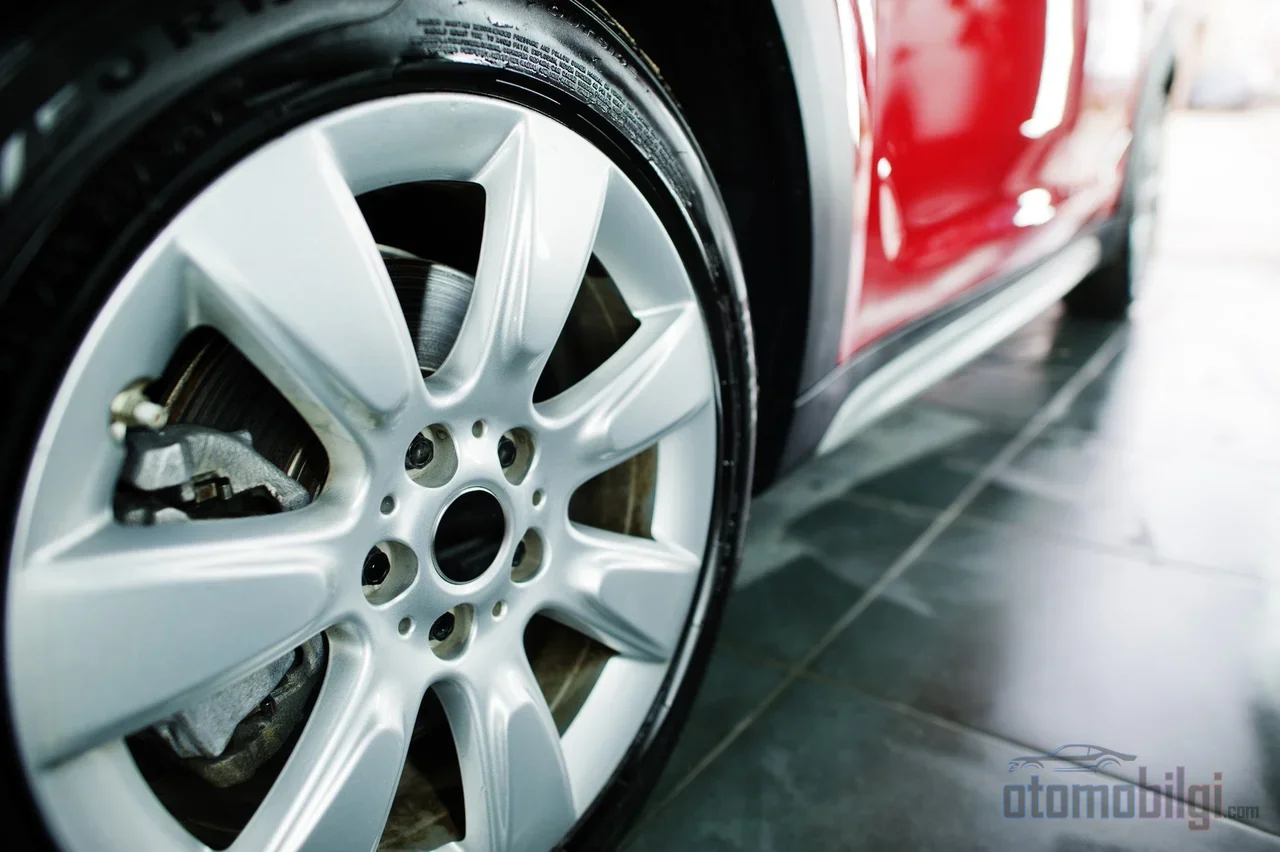
Driving Habits That Increase Fuel Consumption
Driving habits that increase fuel consumption usually stem not from a malfunction, but from everyday behaviors: Sudden acceleration and hard braking can reduce fuel economy by 15-30% on the highway and 10-40% in stop-and-go traffic. Extended idling, …
Read More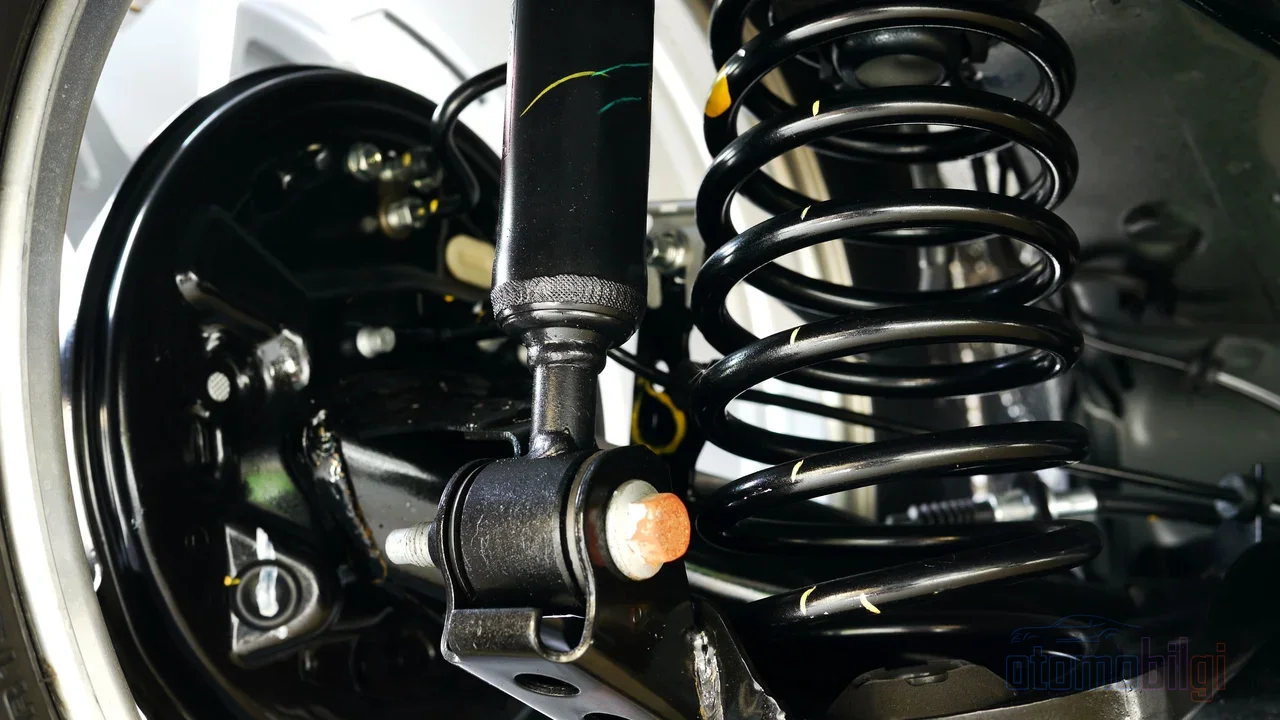
How Does a Car Behave When Its Shock Absorbers Fail?
When shock absorbers wear out, the car can no longer settle over bumps on the road; it keeps bouncing after a bump, the front end dives uncontrollably to the ground under braking, the car sways in corners and the tires lose contact with the road. Sin…
Read More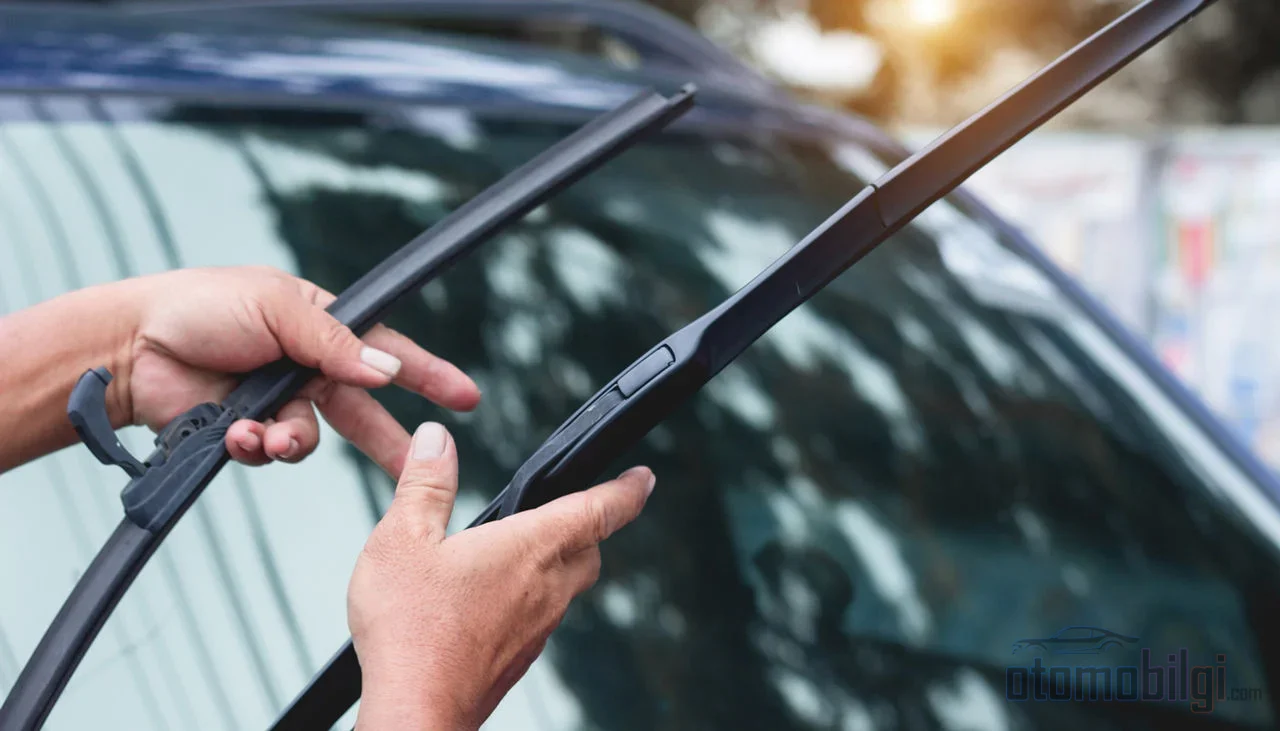
When Should the Wiper System Be Replaced? Streaking, Smearing, and Visibility Issues
The wiper set should generally be replaced every 6 to 12 months, or when wiping performance deteriorates; signs such as scratching, streaking, smearing, and noise are the clearest indications that the blade can no longer do its job. The main factors …
Read More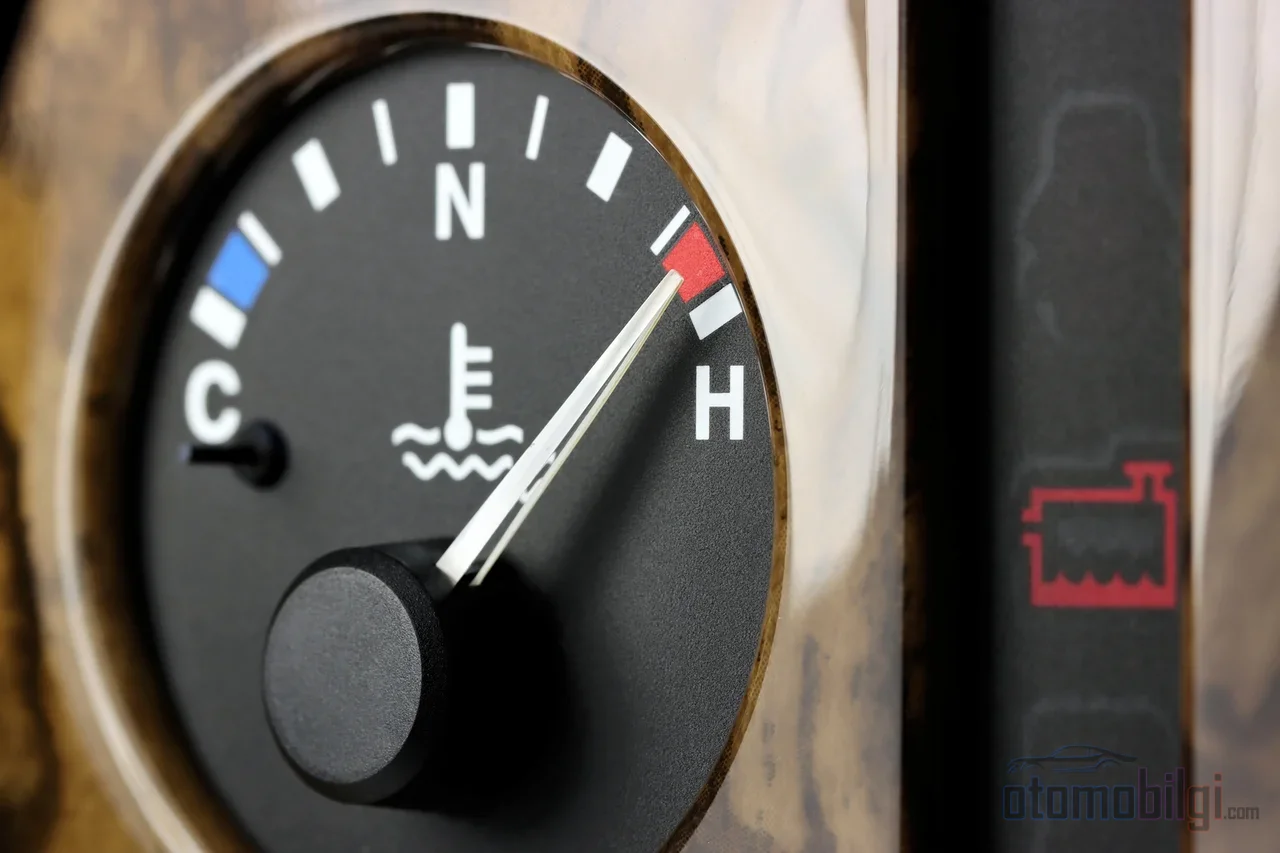
Does the Engine Overheat? Reading the Temperature Gauge Correctly
The most honest answer to the question "Do engines overheat?" is this: most engines warn you on the instrument panel long before they actually overheat. The temperature needle normally sits in the middle of the gauge, in the 90-105 °C range; if the n…
Read More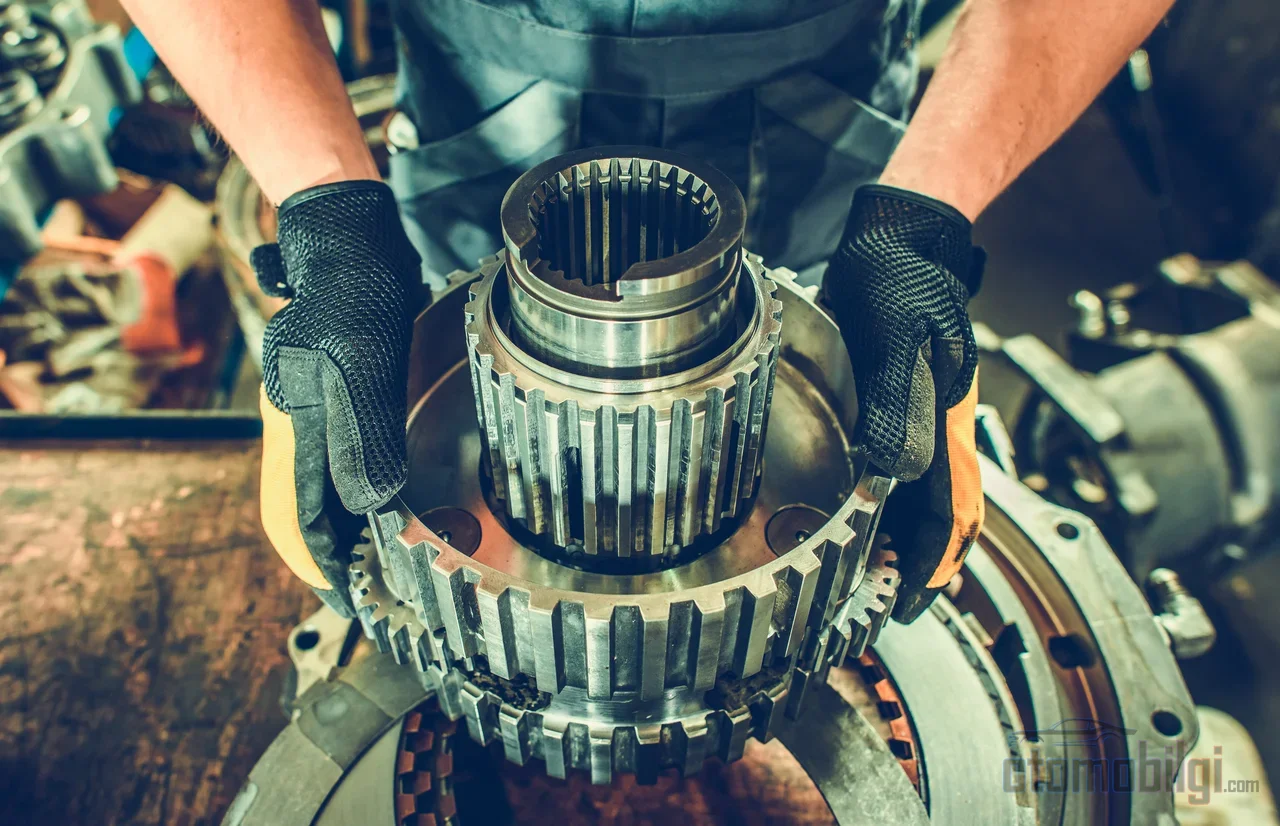
Automatic Transmission Fluid: Why Do Most Drivers Forget to Change It?
Automatic transmission fluid lubricates the gears inside the transmission, provides hydraulic pressure to smooth gear shifts, and balances heat; because it collects dirt and metal particles over time during circulation, it needs to be renewed at cert…
Read More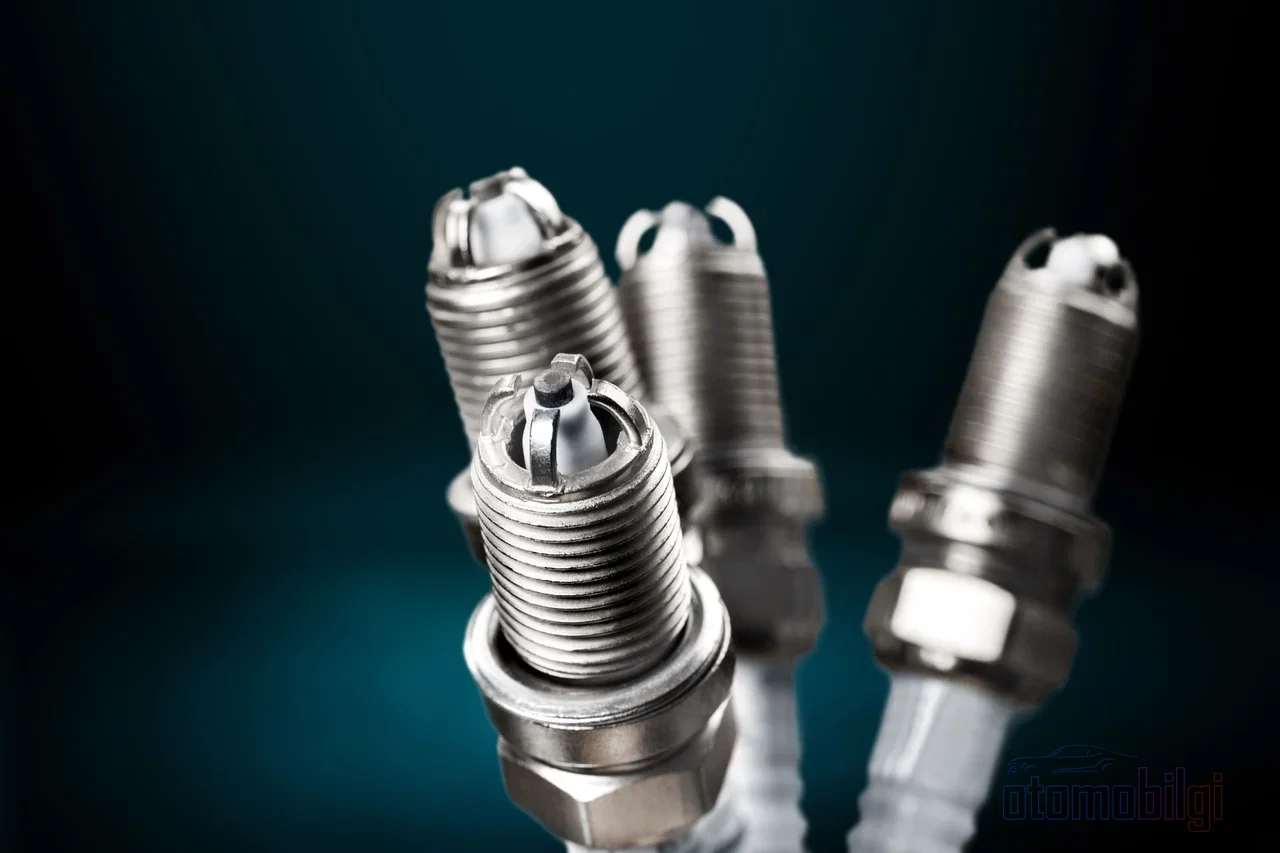
When Should Spark Plugs Be Changed? Signs of Weakening Ignition
A spark plug is a small but critical part that ignites the air-fuel mixture in a gasoline engine to start the engine; depending on its type, it should be replaced at intervals of approximately 30,000 to 160,000 km in accordance with the manufacturer'…
Read More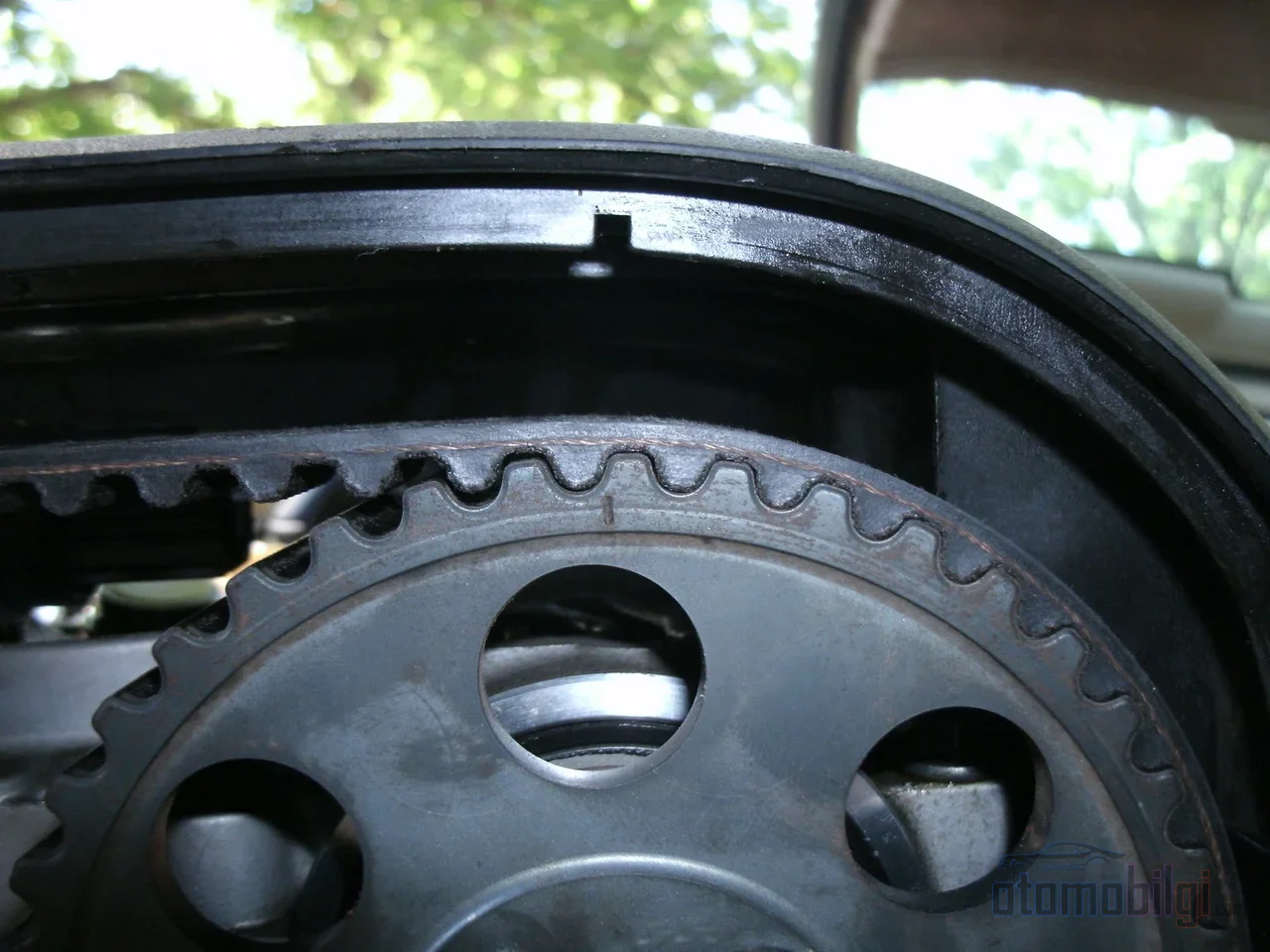
When Should the Timing Belt Be Replaced, and What Happens If It Breaks?
The timing belt is a rubber component that synchronizes the engine's crankshaft with the camshaft on a one-to-one basis; it ensures that the valves and pistons move without colliding with each other. The replacement time for the belt is generally wit…
Read More
What to Do If Your Car Will Be Parked for a Long Time
If a car will not be used for weeks or months, it is not simply left to sit quietly in the garage; it needs to be prepared. In an unused vehicle, the battery discharges on its own, tires flatten from contact with the ground, brake discs rust, fuel de…
Read More
Which Octane Rating Fuel Should Be Used in Gasoline Vehicles?
The right fuel for a gasoline vehicle is not the highest-octane option at the pump; it is the octane rating recommended by the manufacturer for your engine. Octane is not a measure of the fuel's quality or energy, but a measure of its resistance to h…
Read More
To Warm Up the Engine or Just Drive?
No, a modern car does not need to idle for a long time; fuel-injected engines are lubricated within seconds of starting, and waiting 15-30 seconds to 1 minute, or even driving off gently without waiting at all, is sufficient. This habit, maintained f…
Read More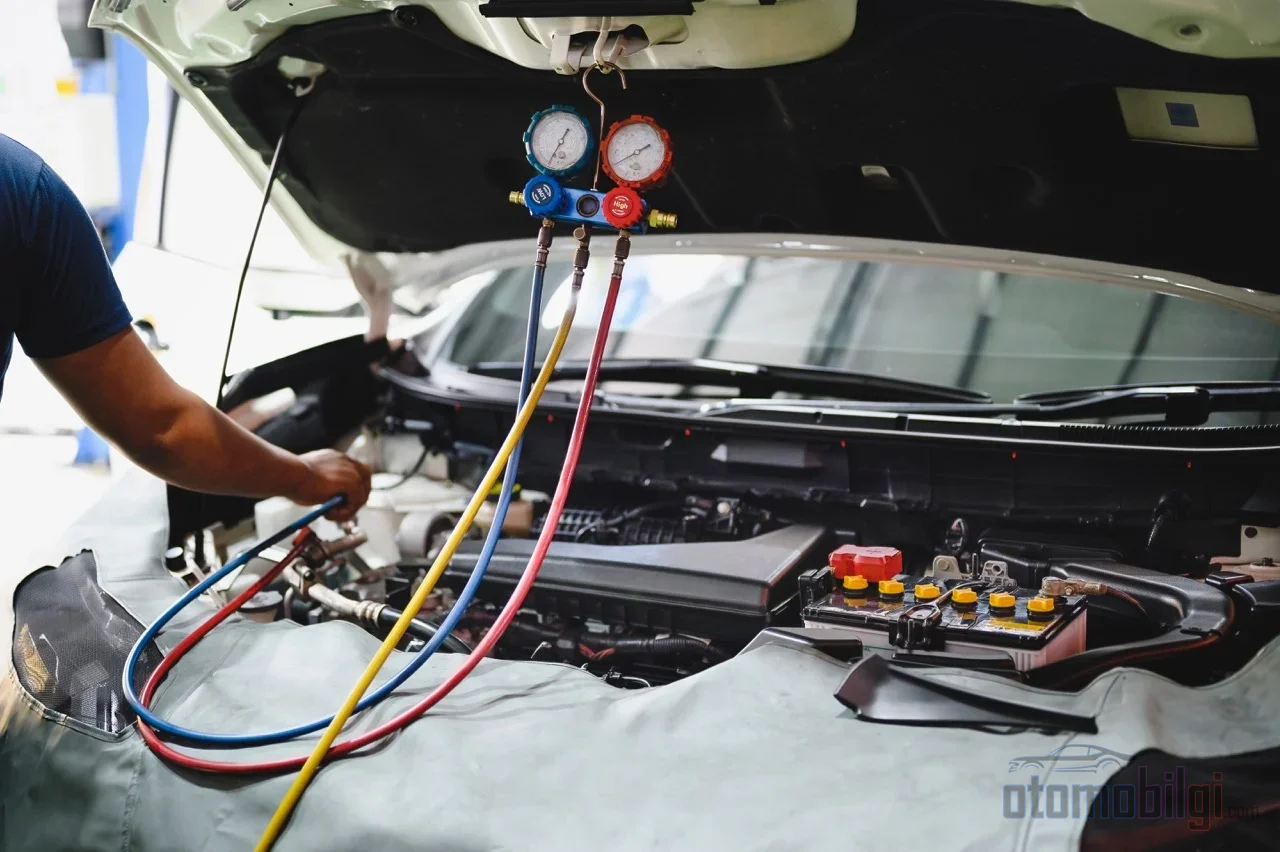
When Does a Car Air Conditioner Need Maintenance, and When Should It Be Regassed?
Air conditioning maintenance and gas refill are not the same thing: Maintenance covers a broad job such as replacing the filter, cleaning the evaporator and a general check of the system. A gas refill, on the other hand, is only needed when the refri…
Read More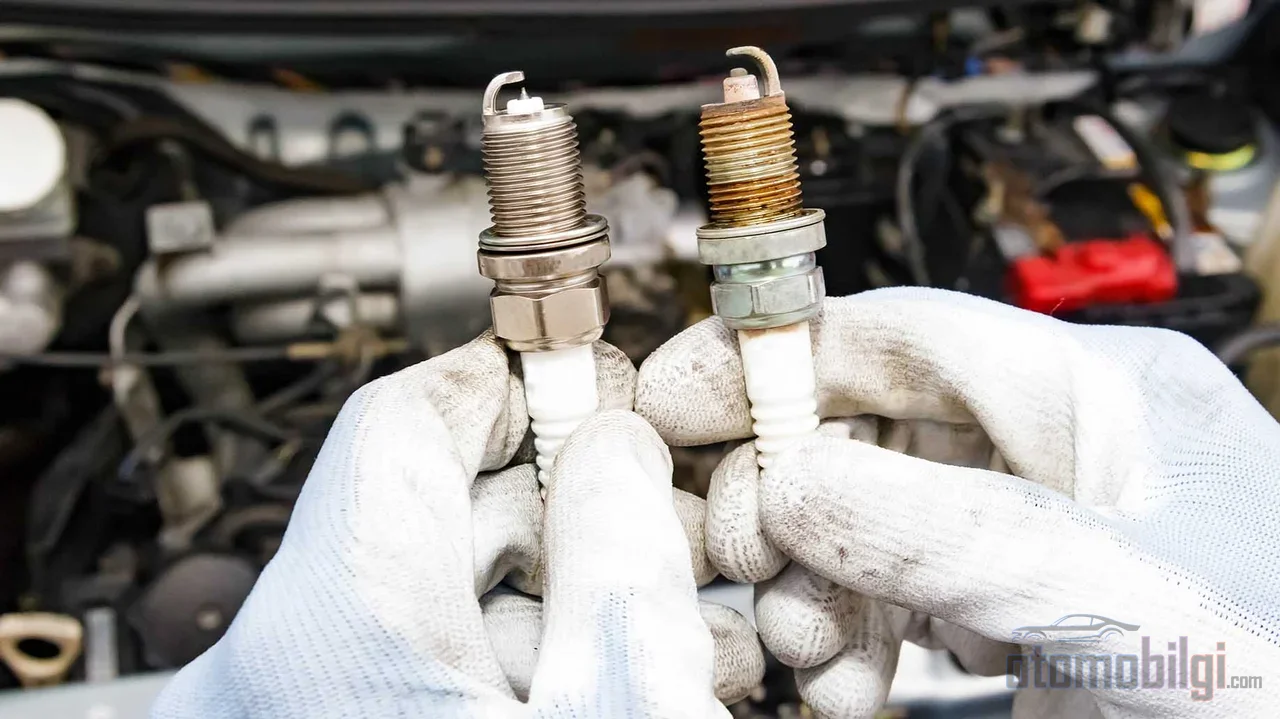
When Should Which Part Be Replaced During Periodic Maintenance?
Engine oil is on everyone's mind at periodic maintenance; yet there are many other parts that determine the same vehicle's lifespan, and none of them stays in memory as often as the oil. The air filter, cabin (pollen) filter, spark plugs, transmissio…
Read More