Karting
Share This Page
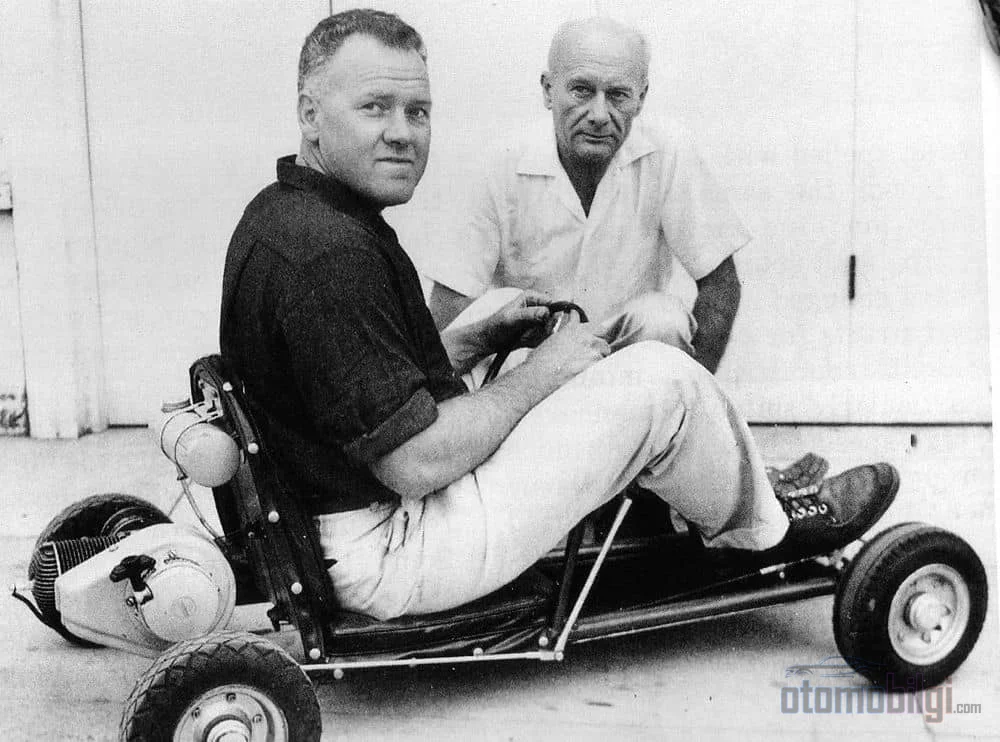
How Did Karting Come to Be? Shedding Light on a Sport from 1950s America to Today
Karting was born in August 1956 in Southern California, in the garage of a metal worker named Art Ingels, with a lawnmower engine mounted on a lightweight chassis he built from steel tubing. Behind that simple vehicle lies a global sport in which mil…
Read More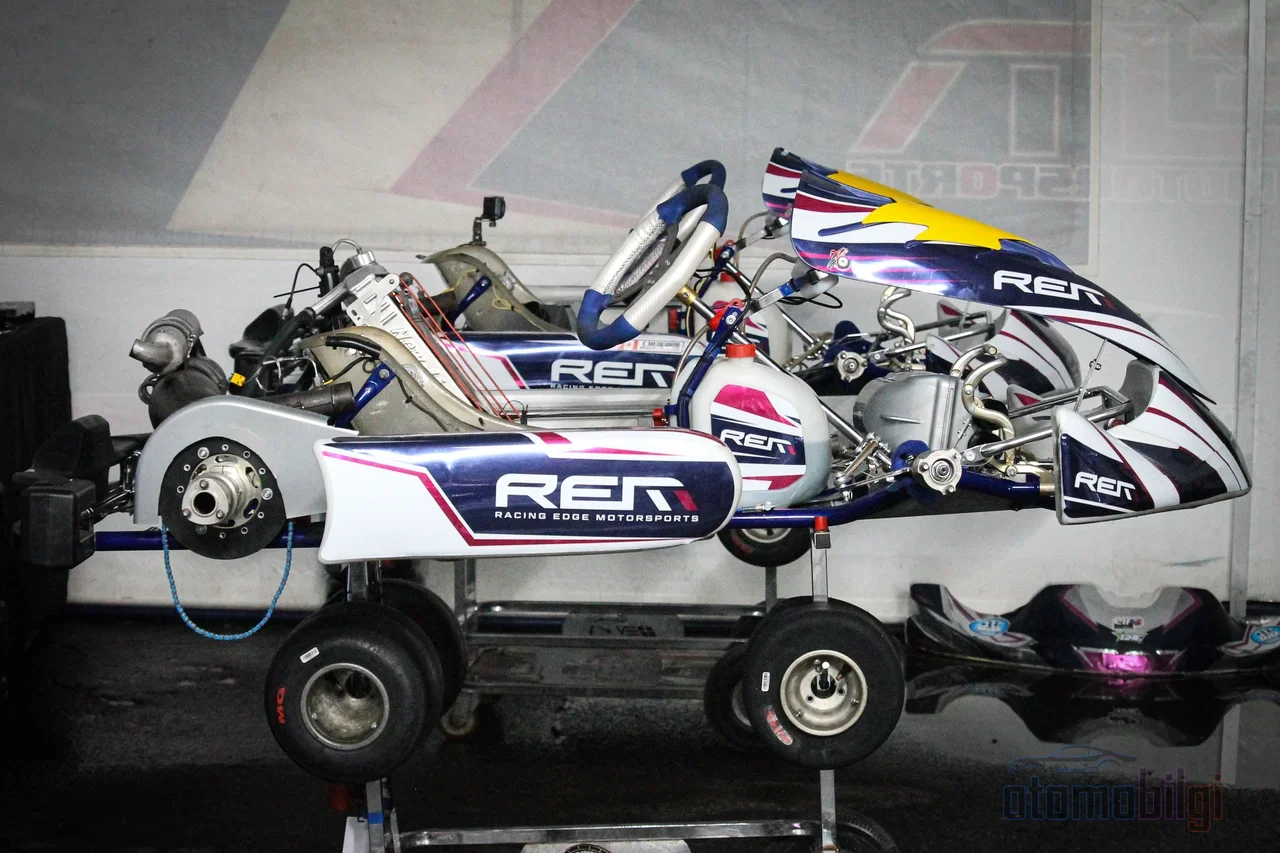
Why Are Chassis Settings So Important on the Road
Same engine, same tires, same track - but one of the two drivers comes out ahead in every corner. The secret of the difference is usually hidden not in power, but in chassis setup. Settings such as caster, camber, rear track width, tire pressure and …
Read More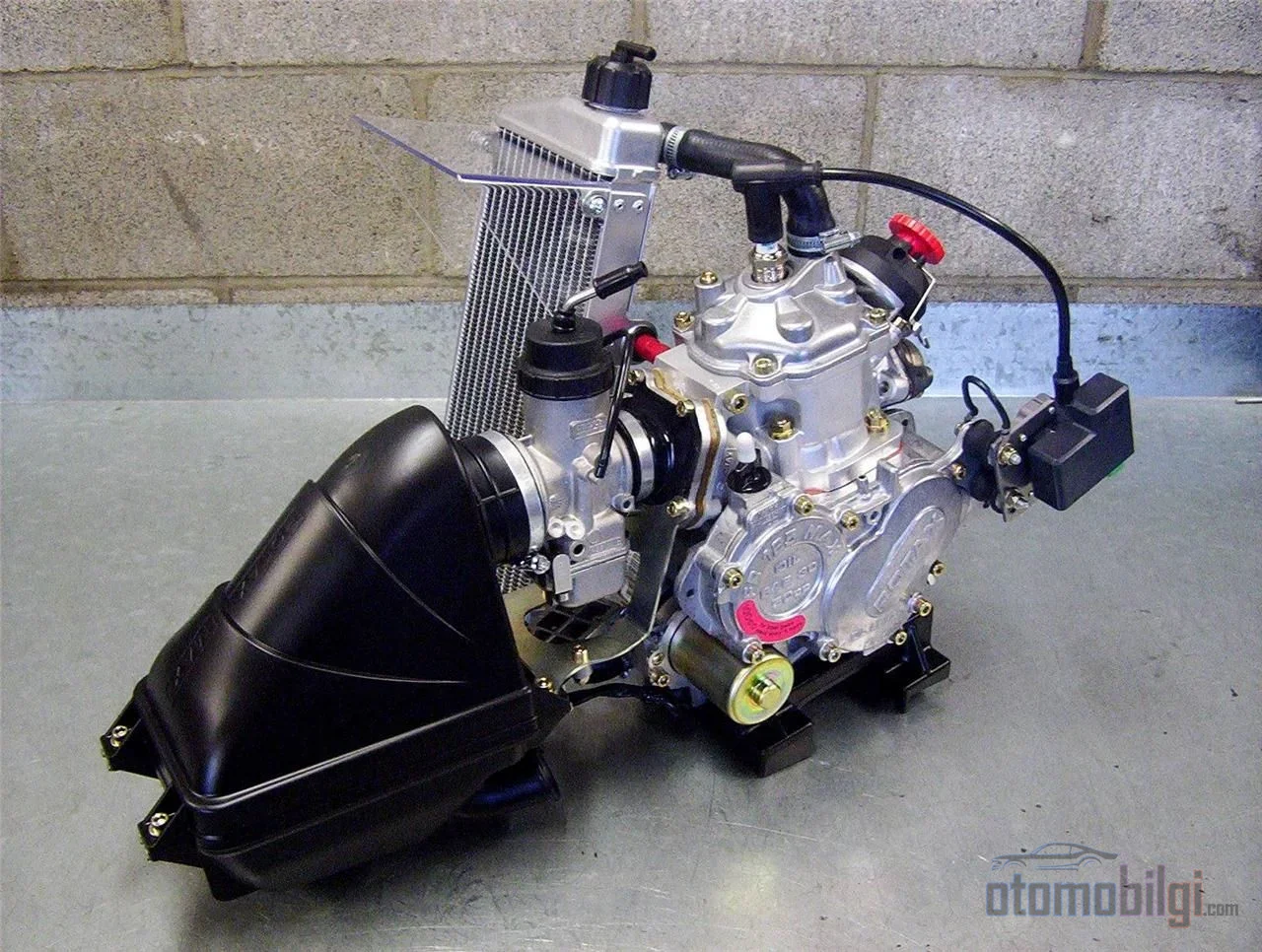
How Does a Two-Stroke Kart Engine Work?
A two-stroke kart engine is an engine that completes the power cycle with a single up-and-down movement of the piston, i.e. in just one revolution of the crankshaft It has no valve system; it manages the intake, compression, combustion and exhaust pr…
Read More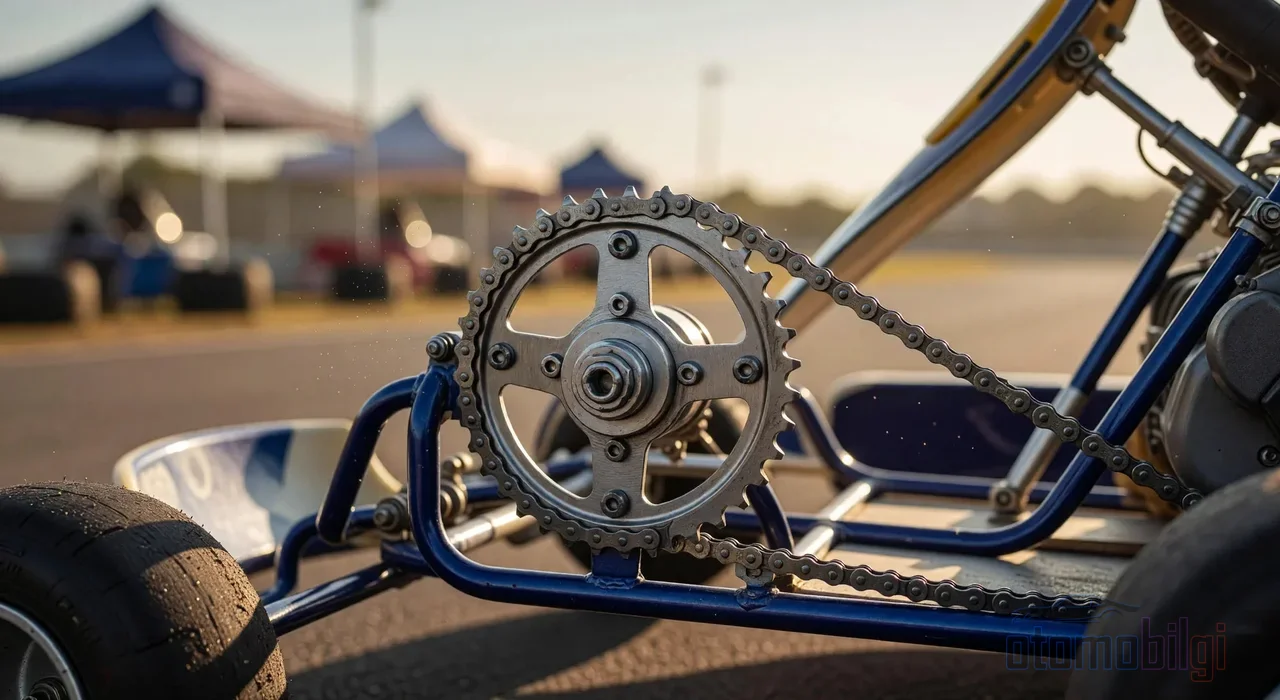
What Does the Final Drive Ratio Do? The Big Impact of a Small Gear
The kart gear ratio is the setting found by dividing the number of teeth on the engine sprocket by the number of teeth on the rear axle sprocket, determining how engine power is transferred to the wheels: A short ratio favors acceleration, a long rat…
Read More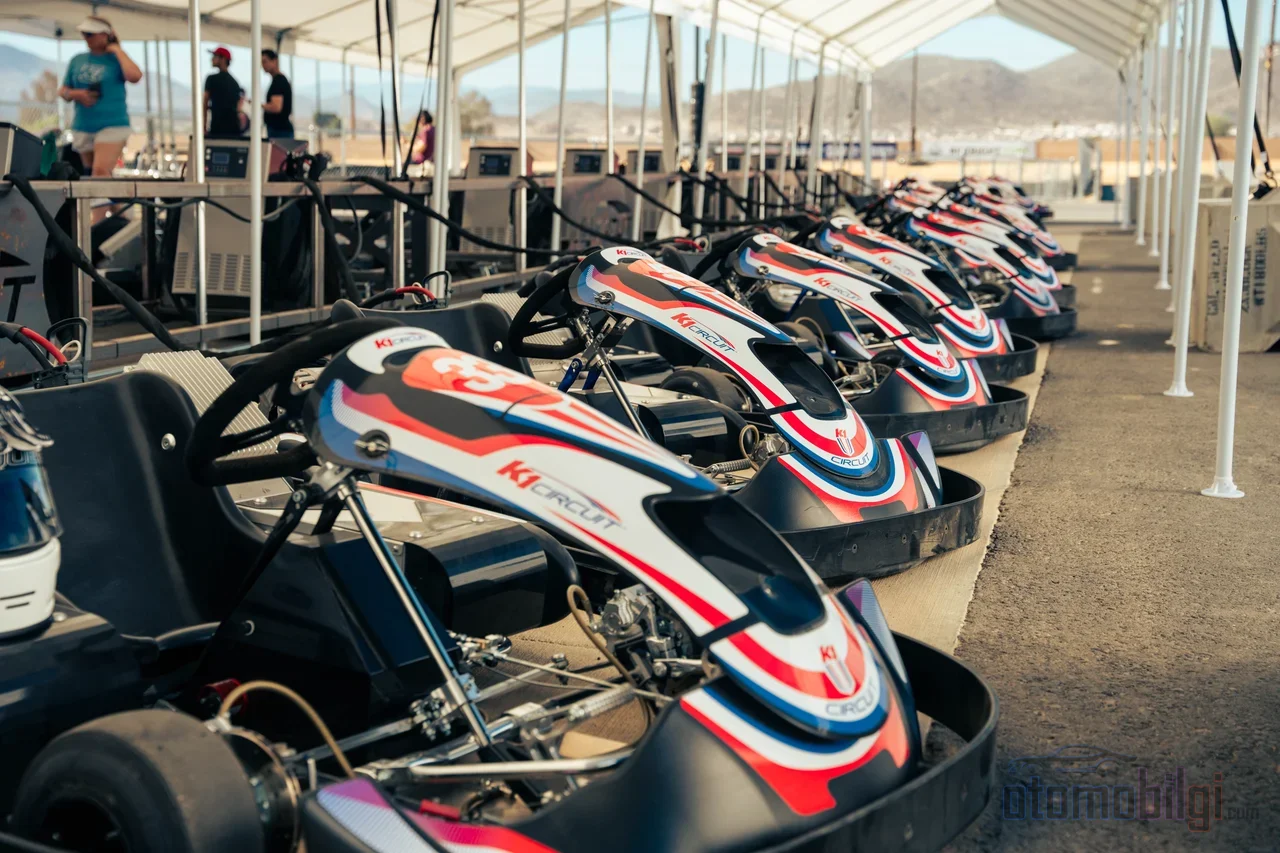
Where to Start Karting in Türkiye? Tracks, Licenses, and Clubs
To start karting in Türkiye, we recommend first trying rental karts at a hobby track, then joining a club or TOSFED's talent programs, and only at that point getting a license and moving up to racing karts. In other words, the order is: rent, enjoy, …
Read More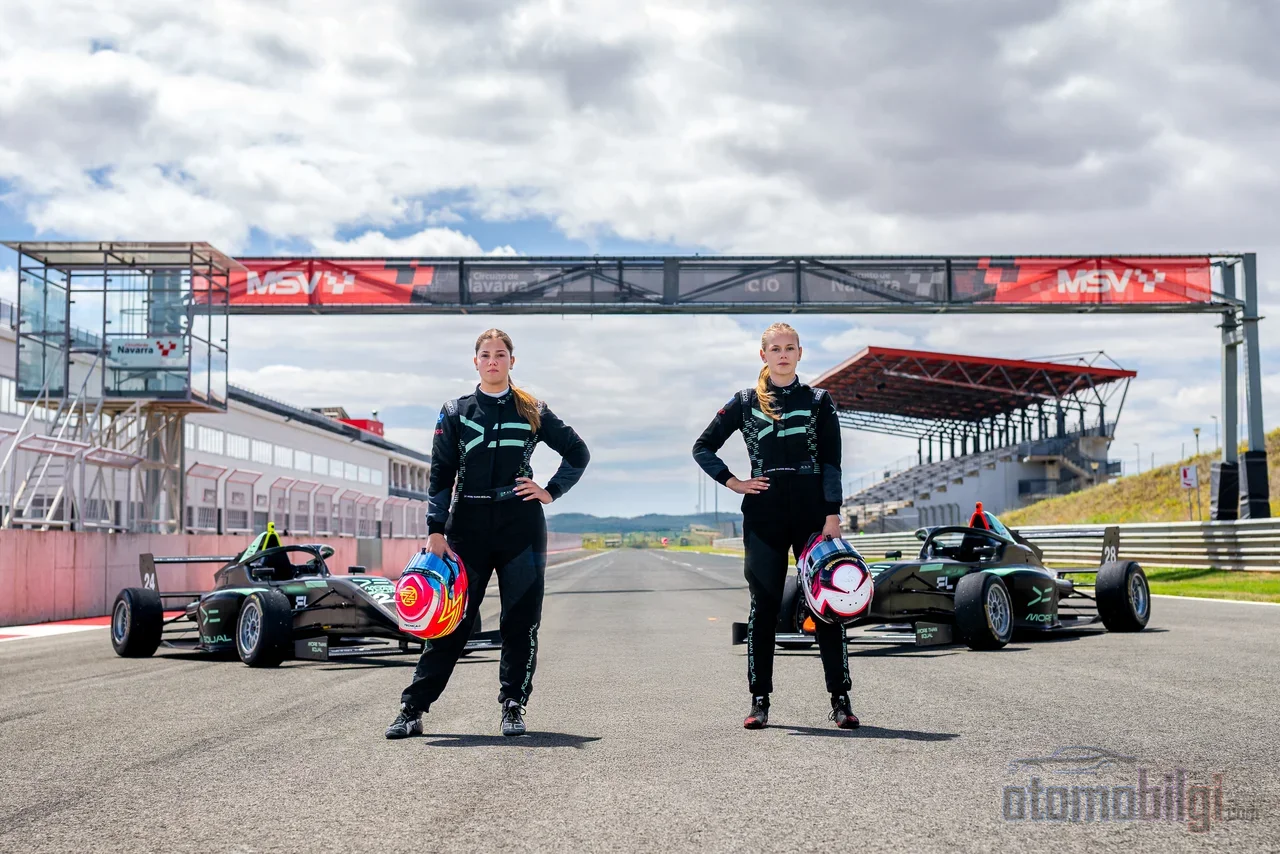
Why Are Women Drivers a Minority in Karting?
Women are a minority in karting because women make up only about 10% of the average participants on the tracks; in karting this figure peaks at 13%, while in the upper formulas it drops to 7%. Behind this lies not physical inadequacy, but high costs,…
Read More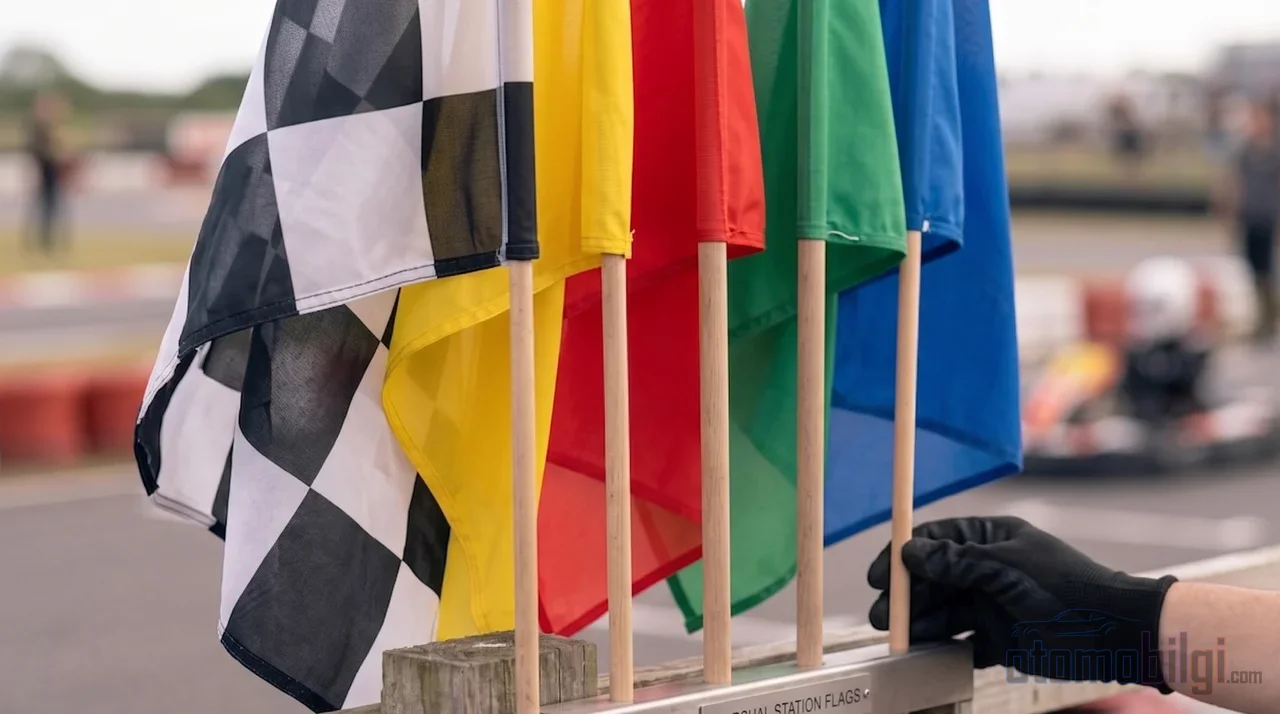
What Do the Flags in Karting Mean?
The flags at the karting track are a common language spoken between drivers and race marshals: green means start, yellow means danger, red means stop. Since, at the wheel of the kart you have your eyes glued to on the track, you can hear nothing but …
Read More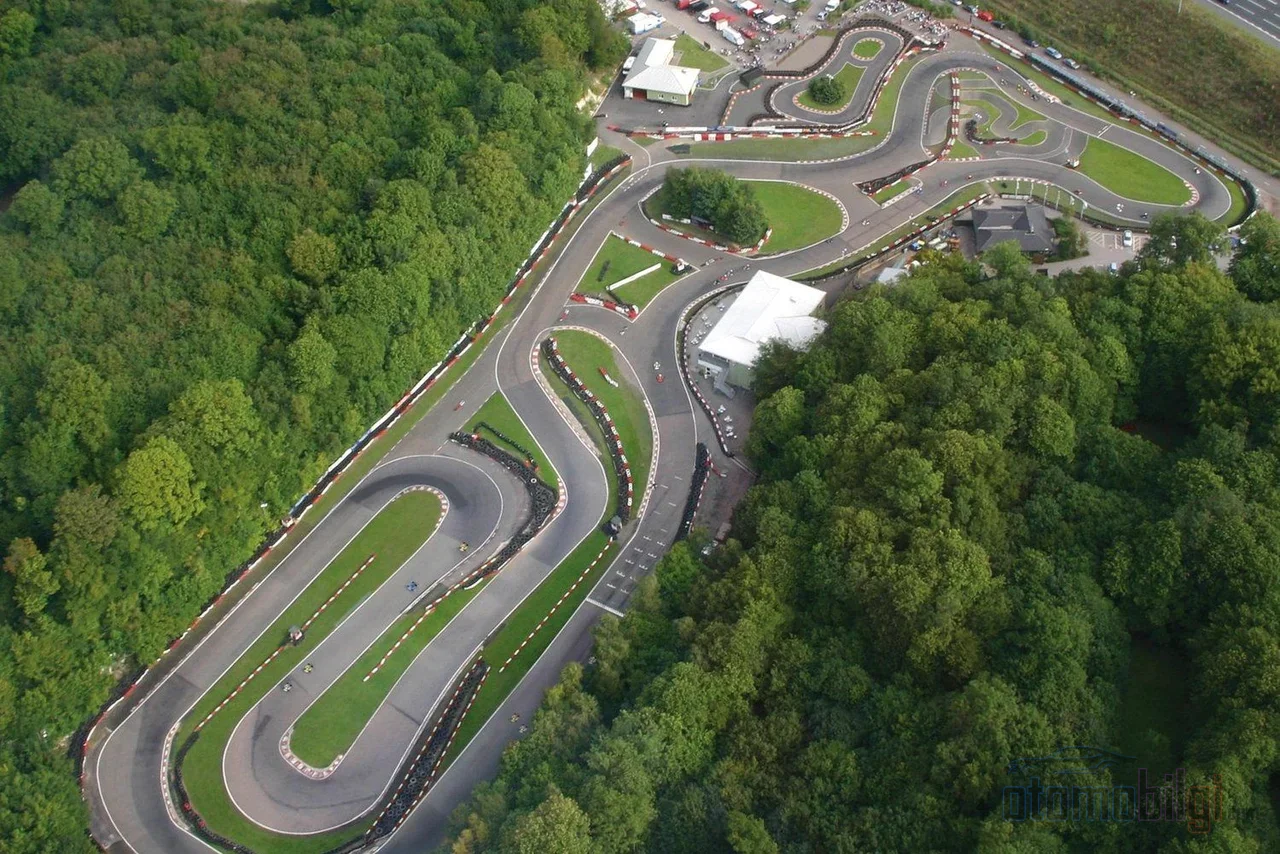
How to Design a Good Karting Track?
A good karting track is a form of education, designed with run-off areas where a driver can safely manage speed and mistakes, a variety of corner types, and protection lines compliant with CIK-FIA standards; because the track itself is a silent teach…
Read More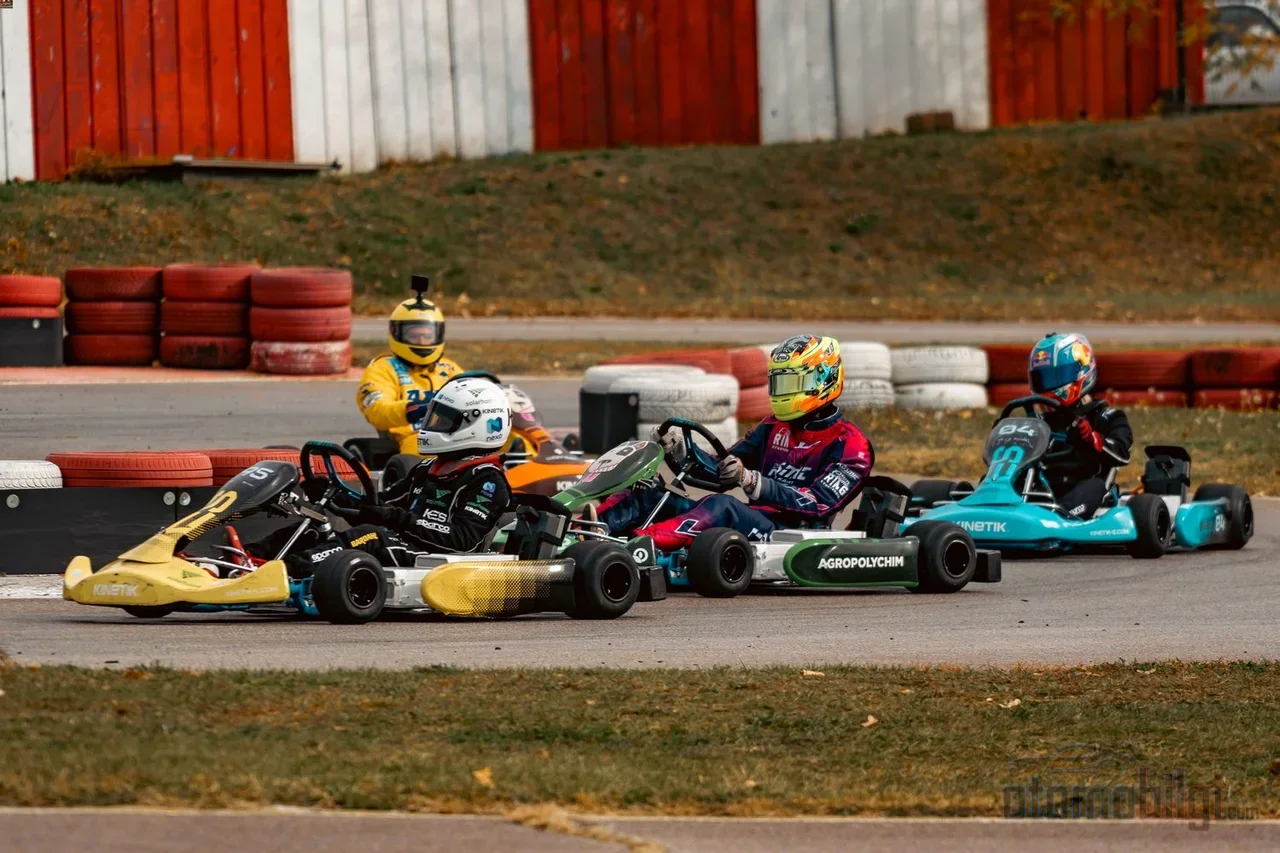
How Are Electric Karts Changing the Tracks?
Electric karts are transforming tracks from two ends: they have already become almost standard in the indoor and hobby side, while in the racing world they have begun to become institutionalized with the FIA's approval of e-karting categories. With t…
Read More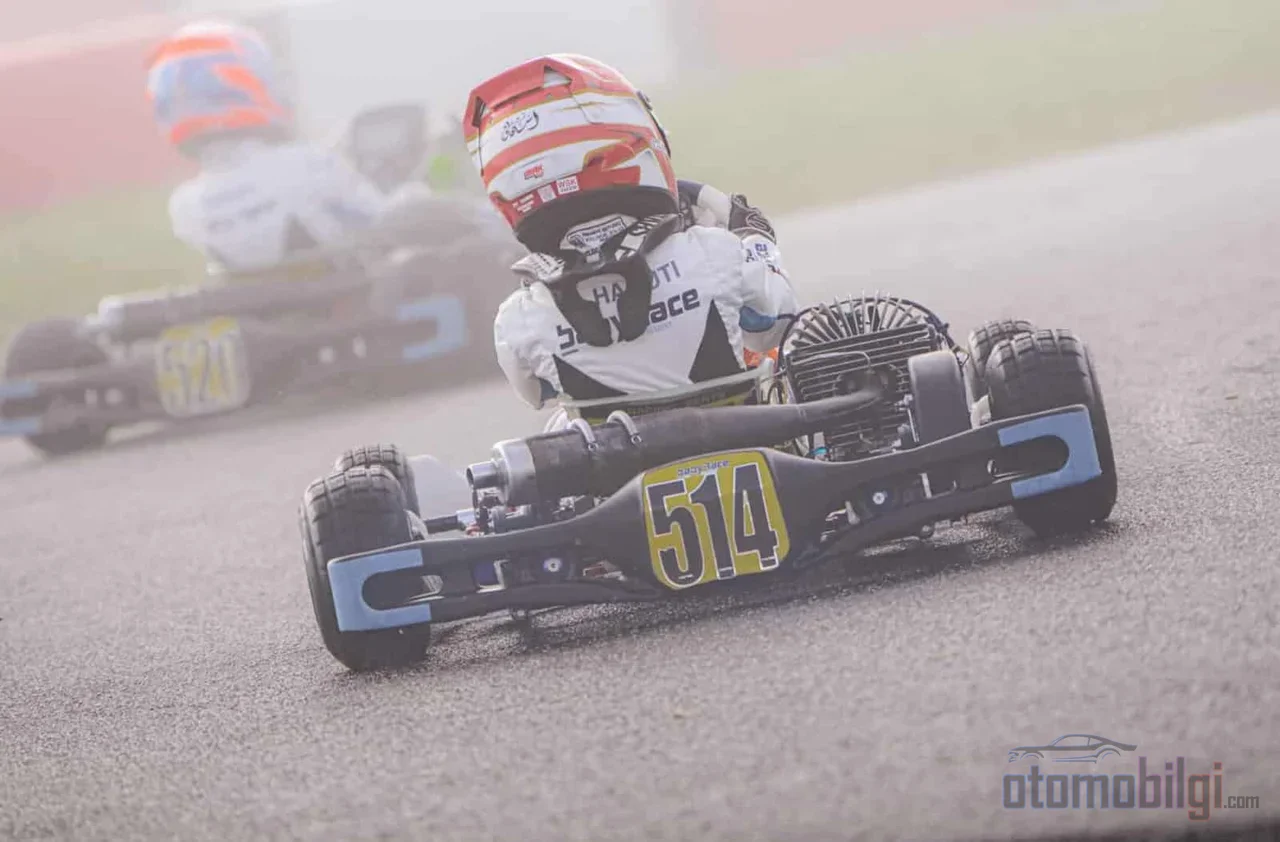
The Lifespan and Reading of Kart Tires: How Grip Is Gained, How It Is Lost?
A kart tire's life depends not on how long it is used, but on the heat cycles its compound has endured; and grip is gained only for as long as the tire stays within what we call its operating window, the range of temperature and pressure. So whether …
Read More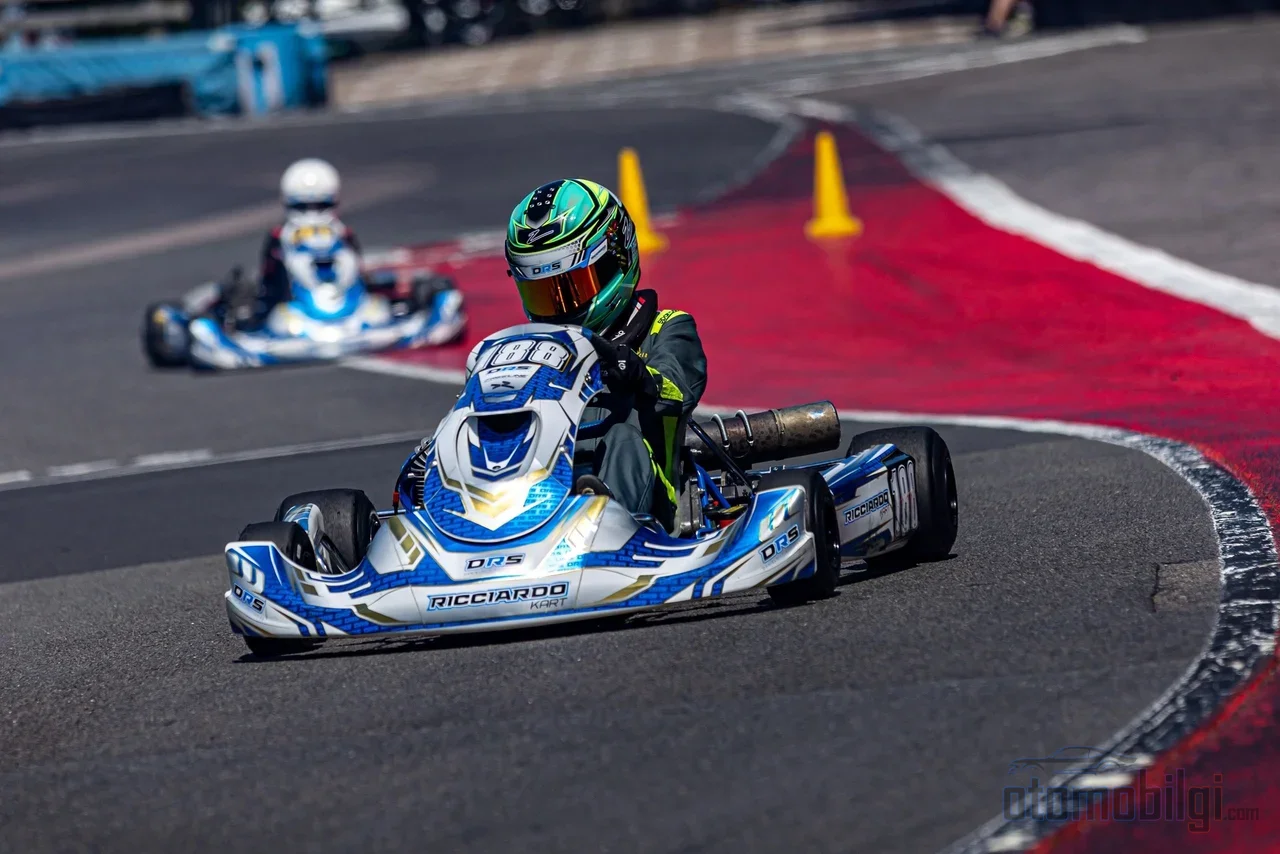
Why Do Karts Slow Down in Cold Weather? The Relationship Between Track, Air, and Setup
Karts slow down in cold weather because engine efficiency drops before the engine reaches its proper operating temperature, tires warm up late so grip is lost, and the cold track surface makes traction harder. In fact, cold air gives the engine an ad…
Read More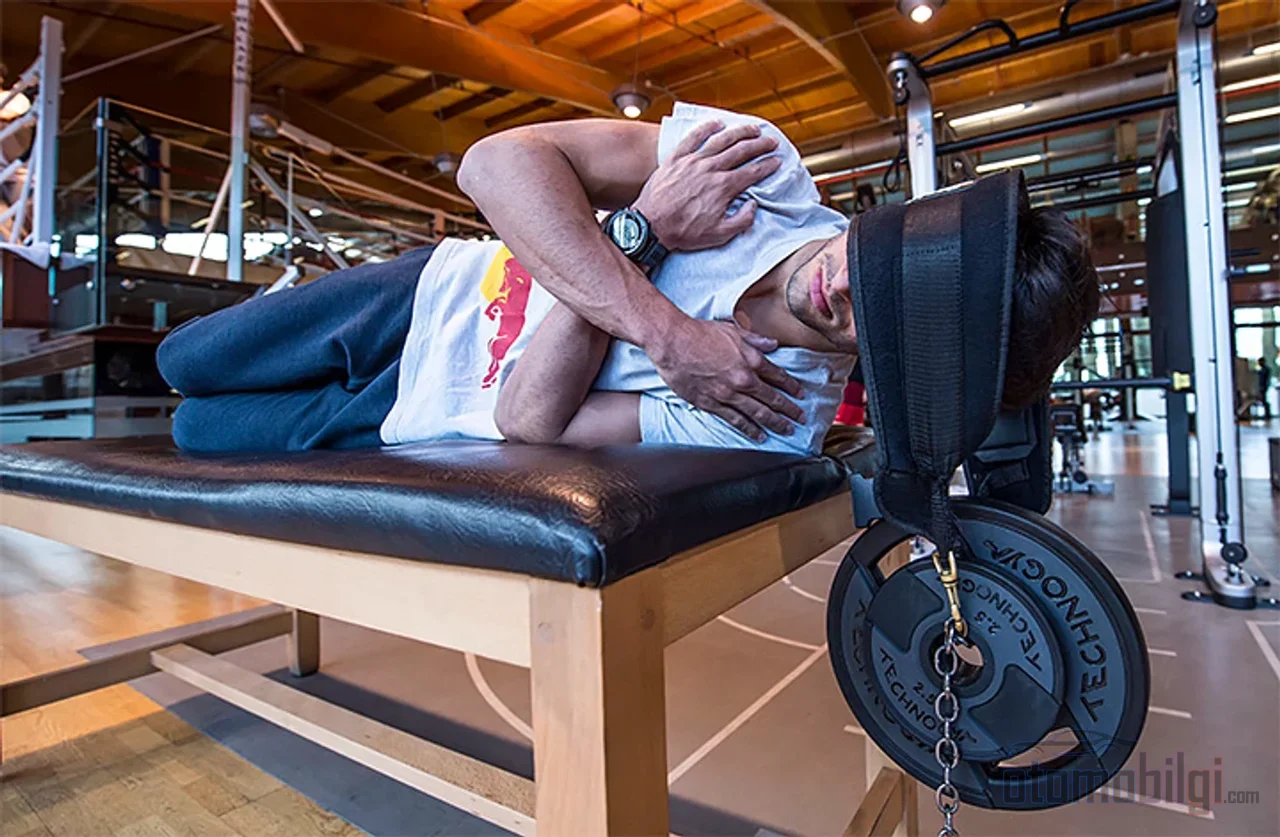
How Do Karting Drivers Train?
Karting drivers strengthen their neck and abdominal muscles against the G-forces felt in corners, do cardio several times a week, systematically replace the fluids lost through sweating, and sharpen their reflexes with reaction drills. In other words…
Read More