Autonomous Driving and Artificial Intelligence
Share This Page
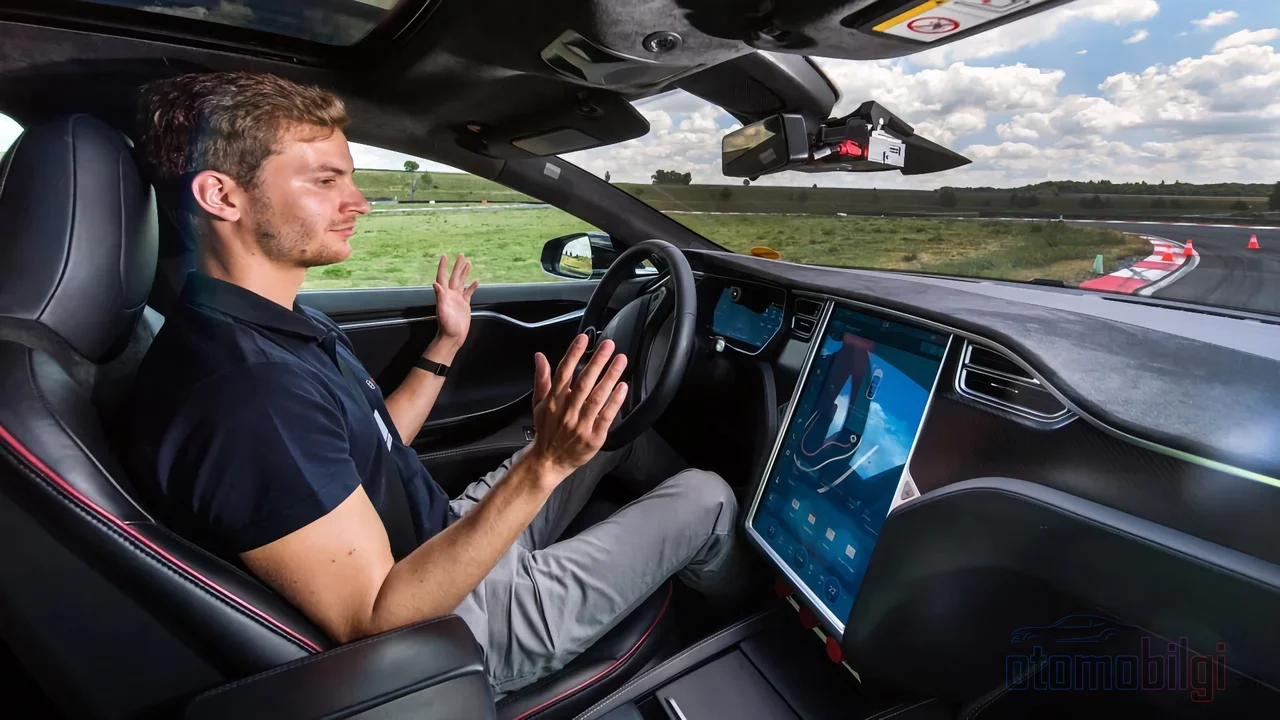
Why Do Cameras Monitor the Driver at the Wheel?
Cameras are watching the driver behind the wheel, because today's semi-autonomous systems still cannot read the road safely on their own: the driver monitoring system (DMS), using infrared cameras placed inside the cabin and artificial intelligence a…
Read More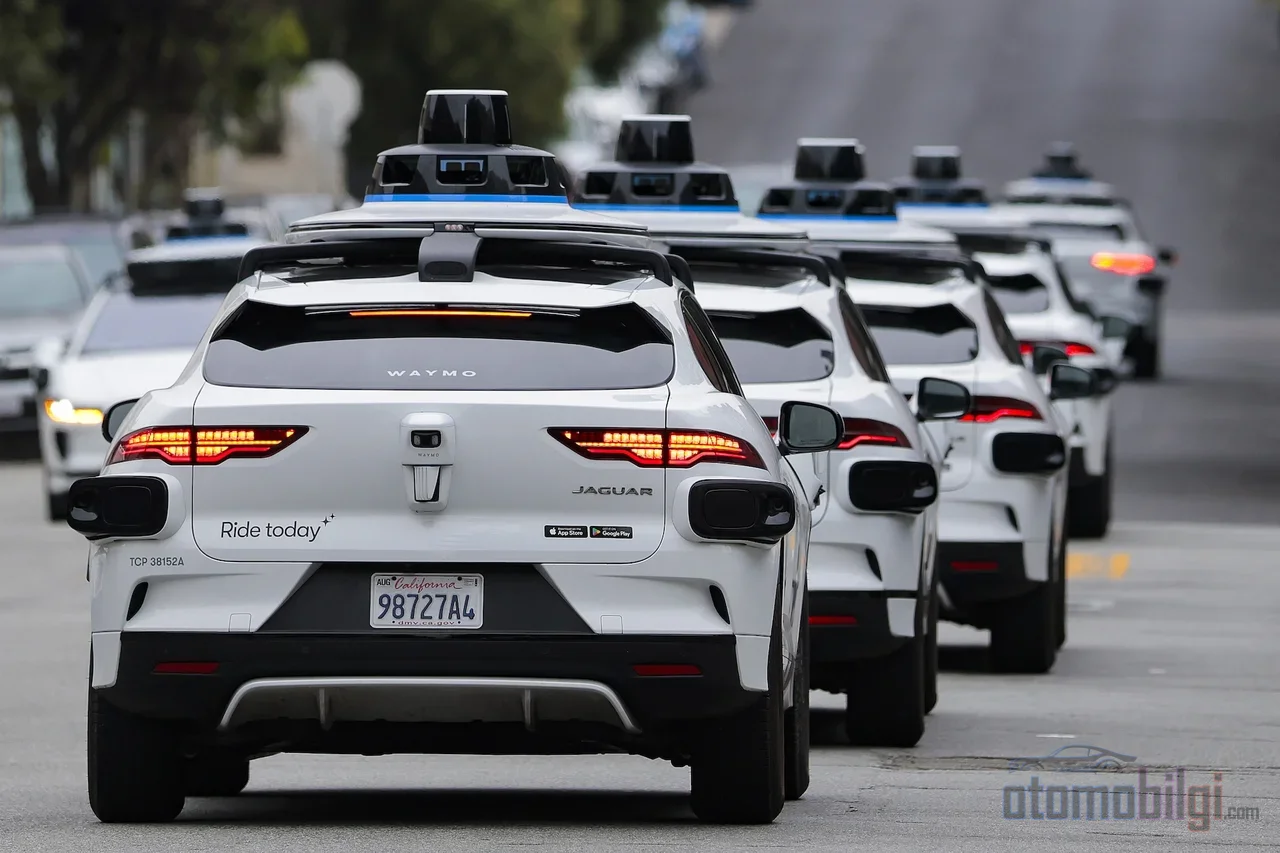
Can Autonomous Vehicles Be Hacked? Cyber Risks in Connected Driving
Yes, connected autonomous cars can be hacked - but not every car is sitting there ready to be taken over at any moment like in a horror movie. Here is the real picture: every internet-connected car carries an attack surface, and security research has…
Read More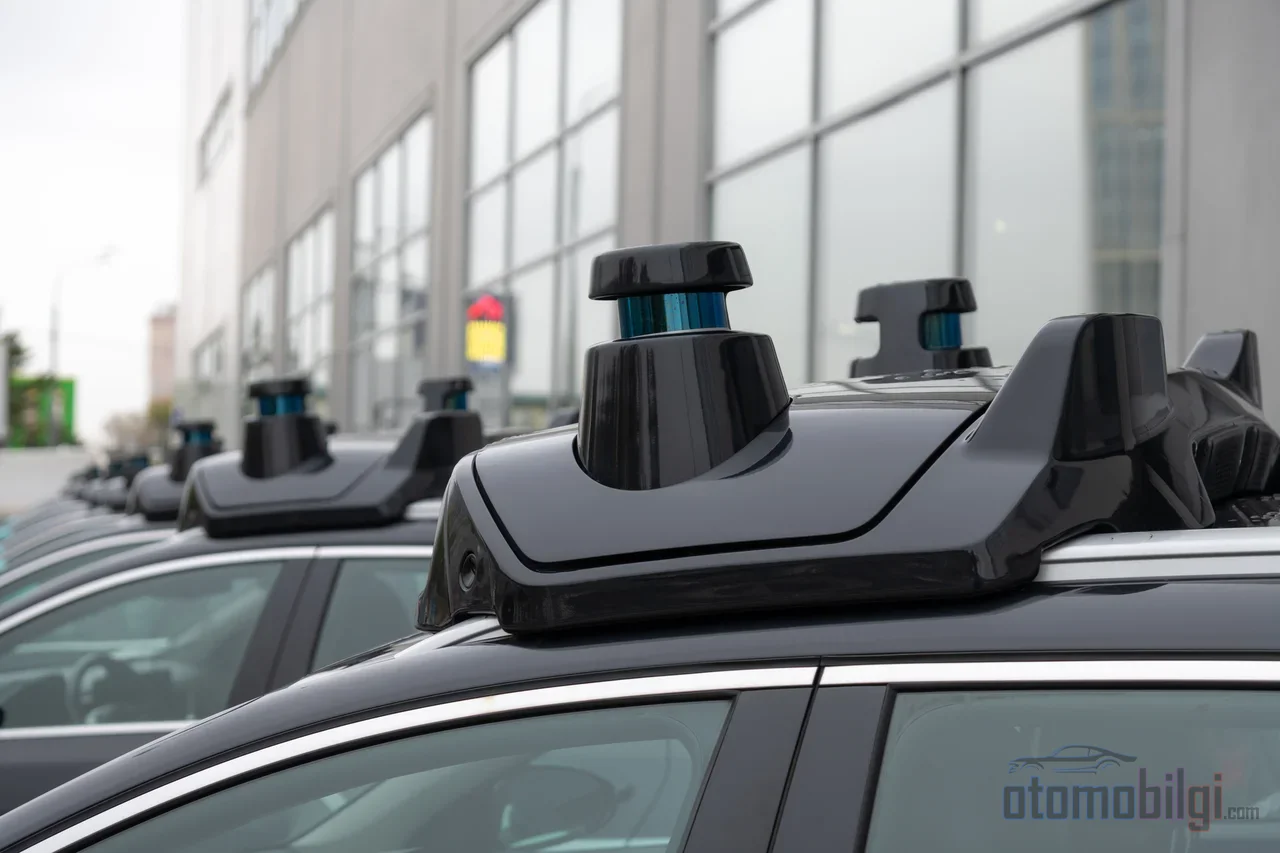
Why Are the US and Europe Diverging on Autonomous Driving Regulations?
The fundamental reason for the divergence between the US and Europe in autonomous driving regulations is that the two sides follow opposing philosophies: while the US moves forward with a market-first approach and flexible rules that vary from state …
Read More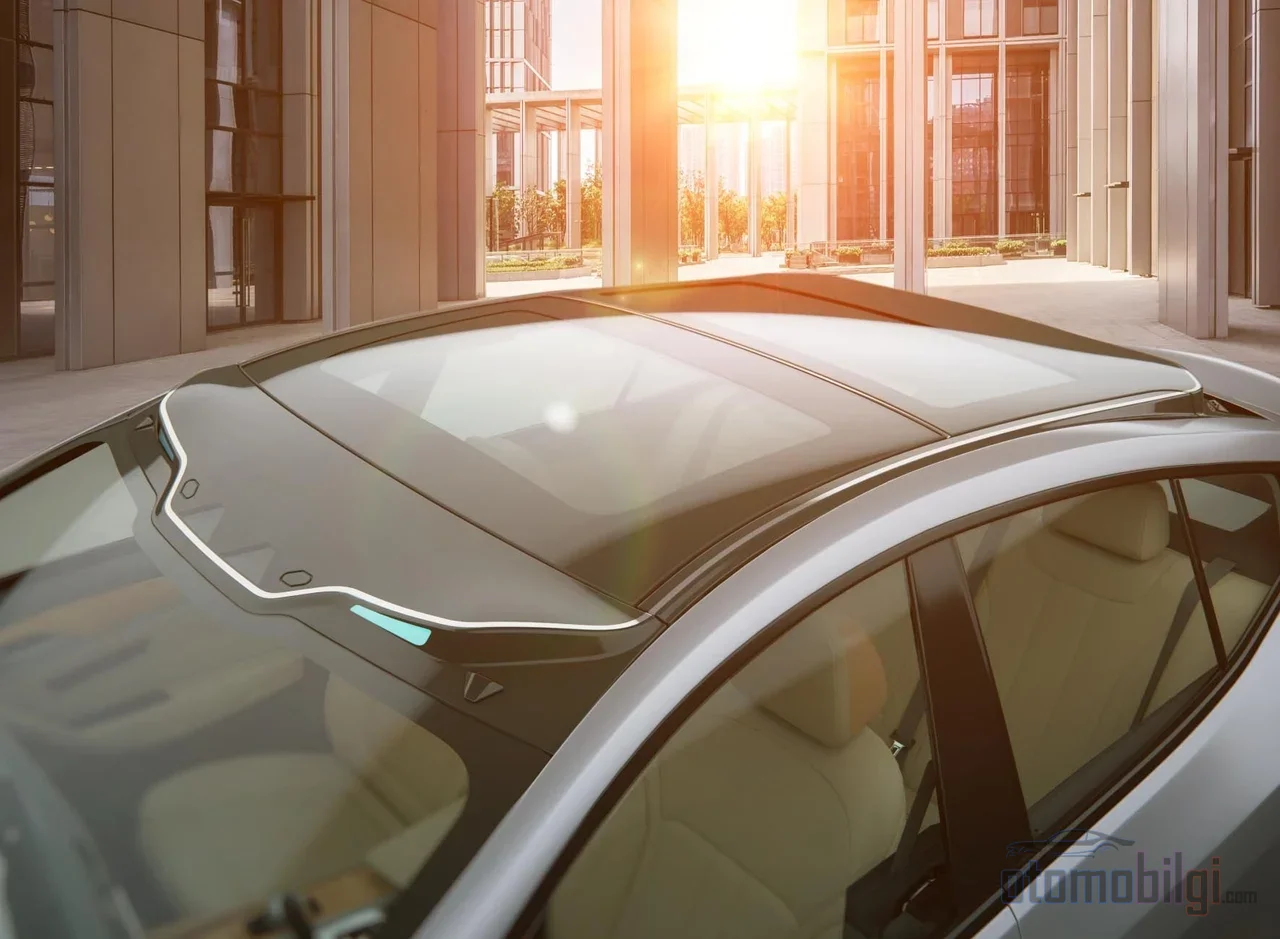
Why Can Autonomous Cars Go Blind in Snow and Rain?
Autonomous vehicles can go blind in snow, fog, and heavy rain, because lidar, radar, and camera sensors seriously lose detection performance in these conditions, and the AI doesn't know which data to trust. That's why robotaxi companies are suspendin…
Read More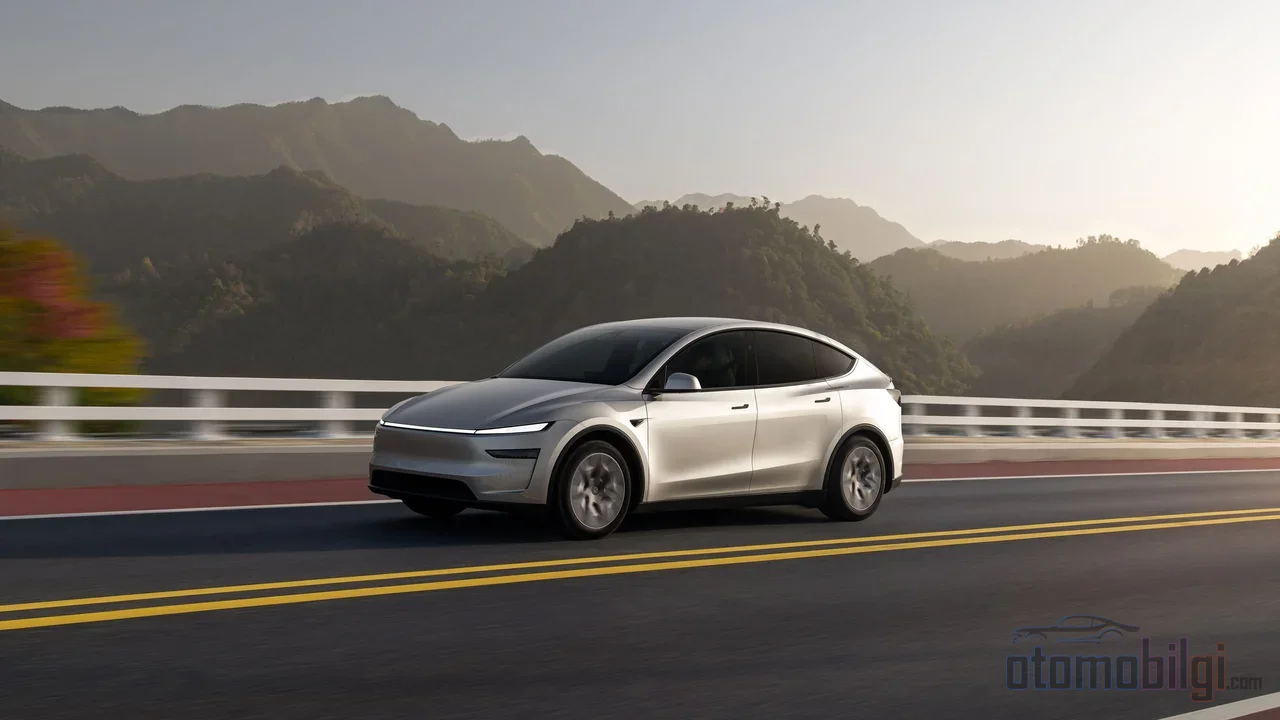
Is It Sensible to Pay a Monthly Fee for Autonomous Driving?
Short answer: for most drivers, at today's prices, yes - but not every month. Tesla's Full Self-Driving subscription costs $99 a month and, despite its name, is not fully autonomous; Mercedes' Drive Pilot really is Level 3 but barely works under any …
Read More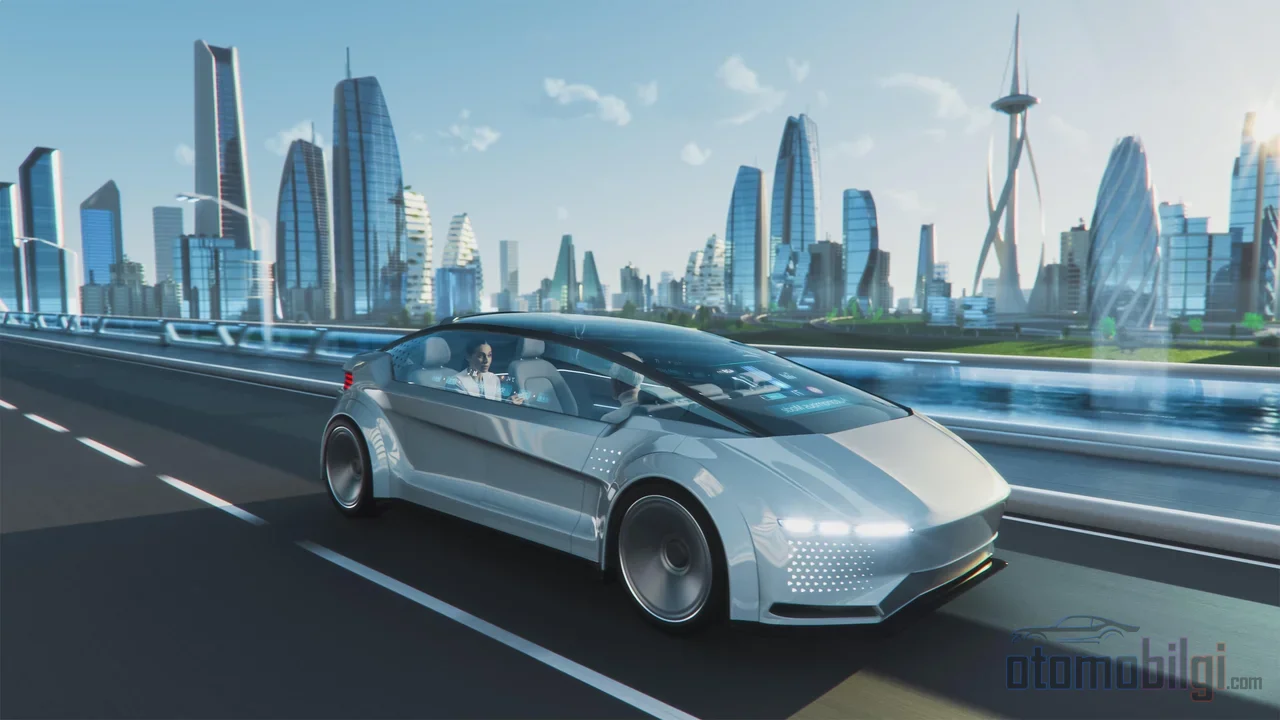
How Do Autonomous Vehicles Learn to Drive? The Shadow School of Simulation
Autonomous vehicles learn to drive largely in simulation, not on real roads: an artificial intelligence that tries and fails millions of times in a virtual world spanning billions of kilometers learns to make decisions in everyday traffic when combin…
Read More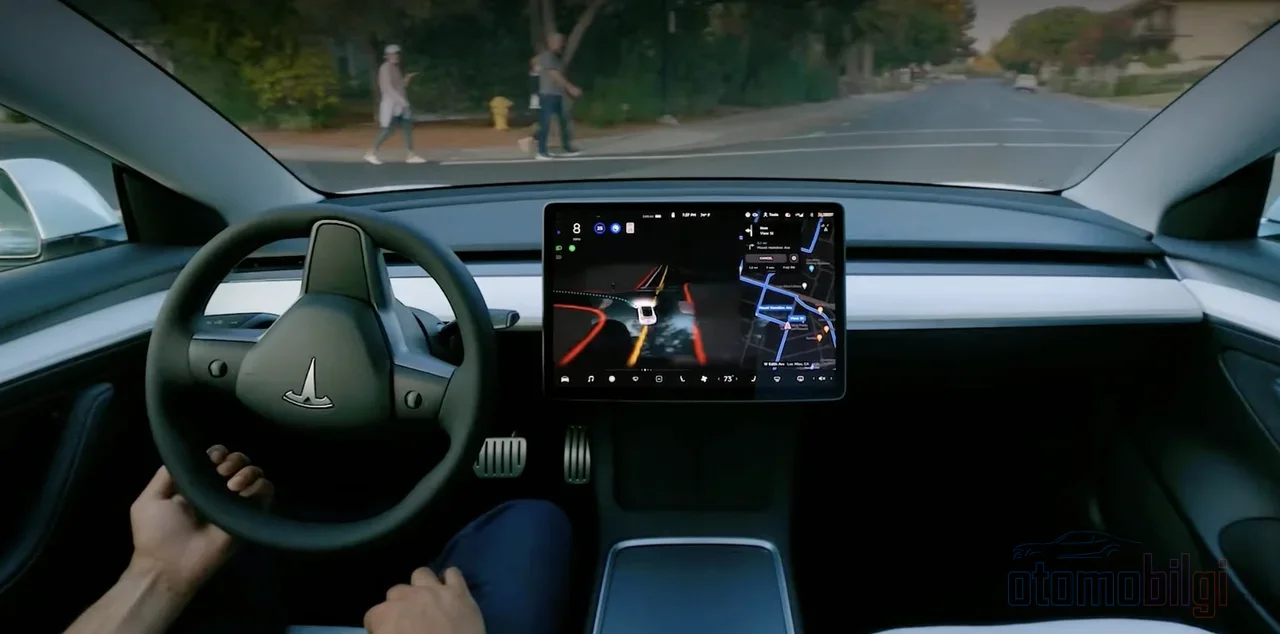
The Postponed Promises of Autonomous Driving Since 2015
Since 2015, dates given for full autonomy and robotaxis have been systematically postponed; while Level 2 driver assistance systems are widespread on the roads today, true full autonomy is serving only in narrow conditions and limited areas. This art…
Read More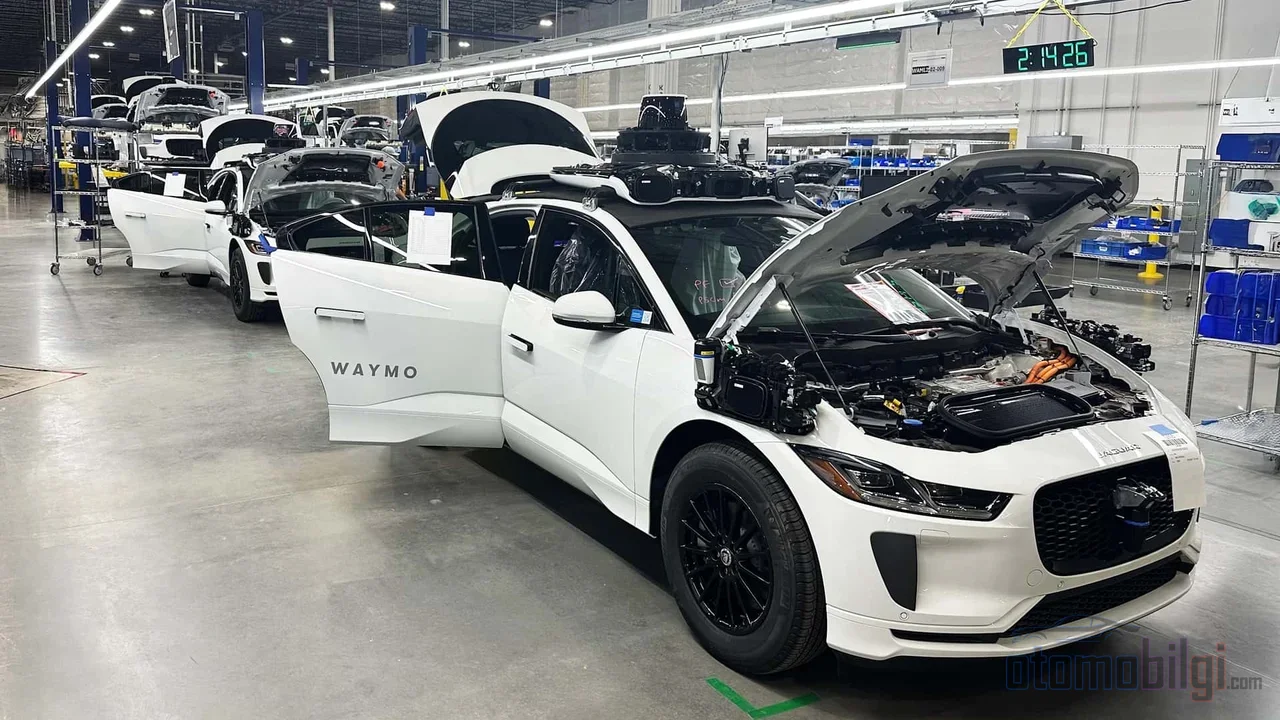
Are Autonomous Vehicles Really Safe? What Do the Accident Statistics Say?
Should the answer be clear-cut? For driverless robotaxis like Waymo, the independent evidence is genuinely positive: they have significantly fewer crashes per mile than human drivers. But this result does not yet apply to all autonomous vehicles - ho…
Read More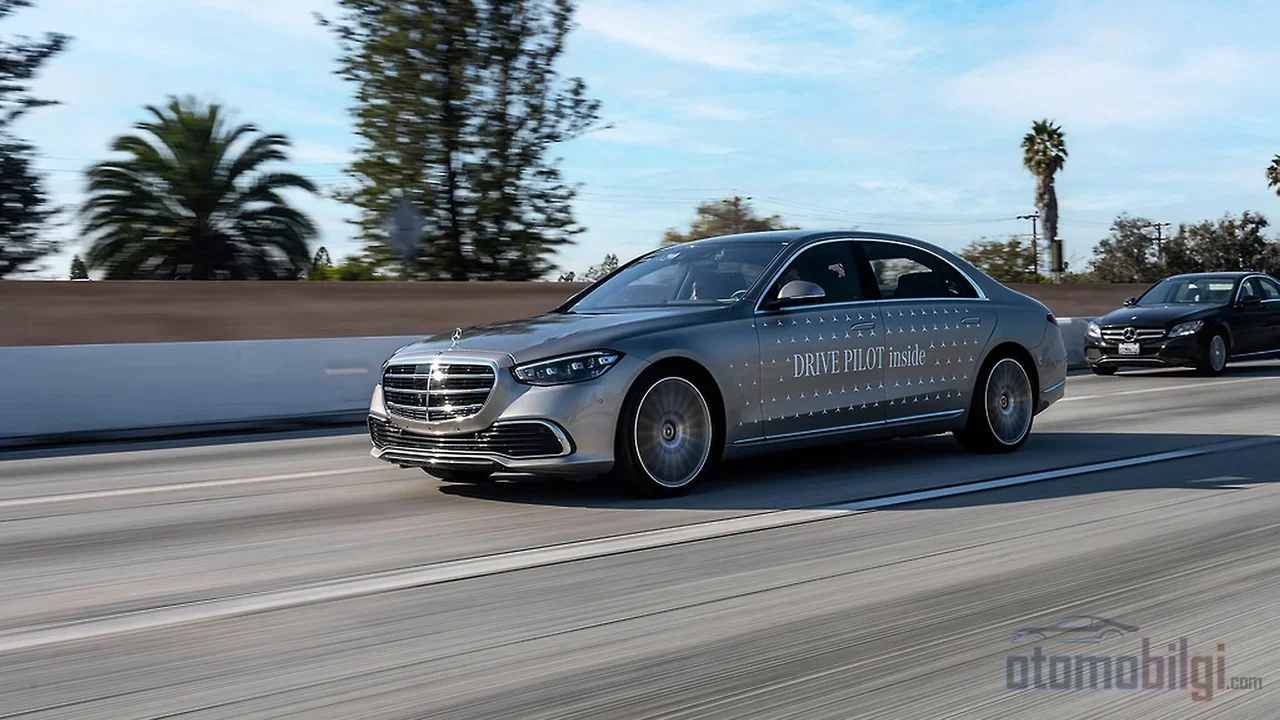
How Do Autonomous Driving Systems Hit the Road?
No matter how impressive an autonomous driving system looks in its manufacturer's advertising, it only truly reaches the road when an approval authority legally clears it for traffic. So here is the essence of the matter: it is not the system's techn…
Read More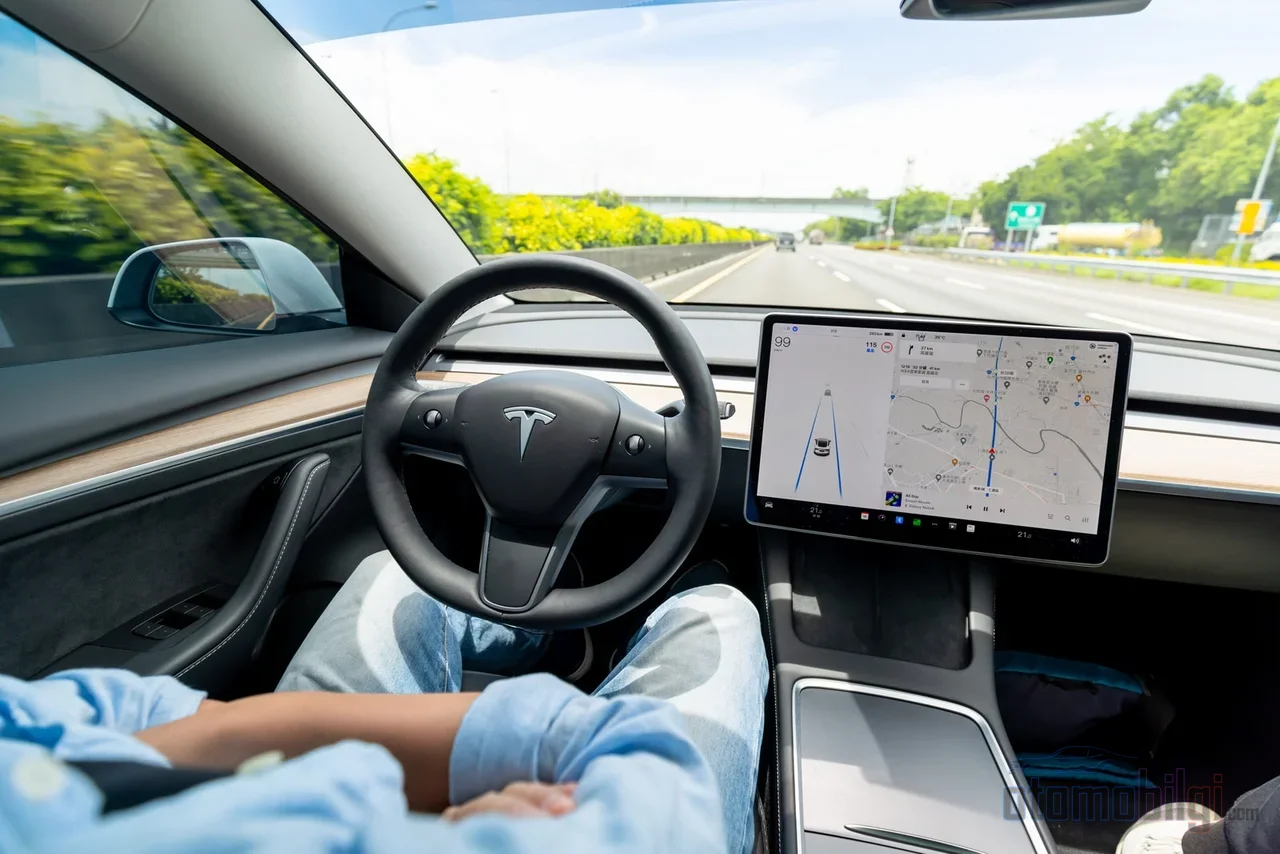
Does the AI Inside Your Car Really Understand You?
In-car AI assistants today can genuinely understand natural language, plan your route, and recognize you - but much of the promise of controlling everything from the air conditioning to navigation still remains just that: a promise. Mercedes MBUX and…
Read More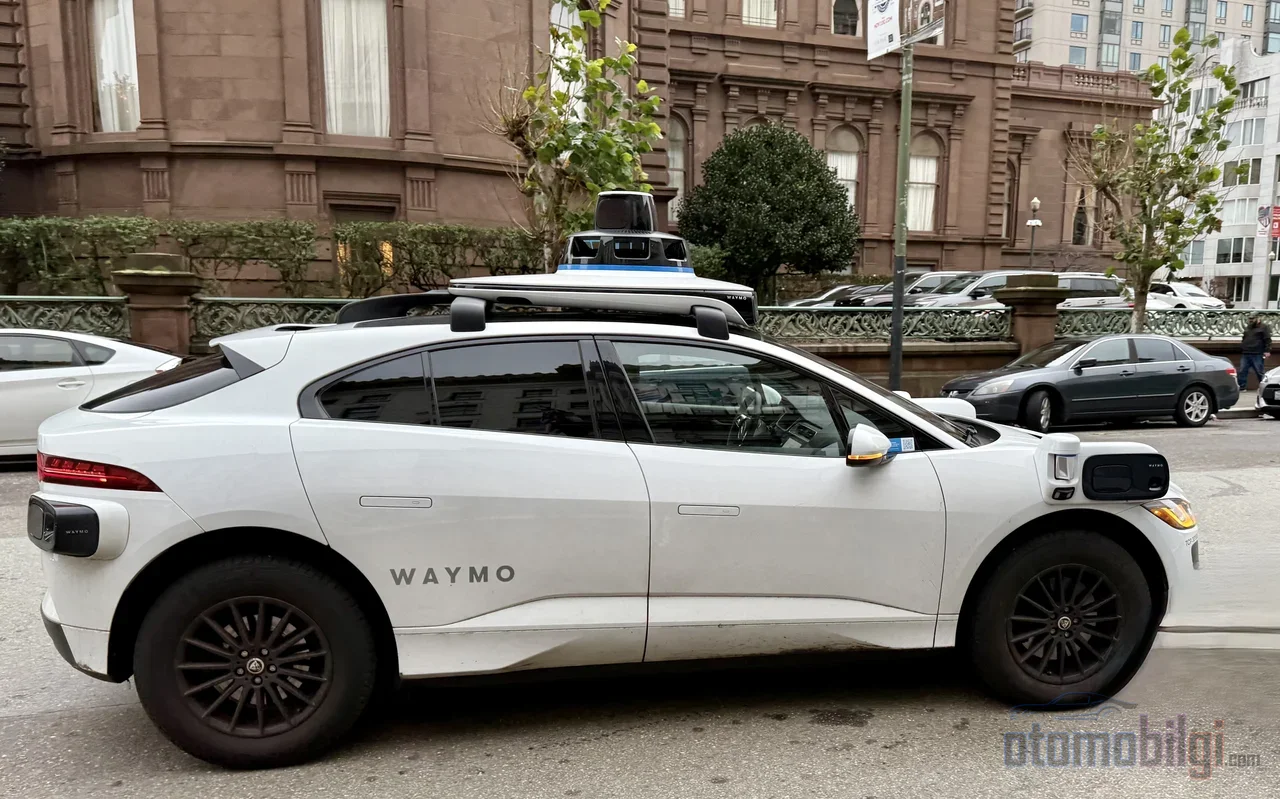
What Happens When You Ride a Robotaxi? Real Experience and Safety
Robotaxi means boarding a fully driverless vehicle via an app, and today it is practically usable in dozens of US cities and in China. The short answer is this: the service is real, passengers really do ride it and are satisfied - but the safety data…
Read More
Why Does Tesla Still Want a Driver While Waymo Roams the City on Its Own?
Waymo and Tesla approach autonomous driving through two completely opposite doors: Waymo is a Level 4 system operating driverless robotaxi services in lidar-mapped, geographically limited areas; Tesla is a software strategy distributing a Level 2 Ful…
Read More