History of the Electric Car
Share This Page
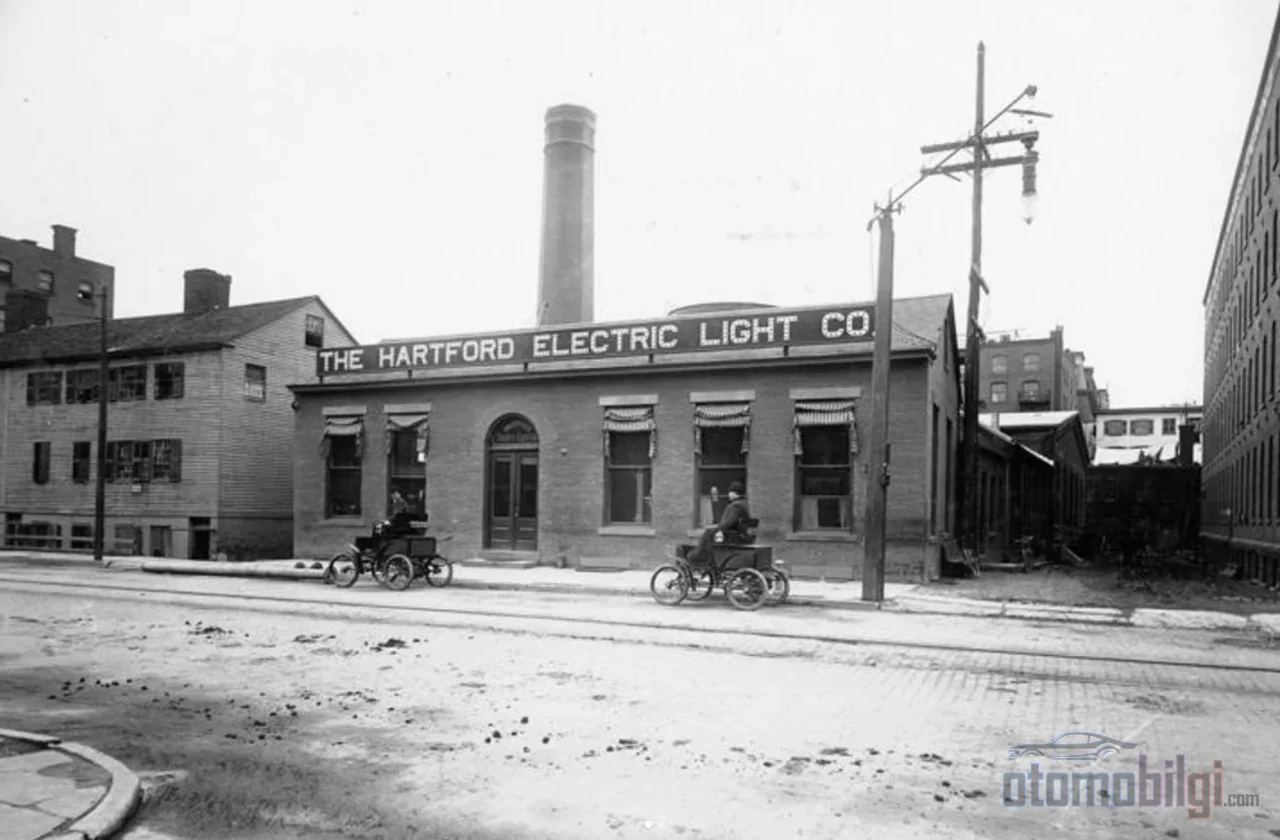
How Did GeVeCo's Battery Swapping Service Work?
GeVeCo was a battery swapping service operated by Hartford Electric Light Company in the state of Connecticut, USA, between 1910 and 1924: The electric vehicle owner did not buy the battery; through a subscription, they used pre-charged swap batterie…
Read More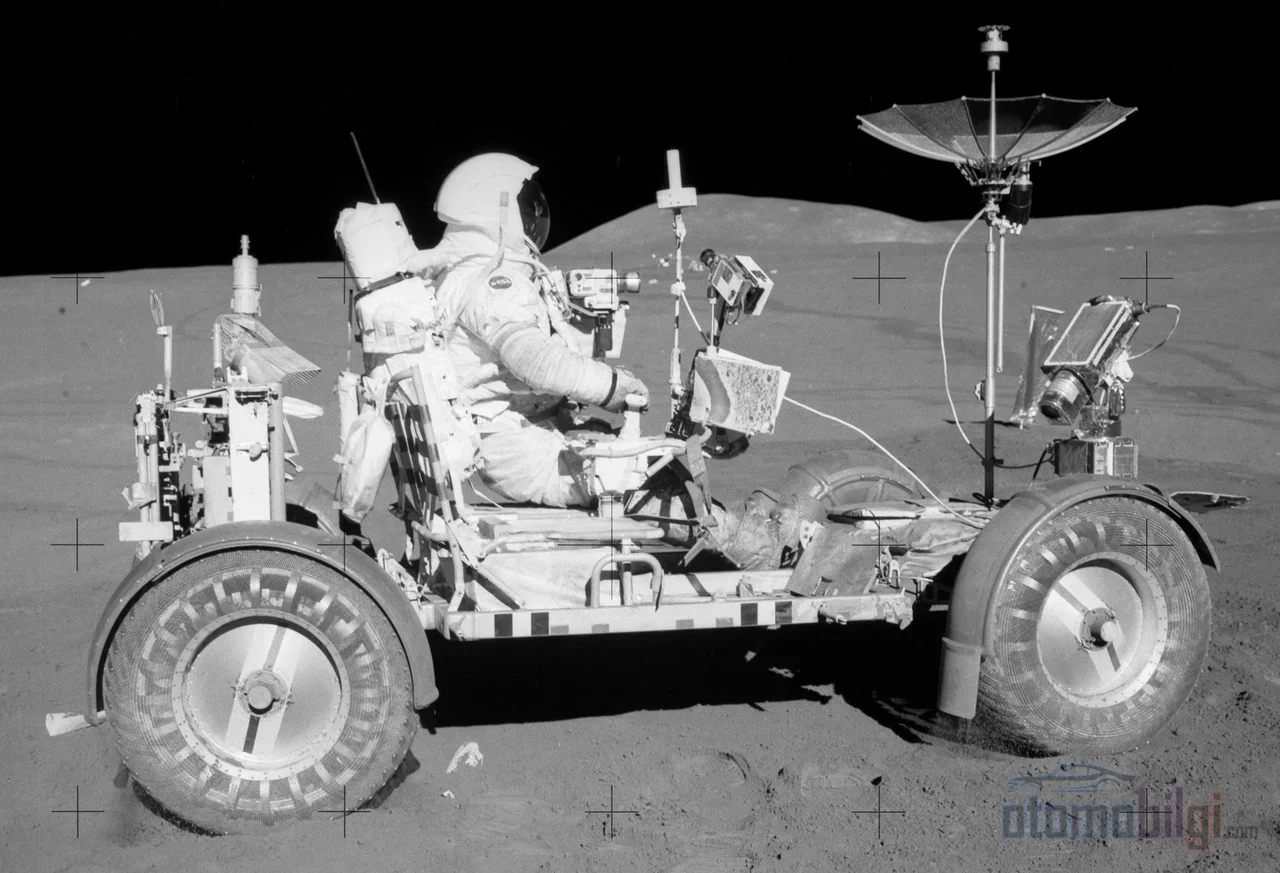
The Story of the Lunar Roving Vehicle, the First Car That Ran on the Moon
The Lunar Roving Vehicle, the four-wheeled electric rover of the Lunar Roving Program, reached the lunar surface on July 31, 1971 with the Apollo 15 mission. Developed in only 17 months with Boeing as prime contractor and propulsion system contributi…
Read More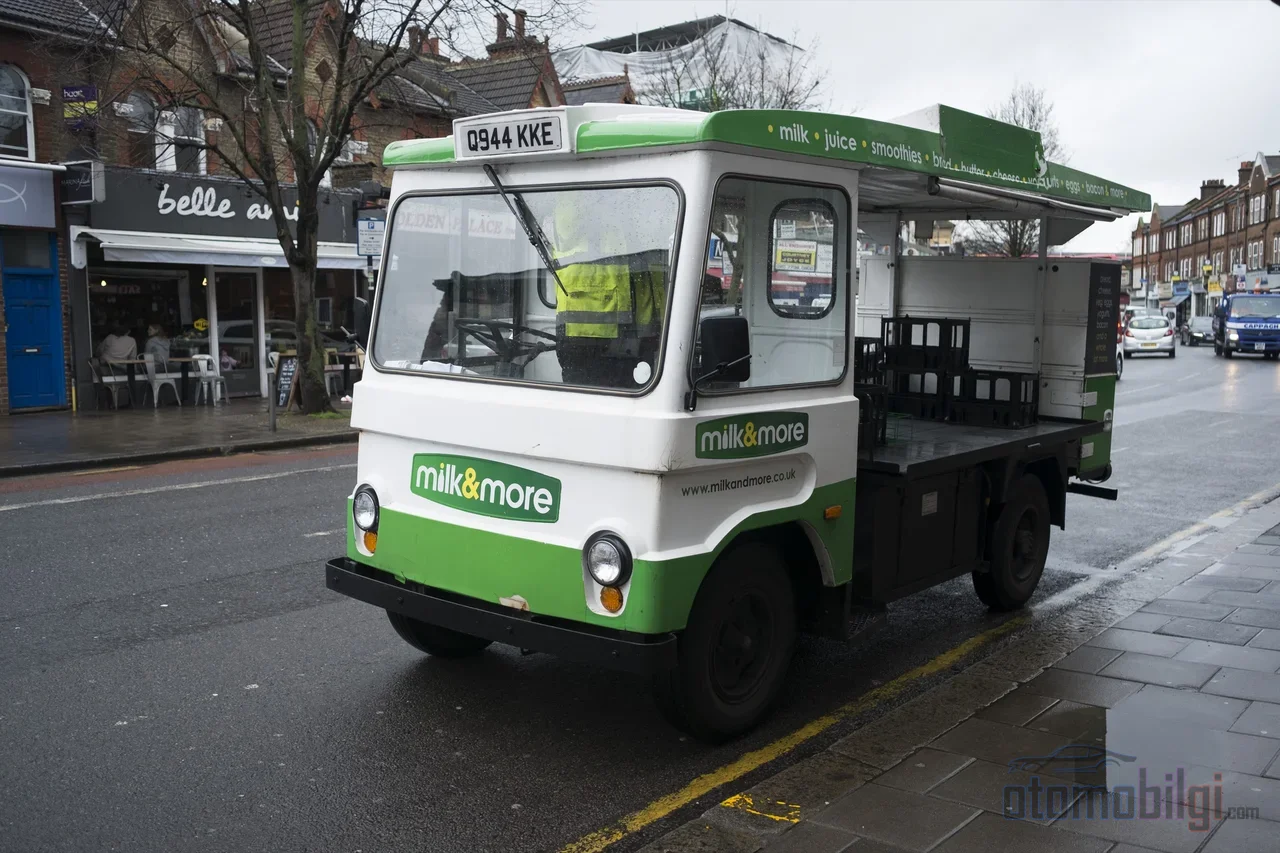
Milk-Delivery Vehicles That Quietly Roamed the Cities Were Electricity's Forgotten Fleet
The electric milk delivery vehicle, known in Britain as the milk float, is a distribution vehicle specifically designed to carry fresh milk to people's doorsteps, almost entirely battery-powered electric. 20. Throughout the century, these vehicles fo…
Read More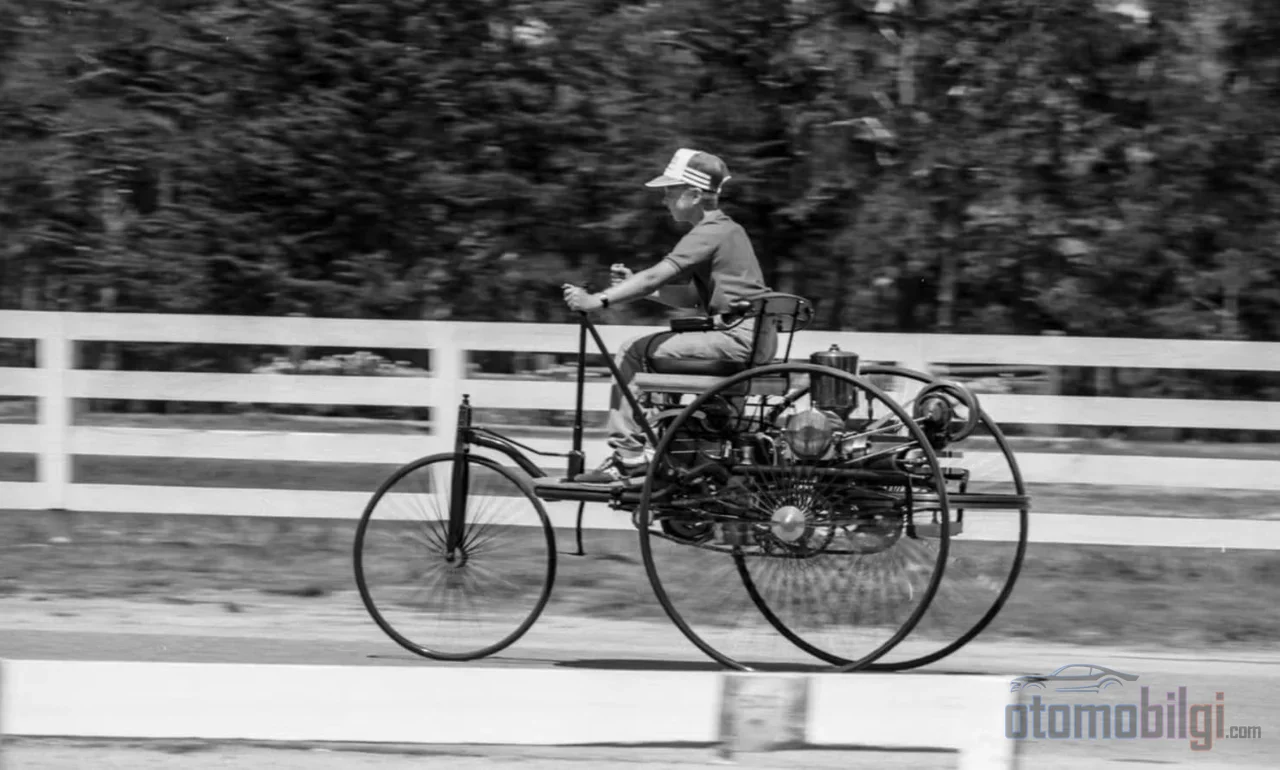
Electric Cars at Their Peak: What Do the Real Sales Figures Say?
Around 1900, the claim that one in every three cars was electric is largely true, but an incomplete truth. That year, according to various sources, between 28 and 38 percent of automobiles in the United States were electric; meaning one in three cars…
Read More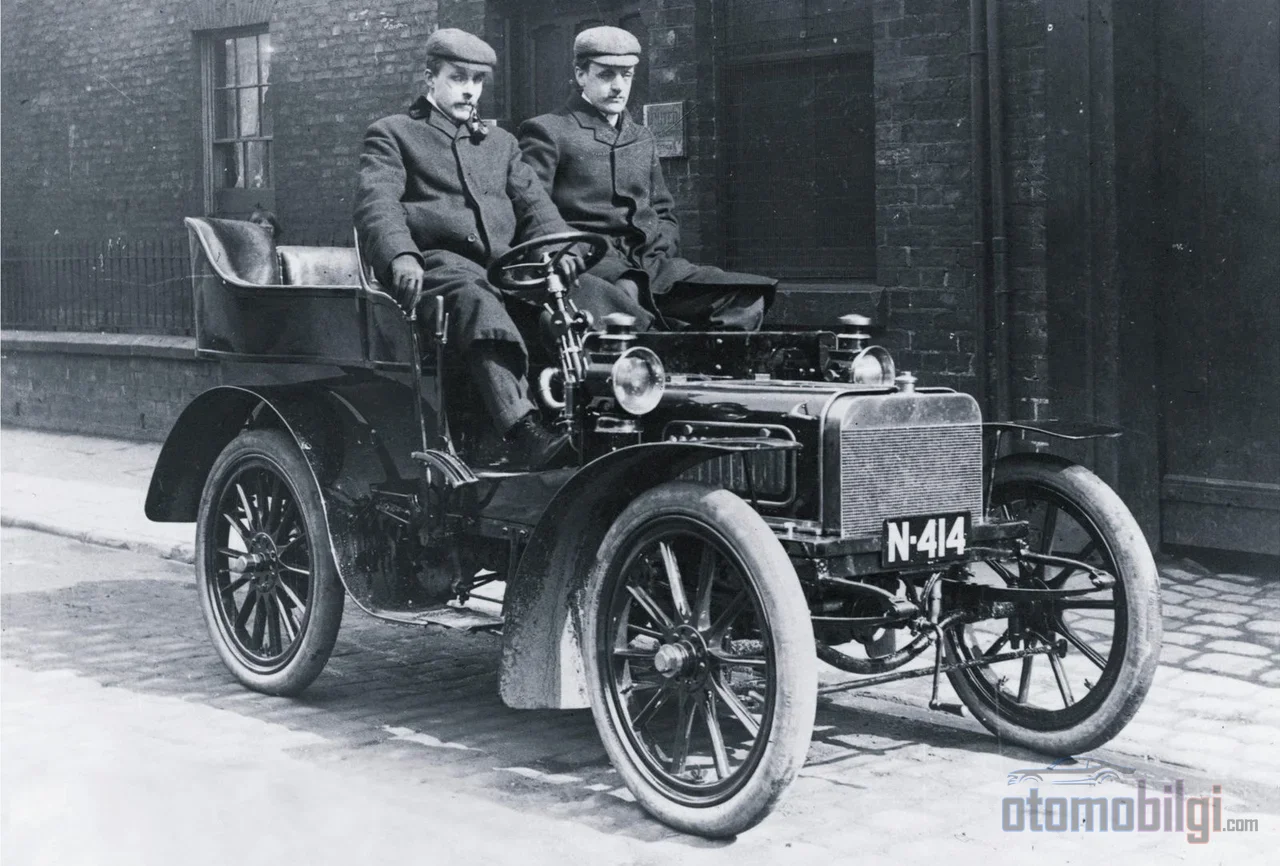
Why Were Batteries Replaced in Early Electric Cars?
In early electric cars, the battery was not a purchased part of the vehicle but a rented service: in a model operated in the USA from 1910 to 1924, the vehicle owner never bought the battery; in return for a monthly service fee and a per-mile charge,…
Read More
As Batteries Get Cheaper: The Economics Making Electric Cars Mainstream
The real driving force behind the mass adoption of electric cars is not motor design or aerodynamics; it is the fact that the cost of a battery cell per kilowatt-hour has fallen by more than 99 percent over more than three decades. The cell price, wh…
Read More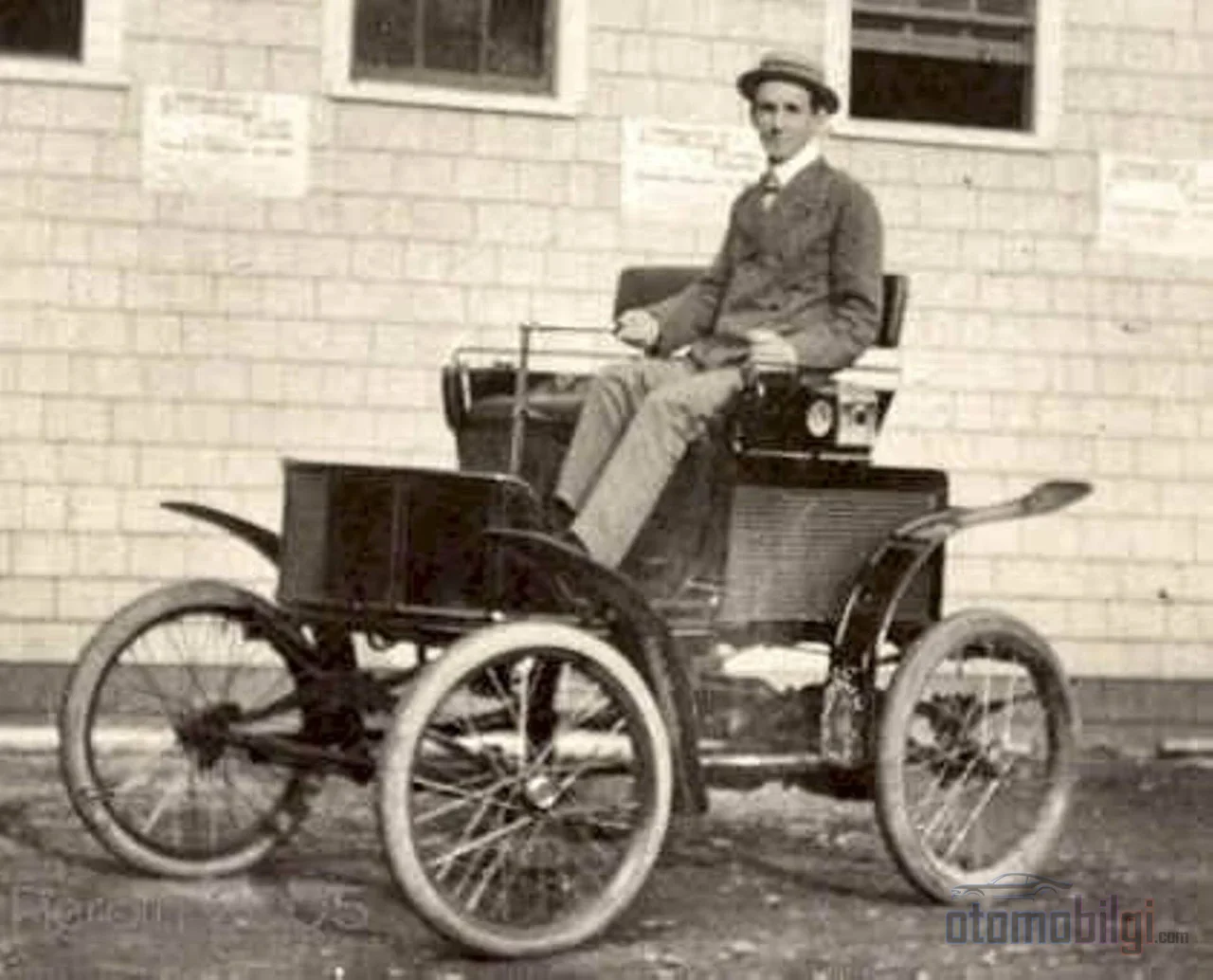
Who Really Invented the Electric Car?
There is no single inventor of the electric car. The process stretching from a miniature model vehicle in Hungary in 1828 to practical vehicles that could hold the road in the USA and France in the 1890s is the sum of steps taken one after another by…
Read More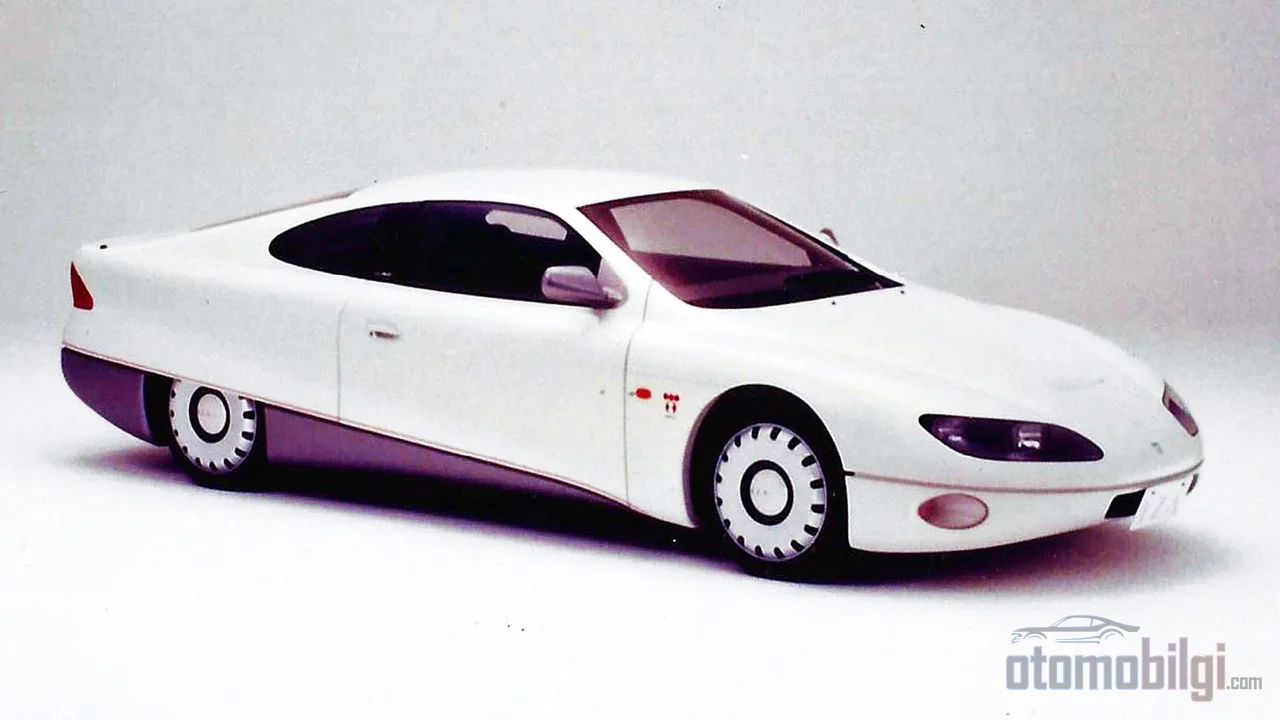
How California's Zero-Emission Decision Forced the Electric Car?
The Zero Emission Vehicle (ZEV) mandate adopted by the California Air Resources Board (CARB) in 1990 made the world's first large-scale electric car production a legal obligation. The rule required major automakers to make a certain percentage of the…
Read More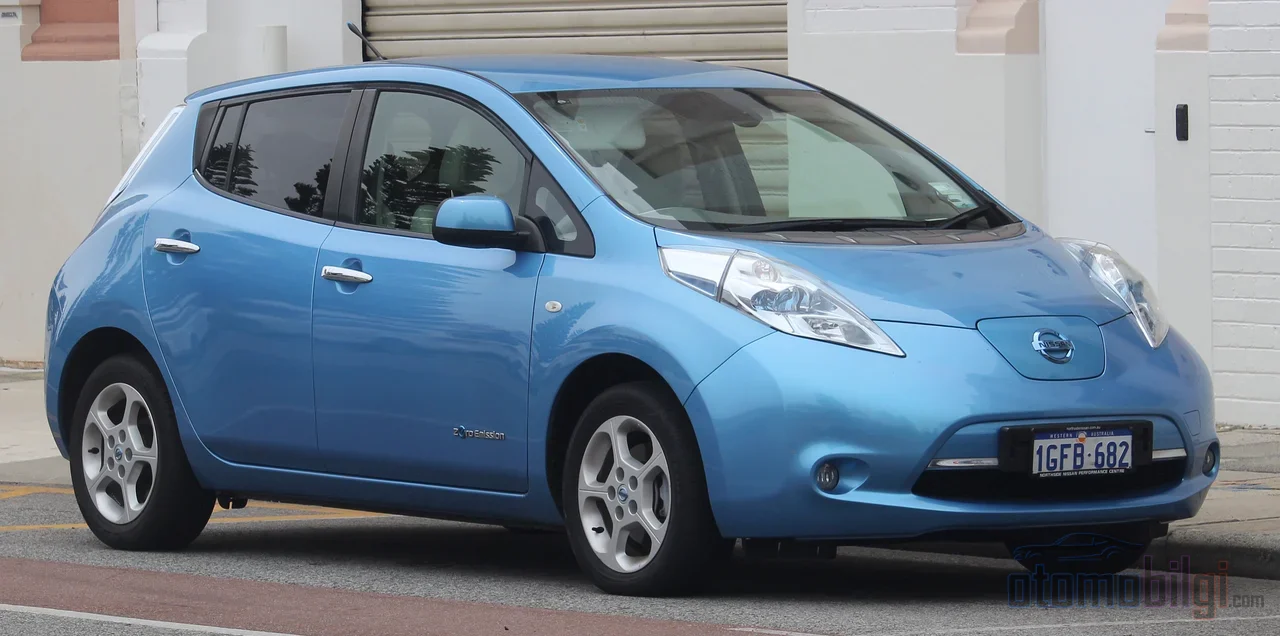
The Nissan Leaf and the Birth of the Mass Market
The Nissan Leaf is the electric car that went from being a luxury toy to entering the average consumer's garage; introduced on August 1, 2009 as the world's first mass-produced, zero-emission mass-market car and hitting the road in December 2010, it …
Read More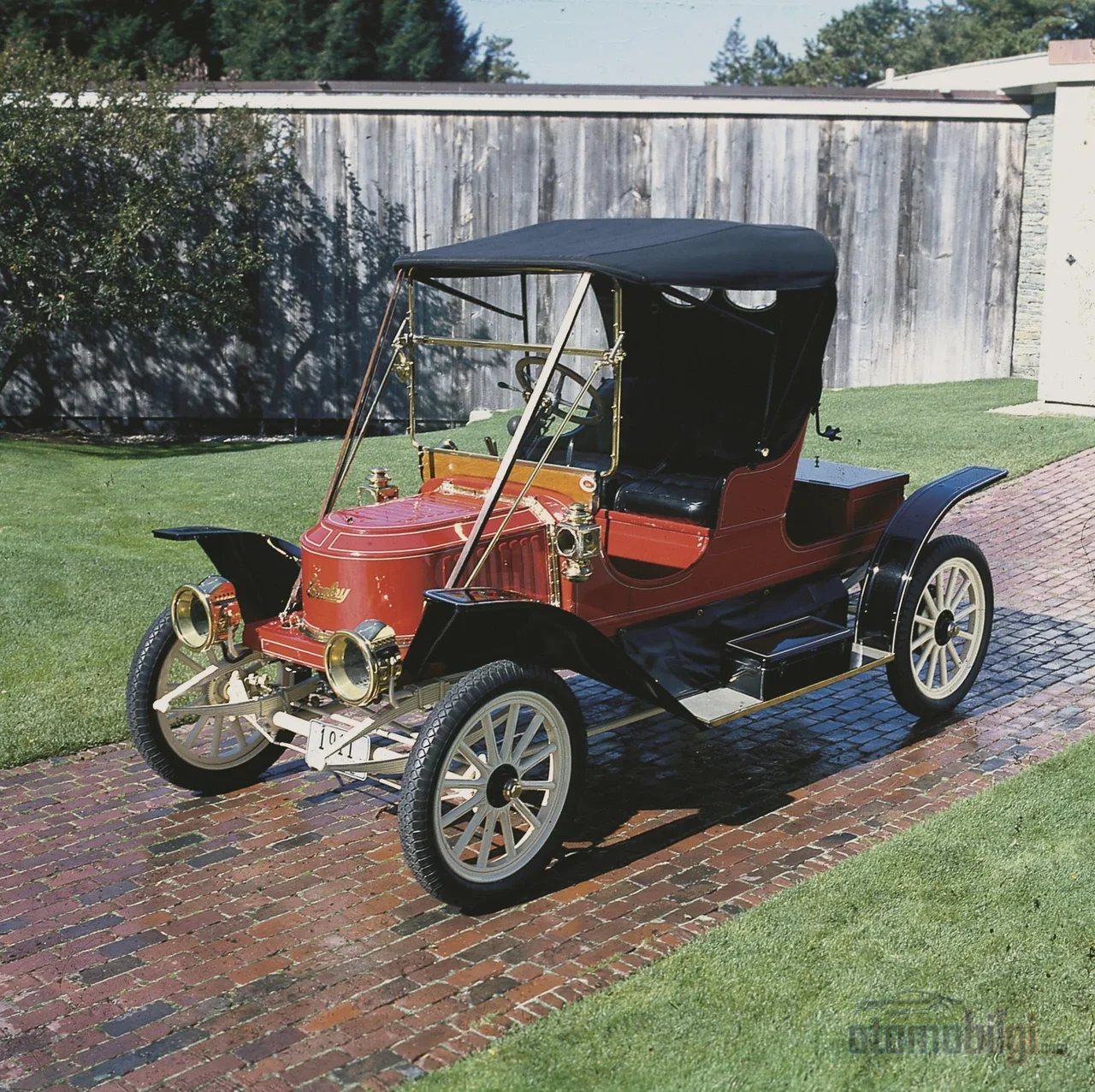
Steam, Electric, and Gasoline: The First Car Race
In the early years of the automobile, no one yet knew who the winner would be; steam, electricity, and gasoline were all running an equal race. Around 1900, US production consisted of steam vehicles at roughly 40%, electrics at 38%, and gasoline cars…
Read More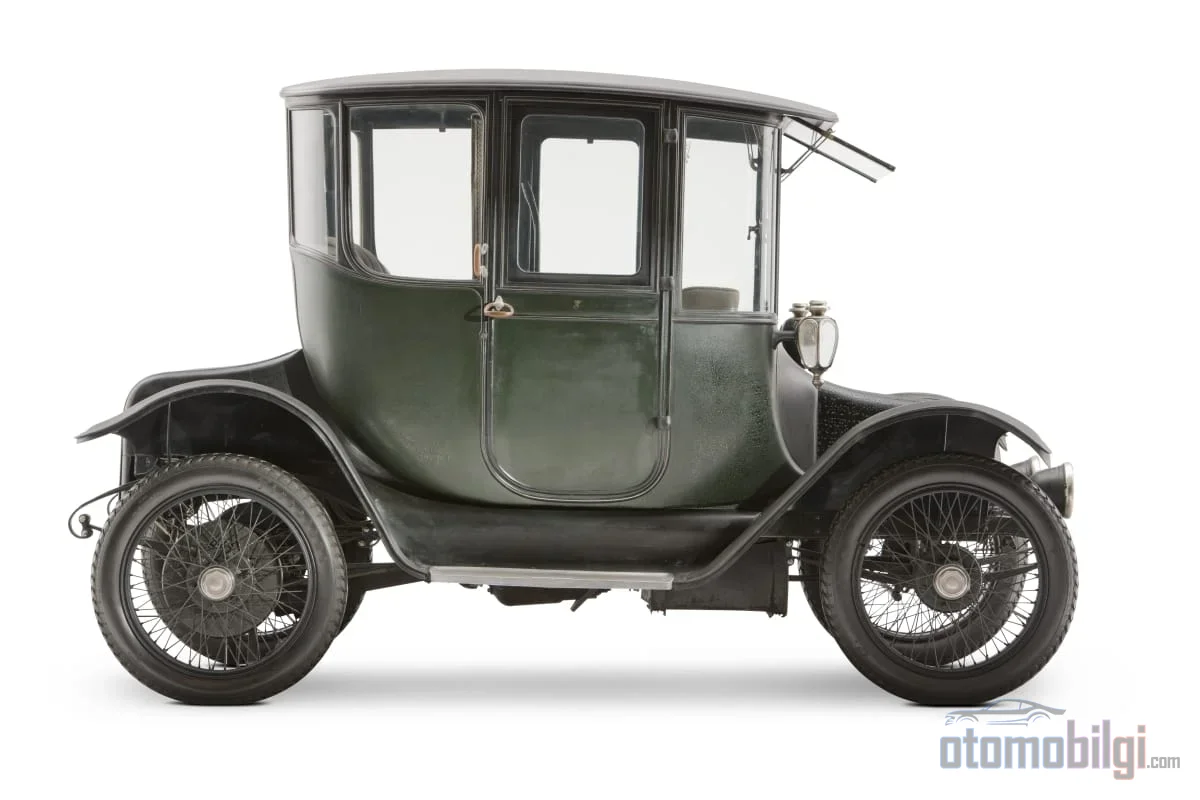
Detroit Electric and the Luxury Years of the Electric Automobile
Detroit Electric, produced in Detroit between 1907 and 1939 and reaching approximately 13,000 units, is the most successful luxury model in the history of electric cars. Its design that required no hand crank, its quiet cabin, and an advertised range…
Read More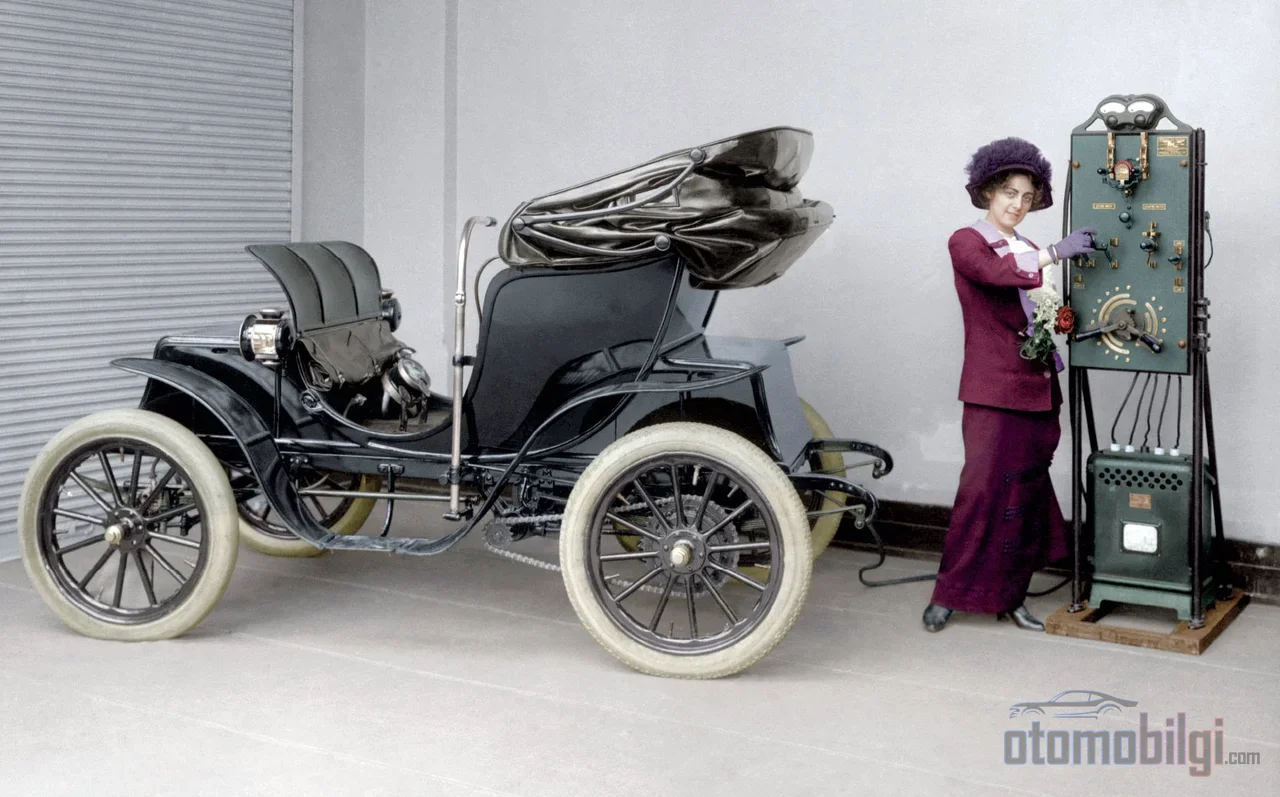
Where Were the First Charging Stations Installed and How?
The first charging stations were established in the early 20th century in cities like New York - General Electric's street-type "Electrant" units, dealership and garage charging points, and store stations that attracted wealthy customers; home chargi…
Read More