Hybrid Car History
Share This Page
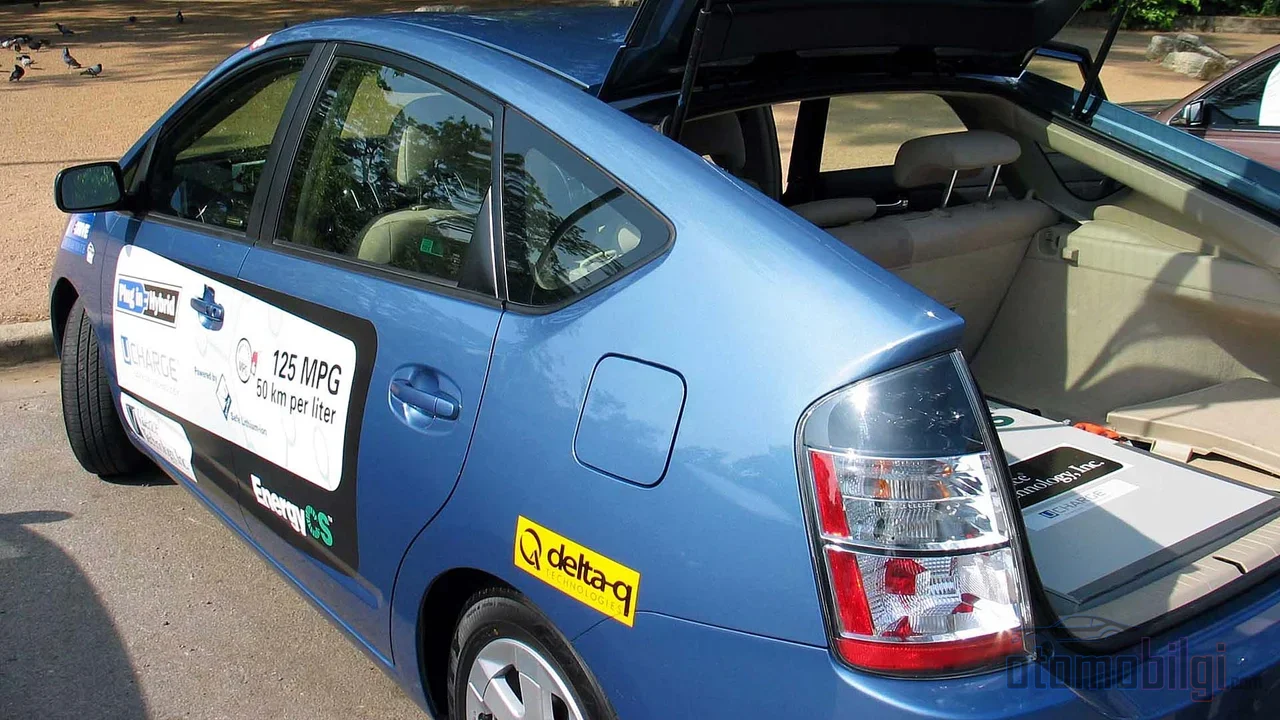
An Engineer's Persistence: How Did Andrew Frank Perfect the Plug-in Hybrid?
The modern concept of the plug-in hybrid goes by a single name: Andrew Alfonso Frank. Frank, an emeritus professor of mechanical and aeronautical engineering at UC Davis, worked on hybrid vehicles that could be charged from the grid starting in 1971,…
Read More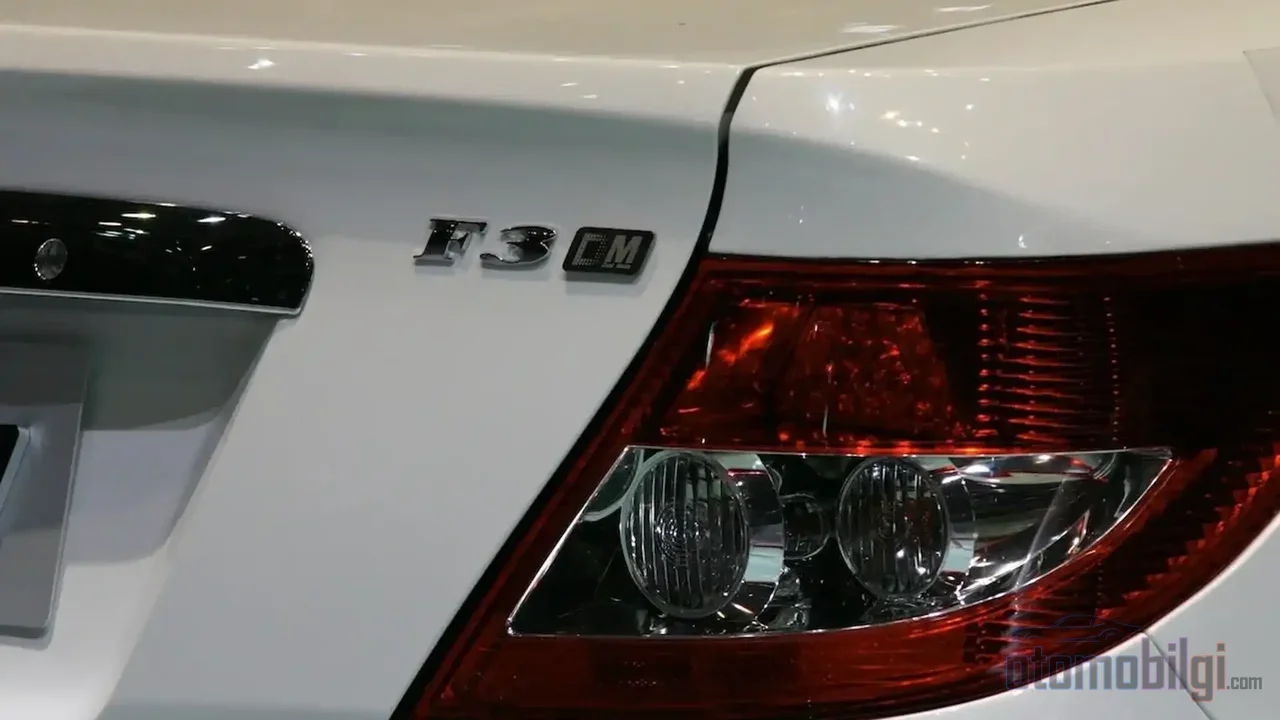
Why Did the First Series-Production Plug-in Hybrid Find Only 48 Buyers a Year?
The world's first mass-produced plug-in hybrid car is the BYD F3DM, which went on sale in China on December 15, 2008; yet this technical pioneer sold only 48 units in its first year, going down in history as a textbook example of commercial failure. …
Read More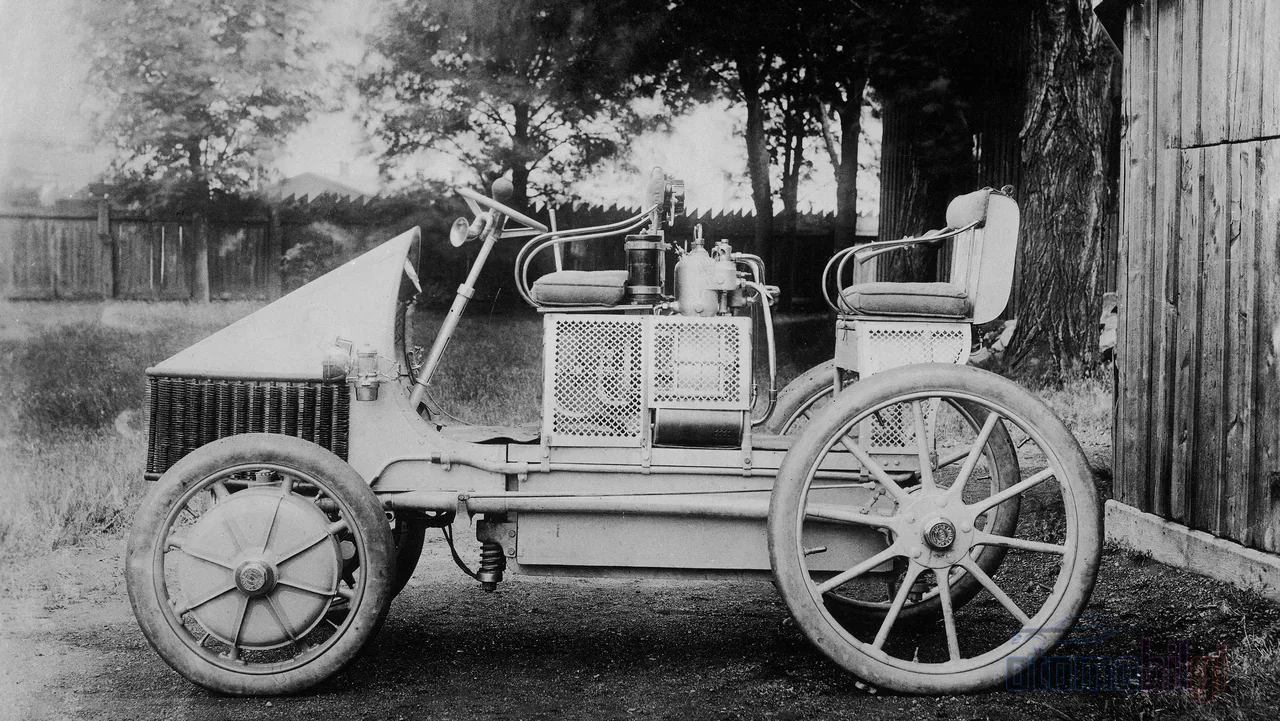
Was the World's First Mass-Produced Hybrid a Porsche?
Yes: the world's first mass-produced hybrid car was the Lohner-Porsche Mixte designed by Ferdinand Porsche. Semper Vivus, a working prototype in 1900, became production-ready within a year and was sold to customers from 1901 onward. So the history of…
Read More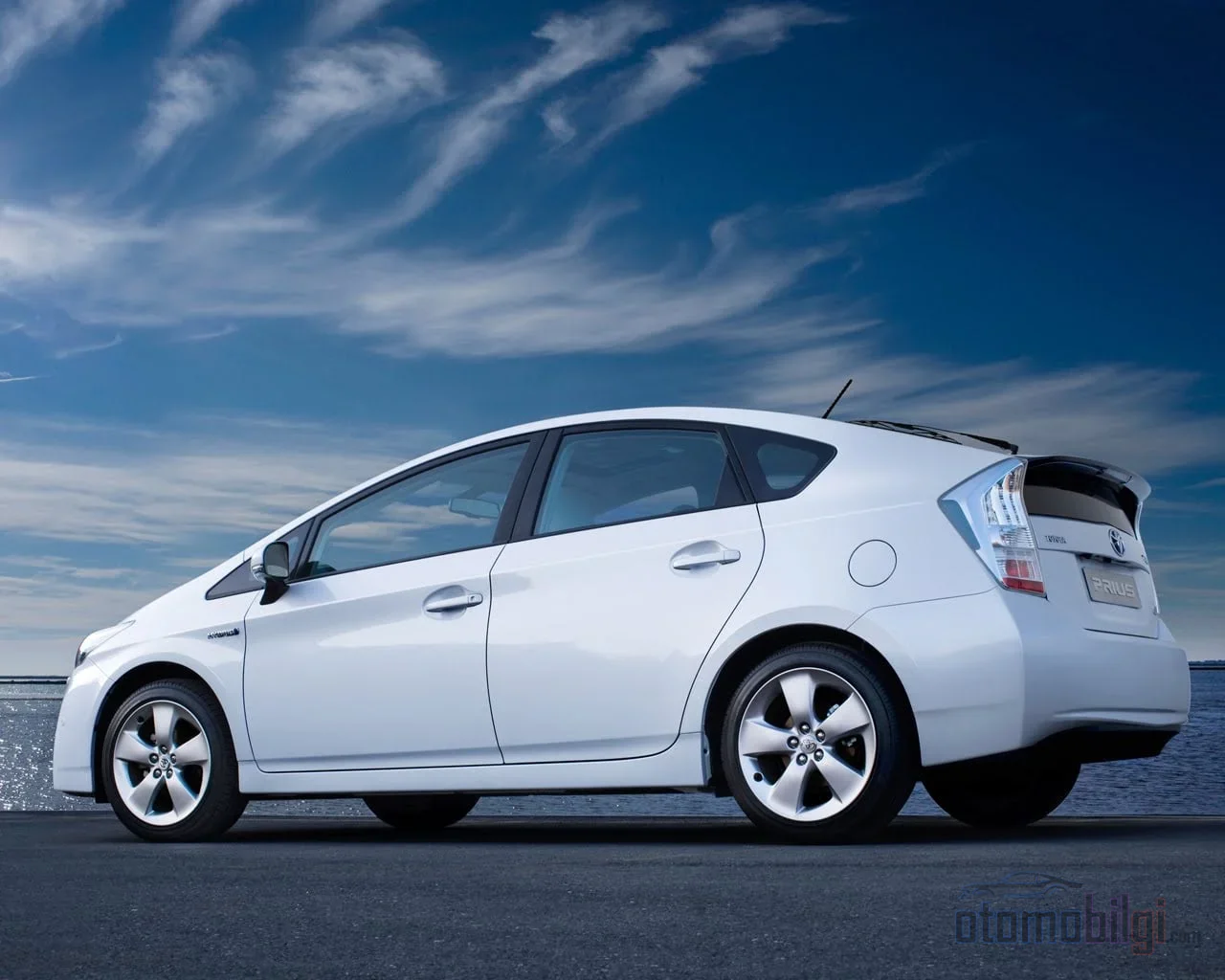
Why Has the Power Split System Made the Toyota Hybrid Unrivaled?
What makes Toyota's hybrid unrivaled is not the electric motor or the battery alone, but the power-split drivetrain that divides and combines power from two motors through a single planetary gear set. This architecture compensates for the weaknesses …
Read More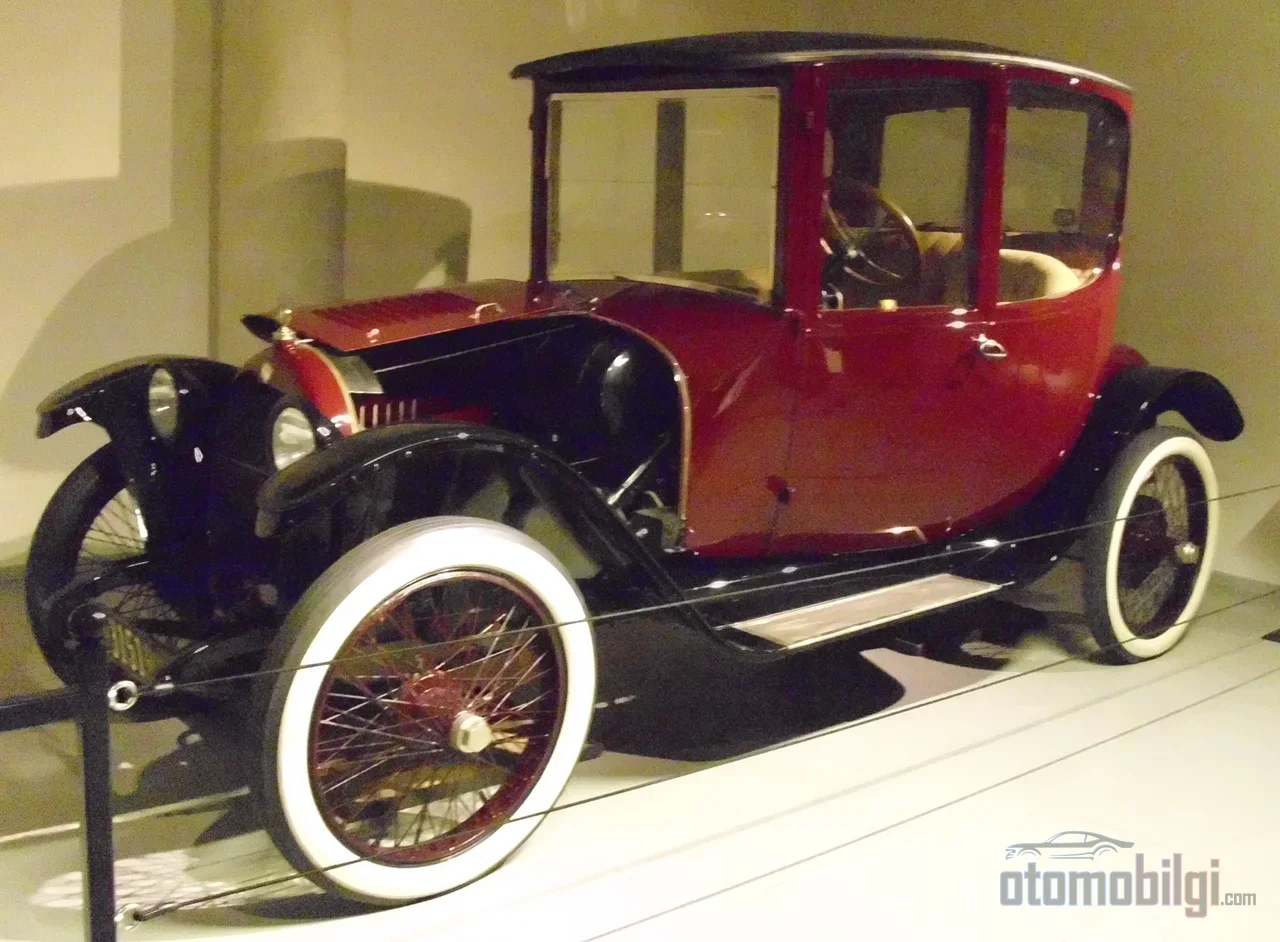
Woods Dual Power: Why Did the Series-Production Hybrid Attempt Go Wrong?
Woods Dual Power is the world's first mass-produced hybrid car, announced in 1916 and produced until 1918 by the Chicago-based Woods Motor Vehicle Company, combining a gasoline engine and an electric motor in the same drivetrain. Going fully electric…
Read More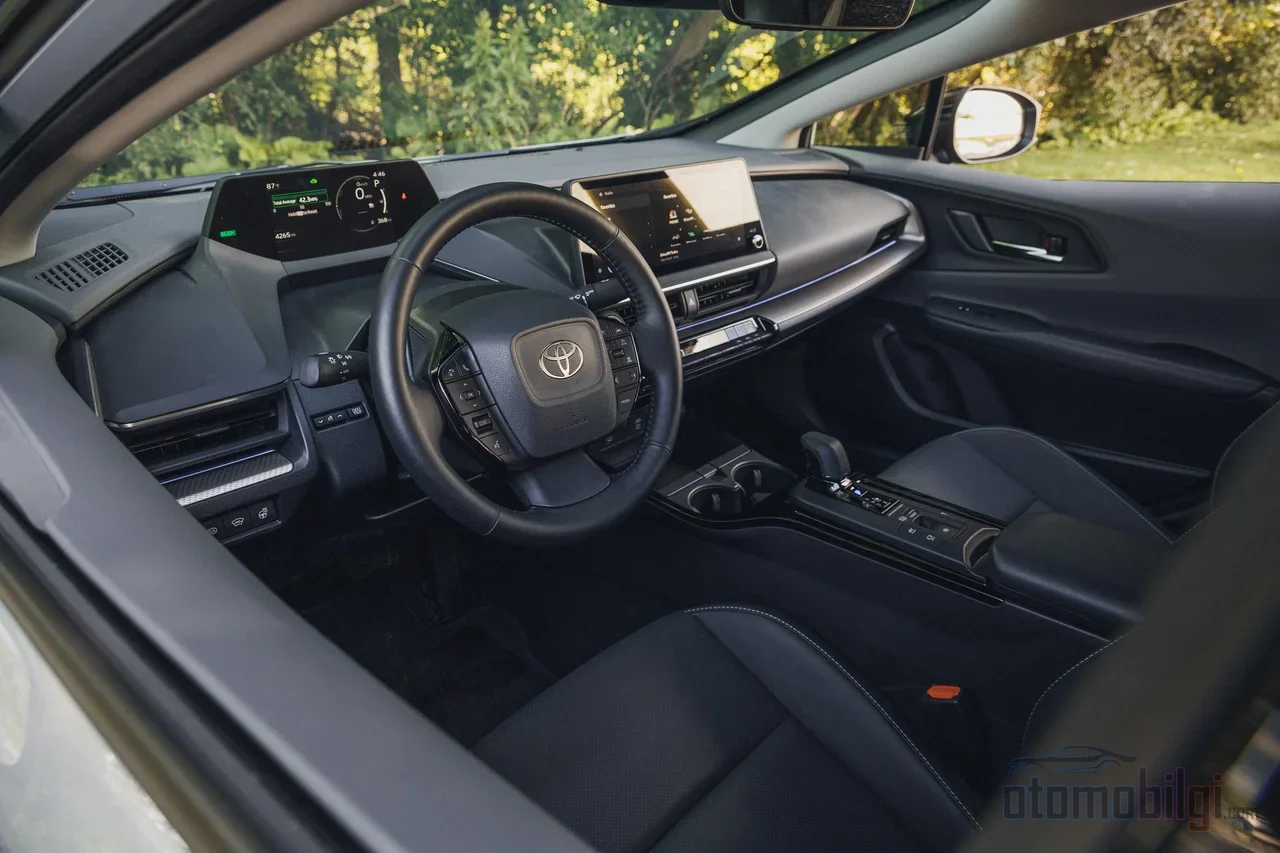
Why Did California's Mandatory Emissions Rule Give Birth to Hybrids?
While the hybrid car's dominance today may look like an engineering triumph, the real turning point of the story lies not in the engine block but in an air quality regulation. California's in 1990 Zero-Emission Vehicle (ZEV) mandate caught automakers…
Read More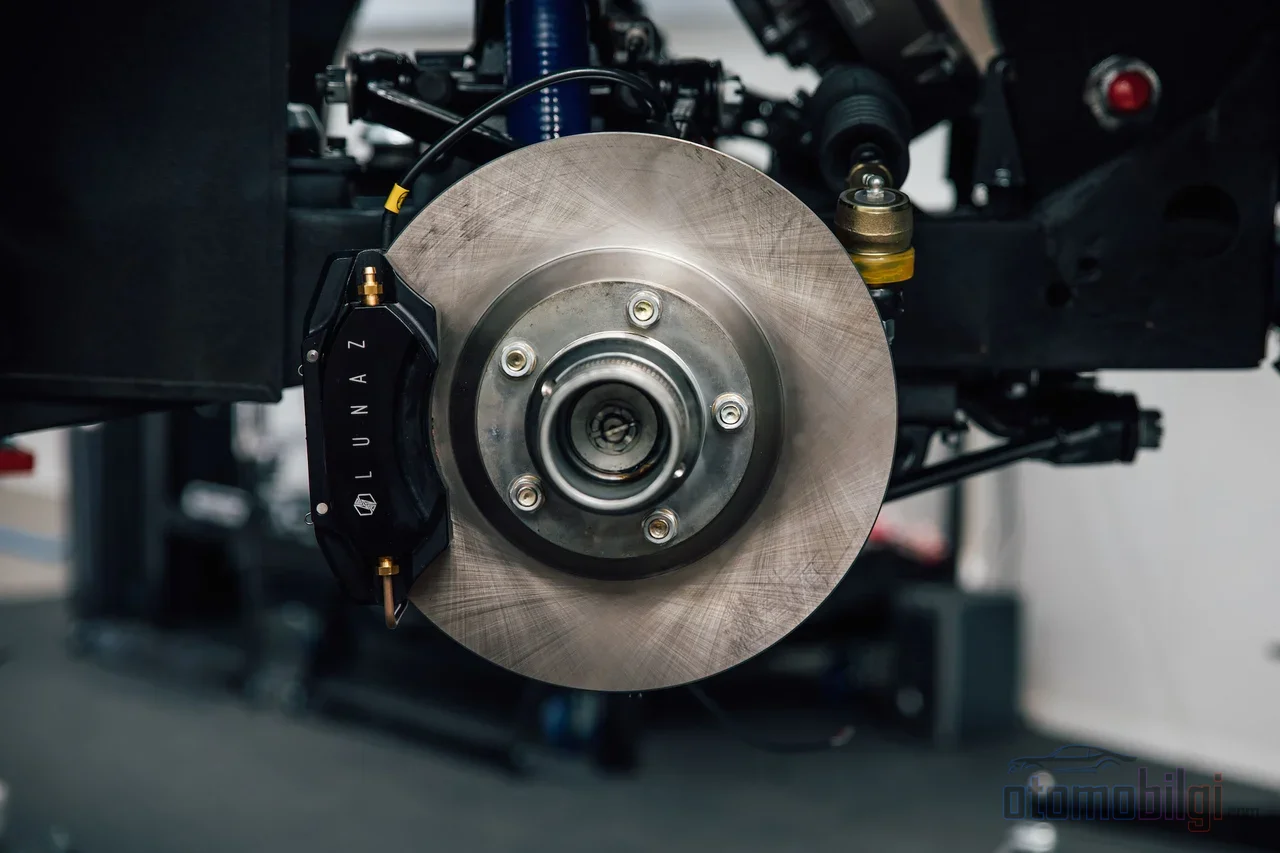
The Heart of the Hybrid: The Centuries-Old Story of Regenerative Braking
Regenerative braking is an energy recovery mechanism that converts kinetic energy into electricity and stores it while slowing a moving vehicle. At the moment of braking, the electric motor acts like a generator; energy that would otherwise be lost a…
Read More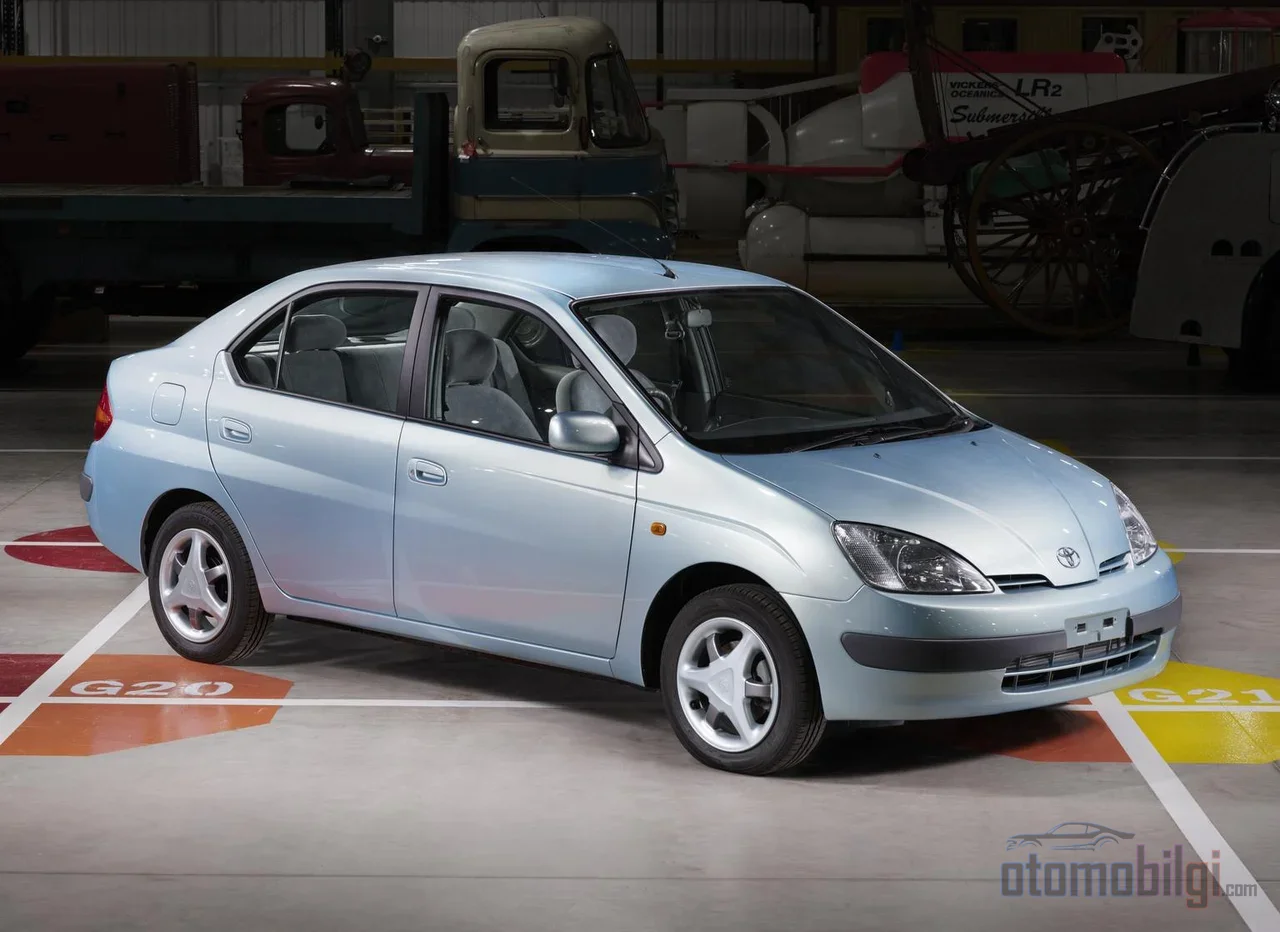
How a Toyota Conquered the World: How Hybrids Spread in the 2000s?
The global spread of hybrid cars after 1997 is the name of a process that began when Toyota Prius started selling it only in Japan in December 1997: within three years, exports to North America and Europe, the technology duel with Honda's Insight , E…
Read More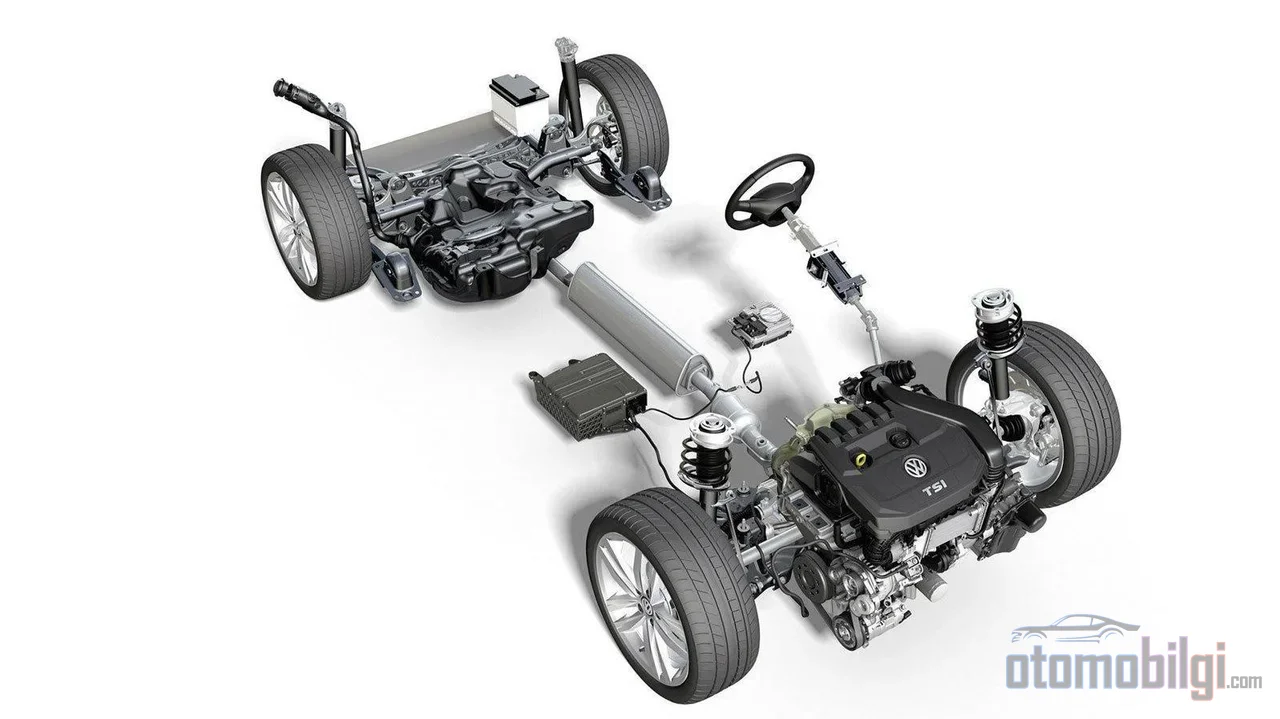
The Quiet Rise of 48 Volts: How Did Mild Hybrid Seep Into Everything?
A mild hybrid is a hybrid system consisting of a small electric motor and battery that supports the internal combustion engine but cannot move the vehicle on its own; today it typically 48-volt runs on a lithium-ion battery, which is why it is known …
Read More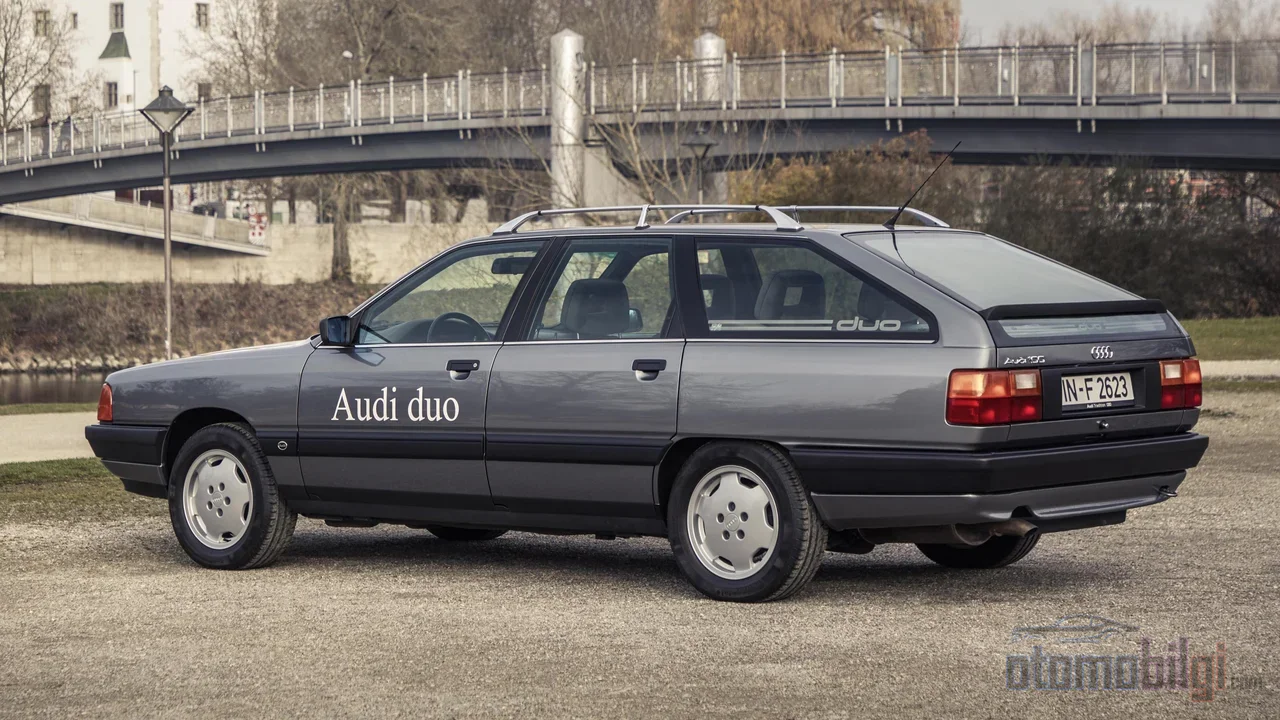
Audi Duo and the Forgotten European Hybrid Experiments of the 1990s
When the history of hybrid cars comes up, the Toyota Prius and Honda Insight come to mind; yet Europe's first entry into this stage happened much earlier and with a far less talked-about name: the Audi Duo. Audi seriously explored hybrid propulsion w…
Read More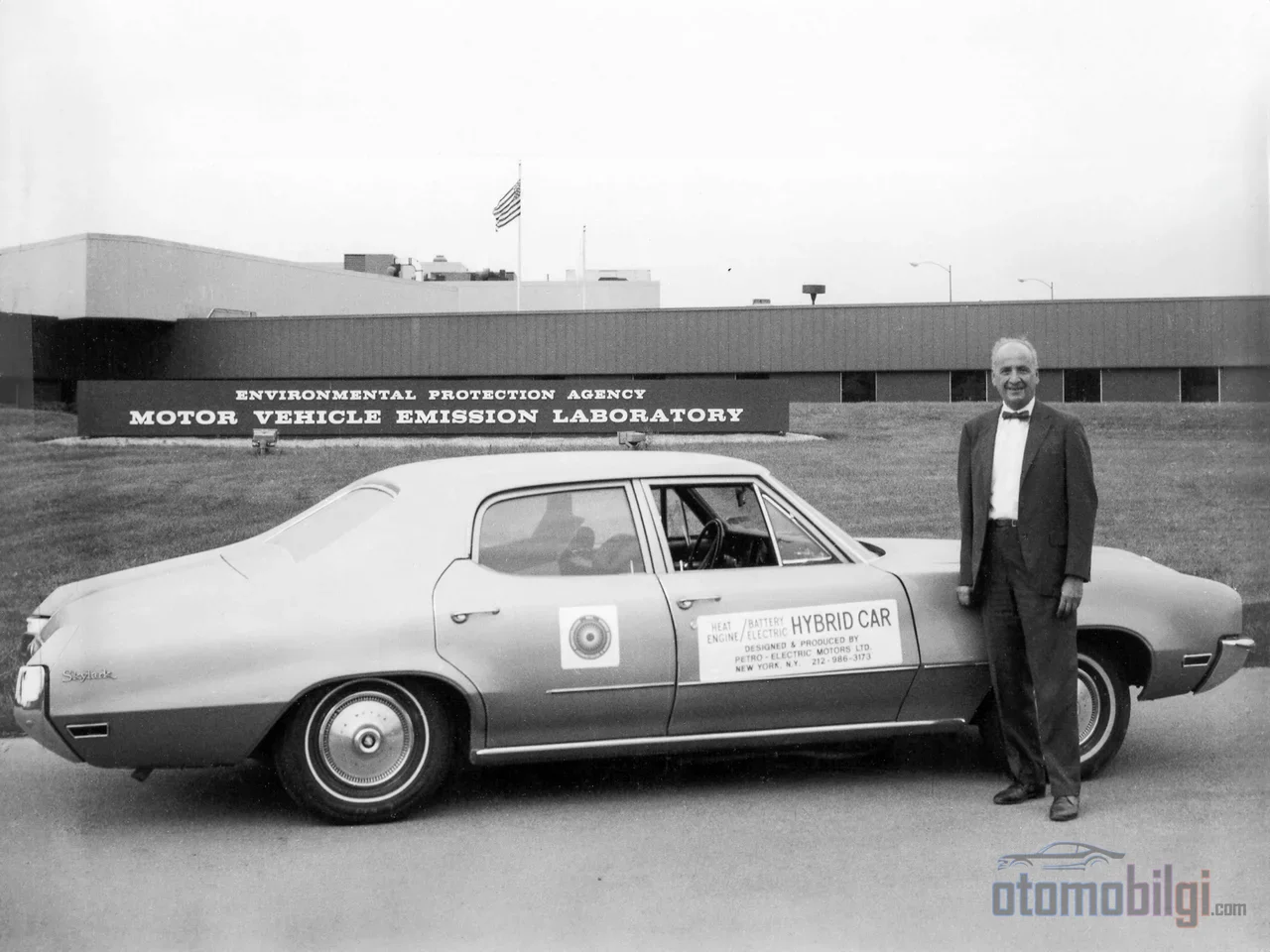
Victor Wouk's Rejected Hybrid Dream of the 1970s
Victor Wouk produced a working prototype carrying all the fundamental principles of the modern hybrid automobile for a contract issued under the US government's Clean Air Act in the early 1970s. Based on a 1972 Buick Skylark, this vehicle achieved em…
Read More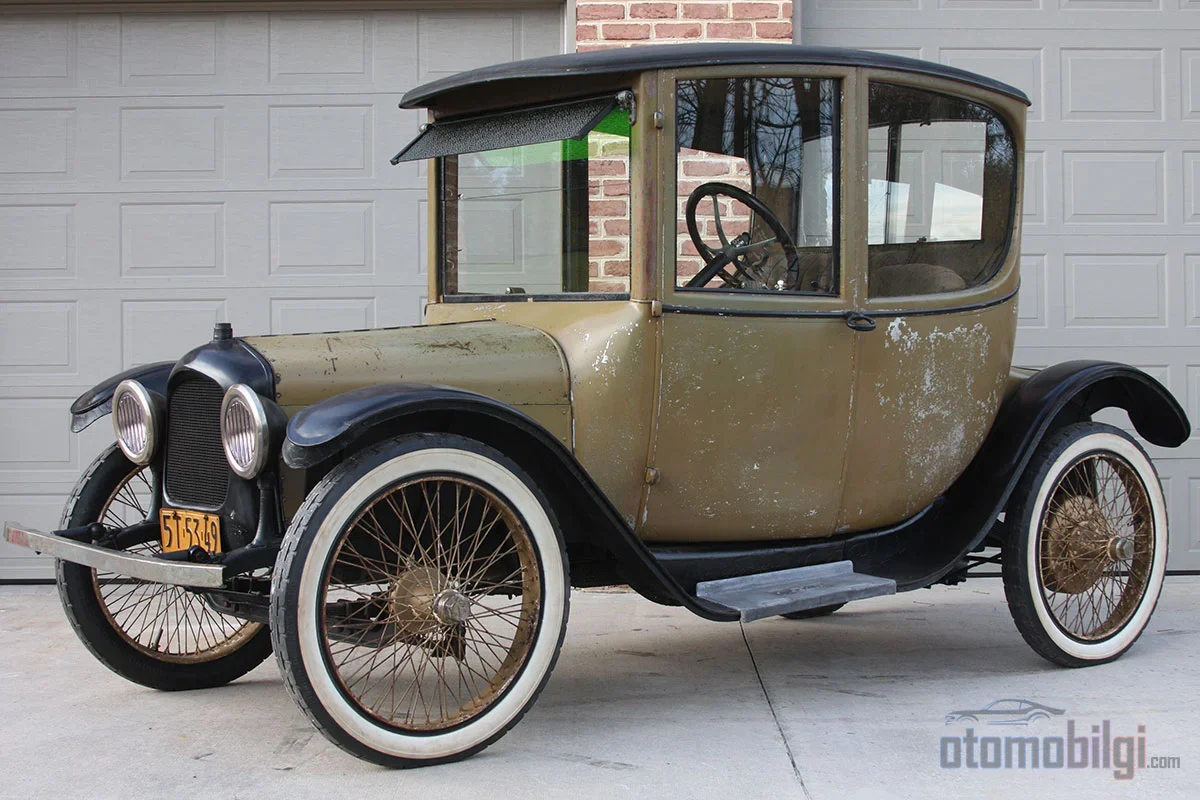
Detroit's Forgotten Early American Hybrid Experiments
When the story of the hybrid automobile is told, almost everyone starts from the same place: Ferdinand Porsche's Lohner-Porsche work around 1900-1901, followed by the Toyota Prius arriving in 1997. Most of the period in between passes as an empty box…
Read More