Battery and Charging
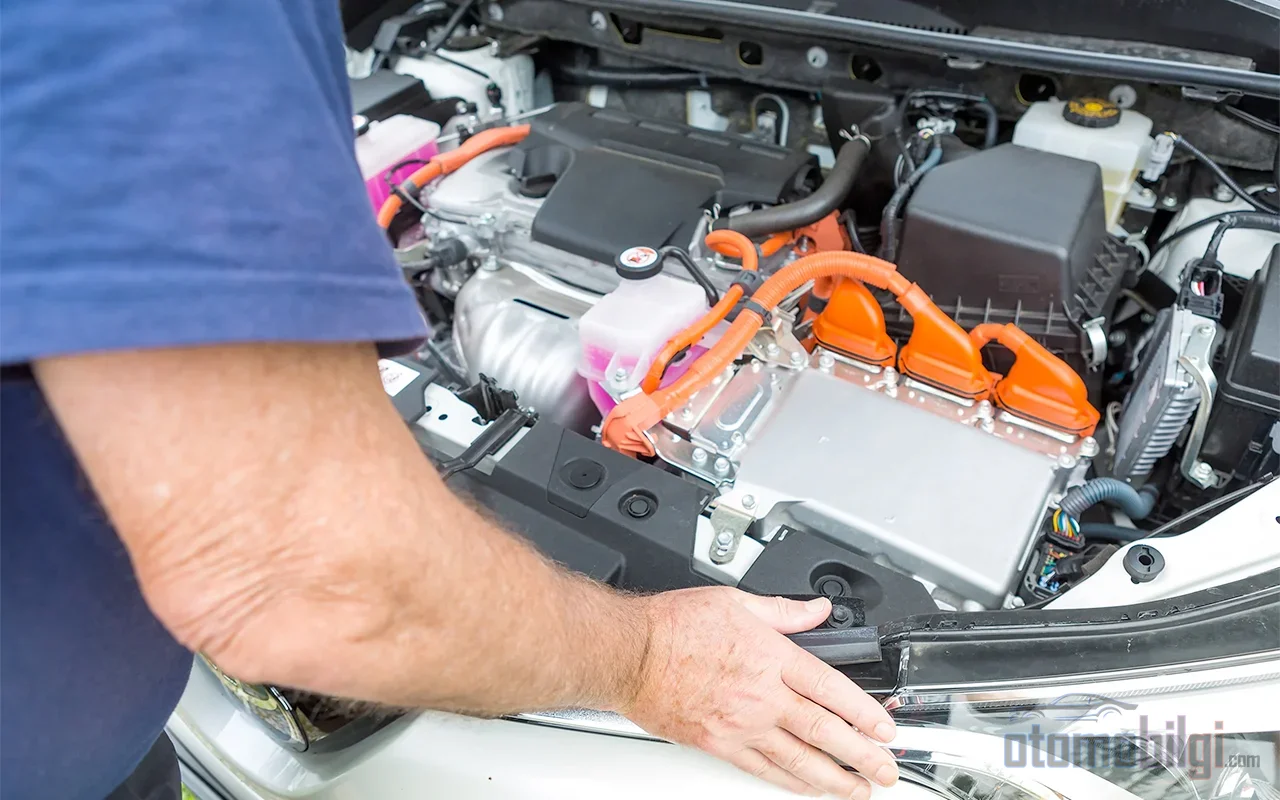
Why Does a Hybrid Battery Never Fully Charge or Drain?
Your hybrid battery never shows 100% full or 0% empty, because manufacturers deliberately keep a portion of the battery hidden as a buffer zone that is never reflected on the gauge. The system typically cuts off charging at around 80% and never lets …
Read More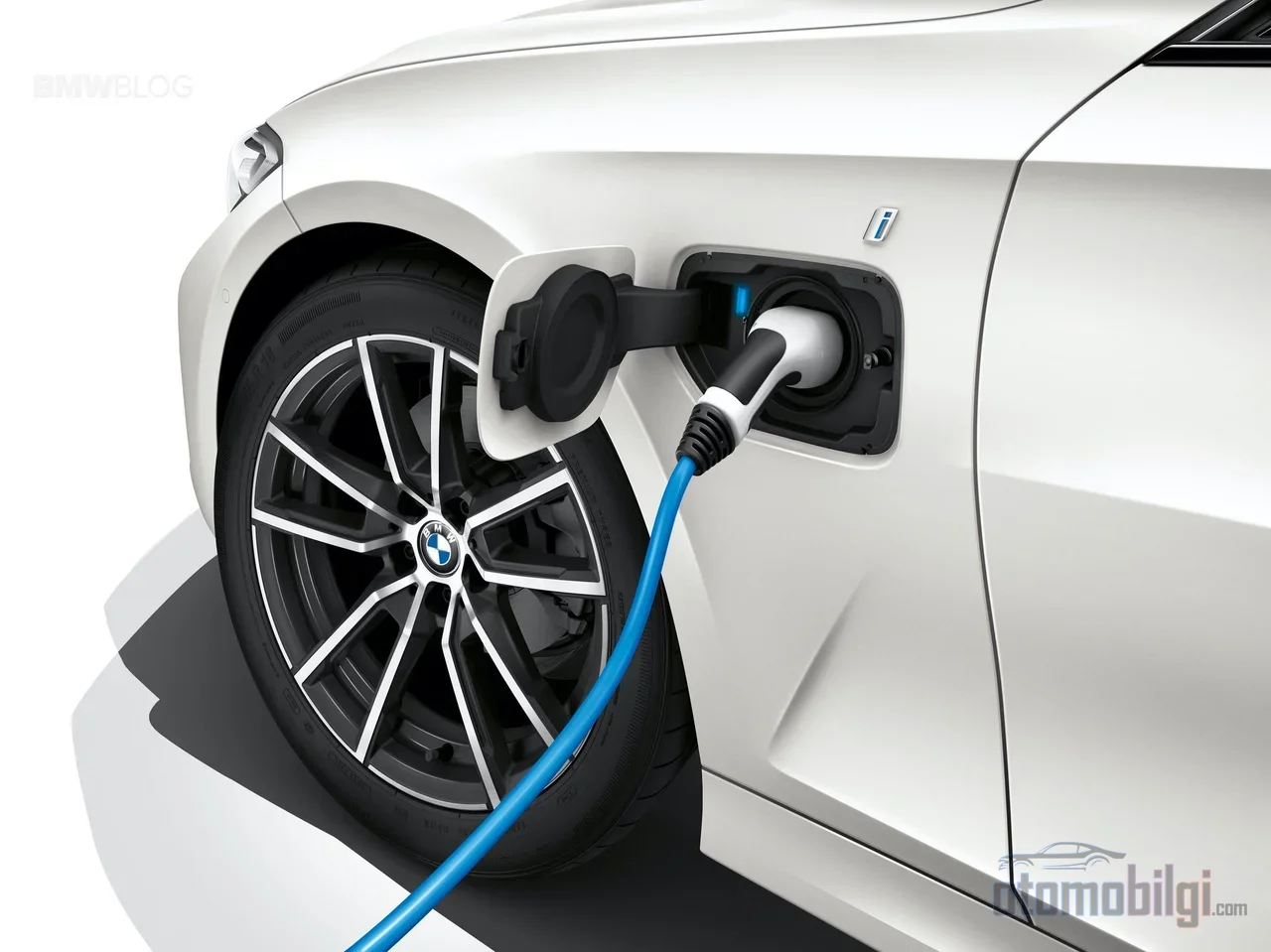
How Long Does It Take to Charge a Plug-in Hybrid?
A plug-in hybrid vehicle typically considers its battery sufficiently charged within 4 to 12 hours; three variables determine this time: the battery's capacity (in the 8-20 kWh range for most models), the power the charging source can deliver, and th…
Read More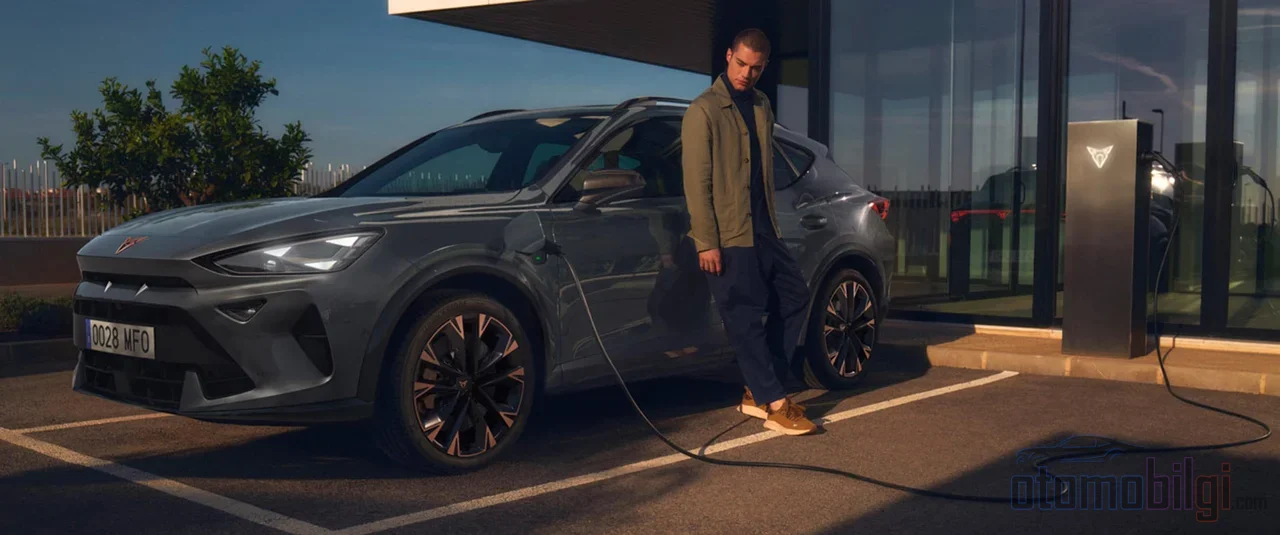
Do Hybrid Vehicles Really Need Charging?
The answer depends on the hybrid type: full hybrid vehicles are not plugged in, in fact they cannot technically be plugged in at all; they recharge their batteries on their own thanks to regenerative braking and the gasoline engine. Plug-in hybrids (…
Read More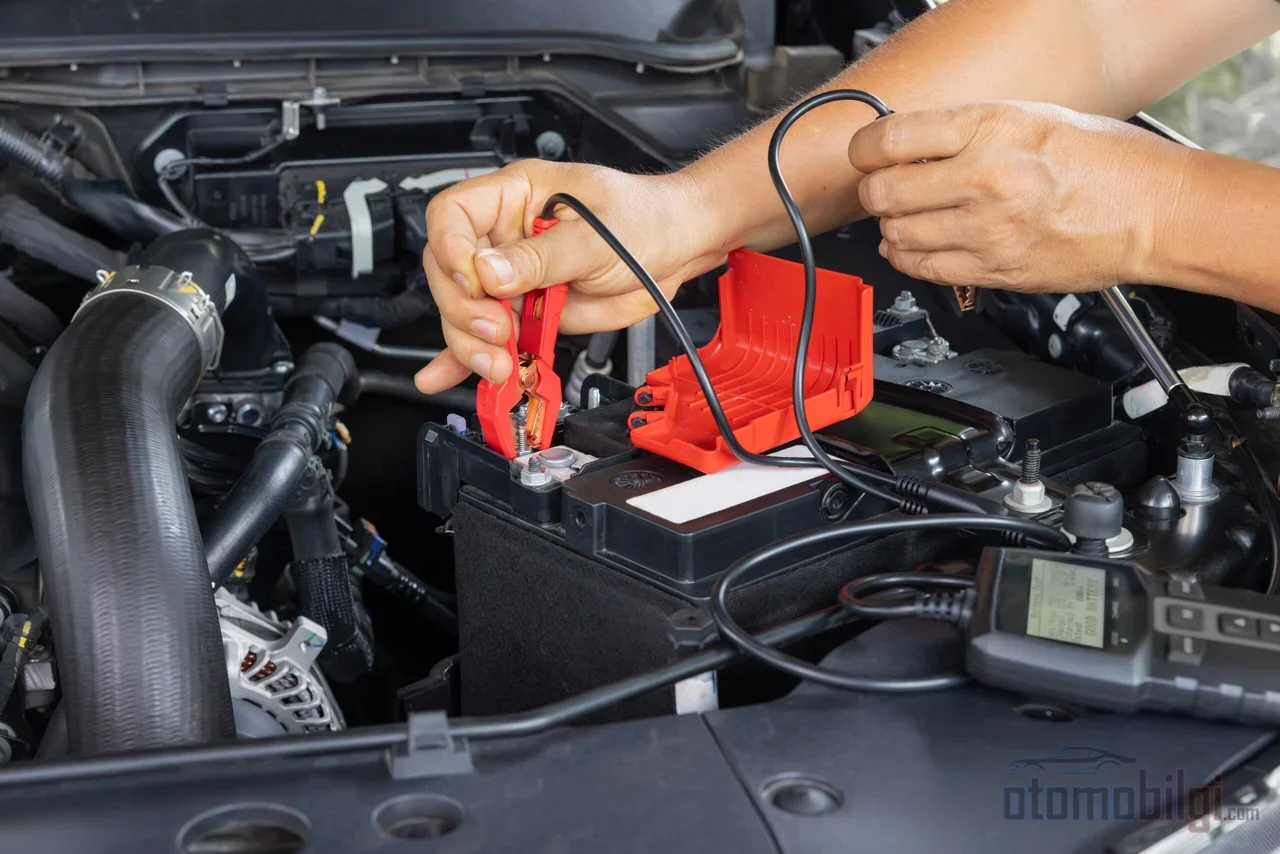
What Happens If You Don't Use Your Hybrid Car for a Long Time?
If you park a hybrid vehicle for an extended period, the weakest link, the 12 volt auxiliary battery, typically dies within 2-4 weeks; the high-voltage battery, thanks to its low self-discharge, usually gets through 1-4 weeks without trouble, but in …
Read More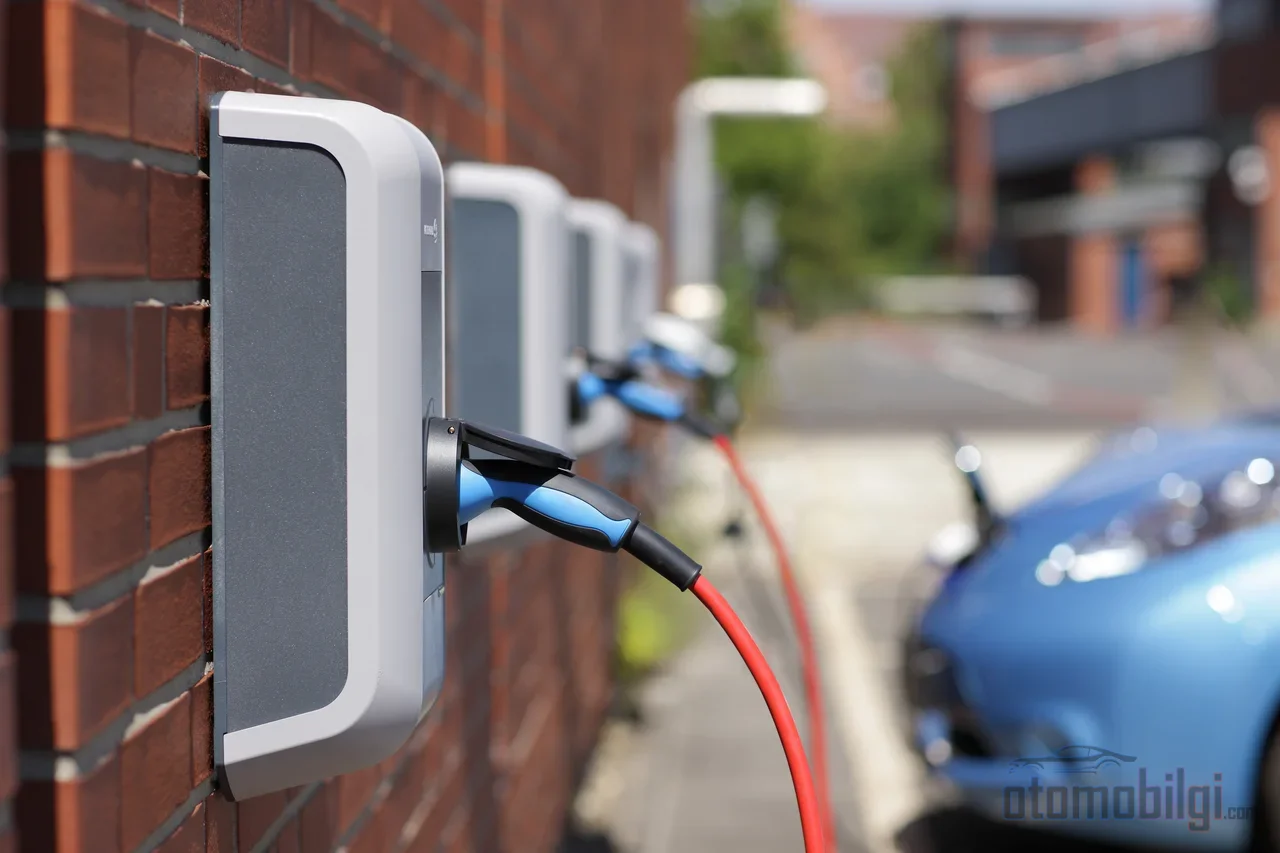
Can a Plug-in Hybrid Charge at a Fast Charging Station?
Short answer: The vast majority of plug-in hybrids cannot charge at a DC fast-charging station, because their vehicles lack a DC input and the appropriate charging hardware. Instead, they fill up with standard AC charging, typically at 3.7-7.4 kW in …
Read More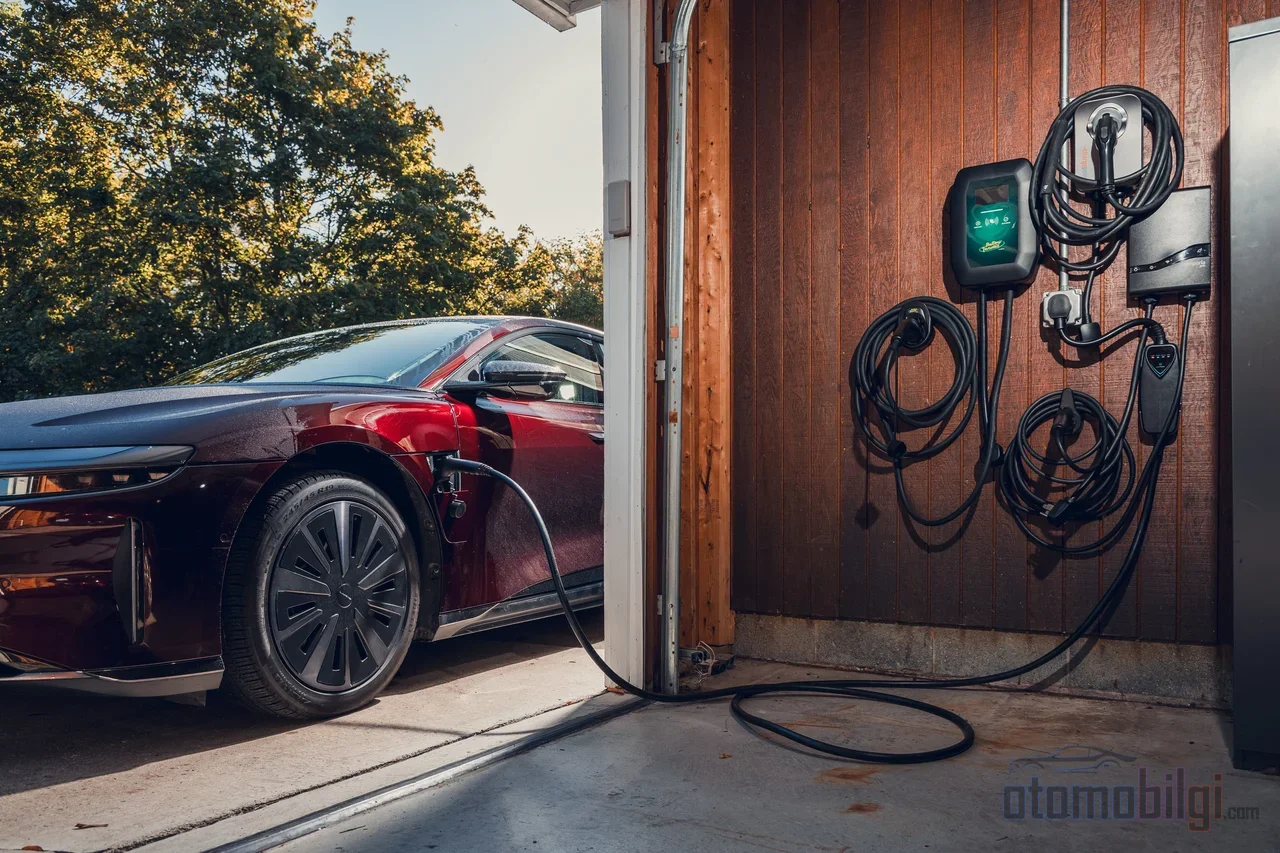
Ways to Charge Your Plug-in Hybrid at Home: Wall Outlet or Wallbox?
A plug-in hybrid vehicle is charged at home in two ways: a slow overnight charge from a standard outlet that requires no installation, or a wallbox connected to a dedicated 240V line that fills roughly four times faster. Which is the right choice dep…
Read More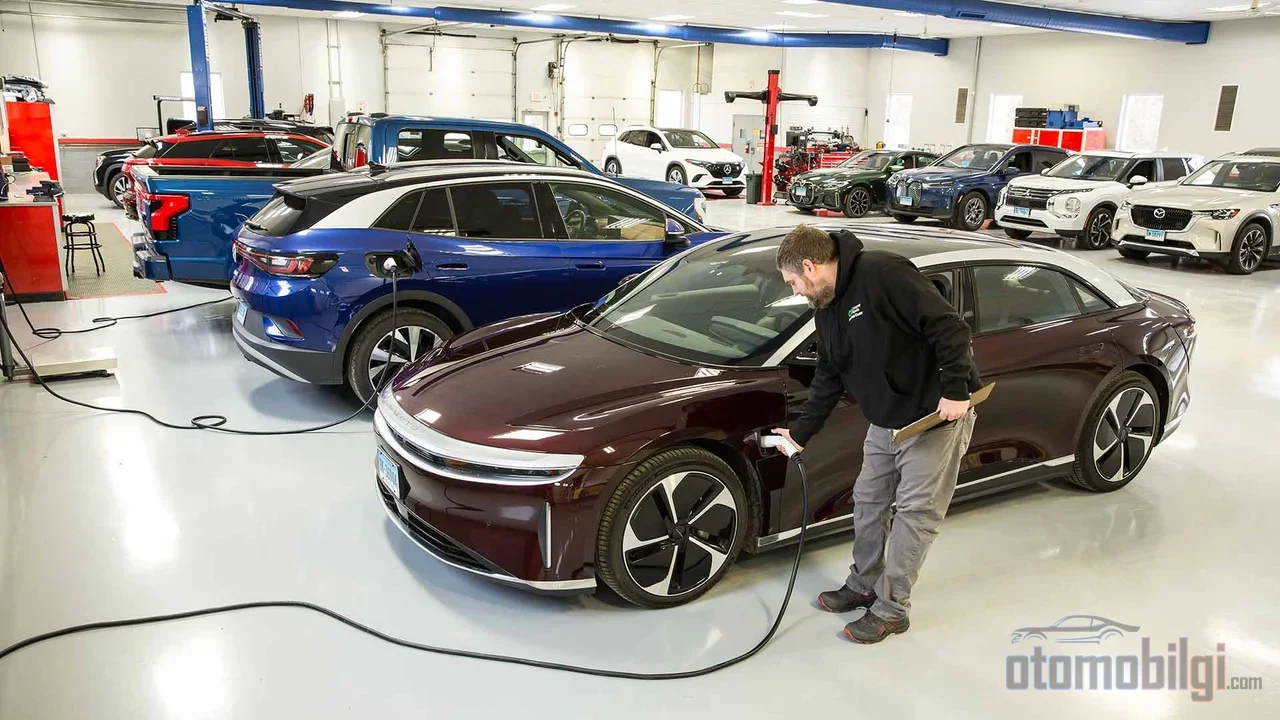
How Does Battery Capacity Determine Electric Range?
Battery capacity directly determines electric range: capacity is measured in kWh and, roughly speaking, every kilowatt-hour is stored energy, like a certain amount of fuel in a gasoline car. However, this relationship is not a linear equation; it is …
Read More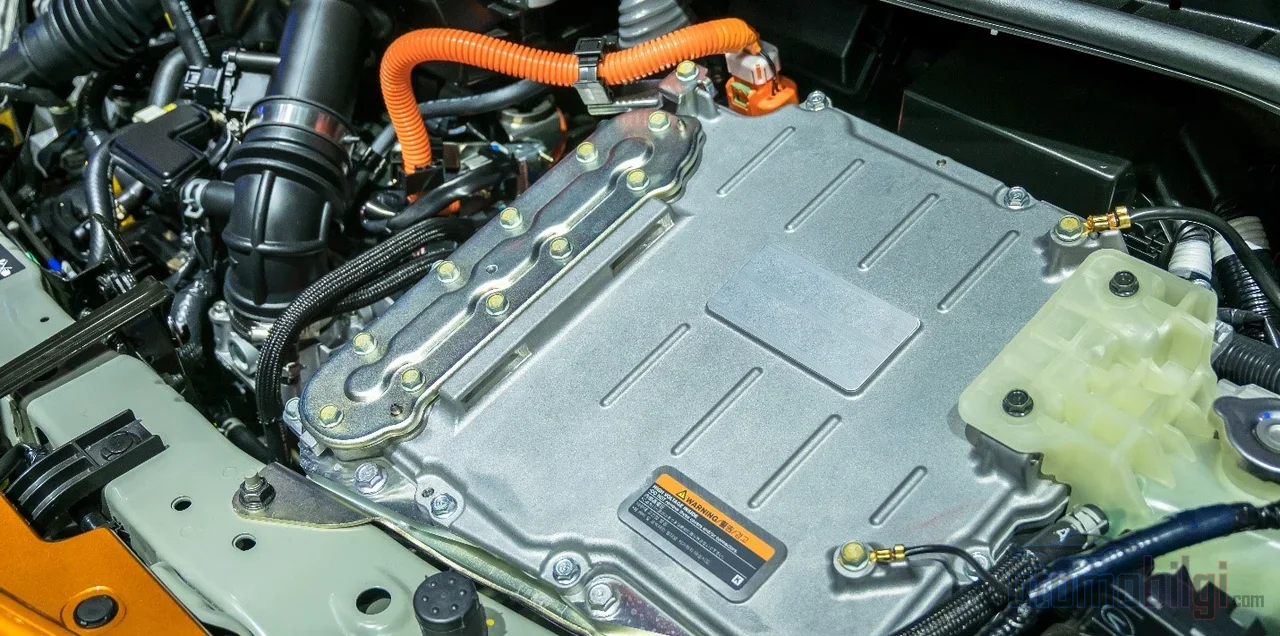
Does Heat or Cold Wear Out a Hybrid Battery Faster?
Heat is the factor that permanently degrades a hybrid battery faster; high heat irreversibly accelerates the chemical breakdown inside the cells. Cold works through a different mechanism: it temporarily reduces performance, but on its own it does not…
Read More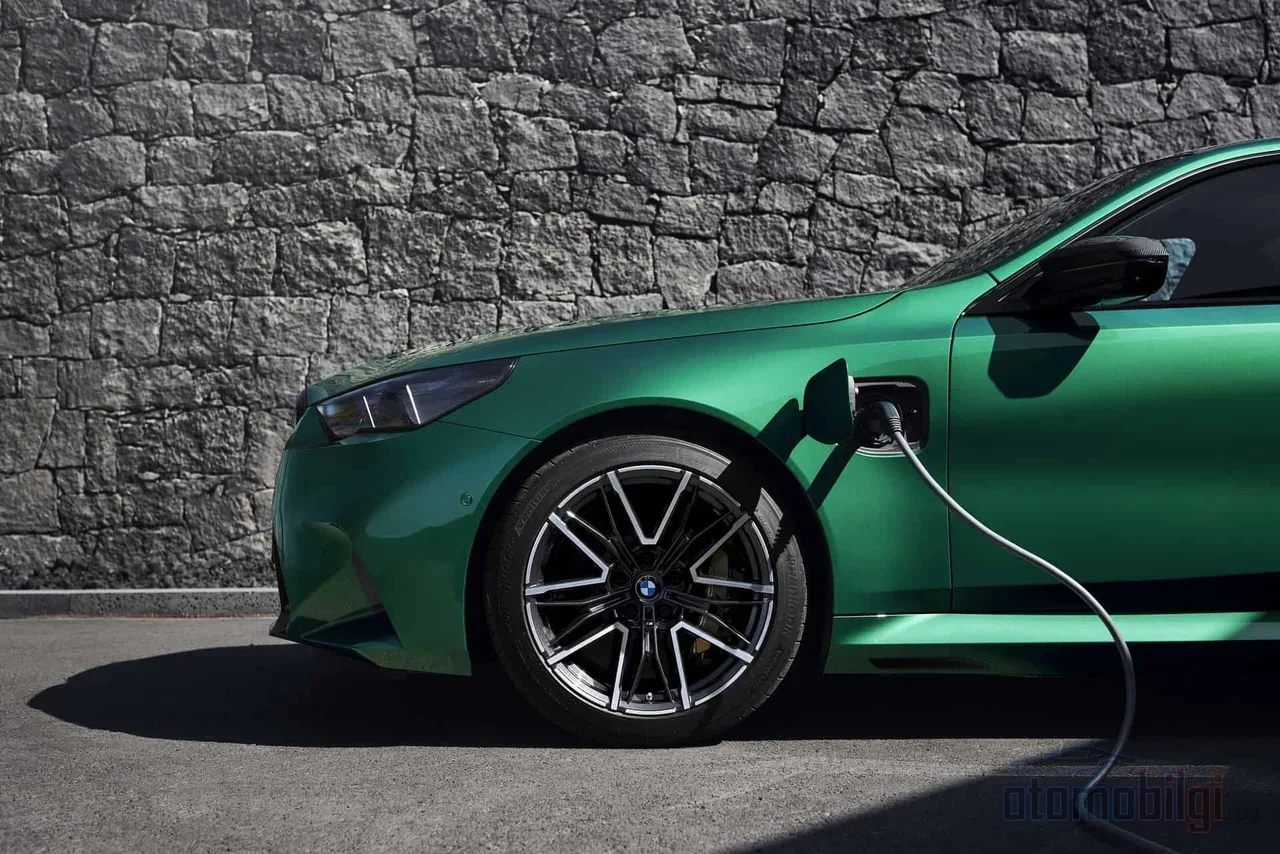
What Happens to Plug-in Hybrid Owners Who Never Plug In?
Nothing bad happens to a plug-in hybrid that never gets plugged in: the vehicle keeps working like an ordinary hybrid, with the battery's reserved portion fed by regenerative braking. The damage is not to the vehicle but to your wallet; because a unp…
Read More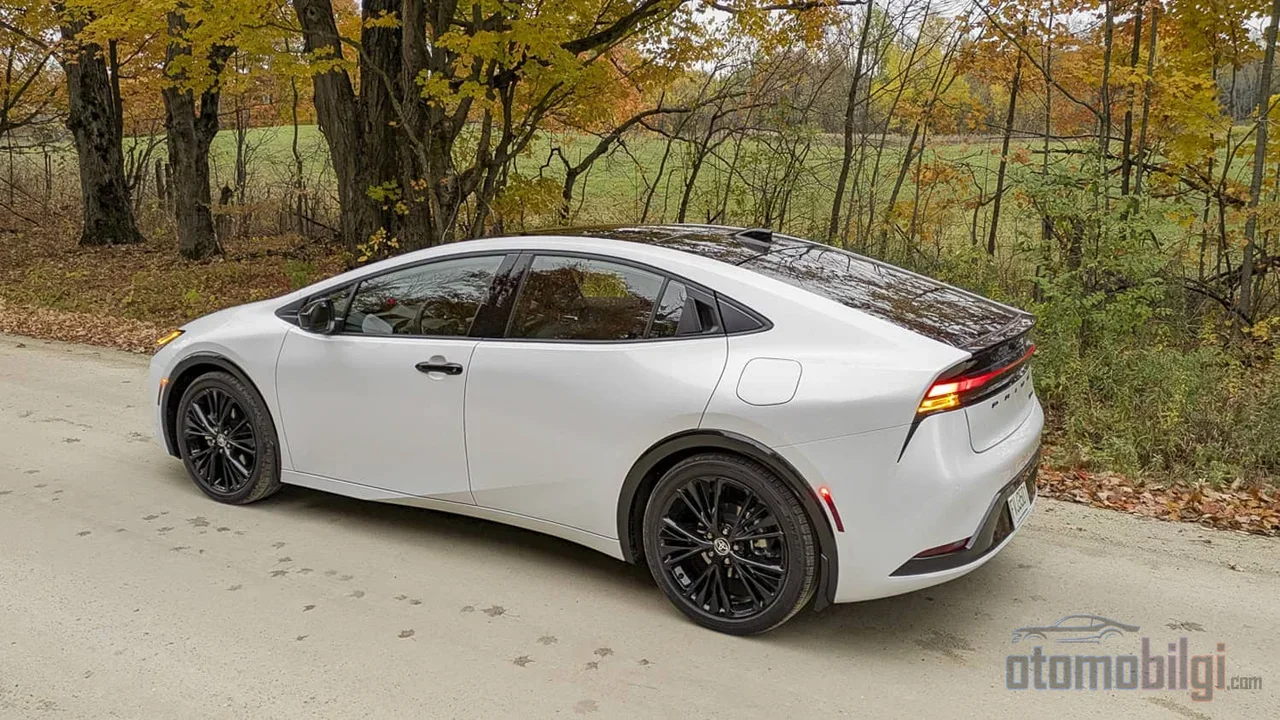
NiMH or Lithium-Ion? The Difference Between Hybrid Battery Chemistries
Hybrid cars use two main battery chemistries: nickel-metal hydride (NiMH) stands out for its durability, wide temperature tolerance and low cost, while lithium-ion offers more energy with less weight thanks to its higher energy density and extends th…
Read More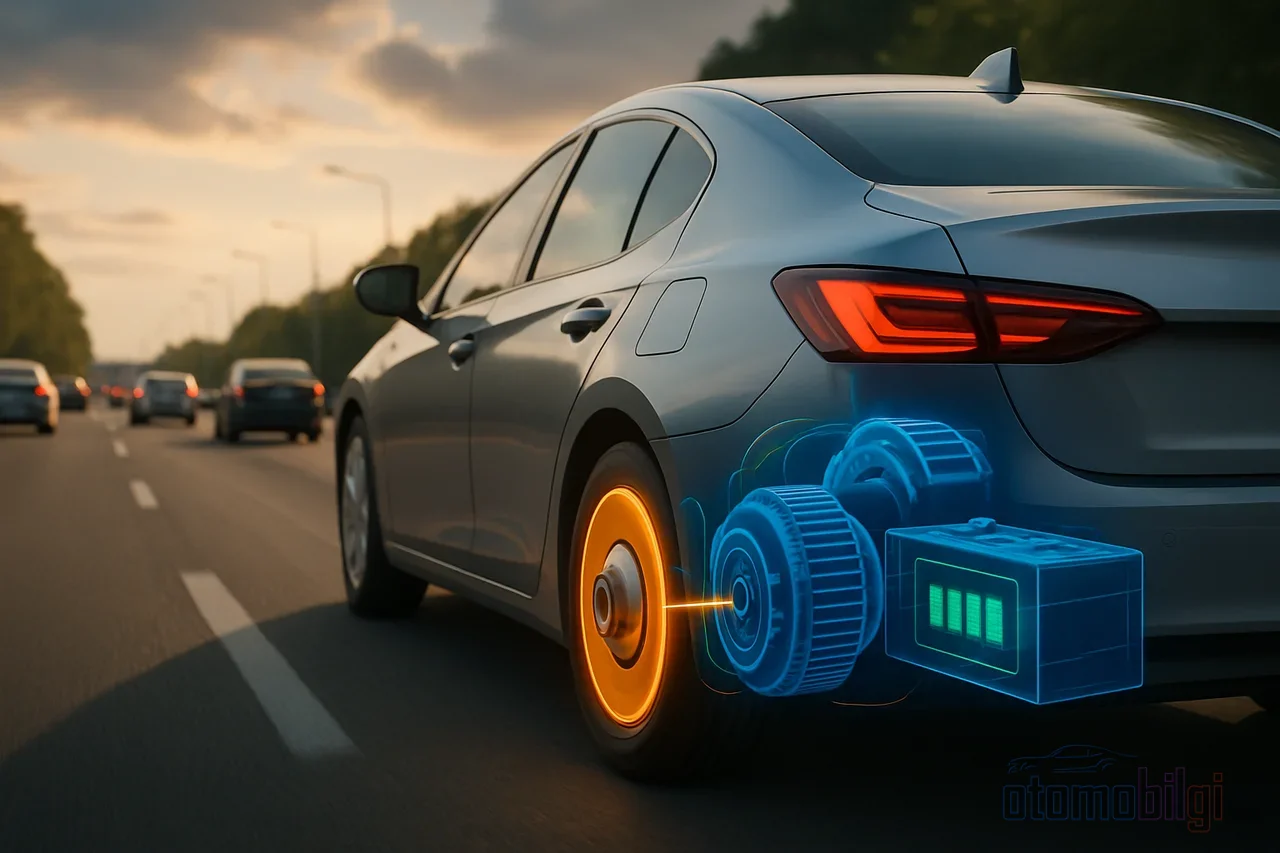
Regenerative Braking: The Art of a Hybrid Charging Itself
Regenerative braking is an energy recovery system used in hybrid and electric vehicles that converts the kinetic energy that would otherwise be lost while slowing down into electricity by temporarily turning the electric motor into a generator and st…
Read More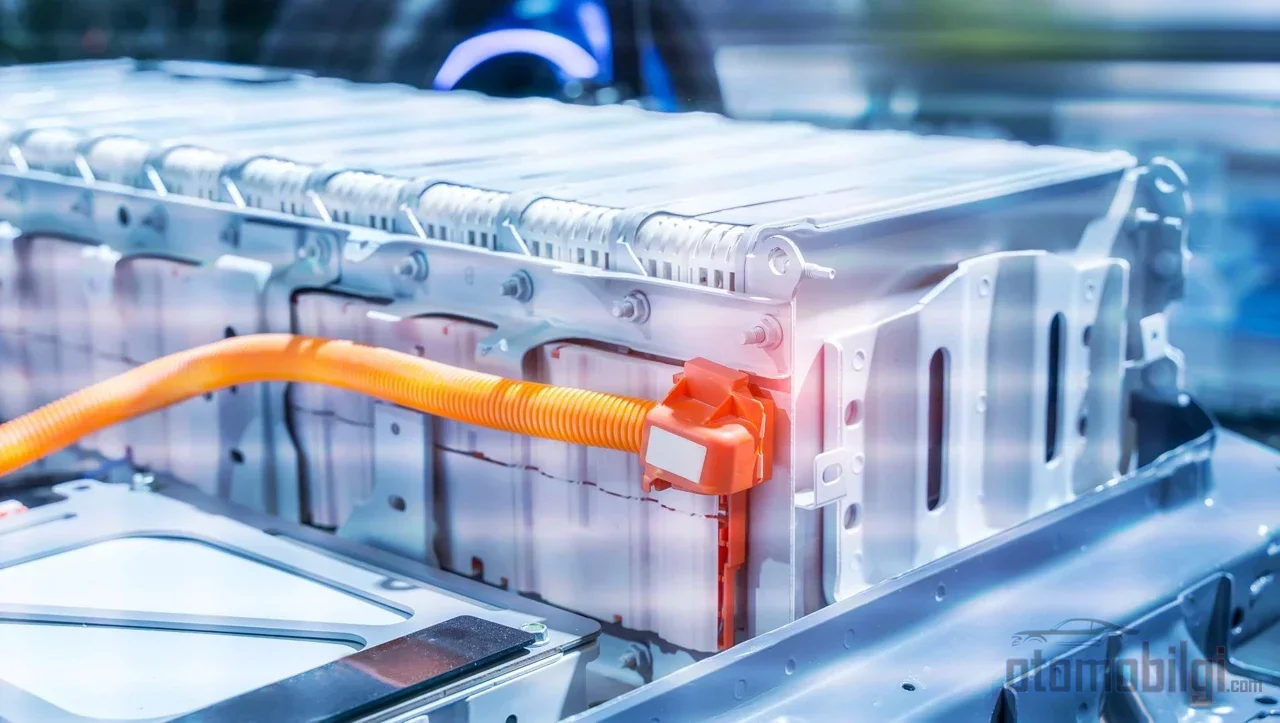
What Happens If a Hybrid Vehicle Battery Fails?
Hybrid batteries last on average at least 10 years or 100,000-150,000 miles (approximately 160,000-240,000 km); many estimates push this range up to 200,000 miles. The battery is designed to last the lifetime of the vehicle, and major manufacturers p…
Read More