Otomobilgi.comOtomobilgi.com
  • Türkçe
  • English
  • Deutsch
  • Français
  • Italiano
  • Español
  • Português
  • Polski
  • Magyar
  • Azərbaycanca
  • Bahasa Indonesia
  • Русский
  • 中文
  • 日本語
  • 한국어
  • हिन्दी
  • Tiếng Việt
  • ไทย
  • বাংলা
  • العربية
  • فارسی
  • Türkçe
  • English
  • Deutsch
  • Français
  • Italiano
  • Español
  • Português
  • Polski
  • Magyar
  • Azərbaycanca
  • Bahasa Indonesia
  • Русский
  • 中文
  • 日本語
  • 한국어
  • हिन्दी
  • Tiếng Việt
  • ไทย
  • বাংলা
  • العربية
  • فارسی
  • HOME PAGE
  • NEWS
    Turkish Automotive Industry News
    Global Automotive Industry News
    Turkish Motorsports News
    Global Motorsports News
  • CARS
    INTERNAL COMBUSTION
    • Internal Combustion Models
    • Internal Combustion Engine Technologies
    • Fuel and Consumption
    • Emission and Environment
    • Internal Combustion Ownership
    • History of the Internal Combustion Automobile
    ELECTRIC
    • Electric Models
    • Electric Car Technologies
    • Charging and Infrastructure
    • Battery Technology
    • Range and Consumption
    • Electric Vehicle Ownership
    • History of the Electric Car
    HYBRID
    • Hybrid Models
    • Hybrid Systems
    • Battery and Charging
    • Consumption and Efficiency
    • Hybrid Ownership
    • History of Hybrid Cars
    SUPERCAR
    HYPERCAR
  • TECHNOLOGY
    Driver Assistance Systems
    Safety Technologies
    Lighting and Visibility Technologies
    Infotainment and Connectivity
    Autonomous Driving and Artificial Intelligence
    Future Technologies
  • GUIDES
    Buying Guides
    Sales Guides
    Maintenance and Use
    Ownership and Costs
    Tires and Wheels
    Insurance and Inspection
  • HISTORY & CULTURE
    Automobile History
    Iconic Models
    Classics and Collections
    Türkiye's Automobile Journey
    Automobile Design
    Cars and Popular Culture
  • MOTORSPORT
    Formula 1
    Rallying (WRC)
    Rallycross
    MotoGP
    Formula 2 & Formula 3
    Karting
    24 Hours of Le Mans
    WEC
    NASCAR
    IndyCar
    DTM
    GT Races
    Drift
    Drag Races
  • GET TO KNOW US
    ABOUT US
    CONTACT
  • Türkçe
  • English
  • Deutsch
  • Français
  • Italiano
  • Español
  • Português
  • Polski
  • Magyar
  • Azərbaycanca
  • Bahasa Indonesia
  • Русский
  • 中文
  • 日本語
  • 한국어
  • हिन्दी
  • Tiếng Việt
  • ไทย
  • বাংলা
  • العربية
  • فارسی
  • Türkçe
  • English
  • Deutsch
  • Français
  • Italiano
  • Español
  • Português
  • Polski
  • Magyar
  • Azərbaycanca
  • Bahasa Indonesia
  • Русский
  • 中文
  • 日本語
  • 한국어
  • हिन्दी
  • Tiếng Việt
  • ไทย
  • বাংলা
  • العربية
  • فارسی
  1. HOME PAGE
  2. CARS
  3. HYBRID
  4. Battery and Charging

Battery and Charging

The fact that your hybrid battery never charges to 100% is not a fault; it is the work of a hidden buffer that protects the cells from chemical stress and extends their lifespan.
Why Does a Hybrid Battery Never Fully Charge or Drain?
Deniz Erkan20 October 2026

Your hybrid battery never shows 100% full or 0% empty, because manufacturers deliberately keep a portion of the battery hidden as a buffer zone that is never reflected on the gauge. The system typically cuts off charging at around 80% and never lets …

Read More
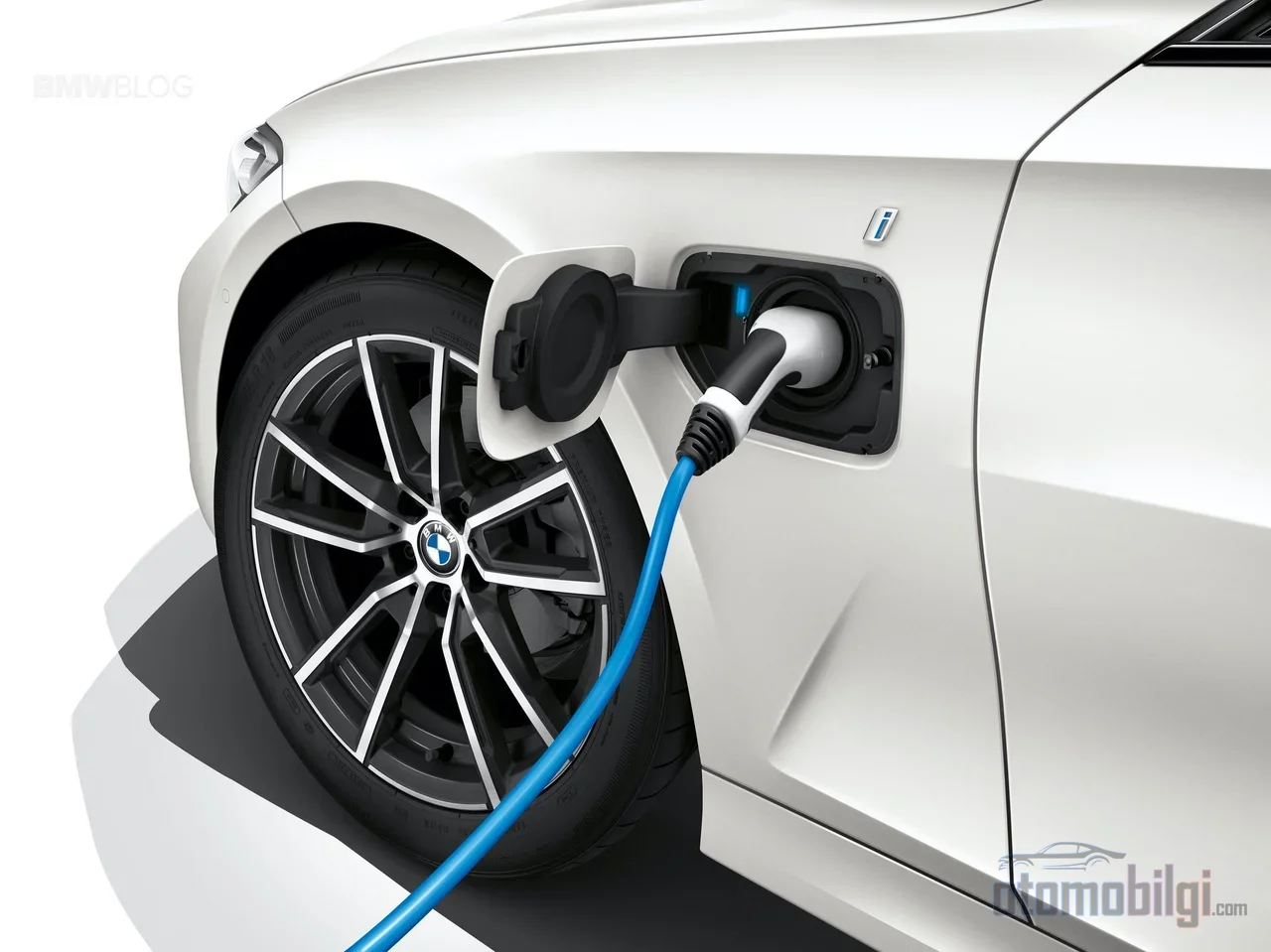
Charging time is determined by the weakest link: whichever is smallest among the battery capacity, the power of the outlet, and the onboard charger sets the number of hours.
How Long Does It Take to Charge a Plug-in Hybrid?
Deniz Erkan19 October 2026

A plug-in hybrid vehicle typically considers its battery sufficiently charged within 4 to 12 hours; three variables determine this time: the battery's capacity (in the 8-20 kWh range for most models), the power the charging source can deliver, and th…

Read More
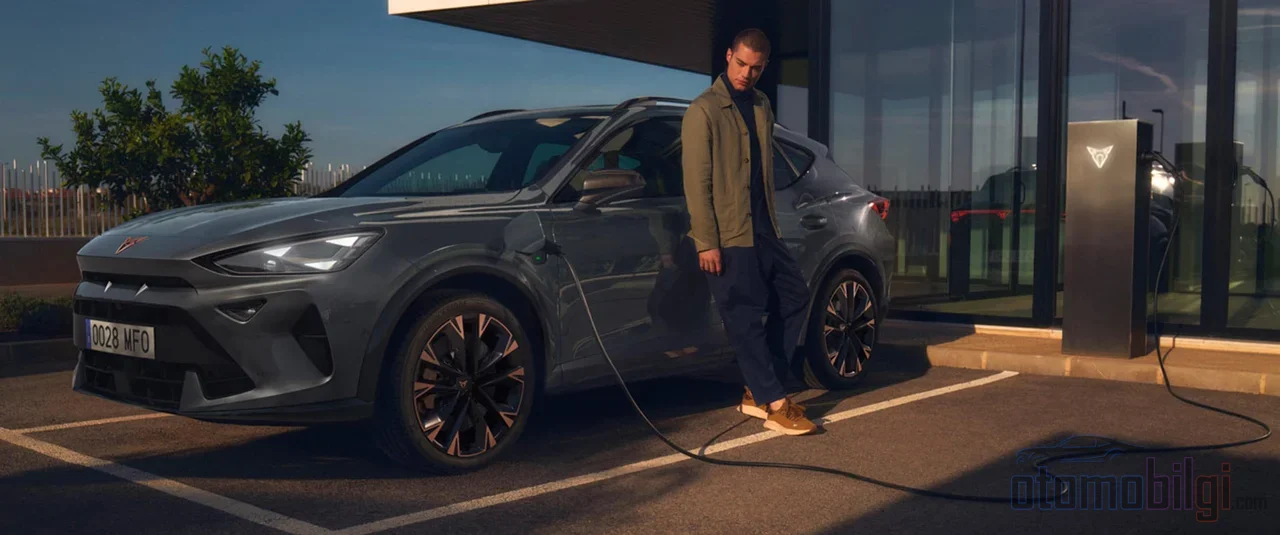
A full hybrid charges itself and is never plugged in; a plug-in hybrid that isn't plugged in loses most of its electric range.
Do Hybrid Vehicles Really Need Charging?
Deniz Erkan19 October 2026

The answer depends on the hybrid type: full hybrid vehicles are not plugged in, in fact they cannot technically be plugged in at all; they recharge their batteries on their own thanks to regenerative braking and the gasoline engine. Plug-in hybrids (…

Read More
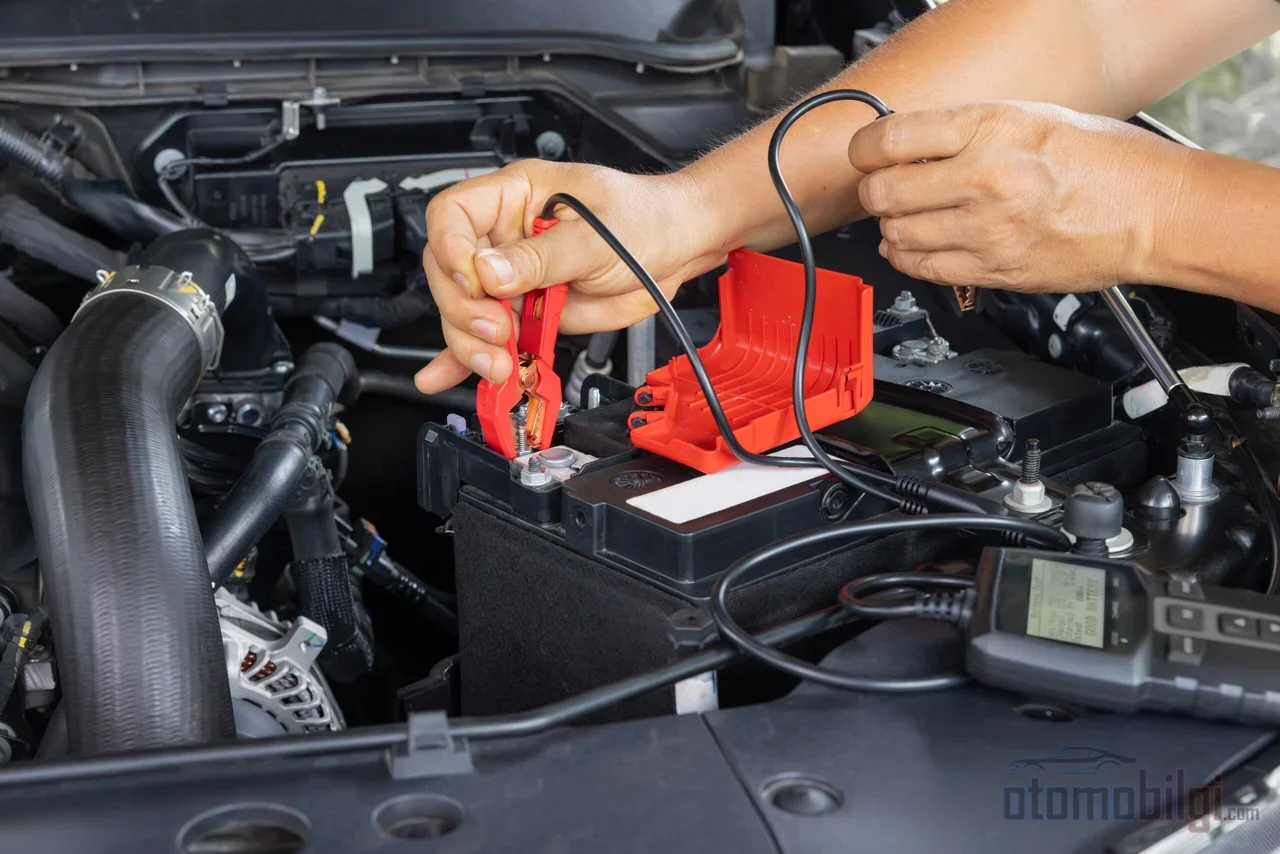
In a hybrid vehicle parked for a long time, the first to give up is the 12-volt battery; the high-voltage pack, on the other hand, defies months at a 40-60 percent charge.
What Happens If You Don't Use Your Hybrid Car for a Long Time?
Deniz Erkan18 October 2026

If you park a hybrid vehicle for an extended period, the weakest link, the 12 volt auxiliary battery, typically dies within 2-4 weeks; the high-voltage battery, thanks to its low self-discharge, usually gets through 1-4 weeks without trouble, but in …

Read More
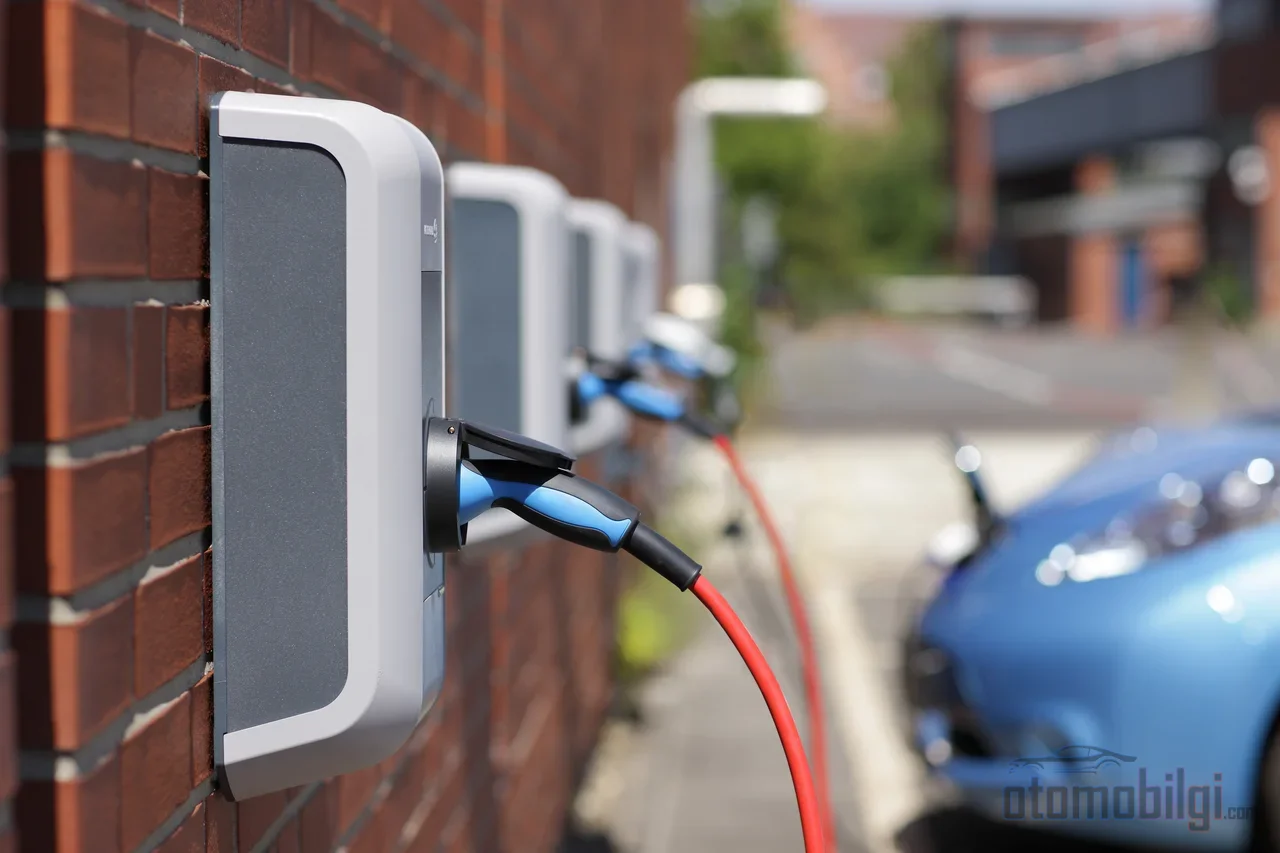
Most plug-in hybrids do not recognize fast-charging stations; their small batteries fully charge in 1.5 to 3 hours with standard AC charging.
Can a Plug-in Hybrid Charge at a Fast Charging Station?
Deniz Erkan17 October 2026

Short answer: The vast majority of plug-in hybrids cannot charge at a DC fast-charging station, because their vehicles lack a DC input and the appropriate charging hardware. Instead, they fill up with standard AC charging, typically at 3.7-7.4 kW in …

Read More
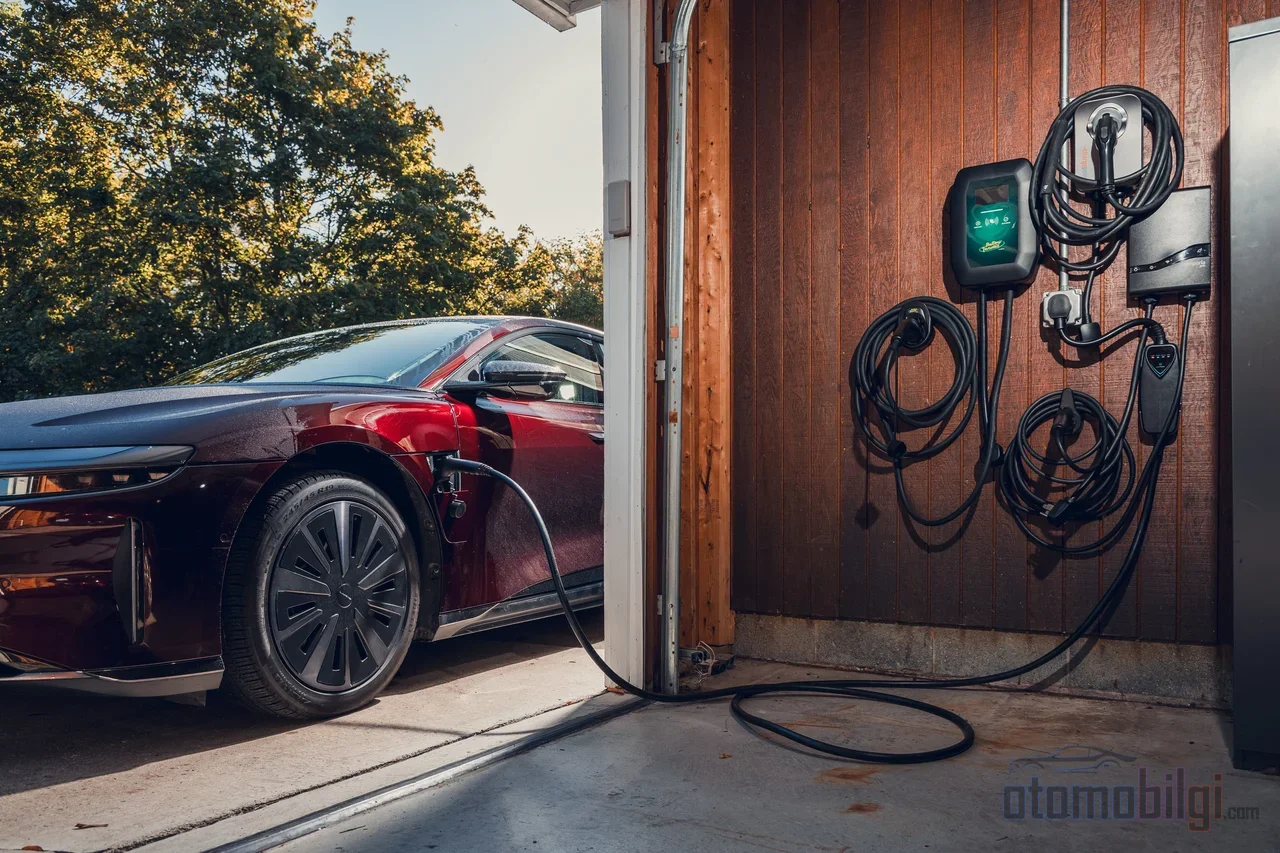
A wallbox reduces overnight socket charging to a one-to-three hour charge, allowing a plug-in hybrid to replenish its electricity several times during the day.
Ways to Charge Your Plug-in Hybrid at Home: Wall Outlet or Wallbox?
Deniz Erkan16 October 2026

A plug-in hybrid vehicle is charged at home in two ways: a slow overnight charge from a standard outlet that requires no installation, or a wallbox connected to a dedicated 240V line that fills roughly four times faster. Which is the right choice dep…

Read More
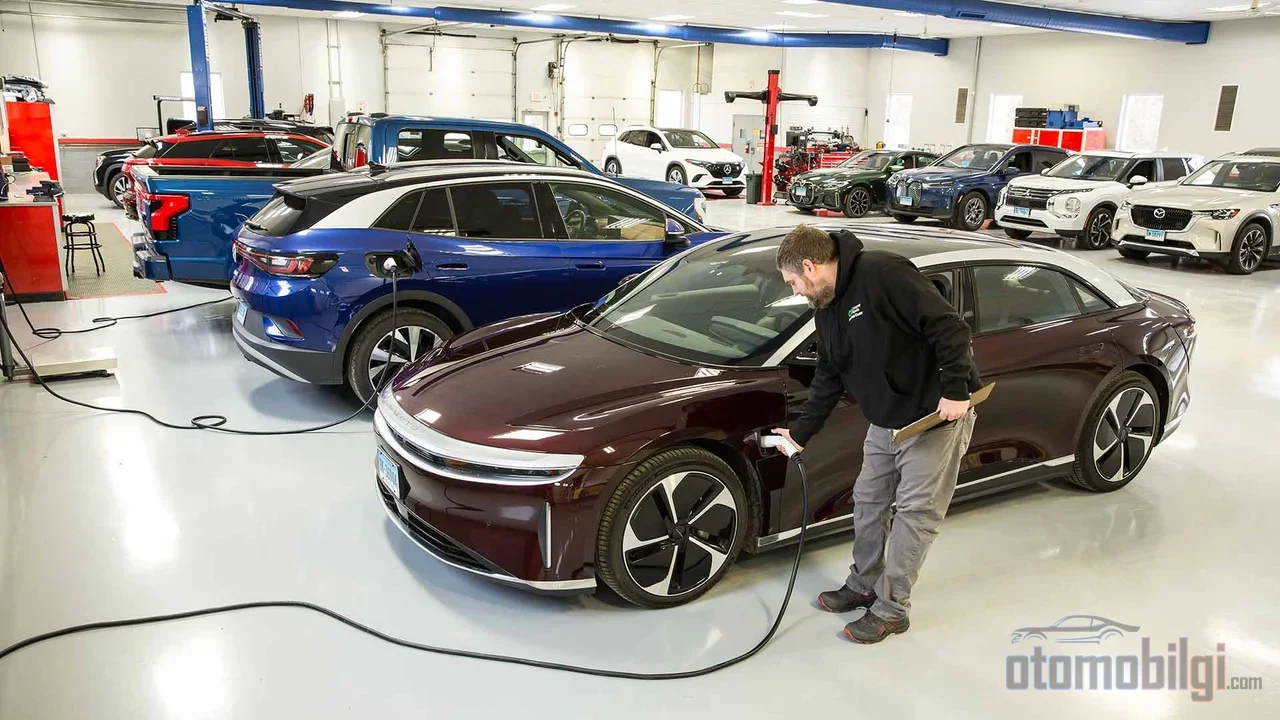
A large battery is a prerequisite for long range, but it alone is not enough; the real determining factor is capacity multiplied by efficiency.
How Does Battery Capacity Determine Electric Range?
Deniz Erkan14 October 2026

Battery capacity directly determines electric range: capacity is measured in kWh and, roughly speaking, every kilowatt-hour is stored energy, like a certain amount of fuel in a gasoline car. However, this relationship is not a linear equation; it is …

Read More
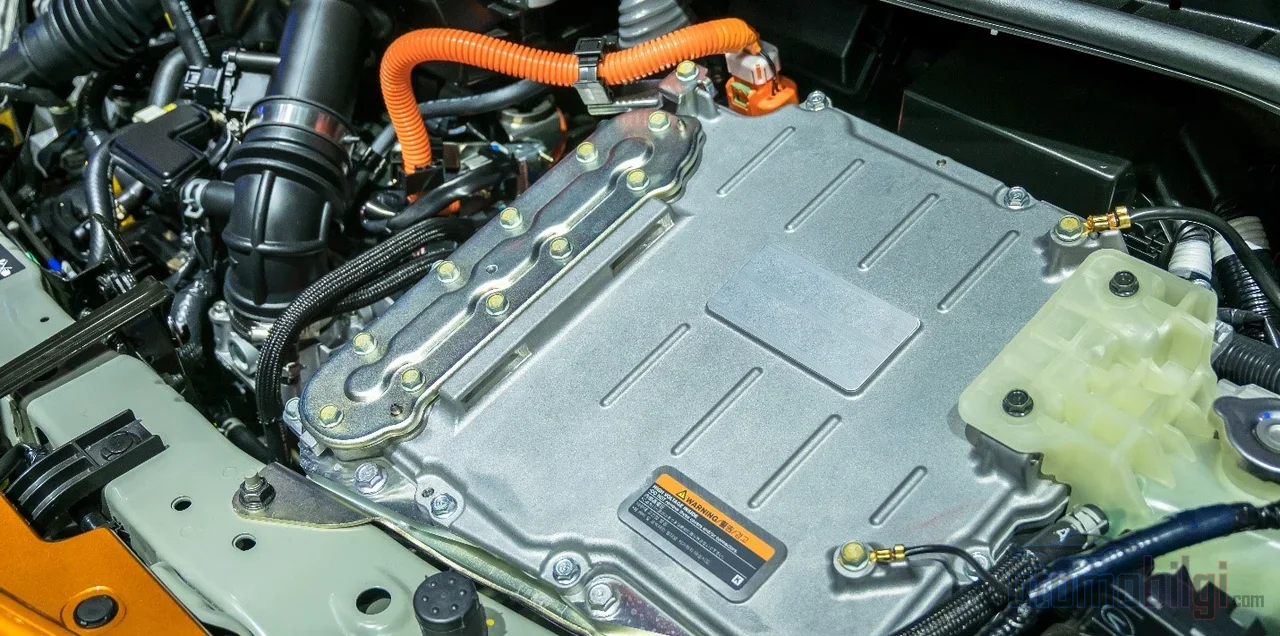
Heat permanently shortens the life of a hybrid battery, while cold only reduces that day's performance without leaving permanent damage.
Does Heat or Cold Wear Out a Hybrid Battery Faster?
Deniz Erkan12 October 2026

Heat is the factor that permanently degrades a hybrid battery faster; high heat irreversibly accelerates the chemical breakdown inside the cells. Cold works through a different mechanism: it temporarily reduces performance, but on its own it does not…

Read More
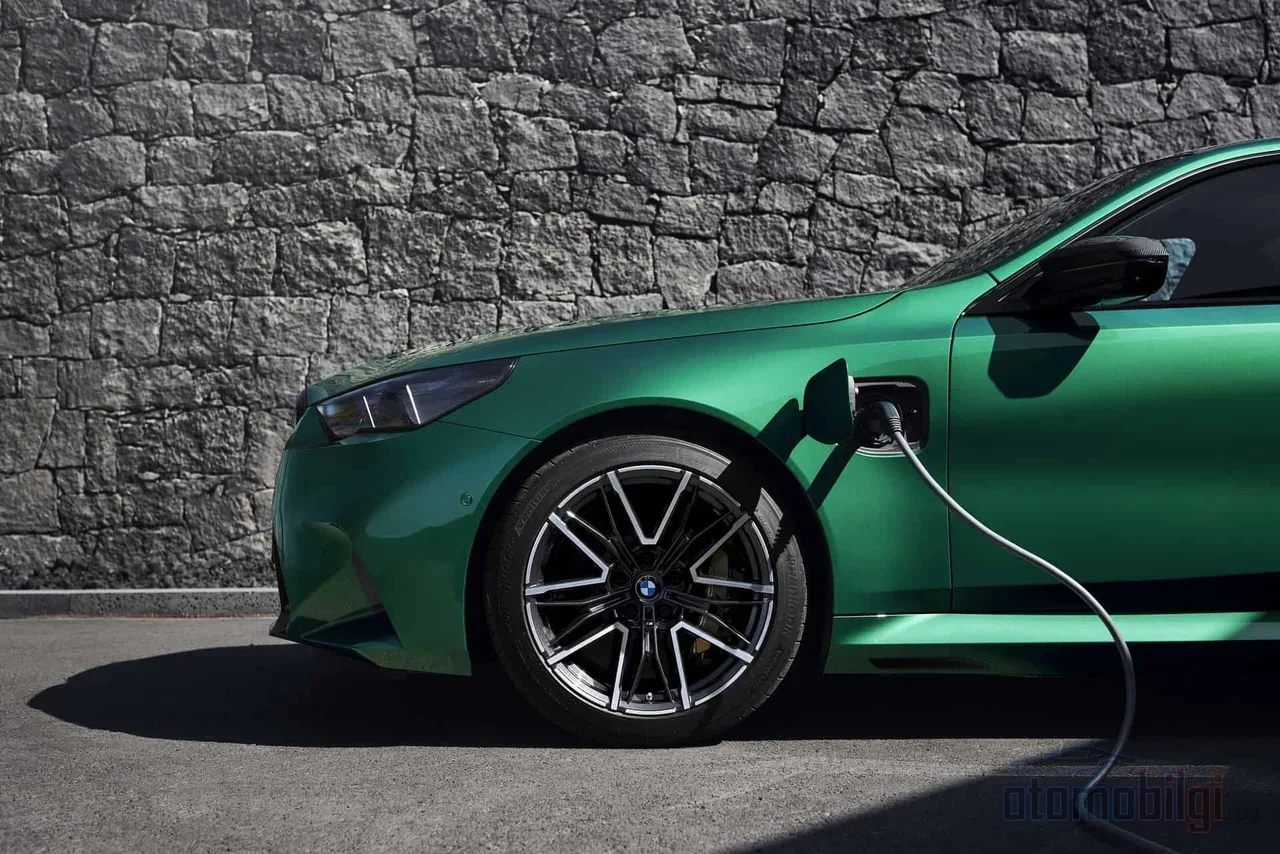
A PHEV that's never plugged in won't break down, but it will empty your wallet: the official consumption of 1.57 liters soars to 6.12 liters on the real road.
What Happens to Plug-in Hybrid Owners Who Never Plug In?
Deniz Erkan12 October 2026

Nothing bad happens to a plug-in hybrid that never gets plugged in: the vehicle keeps working like an ordinary hybrid, with the battery's reserved portion fed by regenerative braking. The damage is not to the vehicle but to your wallet; because a unp…

Read More
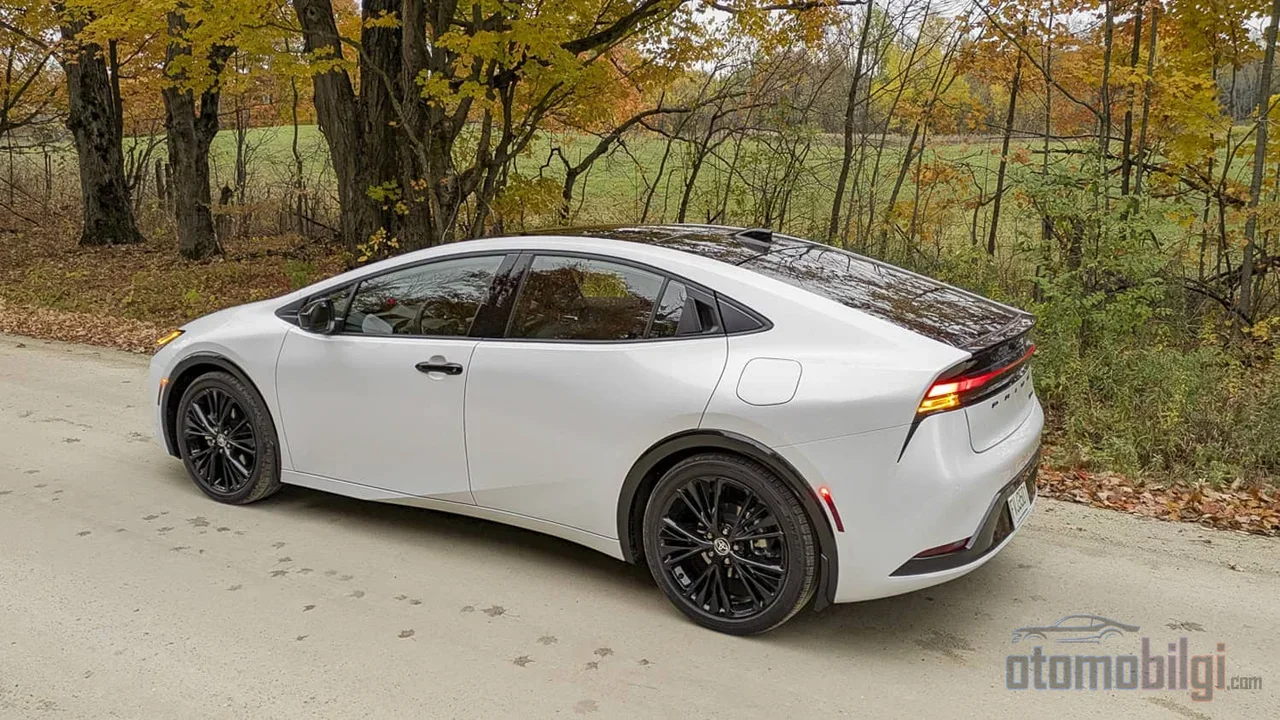
Comparison of NiMH and lithium-ion battery chemistries in hybrid vehicles in terms of energy density, durability, and cost
NiMH or Lithium-Ion? The Difference Between Hybrid Battery Chemistries
Deniz Erkan11 October 2026

Hybrid cars use two main battery chemistries: nickel-metal hydride (NiMH) stands out for its durability, wide temperature tolerance and low cost, while lithium-ion offers more energy with less weight thanks to its higher energy density and extends th…

Read More
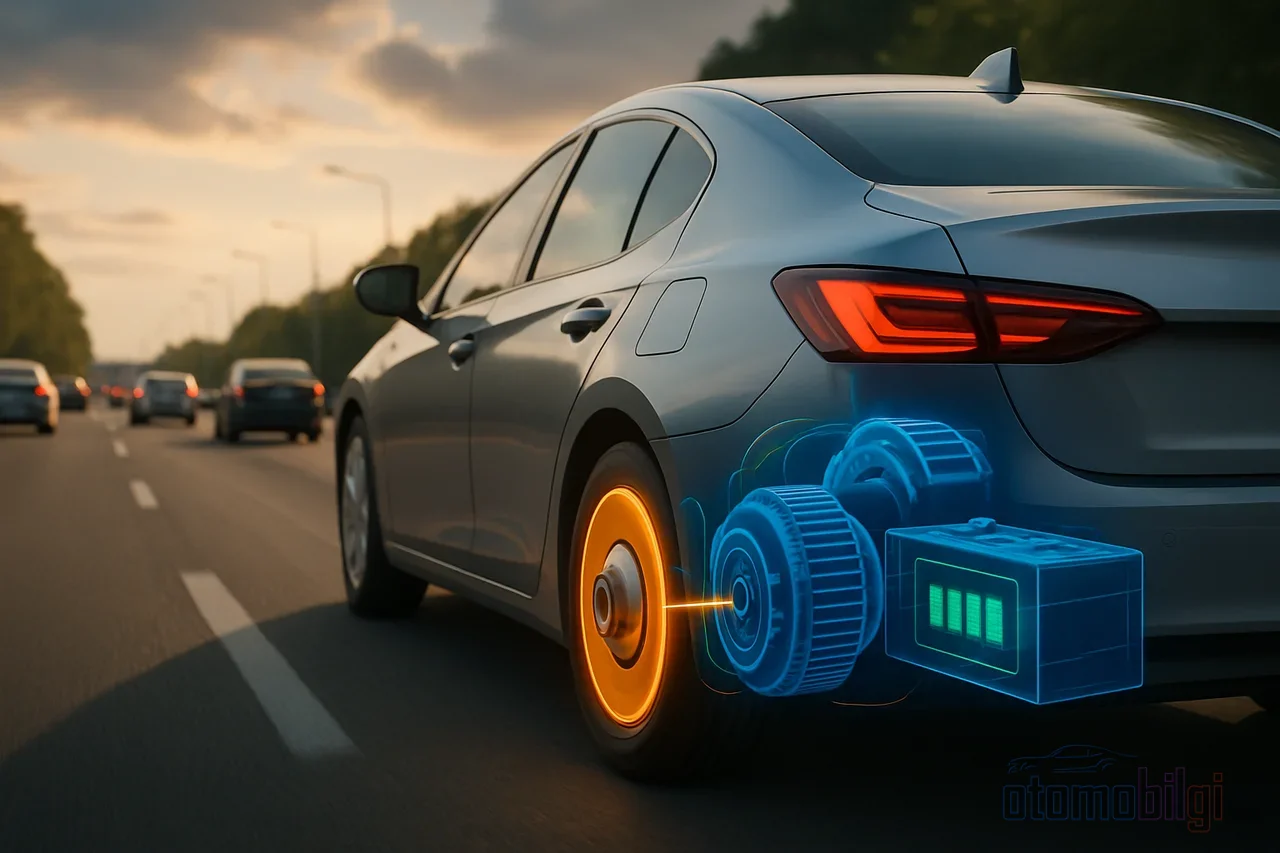
The energy that would otherwise be wasted as heat while slowing down is returned to the battery thanks to regenerative braking and converted back into driving.
Regenerative Braking: The Art of a Hybrid Charging Itself
Deniz Erkan11 October 2026

Regenerative braking is an energy recovery system used in hybrid and electric vehicles that converts the kinetic energy that would otherwise be lost while slowing down into electricity by temporarily turning the electric motor into a generator and st…

Read More
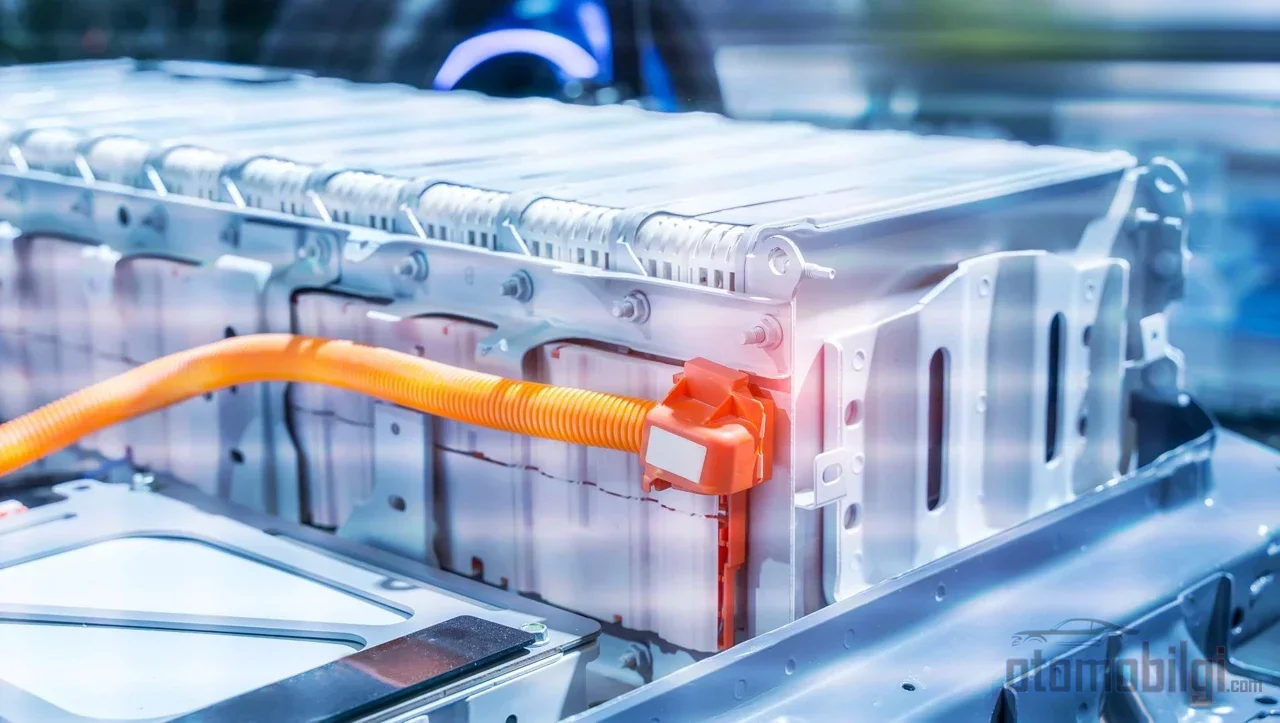
The lifespan of hybrid vehicle batteries, warranty coverage, and replacement costs are explained with clear figures in this guide.
What Happens If a Hybrid Vehicle Battery Fails?
Deniz Erkan10 October 2026

Hybrid batteries last on average at least 10 years or 100,000-150,000 miles (approximately 160,000-240,000 km); many estimates push this range up to 200,000 miles. The battery is designed to last the lifetime of the vehicle, and major manufacturers p…

Read More
  • Previous
  • 1
  • 2
  • 3

Share This Page

Category Editor

Deniz Erkan

Deniz Erkan

One of the most important habits my profession as a mechanical engineer has given me is looking not only at a system's outcome, but also at how and why it works. My interest in automobiles is also fueled by this perspective. For me, a car is not just design, performance, or comfort; it is a holistic system where mechanics, electronics, software, and engineering come together.

Over time, I combined my engineering background with software development. The intersection of these two fields has allowed me to look at modern automobiles from a more integrated perspective. I follow the world of automobiles, from engines and suspension to driver assistance systems and software technologies, through the eyes of both an engineer and a car enthusiast.

My aim at Otomobilgi.com is to explain technical subjects in a language that preserves engineering accuracy and keeps curiosity about cars alive, without drowning them in unnecessary complexity. Because for me, a good car is not merely beautiful or fast; it is a special work that conveys design, technology, and driving character as a whole.

Follow Us on Social Media

  • About Us
  • KVKK Disclosure Statement
  • Privacy Policy
  • Contact
Otomobilgi.com
INDEPENDENT AUTOMOBILE CULTURE PLATFORM
Powered by Virgo CMS