Hybrid Systems
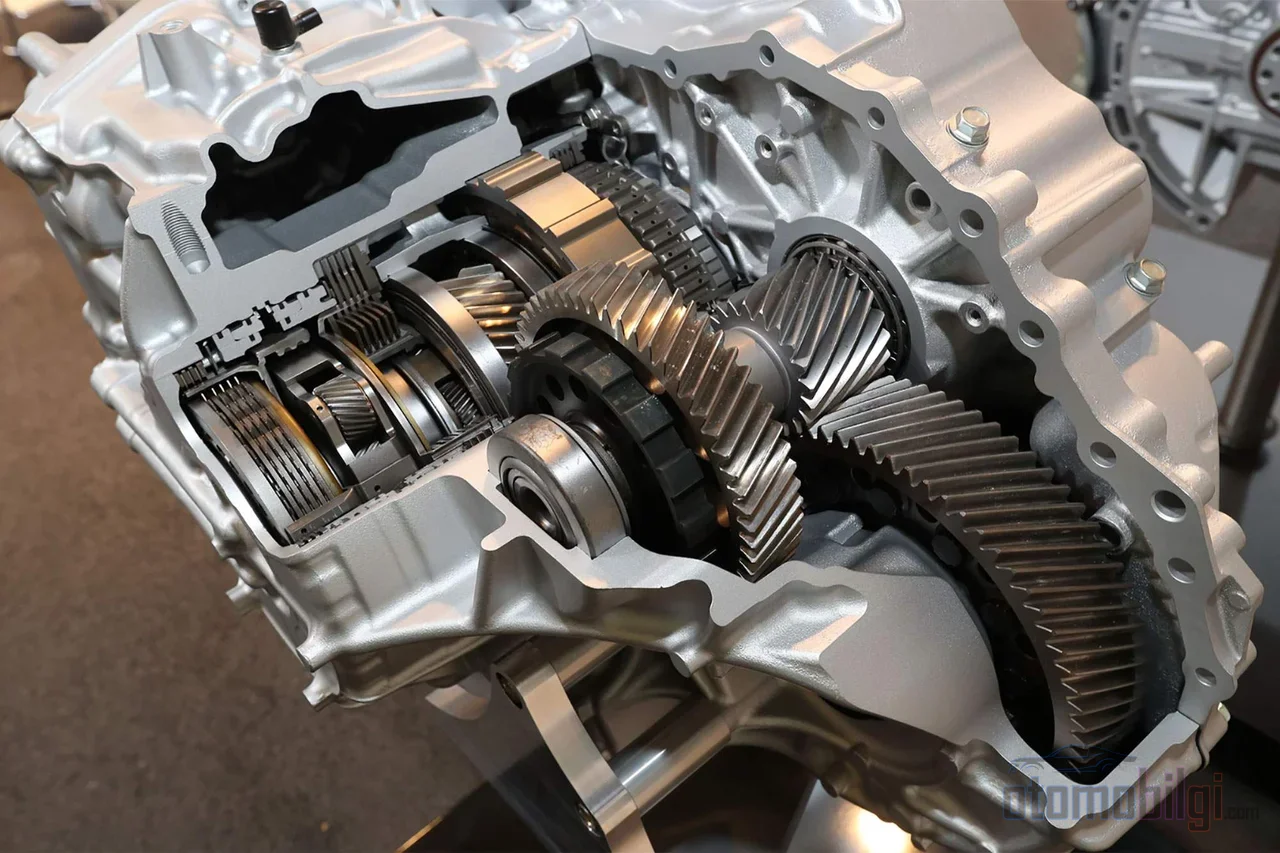
What Is the Atkinson Cycle and Why Is It Preferred in Hybrid Engines?
The Atkinson cycle is an internal combustion engine operating principle that deliberately keeps the compression ratio smaller than the expansion ratio to make fuller use of combustion energy, in exchange for sacrificing low-end power. The reason it i…
Read More
What Do the EV, Eco, and Power Modes in Hybrid Cars Actually Do?
The EV, Eco, Normal and Power (Sport) modes in hybrid cars are different commands given to the same engine-electric motor pair: they change throttle pedal response, the thresholds at which the engine kicks in, and how the battery is used. In short, t…
Read More
Why Do Hybrid Cars Run on Electricity at Low Speeds and Gasoline at High Speeds?
Hybrid cars use the electric motor at low speeds and low power demands, and the gasoline engine at high speeds or under high loads; because at urban speeds electric drive is more efficient and quiet, while at highway speeds the increased air resistan…
Read More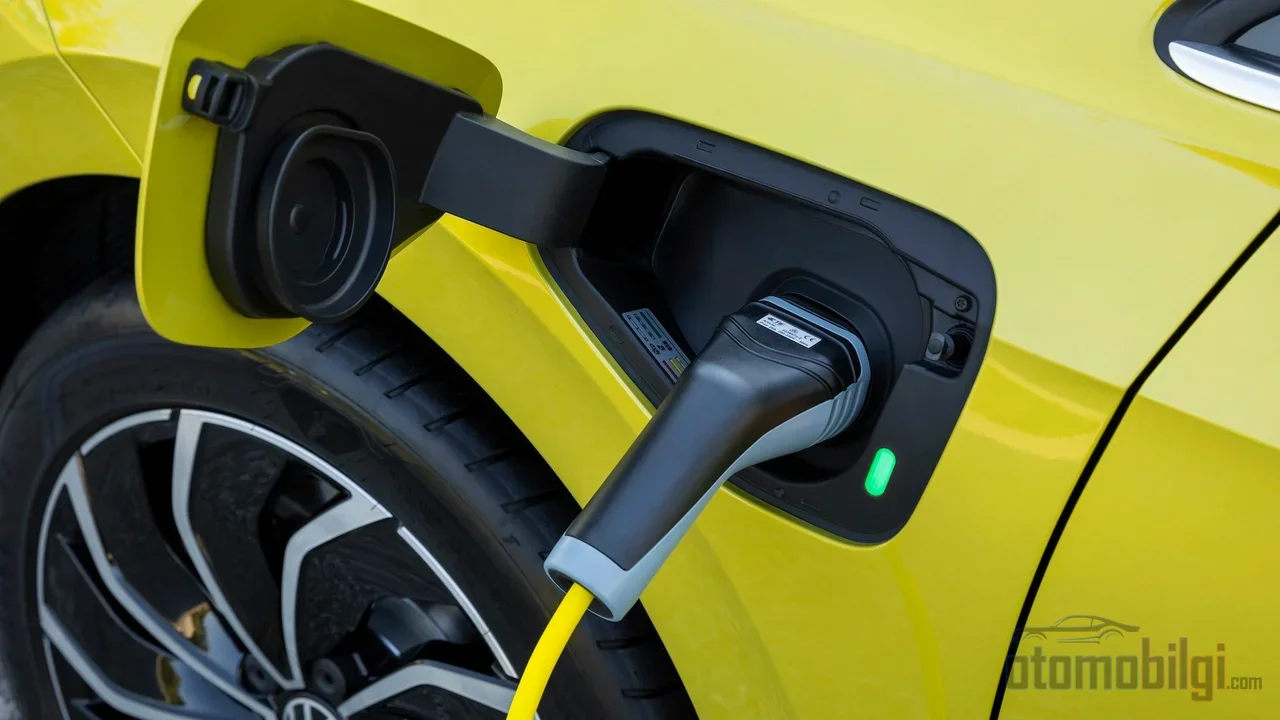
Do Hybrid Cars Really Use Only 4 Liters? Manufacturer Figures vs. Real-World Consumption
Short answer: hybrids whose factory rating shows 4 liters usually fail to achieve that figure on real roads; in plug-in hybrids, real average consumption has been measured to reach 3-5 times the catalog value. The reason is not that the vehicle is ba…
Read More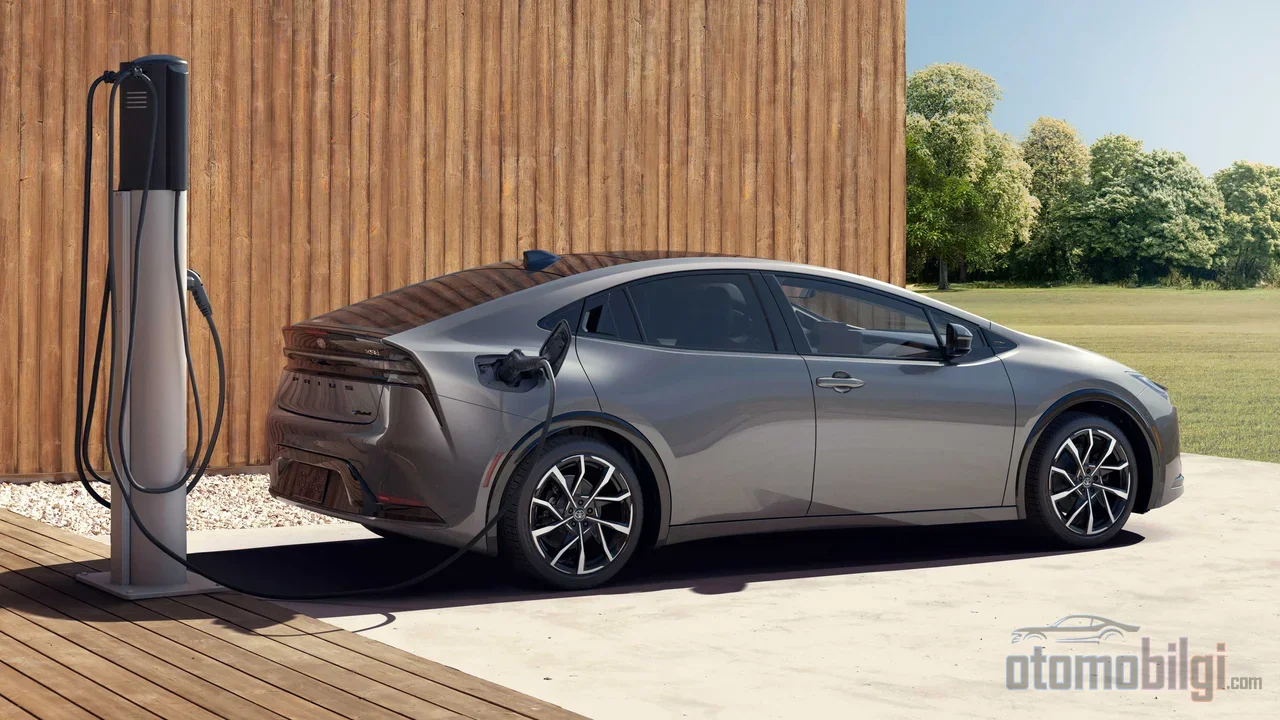
Does a Hybrid Car Charge Itself? The Self-Charging Myth
No, a hybrid car does not generate its own energy without being plugged in; it fills its battery during driving through regenerative braking and the surplus of the gasoline engine. So although it may seem to charge itself, every electron that goes in…
Read More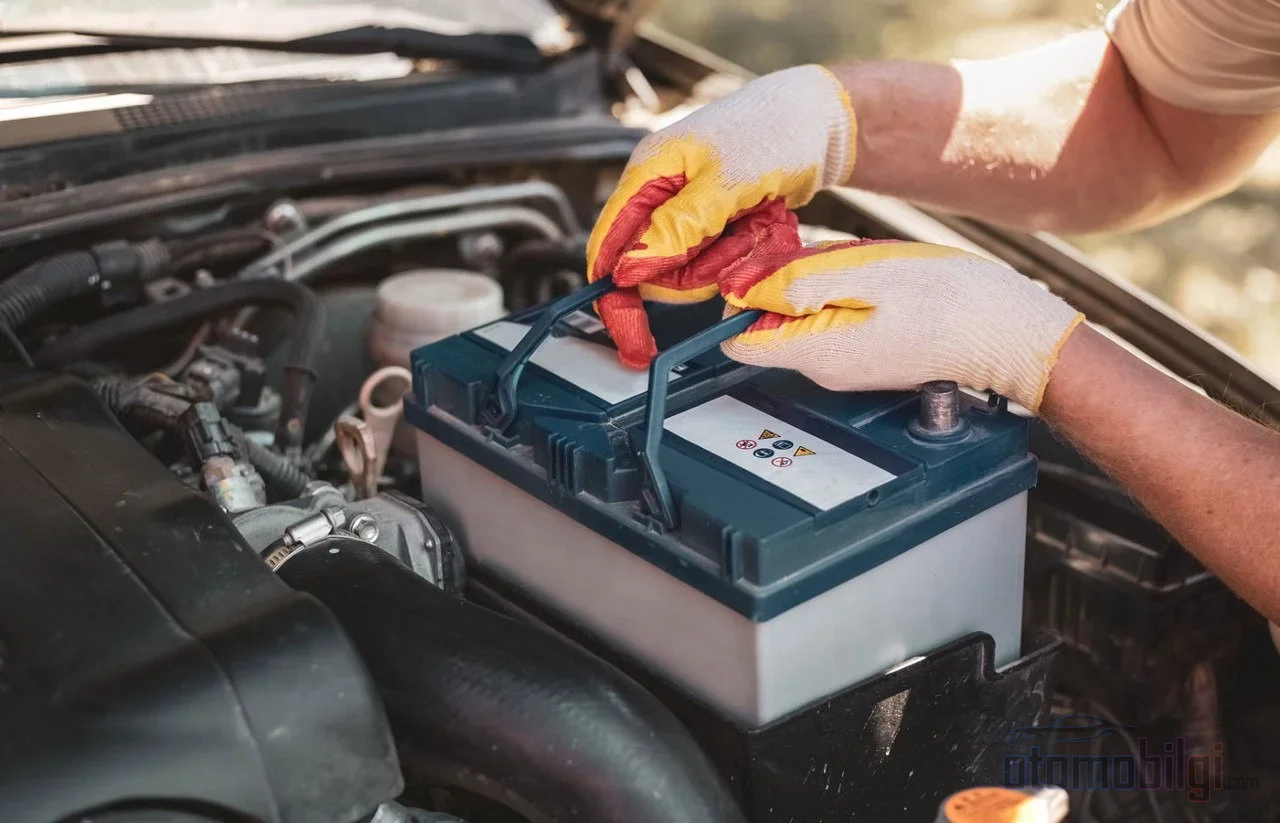
What Happens If a Hybrid Car Stays Parked for a Long Time?
If a hybrid car sits parked for weeks or months, the 12-volt auxiliary battery drains first; the high-voltage battery, meanwhile, tries to avoid deep discharge through its own protection circuit. In the short term the car is not harmed, but waits exc…
Read More
How Do Hybrid Cars Behave in Cold Weather?
Cold weather reduces the support the electric motor provides in hybrid cars, runs the gasoline engine more often and for longer, and temporarily increases fuel consumption. The cause is not battery degradation, but the slowing of lithium-ion chemistr…
Read More
When Does a Hybrid Car Run on Electricity, and When Does It Run on Gasoline?
A hybrid vehicle runs on electricity at start-up, at low speeds and while braking; it runs on the gasoline engine at high speeds, during acceleration and on hills. These transitions are commanded not by the driver but by the energy management system,…
Read More
Who Are Hybrid Cars a Sensible Choice For, and Who Are They Just an Unnecessary Expense?
A hybrid car is a solution that supports a gasoline engine with an electric motor and a small battery, recovering energy through braking in stop-and-go city traffic and delivering fuel savings of 20-35%. Who it makes sense for cannot be summed up in …
Read More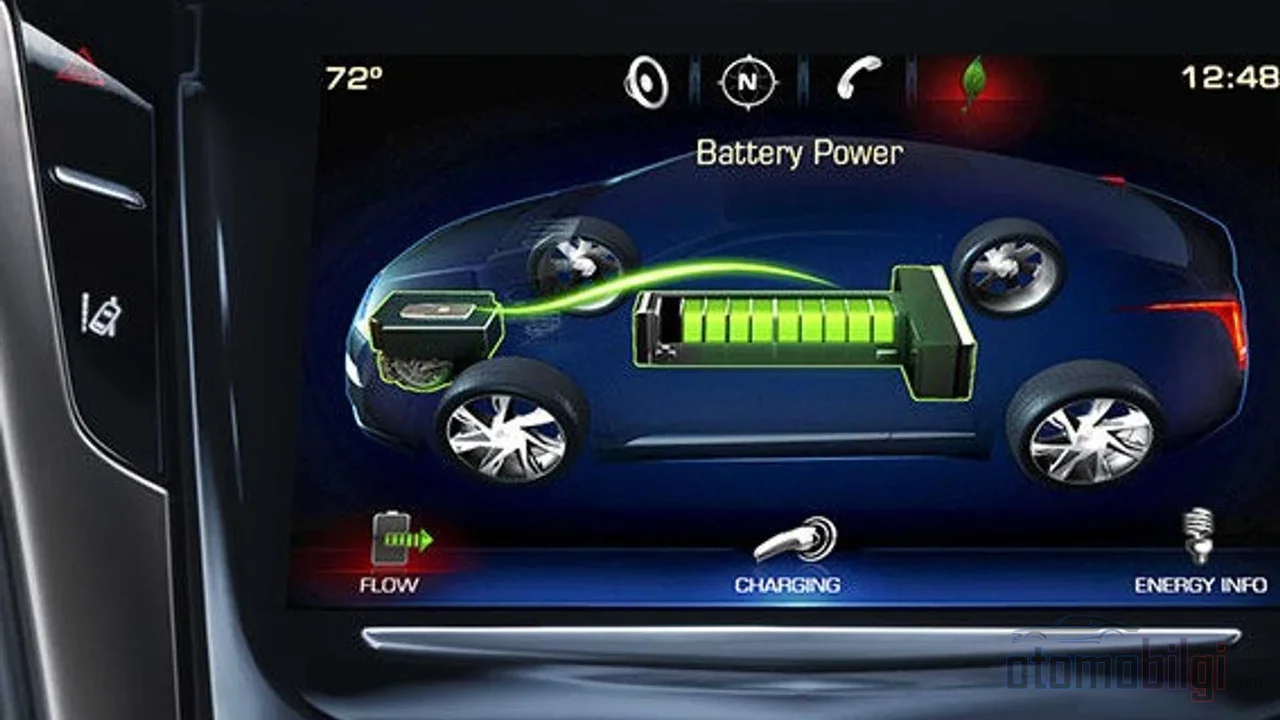
How Much Energy Does Regenerative Braking in Hybrids Actually Provide
Regenerative braking in a hybrid car recovers about half of the kinetic energy that would otherwise be lost during braking, which translates into an efficiency gain of around 10-25% in real-world use. The gain is not a fixed figure: in stop-and-go tr…
Read More
What Happens If a Plug-in Hybrid Is Not Charged? PHEV in Real-World Use
A plug-in hybrid that never gets charged becomes nothing dramatic: the vehicle simply keeps working like a normal hybrid that is a bit heavier and burns a bit more fuel. The battery is not damaged, the car does not shut down; the only thing lost is t…
Read More
How Long Does a Hybrid Battery Last, and How Much Does Replacement Cost?
Hybrid batteries last on average 8–15 years or 160,000–320,000 km or thereabouts, and in most cases they outlive the vehicle's engine; the warranty period in the 160,000 km band is not the battery's expiration date, only the manufacturer's minimum li…
Read More