Hybrid Systems

Are Hybrid Cars More Advantageous in the City or on Long Journeys?
Hybrid cars are clearly more advantageous in city driving dominated by stop-and-go traffic; they also save fuel on highways and long journeys, but the difference is small. The reason is simple: the electric motor's power is used most efficiently at l…
Read More
How Does the e-CVT in Hybrids Actually Work?
The e-CVT in hybrid cars is not a transmission in the classical sense: it contains no belt, pulleys, or gear teeth. Instead, it is a power split device consisting of a single planetary gear set and two electric motors; by combining engine power and g…
Read More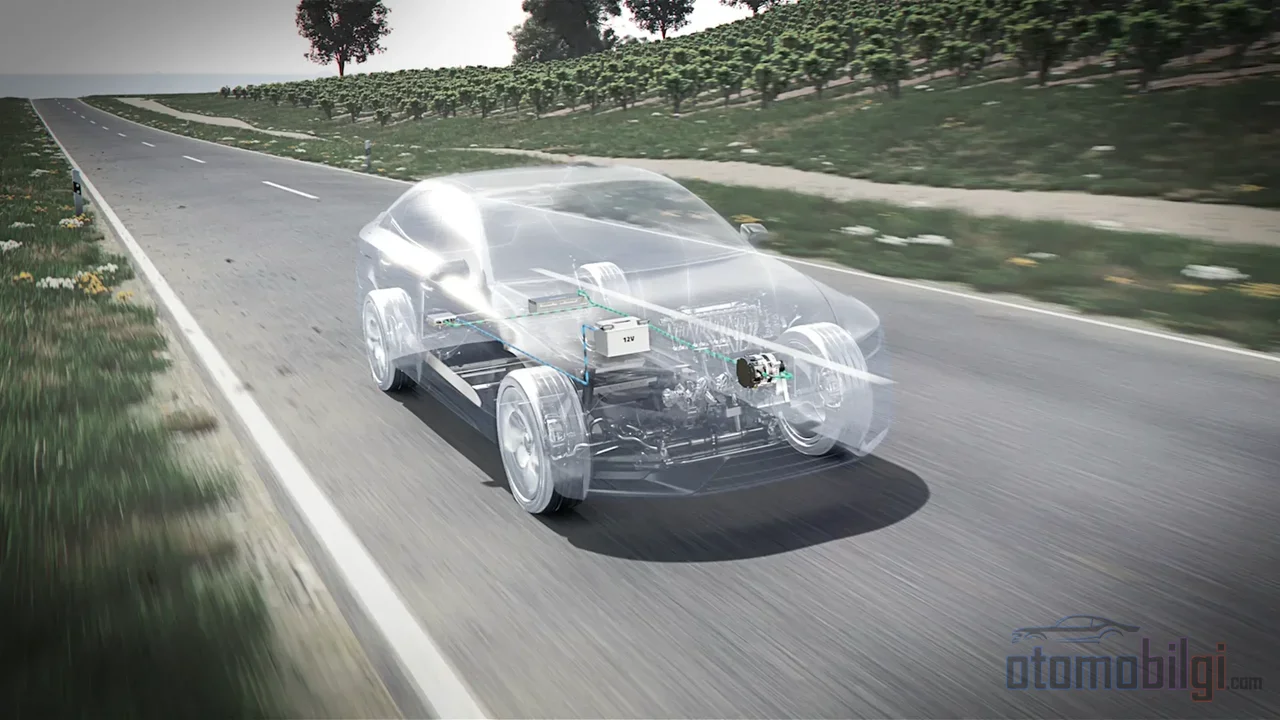
Is 48-Volt Mild Hybrid Really a Hybrid, or Just Marketing?
Short answer: a 48-volt mild hybrid is not a hybrid in the full sense; it does not deliver drive power to the wheels with an electric motor, but is rather an enhanced start-stop and energy recovery system. Still, it reduces consumption in a measurabl…
Read More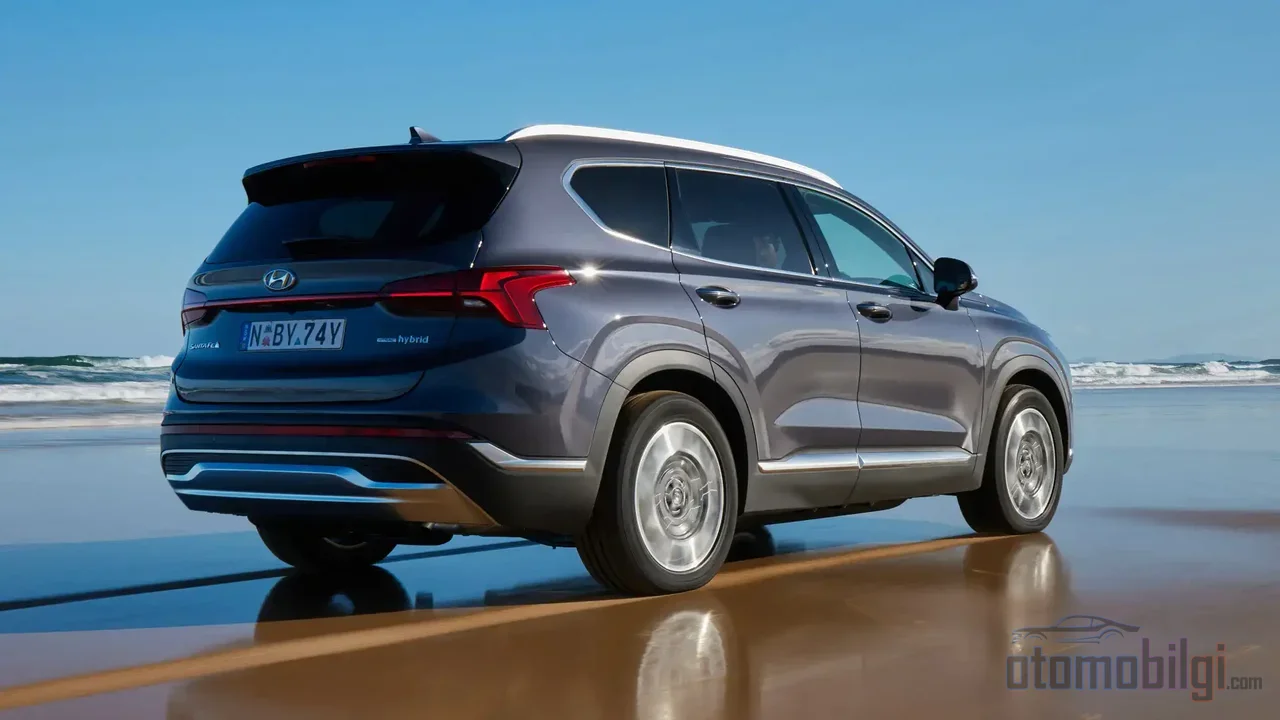
Why Do Toyota, Honda and Hyundai Hybrids Work Differently?
Beneath two vehicles wearing the same "full hybrid" label, completely different powertrain architectures can operate: Toyota splits the power with a planetary gear set, Honda mostly works like a series hybrid and connects directly to the engine at hi…
Read More
Is Hybrid Maintenance Different from Gasoline? Service and Cost Guide
Hybrid vehicle maintenance follows largely the same logic as gasoline cars; the difference emerges in a few specific items. Brake pads last far longer thanks to regenerative braking, oil changes generally become less frequent, while items absent from…
Read More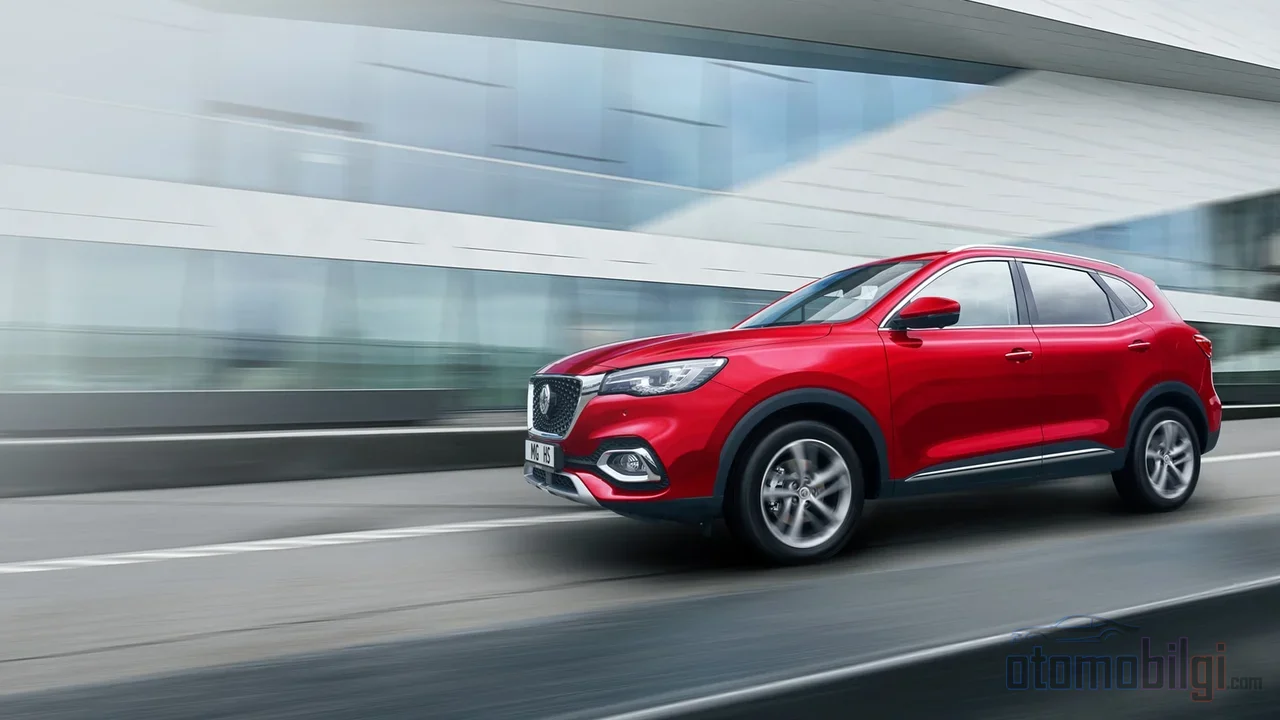
Full, Mild, or Plug-in? A Guide to Hybrid Car Types
Hybrid cars fall into three main groups: full hybrid (self-charging), which requires no external charging; mild hybrid, which only assists the gasoline engine; and plug-in hybrid (PHEV), which can be charged from an outlet and drive a certain range e…
Read More