Fiat Grande Panda's Range Reaches 400 Kilometers
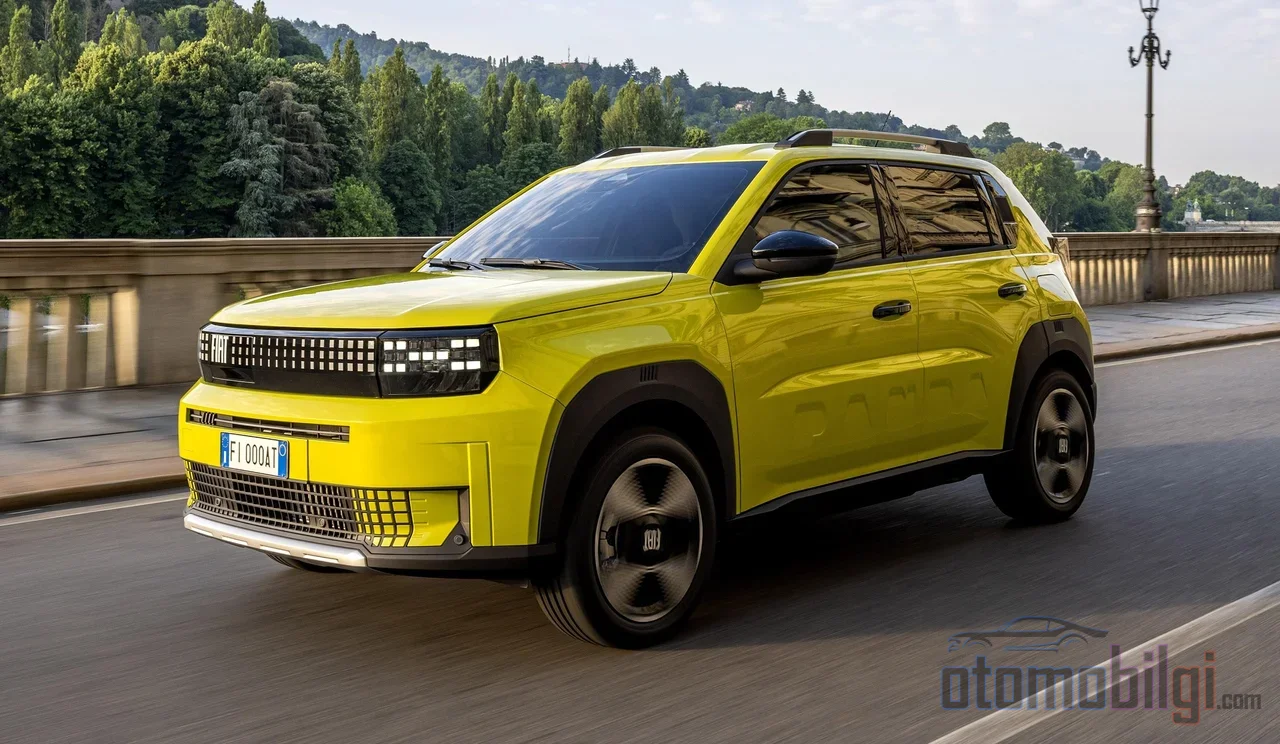
The Fiat Grande Panda, one of the models with the lowest price gate in the electric B-segment, is once again making headlines - this time with its range figure. The update under the front hood is a double-edged one: While the WLTP range rises from 320 kilometers to 400 kilometers, one of the model's signature features, the integrated spiral charging cable, is being removed from the equipment list. One gain, one loss; both sides of the coin need to be laid on the table separately.
How Did the Range Reach 400 Kilometers?
The story behind it is technical in an unusual way for this segment: Fiat sought the range increase on the battery side, not the motor side. Capacity was raised from 44 kWh to 54 kWh; the permanent magnet synchronous electric motor with 83 kW (113 HP) of power is retained exactly as before. In other words, what will be told in everyday language is this: the same motor, with a bigger fuel tank. The result is 400 kilometers on the WLTP cycle - a 25 percent increase over the previous value.
The existing 44 kWh pack is known to be LFP, that is, lithium iron phosphate chemistry. This chemistry provides the convenience of being able to charge the battery up to one hundred percent; in return, however, range in cold weather and fast-charging acceptance dwindle. The chemistry of the new 54 kWh pack has not yet been officially announced, but let us note for those unfamiliar with LFP's winter characteristics: the laboratory range and the real range on a winter morning are not the same figure.
Highlights
- WLTP range increased from 320 km to 400 km: a 25 percent increase.
- Battery capacity rose from 44 kWh to 54 kWh; the motor was retained at 113 HP.
- The integrated 4.5-meter spiral AC charging cable at the front was removed from the equipment.
- In its place came a standard 11 kW three-phase charging unit and a separate cable.
- The new version's price and market calendar have not yet been announced.
What Is the Price of Losing the Integrated Charging Cable?
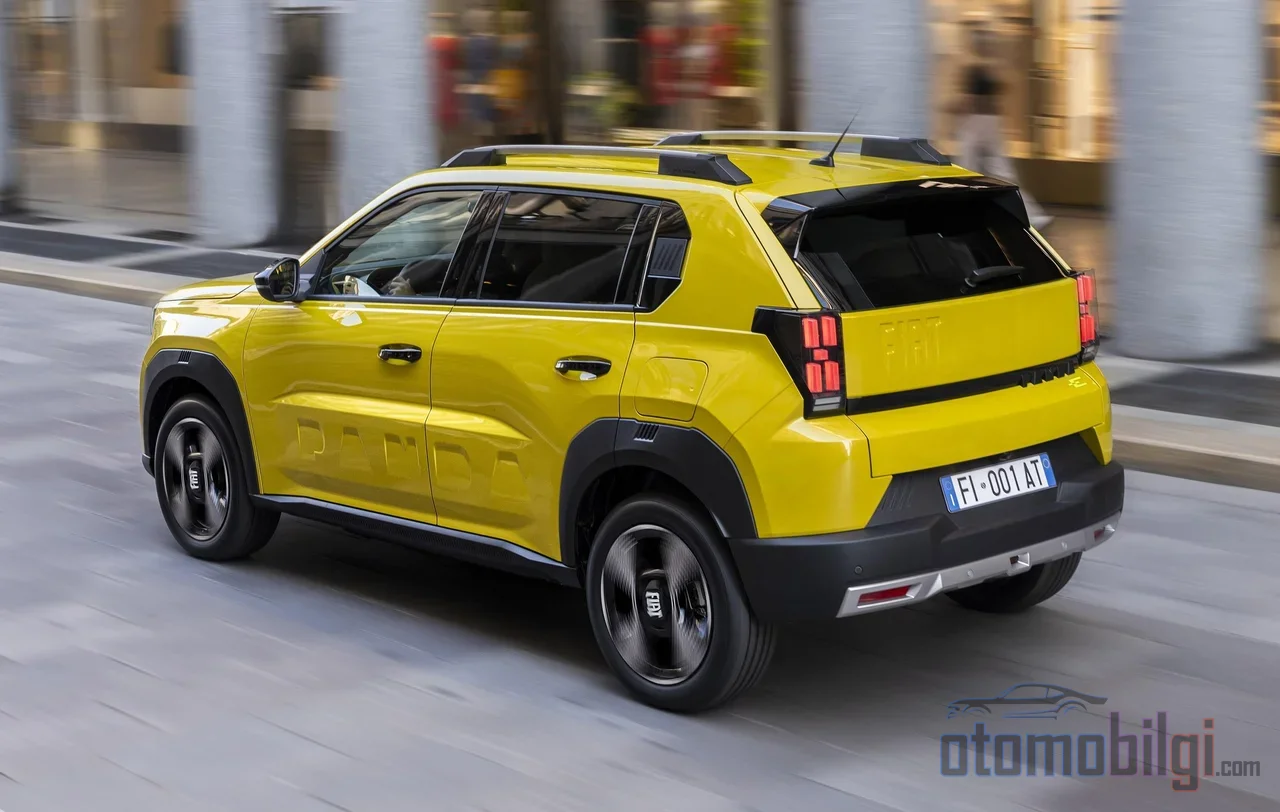
One of this model's standout privileges was the 4.5-meter spiral AC charging cable stored at the front. Everyone who has forgotten a cable on the street, grown tired of carrying a coiled cable in the trunk, or did not want to put a wet and dirty cable back into the vehicle knew the value of this solution. That cable, offering 7.4 kW of AC power, meant a practicality of being able to plug directly into an outlet - yes, a practicality somewhat resembling an orange cupboard hose, but its function was undeniable.
Fiat is removing this equipment and instead installing, as standard, an 11 kW three-phase charging unit and a separate cable. On paper, this is an upgrade: AC charging is completed faster at a compatible station; while the current version's 11 kW option takes 2 hours and 50 minutes to cover the 20-80 percent range, the integrated cable's 7 kW setup took 4 hours and 20 minutes for the same range. However, the other side of the coin is this: three-phase power cannot be fully utilized on single-phase home connections. For the user whose garage offers nothing beyond an outlet, the gap left by the removed cable will be felt.
As someone who has been following this industry for more than three decades, I can say this: cost items don't appear like this in equipment lists. When a manufacturer removes a feature, it usually balances out the cost equation; in return, the story told to the buyer is always "we replaced it with something better." Here both stories are partly true - which one weighs more for you depends entirely on how you use it.
Equipment Levels of the New Version and the Unknowns
It's clear what equipment the new 54 kWh pack will be offered with: the Pop, Icon and La Prima levels are listed. The unknown is more critical: the new version's pricing and market entry. As of now, neither has been announced; therefore there is no honest answer today to the question "how much for 400 kilometers." We'll wait and see - in this business, it's always the buyer who pays the price for speaking in haste.
Another noteworthy detail is this: the manufacturer's local market page still shows the 44 kWh and 320 km figures. In other words, it will take time for the new version's information to be fully reflected in official channels. As long as these updates are in question, here's an old editor's advice for those who want to order without confirming with the dealer: ask for the figure in writing.
Where Does It Fall in the Rival Table?
The real meaning of the range increase becomes visible in the segment table. The current 44 kWh Grande Panda was justifying its price with its 320 km WLTP range; the Hyundai Inster, meanwhile, was a step ahead in efficiency with 42 kWh and a 327 km band. The Citroën ë-C3 shares effectively the same platform, the same battery and the same motor. The new balance is roughly as follows:
| Model | Battery | Range | Note |
|---|---|---|---|
| Grande Panda (44 kWh) | 44 kWh | 320 km | Integrated charging cable |
| Grande Panda (54 kWh) | 54 kWh | 400 km | 11 kW three-phase AC, price not announced |
| Hyundai Inster | 42 kWh | ~327 km | Ahead in efficiency |
| Citroën ë-C3 | 44 kWh | 326 km | Same platform and motor |
| Renault 5 E-Tech EV52 | 52 kWh | ~400 km | Noticeably higher priced |
| Togg T10X V1 | 52.4 kWh | 314 km | Fast charging with 180 kW DC |
Here's the crux of the matter: until now, the segment price of a ~400 km range was reflected in the price; the Renault 5 E-Tech EV52, the range leader, was sold at a serious premium of 554,100 TL over the Grande Panda. Unless it explains this gap on the price side, the new 54 kWh Grande Panda carries the potential to be the cheapest leg of this equation - but the bridge between "could be" and "is" is the price announcement, and that announcement has not yet been made.
The Price Front and Market Outlook
The position of the version currently on sale has become clear. The Grande Panda Electric is offered with the official campaign at a starting price of 1,584,900 TL, or with a 250,000 TL down payment and a 12-month zero-percent interest loan option; the price in September was 1,544,900 TL. This level sits below the 1,595,000 TL tag of the Hyundai Inster and the 1,640,000 TL tag of the Citroën ë-C3 Plus. And there's the prestige front: model, was chosen as Europe's best automobile design at Autobest 2026 and was a finalist in the European Car of the Year competition - on the matter of design, the jury and buyers stand on the same side.
The overall picture of the market is moderate: in the January-September period, the combined total of passenger cars and light commercial vehicles shrank by 13 percent, down to 803,465 units. In such a picture, it is not difficult for a model that increases its range while maintaining or preserving its price to find a place; the real question is at what level it will set the price of the 54 kWh version. It had been measured that the 44 kWh vehicle dropped to around 250-270 km in real use under winter and highway conditions, and could reach 300 km in mild weather; there are also experiences pointing to winter losses in the 30-35 percent band for versions without a heat pump. The real equivalent of the range increase in winter conditions can only be roughly estimated proportionally when read together with the cold character of the LFP battery - the winter figure for 400 km will again have to wait for winter to be seen.
Conclusion: How Should the Equation Be Set Up for the Buyer?
Let's summarize. The Grande Panda's range has increased to 400 kilometers; a 54 kWh battery provides this, and the motor has not changed at all. In return, the integrated spiral cable is gone, replaced by an 11 kW three-phase unit that is faster at compatible stations but cannot deliver full power on a single-phase home connection. For someone who insists on a cable that plugs directly into the outlet, this is a shortfall; for someone with a three-phase connection or who predominantly uses fast charging, it is effectively an improvement.
The decisive point is this: until the price of the new version is announced, its real position in the segment is uncertain. The current vehicle's price tag is below its competitors and its design has been awarded; the range increase strengthens this picture, while the loss of the integrated cable casts a shadow over it. The healthiest thing that can be said, by a dry calculation, is this: 400 km of range, a 54 kWh battery, and 113 HP in the same package form an unmissable balance in the B segment if the price is set right. When the price announcement comes, a definitive answer to this page's question will be written - for now, the buyer's job is to ask themselves whether they would miss the cable that plugs directly into the outlet.
Sources
- New Grande Panda: Positive Energy at Every Moment
- Fiat Grande Panda's range increased to 400 km
- Fiat Grande Panda Electric: Starting from 1.54 Million TL...
- Grande Panda Electric campaign
- Fiat Grande Panda Electric Test Drive: Consumption and Range Test
- FIAT Grande Panda, Autobest 2026
- Türkiye Car Market September 2026
- July 2026 Sales Figures