Toyota GR GT3 Is Preparing for FIA Homologation
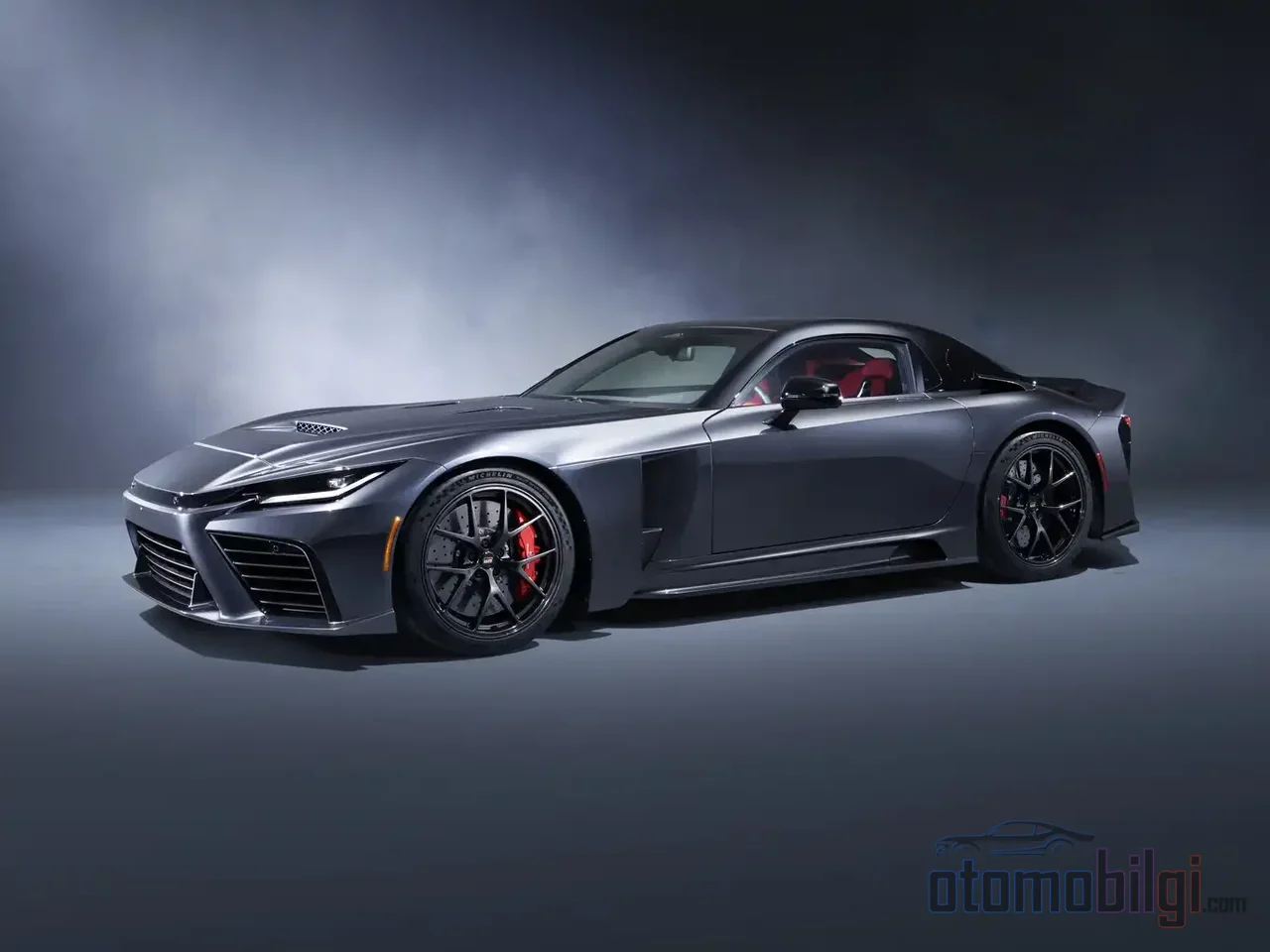
At the Motegi circuit in mid-November, a car without its homologation papers in hand entered two races and came back without scoring any points. That may sound like a failure; yet for Toyota it was quite the opposite. The Toyota GR GT3 was fielded in concept form at the SUPER GT season finale, took numerous penalties, dropped down the standings, and Toyota greeted this picture exactly as planned. Because the goal here was not a podium, but to see what breaks and what bends on the track. Now the process stands at a new threshold: Toyota expects the car to receive FIA GT3 homologation in the very near future.
Homologation Expectation and Official Statement
Toyota's global motorsport director Masaya Kaji stated that the homologation process is still ongoing, that the situation looks acceptable, and that approval is expected in the very near future. This is as much a concrete sign regarding the calendar as it is a diplomatic "we are ready" message: the target is a homologation in time for the IMSA-sanctioned test to be held at Daytona International Speedway on December 10-11. This is all the record shows for now; once the process becomes official, the car's place in customer racing will also become clear.
There is a small but significant uncertainty here: some news reports published at the end of October claimed that the car had been homologated by the FIA; however, the statement by Toyota's own executive in mid-November indicates that the process is not yet complete. What is concrete is this: approval has not been granted, but it is on the verge of being granted.
Highlights
- Toyota expects the GR GT3 to receive FIA homologation in the very near future.
- The goal is to make it to the Daytona IMSA test on December 10-11, 2026 with homologation in hand.
- Engine: 4.0-liter twin-turbo V8 with hybrid assistance; target power 650 PS, torque 850 Nm.
- The car will race in WEC, IMSA, SUPER GT and at the Nurburgring with customer teams in 2027.
- The earliest date for DTM is seen as 2028.
What Does GT3 Homologation Mean and Why Is It So Important?
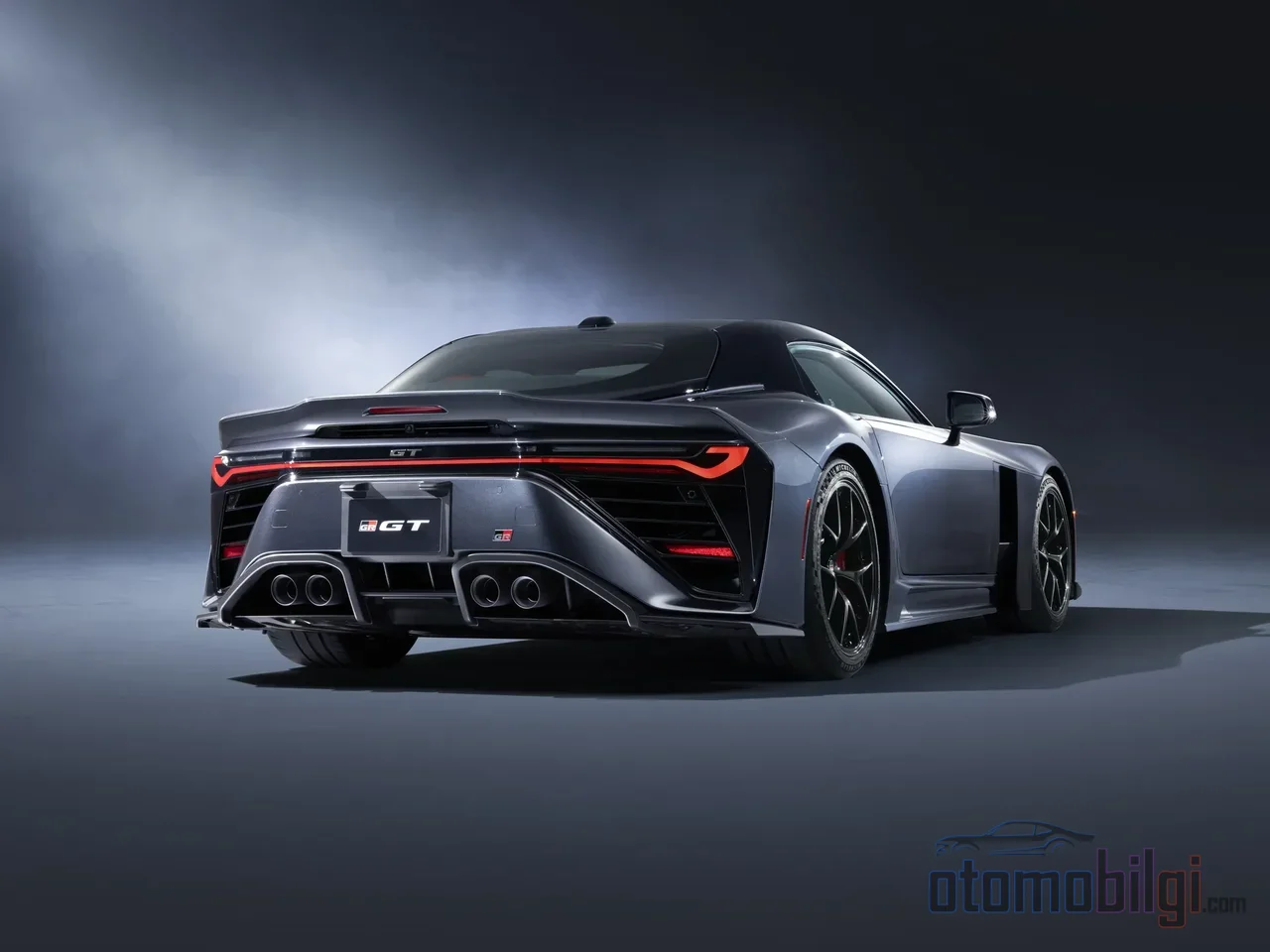
GT3 is a category recognized by more than twenty racing organizations worldwide, standing at the center of customer racing. The mechanism is simple: a manufacturer develops a car, obtains homologation from the FIA, and sells that car to independent teams. The texture of the rules is also clear. A GT3 car must be based on a series-production road car that is manufactured and sold at the time of homologation; it is not required that the engine belong to that car. Minimum quantities are also set on the production side: 10 cars must be produced within 12 months of the homologation date, and 20 cars within 24 months. Toyota also faces the obligation to produce 20 cars within two years after official approval.
In the past, homologation was a process in which road cars evolved "downward" toward the racetrack; today the flow has reversed, and manufacturers first design the GT3 car, then produce a road car to correspond to it. The GR GT3 is precisely a product of this new order: The first GT3 car developed from scratch by GR is built on the trio of a low center of gravity, lightness and high rigidity.
The Vehicle's Technical Identity: Hybrid-Assisted V8
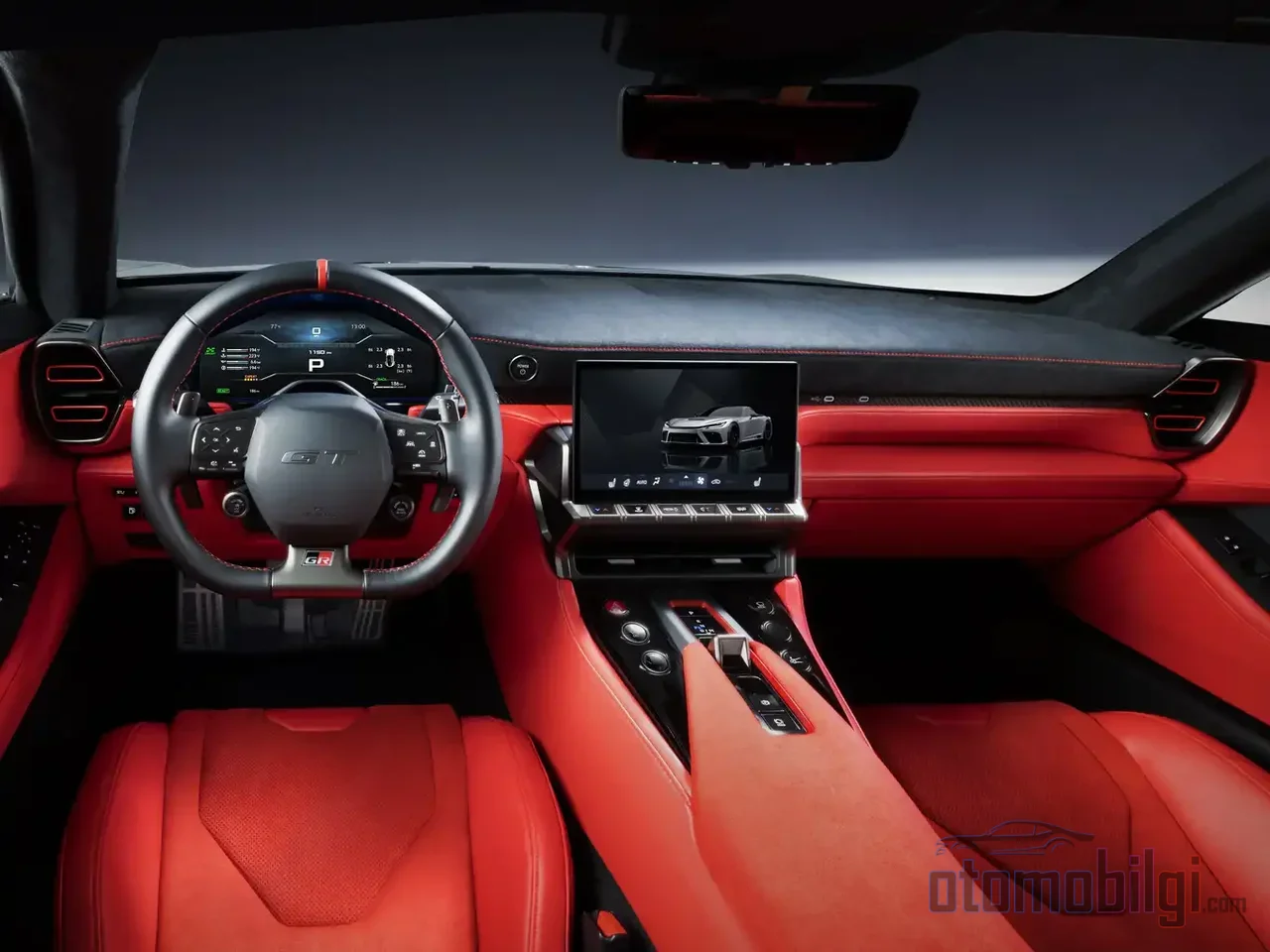
Since its unveiling, the officially known development targets are clear in a table: A 3.998 cc twin-turbo V8 engine, a hybrid system with a single electric motor integrated into the transaxle, system power of 650 PS or more and system torque of 850 Nm or more. The drivetrain follows the classic formula: front engine, rear-wheel drive, with the newly developed 8-speed automatic transmission.
| Feature | Value |
|---|---|
| Engine | 4.0-liter (3.998 cc) twin-turbo V8 + hybrid |
| Target system power | 650 PS / 478 kW or more |
| Target system torque | 850 Nm or more |
| Transmission | 8-speed automatic |
| Length | 4.785 mm |
| Width | 2.050 mm |
| Height | 1.090 mm |
It must also be honestly distinguished that: the 1.750 kg curb weight and power-to-weight ratio announced for its road car sibling, the GR GT, belong to the road car; the hard figures of the GT3 race car will become clear along with homologation. The dimensions were published as preliminary speculation and fit the class's customary measurements.
The Motegi Attempt: No Points, Plenty of Information
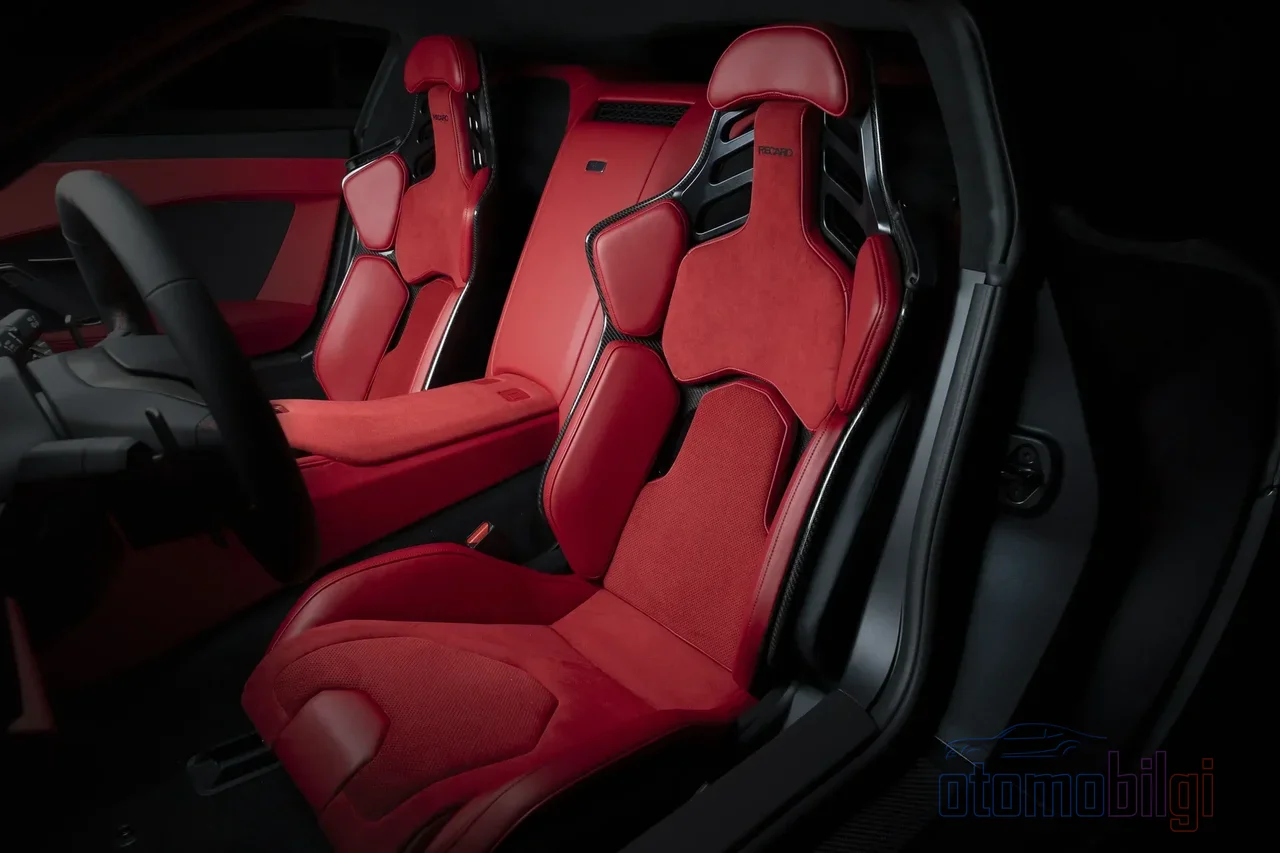
At the season finale at Mobility Resort Motegi on 7-8 November 2026, the car was driven by Rookie Racing, owned by Akio Toyoda, with Hiroaki Ishiura and Tokiya Suzuki. Since there was no homologation, the organizer GTA granted a special permission and the car could not score points. The results are not brilliant on paper: with numerous penalties, it finished 19th in the GT300 class in the first race and 24th in the second.
According to Kaji, that was exactly the purpose of this attempt: to identify problems. In Friday practice, a faulty sensor caused a loss at top speed. The fact that development is largely carried out in Japan was decisive in the choice of Motegi; after the second race, a tire test was also conducted on Monday. While the championship battle was ongoing, Toyota did not aim for maximum speed; the official evaluation was that performance was acceptable.
The 2027 Roadmap: WEC, IMSA, SUPER GT and the Nurburgring
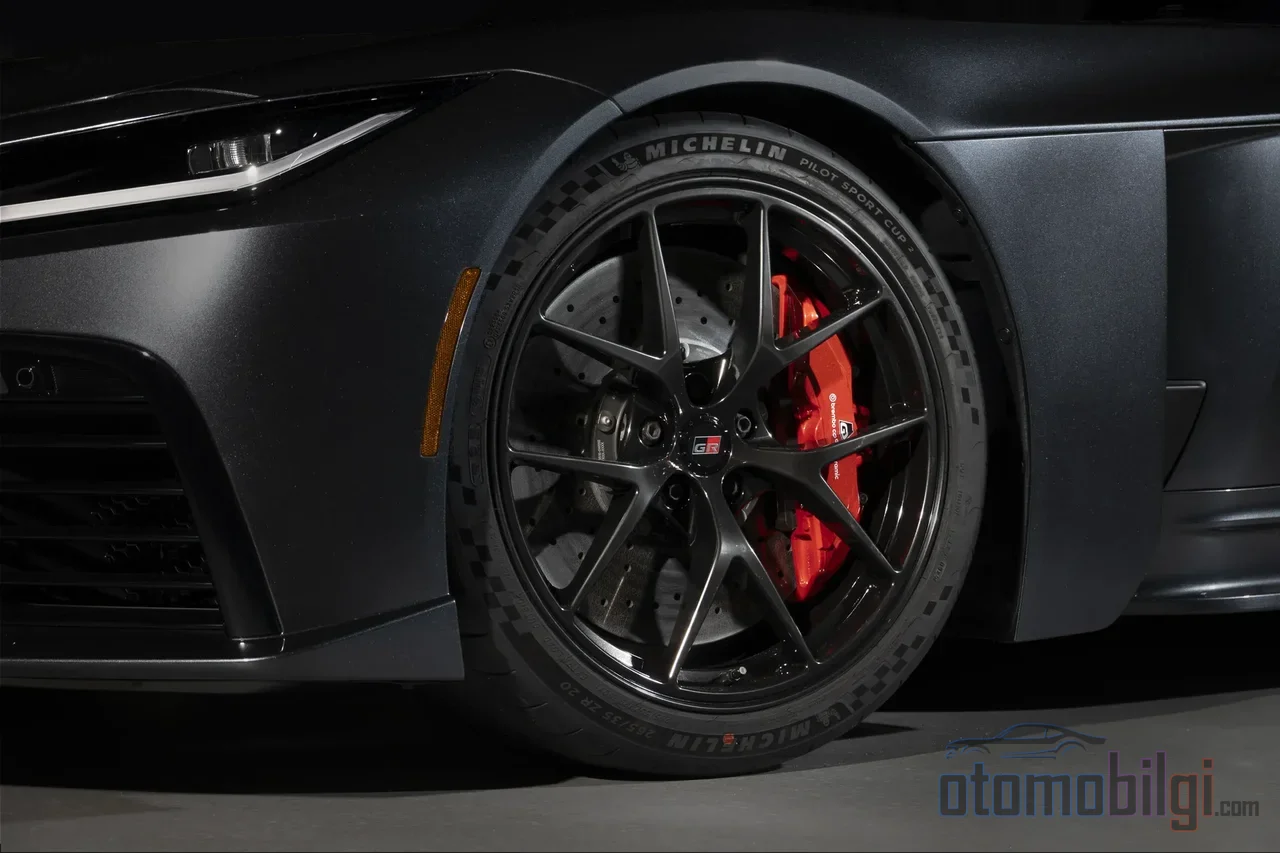
Homologation means, for Toyota, the official takeover of the Lexus RC F GT3's successor role. At the world premiere held in December 2025, the first target was to reach track-ready form around 2027 and to take the RC F GT3's place in the WEC's LMGT3 class. Now this plan is beginning to take shape with concrete team names.
- WEC: The ASP team, which has used Lexus for the past two years, is expected to enter with two GR GT3s.
- IMSA: On the US front, an entry from Vasser Sullivan is anticipated.
- SUPER GT: After Rookie Racing, the turn is likely to pass to K-tunes Racing.
- Nurburgring: Hong Kong-based KCMG will field the car in 2027.
For the first full season, production numbers are not yet clear; according to Daily Sportscar's assessment at the end of October, more customer cars are not expected to enter racing in 2027. The DTM front, however, is more cautious: ADAC motorsport director Thomas Voss says tests could happen in 2027, but racing in the DTM would come at the earliest in 2028. An entry in GT World Challenge Europe is also not expected in 2027.
Ratel's Criticism and Toyota's Defense
On the technical and scheduling side, there is a more tense front: the debate over the spirit of the category. SRO founder Stephane Ratel had issued a stern warning about the future direction of GT3, claiming that the hypercars entering the category were not designed in line with the spirit of the platform. Ratel believes that continuing this way would lead straight into a wall; he does not hesitate to add that allowing cars that are neither iconic nor prestigious is a risk. His proposal is even more radical: a return-to-basics new class, in which today's GT3s would be called GT2 and the new-generation cars (including the new Toyota) could be called GT2.
Among the names on Ratel's radar are the Toyota GR GT3, the next-generation Mercedes-AMG GT3 under development, and Genesis's GT3 project. So the criticism is not theoretical; it lands directly on Toyota's doorstep.
The defense from the Toyota side came from WEC driver Kazuki Nakajima. According to Nakajima, this car is not a hypercar but a high-performance road car; it is not possible to claim it will be sold in a cheap price range, but it is ultimately a road car and fits the GT3 concept perfectly. Toyota also states that the car was designed for both professionals and gentleman drivers who want to win, and that it plans to establish an optimal support network. In a category where customer racing is carried on the back of this support network, it is an ambitious commitment.
Short Answer: When and Where Will the GR GT3 Race?
The tidy answer is this: The FIA GT3 homologation of the Toyota GR GT3 is expected in the very near future, within a process aimed at being completed before the Daytona IMSA test in early December 2026; the car will race in 2027 in WEC LMGT3, IMSA, SUPER GT and at the Nurburgring via customer teams, will replace the Lexus RC F GT3, and the DTM path is seen as opening at the earliest in 2028.
Thirty years ago, homologation was the secret adventure of special cars; now it is the key to a billion-dollar brand strategy. Toyota put its cards on the table with its hybrid-assisted V8, the test data it paid the price for at Motegi, and its answer to Ratel. The rest will become clear with the test day at Daytona and the FIA's signature. Once again, brand rivalry in the GT world is tightening over a piece of paper.
Sources
- Toyota: GR GT3 Set For FIA Homologation in "Near Future"
- Toyota defends approach over GR GT3 after Stephane Ratel voiced concerns
- Toyota's GR GT3 to debut at Super GT finale
- TOYOTA GAZOO Racing World Premieres GR GT & GR GT3
- V8-powered Toyota GR GT3 launched to replace Lexus RC F GT3
- Brand-new Toyota GR GT3: What are the chances of it competing in the DTM in 2027?
- GR GT3 2027 Plans Emerging
- Ratel Issues Warning About GT3's Future Direction
- Toyota introduces the GR GT3