Alex Marquez Withdraws from Qatar GP, Surgery Decision
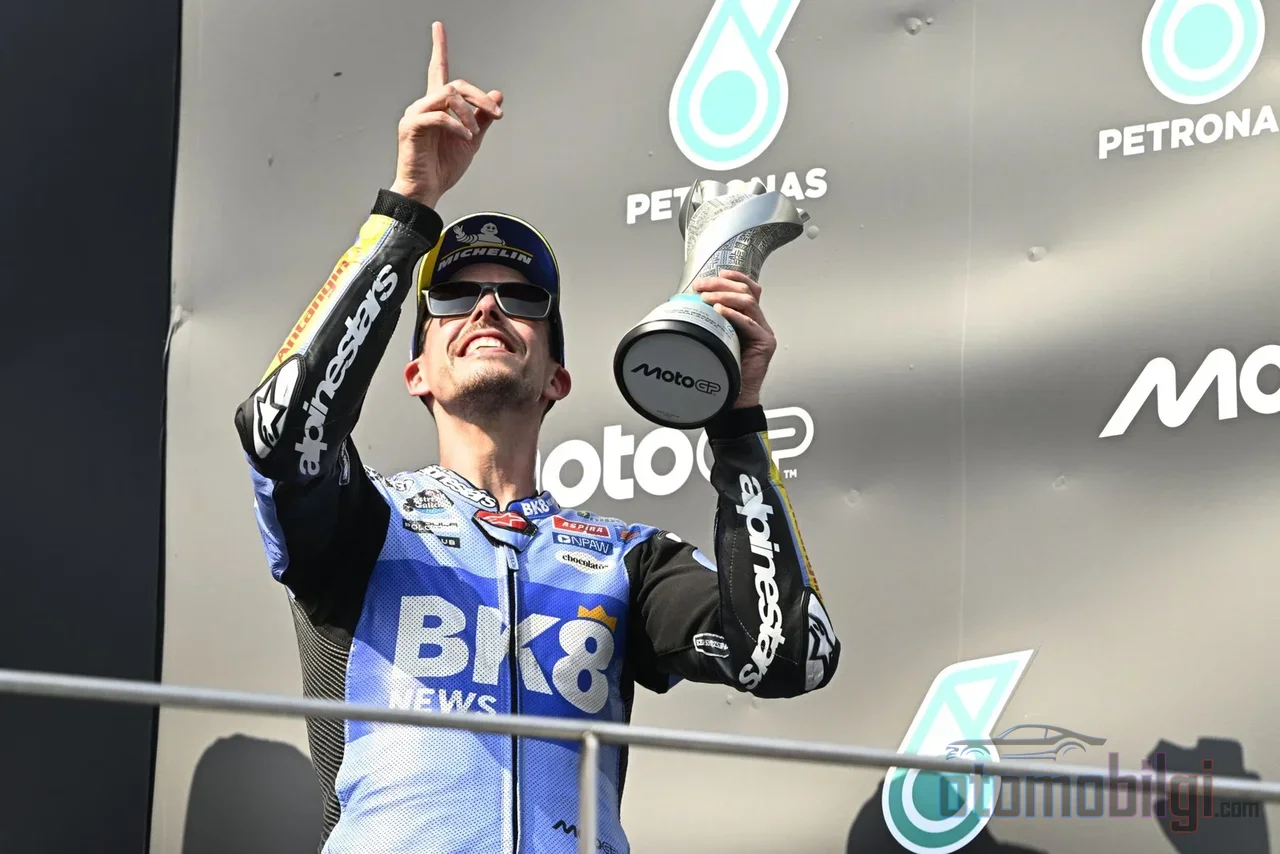
While two separate tensions were being discussed in the MotoGP paddock within the same week, one of them has become clear: Alex Marquez announced that he has withdrawn from the Qatar Grand Prix and decided to resolve the ongoing issue with his collarbone surgically. The decision came right after a weekend in which he started from pole position at the Sepang circuit in Malaysia and finished on the podium. In other words, just a few days ago the rider was among the fastest and the best on the track; now he is on the operating table.
This is the story of one of the most stubborn injuries MotoGP has seen in years. The right collarbone broken at the Catalan GP in May turned into a racing season kept going on painkillers and injections for six months. That approach has now run its course. So will this operation get Marquez ready for the season finale, or will it end his 2026 early?
The Origin of the Crash: What Happened in Catalonia in May?
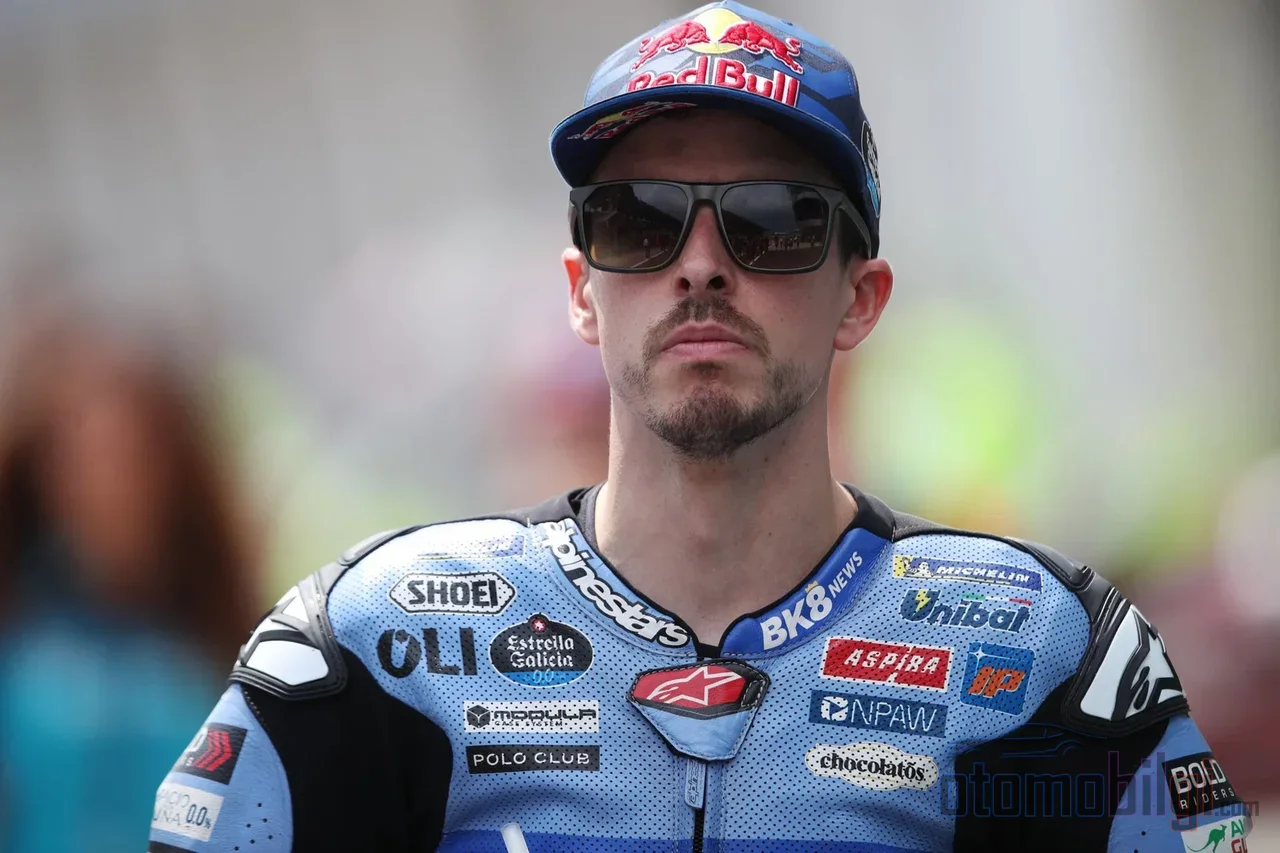
The story begins with the Catalan Grand Prix in May 2026. In the crash at Barcelona-Montmelo, Marquez broke his right collarbone, and a small fracture also formed in the C7 vertebra in his neck. The race was stopped with a red flag, and the rider was taken to hospital by helicopter. Here is the detail that shows how serious it was: not a routine fall, but a chain of events that brought the track's safety crews into action.
The first surgery was performed on the night of the crash, on Sunday, at Hospital General de Catalunya, where a plate was fitted to the fracture to stabilize the bone. Following that intervention, Marquez missed the Mugello and Balaton races. The plan back then was simple: keep the plate in place, let the bone heal, and get the rider back on the motorcycle as soon as possible.
As anyone who has been around this business for a while knows, a broken collarbone is the classic injury of MotoGP riders. A typical post-surgery recovery takes between 6 and 12 weeks; there is also data showing that athletes with an isolated collarbone fracture return to competition in less than 46 days on average. Marquez's case has gone on far beyond those averages, and that fact itself is the clearest sign that something has not gone entirely right.
A Rider Who Raced on Painkillers for Six Months
After returning from the crash, Marquez went to the track with painkillers and injections every race weekend. For a while, this was a sustainable strategy; the rider maintained his performance - the man known as the runner-up of the 2025 season continued his fight in 2026 with this year's factory-spec GP26, replacing the Gresini Ducati GP25. But the body always presents its bill, and that bill has arrived.
In recent weeks, he developed bursitis in his shoulder - an inflammation of the bursa around the joint. Painkillers and injections were no longer enough. To sum it up in Marquez's own words, it was clear that he had been struggling with his right shoulder ever since his return, and that completing three races in a row had become impossible. For a 30-year-old rider, this is not a detail that can be ignored; the collarbone and shoulder are among the areas that carry the motorcycle's load and endure the most strain in braking zones.
Highlights
- Alex Marquez announced that he withdrew from the Qatar GP on November 1, 2026.
- The surgery will be performed in Madrid on Monday, November 2.
- The operation involves removing the plate in the collarbone and draining the fluid caused by bursitis in the shoulder.
- Return target: the Portuguese GP at Portimao later in the month.
- Marquez had started from pole position at Sepang and finished third.
Why Was the Surgery Decision Made Now?
The plan was originally to schedule the surgery for the end of the season. There are two reasons it was moved up. First, the structure of the season calendar: the Portimao and Valencia finals come back-to-back, and the calendar offers a recovery window of about two weeks in the gap between them. This window is not generous for a shoulder that needs repairing, but it is the most reasonable opportunity available. Second, the Qatar race itself had already become shrouded in uncertainty; there was a ground that made the decision easier to make.
The decision took shape within a single day. As of Saturday, his camp was still sending out messages that it was being considered, but on Sunday the withdrawal and surgery decision was officially announced. Gresini preferred not to make an official comment at first. In the past, teams would plan and announce such decisions weeks in advance; now, amid the packed calendar, decisions are made hour by hour in the middle of a race weekend. The rhythm of this business has changed.
Contents of the Operation: Two Procedures in One Go
The operation to be performed in Madrid on Monday combines two separate procedures in a single session. The first is the removal of the large collarbone plate fitted immediately after the Catalonia crash. This is a common follow-up with collarbone plates: the metal is usually removed once the bone has healed; because the plate can cause mechanical irritation in shoulder movement. The second is draining the inflammation and accumulated fluid caused by bursitis in the shoulder.
The name holding the scalpel will be Dr. Samuel Antuna. It is no coincidence that MotoGP followers recognize this name: Antuna is also the surgeon who operated on Marquez's older brother Marc Marquez's shoulder in the same year. Considering it has been a season in which the whole family ended up on the operating table, the Marquez dynasty's notebook for 2026 is fuller than we thought.
What Happened at Sepang, Did the Injury Worsen?
The surgery decision coinciding with the period after the Malaysian GP at Sepang carries important context. There, Marquez started the sprint race from pole position, led the first three laps, and crashed after building an advantage of about one second; he finished the race third. The rider said the crash was his own mistake, but the critical point is this: he clearly stated that this contact did not aggravate his existing injury. In other words, the surgery decision is the result of six months of fatigue, not the latest crash.
Another interesting detail is the haste Marquez implied regarding the first surgery. His emphasis that the impact in Barcelona was very severe and that the collarbone was operated on very quickly serves as an explanation for why this second operation, coming six months later, is necessary. The quick decisions made on the night of the accident, amid red flags and helicopter footage, are sometimes paid for with long-term consequences.
Return Plan: Portimao, Valencia and the Critical December 1 Test
Marquez's schedule takes shape across three stops. The first target is the Portuguese Grand Prix at Portimao later this month. The driver paints a picture suggesting it is possible when he talks with the doctors, but there is no guarantee; recovering a shoulder that had a collarbone plate removed just two weeks earlier is a process to which every body responds differently. The second stop is the Valencia GP, the second leg of the back-to-back finale. The third, and perhaps the most important: the Valencia test on December 1.
The reason that test is critical is Marquez's future. The driver, who will move to the factory KTM team in the 2027 season, will use the 850cc prototype introduced by the new regulations there for the first time. Missing this test means losing the most valuable first days of working with a new team and a new machine. It can be said that the calculation behind Marquez moving his surgery forward is precisely this: sacrificing one race to try to save two finales and one test.
What Will Be the Impact on the Championship Points Battle?
The exact outcomes on the points table are beyond the scope of this article; but the known picture is this: Marquez, as the runner-up of the 2025 season, is putting in a strong performance at Gresini this year and managed to go from pole position to the podium at Sepang. A Qatar GP held without him means a loss both in terms of the driver's own season and the points battle the team is fighting in. Gresini managed this situation during the first injury period: At the Italian GP, Michele Pirro took over the motorcycle, and at the Hungarian GP, it was Iker Lecuona. Whether a similar backup plan will now come into play will become clear in the coming weeks.
The Two Separate Crises of Qatar Week: Which Is Which?
It is worth briefly touching on the subject we have worked carefully to distinguish throughout this article. During Qatar GP week, MotoGP's agenda featured two separate headlines: the riders' reservation about the race itself, along with the paddock debate it sparked, and Alex Marquez's injury process. Since the two coincided in the same week, they were intertwined in public discourse, but their natures are completely different. The first is a show of will regarding an organizational and sporting decision; the second is an engineering solution for a metal plate carried in the body for six months and an inflamed shoulder.
Alex Marquez's file concerns only the latter. The accident that ended the Catalan GP under a red flag, the late-night surgery with a plate, the missed races at Mugello and Balaton, then the circuits entered with painkillers every weekend, the podium from pole position at Sepang, and finally the decision to have surgery in Madrid: All of these are a line-by-line record of a single rider's six-month story. The coming days will show whether he can make it to Portimao; but the only certainty right now is that no painkiller can close this account anymore.
Sources
- Alex Marquez withdraws from Qatar MotoGP race for surgery
- Alex Marquez considering surgery next week, could miss Qatar GP
- Alex Marquez could skip Qatar MotoGP amid surgery reports
- Alex Marquez undergoes successful surgery, will miss Mugello and Balaton
- MotoGP's Álex Márquez undergoes clavicle surgery after crash
- Iker Lecuona returns to MotoGP to replace Alex Marquez
- Return to competition following clavicle fractures
- Rehabilitation and Recovery After Clavicle Fracture Surgery