Audi Nuvolari Unveiled with 1001 HP of Power
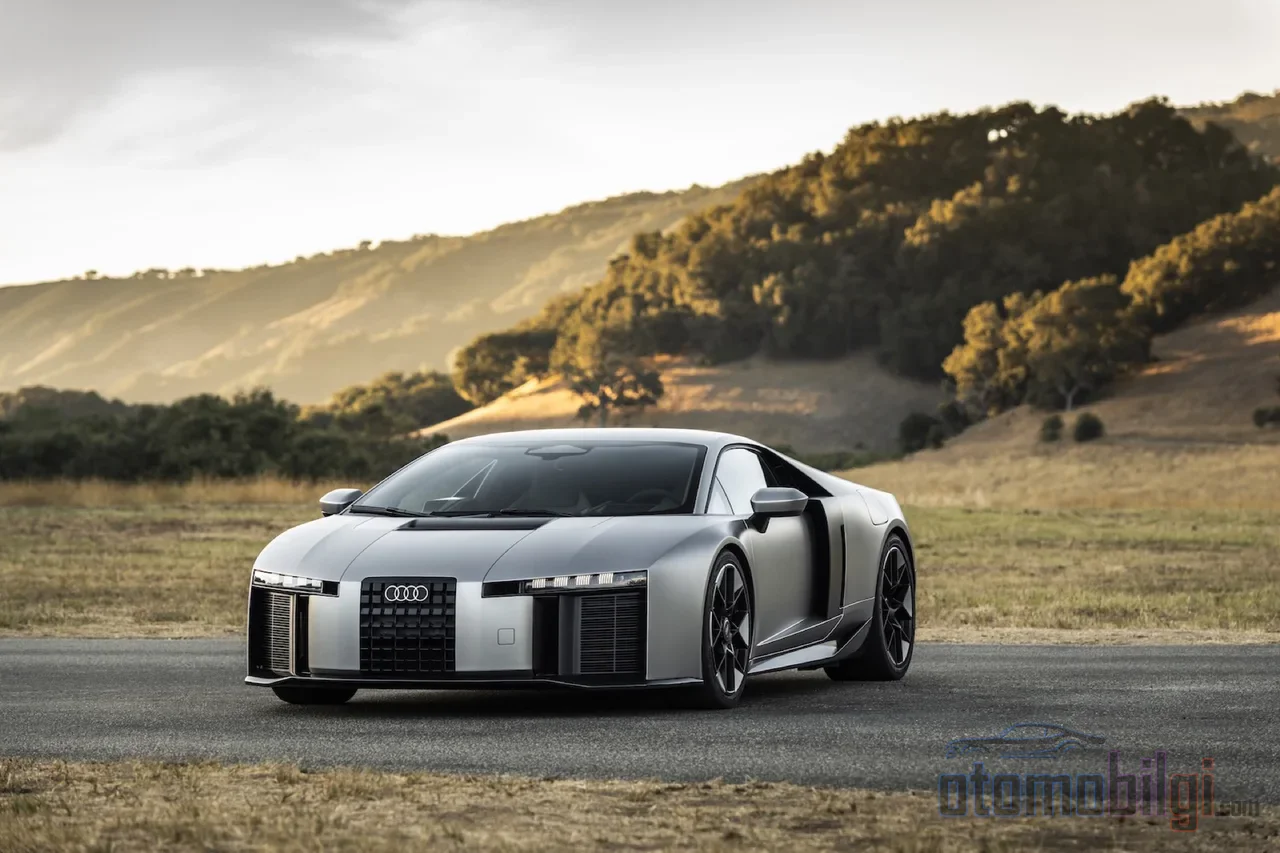
We already knew that Audi would produce only 499 units of the Nuvolari, the most powerful and fastest production car in its history. Now the other side of the quota table is also starting to become clear: only 182 units of these 499 cars are allocated to the United States market. That roughly one-third share, combined with a starting price of $700,000, points to a scarcity strategy far more carefully constructed than an ordinary supercar launch. So what does the number 182 tell us, and what is Audi putting behind this allocation?
What Does the 182-Car US Quota Mean?
According to the allocation plan announced on November 11, 2026, only 182 of the 499-unit global production run of the Audi Nuvolari will go to American buyers. The entry price announced for the car is $700,000, and this figure does not include the delivery charge; once special equipment and taxes are added, the total cost is expected to exceed $1 million. Order books will remain open for a limited time.
The number itself should be examined from several angles. First, in a production plan of this scale, each car becomes a tangible asset: The US is one of the world's largest luxury car markets, and while Audi's one-third share may look generous, 182 cars spread across 50 states leaves the average per state below three. Second, allocations of this kind are never based purely on demand forecasts; they are also a statement of which market the brand aims to be visible in.
Key Highlights
- The global production of the Audi Nuvolari is limited to 499 units; only 182 of them are allocated to the US
- Starting price is $700,000 (excluding delivery charge); with equipment and taxes, the cost may exceed $1 million
- According to official figures, system output is 1,001 PS and 0-100 km/h acceleration is 2.6 seconds
- First European deliveries in the first half of 2027; US deliveries are expected in the first half of 2028
There is also a notable detail regarding the quota figures. During the car's first US showing, it was reported that around 225 cars would go to North America while around 200 were reserved for Europe. The current and more focused announcement gives the figure of 182; the difference may stem from the scope difference between the plan covering North America as a whole and only the US market, or from the plan still being finalized. What is certain for now is the US quota of 182.
What Does the Nuvolari Represent for Audi?
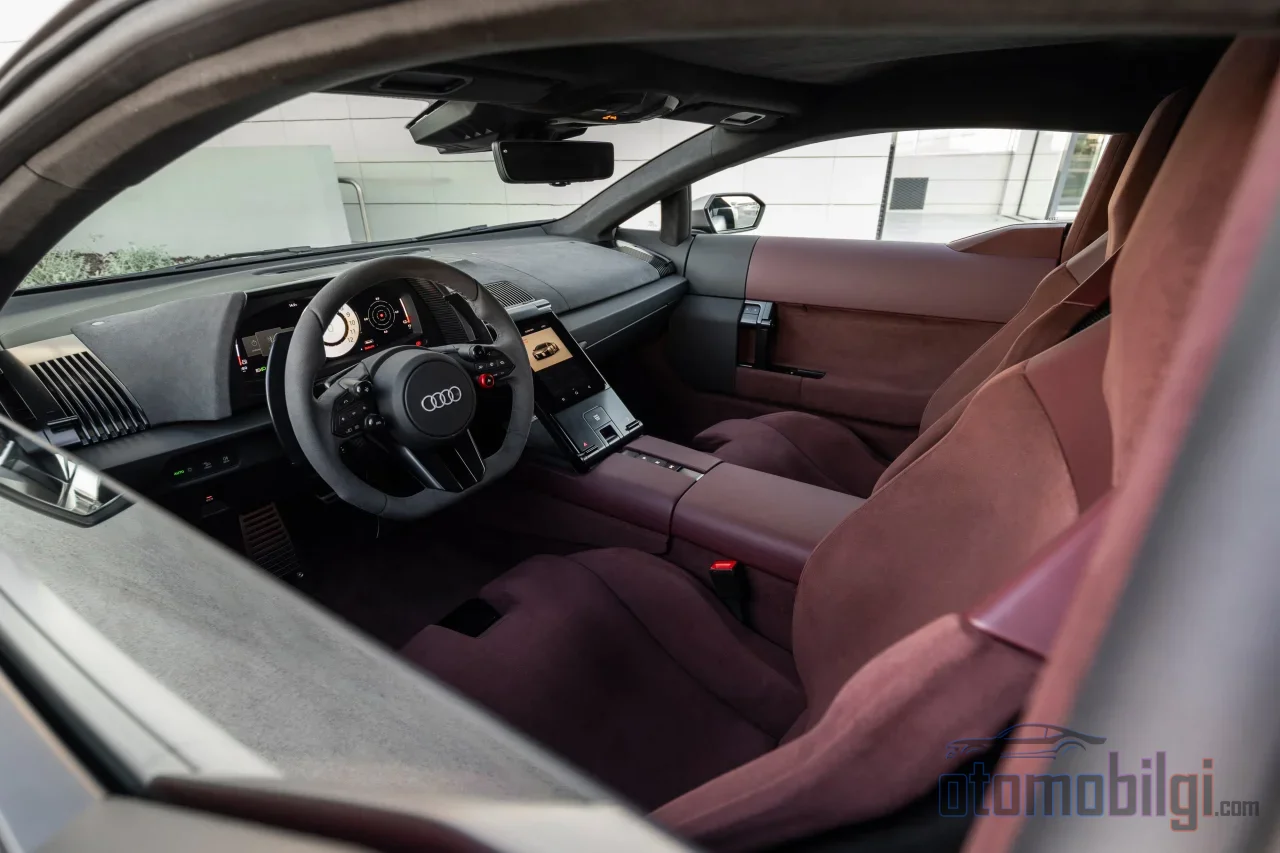
For Audi, the Nuvolari is a statement of intent placed at the very top of the lineup. After withdrawing its flagship sedan, the A8, from production, the brand has moved away from a volume-focused upper-segment strategy and turned toward halo products. With a development process completed in 40 months, a pace that could be considered a record, the real aim of the car is not to sell 499 supercars; it is to embody Audi's new design language and technological direction in a single product.
On the design side, the vehicle is the first production model to carry Audi's new design language, dubbed Radical Next by the brand's new design chief Massimo Frascella. The name is a reference to the great racing driver Tazio Nuvolari and was personally introduced on stage by Audi CEO Gernot Dollner. The vehicle made its US debut during Monterey Car Week in August 2026 and has been the brand's most talked-about product since that day.
Technical Identity: Twin-Turbo V8 and Three Electric Motors
At the heart of the powertrain is the 4.0-liter twin-turbo V8 engine, reportedly based on the Temerario and sourced from Lamborghini. The V8 alone produces 789 hp; it is assisted by three 110 kW (147.5 hp) axial-flux electric motors. According to Audi's official figures, the system's total output is 1,001 PS; in evaluations in the US press this figure appears as 987 hp, and the difference is most likely due to the unit difference between PS and hp. The V8's torque stands at 538 lb-ft. Audi shares these figures with the caveat that they are from a European pre-production prototype; it is stated that US-specific exact performance, pricing and EPA figures will be announced later.
| Feature | Value |
|---|---|
| Production count | 499 (US quota: 182) |
| Engine | 4.0 L twin-turbo V8 + 3 electric motors |
| System output | 1,001 PS (official) / 987 hp |
| V8 torque | 538 lb-ft |
| 0-100 km/h | 2.6 seconds |
| 0-200 km/h | 6.8 seconds |
| Top speed | Over 350 km/h |
| Starting price (US) | $700,000 (excluding delivery) |
On the performance side, the official figures are clear: 0-100 km/h acceleration in 2.6 seconds, and 0-200 km/h in 6.8 seconds. Top speed exceeds 350 km/h. The chassis features a carbon body built on the Audi Space Frame, a new-generation quattro that adjusts power distribution in real time, and four-wheel adjustable suspension. The F1-inspired active aerodynamics system, with its 64-segment Vertical Frame structure and hidden S-duct, is said to generate around 400 kg of downforce. The preliminary consumption figures shared are 11.3 l/100 km of fuel combined, 7.8 kWh/100 km of electricity, and around 270 g/km CO2.
The Logic of the Number 499 and Scarcity
So why exactly 499? There are strong signals that the brand explains this limitation not by sales targets but by brand perception. With a 40-month development period, the vehicle was conceived to leave a lasting mark on the brand's institutional memory; limited production is a strategy that centers not demand but supply itself. Anyone who has spent years in this industry knows how the economics of scarcity work in the supercar world: limited editions used to be a package you sold on top of an existing model, but now they have become the showcase of entire brands with only a few hypercars.
A predictable outcome of this strategy will also be seen in the second-hand market. The vehicle is positioned as a statement of intent and a future collector's piece; The quotas are expected to change hands quickly, meaning some first buyers are anticipated to list the car for sale at high prices as soon as they take delivery. The 182-unit US quota could be the market where this secondary wave is most visible.
Price and Comparison with Rivals
The $700,000 price tag puts the Nuvolari at the center of a debate on its own. The critical view is this: the Lamborghini Temerario, which is reported to share the same technical underpinnings, is on sale starting at under $400,000. The difference needs to be justified by the body design, active aerodynamics and the brand story. For Audi, the risk is that buyers may not see this difference as justified; the gain, however, is a halo product that fills the gap left by the R8 in a much higher segment.
When Will It Be Seen on the Roads?
The timeline is as striking as the market distribution. First deliveries to customers in Europe are planned for the first half of 2027; US deliveries slip to the first half of 2028. So American buyers will be able to get behind the wheel roughly two years after the car's debut on the world stage. Audi's US page emphasizes that country-specific performance, price and EPA data will be announced separately.
In short, by allocating 182 of its 499-unit global production to the US, Audi demonstrated that it uses scarcity as a marketing tool in the most deliberate way. When you add the $700,000 entry price, the technical kinship with the Temerario and the US delivery schedule stretching to 2028, the conclusion is clear: With this car, Audi is selling not numbers but image, and the figure of 182 measures how rarely that image will be seen in its biggest market.
Sources
- Audi Nuvolari arrives stateside with ultra-exclusive 182-unit allocation
- Introducing the Audi Nuvolari
- Audi presents its first supercar with a high-performance hybrid powertrain
- Audi Nuvolari
- 2028 Audi Nuvolari First Drive
- Audi Nuvolari cost and US allocation details
- First Drive: The Audi Nuvolari Is High-Performance Art