The New Lotus Esprit Is Coming with a 670 HP V8 Engine
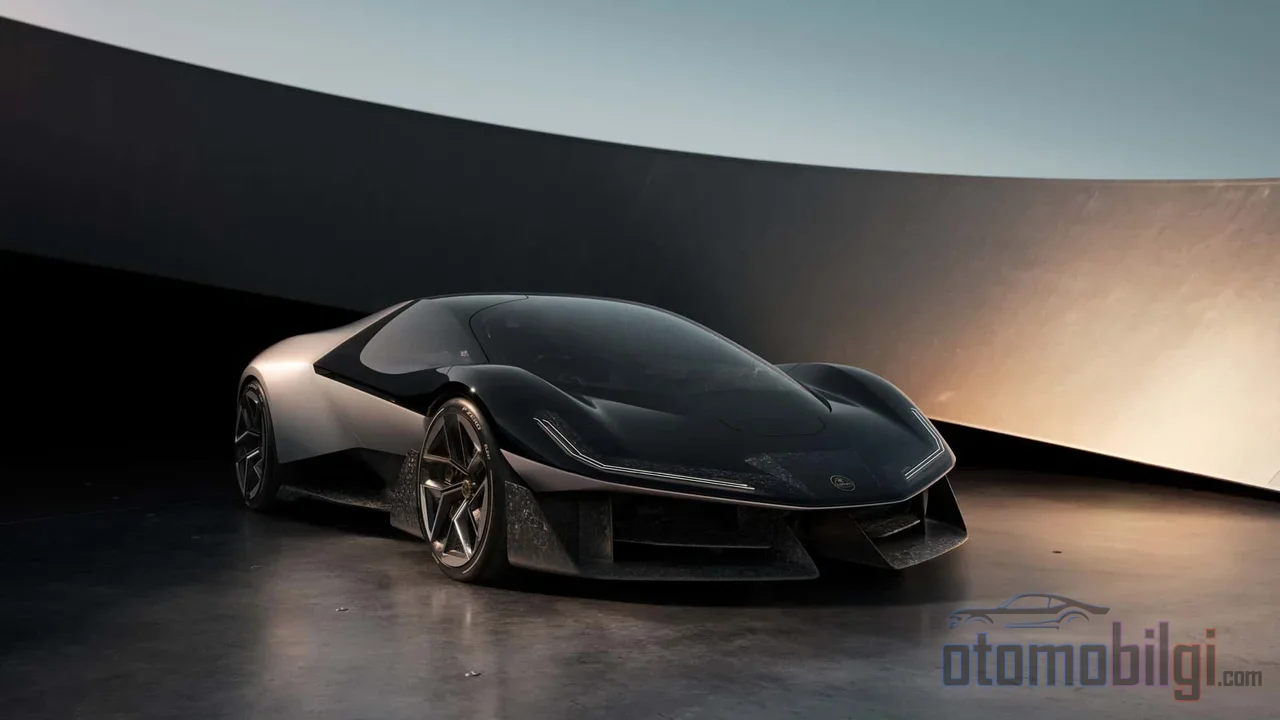
Lotus is now putting numbers on the table for the return of the V8 it has not produced since 2004. According to data announced by engine supplier Horse Powertrain, the 4.0-liter twin-turbo V8 developed for the new supercar Type 135, planned to be introduced and go on sale in 2028, will produce 670 HP and around 800 Nm of torque from the combustion engine alone. So why is this engine important? Because Lotus, as a brand turning from its all-electric future promise to a multi-powertrain strategy, plans to directly challenge the Ferrari 296 GTB.
Horse W40: A 670 HP, 200-Pound V8
The new engine's name is Horse W40. The 4.0-liter twin-turbo V8 is designed in a hot-V configuration where the turbochargers sit between the cylinder banks. This layout shortens the exhaust path and speeds up gas flow; it reduces turbo lag and makes the engine more compact. The figures seem to confirm this compactness: the engine weighs only approximately 200 kg. It aims to be one of the most efficient units in its class in terms of power density.
The engine producing 670 HP on its own is of course only half the story. The Type 135 will have a hybrid structure, and with electric support the combined power will exceed 986 HP, that is, beyond the 1,000 PS threshold. Lotus CEO Feng Qingfeng confirmed in his September 2026 statements that the V8 will sit in a mid-mounted position in the vehicle. The car is built on an 800-volt electrical architecture; the 150 kW electric motor, reminiscent of an F1-derived approach, saves about 20 kg compared to similarly powered counterparts.
Highlights
- The new Esprit's engine, the Horse W40: 4.0-liter twin-turbo V8, 670 HP and approximately 800 Nm of torque
- Combined power target with the hybrid system: over 986 HP
- Engine weight only approximately 200 kg
- Introduction and sales: 2028; target weight under 1,500 kg
- Main rival: Ferrari 296 GTB (819 HP)
8LDCT: Eight-Speed Dual-Clutch Transmission
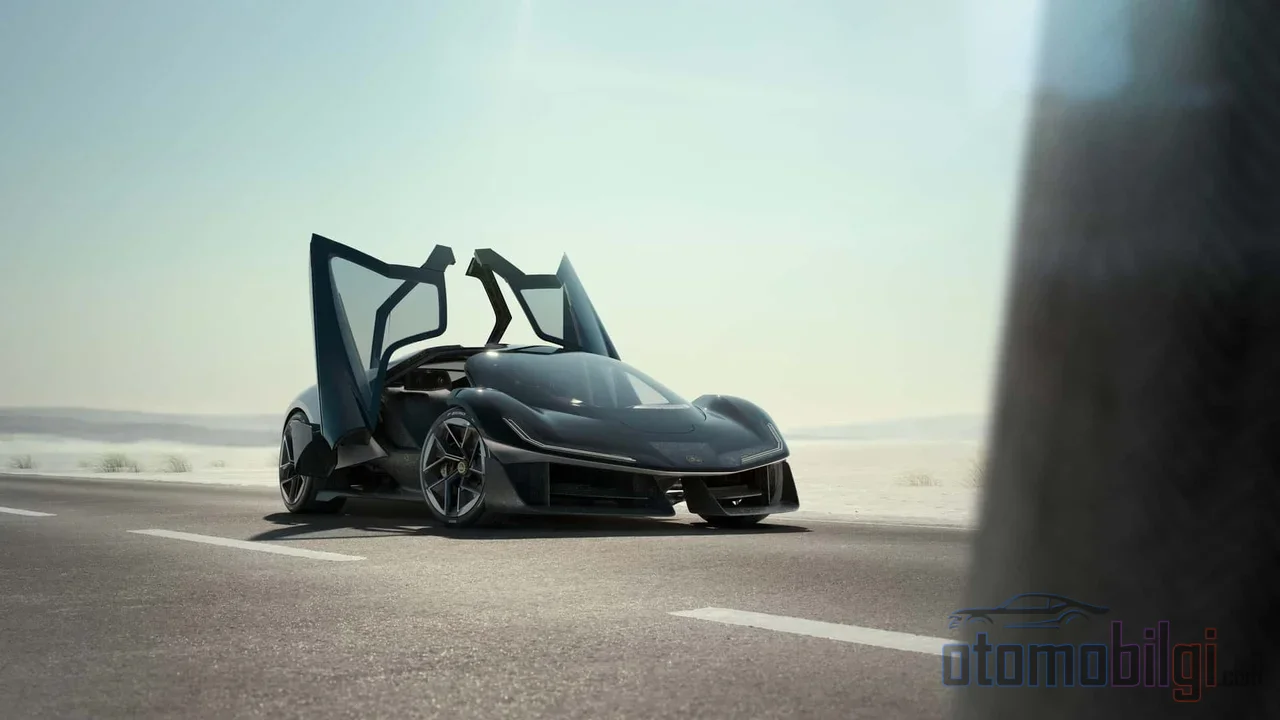
A transmission to keep the engine company is also being developed by Horse. The eight-speed dual-clutch automatic called the 8LDCT features a wet clutch structure suitable for the sports car class. The manufacturer claims gear shifts in under 20 milliseconds; a silicon carbide-based control system and a variable-flow mechanical pump support both speed and efficiency. A manual transmission is not in the plans.
There is a remarkable strategic leap here: Lotus has been dependent on an external supplier for years, using Toyota-sourced engines in the Emira. Horse Powertrain is a joint venture between Geely and Renault; Lotus leaning on this partnership's engine for its own future marks a new phase for the brand, both in engineering and in the supply chain.
Focus 2030 and the Meaning of the Strategy Change
The Focus 2030 strategy announced in May 2026 fundamentally changed Lotus's roadmap. The brand has moved away from its all-electric future plan and switched to a multi-powertrain approach where gasoline, hybrid and electric models sit side by side. The Type 135 was originally designed as the fully electric successor to the Emira; with the strategy change, it became a hybrid V8 supercar.
Behind this transformation lies the industry's slowdown in EV demand over the past two years. Lotus, too, continues Emira production rather than cutting it; in fact, a Horse-sourced 536 HP twin-turbo V6 is on the agenda for an updated Emira. So there used to be a Lotus that marketed every model with the promise of going electric; now V8, V6 and electric options all sit on the table together.
Where Will Production Take Place?
Production is expected to take place in Europe; the expansion of the Hethel factory in England is on the agenda. While design and engineering are carried out in England, R&D activities are planned to take shape on the China side.
A V6 Option Is Also on the Way
The V8 will not be the only option. For a V6 version confirmed by the CEO, roughly 536 HP and 536 lb-ft of torque are expected from a Horse-equipped hybrid unit; combined output is targeted to reach around 1,000 PS. This way, the Esprit family will have both a more accessible entry point and a flagship V8 version. In contrast to the plug-in hybrid architecture of the Ferrari 296 GTB, the Esprit is said to adopt a smaller and lighter battery-hybrid layout; in terms of technical classification, these two cars are not in the same category.
Going Head to Head with the Ferrari 296 GTB
Lotus's indicated main rival is the Ferrari 296 GTB: a model producing 819 HP, priced between 338,250 and 475,364 dollars in 2026. The Lamborghini Temerario is also added to the comparisons; with a starting price of around 400,000 dollars, it too is a player in the same segment.
| Lotus Esprit (plan) | Ferrari 296 GTB | |
|---|---|---|
| Combined power | Above 986 HP (target) | 819 HP |
| Engine | 4.0 L twin-turbo V8 + hybrid | 3.0 L twin-turbo V6 + plug-in hybrid |
| Gearbox | 8-speed dual-clutch | 8-speed dual-clutch |
| Target weight | Under 1,500 kg | Manufacturer data |
| Price | Not announced by the manufacturer | 338,250-dollar band |
An MSRP estimate of around 300,000 dollars is circulating for the Esprit; however, this is not an official figure. Lotus has not yet revealed pricing, platform or interior details. There is also no official manufacturer data for 0-100 km/h acceleration and top speed figures.
Is the Esprit Name Coming Back?
Lotus officially calls the project Type 135; the return of the Esprit name has not yet been confirmed. Nevertheless, publishers and the brand community strongly expect this name to return. There is a solid rationale on the nostalgia side: the Esprit name was used from 1976 to 2004 for roughly 30 years and five generations, and was sold with a V8 engine at the end of its life. So the new V8-powered Esprit would be a return that salutes the final form of its namesake.
On the other hand, healthy skepticism is also warranted: The Esprit name has been circulating for years, but it never turned into a concrete model each time. This time, Lotus sitting down at the table with the engine, transmission and timeline is the most important difference that sets it apart from previous rumors.
When and How Will We See It?
The plan is for the Type 135 to be both unveiled and launched for sale in 2028. The unveiling is expected to take place in the summer of 2027. The car will be positioned between the Emira and the fully electric Evija, which exceeds 2 million dollars; the Emira starts from the low 100,000-dollar band. Lotus has not yet spoken clearly about the platform; since the Evija's Extreme platform was designed for battery-electric vehicles, it is probably not suitable, while the Emira's Elemental architecture only supports four- and six-cylinder engines.
In short, the clear answer to the question is this: The new Lotus Esprit, built on the combustion engine power of 670 HP and approximately 800 Nm from a 4.0-liter twin-turbo V8 called Horse W40, targeting over 986 HP with the hybrid system, weighing under 1,500 kg and aimed at the Ferrari 296 GTB, will be on the roads in 2028 as a supercar. With thirty years of engine journalism behind me, I say: on paper, this is Hethel's most serious move. The rest will become clear in 2027, on the unveiling stage.
Sources
- The New Lotus Esprit Supercar Will Be Powered by a 670-HP V8
- 2029 Lotus Esprit Supercar: Everything We Know
- Lotus's New V-8 Ferrari Fighter Is Coming in 2028
- The return of the V8: Lotus confirms a new supercar
- Lotus Esprit: More details emerge, including V6 option
- Lotus Is Giving the 2028 Esprit a V6 Hybrid