Genesis G80 and GV80 Hybrid Models Unveiled
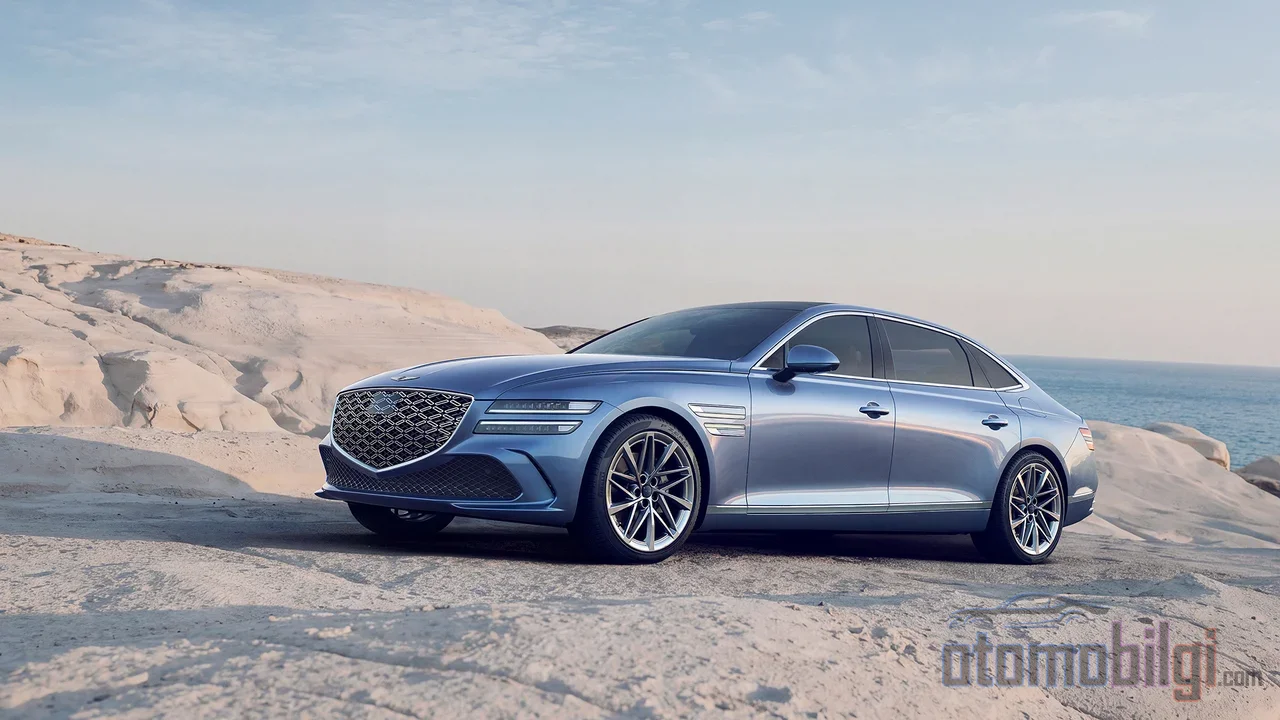
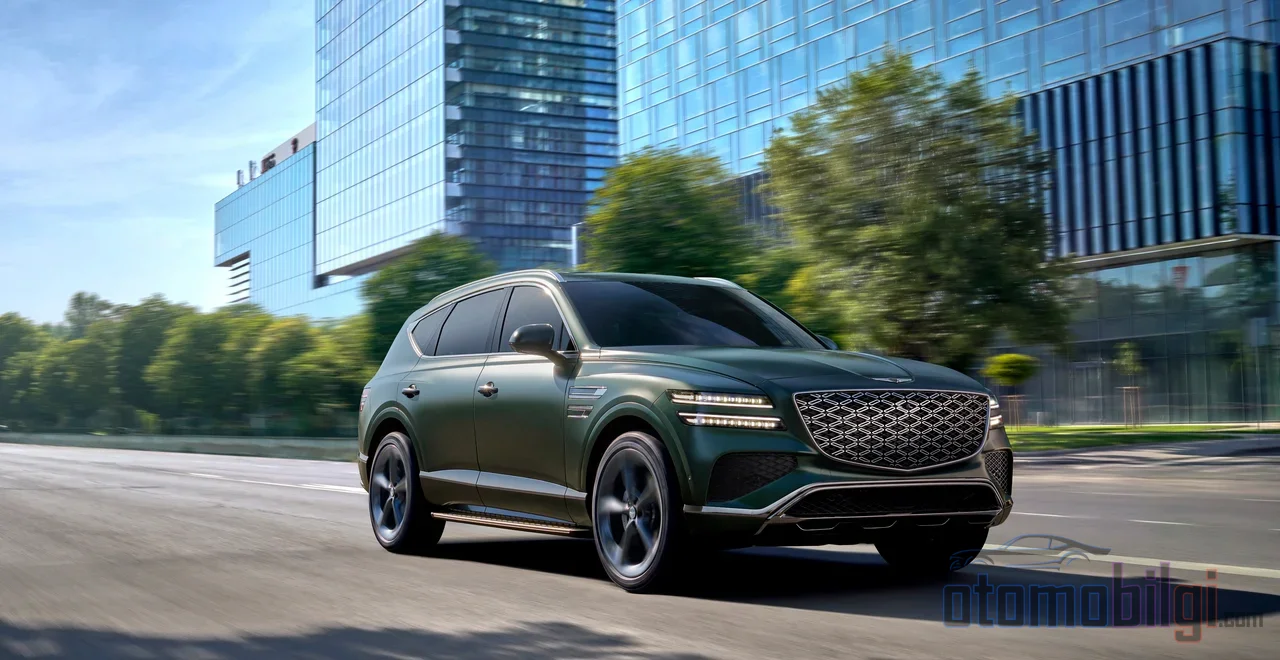
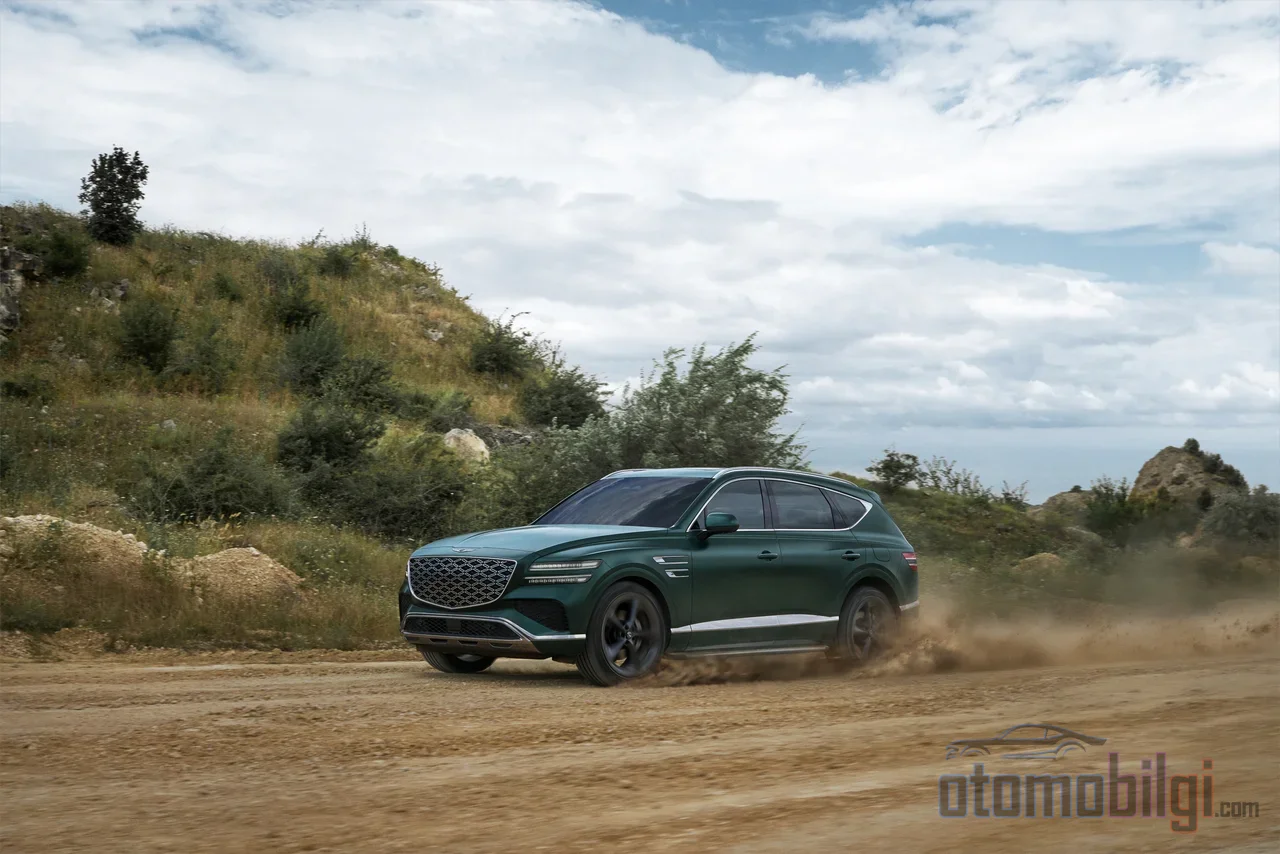
Genesis had leaned so heavily on electric models since its founding that it was assumed the brand would carry on without ever using the word hybrid. On November 19, 2026, ahead of the Los Angeles Auto Show, that expectation was turned upside down: the G80 Hybrid, the brand's first hybrid sedan in its history, and GV80 Hybrid, the hybrid member of its SUV lineup, were officially unveiled. The two vehicles share the same powertrain, and this system makes bold claims not only in electrification but also on the performance side.
Before diving into the numbers, one thing needs to be pointed out: With this move, Genesis no longer remains one of the few brands in the luxury segment that does not offer a hybrid. Nearly all of its competitors have been selling products in this space for a long time. So what does this shared 347 HP system promise?
347 HP and 530 Nm: One System, Two Vehicles
A parallel hybrid architecture is at work in both models: A 2.5-liter turbocharged inline four-cylinder gasoline engine works together with two electric motors. One of them serves as a generator while the other contributes to propulsion. Power is sent to the road through an eight-speed automatic transmission, and an adjustable regenerative braking system is also part of the package.
Total system output is 347 HP, and system torque is 391 lb-ft, roughly 530 Nm. The torque figure is particularly noteworthy: this value is exactly equal to the torque of the 3.5-liter twin-turbo V6 still offered in both models. The V6 produces 375 HP; meaning the four-cylinder hybrid system falls about 28 HP short of the V6 in output, but its traction character is practically shaped by the same torque. In the luxury segment, this is a message that needs to be read between the lines.
Highlights
- Genesis unveiled its first hybrids in the brand's history: G80 Hybrid and GV80 Hybrid
- Shared system output of 347 HP, with torque of roughly 530 Nm
- Torque on par with the 3.5-liter twin-turbo V6
- Fuel economy gains: 24% on the GV80, 30% on the G80
- Estimated range in both models is over 844 km
Liquid-Cooled Battery: A Small But Meaningful First
Perhaps the most technically interesting detail of the powertrain lies hidden in the battery. This system is the application where a liquid-cooled hybrid battery pack is used for the first time at Hyundai Motor Group. Compared to air-cooled solutions, this approach offers better thermal efficiency and management, and also makes it possible to draw more than the pack's current output. The cooling method of the hybrid battery, which is inherently a modest component of its kind, may look like a minor detail at first glance, but it is the kind of engineering decision that makes a difference in the long run in terms of durability and consistent performance.
Comparison with other members of the same family is also instructive. The sister brands' Kia Telluride Hybrid and Hyundai Palisade Hybrid models also come with a 2.5-liter turbocharged engine and dual electric motors; however, they do not share the same transmission, the liquid-cooled battery, or Genesis' high power output. In other words, this is not a package assembled from off-the-shelf parts; a system additionally developed according to the luxury brand's needs.
Fuel Economy and Range
The manufacturer's improvement figures are clear: the hybrid system offers 24% better fuel economy than its gasoline counterpart in the GV80, and 30% in the G80. Official EPA figures have not yet been announced; so it is too early to pin consumption to an exact figure in liters or mpg. As for the estimated range, the claim is consistent: it is predicted that more than 500 miles, i.e. more than approximately 844 km can be traveled on one tank of fuel in both models.
This range figure meets the hybrid buyer's two most practical expectations at once: diluting gas station visits and making long journeys without depending on charging infrastructure. At a time when electric vehicle range debates are flaring up, a projection exceeding 844 km on a full tank rather than a full charge is also a well-placed emphasis from a marketing standpoint.
Visual and Equipment Differences
Hybrid-specific touches
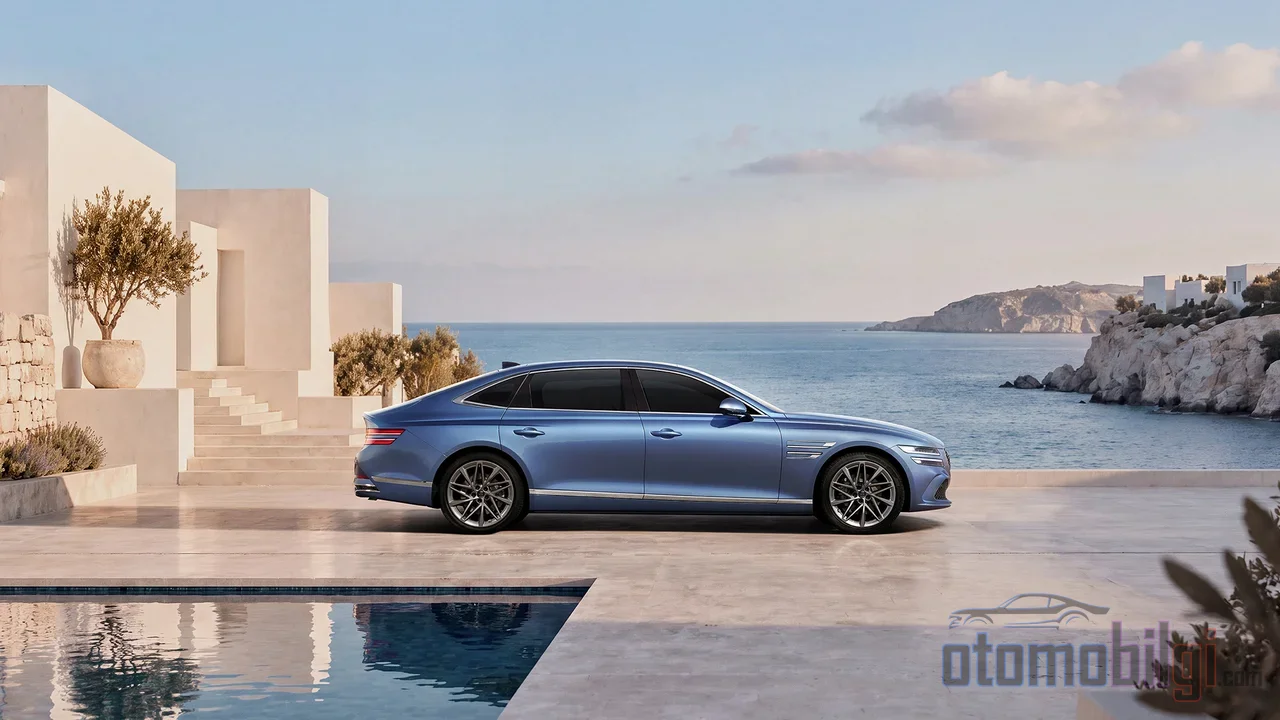
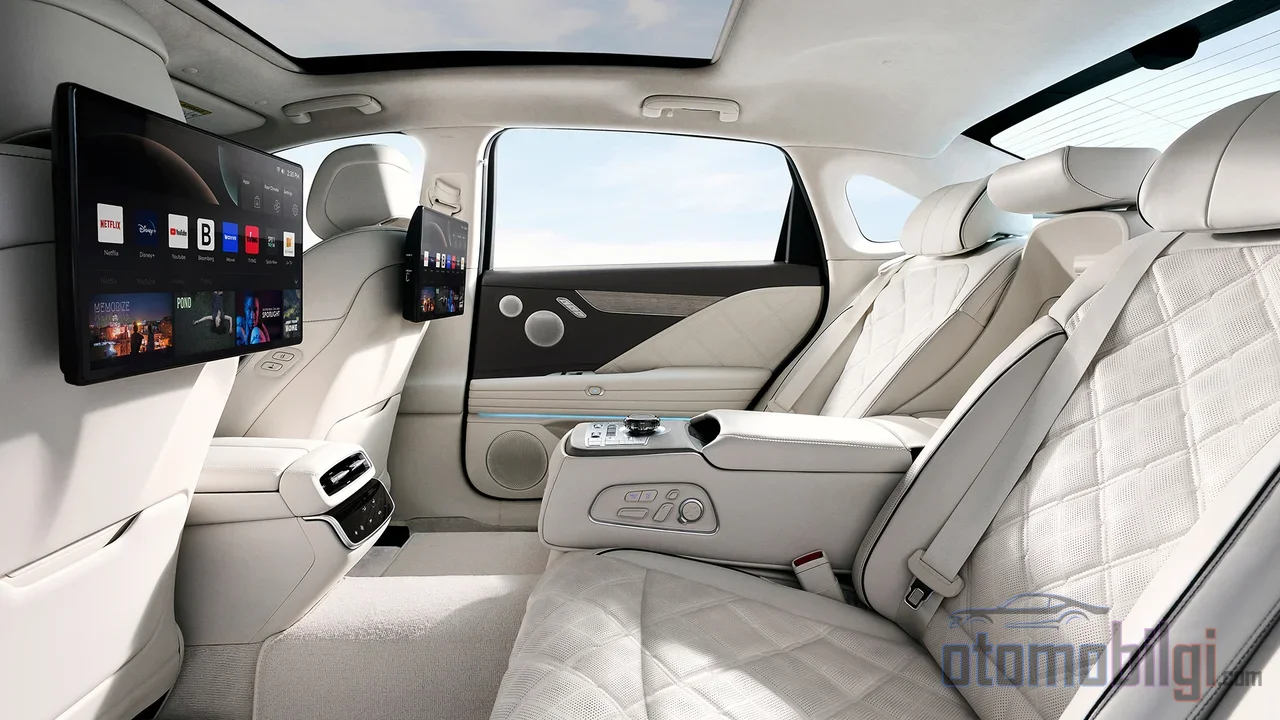
Viewed from the outside, the hybrid versions stand apart from their gasoline siblings with a redesigned front grille, hybrid-specific wheel design, and new interior-exterior color options. The G80 Hybrid's length is 202.1 inches, i.e. 5.1 inches longer than the gasoline model; this difference is transferred to rear seat legroom, just like in the electrified G80. The GV80 Hybrid's length is 194.5 inches. Both vehicles are produced in Ulsan, Korea.
Interior equipment
The luxury brand needs to meet expectations, and the equipment list does so: quilted Nappa leather, Black Ash wood trim, Bang & Olufsen premium sound system, a 27-inch OLED display combining the digital gauge cluster and infotainment system in a single panel, two-tone interior and genuine wood trim options, and Prestige Black packages. There is also a detail unique to the hybrid: Stay Mode keeps the climate control and infotainment system running while the engine is off.
Price and Sales Schedule: Open Questions
What is clear and what is not are separated here. What is clear: the models will go on sale in 2027, as 2028 model year vehicles, and production launch will take place at the beginning of next year. What is not clear: North American pricing, equipment details, and availability will be announced closer to the launch. How much of a premium the hybrid versions will command is also unclear for now.
For reference: 2026 model year gasoline G80 prices range from about $60,000 to just over $80,000. Industry publications' projection for the GV80 Hybrid is a starting price of around $72,000, with a range that could go up to $83,000 in top trim; however, these are estimates, not official figures.
From the EV Line to Hybrid: A Strategic Shift of Direction
Genesis' this step is a turning point in the brand's electrification history. Hyundai's luxury brand had followed a line emphasizing electric vehicles in recent years; Considering that the hybrid transition decision was announced about two years ago, the models unveiled today are the first tangible fruits of this shift in direction. The brand, which once aimed to diversify its portfolio with electric models, is now adapting to the reality of the market: In the US, hybrid demand is growing faster than the projected pace of the transition to fully electric vehicles.
Looking at the bigger picture, the brand's plan is also ambitious: Genesis expects to launch 22 new vehicles in North America with various powertrains by 2030, and at least one of them will be an extended-range electric vehicle (E-REV). In this picture, hybrids form the bridge between electric and internal combustion. It is also a plus that the brand will be recognized with a luxury car brand award in 2027; the closing of this gap in an award-winning brand's portfolio could attract not only loyal customers but also hybrid buyers from rival brands. That said, an honest question remains open: will these models truly bring new customers to the brand, or will they merely shift sales away from Genesis's non-hybrid vehicles? Time will tell.
Technical Summary and Pending Data
| Feature | G80 Hybrid / GV80 Hybrid |
|---|---|
| System power | 347 HP |
| System torque | 391 lb-ft (approximately 530 Nm) |
| Gasoline engine | 2.5-liter turbocharged, inline 4-cylinder |
| Electric motors | 2 (generator + drive motor) |
| Transmission | 7-speed automatic |
| Battery cooling | Liquid-cooled (a first in the Group) |
| Fuel economy gain | GV80: 24%, G80: 30% |
| Estimated range | Over 500 miles (approximately 844 km+) |
| Production site | Ulsan, South Korea |
As for the 0-100 km/h question on performance enthusiasts' minds: the manufacturer has not yet announced this figure. Estimates circulating through unofficial channels should not be taken into account, as they are unverified. Likewise, the official EPA consumption figures are still pending.
In summary, Genesis is filling the hybrid gap in the luxury segment with a shared 347 HP system, and in doing so manages to match a V6 in terms of torque. How prices will take shape in the sales starting in 2027 will be the decisive criterion for whether these first hybrids open a new chapter in the brand's North America story.
Sources
- Genesis Expands Product Portfolio With New Hybrid Powertrain; Debuts GV80 Hybrid and G80 Hybrid (PR Newswire)
- Genesis G80 And GV80 Finally Go Hybrid, With Over 500 Miles Of Range (Motor1.com)
- Genesis Joins the Party With New G80 and GV80 Hybrids (US News & World Report)
- 2028 Genesis G80 Is the Luxury Brand's First Hybrid Sedan (Car and Driver)