Nissan Rogue e-Power Becomes a Series Hybrid
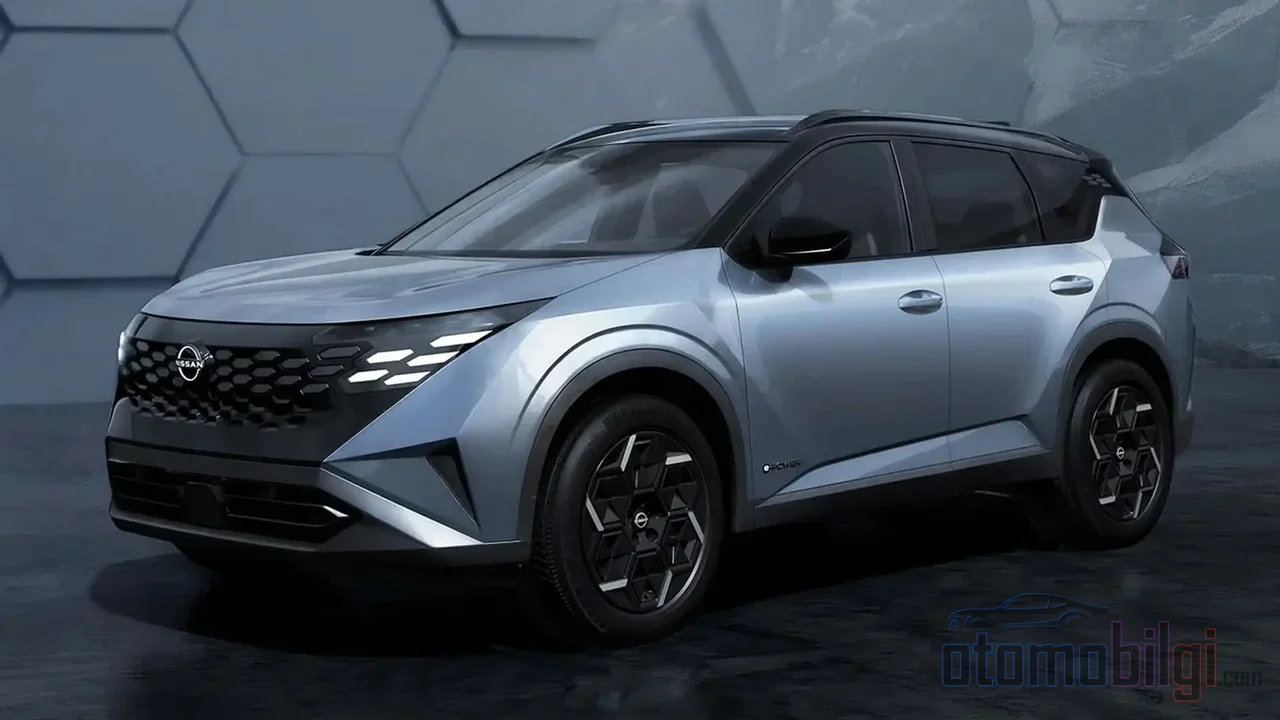
The hybrid version of the new-generation Nissan Rogue is making headlines with its first drive impressions, and the question is: will hybrid in the compact SUV class break out of the monopoly of parallel systems and represent a completely different philosophy? In the system Nissan calls e-Power, the gasoline engine is never connected to the wheels under any circumstances; its sole job is to generate electricity. Having looked at this industry from the inside for over thirty years, it is possible to say just how bold and how risky such a decision is. Now the first drive reports have begun to describe how this architecture behaves on the road.
Series hybrid architecture: engine as generator, wheels electric
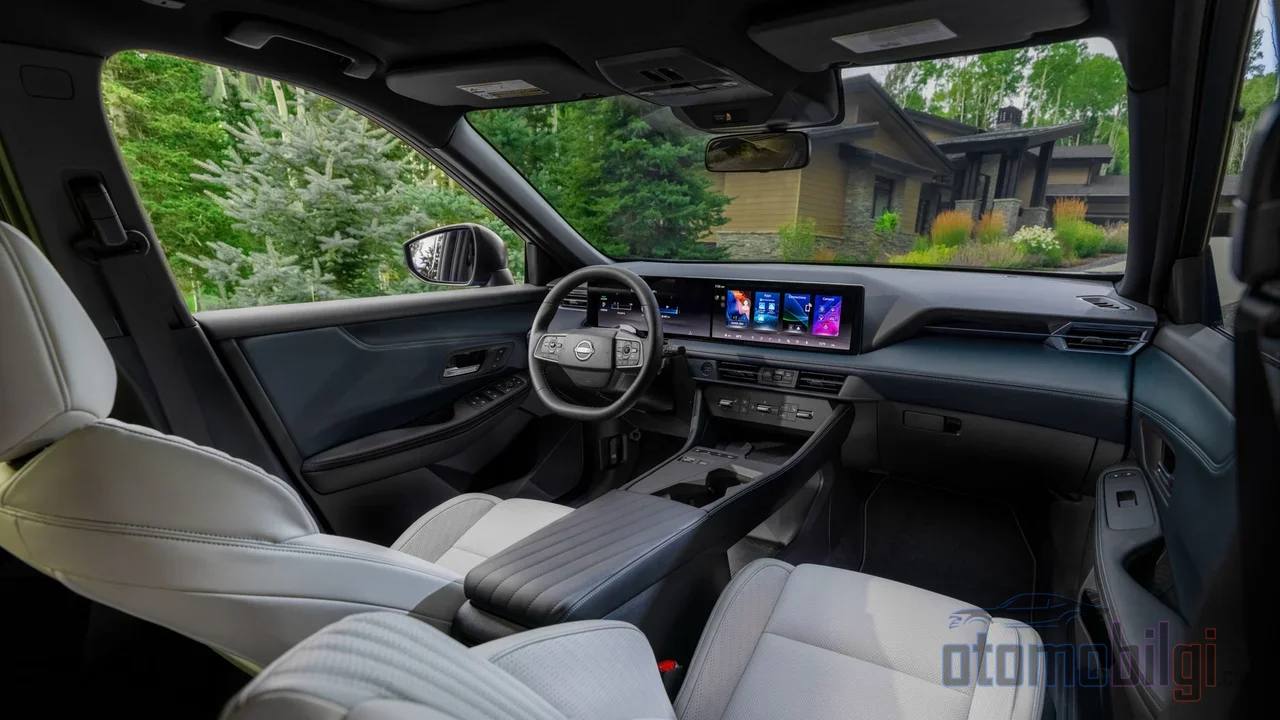
e-Power is a series hybrid system, to use its technical name. In other words, the 1.5-liter turbocharged three-cylinder engine never drives the wheels directly; it serves only as a generator and produces electricity. The traction task is handled entirely by two electric motors: the front motor with 202 horsepower carries the main load, while the rear 134-horsepower unit turns the second axle in all-wheel-drive versions. Total system output was announced as 225 horsepower. The lithium-ion battery acts as a buffer between the engine and the wheels.
The critical detail here is that the engine is calibrated to operate efficiently within a narrow rev band. This engine is not the same unit as in the gasoline Rogue; it is a separate structure configured according to the Miller cycle, producing 148 horsepower and 171 lb-ft of torque. In the old days, hybrid meant systems where the gasoline engine's rev counter was constantly fluctuating and the car behaved on its own terms. Now the engine generates electricity in a fixed, calm regime; no matter what the driver does with the accelerator pedal, it never leaves that regime.
This is the third generation of e-Power. Nissan highlights a 15 percent improvement in efficiency at high speeds and 9 percent in general use compared to the previous generation. The engine, battery, inverter, generator, and electric motor are combined in a single chassis-mounted unit; the manufacturer presents this as a reduction in noise and vibration. Verification will come on the road, but the purpose of the architecture is clear: to carry not a hybrid that burns fuel and moves on, but an electric power plant that runs like clockwork.
Highlights
- The gasoline engine is never connected to the wheels; traction is provided 100 percent by electric motors, with system output of 225 horsepower.
- EPA estimated consumption is 40 mpg in the city and 38 mpg combined; the manufacturer gives a city figure of 41 mpg for the SR AWD.
- US prices start at $35,490 in SV trim and reach $43,490 in Platinum.
- The SR Technology Package arrives in limited numbers in November 2026; the other trims are expected in January 2027.
What stands out in the first drive: silence and smoothness
In the first drives with production-close prototypes, the most emphasized point was the silence and smoothness of the power delivery. The inherently slightly rough operation of three-cylinder engines is set aside; because that sound has been completely removed from the chain between the cabin and the wheels. The engine doesn't hear acceleration requests, it only meets the electrical need. For someone accustomed for many years to hybrids that fire up the gasoline engine and wait for a response, this is a habit-breaking experience.
The one-pedal driving function is also an interesting addition in a hybrid vehicle. While it doesn't slow the car down as aggressively as in fully electric vehicles, it can bring the car to a complete stop; in city use, it reduces the back-and-forth between the pedals. In addition, the updated ProPilot Assist, which can operate hands-free in slow traffic, and the Smooth Stop function, which softens sudden stops, are the standout items on the equipment list. On the cabin side, the 12.3-inch screen is standard, and the 14.3-inch unit is optional; wireless CarPlay and Android Auto, plus a Bose sound system in the Platinum trim, complete the package.
Along with the praise came measured criticism, too. It is noted that steering feel remains weak and that consumption figures lag behind the class leaders. In other words, while e-Power stands out with its driving comfort and refined character, it doesn't promise outright leadership on the paper efficiency chart. This distinction comes together in the later sections of the article with a price and competitor comparison.
What separates it from the competition: series or parallel?
Most hybrids on the market are parallel systems: In the Toyota RAV4 Hybrid, the engine can directly drive the wheels under suitable conditions. The Honda CR-V Hybrid mostly acts like a series hybrid, yet in some situations the engine is mechanically connected to the wheels. Nissan, on the other hand, places the matter in an entirely different category: in e-Power, the gasoline engine has no physical connection to the wheels. This commitment is the fundamental element that determines the system's driving character.
Another interesting detail is this: e-Power's physical setup resembles classic power-split transmissions. Nissan nonetheless emphasizes that the engine is never connected to the wheels. Reading such architectural classifications in catalog pages is one thing, feeling them on the road is another; based on first driving impressions, the difference shows itself especially in the linear and quiet character during acceleration.
The Rogue's hybrid history is also instructive. The previous-generation Rogue Hybrid was a rebadged Mitsubishi Outlander Hybrid; the 2027 model sets out with an entirely new technology of its own. This shows that the brand is carrying the technology itself this time.
The Rogue Hybrid in numbers: consumption, performance, towing capacity
The numerical table summarizes the vehicle's identity well. Consumption figures were announced as 40 mpg in the city, 36 mpg on the highway, and 38 mpg combined; the manufacturer's own page shows a 41 mpg city figure for the SR AWD version. The 0-60 mph time is estimated at around 6.3 seconds, which is a sufficiently ambitious figure for hybrids in this class. When it comes to towing capacity, the picture falls behind the class: The Rogue tows 1,500 pounds, while the RAV4 Hybrid is at the 3,500-pound level. For users towing a boat or caravan, this difference carries weight at the decision stage.
| Feature | 2027 Nissan Rogue Hybrid e-Power | Toyota RAV4 Hybrid |
|---|---|---|
| Architecture | Series hybrid, the engine is not connected to the wheels | Parallel hybrid, the engine can drive the wheels |
| System power | 225 horsepower | 226-324 horsepower (depending on version) |
| Drivetrain | AWD standard, with an electric motor at the rear | Available across the hybrid lineup |
| Towing capacity | 1,500 pounds | 3,500 pounds |
| Launch | November 2026 (limited) / January 2027 | On sale |
On the warranty side, the standard package offers 3 years/36,000 miles, the powertrain 5 years/60,000 miles, and hybrid components 8 years/100,000 miles of coverage. For users who are hesitant about hybrid technology, the long hybrid warranty is a tool that works to overcome the psychological barrier in the purchase decision. There is an old rule in this business: whatever the technology says, what speaks to the customer is the assurance given.
Pricing and launch schedule
The trim ladder starts at $35,490
US prices are listed on the manufacturer's official page as follows: SV $35,490, SV+Premium $37,590, SR $37,490, SR+Tech $41,490, and Platinum $43,490. Figures given by some automotive publications are around two thousand dollars higher; this is likely due to differences in how the trim definitions are structured. What matters practically is that the hybrid Rogue is positioned with a noticeable premium over the gasoline version. The reason for this is the new-generation body and AWD coming as standard: thanks to the electric motor at the rear, four-wheel drive is achieved without an additional transmission or driveshaft.
The schedule opens up in November
The SR Technology Package will reach a limited number of dealers in November 2026; the other trims are expected to arrive in January 2027. The vehicle was introduced at the Vision event in Japan, with the US and Canada launch taking place toward the end of this year. Moreover, the model made it onto an automotive publication's list of the most anticipated vehicles of 2026, showing just how high expectations are.
The Rogue's place in Nissan's electrification strategy
The real story of this vehicle lies more in strategy than in technical specifications. Nissan openly assessed the absence of its hybrid lineup in North America as a mistake and aims to close this gap within about 24 months. The arrival of e-Power in the US and Canada for the first time is also the first step of this plan. Those who have lived in this industry know well what a four-to-five model delay means against the rivals that have shaped the market's direction toward hybrids over the years; Nissan is late but trying to enter through the right door.
One topic readers frequently ask about also needs to be clarified: e-Power is not a plug-in. There is no way to charge the battery from an external source; the gasoline engine generates the electricity itself; for those looking for something to plug in, e-Power is not the right address. There is also talk of a separate 2026 Rogue Plug-In Hybrid; with 38 miles of electric range and 248 horsepower, this model offers a separate option for those who want plug-in use. It is clear that the two are different products and should not be used interchangeably.
Conclusion: a silent revolution, or the right move?
The question, plainly stated: What is the Nissan Rogue e-Power, and how does it differ from its rivals? The answer, just as plain: a full series hybrid. The gasoline engine is never connected to the wheels; drive always comes from the electric motors in every condition, and system output is 225 horsepower. The RAV4 Hybrid brings the engine in mechanically when needed, and the CR-V Hybrid carries similar flexibility; Nissan rejects that flexibility entirely. The price of this is weaker towing capacity and a mediocre position in the consumption table, while the gain is one of the quietest and most refined hybrid driving experiences in the class.
First drive impressions show that the architecture largely kept its promise on the road. It would be fair to expect the first vehicles hitting the roads at the end of November, and the full launch in January, to also clarify questions of consumption and durability. Nissan acknowledged the gap and chose a path of trusting its technology, not its design, to close it. There's an old saying in this business: if it fits well, it must have come through the right door.
Sources
- 2027 Nissan Rogue e-Power Hybrid First Drive
- 2027 Nissan Rogue Hybrid Review, Pricing, and Specs
- All-New 2027 Nissan Rogue Hybrid e-POWER
- 2027 Nissan Rogue Hybrid e-POWER's technology explained
- All-new 2027 Nissan Rogue Hybrid debuts in the U.S.
- Third generation e-POWER | Innovation
- 2027 Nissan Rogue vs. 2026 Toyota RAV4