Next-Generation Honda CR-V Will Be Hybrid Only
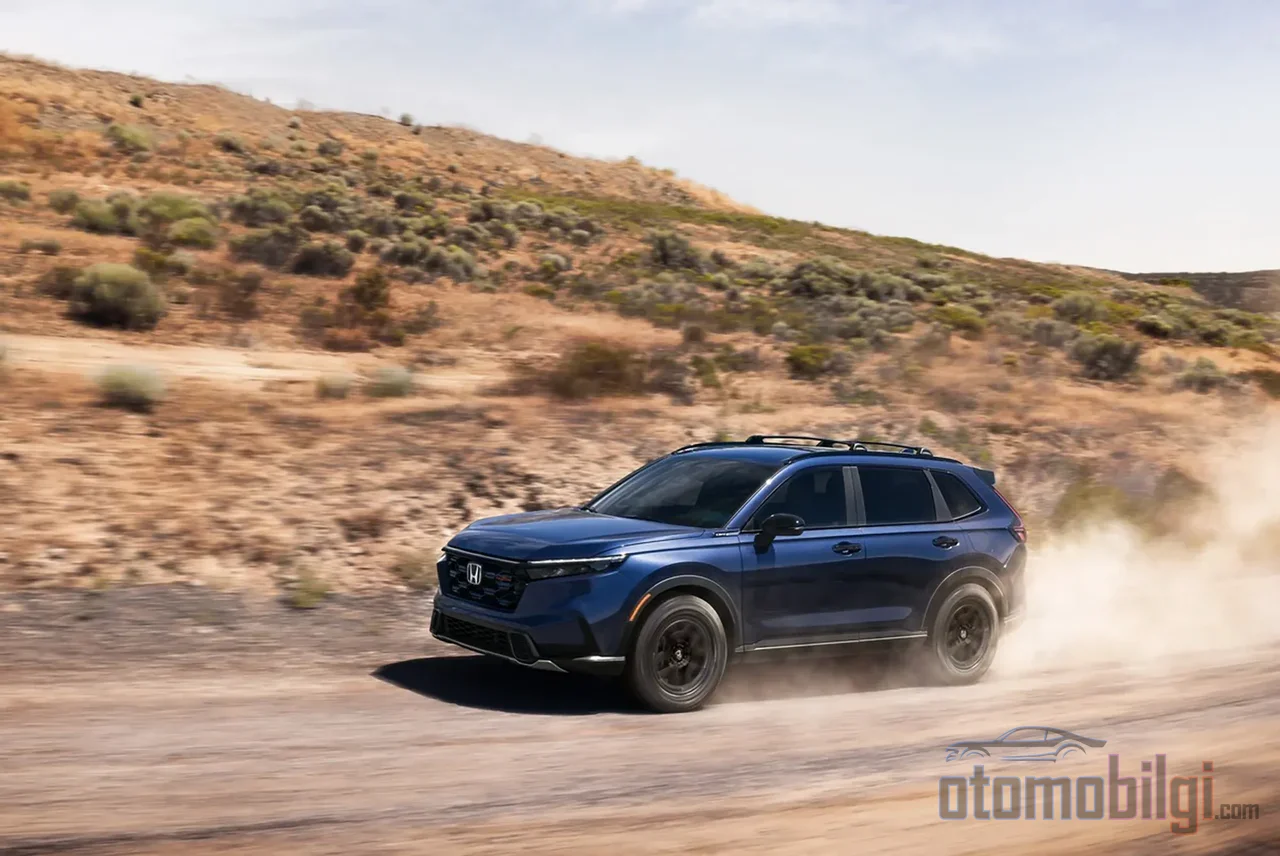
When the Toyota RAV4 became an all-hybrid model a year ago, the question raised was answered by the segment's other major player: Honda has officially confirmed that the seventh-generation CR-V will be offered for sale exclusively with a hybrid powertrain. The decision, announced in a press release dated November 12, 2026, is not merely a narrowing of engine diversity for a single model; it is the most concrete evidence of the phase-out of standalone internal combustion options in the compact SUV class. So why is Honda taking this step now, and what does the new CR-V bring?
Why the Seventh-Generation CR-V Is Going Hybrid-Only
According to Honda's official statement, the seventh-generation Honda CR-V arriving with the 2028 model year will go on sale next year exclusively with the new-generation two-motor Honda hybrid system. The current CR-V is still being sold with a gasoline option; but in the new generation, this option is being removed from the lineup entirely. The vehicle also stands out as the first model to use Honda's completely new platform: While the modular architecture is expected to increase parts commonality, the platform aims to combine high body rigidity with lightness.
Although the decision looks bold at first glance, sales figures have already strengthened Honda's hand. More than 50 percent of CR-V sales come from hybrid versions, and since its market entry in 2020, the CR-V hybrid has grown its annual sales volume roughly 10-fold. In other words, Honda is facing a picture in which customers have long been lining up in front of the door it has declared it will close.
Highlights
- The seventh-generation CR-V will go on sale next year as a hybrid-only model
- The new generation will be built on a completely new Honda platform used for the first time
- The new hybrid system targets a fuel efficiency improvement of more than 10%
- The CR-V is the best-selling SUV of all time in the US: Over 7.5 million units sold
- Production will continue at three plants in Ohio, Indiana and Ontario
What Do the New Hybrid System and Platform Promise?
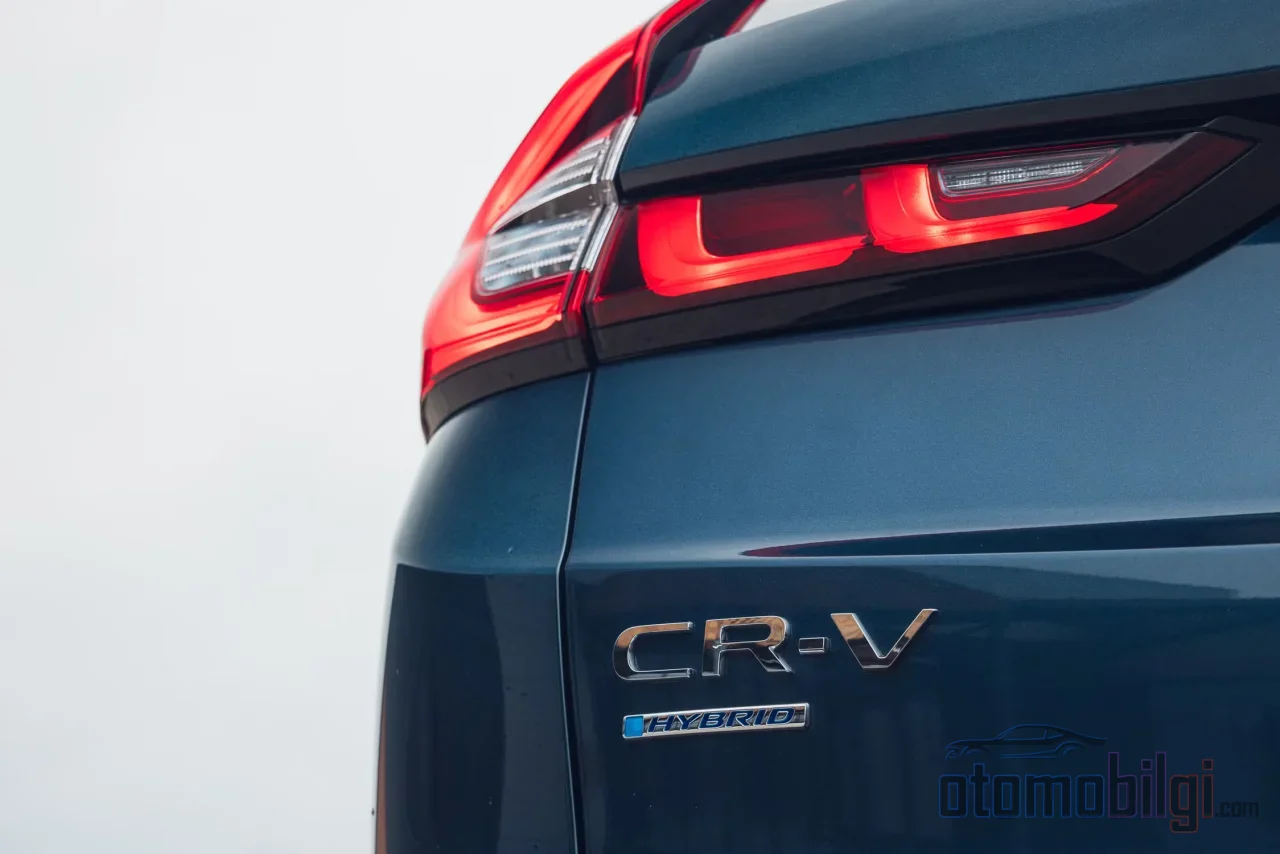
On the technical side, Honda is introducing the fifth generation of its two-motor hybrid system. The system is paired with a new Atkinson-cycle four-cylinder gasoline engine. According to Honda, the engine's most efficient operating rpm range has been widened, and the driving efficiency of the hybrid unit has been improved. The newly developed electric AWD unit promises precise and fast motor control.
The concrete target is clear: Honda expects a fuel efficiency improvement of more than 10% in the new-generation hybrid model compared to the current system. System power and torque figures have not yet been announced by the manufacturer. To be honest at this point; automotive history shows that manufacturers who withhold figures before a launch generally like to surprise, but pinning the expectation to a number now would be speculation.
The change on the platform side is just as important as the powertrain components. The seventh-generation CR-V will be the first of several hybrid models planned for release in North America by 2030. The modular architecture increasing parts commonality will directly affect the development costs and production flexibility of the models in this family. In other words, the new CR-V is not just the renewal of a single model, but the first cornerstone of Honda's product strategy in North America.
Where the Current CR-V Hybrid Stands
To understand the boldness of the decision, we need to look at the measure of the current situation. As per our editorial policy, we only cite the manufacturer's official figures; since the next-generation values have not yet been announced, the table shows the current 2026 model.
| Specification | 2026 CR-V Hybrid (official) |
|---|---|
| System power | 204 hp |
| Torque | 247 lb-ft (approximately 334 Nm) |
| EPA consumption (FWD) | 43/36 mpg (city/highway) |
| EPA consumption (AWD) | 40/34 mpg (city/highway) |
| 1.5L turbo gasoline engine (for comparison) | 190 hp, 179 lb-ft, 30 mpg combined (FWD) |
| Next-generation power and torque | Not announced by the manufacturer |
The picture emerging from the table is striking: the hybrid system is clearly ahead of the 1.5-liter turbocharged gasoline engine being retired, both in power and consumption. The CR-V will turn 30 in 2027; giving its strongest engine to the brand's best-selling vehicle and quietly retiring the rest also explains the logic behind this birthday gift.
Sales Figures: The Real Engine Behind the Decision
The CR-V is the best-selling SUV of all time in the US: with total sales exceeding 7.5 million units. It has been Honda's best-selling vehicle every year since 2017 and is currently on track to exceed 400,000 units annually for the third consecutive time. As of October 2026, the CR-V is the best-selling vehicle in the US market excluding light commercial vehicles.
The picture across the brand points in a similar direction: hybrids account for roughly 30 percent of all sales at Honda. Honda broke hybrid sales records back to back in 2024 and 2025, and is targeting a record for 2026 as well. In a market where demand for hybrid electric vehicles is at record levels, and with more than half of your best-selling model's sales already being hybrids, continuing to produce the gasoline version has no defensible side left on the cost front. The logic behind Honda management's decision should be sought precisely in this simple arithmetic.
Massive Investment on the Production Side
The decision is already reflected not only in product planning but also on the production front. The seventh-generation CR-V will be produced at three plants in North America: the East Liberty Auto Plant in Ohio, the Indiana Auto Plant, and Honda of Canada Mfg. in Ontario. More than 7 million CR-Vs have been produced in North America since 2006; about half of them were produced in the US.
The most notable development is happening in the powertrain components. The new hybrid power unit will be produced at the Honda Transmission Plant (TMP-O) in Ohio. The plant is being re-equipped, with the goal of increasing hybrid system production capacity by 250% in the coming years. The Anna Engine Plant, meanwhile, is re-equipping a line for production of the new-generation Atkinson-cycle four-cylinder engine. These are parts of Honda's approximately $3 billion investment plan for its existing facilities in the US.
The domestic production rate is also striking: In 2025, about 99 percent of Honda vehicles sold in the US were produced in North America, and 60 percent within US borders. Honda had also introduced, in Japan in October 2025, the core technologies of a new large-size hybrid system for future large models to be produced only in the US: a newly developed V6 engine, new drive units and a battery pack; high towing capacity is targeted. North America is rapidly advancing toward becoming the stronghold of Honda's hybrid strategy.
RAV4 Parity: The New Normal in the Segment
Honda's move is a near-exact repetition of the strategy Toyota applied to the new RAV4 a year earlier. Toyota had paved the way by fully hybridizing the leader of the compact SUV class; Honda's CR-V decision shows that this path is now the industry's main street. Both of the class's two best-selling models have removed their standalone internal combustion options from the shelf.
For now, the balance of power in the competition favors Toyota: The 2026 Toyota RAV4 hybrid produces 226 hp in the front-wheel-drive version and 236 hp in the AWD version; the current CR-V hybrid has a combined system output of 204 hp. The CR-V's answer comes on the torque side: it offers a higher torque value than its rival. Given the target of more than 10 percent efficiency improvement in the new-generation system and the promise of precise control of the electric AWD unit, the balance of power reshaping in the new generation seems inevitable. The first serious round of this comparison will be played when the power and torque figures are announced.
When and at What Price
On the timing side, the official calendar is clear: the new CR-V will go on sale next year, that is, within 2027, and its unveiling is expected later this year. Pricing has not yet been announced. The current 2026 CR-V is sold in the US with labels starting at $30,920 in LX trim; whether the seventh generation's pricing will rise above this base will be one of the critical indicators to watch in terms of showing the cost impact of the switch to hybrid.
Meanwhile, a window is also open for owners and buyers of the current generation: the gasoline CR-V will continue to be sold until stocks run out. Whether the new platform and fifth-generation hybrid system are worth the wait, or whether the nostalgic side of bidding farewell to the last internal-combustion CR-Vs will outweigh it, will become clear in buyers' decisions in the coming months.
Conclusion: The Next Act of Electrification
In summary, the clear answer to the question is this: The seventh-generation Honda CR-V will go on sale next year as a hybrid only, with a completely new platform and a fifth-generation two-motor hybrid system; the standalone internal-combustion gasoline option is disappearing from history in the segment's best-selling SUV. Honda has made this decision openly, basing it squarely on its sales figures without hiding behind them: More than half of CR-V sales are hybrids, hybrids account for 30 percent across the brand, and demand keeps breaking records.
For someone who has been working in this business for over thirty years, the real message is this: in the shadowy period of promised full-electric transition, the hybrid continues to remain the only bridge that can strike a balance between price and range. The back-to-back hybrid-only shift of the CR-V and RAV4 makes it official that in the compact SUV segment it is no longer a choice but the standard. Only one question remains: how quickly will the other players in the class embrace this new normal?